Category: General

General collection of diverse articles on various topics

  • How to Choose Device Risk Class Brazil: A Step-by-Step Guide

    How to Choose Device Risk Class Brazil: A Step-by-Step Guide

    Introduction

    Navigating the complexities of medical device classification in Brazil is a formidable challenge, particularly given the regulatory landscape shaped by the stringent guidelines of ANVISA. Understanding how to select the appropriate device risk class is not merely a compliance issue; it is essential for ensuring that medical products adhere to safety standards and secure market access.

    With the Brazilian medical equipment market projected to surpass $10 billion by 2025, the stakes are significant for manufacturers seeking to introduce innovative solutions.

    How can stakeholders effectively navigate this intricate classification system to ensure their devices are classified correctly and efficiently?

    Understand Medical Device Classification in Brazil

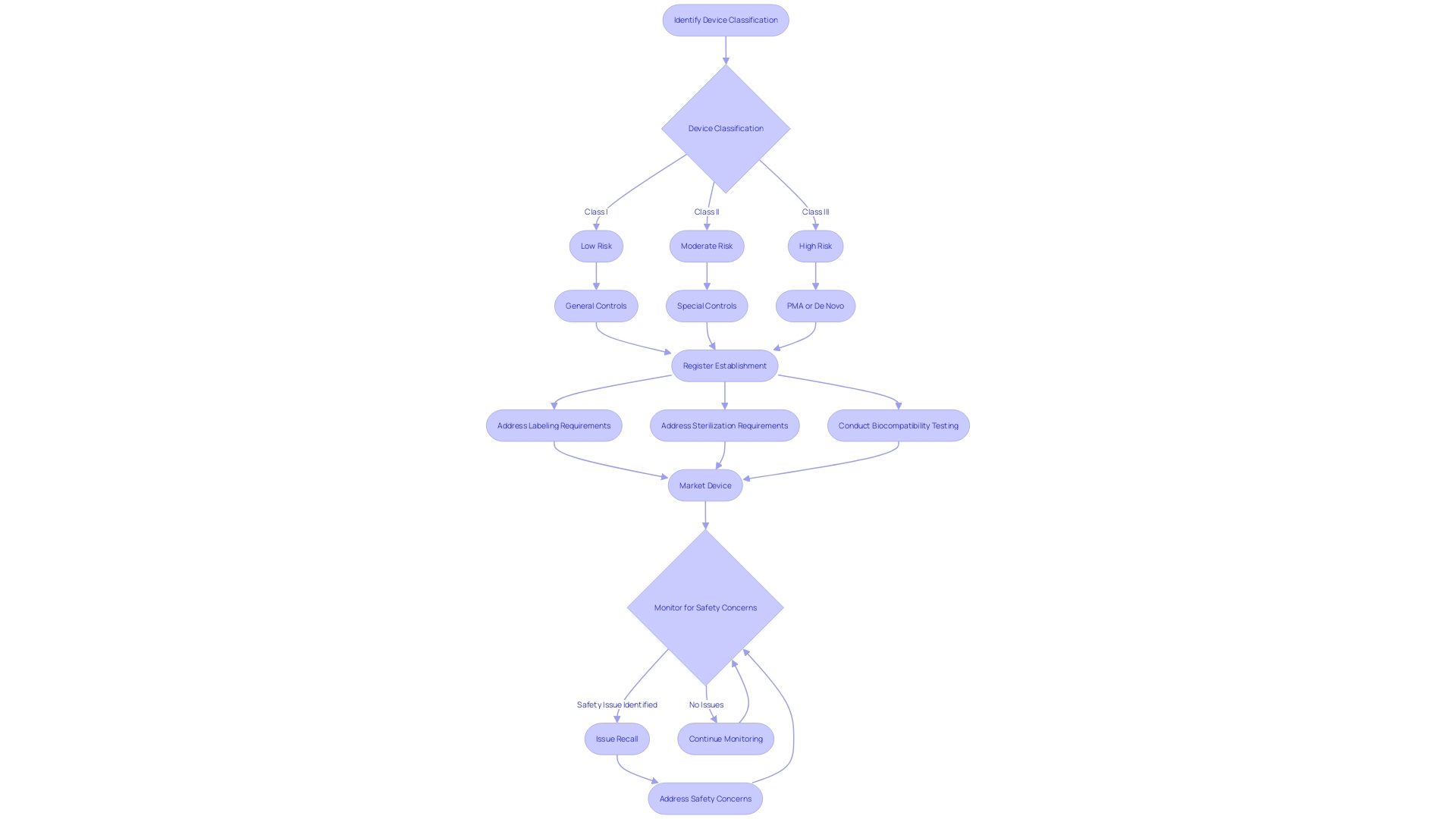
    In Brazil, knowing how to choose is essential as into four categories based on their associated risk levels:

    1. Class I (low risk)
    2. Class II (medium risk)
    3. Class III (high risk)
    4. Class IV (maximum risk)

    This classification system is regulated by ANVISA (Agência Nacional de Vigilância Sanitária) and adheres to the guidelines set forth in RDC 751/2022. Understanding how to is crucial, as it dictates the level of oversight and documentation required for each item. For example, Class I products, such as bandages, are subject to minimal oversight, while Class IV items, including implantable pacemakers, must undergo an extensive evaluation and .

    By 2025, the is projected to reach US$10.15 billion, reflecting a growing demand for innovative technologies. Familiarizing yourself with how to choose will empower you to navigate the effectively, ensuring adherence and facilitating market access for your medical products.

    It is also important to note that Category II medical instruments have a extended to January 10, 2027, while Category IV instruments must comply by July 10, 2025. Furthermore, manufacturers of Class III and IV devices are required to obtain BGMP certification, a critical aspect of the compliance process.

    Recent developments include the public consultation (Public Consult 13/2025) published by ANVISA on March 20, 2025, which is relevant to ongoing policy changes. With insights from experts like Ana Criado, Director of Compliance Affairs at bioaccess, who possesses extensive experience in oversight and across Latin America, managing these categories becomes more manageable.

    Bioaccess offers comprehensive , including feasibility studies, site selection, compliance reviews, and project management, ensuring that your medical products meet all regulatory requirements efficiently.

    The central node represents the overall classification system, with branches indicating each class and their specific details. Each color-coded class helps you quickly identify the risk level and associated requirements.

    Identify Key Factors for Risk Classification

    In Brazil, understanding involves considering several , duration of body contact, invasiveness, and associated risks. For example, instruments designed for short-term, non-invasive applications generally fall into , whereas those meant for long-term implantation are classified as .

    The categorization process also considers the materials used in the devices and , such as infection or malfunction. Furthermore, it is essential to recognize that , significantly oversees in Colombia, offering valuable insights into regional regulatory practices.

    In 2024, , underscoring the necessity of . By meticulously evaluating these factors, manufacturers can strategically navigate the process of , ensuring compliance and facilitating a smoother path to market.

    This mindmap shows the main considerations for classifying medical devices in Brazil. Start at the center with the overall theme, and follow the branches to understand how various factors influence device classification.

    Follow the Step-by-Step Classification Process

    To classify a medical device in Brazil, adhere to the following steps:

    1. Specify the Intended Use: Clearly outline the purpose of your equipment and its application in clinical environments, as this is essential for categorization.
    2. Assess the Equipment Attributes: Evaluate the design, materials, and potential risks associated with the equipment’s use, which will influence its categorization.
    3. To understand how to choose , it is important to consider various . Consult the to understand : Refer to the in Annex I of RDC 75. Here is 1/2022, which outlines the . Note that these rules are similar to those in Europe, providing a familiar framework for manufacturers.
    4. Categorize the Equipment: Based on your evaluation, allocate the equipment to the suitable category, while understanding , as Category I and II items are generally low-risk and exempt from (BGMP) requirements. These classes may follow a simplified notification process, while Class III and IV devices require more extensive documentation and regulatory scrutiny, with being valid for ten years.
    5. Document the categorization by preparing a , justifying your categorization decision with all relevant data and assessments to support your claims. Ensure that all documentation is submitted in Brazilian Portuguese, as this is a critical requirement for the submission process.
    6. : If needed, send the categorization report to ANVISA for assessment and authorization, ensuring that all necessary documentation is provided and considering for a seamless process. Specialists in the area, such as Ana Criado and Katherine Ruiz, highlight the significance of comprehensive preparation and adherence in managing the categorization process.

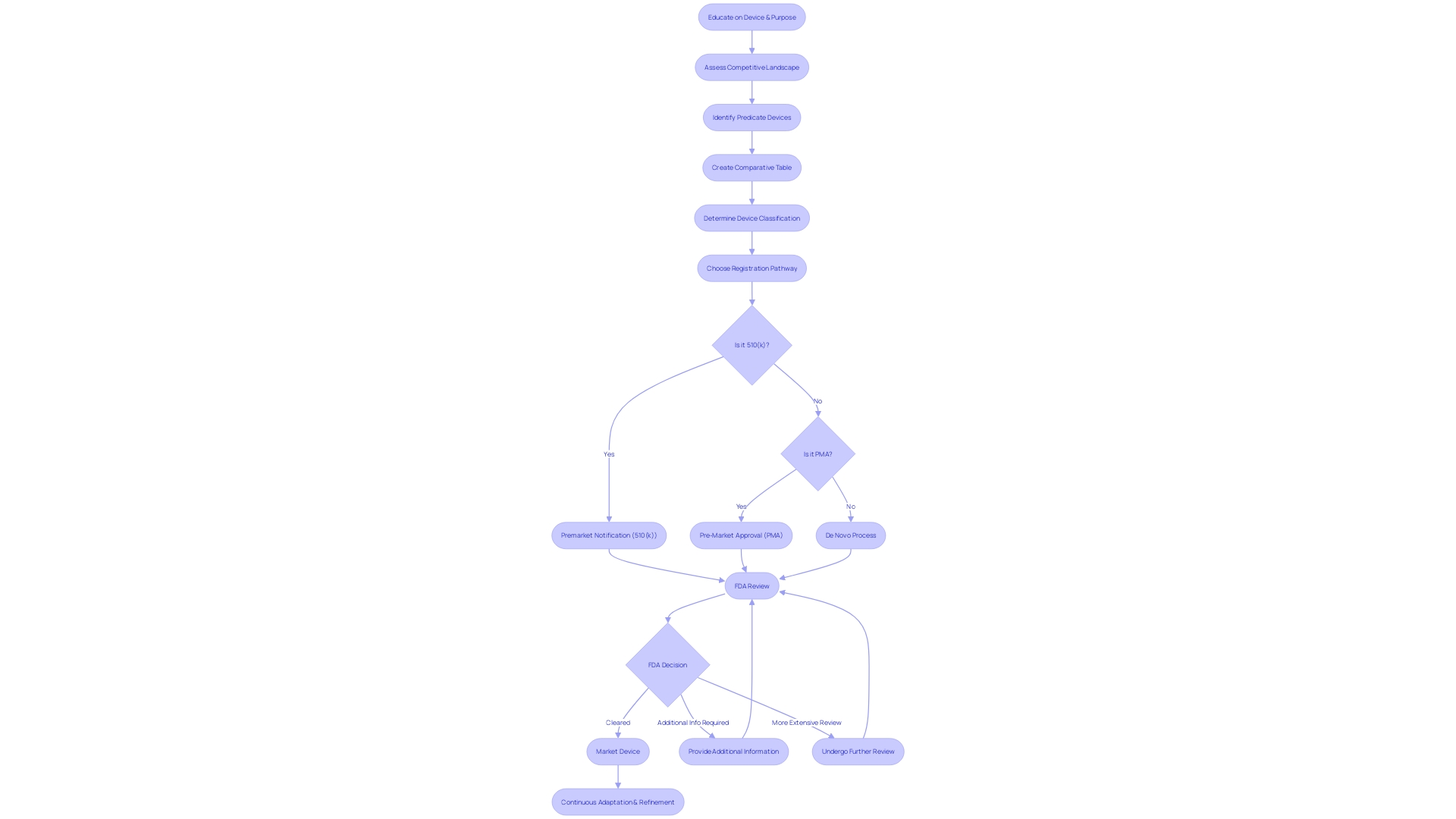
    Each box represents a crucial step in the classification process — follow the arrows to understand how to navigate from one stage to the next.

    Utilize Resources and Tools for Effective Classification

    To understand how to choose effectively, it is essential to leverage key resources and tools that ensure compliance and streamline the process.

    • : Regularly consult ANVISA’s official website for the latest updates on regulations and classification criteria. Staying informed is crucial for understanding to ensure compliance with current standards.
    • Regulatory Consultants: Collaborate with . Their expertise offers valuable insights and support, helping you learn successfully.
    • : Utilize online and databases specifically designed to streamline the sorting process. These tools provide automated evaluations based on your input data, simplifying for your equipment.
    • Industry Associations: Join . These organizations provide information on , keeping you updated on best practices and compliance changes affecting medical products.
    • : Engage in focused on . These events enhance your understanding of the regulatory landscape and provide insights on while facilitating connections with experts in the field.

    At the center is the main topic, with branches representing different resources that help in the classification process. Each branch connects to specific tools or organizations that provide support and information.

    Conclusion

    Understanding how to choose device risk class in Brazil is pivotal for navigating the complex landscape of medical device regulations. The classification system, overseen by ANVISA, segments medical devices into four distinct categories based on their risk levels, each requiring varying degrees of oversight and documentation. This knowledge not only aids compliance but also facilitates market access, which is increasingly crucial as Brazil’s medical equipment market continues to expand.

    Key factors in determining the appropriate risk classification include:

    1. The intended use of the device
    2. The duration of body contact
    3. The associated risks

    The step-by-step process outlined emphasizes the importance of thorough evaluation and adherence to regulatory guidelines, ensuring that manufacturers can effectively categorize their products. Additionally, leveraging resources such as ANVISA guidelines, regulatory consultants, and categorization tools can significantly enhance the classification process.

    Ultimately, staying informed and prepared is essential for manufacturers aiming to succeed in Brazil’s medical device market. Engaging with industry resources and experts not only streamlines compliance but also positions businesses to adapt to evolving regulations. By prioritizing a clear understanding of the classification system, stakeholders can ensure their products meet necessary standards, paving the way for innovation and improved healthcare outcomes in Brazil.

    Frequently Asked Questions

    What are the risk classes for medical devices in Brazil?

    Medical devices in Brazil are classified into four categories based on their risk levels: Class I (low risk), Class II (medium risk), Class III (high risk), and Class IV (maximum risk).

    Who regulates the classification of medical devices in Brazil?

    The classification system for medical devices in Brazil is regulated by ANVISA (Agência Nacional de Vigilância Sanitária) according to the guidelines set forth in RDC 751/2022.

    Why is it important to understand medical device classification in Brazil?

    Understanding medical device classification is crucial as it dictates the level of oversight and documentation required for each product, impacting compliance and market access for medical products.

    What is the oversight level for Class I and Class IV medical devices?

    Class I products, such as bandages, are subject to minimal oversight, while Class IV items, including implantable pacemakers, must undergo an extensive evaluation and approval process.

    What is the projected value of the medical equipment market in Brazil by 2025?

    The medical equipment market in Brazil is projected to reach US$10.15 billion by 2025, indicating a growing demand for innovative technologies.

    What are the Unique Device Identification (UDI) deadlines for Category II and IV medical instruments?

    The UDI deadline for Category II medical instruments has been extended to January 10, 2027, while Category IV instruments must comply by July 10, 2025.

    What certification is required for manufacturers of Class III and IV devices?

    Manufacturers of Class III and IV devices are required to obtain BGMP certification as part of the compliance process.

    What recent developments have occurred regarding medical device regulation in Brazil?

    A public consultation (Public Consult 13/2025) was published by ANVISA on March 20, 2025, which is relevant to ongoing policy changes in medical device regulation.

    What services does Bioaccess provide for clinical trial management?

    Bioaccess offers comprehensive clinical trial management services, including feasibility studies, site selection, compliance reviews, and project management, ensuring that medical products meet all regulatory requirements efficiently.

    List of Sources

    1. Understand Medical Device Classification in Brazil
      • emergobyul.com (https://emergobyul.com/news/current-state-udi-brazil-review-rdc-5912021-and-rdc-8842024)
      • pureglobal.com (https://pureglobal.com/markets/brazil/anvisa-medical-device-classification)
      • statista.com (https://statista.com/outlook/hmo/medical-technology/medical-devices/brazil)
      • blog.johner-institute.com (https://blog.johner-institute.com/regulatory-affairs/approval-from-medical-devices-in-brazil)
      • statista.com (https://statista.com/outlook/hmo/medical-technology/brazil)
    2. Identify Key Factors for Risk Classification
      • emergobyul.com (https://emergobyul.com/services/brazil-anvisa-medical-device-classification-consulting)
      • qservegroup.com (https://qservegroup.com/eu/en/market-access/brazil-medical-device-regulations-anvisa)
      • bioaccessla.com (https://bioaccessla.com/es/blog/10-key-regulatory-pathways-for-devices-in-brazil)
      • mddionline.com (https://mddionline.com/business/medical-devices-in-brazil-problem-challenge-or-opportunity-)
      • pureglobal.com (https://pureglobal.com/markets/brazil/anvisa-medical-device-classification)
    3. Follow the Step-by-Step Classification Process
      • pureglobal.com (https://pureglobal.com/markets/brazil/anvisa-medical-device-classification)
      • emergobyul.com (https://emergobyul.com/services/brazil-anvisa-medical-device-classification-consulting)
      • blog.johner-institute.com (https://blog.johner-institute.com/regulatory-affairs/approval-from-medical-devices-in-brazil)
      • regdesk.co (https://regdesk.co/guide-register-medical-devices-brazil)
      • globalregulatorypartners.com (https://globalregulatorypartners.com/registration-of-medical-devices-in-brazil-understanding-risk-classes-and-regulatory-requirements)
    4. Utilize Resources and Tools for Effective Classification
      • rimsys.io (https://rimsys.io/regulatory-market-profiles/brazil)
      • statista.com (https://statista.com/outlook/hmo/medical-technology/brazil)
      • regdesk.co (https://regdesk.co/resource-library/brazil)
      • statista.com (https://statista.com/outlook/hmo/medical-technology/medical-devices/brazil)
      • saudedigitalbrasil.com.br (https://saudedigitalbrasil.com.br/en_us/anvisa-atualiza-regras-para-regularizacao-de-dispositivos-medicos-no-brasil)

  • Phase 1 Trials: Key Strategies for Success in Clinical Research

    Phase 1 Trials: Key Strategies for Success in Clinical Research

    Introduction

    In the realm of drug development, Phase 1 clinical trials represent a pivotal first step, marking the critical transition from laboratory research to human testing. These trials, which involve a small group of healthy volunteers, are essential for evaluating the safety and tolerability of new treatments, thereby laying the groundwork for subsequent phases of research.

    With over 58,000 Phase 1 studies reported in 2023 alone, the significance of this stage cannot be overstated. They not only determine the maximum tolerated dose and identify potential side effects but also adhere to strict regulatory and ethical standards to ensure participant safety.

    As the landscape of clinical trials continues to evolve, understanding the intricacies of Phase 1 trials—including their objectives, methodologies, and the frameworks that govern them—becomes crucial for all stakeholders involved in the quest for innovative medical solutions.

    Define Phase 1 Clinical Trials and Their Importance

    Phase 1 0 are the crucial initial stage in evaluating new medications or therapies within human participants, typically involving 20 to 100 healthy volunteers. These studies are essential for assessing safety, tolerability, pharmacokinetics, and pharmacodynamics of a new treatment. Their significance is profound; they establish the and identify potential side effects, which are vital for ensuring patient safety in subsequent phases. In 2023, ClinicalTrials.gov recorded over 58,207 , compared to 74,432 Stage II studies and 42,947 Stage III studies. This data underscores the extensive research dedicated to this pivotal phase and its prominence within the overall research landscape.

    The insights garnered from these initial experiments are invaluable, shedding light on how a drug interacts with the human body and facilitating further development and regulatory approval. Adherence to guidelines is imperative, as it guarantees the ethical treatment of participants and the reliability of data collection. A well-structured Phase 1 study not only meets these standards but also enhances the transparency of safety results, thereby preserving the integrity of medical research. For example, a well-documented case study on the highlights that compliance is essential for the transparent reporting of safety findings.

    At bioaccess, our comprehensive research study management services encompass:

    We emphasize the enhancement of participant demographics and the promotion of collaboration among pharmaceutical companies, biopharmaceutical firms, and (CROs), which is crucial for optimizing these studies. As industry specialists advise, ‘Consulting a reliable research organization for expenses and resources is strongly recommended’ to improve study efficiency. The significantly influences drug development, as they lay the groundwork for subsequent stages, ultimately leading to the introduction of safe and effective therapies in the market. For further information on how bioaccess can assist with your clinical study needs, please contact us.

    Explore Objectives and Methodologies of Phase 1 Trials

    are crucial in , primarily focused on evaluating the safety profile of new medications, determining the , and identifying potential adverse effects. A prevalent approach in these studies is , wherein subjects receive progressively higher doses to effectively identify the MTD. Furthermore, are increasingly employed, allowing for adjustments based on interim findings, thereby enhancing study efficiency and participant safety.

    Despite the potential advantages of novel methodologies, conventional approaches dominate due to concerns regarding . Notably, over a 15-year period, only 1.6% of dose-finding studies utilized innovative designs, underscoring the considerable challenges in implementing these strategies. As emphasized by Monica Chiaramonte, Ph.D., the mantra ‘Fail early and fail fast’ underscores the necessity of thorough initial studies, which are increasingly recognized as essential in . Expert insights further highlight the importance of for patient selection in early trial environments, significantly enhancing study outcomes, and the initial pharmacokinetics data gathered during phase 1 0 assessments is invaluable, laying the groundwork for subsequent stages of drug development.

    Case studies illustrate that while traditional methodologies remain prevalent, the barriers to adopting innovative designs, as discussed in the manuscript ‘,’ continue to present significant obstacles. These barriers, driven by safety and regulatory concerns, reflect the ongoing tension between the imperative for innovation and the cautious approach often adopted in .

    Understand Regulatory and Ethical Frameworks for Phase 1 Trials

    are governed by strict regulatory and ethical guidelines that emphasize the safety of individuals involved and the integrity of the research process. In the United States, the Food and Drug Administration (FDA) serves as the primary regulatory authority supervising these studies, enforcing adherence to (GCP) guidelines. A crucial element of these studies is the ethical duty to secure , ensuring participants are fully aware of the possible risks and advantages associated with their participation.

    To facilitate these processes, , such as those offered by bioaccess, play a vital role. These services encompass feasibility studies, site selection, compliance reviews, experimental setup, import permits, project management, reporting on study status, and feedback on study documents. Such capabilities guarantee that assessments not only fulfill regulatory standards but also positively impact local economies through job creation and healthcare enhancements.

    are essential in this environment, meticulously examining study protocols to uphold ethical standards. The intricacies of necessitate a nuanced understanding of these frameworks, particularly concerning the compensation and welfare of individuals involved. While compensation can incentivize participation, it raises ethical questions about potential coercion, especially when financial incentives are perceived as excessive. As attendee Steve noted, “I don’t understand. What is their fear of the subject not being able to refuse? Because of the high pay? . . . As long as the risk hasn’t changed, then why would it–, why would they care whether the pay is too high as far as the subject is concerned?”

    Statistics indicate that engagement levels can differ greatly; for instance, one individual was assessed for eight studies but only registered for three, highlighting the challenges in recruitment and retention. This statistic underscores the difficulties encountered in attracting and retaining participants, which is essential for the success of clinical studies. Furthermore, the —underscore the necessity for precision medicine approaches and the integration of companion diagnostics. This situation demands ethical examination in testing protocols, emphasizing the significance of ethical factors in study design.

    As the field progresses, continuous discussions regarding the are vital. Involving the concerns of repeat contributors can foster more fruitful discussions about research ethics, ultimately enhancing the integrity and success of clinical studies.

    Implement Strategies for Patient Recruitment and Data Collection in Phase 1 Trials

    Successful patient recruitment in necessitates a multifaceted strategy. Involving is crucial for raising awareness about the study, while leveraging patient registries and social media channels significantly expands outreach to prospective participants. Clear communication regarding the study’s objectives, procedures, and potential benefits is vital to foster interest and encourage participation. Statistics indicate that the primary factors influencing recruitment in include accessibility and clear eligibility criteria, underscoring the necessity for transparency in the recruitment process.

    The partnership between bioaccess™ and Caribbean Health Group to establish Barranquilla as a premier location for medical studies in Latin America, supported by Colombia’s Minister of Health, exemplifies how strategic alliances can enhance . This initiative aims to streamline the research study process, achieving over a 50% reduction in and remarkable 95% retention rates.

    For data collection, the implementation of enhances efficiency, ensuring accurate and timely management of information. Consistent communication with participants throughout the study not only enhances retention but also increases compliance, ultimately resulting in more reliable outcomes. Furthermore, addressing common concerns—such as fears of side effects and distrust in the healthcare system—can alleviate reluctance to participate. A case study titled “Awareness and Reluctance to Participate in ” demonstrates that increasing awareness about eligibility significantly bolsters recruitment efforts. By implementing these strategies, researchers in the medical field can enhance patient recruitment and data gathering, paving the way for . As one perspective underscores, this is particularly hopeful for patients with limited therapeutic options, such as those suffering from rare genetic diseases. Additionally, the efficiency of the process is highlighted by the fact that ethical approvals can be obtained in just 4–6 weeks, further supporting the timely execution of .

    Conclusion

    Phase 1 clinical trials represent a crucial initial phase in drug development, concentrating on the safety and tolerability of new treatments, with numerous studies conducted in 2023. These trials are instrumental in establishing the maximum tolerated dose (MTD) and identifying potential side effects, all while strictly adhering to Good Clinical Practice (GCP) guidelines to ensure participant safety and data integrity.

    The methodologies employed, including dose-escalation and adaptive designs, reflect a synthesis of traditional approaches and innovative strategies aimed at enhancing trial outcomes. While traditional methods continue to dominate due to regulatory concerns, the integration of biomarkers and genetic profiling offers promising avenues for improving patient selection and trial success.

    Regulatory and ethical frameworks are paramount in safeguarding participant welfare and ensuring ethical integrity throughout the trial process. Institutional Review Boards (IRBs) play a pivotal role in overseeing these standards, particularly regarding the recruitment and compensation of participants. Addressing challenges in attracting and retaining participants necessitates transparent communication and strategic partnerships to optimize recruitment efforts.

    In conclusion, a comprehensive understanding of the intricacies of Phase 1 clinical trials is essential for stakeholders in the pursuit of new medical solutions. The insights garnered from these trials not only lead to innovative treatments but also reinforce the ethical and regulatory standards critical for successful drug development. By prioritizing safety and ethical considerations, the clinical research community can cultivate trust and collaboration, ultimately paving the way for safe and effective therapies for patients in need.

    Frequently Asked Questions

    What are Phase 1 clinical studies?

    Phase 1 clinical studies are the initial stage in evaluating new medications or therapies in human participants, typically involving 20 to 100 healthy volunteers. They assess the safety, tolerability, pharmacokinetics, and pharmacodynamics of a new treatment.

    Why are Phase 1 clinical studies important?

    They are crucial for establishing the maximum tolerated dose (MTD) and identifying potential side effects, which are vital for ensuring patient safety in subsequent phases of drug development.

    How many Phase 1 clinical studies were recorded in 2023?

    In 2023, ClinicalTrials.gov recorded over 58,207 Early Stage I/Stage I investigations.

    What guidelines must be followed during Phase 1 studies?

    Adherence to Good Clinical Practice (GCP) guidelines is imperative to ensure the ethical treatment of participants and the reliability of data collection.

    What services does bioaccess provide for clinical studies?

    Bioaccess offers comprehensive research study management services, including feasibility assessments, site selection, compliance evaluations, study setup, import permits, project oversight, and reporting.

    How does bioaccess enhance the execution of Phase 1 studies?

    Bioaccess emphasizes enhancing participant demographics and promoting collaboration among pharmaceutical companies, biopharmaceutical firms, and contract research organizations (CROs) to optimize study efficiency.

    What is the impact of successful Phase 1 evaluations on drug development?

    Successful Phase 1 evaluations significantly influence drug development by laying the groundwork for subsequent stages, ultimately leading to the introduction of safe and effective therapies in the market.

    List of Sources

    1. Define Phase 1 Clinical Trials and Their Importance
      • mmsholdings.com (https://mmsholdings.com/perspectives/phase-1-clinical-trial-designs-be-ba-us-eu)
      • biotrial.com (https://biotrial.com/speed-vs-quality-phase-1-clinical-trials)
      • sciencedirect.com (https://sciencedirect.com/topics/pharmacology-toxicology-and-pharmaceutical-science/phase-i-trials)
      • xtalks.com (https://xtalks.com/10-trends-and-statistics-for-clinical-trials-in-2023-3377)
    2. Explore Objectives and Methodologies of Phase 1 Trials
      • Checking your browser – reCAPTCHA (https://pmc.ncbi.nlm.nih.gov/articles/PMC5207802)
      • biopharmaservices.com (https://biopharmaservices.com/blog/phase-1-the-essentials-and-importance-of-phase-1-clinical-trial-design)
    3. Understand Regulatory and Ethical Frameworks for Phase 1 Trials
      • Serial Participation and the Ethics of Phase 1 Healthy Volunteer Research – PMC (https://pmc.ncbi.nlm.nih.gov/articles/PMC5901090)
      • patentpc.com (https://patentpc.com/blog/clinical-trial-success-rates-how-many-drugs-make-it-to-market-latest-approval-stats)
    4. Implement Strategies for Patient Recruitment and Data Collection in Phase 1 Trials
      • pmc.ncbi.nlm.nih.gov (https://pmc.ncbi.nlm.nih.gov/articles/PMC10565197)
      • Clinical studies: the challenge of patient recruitment (https://servier.com/en/newsroom/clinical-studies-patient-recruitment)

  • 10 Clinical Research Organizations Transforming Medtech Innovation

    10 Clinical Research Organizations Transforming Medtech Innovation

    Introduction

    The landscape of medical technology is undergoing a rapid evolution, propelled by the pressing need for innovation in clinical research. As the demand for effective and efficient trials intensifies, a select group of clinical research organizations (CROs) is stepping up to transform the Medtech sector. This article explores ten pioneering CROs that are not only enhancing research capabilities but also adeptly navigating the complexities of regulatory landscapes and patient recruitment.

    What challenges do these organizations encounter in maintaining integrity and accelerating timelines? Furthermore, how are they reshaping the future of medical research?

    bioaccess: Accelerating Clinical Research in Latin America

    bioaccess® distinguishes itself as a premier (CRO) in Latin America, recognized on the list of for its capability to secure . By leveraging Colombia’s competitive advantages—including , a regulatory review process that spans only 90-120 days, and a —bioaccess® utilizes a list of to accelerate .

    The diverse patient population, with over 95% covered by universal healthcare, facilitates , thereby enhancing the speed of research studies. Furthermore, Colombia offers , featuring a 100% tax deduction for investments in science and technology, which further strengthens medical research initiatives.

    Their and customized solutions positions them as an indispensable partner on the list of for innovators aiming to navigate the complexities of research effectively. Successful partnerships, such as the collaboration with Welwaze Medical Inc. for the Celbrea® launch, exemplify bioaccess’s proficiency in facilitating market access and ensuring regulatory compliance in Colombia.

    The center shows bioaccess as a leading CRO, with branches representing its various strengths. Each sub-point provides further details on how these strengths contribute to efficient clinical research.

    PPD: Global Leader in Clinical Trial Management Services

    PPD, a division of Thermo Fisher Scientific, stands as a global leader in study management services, offering a comprehensive array of solutions tailored for pharmaceutical and biotechnology firms. Their profound expertise encompasses all phases of drug development, assuring sponsors of PPD’s capacity for . This reliability is further highlighted by an impressive track record, significantly .

    As we move into 2025, PPD continues to innovate, enhancing service offerings to address the evolving demands of the industry. Their unwavering commitment to and strict adherence to positions them as a crucial partner in , ultimately facilitating faster access to life-saving treatments.

    The center represents PPD's role in the industry, while the branches illustrate their key strengths and commitments that support their leadership position.

    ACRP: Advancing Clinical Research through Education and Certification

    The Association of Clinical Study Professionals (ACRP) stands at the forefront of promoting through education and certification. By providing essential resources and training programs, ACRP enhances the skills and knowledge of research professionals, thereby ensuring high standards of practice. Their serve as a testament to individual proficiency, fostering a culture of excellence and adherence within medical studies.

    Meanwhile, organizations such as are leading the charge by offering . These include:

    1. Compliance evaluations
    2. Import permits
    3. Reporting

    This vital synergy between education and practical application is essential for driving and fostering international collaboration in Medtech innovation.

    The center represents the goal of advancing clinical research. The branches show the roles of ACRP and bioaccess, with sub-branches detailing their specific actions and contributions.

    Arena serves as a premier platform that delivers within the medical investigation landscape. By meticulously examining data and reporting on significant advancements, it equips stakeholders with the knowledge required to navigate the complexities of effectively. The platform underscores , , and , establishing itself as an indispensable resource for professionals striving to make informed decisions in an increasingly complex environment. As the medical research field progresses, staying abreast of these insights is essential for and elevating the of .

    The central node represents the main topic, while the branches show key areas of focus. Each sub-branch provides more detail, helping you explore the complexities of clinical research.

    Wikipedia: Defining Contract Research Organizations and Their Role

    A serves as a crucial ally for the pharmaceutical, biotechnology, and medical device sectors by focusing on the oversight of , which often involves referring to a and associated services. By providing expertise in study design, , data management, and , . This collaboration empowers sponsors to concentrate on their core competencies while ensuring efficient trial execution.

    In 2025, the global CRO market is projected to reach USD 139.42 billion, reflecting an increasing reliance on these organizations to enhance research portfolios and optimize clinical study designs. Contract research organizations not only expedite but also offer scalability, enabling companies to adjust resources according to project requirements without the challenges associated with maintaining extensive in-house capabilities.

    Current trends indicate that a are increasingly adopting to improve data analysis and operational efficiency. This tech-driven approach enhances decision-making and patient stratification, ultimately and outcomes.

    A highlights substantial contributions to , exemplified by Catalyst Clinical Research, which recently received the for its strategic recommendations that led to successful study outcomes. Such accomplishments underscore the pivotal role CROs play in advancing life sciences studies and improving patient outcomes, rendering them essential in the evolving landscape of medical innovation.

    The center represents CROs, with branches illustrating their roles, future market growth, technological innovations, and notable examples — follow the branches to see how each aspect contributes to clinical research.

    Canadian Life Sciences: Clinical Trials Environment Overview

    Canada’s trial environment stands out due to a robust . Notably, the country has experienced a remarkable increase in recruitment, with Ontario achieving a 188% rise above baseline during the 3CTN initiative. This via the Fund, aimed at .

    With a diverse patient population, Canada is exceptionally positioned to conduct , attracting a . The regulatory environment is designed to facilitate rapid approvals, ensuring that innovative therapies transition smoothly from concept to practical application.

    Successful in Canada have showcased the effectiveness of this framework, highlighting the country’s capability to support the development of . As Canada continues to bolster its research capabilities, it remains a pivotal location for innovators seeking to advance their studies.

    The central node represents Canada’s clinical trials environment, while the branches show the main factors contributing to its success. Each sub-node provides specific details that enhance understanding of each area.

    CRO Functions: Key Roles in Pharmaceutical Development

    play a pivotal role in pharmaceutical development by executing :

    1. Study design
    2. Site selection
    3. Patient recruitment
    4. Data management
    5. Regulatory compliance

    Their specialized knowledge allows sponsors to , and accelerating the . In fact, collaborating with can result in average cost reductions of up to 30% for sponsors, particularly when performing studies in nations like , where the savings can surpass this benchmark due to favorable economic conditions.

    Moreover, are crucial in ensuring that studies comply with , thus protecting patient welfare and data integrity. Effective utilized by have demonstrated the capability to than conventional methods, especially in regions with robust healthcare systems such as , which boasts a population exceeding 50 million and provides universal healthcare coverage for 95% of its residents.

    As industry leaders affirm, ‘ are essential in guaranteeing that studies are carried out effectively and ethically.’ As the landscape of medical research evolves, the contributions of remain vital in fostering innovation and enhancing patient outcomes.

    This mindmap shows the central role of contract research organizations in pharmaceutical development. Each branch represents a function, and the sub-branches give more details about how these functions impact the development process.

    Market Insights: Growth and Size of the CRO Industry

    The CRO industry is experiencing significant growth, primarily driven by the surging demand for outsourced . Pharmaceutical and biotechnology companies are increasingly turning to to enhance operational efficiency and reduce costs. Notably, .

    Market forecasts suggest that the and is projected to grow to USD 75.0 billion by 2035, underscoring the vital role these organizations play in the . This trend is further bolstered by the growing complexity of drug development, which requires the that provide.

    As the sector evolves, the integration of , such as artificial intelligence and machine learning, is transforming how conduct studies, enhancing and data management capabilities.

    The demand for outsourced research services is expected to continue its upward trajectory, driven by the need for innovative therapies and the , which emphasizes the significance of the list of as indispensable partners in the healthcare sector.

    Each segment of the pie chart represents a different aspect of the CRO industry's growth: the blue slice for the market size in 2024, the green slice for the projected size in 2035, and the orange slice shows the increase in outsourcing activities. Together, they highlight the overall growth trends in the industry.

    CRO vs. Sponsor: Understanding the Key Differences

    In research studies, the sponsor assumes primary responsibility for the overall study design, funding, and supervision, while the delivers specialized services that facilitate study execution. This clear delineation of roles is essential for fostering effective collaboration. Sponsors depend on a for their expertise in managing various study elements, enabling them to concentrate on strategic decision-making and resource allocation.

    Notably, research studies conducted by s, such as bioaccess®, are completed, on average, 30 days more swiftly than those overseen by sponsors. This statistic underscores the effectiveness of a with a . Bioaccess® excels in comprehensive , encompassing:

    • Site selection
    • Compliance reviews
    • Study setup
    • Import permits
    • Detailed reporting of study status and adverse events

    As the biotech industry grapples with talent shortages, 41% of companies have through Functional Service Provider (FSP) partnerships, signaling the growing acknowledgment of these organizations as vital collaborators in navigating the intricate R&D landscape. This collaborative approach not only but also ensures that sponsors can maintain oversight and accountability for data integrity, ultimately fostering innovation in the Medtech sector.

    This mindmap illustrates the distinct roles of sponsors and CROs in research studies. The branches show what each party is responsible for, allowing you to see how they work together and the benefits of their collaboration.

    Ethical Principles: Ensuring Integrity in Clinical Research

    Ethical guidelines are paramount in , shaping the execution of experiments to prioritize and uphold data integrity. Central to these principles are , , and the role of independent review boards. A robust process empowers participants by ensuring they are fully aware of the study’s purpose, methods, risks, and benefits, enabling them to make autonomous decisions about their involvement. This transparency is vital for , as participants must feel assured that their rights and well-being are respected throughout the research process.

    Furthermore, the evaluation of risks and benefits is crucial in determining the ethical viability of a study. Researchers are urged to design studies that minimize unnecessary risks while maximizing potential benefits, in alignment with established . For instance, studies should incorporate methods that guarantee , such as conducting procedures in healthcare settings where prompt responses to adverse reactions can be efficiently managed.

    The impact of these ethical considerations extends beyond individual studies; they enhance the overall credibility of . By adhering to , organizations can bolster public confidence in studies, ultimately leading to increased participation and more significant findings. Additionally, a list of that provide comprehensive —including feasibility studies, site selection, compliance reviews, trial setup, import permits, project management, and reporting—are essential in upholding these . These services ensure thorough oversight and adherence to regulatory requirements, aligning with the functions of INVIMA, the Colombian regulatory authority, which plays a critical role in overseeing medical devices and safeguarding . As the landscape of clinical research evolves in 2025, the commitment to ethical principles remains a cornerstone for advancing medical innovation and ensuring .

    At the center is the main topic of ethical principles. Branches represent key principles like informed consent and risk-benefit analysis, with further details showing their specific components. This layout helps visualize how these principles work together to enhance participant safety and data integrity.

    Conclusion

    The landscape of clinical research organizations (CROs) is pivotal in driving innovation within the Medtech sector. By providing essential services that streamline the drug development process, CROs like bioaccess and PPD exemplify how specialized expertise can enhance research efficiency and accelerate the delivery of life-saving treatments. Their roles are not merely supportive; they are integral to ensuring that clinical trials are conducted ethically and effectively.

    Throughout this exploration, key insights have emerged regarding the transformative impact of CROs. From bioaccess’s rapid regulatory approvals in Latin America to PPD’s comprehensive management services, these organizations are reshaping the clinical research environment. The emphasis on education and certification by ACRP further underscores the importance of skilled professionals in maintaining high standards within the industry. Additionally, the increasing reliance on advanced technologies signifies a shift towards more efficient and data-driven research methodologies.

    As the clinical research field continues to evolve, it is essential for stakeholders to recognize the significance of CROs in fostering innovation and improving patient outcomes. Embracing partnerships with these organizations can lead to enhanced operational efficiencies and ultimately a faster route to market for groundbreaking therapies. The future of Medtech innovation hinges on a collaborative approach that values the expertise of CROs, ensuring that advancements in healthcare can be realized more swiftly and ethically.

    Frequently Asked Questions

    What is bioaccess and what distinguishes it in clinical research?

    bioaccess® is a premier contract research organization (CRO) in Latin America, recognized for its ability to secure ethical approvals in just 4-6 weeks. It leverages Colombia’s advantages, such as significant cost reductions, a quick regulatory review process, and a high-quality healthcare system.

    What are the advantages of conducting clinical research in Colombia?

    Colombia offers cost reductions exceeding 30% compared to North America and Western Europe, a regulatory review process of 90-120 days, a diverse patient population with over 95% covered by universal healthcare, and significant R&D tax incentives, including a 100% tax deduction for investments in science and technology.

    What types of studies does bioaccess focus on?

    bioaccess focuses on early-phase studies and provides customized solutions for Medtech, Biopharma, and Radiopharma innovators.

    Can you provide an example of a successful partnership involving bioaccess?

    A successful partnership example is the collaboration with Welwaze Medical Inc. for the launch of Celbrea®, which highlights bioaccess’s proficiency in facilitating market access and ensuring regulatory compliance in Colombia.

    What services does PPD offer in the clinical trial management sector?

    PPD offers a comprehensive array of study management services tailored for pharmaceutical and biotechnology firms, covering all phases of drug development and ensuring efficient and compliant trial execution.

    How does PPD ensure a faster time-to-market for new therapies?

    PPD has a proven track record of significantly reducing time-to-market for new therapies through its operational excellence and strict adherence to regulatory standards.

    What is the role of ACRP in advancing clinical research?

    The Association of Clinical Study Professionals (ACRP) promotes medical investigations through education and certification, enhancing the skills and knowledge of research professionals to ensure high standards of practice.

    What types of services are provided by organizations like bioaccess in relation to clinical research?

    Organizations like bioaccess provide services such as feasibility assessments, site selection, compliance evaluations, study setup, import permits, project management, and reporting.

    List of Sources

    1. bioaccess: Accelerating Clinical Research in Latin America
      • clinicalleader.com (https://clinicalleader.com/doc/latin-america-a-compelling-region-to-conduct-your-clinical-trials-0001)
      • fomatmedical.com (https://fomatmedical.com/news-posts/clinical-trials-latin-america-challenges-opportunities)
      • Latin America the ‘Hidden Gem’ for First-in-Human Medical Device Trials (https://clinicalresearchnewsonline.com/news/2025/08/14/latin-america-the-hidden-gem-for-first-in-human-medical-device-trials)
      • statista.com (https://statista.com/statistics/1013599/latin-america-clinical-trials)
      • pharmoutsourcing.com (https://pharmoutsourcing.com/Featured-Articles/37848-Latin-America-vs-Other-Emerging-and-Non-Emerging-Markets-in-Clinical-Research-Regulations-Investigators-and-Ethics-Committees)
    2. PPD: Global Leader in Clinical Trial Management Services
      • choosingtherapy.com (https://choosingtherapy.com/postpartum-depression-quotes)
      • ppd.com (https://ppd.com/news-item/thermo-fisher-scientific-and-scrs-launch-environmental-sustainability-advocacy-group-for-clinical-research-sites)
      • marketsandmarkets.com (https://marketsandmarkets.com/Market-Reports/clinical-trials-market-405.html)
      • grandviewresearch.com (https://grandviewresearch.com/industry-analysis/clinical-trial-management-services-market-report)
      • ppd.com (https://ppd.com/what-is-a-cro/clinical-trial-project-management)
    3. ACRP: Advancing Clinical Research through Education and Certification
      • acrpnet.org (https://acrpnet.org/2024/06/13/how-an-innovative-statistical-methodology-enables-more-patient-centric-design-and-analysis-of-clinical-trials)
      • qualtrics.com (https://qualtrics.com/blog/research-quotes)
      • Famous Quotes on Research and Well-Being – Center for the Advancement of Well-Being (https://wellbeing.gmu.edu/famous-quotes-on-research-and-well-being)
      • Quotes About Medical Research (https://changingthepresent.org/pages/quotes-about-medical-research)
    4. Clinical Trials Arena: Insights and Trends in Clinical Research
      • iqvia.com (https://iqvia.com/insights/the-iqvia-institute/reports-and-publications/reports/rethinking-clinical-trial-country-prioritization)
      • walgreensbootsalliance.com (https://walgreensbootsalliance.com/news-media/our-stories/women-clinical-trials-walgreens-inspire-action)
      • azquotes.com (https://azquotes.com/quotes/topics/clinical-trials.html)
      • New York Times Article on Clinical Trials Features Quote from the Alliance for Aging Research – Alliance for Aging Research (https://agingresearch.org/blog/new-york-times-article-on-clinical-trials-features-quote-from-the-alliance-for-aging-research)
    5. Wikipedia: Defining Contract Research Organizations and Their Role
      • catalystcr.com (https://catalystcr.com/excellence-in-clinical-trial-management-award-2025)
      • proclinical.com (https://proclinical.com/blogs/2025-3/top-10-cros-to-watch-in-2025)
      • careers.iconplc.com (https://careers.iconplc.com/blogs/2024-1/a-comprehensive-guide-to-contractresearch-organizations-cros)
      • objectiveibv.com (https://objectiveibv.com/resources/life-sciences-tech/what-are-opportunities-and-challenges-within-cro-and-drug-discovery)
      • berryconsultants.com (https://berryconsultants.com/software/quotes)
    6. Canadian Life Sciences: Clinical Trials Environment Overview
      • healthresearchbc.ca (https://healthresearchbc.ca/news_article/government-of-canada-strengthens-canadas-clinical-trials-environment)
      • lifesciencesbc.ca (https://lifesciencesbc.ca/industry/government-of-canada-strengthens-canadas-clinical-trials-environment)
      • oicr.on.ca (https://oicr.on.ca/programs/canadian-cancer-clinical-trials-network)
      • ocoglobal.com (https://ocoglobal.com/case_studies/pragmaclin)
    7. CRO Functions: Key Roles in Pharmaceutical Development
      • precisionformedicine.com (https://precisionformedicine.com/blog/2025-biotech-economics-cros-advanced-therapies-trends-in-funding)
      • careers.iconplc.com (https://careers.iconplc.com/blogs/2024-1/a-comprehensive-guide-to-contractresearch-organizations-cros)
      • proclinical.com (https://proclinical.com/blogs/2025-3/top-10-cros-to-watch-in-2025)
    8. Market Insights: Growth and Size of the CRO Industry
      • Contract Research Organization Services Market Report 2026-2031, By Type, Therapeutic Area, and Geo (https://marketsandmarkets.com/Market-Reports/contract-research-organization-service-market-167410116.html)
      • marketresearchfuture.com (https://marketresearchfuture.com/reports/contract-research-organization-market-3322)
      • finance.yahoo.com (https://finance.yahoo.com/news/pharma-contract-research-organization-cro-140000420.html)
      • skyquestt.com (https://skyquestt.com/report/contract-research-organization-market)
    9. CRO vs. Sponsor: Understanding the Key Differences
      • New York Times Article on Clinical Trials Features Quote from the Alliance for Aging Research – Alliance for Aging Research (https://agingresearch.org/blog/new-york-times-article-on-clinical-trials-features-quote-from-the-alliance-for-aging-research)
      • Quotes to Inspire Collaboration and Teamwork – Visible Network Labs (https://visiblenetworklabs.com/2020/01/06/quotes-to-inspire-collaboration-teamwork)
      • The Growing Role of CROs in Clinical Trials | PPD (https://ppd.com/blog/growing-role-of-contract-research-organizations-in-clinical-trials)
      • What Is a CRO? | PPD (https://ppd.com/what-is-a-cro)
      • appliedclinicaltrialsonline.com (https://appliedclinicaltrialsonline.com/view/advarra-site-sponsor-cro-collaboration-survey-results)
    10. Ethical Principles: Ensuring Integrity in Clinical Research
    • nih.gov (https://nih.gov/health-information/nih-clinical-research-trials-you/guiding-principles-ethical-research)
    • learn.hms.harvard.edu (https://learn.hms.harvard.edu/insights/all-insights/exploring-ethics-clinical-research)
    • who.int (https://who.int/news-room/events/detail/2025/03/28/default-calendar/shaping-the-future-of-clinical-trials–building-an-ethical–efficient–and-equitable-ecosystem)
    • eortc.org (https://eortc.org/event/stats2025)
    • mdpi.com (https://mdpi.com/1660-4601/19/22/15368)

  • 10 Essential Clinical Trial Coordinator Duties for Research Success

    10 Essential Clinical Trial Coordinator Duties for Research Success

    Introduction

    The landscape of clinical trials is intricate and demanding, where the success of research hinges on meticulous coordination and adherence to ethical standards. This article explores the ten essential duties of a clinical trial coordinator, illuminating how these responsibilities not only facilitate smoother operations but also enhance the integrity and efficiency of research studies.

    With increasing pressures to deliver results faster and more effectively, coordinators face the critical challenge of ensuring compliance with regulatory requirements while also addressing participant needs. How can they drive innovation in medical research amidst these demands?

    bioaccess®: Accelerate Clinical Trials with Expert Coordination

    bioaccess® strategically harnesses its extensive knowledge across Latin America, the Balkans, and Australia to deliver exceptional coordination of research studies. By capitalizing on Colombia’s competitive advantages—such as compared to North America and Western Europe, , and a healthcare system recognized globally for its excellence—bioaccess® accelerates research studies while upholding stringent ethical standards. This approach facilitates and achieves than those in traditional markets, positioning bioaccess® as an indispensable partner for innovators in the .

    The is vital for navigating the intricate landscape of in medical studies. It guarantees that every aspect is managed with precision and efficiency, including the , from regulatory compliance to patient engagement. Industry specialists emphasize that significantly enhances research timelines and overall success rates, solidifying bioaccess®’s position as a leader in research facilitation. Furthermore, integrating is essential, as it leads to improved recruitment and retention, ultimately contributing to the success of medical studies. Directors of Clinical Research are encouraged to reflect on how these insights can be applied to elevate their own research strategies.

    At the center, you'll find bioaccess®'s role in clinical trials. Each branch represents a different advantage, with further details on how these aspects contribute to quicker and more ethical clinical research. Follow the branches to understand the complete picture.

    Participant Recruitment: Attracting the Right Candidates

    Enlisting the appropriate subjects is crucial for upholding the integrity of research studies. bioaccess™ implements targeted that prioritize , collaborations with healthcare providers, and the use of digital platforms to engage diverse populations. This method is further enhanced by the partnership with Caribbean Health Group, aimed at establishing Barranquilla as a premier location for , backed by Colombia’s Minister of Health. By examining the demographics and health profiles of prospective individuals, bioaccess™ effectively aligns candidates with study criteria, greatly enhancing the likelihood of .

    The significance of clear communication cannot be emphasized enough; bioaccess™ guarantees that prospective individuals fully grasp the study’s objectives, processes, and possible advantages. This approach not only fosters trust but also enhances . Studies have shown that effective outreach can lead to a , particularly when tailored to the specific needs of diverse communities. By utilizing these insights, bioaccess™ is dedicated to closing awareness and access gaps, ultimately aiding in more equitable medicine in research studies. Moreover, it is essential to recognize that almost 70% of delays in the process stem from , highlighting the necessity for strong strategies in this domain. The extensive research management services provided by bioaccess™, which encompass including feasibility assessments, site selection, compliance evaluations, setup, import permits, project oversight, and reporting, further improve the recruitment process and overall project success.

    The central node represents the main goal of effective recruitment, while the branches illustrate the various strategies and their specific actions that contribute to achieving this goal. Explore the links to see how each element plays a role in attracting diverse candidates.

    stands as a fundamental pillar of , ensuring that individuals fully grasp the nature of the research, including its associated risks and benefits. At bioaccess®, we emphasize this process by providing comprehensive information in straightforward, understandable language, enabling individuals to engage meaningfully with the material. This approach is crucial, as research indicates that comprehension of elements can vary significantly; only 52.1% of individuals understand the concept of randomization, while 54.9% can identify at least one risk linked to their participation. In fact, ranges from 52.1% to 75.8%, underscoring the necessity for .

    To further enhance , , empowering individuals with the autonomy to withdraw from the study at any time. This practice not only fortifies ethical standards but also fosters among contributors and researchers. As emphasized by bioethicists, ensuring that individuals are well-informed and comfortable with their choices is vital for preserving the integrity of . In a survey of nearly 300 cancer trial participants, approximately 90% reported , underscoring the effectiveness of our practices. By adopting best practices in , we contribute to a more ethical and participant-centric research environment.

    This mindmap illustrates the core aspects of informed consent and their interconnections. The central node represents the main topic, while branches show related ideas and statistics. Follow the branches to explore how informed consent is structured and its significance in clinical trials.

    Protocol Management: Overseeing Study Integrity

    bioaccess® enforces rigorous to guarantee that all research activities are in strict conformity with the approved protocols. This involves continuous monitoring of study progress, adherence to established timelines, and . Utilizing advanced project management tools, the organization effectively tracks milestones and identifies potential issues early, facilitating .

    The importance of cannot be exaggerated; it is vital for preserving the integrity of and ensuring the reliability of gathered data. Research shows that is essential for preventing data manipulation and bias, which can jeopardize study results. For instance, a study indicated that a in superiority trials correlates with sound conclusions and informed decision-making in healthcare.

    Successful examples of protocol adherence illustrate its influence on medical research. In one case study, significantly improved adherence rates, showcasing how comprehensive information fosters compliance and allows them to voice concerns. This proactive approach not only improves but also safeguards the rights and well-being of study participants, reinforcing the ethical foundation of medical research.

    This flowchart outlines the steps taken in managing research protocols. Each step leads to the next, showing how rigorous practices support the integrity of clinical studies and the reliability of the data collected.

    Data Management: Accurate Collection and Documentation

    At bioaccess®, is meticulously crafted to uphold the accuracy, reliability, and security of research data. The organization employs standardized data collection procedures in conjunction with , which significantly minimize errors and streamline documentation processes. These systems not only facilitate but also incorporate built-in validation checks, thereby enhancing .

    In addition to robust , bioaccess® excels in that encompass . The include:

    1. Site selection
    2. Study setup
    3. Import permits
    4. Project management

    Regular audits and quality checks are vital for maintaining data integrity throughout the process, ensuring compliance with such as 21 CFR Part 11 and GDPR. This rigorous approach and enhances the overall quality of research outcomes.

    By prioritizing effective practices and implementing a robust plan, bioaccess® positions itself as a leader in delivering high-quality research. This commitment ultimately contributes to the successful advancement of innovative medical solutions.

    The central node represents the overall theme of data management. Each branch represents a key aspect of the process, with further details provided in sub-branches. This layout helps you see how all the components work together to achieve accurate and reliable research outcomes.

    Participant Safety Monitoring: Ensuring Compliance and Well-being

    bioaccess® underscores the critical importance of for subjects as a cornerstone of the research process. This commitment includes regular , vigilant oversight for —both serious and non-serious—and strict adherence to established . A dedicated team conducts real-time data reviews, enabling swift action in response to any emerging safety concerns.

    In the Medtech and Biopharma industries, are paramount, as the reliability of study results hinges on the well-being of participants. By implementing robust alongside —including feasibility assessments, site selection, compliance reviews, setup, and project management—bioaccess® not only enhances the reliability of results but also fosters trust and confidence among participants, which is essential for successful outcomes.

    The importance of comprehensive is further emphasized by industry experts who assert that is vital for safeguarding individuals’ well-being and maintaining the credibility of clinical research. Optimal methods for evaluating individual well-being during experiments involve thorough and ongoing dialogue with subjects, which are crucial for early identification of potential risks and upholding ethical standards throughout the research. Additionally, oversight committees play a pivotal role in ensuring by reviewing trial protocols and monitoring compliance with safety standards. The incorporation of frameworks like the Aggregate Safety Assessment Plan (ASAP) can significantly enhance the systematic approach to and analysis.

    Each box represents a key step or component in ensuring participant safety. Follow the arrows to see how these steps connect and contribute to the overall goal of compliance and well-being.

    Study Visit Coordination: Scheduling and Logistics

    bioaccess® excels in , meticulously planning and executing all to ensure a seamless experience for attendees. This includes:

    • Scheduling visits at convenient times
    • Coordinating necessary transportation
    • Ensuring that all required materials and personnel are present at each visit

    Efficient is essential; research indicates that . For instance:

    • 13% of patients withdraw due to site location

    By optimizing the visit process, bioaccess® not only improves but also encourages greater retention rates, ultimately aiding the success of research studies.

    Case studies reveal that addressing logistical challenges, such as , can significantly enhance participation rates, particularly among demographics facing mobility issues. This commitment to logistics is further strengthened by bioaccess®’s collaboration with Caribbean Health Group, aimed at establishing Barranquilla as a premier location for . Additionally, the partnership with GlobalCare Clinical Trials has resulted in over a 50% decrease in and 95% retention rates. This initiative is also supported by Colombia’s Minister of Health, ensuring that participants can focus on their health and the study itself, rather than the complexities of travel and scheduling.

    Follow the arrows to see the steps bioaccess® takes for effective visit coordination. Each step leads to improved experiences and higher retention rates, ensuring participants can focus on the study.

    bioaccess® is dedicated to expertly navigating the intricate landscape of , a crucial factor in the success of medical studies. The organization meticulously monitors both local and international regulations, ensuring that all medical studies adhere to the necessary legal standards. This encompasses obtaining approvals from ethics committees and regulatory bodies, alongside maintaining to support .

    Beyond , bioaccess® offers a wide range of management services for studies, which include such as:

    1. Feasibility assessments
    2. Site selection
    3. Setup
    4. Import permits
    5. Project management
    6. Reporting

    These services are designed to streamline the research process, empowering Medtech, Biopharma, and Radiopharma startups to accelerate their studies and achieve with greater efficiency.

    The emphasis on regulatory adherence not only mitigates risks but also significantly enhances the credibility of research studies. Research indicates that compliance with regulations can lead to increased , with findings showing that the involvement of non-industrial collaborators can improve success rates by over 11%. Furthermore, effective navigation of legal requirements is essential, as approximately 80% of medical studies fail to meet initial enrollment targets, often due to regulatory hurdles. By fostering a culture of adherence, bioaccess® positions itself as a frontrunner in facilitating successful research outcomes in healthcare. To further bolster compliance, organizations should consider implementing regular compliance training for their teams.

    With the expertise of specialists like Ana Criado, Director of Regulatory Affairs, and Katherine Ruiz, an authority in Regulatory Affairs for Medical Devices and In Vitro Diagnostics, bioaccess® is well-equipped to support research coordinators in fulfilling their , ensuring that studies are conducted efficiently and in full compliance with all regulatory standards.

    Each box represents a key step in the regulatory compliance process and the services provided by bioaccess®. Follow the arrows to understand how these steps connect to support successful medical research.

    Staff Training and Support: Building a Competent Team

    bioaccess® emphasizes the through and ongoing education. This commitment includes regular updates on regulatory changes and such as data management and participant safety. By fostering a culture of learning, bioaccess® ensures that its team is well-prepared to navigate the complexities of clinical research, particularly in relation to the associated with overseeing diverse projects such as , , and Post-Market Clinical Follow-Up Trials.

    This dedication to employee training significantly enhances the execution of studies, which includes the , such as setup, compliance reviews, and project management. It nurtures a , essential for sustaining team morale and productivity. Research indicates that organizations investing in continuous education experience ; for instance, a study found that 95.7% of healthcare professionals believed that training programs . Furthermore, placing seasoned experts into permanent positions at research locations has been shown to stabilize operations and enhance team unity, ultimately resulting in improved study outcomes.

    Insights from research leaders underscore that forming skilled teams through efficient onboarding and ongoing education is paramount for the success of trials. This strategic approach not only addresses immediate operational requirements but also equips personnel for forthcoming challenges in the evolving landscape of clinical research, thereby enhancing the and their positive impact on local economies.

    Start from the center with the main goal of staff training. Follow the branches to see different training types and how they contribute to effective clinical research and team success.

    Study Reporting: Contributing to Research Publications

    bioaccess® recognizes that effective reporting of research is crucial for advancing medical knowledge and improving patient outcomes. The organization plays a pivotal role in assisting researchers with the preparation of comprehensive and manuscripts for publication in peer-reviewed journals. This support encompasses , result interpretation, and strict compliance with , which are of .

    By facilitating the distribution of research results, bioaccess® not only aids the wider scientific community but also significantly enhances the prominence and influence of its studies. Successful examples of research publications underscore the importance of ; studies indicate that only 29% of completed conducted by faculty at major academic centers are published within two years. This statistic highlights the to champion the , thereby fostering a culture of accountability and progress in .

    This flowchart shows the steps bioaccess® takes to help researchers publish their studies. Each box is a part of the process, and the arrows show how one step leads to the next, emphasizing the importance of timely reporting.

    Conclusion

    The role of a clinical trial coordinator is pivotal in ensuring the success of research studies. This article has explored the essential duties that these professionals undertake, emphasizing their impact on the integrity and efficiency of clinical trials. By effectively managing participant recruitment, ensuring informed consent, overseeing protocol adherence, and maintaining rigorous data management practices, clinical trial coordinators play a crucial role in advancing medical research.

    Key insights highlighted include:

    1. The importance of targeted recruitment strategies that foster diversity.
    2. The necessity of clear communication during the informed consent process.
    3. The critical nature of safety monitoring for participant well-being.

    Moreover, the article underscores how organizations like bioaccess® leverage regional advantages to streamline regulatory compliance and improve study logistics, ultimately enhancing the overall research experience.

    In light of these discussions, it is clear that investing in the training and development of clinical trial coordinators is essential for fostering a competent workforce capable of navigating the complexities of clinical research. As the landscape of medical trials continues to evolve, embracing best practices in coordination and management will not only facilitate more efficient studies but also contribute to the ethical advancement of medical knowledge. Engaging with these insights presents an opportunity for stakeholders to enhance their research strategies and ensure that clinical trials remain a cornerstone of innovation in healthcare.

    Frequently Asked Questions

    What is bioaccess® and what does it offer for clinical trials?

    bioaccess® specializes in coordinating research studies across Latin America, the Balkans, and Australia, leveraging Colombia’s advantages such as cost reductions, quick regulatory review periods, and a high-quality healthcare system to accelerate clinical trials while maintaining ethical standards.

    How does bioaccess® enhance the speed of clinical trials?

    bioaccess® accelerates clinical trials by achieving ethical approvals in 4-6 weeks and enrollment rates that are 50% faster than traditional markets, making it a valuable partner for Medtech, Biopharma, and Radiopharma sectors.

    What strategies does bioaccess® use for participant recruitment?

    bioaccess® employs targeted recruitment strategies that include community outreach, partnerships with healthcare providers, and digital platforms to engage diverse populations, thereby improving enrollment success.

    How does bioaccess® ensure effective communication with potential participants?

    bioaccess® guarantees that prospective participants understand the study’s objectives, processes, and potential benefits, which fosters trust and enhances participant retention.

    What role does informed consent play in bioaccess®’s clinical trials?

    Informed consent is fundamental at bioaccess®, ensuring individuals understand the research’s nature, risks, and benefits. The process includes clear communication and ongoing consent options, allowing individuals to withdraw at any time.

    How does bioaccess® address the challenges of informed consent comprehension?

    bioaccess® focuses on providing information in simple language and implements ongoing consent processes to enhance understanding and ensure participants are comfortable with their choices.

    What are the benefits of integrating patient participation in study design according to bioaccess®?

    Integrating patient participation in study design leads to improved recruitment and retention rates, contributing to the overall success of medical studies.

    What are the key services provided by bioaccess® to support clinical trial management?

    bioaccess® offers extensive research management services, including feasibility assessments, site selection, compliance evaluations, project oversight, and reporting, which enhance the recruitment process and project success.

    List of Sources

    1. bioaccess®: Accelerate Clinical Trials with Expert Coordination
      • pmc.ncbi.nlm.nih.gov (https://pmc.ncbi.nlm.nih.gov/articles/PMC9706927)
      • bioaccessla.com (https://bioaccessla.com/br/blog/navigating-global-regulatory-fragmentation-in-biopharmaceutical-clinical-trials-a-strategic-framework-for-multi-regional-success)
      • pmc.ncbi.nlm.nih.gov (https://pmc.ncbi.nlm.nih.gov/articles/PMC9708961)
      • ecancer.org (https://ecancer.org/en/journal/article/1379-timelines-to-initiate-a-phase-iii-trial-across-the-globe-a-sub-analysis-of-the-aphinity-trial)
      • Checking your browser – reCAPTCHA (https://pmc.ncbi.nlm.nih.gov/articles/PMC10173933)
    2. Participant Recruitment: Attracting the Right Candidates
      • 25+ useful clinical trial recruitment statistics for better results (https://antidote.me/blog/25-useful-clinical-trial-recruitment-statistics-for-better-results)
      • walgreensbootsalliance.com (https://walgreensbootsalliance.com/news-media/our-stories/women-clinical-trials-walgreens-inspire-action?keys=4k%204k%204k&page=%2C52)
      • appliedclinicaltrialsonline.com (https://appliedclinicaltrialsonline.com/view/recruiting-clinical-trial-participants-how-to-balance-data-and-trust)
      • zipdo.co (https://zipdo.co/clinical-trial-recruitment-statistics)
      • Checking your browser – reCAPTCHA (https://pmc.ncbi.nlm.nih.gov/articles/PMC11348161)
    3. Informed Consent: Ensuring Ethical Compliance
      • pmc.ncbi.nlm.nih.gov (https://pmc.ncbi.nlm.nih.gov/articles/PMC4371493)
      • journals.plos.org (https://journals.plos.org/plosone/article?id=10.1371/journal.pone.0295784)
      • pmc.ncbi.nlm.nih.gov (https://pmc.ncbi.nlm.nih.gov/articles/PMC10760836)
      • appliedclinicaltrialsonline.com (https://appliedclinicaltrialsonline.com/view/rebooting-the-statistic-that-5-of-eligible-patients-participate-in-clinical-trials)
      • statnews.com (https://statnews.com/sponsor/2021/06/24/the-four-criteria-of-truly-informed-consent-for-patients)
    4. Protocol Management: Overseeing Study Integrity
      • lindushealth.com (https://lindushealth.com/blog/the-importance-of-adherence-to-clinical-trial-protocols)
      • pubmed.ncbi.nlm.nih.gov (https://pubmed.ncbi.nlm.nih.gov/36930415)
      • sciencedirect.com (https://sciencedirect.com/science/article/pii/S2451865420301150)
      • Protocol adherence rates in superiority and noninferiority randomized clinical trials published in high impact medical journals – PMC (https://pmc.ncbi.nlm.nih.gov/articles/PMC7529954)
      • pmc.ncbi.nlm.nih.gov (https://pmc.ncbi.nlm.nih.gov/articles/PMC8979478)
    5. Data Management: Accurate Collection and Documentation
      • Electronic Data Capture In Clinical Trials | Credevo Articles (https://credevo.com/articles/2024/05/05/electronic-data-capture-in-clinical-trials-impact-advantages)
      • pmc.ncbi.nlm.nih.gov (https://pmc.ncbi.nlm.nih.gov/articles/PMC8454069)
      • Data management in clinical research: An overview – PMC (https://pmc.ncbi.nlm.nih.gov/articles/PMC3326906)
      • lindushealth.com (https://lindushealth.com/blog/electronic-data-capture-in-clinical-trials-enhancing-accuracy-and-efficiency)
      • datavant.com (https://datavant.com/clinical-research/clinical-data-management)
    6. Participant Safety Monitoring: Ensuring Compliance and Well-being
      • researchgo.ucla.edu (https://researchgo.ucla.edu/data-safety-monitoring-clinical-trials)
      • nature.com (https://nature.com/research-intelligence/nri-topic-summaries/safety-monitoring-in-clinical-trials-micro-773125)
      • lindushealth.com (https://lindushealth.com/blog/the-importance-of-clinical-trial-monitoring-and-oversight)
      • pmc.ncbi.nlm.nih.gov (https://pmc.ncbi.nlm.nih.gov/articles/PMC3916962)
      • nidcr.nih.gov (https://nidcr.nih.gov/research/conducting-nidcr-clinical-research/data-and-safety-monitoring-board-guidelines)
    7. Study Visit Coordination: Scheduling and Logistics
      • 2020onsite.com (https://2020onsite.com/eyes-on-research/patient-retention-statistics-our-clinical-teams-perspective)
      • ascopubs.org (https://ascopubs.org/doi/10.1200/OP.20.00501)
      • pmc.ncbi.nlm.nih.gov (https://pmc.ncbi.nlm.nih.gov/articles/PMC9898615)
      • pmc.ncbi.nlm.nih.gov (https://pmc.ncbi.nlm.nih.gov/articles/PMC9035082)
      • 25+ useful clinical trial recruitment statistics for better results (https://antidote.me/blog/25-useful-clinical-trial-recruitment-statistics-for-better-results)
    8. Regulatory Compliance: Navigating Legal Requirements
      • Regulatory Compliance Quotes (https://pinterest.com/ideas/regulatory-compliance-quotes/942185156135)
      • iqvia.com (https://iqvia.com/insights/the-iqvia-institute/reports-and-publications/reports/global-trends-in-r-and-d-2024-activity-productivity-and-enablers)
      • Checking your browser – reCAPTCHA (https://pmc.ncbi.nlm.nih.gov/articles/PMC10173933)
      • Regulatory Compliance in Clinical Research | Novotech CRO (https://novotech-cro.com/faq/regulatory-compliance-clinical-research)
      • anatomisebiostats.com (https://anatomisebiostats.com/biostatistics-blog/stata-statistical-software-for-regulatory-compliance-in-clinical-trials)
    9. Staff Training and Support: Building a Competent Team
      • pubmed.ncbi.nlm.nih.gov (https://pubmed.ncbi.nlm.nih.gov/39045876)
      • pmc.ncbi.nlm.nih.gov (https://pmc.ncbi.nlm.nih.gov/articles/PMC12260974)
      • sciencedirect.com (https://sciencedirect.com/science/article/abs/pii/S0149718917300800)
      • myscrs.org (https://myscrs.org/resources/new-model-clinical-site-staffing-retention-challenges)
      • Checking your browser – reCAPTCHA (https://pmc.ncbi.nlm.nih.gov/articles/PMC12090590)
    10. Study Reporting: Contributing to Research Publications
    • bmj.com (https://bmj.com/content/352/bmj.i637)
    • pmc.ncbi.nlm.nih.gov (https://pmc.ncbi.nlm.nih.gov/articles/PMC11333804)
    • jto.org (https://jto.org/article/S1556-0864(20)30679-1/fulltext)
    • What clinical trial statistics tell us about the state of research today (https://antidote.me/blog/what-clinical-trial-statistics-tell-us-about-the-state-of-research-today)
    • sciencedirect.com (https://sciencedirect.com/science/article/pii/S0735109715068941)

  • Steps to Join Paid Clinical Trials for Healthy Volunteers

    Steps to Join Paid Clinical Trials for Healthy Volunteers

    Introduction

    The significance of healthy volunteers in clinical trials is paramount; they are essential for the development and assessment of new medical therapies. By participating in paid clinical trials, these individuals not only contribute to groundbreaking research but also gain access to compensation and health monitoring.

    However, navigating the enrollment process can be daunting, leaving many potential participants wondering: what steps are necessary to join these vital studies? This guide aims to demystify the journey into clinical research, outlining the essential actions and considerations for those interested in becoming healthy volunteers.

    Understand the Role of Healthy Volunteers in Clinical Trials

    Healthy participants are a cornerstone in , often participating in , which helps in evaluating new therapies while ensuring they do not have major health concerns. In , play a particularly critical role, aiding researchers in comprehending how a drug is metabolized within the body, which is fundamental for determining safe dosage levels. Their participation in not only contributes to the establishment of safety profiles but also provides valuable insights into the , underscoring their importance in the investigation process.

    At bioaccess, we offer that encompass:

    This structured approach ensures that participants in receive the necessary support throughout the process, enhancing the overall efficiency and effectiveness of medical studies.

    Statistics reveal that healthy volunteers play a significant role in , particularly in ; for instance, a report indicated that:

    • 67% of participants possessed higher education
    • 73% reported a personal monthly income of less than 30,000 Swedish krona

    This demographic insight underscores the diverse backgrounds of volunteers, which can influence their motivations and experiences in studies. Moreover, nearly 60% of , connecting their willingness to engage with perceived societal benefits.

    Case analyses further illustrate the importance of healthy participants in . A thorough examination of , for example, revealed that:

    • Abnormal blood biochemistry was the primary reason for disqualification, highlighting the necessity for meticulous health assessments
    • Individuals with prior participation in multiple experiments were more likely to continue their involvement, suggesting that experience fosters a deeper understanding of the process and its benefits

    In conclusion, healthy participants are indispensable in the research landscape, particularly in , facilitating the development of new medications and therapies that ultimately serve patients with various health conditions. Their involvement is crucial for ensuring the safety and efficacy of new therapies, reinforcing the significance of their participation in .

    The central idea is the role of healthy volunteers, with branches representing their importance in research, demographics, and case analyses. Each sub-branch provides specific insights or statistics that support the main categories.

    Follow Steps to Enroll in Paid Clinical Trials

    To enroll in paid , follow these steps:

    1. Research Available Studies: Begin by looking for that accept . Websites like ClinicalTrials.gov and ResearchMatch can help you .
    2. Check Eligibility Criteria: Each study has specific eligibility requirements, such as age, health status, and medical history. Review these criteria carefully to determine if you qualify.
    3. Contact the : Once you find an appropriate study, reach out to the using the contact information provided. They will guide you through the next steps.
    4. Complete Pre-Screening: You may need to undergo a , which involves answering questions about your health and lifestyle to ensure you meet the study’s requirements.
    5. : If you qualify, you will be asked to sign an form, which outlines the study’s purpose, procedures, risks, and benefits. Make sure to read this document thoroughly.
    6. Engage in the Experiment: After agreeing, you will be arranged for the experiment. Follow all instructions provided by the to ensure a smooth participation experience.

    Successful enrollment processes have shown that clear communication and thorough pre-screening can significantly enhance participant engagement. For instance, a recent study emphasized that experiments with experienced a . Typically, the for can differ, but numerous studies target a timeframe of 4 to 6 weeks from first contact to involvement. As highlighted by research supervisors, promoting a patient-focused method is essential for enhancing recruitment results and guaranteeing varied involvement in medical studies. Additionally, for a better browsing experience on the bioaccess website, consider managing your cookie preferences as outlined in our cookie policy.

    Each step shows what you need to do to enroll in a clinical trial, following the arrows to see how you progress from one step to the next.

    Identify and Locate Suitable Clinical Trials for Participation

    To effectively identify and locate suitable for in 2025, consider the following strategies:

    1. Utilize : Comprehensive platforms such as ClinicalTrials.gov and CenterWatch provide . These registries allow users to filter results by location, medical condition, and eligibility criteria, making it easier to find relevant studies. As of 2024, over 18,000 studies were registered in Australia alone, highlighting the extensive opportunities available.
    2. Collaborate with Local Research Institutions: Numerous universities and hospitals are actively conducting clinical studies. By visiting their websites or directly contacting their research departments, you can access information about available studies that may align with your interests.
    3. Engage in : Platforms such as ResearchMatch allow individuals to create profiles that connect them with studies aligned with their qualifications and interests. This tailored method can significantly improve your chances of discovering a suitable study.
    4. Consult : Discuss your interest in research studies with your physician or healthcare professional. They frequently possess , which can ease your involvement. Notably, a study by CISCRP showed that 73% of patients prefer to learn about research opportunities from their healthcare providers, underscoring the importance of this step.
    5. Stay Updated on : Regularly follow organizations and websites dedicated to . Signing up for newsletters or notifications can keep you informed about new studies and involvement opportunities as they arise. With the rise of , projected to grow at a 27.5% CAGR, staying informed can help you leverage new technologies that enhance participant recruitment.

    By utilizing these resources, you can navigate the realm of health studies more efficiently, ensuring that you discover opportunities that correspond with your health situation and preferences.

    Each box represents a strategy for finding clinical trials. Follow the arrows to see the process and understand how you can engage with each step to find suitable opportunities.

    Evaluate Benefits and Risks of Participating in Clinical Trials

    Before participating in a clinical trial, it is crucial to assess both the benefits and risks involved:

    Benefits:

    • Compensation: Many trials provide financial compensation for participants’ time and involvement. However, compensation can differ greatly; studies show that the is approximately $4,200, with 75.1% of participants making less than $10,000 each year. This disparity highlights the need for a , as underpayment may hinder recruitment for paid for healthy volunteers, which are crucial for valuable . As Jake Eberts noted, “Erring on the side of lower payment just to be safe is a disservice to participants and to society.”
    • : Participants may gain early access to innovative therapies that are not yet available to the general public, potentially benefiting their health.
    • : Clinical studies usually encompass thorough health evaluations, providing participants important information about their health condition.
    • : By participating, individuals play a vital role in advancing medical knowledge, which can lead to improved treatments for future patients.

    Risks:

    • Side Effects: New treatments may carry unknown risks. Studies indicate that around 64% of participants in medical studies encounter , with 84% of these categorized as mild. However, serious , while rare, can occur, emphasizing the importance of understanding potential risks. Additionally, adverse event diversity increases with age, which is crucial for understanding the risks involved in .
    • Time Commitment: Involvement may necessitate considerable time and travel, depending on the research’s design. Participants often screen for multiple studies annually, which can be demanding.
    • Inconvenience: Some studies require several trips to study locations, possibly interrupting daily schedules.
    • No Guaranteed Benefits: Participation does not ensure personal health benefits, as the primary objective is to collect data for research purposes.

    Carefully weighing these factors will empower individuals to make informed decisions about joining .

    The central idea represents the overall topic. The branches show key benefits and risks, helping you quickly compare what you might gain versus what you might lose by participating in clinical trials.

    Conclusion

    Healthy volunteers are essential to the advancement of medical research, particularly within the domain of paid clinical trials. Their involvement not only facilitates the assessment of the safety and efficacy of new therapies but also enriches the broader understanding of pharmacokinetics and dosage determination. Highlighting the significance of this demographic underscores how their participation is pivotal in shaping the future of healthcare.

    This article outlines key steps for joining paid clinical trials, from researching available studies to evaluating the associated benefits and risks. The insights shared illuminate the diverse backgrounds of healthy volunteers, their motivations for participation, and the structured processes that ensure their safety and engagement. The statistics and case analyses presented further emphasize the necessity of healthy volunteers in the clinical research landscape, demonstrating their integral role in fostering medical advancements.

    In light of this information, individuals are urged to consider participating in clinical trials, carefully weighing the potential benefits against the inherent risks. Engaging in this process not only opens avenues to new treatments and comprehensive health monitoring but also plays a significant role in the collective effort to enhance medical knowledge. By stepping forward as a volunteer, one can contribute to groundbreaking research that ultimately benefits patients and society as a whole.

    Frequently Asked Questions

    What is the role of healthy volunteers in clinical trials?

    Healthy volunteers are essential in clinical research, particularly in paid clinical trials, as they help evaluate new therapies and ensure that participants do not have major health concerns. Their involvement is crucial for understanding drug metabolism and establishing safety profiles.

    Why are Phase I studies important for healthy volunteers?

    Phase I studies are critical because they help researchers comprehend how a drug is metabolized in the body, which is fundamental for determining safe dosage levels. Healthy volunteers contribute significantly to this process.

    What services does bioaccess offer for clinical research management?

    Bioaccess provides comprehensive management services including feasibility assessments, site selection, compliance evaluations, setup, import permits, project oversight, and reporting to support participants in clinical trials.

    What demographic insights are available about healthy volunteers in clinical trials?

    Statistics show that 67% of participants have higher education, and 73% report a personal monthly income of less than 30,000 Swedish krona. These insights highlight the diverse backgrounds of volunteers.

    How do healthy volunteers perceive their participation in clinical trials?

    Nearly 60% of healthy volunteers recognize that their participation positively influences medical advancements, linking their involvement to perceived societal benefits.

    What are some reasons for disqualification of healthy volunteers in clinical trials?

    Abnormal blood biochemistry is the primary reason for disqualification, emphasizing the need for thorough health assessments during the screening process.

    How does prior experience in clinical trials affect volunteer participation?

    Individuals who have previously participated in multiple experiments are more likely to continue their involvement, suggesting that experience enhances their understanding of the process and its benefits.

    Why are healthy participants considered indispensable in the research landscape?

    Healthy participants are vital for developing new medications and therapies, ensuring the safety and efficacy of these treatments, particularly in Phase I studies. Their involvement is crucial for advancing medical research.

    List of Sources

    1. Understand the Role of Healthy Volunteers in Clinical Trials
      • apm.amegroups.org (https://apm.amegroups.org/article/view/98712/html)
      • pmc.ncbi.nlm.nih.gov (https://pmc.ncbi.nlm.nih.gov/articles/PMC12052933)
      • pmc.ncbi.nlm.nih.gov (https://pmc.ncbi.nlm.nih.gov/articles/PMC6010312)
      • pmc.ncbi.nlm.nih.gov (https://pmc.ncbi.nlm.nih.gov/articles/PMC6235676)
      • journals.plos.org (https://journals.plos.org/plosone/article?id=10.1371/journal.pone.0256994)
    2. Follow Steps to Enroll in Paid Clinical Trials
      • Clinical Trials Statistics and Facts (2026) (https://media.market.us/clinical-trials-statistics)
      • 25+ useful clinical trial recruitment statistics for better results (https://antidote.me/blog/25-useful-clinical-trial-recruitment-statistics-for-better-results)
      • Checking your browser – reCAPTCHA (https://pmc.ncbi.nlm.nih.gov/articles/PMC11392992)
      • Enrollment in Clinical Trials: Statistics and Patient Recruitment Strategies | Power (https://withpower.com/guides/enrollment-in-clinical-trials-statistics-and-patient-recruitment-strategies)
    3. Identify and Locate Suitable Clinical Trials for Participation
      • Clinical Trials Statistics and Facts (2026) (https://media.market.us/clinical-trials-statistics)
      • pinterest.com (https://pinterest.com/findmecure/quotes)
      • azquotes.com (https://azquotes.com/quotes/topics/clinical-trials.html)
      • 25+ useful clinical trial recruitment statistics for better results (https://antidote.me/blog/25-useful-clinical-trial-recruitment-statistics-for-better-results)
      • xtalks.com (https://xtalks.com/clinical-trials-day-2025-top-10-statistics-for-clinical-trials-in-2025-4250)
    4. Evaluate Benefits and Risks of Participating in Clinical Trials
      • statnews.com (https://statnews.com/2025/07/17/medical-research-trial-participants-payment-ethics-irbs)
      • bmj.com (https://bmj.com/content/350/bmj.h3271)
      • pmc.ncbi.nlm.nih.gov (https://pmc.ncbi.nlm.nih.gov/articles/PMC8290991)
      • pubmed.ncbi.nlm.nih.gov (https://pubmed.ncbi.nlm.nih.gov/21442687)
      • pmc.ncbi.nlm.nih.gov (https://pmc.ncbi.nlm.nih.gov/articles/PMC5088342)

  • Maximize Success with Clinical Research Consultants' Expertise

    Maximize Success with Clinical Research Consultants’ Expertise

    Introduction

    In the intricate world of clinical research, success hinges on a delicate balance of expertise, communication, and alignment among stakeholders. Clinical research consultants emerge as invaluable allies, offering specialized knowledge that not only streamlines processes but also enhances study outcomes.

    However, the challenge remains: how can organizations effectively leverage these consultants to navigate the complexities of regulatory compliance and patient recruitment?

    This article delves into best practices for maximizing the impact of clinical research consultants, revealing strategies that can transform research efficiency and success rates.

    Define the Role of Clinical Research Consultants

    Research specialists are essential to the success of medical experiments, providing , design plans, and operational tactics. Their nuanced understanding of complex regulatory landscapes empowers organizations to navigate challenges effectively, ensuring compliance with safety standards and ethical practices. By optimizing study protocols and enhancing , specialists significantly boost research efficiency.

    They conduct thorough that not only safeguard participant welfare but also enhance data integrity. This strategic involvement has been shown to , making essential resources within the clinical research ecosystem. Their expertise fosters collaboration among stakeholders, ensuring that all regulatory requirements are met and that assessments are executed with the highest standards of quality and compliance.

    Furthermore, bioaccess® offers a comprehensive approach to advancing , encompassing feasibility assessments, investigator selection, , project management, and monitoring. This partnership with Caribbean Health Group aims to position Barranquilla as a premier location for research studies in Latin America, supported by Colombia’s Minister of Health, which is crucial for enhancing recruitment and overall study management.

    The central node represents the overall role of consultants, with branches showing specific areas of expertise and contributions to clinical research. Follow the branches to see how each aspect connects to the central theme.

    Establish Clear Communication Channels

    To enhance the effectiveness of , organizations must prioritize establishing from the very beginning. This involves:

    1. Scheduling regular check-ins
    2. Employing collaborative tools for real-time updates

    is vital, ensuring that all stakeholders—including sponsors, investigators, regulatory bodies, and —remain informed and engaged throughout the research process. This proactive strategy not only reduces the risk of miscommunication but also fosters a collaborative environment, which is essential for achieving . Frequent gatherings and updates strengthen alignment among team members and stakeholders, ultimately enhancing the integrity and efficiency of the research study.

    At bioaccess, our extensive research management services include:

    These capabilities are crucial in driving through international collaboration and innovation in medtech. Adhering to national requirements and the participation of the ethics committee and health ministry during study preparation are critical for guaranteeing and successful project implementation.

    Follow the arrows to see the steps needed to improve communication in clinical research. Each box represents a key action that helps ensure everyone involved is informed and engaged.

    Align Goals and Expectations

    Aligning goals and expectations is a fundamental step in the work of during the . It is imperative for organizations to engage all stakeholders in discussions that clarify objectives, timelines, and desired outcomes. This alignment can be effectively achieved through workshops or strategy sessions that focus on identifying and potential challenges.

    By ensuring that everyone is aligned, can help organizations and enhance the overall efficiency of the experiment. Furthermore, consistently reflecting on these objectives throughout the research can sustain concentration and facilitate adjustments to any changes in the research environment.

    This mindmap shows how aligning goals enhances the clinical research process. Start at the center with the main concept and follow the branches to see how each strategy and outcome connects.

    Leverage Consultant Expertise for Enhanced Outcomes

    Organizations must strategically harness the expertise of , such as those at bioaccess, to significantly enhance . The role of is pivotal in refining research design, optimizing , and elevating data management practices. Bioaccess offers invaluable insights into and industry best practices, equipping organizations to effectively navigate prevalent challenges.

    With a comprehensive suite of services—including:

    • Feasibility assessments
    • Site selection
    • Compliance reviews
    • Preparations
    • Import permits
    • Project management
    • Reporting

    bioaccess ensures a meticulous approach to . By integrating specialized knowledge throughout the testing process, organizations can boost efficiency, lower costs, and ultimately achieve exceptional results.

    Research indicates that studies employing advisors frequently realize , alongside superior quality data. Furthermore, statistics reveal that a researcher from the University of South Carolina reduced their overall study recruitment expenditure by threefold, with total campaign costs being 12 times less than anticipated when utilizing traditional media outlets. This underscores the to the research landscape, particularly in light of the fact that .

    As Cal Collins aptly noted, ‘Chances are you are all too familiar with the challenges .

    The center represents the main idea of utilizing consultant expertise, while branches show the specific roles, services, and benefits. Each color-coded branch makes it easy to see how everything connects and contributes to enhanced study outcomes.

    Conclusion

    The expertise of clinical research consultants is paramount for optimizing the success of medical studies. By offering specialized knowledge in regulatory compliance, study design, and patient recruitment, these professionals empower organizations to navigate the complexities of clinical research. Their strategic involvement not only enhances operational efficiency but also significantly boosts the likelihood of successful study outcomes.

    Key insights presented throughout the article underscore the importance of:

    1. Establishing clear communication channels
    2. Aligning goals among stakeholders
    3. Leveraging the consultants’ expertise

    These elements collectively foster a collaborative environment where potential challenges can be addressed proactively. Statistics reveal the tangible benefits of engaging consultants, indicating that studies utilizing their services often achieve faster enrollment rates and superior quality data.

    Ultimately, the role of clinical research consultants transcends mere support; they are integral to the advancement of medical knowledge and innovation. By prioritizing their involvement and nurturing effective communication and alignment among all parties, organizations can enhance their research capabilities and drive impactful results. Embracing these best practices is not just a strategy for success—it represents a commitment to advancing healthcare through rigorous and efficient clinical research.

    Frequently Asked Questions

    What is the role of clinical research consultants?

    Clinical research consultants provide expert guidance on regulatory adherence, study design, and operational tactics to ensure the success of medical experiments.

    How do clinical research consultants improve research efficiency?

    They optimize study protocols and enhance patient recruitment strategies, which significantly boosts research efficiency.

    What kind of assessments do clinical research consultants conduct?

    They conduct thorough risk assessments and develop tailored mitigation plans to safeguard participant welfare and enhance data integrity.

    Why are clinical research consultants considered essential resources?

    Their strategic involvement improves study success rates and fosters collaboration among stakeholders, ensuring compliance with regulatory requirements and high standards of quality.

    What services does bioaccess® provide in relation to clinical research?

    Bioaccess® offers a comprehensive approach that includes feasibility assessments, investigator selection, regulatory compliance, project management, and monitoring for medical device evaluations.

    What is the significance of the partnership between bioaccess® and Caribbean Health Group?

    This partnership aims to position Barranquilla as a premier location for research studies in Latin America, supported by Colombia’s Minister of Health, which is crucial for enhancing recruitment and overall study management.

    List of Sources

    1. Define the Role of Clinical Research Consultants
      • The Role of a Clinical Research Consultant in Advancing Medical Knowledge | bioaccess® (https://bioaccessla.com/blog/the-role-of-a-clinical-research-consultant-in-advancing-medical-knowledge)
    2. Establish Clear Communication Channels
      • credevo.com (https://credevo.com/articles/2024/08/15/project-management-in-clinical-trials-a-comprehensive-guide)
    3. Leverage Consultant Expertise for Enhanced Outcomes
      • openclinica.com (https://openclinica.com/blog/clinical-trial-patient-recruitment-two-case-studies)
      • 25+ useful clinical trial recruitment statistics for better results (https://antidote.me/blog/25-useful-clinical-trial-recruitment-statistics-for-better-results)

  • 10 Key Insights on Clinical Study Phase 2 for Medtech Success

    10 Key Insights on Clinical Study Phase 2 for Medtech Success

    Introduction

    The landscape of clinical study phase 2 represents a pivotal moment for Medtech innovations, where the efficacy and safety of treatments are rigorously evaluated to ascertain their potential for success. As Medtech firms navigate this intricate phase, it becomes essential to grasp the nuances of:

    • Regulatory requirements
    • Patient recruitment strategies
    • Data management

    Notably, approximately 30% of drugs fail to progress beyond this stage, prompting an important question: what key insights can drive these trials toward success and ensure that promising therapies reach the market?

    bioaccess®: Accelerating Phase 2 Clinical Studies for Medtech Innovations

    bioaccess® effectively leverages its extensive network and regulatory expertise to , facilitating the swift transition of from concept to market. By harnessing the and the diverse patient populations in the Balkans, bioaccess® secures . This rapid progression is crucial for Medtech firms striving to maintain a competitive edge, as it allows for the quicker collection of vital efficacy and safety data during the clinical study phase 2 compared to traditional markets. Additionally, the in Colombia takes only 90-120 days, underscoring the efficiency of the .

    Moreover, bioaccess® employs advanced project management techniques, including meticulous planning and real-time data tracking, to ensure that every facet of the study is executed with precision. This structured methodology not only accelerates the process but also guarantees adherence to all regulatory standards, reinforcing bioaccess®’s status as a frontrunner in facilitating . As Dushyanth Surakanti, Founder & CEO of Sparta Biomedical, remarked, “bioaccess® provided significant benefits during our initial human study in Colombia, illustrating the successful collaboration between local expertise and innovative medical practices.” With an , bioaccess® is revolutionizing the research landscape within the Medtech sector. Furthermore, Colombia offers , such as a 100% tax deduction for investments in science and technology, positioning it as an attractive destination for Medtech firms considering conducting a clinical study phase 2.

    Follow the flow from top to bottom to see how bioaccess® streamlines the clinical study process. Each box represents a key stage in the journey from concept to market, with arrows showing the order of operations.

    Understanding Phase 2 Objectives: Efficacy and Safety Assessment

    is pivotal for evaluating the effectiveness and safety of new therapies, typically involving 100 to 300 individuals who have the targeted condition. The primary objectives of this phase encompass:

    • : This entails determining whether the treatment achieves the desired therapeutic effect, which is crucial for justifying further investigation.
    • : Continuous monitoring for adverse effects or complications is essential, as it ensures patient safety and informs necessary adjustments to the treatment protocol.
    • : Establishing optimal dosing regimens is vital to maximize therapeutic benefits while minimizing side effects. Insights from research specialists indicate that accurate dosing can significantly influence study results and patient safety. A thorough evaluation of endpoint choice and statistical knowledge is also critical for the success of .

    These objectives are not only essential for progressing to but also play a crucial role in the overall success of medical development. With approximately 33% of medications in advancing to Stage 3, it is noteworthy that over 30% of drugs entering evaluations do not progress, while more than 58% fail in Stage III assessments. The knowledge acquired during this stage is vital for making informed decisions regarding the . Furthermore, often focus on efficient dosing methods and comprehensive safety oversight, underscoring the importance of these factors in the research environment. typically last several months to two years, further emphasizing the commitment required in this critical stage.

    The central node represents the overall objectives of Phase 2 studies. Each branch highlights a specific area of focus, with further details showing how these objectives contribute to the success of medical therapies.

    Navigating the regulatory environment for necessitates a comprehensive understanding of the guidelines established by regulatory agencies such as the FDA and EMA. Key considerations include:

    • : Engaging with regulatory agencies early is crucial for clarifying expectations and requirements. Statistics indicate that approximately two-thirds of , significantly enhancing the quality of submissions and expediting the approval process. Regulatory specialists observe that these meetings are essential for ensuring all parties agree on the study’s objectives and methodologies.
    • : Crafting a detailed study protocol is essential. This document must clearly outline the experiment’s objectives, methodologies, and statistical analyses, ensuring compliance with regulatory standards. Thorough documentation correlates with , making meticulous critical.
    • : It is vital to ensure that participants fully understand the study’s nature, risks, and benefits. This transparency fosters trust and aligns with ethical guidelines.
    • : Establishing a robust system for during the study is critical. This proactive approach helps maintain participant safety and compliance with regulatory requirements. Given that only around 30%-40% of medications succeed in the evaluations, efficient oversight and documentation are crucial for risk reduction.

    By adhering to these regulatory requirements, and significantly enhance the likelihood of positive outcomes. Engaging regulatory experts early in the process can further clarify complex requirements and improve the chances of successful IND submissions. Notably, bioaccess® achieves , significantly faster than the typical 6-12 months in the US/EU, underscoring the potential for expedited processes when navigating these requirements.

    Each box represents a critical step in the regulatory process for clinical trials. Follow the arrows to understand how these steps connect to ensure successful compliance and approval.

    Effective Patient Recruitment Strategies for Phase 2 Trials

    Efficient are essential for the success of the . Key approaches include:

    • Targeted Outreach: Identifying and engaging specific patient populations that meet the trial’s eligibility criteria can significantly enhance recruitment efficiency. With up to 90% of medical studies encountering delays due to , .
    • : Collaborating with doctors and medical facilities is crucial for increasing awareness about research studies. Studies show that , making provider involvement a strong recruitment asset.
    • Utilizing Digital Platforms: Leveraging social media and online patient communities can effectively disseminate information about studies. Considering that , digital outreach can connect potential participants with research studies.
    • : Offering compensation for travel and time can significantly enhance recruitment efforts. Addressing logistical barriers, such as travel costs, is particularly important, as 70% of potential participants live more than two hours away from study centers. Furthermore, it is significant that 80% of all medical studies do not achieve their patient enrollment goals, emphasizing the critical nature of .

    By applying these approaches, can enhance enrollment rates and ensure that studies are completed on time, ultimately accelerating medical advancements. Furthermore, bioaccess® achieves enrollment 50% faster than traditional markets, demonstrating the effectiveness of these strategies.

    At the center is the main goal of effective recruitment. Each branch represents a different strategy, with sub-branches offering additional insights or statistics. This structure helps you see how each approach contributes to enhancing patient enrollment.

    Data Management and Analysis in Phase 2 Clinical Trials

    In clinical study phase 2, are crucial, as best practices can significantly influence outcomes. Key strategies include:

    • : Leveraging electronic data capture (EDC) systems streamlines data collection, reduces errors, and enhances data integrity. The adoption of EDC has been shown to accelerate by 30%, as evidenced in various studies, demonstrating its effectiveness in improving trial efficiency.
    • : Implementing stringent quality checks is essential for ensuring accuracy and completeness. This encompasses validation checks that recognize and address discrepancies during information entry, which can result in a 40% decrease in entry mistakes, as demonstrated in the ‘Oncology Trial Optimization’ case study.
    • : Utilizing strong statistical techniques is essential for examining experimental results and extracting valuable insights. Effective not only supports informed decision-making but also enhances the likelihood of , which has a success rate of 92% for well-documented submissions.
    • Interim Analysis: Performing permits real-time assessment of study progress, facilitating prompt modifications to protocols based on emerging information trends. This proactive approach can reveal safety trends and , ensuring that the most promising subpopulations are targeted.

    By prioritizing these , can significantly enhance the reliability of their research outcomes, ultimately aiding successful regulatory submissions and promoting medical innovations. As Veda Bawo emphasizes, “You can have all of the fancy tools, but if your data quality is not good, you’re nowhere.

    The central node represents the overall focus on data management, while each branch explores a different strategy. Sub-branches give more detail on specific practices, showing how they contribute to effective data management in clinical trials.

    Collaboration Among Stakeholders in Phase 2 Clinical Research

    Cooperation among is essential for the success of . Key :

    • Clinical Investigators: They are responsible for conducting the trial and ensuring adherence to protocols.
    • Sponsors: They offer financial support and resources for the study.
    • : They ensure compliance with regulations and guidelines.
    • Patients: Their .

    among these can lead to enhanced results. This synergy fosters a , ultimately driving the .

    At the center, you'll find the main theme of collaboration. Each branch represents a key stakeholder, and the subpoints describe their specific responsibilities in the clinical research process.

    Outcomes of Phase 2 Trials: Pathway to Phase 3 Development

    The results of the are pivotal in determining whether a treatment progresses to . Key considerations include the following:

    • : Positive significantly bolster the case for further investigation in larger populations. Recent data indicates that 24.5% of Stage 2 groups advance to , underscoring the importance of showcasing early. Notably, one in six patients in receives therapies that ultimately gain authorization, highlighting the medical promise of these investigations. Furthermore, the therapeutic proportion increases to 19.4% when considering NCCN off-label recommendations.
    • : A favorable is essential for advancing treatments, as it reassures stakeholders about the treatment’s viability. The is significantly greater, with one in four studies indicating promising outcomes compared to one in seven for targeted therapies.
    • : Insights from regulatory bodies during Stage 2 can effectively guide the design of Stage 3 studies. A notable 32.5% of patients participated in studies where the drug-indication combination progressed to , highlighting the importance of in aligning study objectives with regulatory expectations. It is also crucial to recognize that only 12 out of 181 Stage III studies (28%) were deemed ‘positive’, emphasizing the challenges faced in transitioning from Stage 2 to Stage 3 evaluations.

    Successful not only lay the groundwork for larger-scale studies but also validate the treatment’s efficacy and safety, highlighting their essential role in the drug development process.

    This flowchart illustrates the key factors that lead to the decision to advance treatments from Phase 2 to Phase 3 trials. Follow the arrows to see how efficacy results, safety profiles, and regulatory feedback contribute to the overall progression.

    Common Challenges in Conducting Phase 2 Clinical Trials

    Conducting Phase 2 clinical trials presents several common challenges, including:

    • : Difficulty in finding eligible participants can delay trials. Approximately 80% of clinical studies face delays due to recruitment problems, and only 55% of studies achieve their initially defined recruitment goals. Innovative strategies, such as leveraging digital platforms and community engagement, can enhance recruitment efforts. For instance, in-person recruitment has demonstrated a 100% completion rate among screened participants, showcasing its effectiveness.
    • : Limited funding can significantly impact study design and execution. Recruitment budgets for have increased considerably, necessitating careful allocation of resources to meet enrollment objectives. The average accrual percentage in randomized clinical studies (RCTs) is only 46.7%, underscoring the need for to bolster recruitment strategies.
    • : Navigating complex regulatory requirements can impede research progress. With over 15 years of experience, organizations like bioaccess® leverage to facilitate , effectively mitigating these challenges.
    • Information Management Issues: Ensuring is vital for successful testing. The integration of , such as blockchain and AI, can enhance data management processes, providing secure and efficient solutions for participant monitoring and data collection.

    Addressing these challenges requires proactive planning, effective communication, and collaboration among stakeholders to ensure successful results.

    This mindmap illustrates the key challenges in Phase 2 clinical trials. Each branch represents a different challenge, and the sub-branches provide important details and statistics related to those challenges. Follow the branches to explore the complexities of each area.

    Ethical Considerations in Phase 2 Clinical Research

    Ethical factors in the research are crucial for ensuring and upholding . Key ethical principles include:

    • : It is essential that participants are fully informed about the trial’s nature, associated risks, and potential benefits prior to enrollment. Despite high rates of understanding regarding confidentiality (97.5%) and compensation (95.9%), comprehension of critical concepts like placebo (4.8%) and randomization (39.4%) remains low. Significantly, only 50% of participants in clinical studies grasped all , highlighting an urgent requirement for .
    • : Researchers must rigorously evaluate whether the potential benefits of the treatment outweigh the risks involved. A significant portion of Institutional Review Board (IRB) members (30%) expressed concerns that risks outweighed benefits, while 21% believed benefits outweighed risks. This contrasting perspective underscores the importance of thorough assessments in maintaining ethical standards. Moreover, 65% of respondents recognized linked to participation in the study, further complicating the risk-benefit landscape.
    • Confidentiality: Safeguarding participants’ privacy and ensuring information confidentiality is essential. This principle not only safeguards individual rights but also fosters trust in the research process.
    • Monitoring Adverse Events: Establishing robust protocols for is crucial for safeguarding participant welfare. With 96% of respondents identifying hospital visits and extra tests as risks, effective monitoring can mitigate potential harms and enhance .

    Following these promotes trust and openness in medical research, ultimately boosting the reliability and success of .

    At the center is the main theme of ethical considerations in clinical research. The branches represent key principles, and the sub-points under each branch provide specific details, statistics, or concerns related to that principle.

    The future of is poised to be shaped by several pivotal trends:

    • : The incorporation of AI and machine learning into trial design and data analysis is set to significantly enhance efficiency and accuracy. The worldwide AI in clinical studies market is anticipated to expand from USD 1.20 billion in 2023 to USD 2.74 billion by 2030, increasing at a CAGR of 12.4%. These technologies can streamline processes, manage vast data sets, and improve decision-making, ultimately leading to faster and more reliable outcomes.
    • : An increasing focus on will guide study designs to better match participants’ needs. This shift is evident in the growing utilization of to establish more inclusive and accessible studies, which can result in and enhanced participant satisfaction. Emphasizing patient engagement in clinical research is critical to improving access, increasing quality, and shortening timelines.
    • : The adoption of flexible study formats that allow modifications based on interim results is gaining traction. This approach not only enhances the likelihood of success but also allows for real-time adjustments that can optimize resource allocation and patient outcomes.
    • : The rise of remote monitoring and telehealth solutions is facilitating broader patient participation and streamlining data collection. The FDA released recommendations on the design and execution of decentralized studies (DCTs) in 2023, highlighting the significance of a . Decentralized studies allow researchers to connect with varied populations, thus increasing the representativeness of study samples and enhancing the overall validity of results.

    These trends signify a transformative shift towards more efficient, patient-focused, and technologically advanced clinical trials, particularly in the clinical study phase 2, ultimately enhancing the drug development process and addressing the evolving needs of the healthcare landscape.

    The central node represents the overarching theme, while the branches illustrate specific trends in the clinical trial landscape. Each trend can be explored further through its sub-branches, which provide additional insights and details.

    Conclusion

    The significance of Phase 2 clinical trials in the Medtech sector is paramount, serving as a critical juncture for evaluating the efficacy and safety of new therapies. This phase not only determines the viability of treatments but also establishes the groundwork for subsequent development stages. With organizations like bioaccess® at the forefront of expediting these trials, the journey from innovation to market is increasingly streamlined and efficient.

    Throughout this discussion, key insights emerge, including:

    • The necessity of robust patient recruitment strategies
    • Strict adherence to regulatory requirements
    • Effective data management practices

    The collaborative nature of successful Phase 2 trials is emphasized, highlighting the roles of various stakeholders in ensuring that studies meet their objectives while upholding ethical standards. Furthermore, the exploration of emerging trends, such as technological advancements and patient-centric approaches, illustrates the evolving landscape of clinical research.

    As the Medtech industry grapples with challenges in patient recruitment and regulatory navigation, the insights provided are invaluable for stakeholders aiming to enhance their clinical study processes. Embracing innovative strategies and fostering collaboration among all parties involved will be essential in overcoming hurdles and driving successful outcomes in Phase 2 trials. The future of clinical research hinges on the ability to adapt and evolve, ensuring that patient safety and treatment efficacy remain at the forefront of medical advancements.

    Frequently Asked Questions

    What is bioaccess® and what role does it play in Medtech innovations?

    bioaccess® is an organization that leverages its extensive network and regulatory expertise to expedite phase 2 clinical studies for Medtech innovations, facilitating their transition from concept to market.

    How quickly can bioaccess® secure ethical approvals for clinical studies?

    bioaccess® can secure ethical approvals in an impressive 4-6 weeks, utilizing the regulatory agility of Latin America and diverse patient populations in the Balkans.

    What is the average enrollment rate for studies facilitated by bioaccess® compared to conventional methods?

    The average enrollment rate for studies facilitated by bioaccess® is 50% faster than conventional methods.

    What are the primary objectives of clinical study phase 2?

    The primary objectives of clinical study phase 2 are efficacy assessment, safety monitoring, and establishing optimal dosing information.

    Why is efficacy assessment important in phase 2 studies?

    Efficacy assessment is crucial for determining whether the treatment achieves the desired therapeutic effect, which is necessary for justifying further investigation.

    What is the significance of safety monitoring during phase 2 clinical trials?

    Continuous safety monitoring ensures patient safety and informs necessary adjustments to the treatment protocol, helping to identify any adverse effects or complications.

    What are the key regulatory requirements for conducting phase 2 clinical trials?

    Key regulatory requirements include pre-submission meetings with regulatory agencies, detailed protocol development, informed consent from participants, and robust adverse event reporting systems.

    How does bioaccess® compare to typical timelines for regulatory approvals in the US/EU?

    bioaccess® achieves regulatory approvals in just 6-8 weeks, significantly faster than the typical 6-12 months required in the US/EU.

    What financial incentives does Colombia offer to Medtech firms conducting clinical studies?

    Colombia offers a 100% tax deduction for investments in science and technology, making it an attractive destination for Medtech firms.

    What is the success rate of medications progressing from clinical study phase 2 to phase 3?

    Approximately 33% of medications in clinical study phase 2 assessments advance to phase 3. However, over 30% of drugs entering phase 2 evaluations do not progress, and more than 58% fail in phase 3 assessments.

    List of Sources

    1. bioaccess®: Accelerating Phase 2 Clinical Studies for Medtech Innovations
      • patentpc.com (https://patentpc.com/blog/clinical-trial-success-rates-how-many-drugs-make-it-to-market-latest-approval-stats)
      • statista.com (https://statista.com/statistics/1013599/latin-america-clinical-trials)
      • ascopubs.org (https://ascopubs.org/doi/10.1200/GO.23.00379)
      • Essential Trends in Latin American Clinical Trials You Must Know | bioaccess® (https://bioaccessla.com/blog/essential-trends-in-latin-american-clinical-trials-you-must-know)
      • What Are the Benefits of Conducting Clinical Trials in Latin America? A Comprehensive Overview | bioaccess® (https://bioaccessla.com/blog/what-are-the-benefits-of-conducting-clinical-trials-in-latin-america-a-comprehensive-overview)
    2. Understanding Phase 2 Objectives: Efficacy and Safety Assessment
      • Number of clinical trials by year, location, disease, phase, age and sex of trial participants (https://who.int/observatories/global-observatory-on-health-research-and-development/monitoring/number-of-trial-registrations-by-year-location-disease-and-phase-of-development)
      • collectiveminds.health (https://collectiveminds.health/articles/clinical-trial-phases-complete-guide-to-all-4-stages)
      • xtalks.com (https://xtalks.com/10-trends-and-statistics-for-clinical-trials-in-2023-3377)
      • pmc.ncbi.nlm.nih.gov (https://pmc.ncbi.nlm.nih.gov/articles/PMC8688307)
      • quanticate.com (https://quanticate.com/blog/bid/63143/the-different-phases-of-clinical-trials)
    3. Navigating Regulatory Requirements for Phase 2 Clinical Trials
      • medicaldeviceacademy.com (https://medicaldeviceacademy.com/fda-pre-sub)
      • greenlight.guru (https://greenlight.guru/blog/preparing-pre-submission-with-content-fda-wants-to-see)
      • patentpc.com (https://patentpc.com/blog/clinical-trial-success-rates-how-many-drugs-make-it-to-market-latest-approval-stats)
      • pmc.ncbi.nlm.nih.gov (https://pmc.ncbi.nlm.nih.gov/articles/PMC6609997)
      • bioaccessla.com (https://bioaccessla.com/es/blog/4-key-practices-for-effective-ind-writing-in-clinical-research)
    4. Effective Patient Recruitment Strategies for Phase 2 Trials
      • viares.com (https://viares.com/blog/clinical-research-explained/patient-recruitment)
      • onestudyteam.com (https://onestudyteam.com/resources-ebooks-clinical-trial-enrollment)
      • Enrollment in Clinical Trials: Statistics and Patient Recruitment Strategies | Power (https://withpower.com/guides/enrollment-in-clinical-trials-statistics-and-patient-recruitment-strategies)
      • exploristics.com (https://exploristics.com/four-ways-biopharma-can-ease-patient-recruitment)
      • 25+ useful clinical trial recruitment statistics for better results (https://antidote.me/blog/25-useful-clinical-trial-recruitment-statistics-for-better-results)
    5. Data Management and Analysis in Phase 2 Clinical Trials
      • infocentric.com.au (https://infocentric.com.au/2022/04/28/data-management-quotes)
      • 15 quotes and stats to help boost your data and analytics savvy | MIT Sloan (https://mitsloan.mit.edu/ideas-made-to-matter/15-quotes-and-stats-to-help-boost-your-data-and-analytics-savvy)
      • numberanalytics.com (https://numberanalytics.com/blog/clinical-data-management-pharma-7-stats)
      • Clinical Data Management Process and Its Importance in Biometrics (https://warmanobrien.com/resources/blog/clinical-data-management-process-and-its-importance-in-biometrics)
      • Data management in clinical research: An overview – PMC (https://pmc.ncbi.nlm.nih.gov/articles/PMC3326906)
    6. Collaboration Among Stakeholders in Phase 2 Clinical Research
      • Collaborate Forward: Advancing Clinical Research Through Collaboration | Society for Clinical Research Sites (https://myscrs.org/resources/collaborate-forward-advancing-clinical-research)
      • Clinical Trials Statistics and Facts (2026) (https://media.market.us/clinical-trials-statistics)
      • statnews.com (https://statnews.com/2021/01/29/decentralized-clinical-trials-more-collaboration-needed-to-expand)
      • appliedclinicaltrialsonline.com (https://appliedclinicaltrialsonline.com/view/rebooting-the-statistic-that-5-of-eligible-patients-participate-in-clinical-trials)
    7. Outcomes of Phase 2 Trials: Pathway to Phase 3 Development
      • academic.oup.com (https://academic.oup.com/jnci/article/117/5/1056/8029621)
      • ascopubs.org (https://ascopubs.org/doi/10.1200/JCO.2005.06.679)
    8. Common Challenges in Conducting Phase 2 Clinical Trials
      • jmir.org (https://jmir.org/2024/1/e60504)
      • Clinical studies: the challenge of patient recruitment (https://servier.com/en/newsroom/clinical-studies-patient-recruitment)
      • pmc.ncbi.nlm.nih.gov (https://pmc.ncbi.nlm.nih.gov/articles/PMC10565197)
      • Checking your browser – reCAPTCHA (https://pmc.ncbi.nlm.nih.gov/articles/PMC11348161)
      • lek.com (https://lek.com/insights/hea/us/ei/clinical-trial-challenges-patient-recruitment-and-diversity)
    9. Ethical Considerations in Phase 2 Clinical Research
      • pmc.ncbi.nlm.nih.gov (https://pmc.ncbi.nlm.nih.gov/articles/PMC7807905)
      • academic.oup.com (https://academic.oup.com/jnci/article/117/5/1056/8029621)
      • annalsofoncology.org (https://annalsofoncology.org/article/S0923-7534(19)63837-8/fulltext)
      • journals.plos.org (https://journals.plos.org/plosone/article?id=10.1371/journal.pone.0295784)
      • pmc.ncbi.nlm.nih.gov (https://pmc.ncbi.nlm.nih.gov/articles/PMC2564477)
    10. Future Trends in Phase 2 Clinical Trials: Innovations and Insights
    • withpower.com (https://withpower.com/guides/6-trends-shaping-the-future-of-clinical-trials-in-2023-and-beyond)
    • xtalks.com (https://xtalks.com/10-trends-and-statistics-for-clinical-trials-in-2023-3377)
    • wcgclinical.com (https://wcgclinical.com/insights/clinical-research-trends-insights-2024)
    • iqvia.com (https://iqvia.com/insights/the-iqvia-institute/reports-and-publications/reports/global-trends-in-r-and-d-2024-activity-productivity-and-enablers)
    • AI in Clinical Trials Market Report 2024-2030, By Function, Phase, and Geo (https://marketsandmarkets.com/Market-Reports/ai-in-clinical-trials-market-42687548.html)

  • 10 Key Insights for Successful Phase 2 Clinical Testing

    10 Key Insights for Successful Phase 2 Clinical Testing

    Introduction

    The landscape of clinical testing is rapidly evolving, particularly in the critical Phase 2 trials that bridge the gap between initial safety assessments and larger-scale efficacy evaluations. As the demand for innovative treatments intensifies, understanding the nuances of Phase 2 clinical testing becomes paramount for researchers and stakeholders alike. This article delves into ten key insights that illuminate best practices, strategies, and emerging trends essential for navigating the complexities of Phase 2 trials. How can researchers leverage these insights to enhance success rates and streamline processes in an increasingly competitive environment?

    bioaccess®: Accelerating Phase 2 Clinical Trials with Global Agility

    bioaccess® leverages the regulatory pace of Latin America, the diverse patient demographics in the Balkans, and Australia’s efficient ethical approval procedures to dramatically shorten the timelines for . With in just 4-6 weeks—significantly faster than the average of 48 days for —and than traditional markets, bioaccess® empowers innovators to effectively.

    This agility is essential for sustaining a competitive advantage in the dynamic Medtech, Biopharma, and Radiopharma sectors, where . Furthermore, Colombia provides , offering a 100% tax deduction for investments in science and technology, making it a financially attractive option for conducting experiments.

    As the number of registered medical studies worldwide is expected to increase by 2025, the ability to navigate these complexities not only enhances the efficiency of research processes but aligns with the industry’s growing demand for rapid and reliable research outcomes. As industry specialists assert, ‘,’ underscoring the critical role of .

    This flowchart outlines how bioaccess® accelerates clinical trial processes. Each step shows a key factor that contributes to faster trials. The arrows indicate the flow of influence from one factor to the next.

    Understanding Phase 2 Objectives: Efficacy and Safety Assessment

    plays a pivotal role in evaluating the effectiveness and safety of treatments among a larger participant group, typically consisting of 25 to 100 individuals. is whether a treatment meets its intended objectives and for identifying potential side effects. For example, the , which involved 160 patients, not only assessed safety but also successfully achieved its primary endpoint by demonstrating significant liver histologic improvement without exacerbating fibrosis. This underscores the critical importance of , as it provides vital information that can steer subsequent phase 3 research.

    Expert opinions further highlight the necessity of to ensure effective outcome measurement. Sanjay Bhanot, MD, PhD, senior vice president and chief medical officer at Ionis, emphasizes that reducing the production of the DGAT2 enzyme can profoundly influence liver health, illustrating the significance of . Additionally, establishing , such as improvements in specific biomarkers, is crucial for the success of the study. The insights gathered during are instrumental in shaping the trajectory of medical development, ultimately affecting the likelihood of and successful commercialization. Before initiating a research study, investigators must obtain authorization by submitting an , ensuring participant safety and compliance with regulatory standards. By concentrating on these objectives, researchers can accumulate robust data that supports the advancement of innovative treatments.

    Each box represents a step in the Phase 2 clinical testing process. Follow the arrows to see how each action supports the overall objectives of evaluating treatment efficacy and safety.

    Duration of Phase 2 Trials: What to Expect

    typically spans from several months to two years, averaging around 25.7 months in duration. These studies, typically conducted during , generally involve 100 to 300 participants, and their by various factors, including:

    1. The complexity of the
    2. The number of
    3. The efficiency of patient enrollment

    For instance, studies requiring intricate protocols or larger participant groups may face extended timelines during due to the need for . Moreover, the is approximately 65 days, which can further impede progress in . Recognizing these variables is essential for stakeholders, as it aids in anticipating potential delays in and planning accordingly.

    Recent evaluations have highlighted that the increasing , averaging 2.3 modifications per protocol, has resulted in longer timelines for . This underscores the necessity for sponsors to optimize procedures wherever possible to in . Additionally, the typical cost of a study, particularly during , can account for 15 to 30% of overall study expenses due to oversight, emphasizing the and complexity.

    This flowchart shows how different factors affect the duration of clinical trials. Each box represents a factor or outcome, and the arrows indicate the flow of influence — helping you understand what can cause delays.

    Regulatory Considerations for Phase 2 Clinical Trials

    Navigating the is an essential component of phase 2 . Researchers must ensure compliance with both , which includes from and regulatory bodies. in the planning phase is critical, as it can and facilitate smoother execution.

    Follow the boxes from the top to the bottom to see the steps researchers need to take to comply with regulations before starting clinical trials. Each box represents a key action in the planning process.

    Effective Patient Recruitment Strategies for Phase 2 Trials

    Effective for hinge on the strategic utilization of , which have revolutionized how researchers engage with potential participants. Digital hiring techniques demonstrate a remarkable ability to enhance enrollment efficiency, with studies indicating that . As noted by the Research Team, “What they found was remarkable. Internet self-referral completely dominated the hiring landscape, generating 54% of all registrations.” This shift reflects a growing trend where individuals actively seek , indicating a desire to partner in the research process.

    Engagement with advocacy organizations amplifies outreach efforts by fostering trust and awareness within communities. These groups provide valuable insights into individual perspectives, ensuring that promotional materials resonate with the intended audience. As emphasized by the Research Team, it is essential to “,” underscoring the critical nature of clear communication in the hiring process.

    Moreover, leveraging can strengthen connections with potential participants, particularly in underserved areas where traditional methods may fall short. Notably, “51% of store locations in socially vulnerable areas enabled underserved population access,” illustrating how local networks can enhance hiring initiatives.

    Tailoring hiring strategies to the specific demographics of the target population is imperative. For instance, research indicates that RCTs supported by government funding often achieve higher accrual percentages, highlighting the importance of aligning funding strategies with participant acquisition goals. Additionally, it is crucial to acknowledge that “,” emphasizing the need for . By integrating digital outreach with and demographic targeting, researchers can significantly boost participation rates to efficiently meet their enrollment objectives for . Addressing challenges such as lack of awareness, patient distrust, stringent eligibility criteria, and logistical barriers is also essential for enhancing recruitment success.

    Each slice of the pie represents a different strategy used to recruit patients for clinical trials. The size of each slice shows how much that method contributes to the total enrollment. The larger the slice, the more effective that strategy is in attracting participants.

    Data Collection Methods in Phase 2 Clinical Trials

    In phase 2 clinical testing, , with , patient-reported outcomes (PROs), and taking center stage. EDC emerges as a crucial tool, streamlining the and significantly elevating data quality. Research indicates that studies utilizing EDC can achieve , a critical factor in ensuring reliable results. By integrating these methodologies, researchers can obtain a holistic understanding of the treatment’s efficacy and safety.

    and bolstering the trial’s integrity. For example, the incorporation of EDC systems facilitates , thereby minimizing errors typically associated with traditional paper-based methods. As we approach 2025, the significance of EDC in continues to escalate, with technological advancements promoting more efficient data management and analysis. This progression not only supports but also fosters a more agile response to emerging data insights, ultimately .

    Start with the main topic in the center, and follow the branches to explore different methods and their importance in clinical trials. Each color-coded branch represents a specific method and its related aspects.

    Adaptive Trial Designs: Enhancing Phase 2 Clinical Research

    empower researchers to modify study parameters based on interim results, such as adjusting dosages or refining patient populations. This intrinsic adaptability can considerably and accelerate the .

    Studies have shown that adaptive designs can lead to a reduction in the average timeframe for a therapeutic agent to pass through , which typically spans approximately 12 years. Furthermore, adaptive studies have demonstrated a , with over 80% of adaptive studies in ending early at interim analysis due to encouraging results. Notably, 30.7% of drugs fail in phase II trials, underscoring the .

    This adaptability allows researchers to , in real-time and ultimately enhancing patient outcomes. As Philip Pallmann emphasizes, “ADs should no longer be ‘a dream for statisticians only’ but rather a part of every researcher’s methodological tool belt.”

    The incorporation of adaptive designs into medical research represents not just a statistical improvement but a vital methodological progression that can transform the field of drug development. Additionally, adaptive designs can by enabling more responsive and patient-centered methods.

    However, it is essential to acknowledge the potential challenges, such as increased regulatory scrutiny and the need for detailed justifications for adaptations, which must be carefully managed.

    The central node represents adaptive trial designs, and each branch shows a different aspect of their impact on clinical research. Follow the branches to explore benefits, statistics, and challenges related to these designs, helping you understand their significance.

    Challenges in Phase 2 Trials: Navigating Common Pitfalls

    encounters significant obstacles, particularly in , which can substantially impact study timelines. Over fifty percent of current , with certain categories facing dropout rates as high as 40%. Alarmingly, up to 85% of specific study types experience difficulties in recruitment. This challenge is exacerbated by a widespread lack of awareness regarding medical studies among potential participants; a survey revealed that 85% of cancer patients were unaware of their options at diagnosis, yet 75% expressed willingness to register if informed.

    To effectively navigate these challenges, researchers must implement . Establishing can streamline processes, while by aiding in the tracking and analysis of . Moreover, developing a (SRRP) allows study managers to outline enrollment forecasts and retention strategies, ensuring that objectives are met.

    Successful initiatives, such as the Yale Center for Clinical Investigation’s ‘Help Us Discover’ campaign, exemplify this approach by transitioning from individual outreach to a comprehensive strategy that and improved minority representation in clinical research. By leveraging technology and innovative outreach techniques, including , researchers can significantly enhance while maintaining the integrity of their studies.

    This mindmap starts with the main challenges in Phase 2 trials at the center, then branches out to explore specific issues and solutions. Each branch represents a key area of focus, helping you see both the problems and the strategies to overcome them.

    Collaboration Among Stakeholders in Phase 2 Clinical Trials

    Effective collaboration among stakeholders—including researchers, sponsors, regulatory bodies, and ethics committees—is crucial for the success of . Establishing clear roles and responsibilities, maintaining open lines of communication, and fostering a culture of teamwork can significantly enhance the efficiency and effectiveness of the testing process. Organizations that employ can boost productivity by as much as 30%, demonstrating the in research.

    Statistics indicate that companies integrating into product development achieve a 30% higher adoption rate, highlighting the . Furthermore, research reveals that projects characterized by , underscoring the direct impact of collaboration on success.

    As we look ahead to 2025, the emphasis on teamwork in is increasingly recognized, with organizations understanding that leads to enhanced outcomes. For example, can result in a , illustrating how proactive engagement simplifies the process. By prioritizing collaboration and transparent communication, stakeholders can navigate the complexities of more effectively, ultimately driving medical advancements and improving patient care. Continuous GCP education remains essential for maintaining high standards in trials, ensuring that all participants possess the necessary knowledge to uphold ethical practices and protect participant rights.

    The central node represents the main topic. Each branch shows a key theme related to collaboration, and the sub-branches highlight specific benefits or statistics that illustrate the impact of effective teamwork.

    Future trends in phase 2 clinical testing are poised to be significantly shaped by the integration of , including telemedicine and remote monitoring. These innovations not only enhance but also facilitate more efficient . Research indicates that , showcasing a transition towards more integrated methods in .

    With up to 86% of studies failing to meet their enrollment goals, the importance of in becomes evident. Furthermore, is anticipated to optimize workflows and enhance results. The global AI in healthcare trials market is projected to expand from USD 1.35 billion in 2024 to USD 2.74 billion by 2030, at a compound annual growth rate (CAGR) of 12.4%, underscoring the increasing reliance on these technologies.

    As researchers navigate this evolving landscape, staying informed about these trends will be essential for maintaining a competitive edge in . As one expert noted, ‘The best technology makes participation easier and more meaningful, not more complicated.’ Additionally, and ensures than traditional markets, further emphasizing the advantages of leveraging these technologies.

    The central node represents the main topic of future trends in clinical testing, while the branches illustrate key areas of focus and their specific details. This structure helps you understand how different technologies and trends are connected.

    Conclusion

    The insights presented underscore the critical components that contribute to the success of phase 2 clinical testing. By emphasizing strategic planning, regulatory compliance, and innovative methodologies, stakeholders can navigate the complexities of clinical trials with greater efficacy. The integration of technologies such as bioaccess® accelerates processes, ensuring that researchers maintain a competitive edge in the ever-evolving landscape of medical research.

    Key arguments throughout the article highlight the significance of:

    1. Understanding phase 2 objectives
    2. The duration of trials
    3. Effective patient recruitment strategies
    4. The necessity for collaboration among stakeholders

    Each aspect plays a vital role in ensuring that clinical trials are not only efficient but also yield reliable and actionable data. Furthermore, the incorporation of adaptive trial designs and digital health technologies promises to enhance both patient engagement and data collection, paving the way for future advancements in clinical research.

    In conclusion, the successful execution of phase 2 clinical trials hinges on a multifaceted approach that prioritizes agility, collaboration, and innovation. As the industry continues to evolve, embracing these insights is essential for researchers aiming to achieve effective outcomes and drive medical advancements. The call to action is clear: stakeholders must harness these strategies to enhance their clinical testing processes and ultimately improve patient care.

    Frequently Asked Questions

    What is bioaccess® and how does it impact Phase 2 clinical trials?

    bioaccess® accelerates Phase 2 clinical trials by leveraging the regulatory pace of Latin America, diverse patient demographics in the Balkans, and efficient ethical approval procedures in Australia. It significantly shortens trial timelines, with ethical approvals secured in just 4-6 weeks and participant enrollment rates that are 50% quicker than traditional markets.

    Why is the agility provided by bioaccess® important in the Medtech, Biopharma, and Radiopharma sectors?

    The agility provided by bioaccess® is crucial for maintaining a competitive advantage in rapidly evolving sectors, where timely advancements can greatly impact market success. This speed enhances the efficiency of research processes and meets the industry’s growing demand for rapid and reliable research outcomes.

    What financial incentives does Colombia offer for R&D in clinical trials?

    Colombia offers R&D tax incentives, including a 100% tax deduction for investments in science and technology, making it a financially attractive location for conducting clinical trials.

    What are the objectives of Phase 2 clinical testing?

    The objectives of Phase 2 clinical testing are to evaluate the effectiveness and safety of treatments among a larger participant group, typically consisting of 25 to 100 individuals. It helps determine whether a treatment meets its intended objectives and identifies potential side effects.

    How long do Phase 2 clinical trials typically last?

    Phase 2 clinical trials typically last from several months to two years, with an average duration of around 25.7 months.

    What factors can affect the duration of Phase 2 clinical trials?

    The duration of Phase 2 clinical trials can be affected by the complexity of the study design, the number of participants involved, and the efficiency of patient enrollment.

    What is the average time required to address protocol issues in Phase 2 clinical testing?

    The average time required to address protocol issues in Phase 2 clinical testing is approximately 65 days.

    What are the financial implications of Phase 2 clinical testing?

    The typical cost of a study during Phase 2 can account for 15 to 30% of overall study expenses due to oversight, highlighting the financial implications of study duration and complexity.

    List of Sources

    1. bioaccess®: Accelerating Phase 2 Clinical Trials with Global Agility
      • bioaccessla.com (https://bioaccessla.com/br/blog/7-ways-croe-accelerates-clinical-research-for-medtech-startups)
      • statista.com (https://statista.com/topics/6756/clinical-trials)
      • Clinical Trials Statistics and Facts (2026) (https://media.market.us/clinical-trials-statistics)
      • What clinical trial statistics tell us about the state of research today (https://antidote.me/blog/what-clinical-trial-statistics-tell-us-about-the-state-of-research-today)
      • bmjopenrespres.bmj.com (https://bmjopenrespres.bmj.com/content/9/1/e001226)
    2. Understanding Phase 2 Objectives: Efficacy and Safety Assessment
      • ir.ionis.com (https://ir.ionis.com/news-releases/news-release-details/ionis-announces-positive-results-phase-2-study-ion224)
      • online.stat.psu.edu (https://online.stat.psu.edu/stat509/lesson/6a/6a.2)
      • cancer.org (https://cancer.org/cancer/managing-cancer/making-treatment-decisions/clinical-trials/phases-of-clinical-trials.html)
      • ir.mineralystx.com (https://ir.mineralystx.com/news-events/press-releases/detail/60/mineralys-therapeutics-announces-positive-topline-results)
      • ir.rocketpharma.com (https://ir.rocketpharma.com/news-releases/news-release-details/rocket-pharmaceuticals-provides-update-phase-2-clinical-trial-rp)
    3. Duration of Phase 2 Trials: What to Expect
      • alz-journals.onlinelibrary.wiley.com (https://alz-journals.onlinelibrary.wiley.com/doi/10.1002/trc2.12465)
      • santosresearch.com (https://santosresearch.com/what-is-a-phase-2-clinical-trial)
      • cancer.org (https://cancer.org/cancer/managing-cancer/making-treatment-decisions/clinical-trials/phases-of-clinical-trials.html)
      • upperton.com (https://upperton.com/navigating-phase-2-clinical-trials)
      • aspe.hhs.gov (https://aspe.hhs.gov/reports/examination-clinical-trial-costs-barriers-drug-development-0)
    4. Regulatory Considerations for Phase 2 Clinical Trials
      • What clinical trial statistics tell us about the state of research today (https://antidote.me/blog/what-clinical-trial-statistics-tell-us-about-the-state-of-research-today)
      • Enrollment and Retention: A Strategic Imperative for Clinical Trial Success – Confidence Pharmaceutical Research (https://confidenceresearch.com/enrollment-and-retention-a-strategic-imperative-for-clinical-trial-success)
      • cancer.org (https://cancer.org/cancer/managing-cancer/making-treatment-decisions/clinical-trials/phases-of-clinical-trials.html)
      • pmc.ncbi.nlm.nih.gov (https://pmc.ncbi.nlm.nih.gov/articles/PMC9293739)
      • lindushealth.com (https://lindushealth.com/blog/the-significance-of-phase-ii-clinical-trials-in-drug-development)
    5. Effective Patient Recruitment Strategies for Phase 2 Trials
      • pmc.ncbi.nlm.nih.gov (https://pmc.ncbi.nlm.nih.gov/articles/PMC10565197)
      • freyrsolutions.com (https://freyrsolutions.com/blog/patient-recruitment-strategies-for-clinical-trials)
      • lifebit.ai (https://lifebit.ai/blog/clinical-trial-recruitment-digital-case-study)
      • Mastering Patient Recruitment in Clinical Trials (https://clinicalleader.com/topic/patient-recruitment-and-enrollment)
    6. Data Collection Methods in Phase 2 Clinical Trials
      • cancer.org (https://cancer.org/cancer/managing-cancer/making-treatment-decisions/clinical-trials/phases-of-clinical-trials.html)
      • redjournal.org (https://redjournal.org/article/S0360-3016(21)02611-0/fulltext)
      • southampton.ac.uk (https://southampton.ac.uk/medicine/research/case_studies/a_breath_of_fresh_air.page)
      • 23 Must-Read Quotes About Data [& What They Really Mean] (https://careerfoundry.com/en/blog/data-analytics/inspirational-data-quotes)
      • qualtrics.com (https://qualtrics.com/blog/research-quotes)
    7. Adaptive Trial Designs: Enhancing Phase 2 Clinical Research
      • bmj.com (https://bmj.com/content/360/bmj.k698)
      • pmc.ncbi.nlm.nih.gov (https://pmc.ncbi.nlm.nih.gov/articles/PMC6609997)
      • sciencedirect.com (https://sciencedirect.com/science/article/pii/S089543562400012X)
      • bmcmedicine.biomedcentral.com (https://bmcmedicine.biomedcentral.com/articles/10.1186/s12916-018-1017-7)
    8. Challenges in Phase 2 Trials: Navigating Common Pitfalls
      • A Primer on the Importance of Recruitment and Retention in Clinical Trials – ACRP (https://acrpnet.org/2023/04/18/a-primer-on-the-importance-of-recruitment-and-retention-in-clinical-trials)
      • openclinica.com (https://openclinica.com/blog/simplifying-patient-recruitment-with-openclinicas-public-url-feature)
      • clinicaltrialsarena.com (https://clinicaltrialsarena.com/features/featureclinical-trial-patient-recruitment)
      • exploristics.com (https://exploristics.com/four-ways-biopharma-can-ease-patient-recruitment)
    9. Collaboration Among Stakeholders in Phase 2 Clinical Trials
      • blog.whitehalltraining.com (https://blog.whitehalltraining.com/good-clinical-practice/roles-and-responsibilities)
      • moldstud.com (https://moldstud.com/articles/p-boost-analysis-with-effective-stakeholder-engagement)
      • Checking your browser – reCAPTCHA (https://pmc.ncbi.nlm.nih.gov/articles/PMC10173933)
      • iqvia.com (https://iqvia.com/insights/the-iqvia-institute/reports-and-publications/reports/global-trends-in-r-and-d-2024-activity-productivity-and-enablers)
      • Stakeholder Engagement Effectiveness Statistics (https://zoetalentsolutions.com/stakeholder-engagement-effectiveness)
    10. Future Trends in Phase 2 Clinical Testing: What to Watch For
    • clinicaltrialvanguard.com (https://clinicaltrialvanguard.com/article/unpacking-fda-guidance-on-digital-health-technologies-in-clinical-trials)
    • Using digital technologies in clinical trials: current and future applications – PMC (https://pmc.ncbi.nlm.nih.gov/articles/PMC8734581)
    • AI in Clinical Trials Market Report 2024-2030, By Function, Phase, and Geo (https://marketsandmarkets.com/Market-Reports/ai-in-clinical-trials-market-42687548.html)
    • stefanini.com (https://stefanini.com/en/insights/articles/leveraging-digital-technology-to-transform-clinical-trials-and-therapeutics)
    • lifebit.ai (https://lifebit.ai/blog/clinical-trial-technology-trends)

  • Master Good Clinical Practice Enforcement by NAMMD for Compliance Success

    Master Good Clinical Practice Enforcement by NAMMD for Compliance Success

    Introduction

    The enforcement of Good Clinical Practice (GCP) by the National Agency for Medicines and Medical Devices (NAMMD) is essential for upholding the integrity and safety of clinical research involving human subjects. By adhering to internationally accepted ethical standards, researchers not only protect participants but also bolster the credibility of their findings. Yet, a pressing question arises: how can organizations ensure compliance in the face of evolving regulations and the complexities inherent in clinical trials? This article explores the fundamental principles of GCP, the enforcement mechanisms utilized by NAMMD, and the best practices for cultivating a culture of compliance that ultimately drives successful research outcomes.

    Understand the Core Principles of Good Clinical Practice

    The serves as a vital framework of internationally accepted ethical and scientific quality standards, essential for the design, conduct, recording, and reporting of studies involving human subjects. The core principles include:

    1. Ethical Conduct: Trials must adhere to , ensuring that the rights and welfare of participants are prioritized.
    2. : Participants must receive comprehensive information about the study, enabling them to provide voluntary and . Recent cases highlight the consequences of failing to secure proper consent, with the FDA issuing warnings for violations that jeopardized and .
    3. : All information gathered during experiments must be accurate, reliable, and verifiable. Documentation deficiencies have been identified as a common issue in GCP inspections, underscoring the need for meticulous record-keeping.
    4. : The must be the primary concern throughout the research. Ethical lapses can lead to significant regulatory repercussions, underscoring the need for , particularly in instances where inadequate oversight resulted in adverse events.
    5. : Strict adherence to the approved study protocol is mandatory. Deviations from the protocol are frequently cited as a leading deficiency in inspections, emphasizing the importance of maintaining protocol integrity.

    At bioaccess®, we recognize that understanding and adhering to these principles is crucial for researchers and sponsors to ensure compliance with regulatory standards and uphold the integrity of research. Our – including feasibility assessments, site selection, regulatory reviews, study setup, import permits, project management, and reporting – are designed to support the successful execution of research initiatives. We foster international collaboration and contribute to , addressing key challenges in the Medtech landscape.

    The central node represents the main topic, while each branch highlights a key principle. Follow the branches to explore each principle and its importance in clinical research.

    Explore NAMMD’s Enforcement Mechanisms for GCP Compliance

    The National Agency for Medicines and Medical Devices (NAMMD) is essential for the in Romania. This agency’s commitment to maintaining high standards in is underscored by several key enforcement mechanisms:

    • Regular Inspections: NAMMD conducts systematic evaluations of locations to ensure . This process guarantees that studies are carried out ethically and safely, .
    • : The agency meticulously reviews submitted by sponsors and investigators. This scrutiny not only assesses adherence but also identifies areas ripe for improvement, fostering a culture of continuous enhancement.
    • : NAMMD possesses the authority to impose significant penalties, including fines and the suspension of studies, for any violations of GCP. The underscores the critical importance of compliance in .
    • Guidance and Support: To aid researchers in understanding and adhering to GCP requirements, NAMMD provides and training resources. This support is essential for .

    These mechanisms are vital for upholding the integrity of research studies and ensuring participant safety. It is imperative for researchers to remain vigilant and committed to these regulations, as adherence not only protects participants but also enhances the credibility of the research conducted.

    The central node represents NAMMD's role in enforcing GCP. Each branch shows a different mechanism, and the sub-branches provide more details about how each mechanism works to ensure compliance and protect participants.

    Implement Effective Training Programs for GCP Compliance

    To ensure compliance with GCP, organizations must implement that encompass the following essential components:

    1. Preliminary Training: All personnel involved in research studies must complete before engaging in any project. This foundational step is crucial for establishing a solid understanding of GCP principles.
    2. : Regular refresher courses are necessary to keep staff updated on the latest GCP guidelines and regulatory changes. is vital in the ever-evolving landscape of clinical research.
    3. : Customized training should be developed for various roles within the research team, ensuring that each member comprehends their specific responsibilities. Tailored training enhances accountability and effectiveness.
    4. : Implement assessments to evaluate the effectiveness of training programs and gather feedback for continuous improvement. This iterative process is key to refining training efforts and ensuring compliance.

    By emphasizing training, organizations can cultivate a culture of adherence, which will ultimately enhance the quality of their through . The commitment to and assessment not only enhances compliance but also drives excellence in research outcomes.

    The central node represents the overall goal of effective training. Each branch shows a key component of the training program, with further details available as you explore each section.

    Establish Continuous Monitoring and Quality Assurance Practices

    Ongoing monitoring and are essential for ensuring by nammd in . Organizations like bioaccess must take decisive steps to enhance their processes:

    1. Develop a : Craft a comprehensive monitoring strategy that details the frequency and scope of activities tailored to the study’s risk profile. This plan should reflect the study’s complexity and regulatory requirements, enabling effective oversight.
    2. : Implement systematic evaluations of testing procedures and data to proactively identify and address regulatory issues. Regular audits not only boost transparency but also ensure compliance with regulatory standards.
    3. : Leverage for real-time data monitoring and reporting. Integrating electronic data capture systems and wearable devices allows for continuous tracking of patient outcomes, significantly enhancing data accuracy and reliability.
    4. Engage : Involve dedicated teams to oversee compliance efforts. These teams are crucial in ensuring by nammd, which bolsters the credibility of study results.
    5. Incorporate Feasibility Studies and Site Selection: Prior to commencing the experiment, conduct thorough feasibility studies and select appropriate research locations to set the study up for success from the beginning.
    6. Ensure Compliance with Import Permits: Manage the importation of investigational devices by securing necessary permits, which is vital for maintaining throughout the study.

    By implementing robust practices, organizations like bioaccess can significantly enhance the reliability of their trials while safeguarding participant welfare. This proactive approach not only aligns with current technological trends but also reinforces a commitment to ethical conduct in .

    Each box represents a crucial step in the process of ensuring quality and compliance in clinical research. Follow the arrows to see how each step builds on the previous one, leading to enhanced reliability and participant safety.

    Conclusion

    Good clinical practice (GCP) enforcement by NAMMD is crucial for upholding the ethical and scientific integrity of clinical research. By adhering to principles such as ethical conduct, informed consent, data integrity, participant safety, and strict protocol compliance, researchers can cultivate trust and reliability in their studies. This framework not only protects the rights and welfare of participants but also bolsters the credibility of research outcomes.

    Key arguments throughout the article underscore NAMMD’s role in enforcing GCP through:

    1. Regular inspections
    2. Monitoring reports
    3. Penalties for non-compliance
    4. Comprehensive guidance

    The significance of effective training programs cannot be overstated; these initiatives are vital for equipping research personnel with essential knowledge and skills. Furthermore, continuous monitoring and quality assurance practices guarantee that organizations maintain high standards throughout the research process.

    Ultimately, the commitment to good clinical practice is a shared responsibility that transcends mere regulatory compliance. By prioritizing ethical standards and participant welfare, researchers can make substantial contributions to advancing medical knowledge while fostering a culture of accountability and excellence in clinical research. Engaging with NAMMD’s enforcement mechanisms and investing in training and monitoring will not only elevate the quality of clinical trials but also ensure that the rights of participants remain central to research efforts.

    Frequently Asked Questions

    What is good clinical practice (GCP)?

    Good clinical practice (GCP) is a framework of internationally accepted ethical and scientific quality standards essential for the design, conduct, recording, and reporting of studies involving human subjects.

    What are the core principles of good clinical practice?

    The core principles of good clinical practice include ethical conduct, informed consent, data integrity, participant safety, and compliance with protocols.

    How does ethical conduct relate to GCP?

    Ethical conduct in GCP ensures that trials adhere to principles rooted in the Declaration of Helsinki, prioritizing the rights and welfare of participants.

    What is the importance of informed consent in clinical trials?

    Informed consent is crucial as it requires participants to receive comprehensive information about the study, enabling them to provide voluntary and informed consent. Failure to secure proper consent can lead to regulatory warnings and jeopardize participant safety and data integrity.

    Why is data integrity important in clinical research?

    Data integrity is vital because all information gathered during experiments must be accurate, reliable, and verifiable. Documentation deficiencies are a common issue in GCP inspections, highlighting the need for meticulous record-keeping.

    What does participant safety entail in the context of GCP?

    Participant safety entails ensuring the safety and well-being of study participants as the primary concern throughout the research. Ethical lapses can lead to significant regulatory repercussions.

    What is the significance of compliance with protocols in GCP?

    Compliance with protocols is mandatory as strict adherence to the approved study protocol is crucial. Deviations from the protocol are often cited as leading deficiencies in inspections.

    How does bioaccess® support researchers and sponsors in adhering to GCP?

    Bioaccess® provides comprehensive research study management services, including feasibility assessments, site selection, regulatory reviews, study setup, import permits, project management, and reporting, to support the successful execution of research initiatives while ensuring compliance with regulatory standards.

    List of Sources

    1. Understand the Core Principles of Good Clinical Practice
      • fda.gov (https://fda.gov/regulatory-information/search-fda-guidance-documents/e6r3-good-clinical-practice-gcp)
      • research.unc.edu (https://research.unc.edu/clinical-research-compliance/news)
      • intuitionlabs.ai (https://intuitionlabs.ai/articles/good-clinical-practice-13-principles)
      • azquotes.com (https://azquotes.com/quotes/topics/clinical-trials.html)
      • 70 Research Quotes to Inspire Your Work – Qualtrics (https://qualtrics.com/articles/strategy-research/research-quotes)
    2. Explore NAMMD’s Enforcement Mechanisms for GCP Compliance
      • anm.ro (https://anm.ro/en/agentie/comunicate-de-presa)
      • atsindustrialautomation.com (https://atsindustrialautomation.com/case_studies/achieving-micron-level-accuracy-in-medical-device-manufacturing)
    3. Implement Effective Training Programs for GCP Compliance
      • Checking your browser – reCAPTCHA (https://pmc.ncbi.nlm.nih.gov/articles/PMC12090590)
      • jafconsulting.com (https://jafconsulting.com/top-training-programs-for-gcp-compliance-in-2025)
      • Good Statistical Practice—development of tailored Good Clinical Practice training for statisticians – PMC (https://pmc.ncbi.nlm.nih.gov/articles/PMC10858586)
      • pmc.ncbi.nlm.nih.gov (https://pmc.ncbi.nlm.nih.gov/articles/PMC4923807)
      • naplesnews.com (https://naplesnews.com/press-release/story/68817/cenexel-hosts-comprehensive-good-clinical-practice-gcp-training-to-strengthen-clinical-excellence-across-network)
    4. Establish Continuous Monitoring and Quality Assurance Practices
      • aardexgroup.com (https://aardexgroup.com/moving-clinical-trials-towards-the-value-rich-model-of-continuous-monitoring)
      • attheu.utah.edu (https://attheu.utah.edu/announcements/monitoring-quality-assurance-standards-for-clinical-researchers-at-the-u)
      • fdamapclinical.com (https://fdamapclinical.com/blogs/the-impact-of-quality-assurance-on-clinical-trial-outcomes)
      • credevo.com (https://credevo.com/articles/2024/06/25/clinical-trial-monitoring-key-strategies)

  • Understanding Investigator Qualification Criteria in Bosnia

    Understanding Investigator Qualification Criteria in Bosnia

    Introduction

    In the realm of clinical research, the standards defining investigator qualifications are not just bureaucratic hurdles; they are essential safeguards that uphold the integrity of studies and protect the welfare of participants. In Bosnia, where the landscape of medical inquiry is evolving yet grappling with significant challenges, grasping these criteria is crucial for researchers. This understanding is vital for navigating the complexities of compliance and ethics.

    What implications do these qualifications hold for the future of clinical trials in Bosnia? How can they enhance the credibility and effectiveness of medical research in a region striving for improvement? These questions are not merely academic; they are pivotal for fostering a robust clinical research environment that can lead to meaningful advancements in healthcare.

    Define Investigator Qualification Criteria

    in Bosnia are essential standards that individuals must meet to conduct effectively. In Bosnia, the are shaped by local regulations and international guidelines, ensuring that researchers possess the necessary skills to protect and uphold . A qualified researcher typically holds a , undergoes specialized training in , and demonstrates a solid track record in managing studies. This is particularly crucial in a context where Bosnia and Herzegovina has documented a total of 380 studies across both the Clinicaltrials.gov and Cortellis Clinical Trials Intelligence databases, yet still has the lowest number of studies per capita in the Balkans.

    The enrollment procedure for can take as long as 1.5 years, highlighting the . The significance of these qualifications cannot be overstated; they are vital for maintaining high standards in medical research and ensuring adherence to ethical and regulatory requirements. As industry specialists emphasize, effective investigator training and certification are crucial to the success of , ultimately leading to improved outcomes for patients and the healthcare system as a whole.

    Moreover, establishing a distinct could expedite study registration, further enhancing the research environment in Bosnia. This collaborative effort is essential for addressing the and fostering a more robust Medtech landscape.

    Start at the center with the main criteria, then explore each branch to see the qualifications, training needed, their importance, and suggestions for enhancing the research environment.

    Context and Importance in Clinical Research

    The are crucial for maintaining high benchmarks in medical studies, particularly as the complexity of evaluations is on the rise. The are vital for safeguarding human subjects and ensuring that studies are conducted with the highest ethical integrity. Investigators must not only have a profound understanding of the but also the capability to navigate the complex involving human subjects, including adherence to ethical standards and oversight responsibilities.

    The significance of these qualifications is underscored by their direct impact on the reliability of experimental data, which is essential for the approval of innovative therapies and medical devices. Research indicates that highly skilled researchers significantly enhance public confidence in , a key factor for effective participant . For instance, studies show that 93.6% of individuals with chronic conditions consider it crucial to know they can complete the entire study, emphasizing the need for .

    Moreover, the protect human subjects, ensuring their rights and well-being are prioritized. This commitment encompasses obtaining and implementing ongoing consent and re-consent processes, which are vital for participant engagement. Such ethical practices not only foster a positive environment for participants but also contribute to the overall success of research studies.

    Bioaccess offers comprehensive , including:

    • Site selection
    • Compliance reviews
    • Trial setup
    • Import permits
    • Project management
    • Reporting

    These services are indispensable in supporting skilled researchers. As the landscape of medical inquiry continues to evolve, the emphasis on stringent qualifications for researchers remains essential for advancing medical science and enhancing patient care.

    The central node represents the main topic, while the branches show related themes. Each sub-branch provides more detail about specific aspects, helping you see how everything connects in the context of clinical research.

    Historical Development of Qualification Standards

    The development of researcher qualification standards in stems from a time when regulatory oversight was minimal, often resulting in unethical practices that jeopardized . Landmark events, particularly the , have played a crucial role in reshaping these standards. First adopted in 1964, this declaration set forth involving human subjects, underscoring the importance of and participant welfare.

    In Bosnia, the incorporation of international guidelines into local regulations has been vital for establishing the in Bosnia. This integration signifies a global movement towards in medical studies, ensuring that to conduct experiments that adhere to both ethical and scientific standards.

    As the landscape of medical studies evolves, the continuous improvement of these standards becomes imperative. Addressing emerging challenges while safeguarding the integrity of the is essential for the future of .

    This flowchart shows the evolution of qualification standards in clinical research. Each box represents a key event or concept, and the arrows indicate how they connect and influence one another over time.

    Key Characteristics of Investigator Qualifications

    The credentials of research study leaders hinge on a blend of educational background, practical experience, and personal traits. Typically, these professionals hold advanced degrees in fields like medicine, pharmacology, or related disciplines, bolstered by specialized training in . This is crucial, equipping researchers with the skills needed to navigate the complexities of studies effectively.

    In Bosnia, the are increasingly acknowledged as a vital factor in the successful execution of . Investigators are expected to demonstrate strong leadership abilities, effective communication skills, and unwavering dedication to ethical study practices. Personal attributes such as attention to detail, critical thinking, and the capacity to collaborate with diverse teams are essential for fostering a productive research environment.

    Bioaccess® offers comprehensive that help researchers tackle challenges like the prolonged ethics committee approval process. Case studies illustrate the impact of . For example, researchers with robust training in statistical analysis and trial design have been shown to enhance the reliability of results, ultimately improving patient care. Furthermore, integrating educational programs focused on is crucial for developing a skilled workforce that meets the and can address the demands of contemporary medical inquiry. As the healthcare landscape evolves, prioritizing well-qualified investigators who meet the will be pivotal in advancing clinical research and upholding ethical standards.

    The central node represents the overall qualifications of investigators, while the branches show the different areas that contribute to their effectiveness in clinical research. Each color-coded branch helps you see how educational, experiential, and personal traits come together to form a well-rounded investigator.

    Conclusion

    The investigator qualification criteria in Bosnia stand as a crucial foundation for conducting ethical and effective clinical research. These standards ensure that researchers possess the necessary skills and knowledge to protect participant welfare while upholding the integrity of the research process. By adhering to local regulations and international guidelines, Bosnia seeks to elevate the quality of its medical studies, ultimately enhancing patient care and fostering public trust in clinical research.

    Key points throughout the article underscore the significance of having well-trained investigators equipped with advanced degrees, specialized training, and essential personal attributes. The challenges researchers face, such as lengthy enrollment procedures and the need for streamlined ethical oversight, highlight the critical importance of establishing robust qualification criteria. Furthermore, the historical context illustrates how past ethical failures have shaped current standards, reinforcing the ongoing need for improvement in the research landscape.

    As Bosnia continues to develop its clinical research environment, the demand for well-qualified investigators becomes increasingly vital. Investing in education and training programs will not only enhance researchers’ capabilities but also cultivate a culture of ethical responsibility and transparency. By prioritizing these qualifications, Bosnia can ensure that its clinical trials contribute meaningfully to the advancement of medical science and the well-being of patients.

    Frequently Asked Questions

    What are investigator qualification criteria in Bosnia?

    Investigator qualification criteria in Bosnia are essential standards that individuals must meet to conduct research studies effectively, shaped by local regulations and international guidelines to ensure researchers have the necessary skills to protect participant welfare and uphold research integrity.

    What qualifications do researchers typically need in Bosnia?

    A qualified researcher in Bosnia typically holds a medical degree, has undergone specialized training in Good Clinical Practice (GCP), and demonstrates a solid track record in managing studies.

    How many studies have been documented in Bosnia and Herzegovina?

    Bosnia and Herzegovina has documented a total of 380 studies across both the Clinicaltrials.gov and Cortellis Clinical Trials Intelligence databases.

    What challenges do researchers face in Bosnia regarding study enrollment?

    The enrollment procedure for research studies in Bosnia can take as long as 1.5 years, highlighting administrative challenges faced by researchers.

    Why are investigator qualifications important in medical research?

    Investigator qualifications are vital for maintaining high standards in medical research, ensuring adherence to ethical and regulatory requirements, and ultimately leading to improved outcomes for patients and the healthcare system.

    What could improve the research environment in Bosnia?

    Establishing a distinct ethical committee at the state level could expedite study registration and enhance the research environment in Bosnia, addressing key challenges in clinical research and fostering a more robust Medtech landscape.

    List of Sources

    1. Define Investigator Qualification Criteria
      • surveysparrow.com (https://surveysparrow.com/blog/best-research-quotes)
      • online.stat.psu.edu (https://online.stat.psu.edu/stat509/lesson/2/2.1)
      • pmc.ncbi.nlm.nih.gov (https://pmc.ncbi.nlm.nih.gov/articles/PMC9254004)
      • ctti-clinicaltrials.org (https://ctti-clinicaltrials.org/about/ctti-projects/investigator-qualification)
    2. Context and Importance in Clinical Research
      • dailynews.ascopubs.org (https://dailynews.ascopubs.org/do/successful-clinical-trial-principal-investigator)
      • 25+ useful clinical trial recruitment statistics for better results (https://antidote.me/blog/25-useful-clinical-trial-recruitment-statistics-for-better-results)
      • clinicalresearch.unc.edu (https://clinicalresearch.unc.edu/playbooks/my-study-lifecycle/study-conduct/investigator-responsibilities-and-oversight)
      • ctti-clinicaltrials.org (https://ctti-clinicaltrials.org/about/ctti-projects/investigator-qualification)
      • appliedclinicaltrialsonline.com (https://appliedclinicaltrialsonline.com/view/rebooting-the-statistic-that-5-of-eligible-patients-participate-in-clinical-trials)
    3. Historical Development of Qualification Standards
      • ahajournals.org (https://ahajournals.org/doi/10.1161/CIRCULATIONAHA.116.020976)
      • jamanetwork.com (https://jamanetwork.com/journals/jama/fullarticle/2825292)
      • pmc.ncbi.nlm.nih.gov (https://pmc.ncbi.nlm.nih.gov/articles/PMC11019506)
      • pmc.ncbi.nlm.nih.gov (https://pmc.ncbi.nlm.nih.gov/articles/PMC5299804)
      • pmc.ncbi.nlm.nih.gov (https://pmc.ncbi.nlm.nih.gov/articles/PMC3149409)
    4. Key Characteristics of Investigator Qualifications
      • Quotes About Medical Research (https://changingthepresent.org/pages/quotes-about-medical-research)
      • pmc.ncbi.nlm.nih.gov (https://pmc.ncbi.nlm.nih.gov/articles/PMC6959125)
      • bioaccessla.com (https://bioaccessla.com/blog/10-essential-statistics-for-clinical-research-success)
      • pmc.ncbi.nlm.nih.gov (https://pmc.ncbi.nlm.nih.gov/articles/PMC9254004)