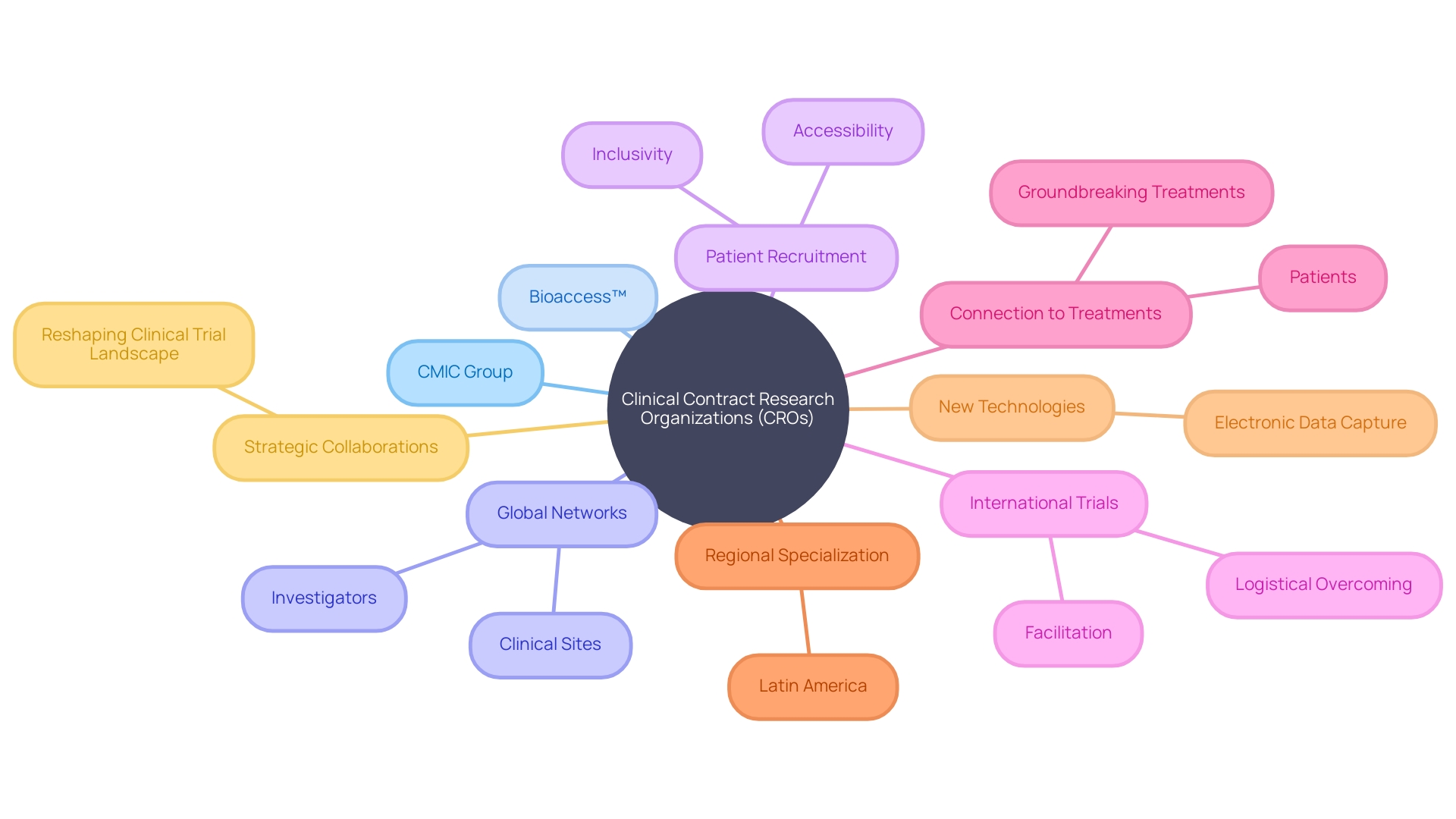
Author: Tely Publisher

  • What Are Clinical Indications Meaning? A Comprehensive Overview

    What Are Clinical Indications Meaning? A Comprehensive Overview

    Introduction

    In the intricate landscape of modern healthcare, clinical indications serve as a cornerstone for effective patient management. These indications not only guide healthcare professionals in determining the appropriateness of treatments, medications, and procedures but also play a critical role in enhancing patient safety and outcomes.

    As the medical field continues to evolve with advancements in technology and an increasing emphasis on evidence-based practices, understanding clinical indications becomes paramount. This article delves into the multifaceted nature of clinical indications, exploring their definitions, types, and the challenges faced in their implementation.

    Through a comprehensive examination of recent studies and expert insights, the discussion highlights the vital importance of adhering to clinical indications in delivering quality care and navigating the complexities of regulatory compliance.

    Defining Clinical Indications: An Overview

    the the specific circumstances or conditions that determine the appropriateness of a particular treatment, medication, or procedure for a patient. These signals stem from a thorough integration of , research findings, and professional expertise. For example, for prescribing antibiotics is usually a confirmed bacterial infection, while the existence of a tumor may act as a medical reason for surgical intervention.

    The significance of medical signs, often referred to as , cannot be emphasized enough, as they play a vital role in assisting professionals in making informed . Recent data from the emphasize a rising focus on medical signs in health services, showing that accuracy in is crucial for enhancing patient results. This precision is becoming increasingly vital as medical systems evolve, particularly in the context of telemedicine.

    A case study named ” demonstrates how and access. By employing electronic medical records, physicians can more efficiently assess the suitable application of telemedicine based on medical needs, ultimately improving care for individuals. Furthermore, the highlights this point, stating that ‘One of the goals of AHA’s partnership with Vizient on this project was to assist in offering individuals, policymakers and the public with a more timely, accurate view of how hospitals are performing now instead of depending on older and sometimes outdated data.’

    Such insights highlight the importance of to improve the quality of care offered to individuals. Practical examples, such as the use of criteria for antibiotics, illustrate the and how these guidelines directly affect treatment decisions and the safety of individuals. Moreover, recent research has strengthened the influence of care protocols on , showing that compliance with established criteria results in better health outcomes and resource usage.

    The Role of Clinical Indications in Patient Care and Safety

    Clinical signs are essential for guaranteeing that are accurately customized to the distinct requirements of every individual. By assisting in choosing suitable interventions, medical signs help reduce the risk of and greatly improve safety for individuals. For instance, a thorough grasp of the allows doctors to evaluate its appropriateness considering an individual’s medical background and present health condition.

    Furthermore, medical signs play an essential role in the , providing individuals with the necessary reasoning behind prescribed treatments. This commitment to recognized medical guidelines not only fosters a culture of safety within medical environments but also enables individuals in their treatment paths. Consequently, this organized method results in , showcasing the inherent connection between medical signs and efficient care for individuals.

    Moreover, with global burnout rates estimated at 54%, ensuring clarity in can alleviate some of the pressures faced by healthcare staff, thereby enhancing their ability to provide safe care. It’s also significant that 13% of nations have a representative for individuals receiving care on their governing boards or a similar mechanism in 60% or more hospitals, emphasizing the essential role of individual involvement in medical decision-making. Insights from the ‘Global Case Studies in Safety’ report illustrate successful efforts in involving individuals in safety investigations, which can further enhance safety practices globally.

    Moreover, understanding perceptions of safe care, as examined by the OECD’s pilot measures, underscores the ongoing need to address related to and .

    Types of Clinical Indications

    are critical components of medical practice and can be categorized into three primary types: therapeutic, diagnostic, and preventive.

    • Therapeutic purposes relate to the rationale behind administering treatments aimed at alleviating symptoms or curing conditions. For instance, prescribing antihypertensives for patients with high blood pressure exemplifies a therapeutic approach.
    • Diagnostic signals involve procedures or tests aimed at confirming or ruling out specific diagnoses. A clear example is the use of imaging studies, such as X-rays or MRIs, to evaluate suspected fractures.
    • Preventive indications focus on proactive measures designed to avert diseases, with vaccinations serving as a prime illustration.

    Comprehending these categories is crucial for healthcare providers, as understanding the allows them to make informed decisions regarding patient care and choose the most suitable interventions tailored to individual medical scenarios. Recent research indicates that the have notably risen to 66%, surpassing the 56% pre-pandemic average. This statistic highlights the changing environment of medical criteria and their uses in healthcare, especially concerning .

    Moreover, the ongoing dialogue surrounding the highlights the necessity for researchers to evaluate study results comprehensively. Ron Wasserstein, the executive director of the American Statistical Association, aptly noted:

    The value was never meant to substitute the scientific reasoning, which is of greater interest.

    This viewpoint is especially pertinent in the realm of therapeutic and diagnostic purposes, where grasping their subtleties can greatly influence patient outcomes.

    Furthermore, the case study titled ‘Drug Overdose Deaths in the United States, 2003-2023’ offers a real-world example that highlights the importance of , stressing the necessity for informed medical choices based on .

    Clinical Indications and Regulatory Compliance

    plays a crucial role in medical contexts, ensuring that treatments and procedures adhere to established guidelines and evidence-based practices. encompass:

    1. Feasibility studies
    2. Site selection
    3. Trial setup and start-up
    4. Import permits for investigational devices
    5. Project management
    6. Detailed reporting to facilitate this compliance

    In the United States, the Food and Drug Administration (FDA) serves as a crucial regulatory body, offering frameworks that define the and how they should be articulated and utilized.

    Such compliance is not only essential for the safety and efficacy of but also for fostering public trust in the medical system. Katherine Ruiz, a Regulatory Affairs expert with extensive experience in medical devices and in vitro diagnostics in Colombia, has successfully guided numerous foreign manufacturers through the complexities of obtaining market clearance. Recent insights from experts, such as Simon Johns, Director of , highlight the , particularly in addressing the complexities of compliance.

    He emphasizes that staying updated with these advancements is vital for professionals navigating regulatory landscapes. Additionally, a survey conducted by Globalscape and the Ponemon Institute identified twelve , with a . Companies that enabled compliance technology also saved an average of $1.45 million in compliance costs, showcasing the tangible financial benefits of adhering to .

    As organizations utilizing AI and automation reported $1.88 million lower data breach costs, it becomes increasingly important for medical professionals to incorporate the latest technological advancements into their practice. With 67% of executives voicing concerns about the complexity of ESG regulations and seeking clearer guidance, aligning medical criteria with the latest is crucial to ensure that treatments stay effective and reliable.

    Challenges in Understanding and Implementing Clinical Indications

    Navigating the terrain of medical recommendations presents significant challenges for healthcare professionals, primarily due to across regions and institutions. This inconsistency can create confusion regarding the suitable , ultimately impacting . A recent review highlighted that guidelines which could not condense all relevant medical information onto a single page were frequently expanded to a 16:10 slide format or even distributed across multiple slides, illustrating the complexity of distilling critical information effectively.

    Moreover, the rapid evolution of medical knowledge mandates amongst providers, who must stay abreast of the latest evidence-based practices. The pressure to make swift decisions in high-stakes environments can further complicate adherence to established medical indications. As one specialist remarked,

    We can offer for individuals,

    highlighting the necessity for clarity in communication along with compliance to guidelines.

    To tackle these difficulties, continuous training, , and are crucial. Recent articles have highlighted that and inadequate support for testing, significantly impede the application of practice guidelines. Furthermore, a case study titled ” highlighted that despite advancements in implementation science, existing models often fail to encompass all necessary domains for comprehensive evaluation, underscoring a critical gap that must be addressed.

    This gap can lead to inconsistencies in how is applied, further complicating across different settings. In summary, fostering an environment that encourages continuous learning and provides robust support structures will empower healthcare professionals to effectively implement , ultimately improving patient outcomes.

    Conclusion

    In the evolving landscape of healthcare, the significance of clinical indications cannot be overstated. They are essential in guiding healthcare professionals in making informed decisions regarding treatments, medications, and procedures tailored to individual patient needs. By categorizing clinical indications into therapeutic, diagnostic, and preventive types, practitioners can enhance their decision-making processes and improve patient safety. The adherence to these guidelines not only minimizes the risk of adverse effects but also fosters a culture of safety and empowerment for patients throughout their treatment journeys.

    Moreover, the role of clinical indications extends beyond patient safety to encompass regulatory compliance, which is critical for maintaining public trust in healthcare systems. By aligning treatment practices with established guidelines and leveraging advancements in technology, healthcare providers can navigate the complexities of regulatory landscapes more effectively. The integration of artificial intelligence and machine learning further underscores the need for continuous adaptation to ensure compliance and enhance the overall quality of care delivered to patients.

    Despite the challenges posed by variability in clinical guidelines and the rapid pace of medical advancements, fostering an environment of ongoing education and interdisciplinary collaboration is vital. By addressing these barriers and ensuring access to updated clinical resources, healthcare professionals can effectively implement clinical indications, ultimately leading to improved patient outcomes. The commitment to understanding and adhering to clinical indications will not only enhance individual patient care but also contribute to the overarching goal of elevating healthcare quality across the board.

    Discover how bioaccess™ can support your clinical research needs—contact us today to learn more about our tailored CRO services in Latin America!

    Frequently Asked Questions

    What are clinical signs and why are they important?

    Clinical signs, or clinical indications, refer to the specific circumstances that determine the appropriateness of treatments, medications, or procedures for patients. They are crucial for making informed treatment choices and improving patient outcomes by ensuring that interventions are tailored to individual needs.

    How do clinical signs influence treatment decisions?

    Clinical signs help healthcare professionals assess the medical necessity for specific treatments, such as prescribing antibiotics for confirmed bacterial infections or recommending surgery for tumors. They guide practitioners in making precise and effective treatment decisions.

    What types of clinical signs exist?

    Clinical signs can be categorized into three primary types: Therapeutic (related to treatments aimed at alleviating symptoms, e.g., prescribing antihypertensives for high blood pressure), Diagnostic (involving tests or procedures to confirm or rule out diagnoses, e.g., imaging studies like X-rays), and Preventive (focused on measures to avert diseases, e.g., vaccinations).

    How do clinical signs contribute to patient safety?

    By ensuring that medical therapies are customized to individual needs, clinical signs help reduce the risk of negative effects and enhance the overall safety of care. They also support the informed consent process by providing patients with the rationale behind prescribed treatments.

    What role do medical guidelines play in healthcare?

    Medical guidelines are essential for improving the quality of care and ensuring compliance with established practices. They help healthcare professionals make informed decisions based on the latest research and evidence, ultimately leading to better health outcomes.

    How does telemedicine relate to clinical signs?

    Telemedicine utilizes clinical signs to assess the appropriate application of remote healthcare services based on medical needs, improving access to care. Electronic medical records facilitate this process, allowing physicians to make informed decisions regarding patient treatment.

    What challenges do healthcare professionals face regarding clinical indications?

    Professionals encounter variability in medical guidelines across regions and institutions, which can lead to confusion in treatment choices. Continuous education and access to updated resources are necessary to navigate these challenges effectively.

    How can compliance with clinical guidelines impact healthcare costs?

    Adhering to regulatory compliance and established clinical guidelines can significantly reduce compliance costs for healthcare organizations. Utilizing technology and centralized data governance can lead to substantial financial savings and improved efficiency in medical practices.

    What is the significance of patient involvement in clinical decision-making?

    Involving patients in their care fosters a culture of safety and enhances treatment outcomes. It emphasizes the importance of clear communication and shared decision-making between healthcare providers and patients.

    How has the landscape of clinical indications evolved recently?

    Recent research indicates a growing emphasis on clinical indications in healthcare, particularly with the rise of telemedicine and the need for accurate treatment choices. This evolution underscores the importance of adapting to new medical knowledge and practices to improve patient care.

    List of Sources

    1. Defining Clinical Indications: An Overview
      • oecd.org (https://oecd.org/en/data/datasets/oecd-health-statistics.html)
      • cdc.gov (https://cdc.gov/nchs/pressroom/calendar/2024_Schedule.htm)
      • National Center for Health Statistics (https://cdc.gov/nchs)
    2. The Role of Clinical Indications in Patient Care and Safety
      • New Analysis Shows Hospitals Improving Performance on Key Patient Safety Measures Surpassing Pre-pandemic Levels | AHA (https://aha.org/guidesreports/2024-09-12-new-analysis-shows-hospitals-performance-key-patient-safety-measures-surpassing-pre-pandemic-levels)
      • Patient experience in 2024: Bridging the gap in patient care journeys (https://info.pressganey.com/press-ganey-blog-healthcare-experience-insights/patient-experience-in-2024-bridging-the-gap)
      • imperial.ac.uk (https://imperial.ac.uk/Stories/global-state-of-patient-safety)
      • ahrq.gov (https://ahrq.gov/news/2024-surveys.html)
      • Patient Safety Trends in 2023: An Analysis of 287,997 Serious Events and Incidents From the Nation’s Largest Event Reporting Database | Published in PATIENT SAFETY (https://patientsafetyj.com/article/116529-patient-safety-trends-in-2023-an-analysis-of-287-997-serious-events-and-incidents-from-the-nation-s-largest-event-reporting-database)
    3. Types of Clinical Indications
      • Trends and Charts on Registered Studies | ClinicalTrials.gov (https://clinicaltrials.gov/about-site/trends-charts)
      • acrpnet.org (https://acrpnet.org/2024/06/13/how-an-innovative-statistical-methodology-enables-more-patient-centric-design-and-analysis-of-clinical-trials)
      • statista.com (https://statista.com/statistics/732954/global-clinical-registered-studies-by-location)
      • iqvia.com (https://iqvia.com/insights/the-iqvia-institute/reports-and-publications/reports/global-trends-in-r-and-d-2024-activity-productivity-and-enablers)
    4. Clinical Indications and Regulatory Compliance
      • aha.org (https://aha.org/guidesreports/2017-11-03-regulatory-overload-report)
      • 100+ Compliance Statistics You Should Know in 2025 (https://sprinto.com/blog/compliance-statistics)
      • ropesgray.com (https://ropesgray.com/en/insights/podcasts/2024/01/us-life-sciences-regulatory-and-compliance-outlook-2024-part-iv-digital-health)
      • 130+ Compliance Statistics & Trends to Know for 2026 (https://secureframe.com/blog/compliance-statistics)
      • iqvia.com (https://iqvia.com/blogs/2024/01/looking-ahead-safety-and-regulatory-compliance-trends-in-2024)
    5. Challenges in Understanding and Implementing Clinical Indications
      • bmjopen.bmj.com (https://bmjopen.bmj.com/content/13/1/e062158)

      • onlinelibrary.wiley.com (https://onlinelibrary.wiley.com/doi/full/10.1002/emp2.12919)
      • bmjopenquality.bmj.com (https://bmjopenquality.bmj.com/content/13/3/e002595)
      • implementationscience.biomedcentral.com (https://implementationscience.biomedcentral.com/articles/10.1186/s13012-024-01389-1)

  • Understanding Clinical Indications: A Comprehensive Guide

    Understanding Clinical Indications: A Comprehensive Guide

    Introduction

    Clinical indications play a vital role in radiology documentation, guiding radiologists in selecting imaging techniques and interpreting results. Efficient workflow management is crucial, and standardized clinical indications can streamline reporting and enhance patient care. Technologies like Sectra’s enterprise imaging solution and AI-driven tools offer promising returns on investment, improving operational efficiency.

    However, misconceptions in clinical indication documentation can lead to subpar information. Collaborative efforts, precise and compliant records, and efficient documentation processes are key to rectifying these misconceptions. Documenting clinical indications with precision, considering the audience, and incorporating evidence-based practice are essential principles.

    The use of specific language, especially in diverse and multilingual landscapes, is crucial for inclusive patient care. The role of ICD-10-CM codes in clinical indications is significant for standardized classification, reimbursement processes, and quality reporting. Real-world case studies highlight strategies for effective clinical indication documentation.

    Radiologists and healthcare providers can optimize the process by fostering collaboration, ongoing education, and leveraging advanced technology solutions like AI. Implementing best practices enhances the quality of clinical indication documentation, leading to accurate diagnosis, effective patient care, and financial well-being of healthcare institutions.

    Importance of Clinical Indications in Radiology Documentation

    In radiology documentation, indications are of utmost importance, serving as the compass that directs radiologists’ attention to pertinent areas or conditions. These indications inform the selection of imaging techniques and are pivotal in the interpretation of results. With the vast array of , from X-rays to MRIs and CT scans, radiologists are tasked with deciphering a diverse spectrum of medical data daily. Efficient becomes essential, particularly in the face of varying rules, data inputs, and the need for data standardization across different facilities. Implementing can alleviate workflow impediments, streamline reporting, and enhance IT management, ultimately fostering better .

    The advent of innovative technologies such as Sectra’s enterprise imaging solution underscores the importance of collaboration and efficiency in radiology workflows. These technologies are instrumental in managing the surge in and offer promising returns on investment (ROI) by improving and . Comprehensive ROI analyses emphasize the tangible and intangible benefits of such investments, including increased revenue, cost savings, and improved staff satisfaction, which contribute to reduced burnout among radiologists. Comprehending and proficiently conveying indications can greatly influence these outcomes, showcasing the wider strategic value they hold within the healthcare system.

    Common Misconceptions in Clinical Indication Documentation

    To improve the quality and effectiveness of indication records, it is crucial to correct common misunderstandings that often result in subpar information. (CDI) specialists play a pivotal role in this process by working collaboratively with physicians and coders to create detailed, precise, and compliant records. These experts endeavor to guarantee that the records accurately depict the patient’s condition, the , and the complexity of the case, which is vital for preventing rejections and securing appropriate reimbursement. Meanwhile, assesses the appropriateness and , decisions that are deeply rooted in the accuracy of the documentation.

    For instance, Advocate Health, a leader in , employs nearly 150,000 team members, including CDI specialists, who face the daunting task of translating complex medical information into clear and comprehensive summaries. This challenge is not unique to large medical organizations. At Summer Health, for instance, medical visit notes have traditionally been a source of frustration, consuming over half of medical care providers’ time on administrative tasks and contributing to physician burnout. This highlights the significance of effective documentation processes that save time and alleviate the burden on providers.

    According to the 2022 practice brief, which provides updated guidance from its 2019 predecessor, the query process is integral to various healthcare initiatives. This includes reimbursement, data stewardship, collection, quality measures, and prevention of denials. The brief emphasizes the requirement for utilizing indicators and evidence from the and ensure compliance, regardless of whether they are generated by AI technology or other computer-assisted tools.

    Moreover, research on medical intervention suitability, which includes thorough approaches like analyzing literature, consulting experts, and abstracting medical records, additionally emphasize the importance of precise record-keeping. These methods, often including meta-analyses, are crucial for determining the appropriateness of indications, which can number in the hundreds for a single intervention.

    In summary, through comprehending and tackling the misunderstandings surrounding indication documentation, and by implementing strong CDI processes, providers can enhance documentation quality and outcomes.

    Flowchart: Clinical Documentation Improvement (CDI) Process

    Key Principles for Documenting Clinical Indications

    Recording with accuracy is vital for facilitating communication among healthcare professionals and delivering the highest level of care. To ensure that these indications fully capture the individual’s condition and the intent behind the examination or treatment, it is critical to emphasize . One must consider the audience, which may include individuals beyond the medical community, such as clients or non-native English speakers. Employing straightforward language and keeping the narrative logical and sequential can significantly enhance the comprehensibility of medical summaries.

    Case studies, such as the one involving Summer Health, emphasize the necessity for enhancing . By converting complex medical shorthand into easily digestible summaries, the burden of administrative tasks can be reduced, leading to better patient care and reducing provider burnout. Such efforts align with the objectives established by the , highlighting prompt access to clinical records and advocating for procedures.

    In addition, new technologies are changing the landscape of . For example, Amazon Web Services has utilized AI to craft content that not only engages the audience but also adheres to accuracy standards, thereby streamlining the content creation process. Similarly, medical organizations are utilizing tools that seamlessly integrate into electronic health records (EHRs), improving the functionality and user experience for providers.

    Incorporating (EBP) is also crucial. It is a systematic method to determine the optimal course of action by taking into account current research, expertise, and individual preferences. By implementing and utilizing models such as the Johns Hopkins PET process, providers can develop stronger indications based on the PICO framework.

    To sum up, thoroughly documented indications are the foundation of efficient care, improvement in quality, and adherence to medical regulations. By implementing transparent, succinct, and person-focused record-keeping methods, healthcare providers can attain improved results, promote individual involvement, and guarantee a more streamlined healthcare system.

    Flowchart: Process of Recording Clinical Indications

    Avoiding Ambiguity: The Use of Specific Language

    Understanding and accuracy in are crucial, especially in diverse and multilingual environments like Southern Nevada, where more than a third of the population communicates in a language other than English. The accurate and specific portrayal of is not merely a matter of , but a crucial component of .

    The intricacy of conveying to a diverse audience necessitates that medical professionals avoid ambiguous language. For instance, terms such as “prevent” versus “help prevent” have significantly different connotations and implications for patient understanding and expectations. Likewise, medical providers themselves may encounter difficulties in interpreting intricate data displays in prescription drug advertisements, which underscores the importance of simplicity and clarity in communication.

    Effective documentation should incorporate the use of concrete terms and the repetition of key points, as advised by experts. Graphics and simplified visual aids can also play a vital role in bridging communication gaps, particularly among populations with varying levels of or language proficiency.

    In addition, the ethical deployment of reinforces the importance of transparency and accountability in communications. As AI becomes integrated into medical affairs and communications, adherence to core principles, such as privacy, confidentiality, inclusivity, and respect, is essential to ensure that the technology serves to enhance, rather than complicate, the understanding of .

    Ultimately, the objective is to guarantee that all individuals, regardless of their background or disability, have access to clear, accurate, and relevant information about their treatment choices. This not only aligns with the legal and ethical standards set forth by industry guidance but also with the intrinsic values of medical practice, advocating for an informed and empowered individual community.

    Understanding the Role of ICD-10-CM Codes in Clinical Indications

    The International Statistical Classification of Diseases and Related Health Problems (ICD), especially the 10th edition, Modification (ICD-10-CM), is crucial in streamlining documentation through a standardized system for classifying health conditions and diagnoses. This intricate coding structure not only enhances the precision and efficiency of medical summaries but also plays a pivotal role in optimizing reimbursement processes and . The selection of accurate directly influences data analysis, impacting and public health reporting. For example, the vast database from the Medical Information Mart for Intensive Care III, which catalogs data on over 60,000 critical care individuals, relies on ICD codes to facilitate secondary data analysis that informs epidemiological studies and health service evaluations. Moreover, the adoption of is essential to the advancement of decision support systems and the utilization of natural language processing in medical settings. With the recent finalization of Medicare payment rates by the Centers for Medicare & Medicaid Services (CMS) for 2024, which will affect thousands of hospitals and surgical centers, the acquires even greater significance as it ensures compliance with evolving policies aimed at advancing and patient-centered care. Furthermore, the adoption of ICD-11, which became effective in January 2022, underscores the ongoing evolution of these standards, promising enhanced data interoperability and the facilitation of global health research independent of language and cultural barriers. As such, it is incumbent upon healthcare providers to meticulously select and apply to maintain the integrity of health data and ultimately support the overarching goals of , quality improvement, and equitable healthcare delivery.

    Case Studies: Effective Clinical Indication Documentation

    To improve the efficiency of medication record, it is essential to take into account real-life situations and the methods used to tackle their intricacies. For example, Cardinal Health’s collaboration with a client for an investigational drug application reveals the significance of developing a detailed regulatory starting material strategy. This collaboration facilitated timely and robust , highlighting the significance of strategic planning in documentation for .

    Furthermore, case studies, like the one demonstrating how diuretic therapy enhanced hepatic, portal, and intrarenal waveforms, offer important insights into the outcomes of interventions. Notably, this case emphasizes the sequential improvement of these waveforms and the potential delay in intrarenal venous waveform recovery due to factors like renal interstitial edema. Another case emphasizes the dynamic nature of the portal vein waveform and its response to fluid management procedures, providing valuable information for practice.

    On the administrative side, the weight of medical record-keeping is illustrated by the situation at Summer Health, where pediatricians are faced with translating complex medical observations into comprehensive visit summaries. This task, consuming over half of medical care providers’ time, leads to delays and potential frustration for both providers and parents. The implementation of the has mandated rapid, online access to medical records, thereby necessitating a patient-centered approach to documentation that avoids bias and promotes clear communication.

    The American Management Association (AHIMA) underscores the importance of ensuring that professionals are equipped to manage these challenges effectively. With over , AHIMA emphasizes the role of accurate and accessible .

    Furthermore, the current shortfall in the research workforce, with an alarming ratio of available positions to experienced candidates, underscores the urgency to address these systemic issues. The projected increase in demand for research coordinators by 9.9% between 2016 and 2026, coupled with a high resignation rate among tenured research professionals (CRPS), emphasizes the need for a distinct professional identity and support for the research workforce.

    In summary, by examining these various case studies and the broader industry context, medical professionals can gain a comprehensive understanding of the challenges and strategies related to , ultimately leading to improved outcomes for individuals and streamlined processes in the healthcare sector.

    Best Practices for Radiologists and Healthcare Providers

    In the ever-changing realm of radiology, top-notch is crucial for precise diagnosis and efficient . Radiologists and providers can enhance the process of recording by following proven methods, such as promoting , sustaining continuous learning and development, and utilizing cutting-edge technology solutions.

    Joint efforts between different medical fields are crucial to establish a complete understanding of indications. This method not just enhances the lucidity of records but also guarantees that all medical professionals are in agreement regarding the individual’s state and the reasoning for the selected diagnostic techniques.

    are the bedrock of maintaining proficiency in the ever-evolving medical field. Radiology reading groups and imaging centers that handle a plethora of imaging types from X-rays to MRIs must navigate the complexities of diverse medical imaging data. Standardizing data and workflows helps radiologists overcome reporting challenges, which is why ongoing training is crucial in keeping staff abreast of best practices and the latest technological developments.

    The use of technology plays a vital role in improving the quality of indication recording. like Enlitic’s ENDEX can significantly improve efficiency and accuracy in radiology diagnostics. For instance, dual-energy X-ray technology has shown promise in improving soft tissue visualization while reducing radiation exposure, as reported in a study at Grand River Hospital. Technologies that can deliver bedside imaging solutions in critical care settings are essential, as they provide high-quality images and assist in timely interventions.

    Moreover, the integration of artificial intelligence and machine learning technologies can alleviate some of the cognitive burdens faced by radiologists. Tools like are already demonstrating efficiency gains across health systems by speeding up interpretation times. Such technologies not only contribute to increased revenue and cost savings but also play a role in enhancing employee satisfaction and reducing the risk of burnout among radiologists, as evidenced by the reduction of reading times and increased confidence in diagnostic accuracy.

    Overall, by implementing these best practices, healthcare providers can significantly enhance the quality of , which in turn, improves outcomes and contributes to the financial well-being of healthcare institutions.

    Conclusion

    In conclusion, clinical indications are crucial in radiology documentation, guiding radiologists in selecting imaging techniques and interpreting results. Standardized clinical indications can streamline reporting and enhance patient care, leading to improved operational efficiency and diagnostic accuracy. Collaborative efforts, precise and compliant records, and efficient documentation processes are key to rectifying misconceptions and improving the quality of clinical indication documentation.

    Documenting clinical indications with precision, considering the audience, and incorporating evidence-based practice are essential principles. Using specific language, especially in diverse and multilingual landscapes, is crucial for inclusive patient care. The role of ICD-10-CM codes in clinical indications is significant for standardized classification, reimbursement processes, and quality reporting.

    Real-world case studies highlight strategies for effective clinical indication documentation.

    Radiologists and healthcare providers can optimize the process by fostering collaboration, ongoing education, and leveraging advanced technology solutions like AI. Implementing best practices enhances the quality of clinical indication documentation, leading to accurate diagnosis, effective patient care, and financial well-being of healthcare institutions. By adhering to these principles and utilizing innovative technologies, healthcare providers can achieve better outcomes, enhance patient engagement, and ensure a more efficient healthcare system.

    Optimize your clinical indication documentation process with collaboration, ongoing education, and advanced technology solutions like AI. Contact bioaccess™ today for cost-effective and high-quality contract research organization (CRO) services in Latin America.

    Frequently Asked Questions

    Why are indications important in radiology documentation?

    Indications serve as a guiding framework for radiologists, directing their focus to relevant areas or conditions. They inform the choice of imaging techniques and play a crucial role in interpreting results.

    How do standardized indications improve workflow in radiology?

    Standardized indications help alleviate workflow challenges by streamlining reporting processes and enhancing IT management, which ultimately leads to better patient care.

    What role do Clinical Documentation Improvement (CDI) specialists play?

    CDI specialists collaborate with physicians and coders to create detailed and compliant records that accurately reflect a patient’s condition and the care provided, ensuring appropriate reimbursement and preventing record rejections.

    How does effective documentation impact healthcare providers?

    Improved documentation processes can save time, reduce administrative burdens, and decrease provider burnout, leading to better patient care and enhanced job satisfaction for healthcare professionals.

    What is the significance of the query process in healthcare?

    The query process is essential for various healthcare initiatives, including reimbursement and quality measures. It emphasizes the need for using indicators and health record evidence to support queries and ensure compliance.

    How do case studies illustrate challenges in medical documentation?

    Case studies, such as those from Summer Health, demonstrate the difficulties in converting complex medical information into clear summaries, highlighting the need for improved documentation practices to enhance patient care and reduce provider stress.

    How do new technologies aid in medical documentation?

    Innovative technologies, like AI and tools integrated into electronic health records, streamline documentation processes, improve accuracy, and enhance the overall user experience for healthcare providers.

    What is the importance of specificity and clarity in indication documentation?

    Specificity and clarity are vital for accurately conveying a patient’s condition and treatment intent, making medical information more comprehensible for a diverse audience, including non-native English speakers.

    How does the ICD-10-CM coding system contribute to healthcare documentation?

    ICD-10-CM coding standardizes health condition classification, enhancing the precision of medical summaries and optimizing reimbursement processes, which is crucial for health services research and quality reporting.

    What are the benefits of multidisciplinary cooperation in radiology?

    Collaboration among different medical fields improves the understanding of indications, enhances record clarity, and ensures all medical professionals are aligned regarding a patient’s condition and diagnostic reasoning.

    How do technologies like AI improve radiology practices?

    AI and machine learning technologies can reduce cognitive burdens on radiologists, leading to faster interpretation times, increased diagnostic confidence, and overall improved efficiency in radiology workflows.

    What overarching goals do enhanced indication documentation practices support?

    Improved documentation practices aim to enhance patient care outcomes, promote financial stability for healthcare institutions, and ensure compliance with medical regulations.

    List of Sources

    1. Importance of Clinical Indications in Radiology Documentation
      • ncbi.nlm.nih.gov (https://ncbi.nlm.nih.gov/pmc/articles/PMC11304031)
      • infomeddnews.com (https://infomeddnews.com/sectra-news-3424)
      • enlitic.com (https://enlitic.com/insight/radiology-ai-data-standardization-roi-whitepaper)
      • enlitic.com (https://enlitic.com/blogs/radiology-reading-groups-data)
      • rcr.ac.uk (https://rcr.ac.uk/news-policy/policy-reports-initiatives/clinical-radiology-census-reports)
    2. Common Misconceptions in Clinical Indication Documentation
      • nejm.org (https://nejm.org/doi/full/10.1056/NEJM199310213291707)
      • news.nuance.com (https://news.nuance.com/2023-10-10-Atrium-Health-AI-Solution-Improved-Documentation-Experience-for-Almost-85-of-Physicians)
      • medicaldevice-network.com (https://medicaldevice-network.com/news/nice-website-generative-ai-patient-friendly)
      • agshealth.com (https://agshealth.com/blog/integrating-clinical-documentation-improvement-and-utilization-management)
      • agshealth.com (https://agshealth.com/blog/guidelines-for-achieving-compliant-physician-queries)
      • openai.com (https://openai.com/customer-stories/summer-health)
      • prnewswire.com (https://prnewswire.com/news-releases/atrium-health-ai-solution-improved-documentation-experience-for-almost-85-of-physicians-301952571.html)
      • rwmalonemd.substack.com (https://rwmalonemd.substack.com/p/indication-labeling-and-fraud)
      • agshealth.com (https://agshealth.com/blog/integrating-clinical-documentation-improvement-and-utilization-management)
      • agshealth.com (https://agshealth.com/blog/guidelines-for-achieving-compliant-physician-queries)
    3. Key Principles for Documenting Clinical Indications
      • fda.gov (https://fda.gov/medical-devices/software-medical-device-samd/transparency-machine-learning-enabled-medical-devices-guiding-principles)
      • rwmalonemd.substack.com (https://rwmalonemd.substack.com/p/indication-labeling-and-fraud)
      • developer.mozilla.org (https://developer.mozilla.org/en-US/blog/technical-writing)
      • sensible-med.com (https://sensible-med.com/p/from-guideline-recommendations-to)
      • openai.com (https://openai.com/customer-stories/summer-health)
      • mededportal.org (https://mededportal.org/doi/10.15766/mep_2374-8265.11392?utm_source=twitter&utm_medium=mededportal&utm_content=5c7c4d15-2150-4059-a8ef-c9f7110ae496)
      • nejm.org (https://nejm.org/doi/full/10.1056/NEJM199310213291707)
      • hopkinsmedicine.org (https://hopkinsmedicine.org/nursing/center-nursing-inquiry/nursing-inquiry/evidence-based-practice)
      • histalk2.com (https://histalk2.com/2024/07/09/news-7-10-24)
      • histalk2.com (https://histalk2.com/2024/07/10/healthcare-ai-news-7-10-24)
      • histalk2.com (https://histalk2.com/2023/10/11/healthcare-ai-news-10-11-23)
      • build.fhir.org (https://build.fhir.org/ig/HL7/physical-activity)
      • who.int (https://who.int/classifications/classification-of-diseases)
    4. Avoiding Ambiguity: The Use of Specific Language
      • pharmalive.com (https://pharmalive.com/inizio-medical-calls-for-urgent-action-to-adopt-ai-in-all-aspects-of-healthcare-communication)
      • nexus.od.nih.gov (https://nexus.od.nih.gov/all/2024/08/16/nih-all-about-grants-podcast-considering-language-access-for-participants-in-nih-supported-clinical-research)
      • americanbar.org (https://americanbar.org/groups/young_lawyers/resources/tyl/diversity/disability-inclusion-through-language-use-in-legal-practice?utm_medium=social&utm_source=twitter&utm_campaign=dcracial&spredfast-trk-id=sf185886421)
      • ama-assn.org (https://ama-assn.org/delivering-care/physician-patient-relationship/medspeak-can-shut-down-effective-communication?utm_source=twitter&utm_medium=social_ama&utm_term=14514747714&utm_campaign=PS2)
      • fda.gov (https://fda.gov/regulatory-information/search-fda-guidance-documents/communications-firms-health-care-providers-regarding-scientific-information-unapproved-uses)
      • mededportal.org (https://mededportal.org/doi/10.15766/mep_2374-8265.11364?utm_source=twitter&utm_medium=mededportal&utm_content=0b4e33fe-c8a5-414d-9497-a676a2b9a393)
      • ai.nejm.org (https://ai.nejm.org/doi/full/10.1056/AIcs2300145)
      • fda.gov (https://fda.gov/about-fda/center-drug-evaluation-and-research-cder/completed-research-projects-office-prescription-drug-promotion-opdp-research)
      • acpjournals.org (https://acpjournals.org/journal/aim/authors/statistical-guidance)
    5. Understanding the Role of ICD-10-CM Codes in Clinical Indications
      • ophthalmologyscience.org (https://ophthalmologyscience.org/article/S2666914523000696/pdf)
      • propublica.org (https://propublica.org/article/how-propublica-careset-investigated-vascular-procedure-overuse)
      • who.int (https://who.int/classifications/classification-of-diseases)
      • cms.gov (https://cms.gov/newsroom/fact-sheets/cy-2024-medicare-hospital-outpatient-prospective-payment-system-and-ambulatory-surgical-center-0)
    6. Case Studies: Effective Clinical Indication Documentation
      • hopkinsmedicine.org (https://hopkinsmedicine.org/nursing/center-nursing-inquiry/nursing-inquiry/evidence-based-practice)
      • openai.com (https://openai.com/customer-stories/summer-health)
      • mededportal.org (https://mededportal.org/doi/10.15766/mep_2374-8265.11392?utm_source=twitter&utm_medium=mededportal&utm_content=5c7c4d15-2150-4059-a8ef-c9f7110ae496)
      • news.nuance.com (https://news.nuance.com/2023-10-10-Atrium-Health-AI-Solution-Improved-Documentation-Experience-for-Almost-85-of-Physicians)
      • infomeddnews.com (https://infomeddnews.com/insightec-news-12924)
      • ahima.org (https://ahima.org/news-publications/press-room-press-releases/2023-press-releases/health-information-workforce-shortages-persist-as-ai-shows-promise-ahima-survey-reveals)
      • ncbi.nlm.nih.gov (https://ncbi.nlm.nih.gov/pmc/articles/PMC10504806)
      • dev.to (https://dev.to/ndungu_jeffersonmarira_/allocated-case-kenyatta-university-teaching-research-refferal-hospitalkutrrh-1ehb)
      • info.cardinalhealth.com (https://info.cardinalhealth.com/l/34802/2024-01-03/3t7846w?cid=EML-TRD_OTR-PHR-SS-BP_RGS-Big4Bio-Successful_IND_submission_case_study-Download-Feb_24&CID_Campaign=EML-TRD_Fahlgren-Big4Bio)
      • nephropocus.com (https://nephropocus.com/2023/11/20/vexus-in-nephrology-case-examples)
    7. Best Practices for Radiologists and Healthcare Providers
      • enlitic.com (https://enlitic.com/insight/radiology-ai-data-standardization-roi-whitepaper)
      • enlitic.com (https://enlitic.com/blogs/radiology-reading-groups-data)
      • ncbi.nlm.nih.gov (https://ncbi.nlm.nih.gov/pmc/articles/PMC11304031)
      • infomeddnews.com (https://infomeddnews.com/ka-imaging-news-9924)
      • news.nuance.com (https://news.nuance.com/2023-11-28-Nuance-Accelerates-the-Adoption-of-Generative-AI-for-Radiology-with-PowerScribe-Advanced-Auto-Impression-Capability)

  • 10 Essential CRF Medical Strategies for Clinical Research Directors

    10 Essential CRF Medical Strategies for Clinical Research Directors

    Introduction

    Understanding the complexities of Cancer-Related Fatigue (CRF) is essential for clinical research directors who aim to improve patient outcomes in clinical trials. By implementing effective management strategies, these professionals can enhance the quality of research and significantly impact the lives of individuals battling cancer. However, a pressing challenge remains: how can directors ensure their approaches address the multifaceted nature of CRF while navigating the intricacies of clinical research? This article explores ten essential strategies that empower clinical research directors to tackle CRF effectively and foster better care for their patients.

    bioaccess®: Accelerate Clinical Research with Global-First Agility

    bioaccess® leverages its extensive knowledge and regional advantages to deliver . By harnessing Colombia’s competitive strengths—such as cost efficiency, , and —bioaccess® enables research directors to .

    takes merely 90-120 days, facilitating swift trial set-up and approval. This unparalleled agility not only shortens timelines but also enhances the overall quality of research outcomes.

    As a vital partner for pioneering companies, bioaccess® stands at the forefront of research trends in 2025, ensuring and improve care for individuals.

    With the integration of AI in healthcare, as underscored in recent studies, bioaccess® is poised to leverage these advancements, . Furthermore, underscores the importance of flexibility in medical research, enabling routine check-ups and consultations to be conducted remotely.

    By staying attuned to these trends, bioaccess® not only accelerates research but also elevates the entire experience for individuals, establishing itself as an indispensable partner in the quest for medical advancement.

    Each box shows a step in the research process, illustrating how bioaccess® leverages strengths and technology to enhance outcomes. Follow the arrows to see how each element contributes to the overall acceleration of clinical research.

    is a significant and debilitating symptom faced by individuals with cancer, profoundly impacting their quality of life and adherence to treatment. Understanding is crucial for , as it can directly influence participant outcomes and the overall success of the study.

    Directors must prioritize the medical to ensure that trial results accurately reflect the efficacy of interventions and the authentic experiences of individuals. By addressing CRF, researchers can enhance the integrity of their findings and contribute to more effective cancer care.

    The central node represents CRF, while each branch highlights a critical aspect related to it. Follow the branches to explore how CRF is interconnected with quality of life, treatment adherence, and the responsibilities of research directors.

    Early Referral Strategies for Managing CRF Patients

    Implementing early referral strategies for individuals experiencing is crucial for enhancing their management and overall . Directors must establish protocols to identify individuals at risk of CRF medical issues, ensuring timely referrals to specialized care teams. This not only addresses fatigue early but also fosters improved engagement and adherence to . By prioritizing these strategies, we can significantly impact and streamline care processes.

    Each box represents a step in the referral strategy process. Follow the arrows to see how each action leads to better management of patients experiencing CRF.

    Implement Structured Education Programs for CRF Management

    Structured are crucial in equipping individuals with the necessary knowledge and skills to effectively manage their symptoms. must develop comprehensive educational materials that encompass the nature of CRF, its impact on treatment, and . By fostering understanding among individuals, these programs can lead to improved symptom management and greater satisfaction with care.

    The central node represents the main idea, while the branches show important aspects of the education programs that support better management of CRF symptoms.

    Optimizing to address CRF medical is crucial for enhancing outcomes in . must collaborate with multidisciplinary teams to develop protocols that integrate alongside standard treatment regimens. This comprehensive approach ensures that are adequately addressed and that patients receive .

    The center represents the main goal of optimizing treatment. Each branch shows a key area of focus, with further details on how to achieve comprehensive care for patients suffering from cancer-related fatigue.

    Incorporate Registered Dietitians in CRF Management

    Integrating registered dietitians into the management of is essential for providing individuals with customized nutritional assistance tailored to their specific needs. Research Directors must advocate for the inclusion of dietitians in care teams, as this collaboration is crucial for developing that effectively reduce fatigue and enhance overall well-being. Such a proactive approach not only leads to but also significantly increases satisfaction for individuals receiving care.

    The center represents the main focus of integrating dietitians, while branches illustrate important related concepts that contribute to better management and satisfaction.

    The effective evaluation of in research studies is crucial for understanding its impact on individual outcomes. Directors must utilize and methodologies to measure CRF accurately. By conducting regular assessments throughout the study, trends can be identified, informing necessary adjustments to . This approach ultimately enhances the and contributes to the overall success of the trial.

    Each step outlines how to effectively evaluate Cancer-Related Fatigue — follow the arrows to see the order of actions needed for successful assessment.

    Identify and Overcome Challenges in CRF Management

    Recognizing and addressing obstacles in is crucial for . Clinical Research Directors must conduct regular evaluations of to identify :

    • Lack of resources

    By proactively addressing these challenges, teams can significantly enhance the effectiveness of and improve overall trial outcomes.

    The central node represents the main topic, while each branch identifies a specific challenge. Explore each branch for detailed insights into how these challenges can affect clinical trials.

    Promote Self-Care Strategies for Patients with CRF

    Promoting for individuals experiencing CRF medical is essential for empowering them to effectively. must provide resources and support to encourage such as:

    • Exercise
    • Relaxation techniques
    • Proper nutrition

    By motivating individuals to actively participate in their care, we can and significantly improve their .

    The center represents the overall theme of self-care, while the branches show the key practices that patients can engage in to manage their health better.

    Provide Continuous Support and Resources for CRF Patients

    Providing ongoing assistance and resources for individuals facing () is crucial for their well-being throughout clinical trials. It is imperative for to establish robust that encompass access to:

    • Counseling

    By guaranteeing that patients have continuous access to these resources, research teams can significantly enhance , adherence to treatment protocols, and overall satisfaction with their care.

    The central idea represents the ongoing support for patients, and each branch shows different types of resources available to help them during their treatment.

    Conclusion

    Understanding and managing Cancer-Related Fatigue (CRF) is essential for Clinical Research Directors who aim to elevate the quality of clinical trials and patient care. By prioritizing CRF, research teams ensure that treatment efficacy is accurately represented and that the experiences of individuals are genuinely reflected. This focus not only enhances trial outcomes but also fosters a more compassionate approach to cancer care.

    The article delineates ten vital strategies that Clinical Research Directors can employ to manage CRF effectively. These strategies include:

    1. Early referral protocols
    2. Structured education programs
    3. Optimized treatment protocols
    4. Integration of registered dietitians

    Each strategy is critical in addressing the complexities of CRF, promoting better patient engagement, and ultimately leading to improved outcomes. Moreover, the significance of continuous support and self-care strategies is paramount, as they empower patients to take an active role in their health management.

    In conclusion, addressing Cancer-Related Fatigue in clinical research holds significance beyond mere trial success; it enhances the overall quality of life for individuals battling cancer. By embracing these essential strategies, Clinical Research Directors can not only fortify the integrity of their studies but also contribute to a healthcare environment that prioritizes patient well-being. Adopting these practices will pave the way for more effective cancer care and a brighter future for patients facing the challenges of CRF.

    Frequently Asked Questions

    What is bioaccess® and what services does it provide?

    bioaccess® is a research service provider that leverages its extensive knowledge and regional advantages in Colombia to accelerate clinical research for Medtech, Biopharma, and Radiopharma companies.

    How does bioaccess® enhance the speed of clinical trials?

    bioaccess® enhances the speed of clinical trials by utilizing Colombia’s competitive strengths, such as cost efficiency, rapid regulatory processes, and high-quality healthcare, allowing for a total IRB/EC and MoH (INVIMA) review in just 90-120 days.

    What are the benefits of the rapid review process in Colombia?

    The rapid review process in Colombia shortens trial setup and approval timelines, which enhances the overall quality of research outcomes.

    How is bioaccess® positioned for future trends in research?

    bioaccess® is positioned at the forefront of research trends in 2025, focusing on successful collaborations that drive innovation and improve care, particularly through the integration of AI in healthcare and the evolving role of telehealth.

    What is Cancer-Related Fatigue (CRF) and why is it important in clinical trials?

    Cancer-Related Fatigue (CRF) is a significant and debilitating symptom faced by individuals with cancer that impacts their quality of life and treatment adherence. Understanding CRF is crucial for clinical trials as it influences participant outcomes and the overall success of the study.

    How should Clinical Research Directors address CRF in trials?

    Clinical Research Directors should prioritize the assessment and management of CRF to ensure trial results accurately reflect the efficacy of interventions and the authentic experiences of individuals, thereby enhancing the integrity of their findings.

    What are early referral strategies for managing CRF patients?

    Early referral strategies involve establishing protocols to identify individuals at risk of CRF and ensuring timely referrals to specialized care teams, which helps address fatigue early and improves engagement and adherence to treatment protocols.

    What impact do early referral strategies have on patient outcomes?

    By implementing early referral strategies, patient outcomes can be significantly improved, and care processes can be streamlined, leading to better management of CRF conditions.

    List of Sources

    1. bioaccess®: Accelerate Clinical Research with Global-First Agility
      • deliberatedirections.com (https://deliberatedirections.com/quotes-future-of-healthcare)
      • changingthepresent.org (https://changingthepresent.org/pages/quotes-about-medical-research)

  • 7 Key Insights on ISO 13485 2016 for Medtech Compliance

    7 Key Insights on ISO 13485 2016 for Medtech Compliance

    Introduction

    The medical technology landscape is evolving rapidly, yet a staggering 82% of companies still struggle to achieve compliance with ISO 13485:2016 standards. This certification is not merely a regulatory checkbox; it represents a critical framework for ensuring quality management in medical devices. As the industry anticipates a shift toward stricter regulations by 2025, understanding the nuances of ISO 13485 compliance becomes paramount.

    What challenges do organizations face in navigating this complex landscape? How can they leverage the latest insights to not only comply but thrive in a competitive market? The answers to these questions are crucial for organizations aiming to enhance their operational effectiveness and ensure product quality.

    bioaccess: Accelerating ISO 13485 Compliance for Medtech Innovations

    bioaccess® excels in accelerating for by leveraging its extensive understanding of across Latin America, the Balkans, and Australia. This strategic approach streamlines the approval process, enabling companies to than the industry average—ranging from 3 to 6 months for smaller organizations and 8 to 12 months for larger ones. Such efficiency is particularly advantageous for startups and small enterprises, which often face resource constraints when navigating complex . By facilitating , bioaccess® not only accelerates but also enhances the overall marketability of innovative , positioning clients for success in a competitive environment.

    With only 18% of companies currently compliant with ISO regulations and 50% of medical device firms certified to , the demand for effective strategies is critical. Furthermore, organizations must demonstrate that their administration systems have been functioning for at least three months prior to certification. As the is anticipated to align with the FDA’s Quality System Regulation (QSR) by December 2024, bioaccess® stands ready to assist Medtech companies in this vital effort.

    This pie chart shows the compliance rates in the Medtech industry — the blue slice represents the 18% of companies that are compliant with ISO regulations, while the red slice shows the 50% of medical device firms certified to ISO 13485 2016. The bigger the slice, the larger the portion of companies that fall into that category.

    ISO 13485: Ensuring Quality Management in Medical Devices

    . It ensures that organizations consistently meet customer and regulatory requirements, thereby enhancing . For producers aiming to demonstrate their commitment to excellence and gain access to international markets, adherence to ISO standards is essential. This standard emphasizes a process-oriented approach, focusing on throughout the product lifecycle. Certification remains valid for three years, necessitating annual surveillance audits to sustain compliance.

    Quality assurance specialists assert that , enabling organizations to enhance . Companies implementing effective QMS practices have reported a 40% reduction in customer complaints, illustrating the tangible benefits of compliance. Furthermore, organizations with efficient management systems experience a 25% higher customer retention rate, as noted by the Aberdeen Group.

    Real-world examples illustrate how compliance with ISO standards has significantly improved product safety in medical devices. During the COVID-19 pandemic, the critical role of certified devices became evident, as producers with were better positioned to ensure standards and compliance, ultimately enhancing patient safety.

    The benefits of extend beyond regulatory adherence; they include improved brand reputation and increased customer trust. Organizations achieving certification are often perceived as reputable and trustworthy, leading to enhanced business opportunities. , underscoring the costs associated with failing to meet performance benchmarks.

    As the Medtech landscape evolves in 2025, the importance of will only grow. Manufacturers must understand that compliance is not merely a regulatory obligation but a strategic advantage that can facilitate market access and operational excellence. By embracing the ISO standard, companies can position themselves as leaders in quality oversight, ensuring their products meet the highest safety and effectiveness standards.

    Explore the central theme of ISO 13485 compliance, then follow the branches to see how it impacts various aspects such as quality assurance and financial health — each branch reveals specific benefits and insights.

    ISO 13485 vs. ISO 9001: Understanding the Key Differences

    Both ISO 9001 and are frameworks designed for excellence, yet they fulfill . ISO 9001 serves as a general standard applicable to any organization, with a primary focus on . In contrast, :2016 is tailored specifically for the , placing a strong emphasis on and . This standard necessitates that organizations and maintain a , making it .

    This mindmap shows how ISO 9001 and ISO 13485 differ. Each branch represents key aspects of the standards, helping you to see at a glance what makes them unique.

    Risk-Based Approaches in ISO 13485: A 2016 Update

    The 2016 revision to the introduced a aimed at enhancing the standards’ effectiveness. Organizations are now required to recognize and . This significant shift underscores the importance of over reactive measures, enabling companies to anticipate potential issues before they arise. By embedding into their aligned with , Medtech organizations can significantly enhance , ensure compliance, and cultivate a culture of .

    Each box represents a step in the risk management process. Follow the arrows to see how each step leads to the next, ultimately aiming to improve product safety and compliance.

    Essential Documentation Requirements for ISO 13485 Compliance

    to facilitate . Key documents include:

    1. A standards manual
    2. Procedures for document control
    3. Training records
    4. Product realization documentation

    Organizations are also required to maintain and the corrective actions taken. This documentation not only supports but also aids audits and inspections, providing evidence of conformity to standards. Statistics indicate that organizations with well-organized experience significantly fewer audit findings.

    Furthermore, external certification costs for range from EUR 20 to 60,000, highlighting the . Implementing a hierarchical documentation structure, as illustrated in the case study on , improves clarity and consistency, further bolstering compliance and operational efficiency within the Medtech industry.

    Moreover, the process of obtaining typically spans six to nine months, making timely and systematic documentation crucial for organizations aiming for compliance with .

    This mindmap starts with ISO 13485 Compliance in the center. Each branch explores key documents, their importance, associated costs, and the timeline for certification, helping you understand how these elements connect and contribute to successful compliance.

    Management Responsibility in ISO 13485: Key to Quality Assurance

    Top executives play a pivotal role in the successful implementation of , organized into eight main clauses. They are accountable for:

    1. Creating a
    2. Ensuring that objectives are met
    3. Fostering a throughout the organization

    Management must allocate adequate resources for the and ensure that employees are trained and competent. As Margo Barr states, ” In the realm of , ensuring safety and efficacy is not just a priority—it is imperative.” This dedication to excellence by leadership significantly influences the overall efficiency of the QMS and promotes ongoing enhancement, which is essential for compliance with 2016.

    Furthermore, organizations should implement to showcase leadership’s . As William Foster aptly puts it, “Quality is never an accident; it is always the result of high intention, sincere effort, intelligent direction, and skillful execution.” This underscores the necessity of in the management of standards.

    The central node represents the key theme of management responsibility, while the branches detail specific actions that contribute to quality assurance. Each branch's color helps distinguish the different areas of responsibility.

    The Role of Internal Audits in ISO 13485 Compliance

    are essential for achieving , acting as a systematic evaluation of the (QMS) to ensure adherence to the standard’s requirements. These audits are instrumental in , evaluating process effectiveness, and enabling timely . Regular foster a culture of accountability and drive continuous improvement, which is vital for sustaining compliance and enhancing product quality.

    Research reveals that organizations conducting quarterly are 40% more likely to pass official inspections without significant findings, highlighting the necessity of a proactive audit strategy. Moreover, effective internal audit practices, such as performing and involving cross-functional teams, can markedly enhance and compliance rates.

    Regulatory experts assert that a well-structured audit process is crucial for ensuring that the QMS is not only established but also effectively maintained, ultimately resulting in superior product outcomes and market success. Furthermore, ISO standard clause 8.2.4 mandates , underscoring their significance for compliance. Organizations must also implement a methodology for addressing to establish an effective CAPA system, as neglecting these practices can lead to severe consequences, including restricted market opportunities.

    Each box represents a crucial step in the internal audit process. Follow the arrows to see how each step leads to the next, ultimately supporting compliance and product quality.

    Corrective and Preventive Actions in ISO 13485: Ensuring Continuous Improvement

    ISO standards underscore the critical importance of efficient in addressing nonconformities and preventing their recurrence. Organizations must establish robust procedures for identifying, documenting, and investigating nonconformities, alongside implementing corrective actions to mitigate their impact. Preventive actions are equally vital, aimed at eliminating potential causes of nonconformities before they manifest. Effective CAPA oversight not only enhances the but also fosters ongoing improvements in product standards.

    In 2016, nearly 50% of all issued were related to CAPA failures, emphasizing the urgent need for organizations to refine their CAPA processes. The FDA has intensified inspections at manufacturing facilities by 46% since 2007, with foreign facility inspections soaring by 243% during the same timeframe. This heightened scrutiny highlights the necessity of maintaining a proactive approach to CAPA, as organizations frequently encounter challenges such as inadequate root cause determination and a reactive mindset.

    Upcoming updates to ISO standards, particularly in 2025, will transition to a more , aligning with the Single Audit Program (MDSAP). This transition requires organizations not only to document their CAPA procedures but also to ensure that they are effectively followed and evaluated for efficacy. The , which measures the duration taken to resolve CAPAs, acts as a crucial indicator of process efficiency. A prolonged resolution time may indicate inefficiencies in root cause analysis or action implementation, while a shorter duration reflects a well-managed CAPA process.

    Insights from excellence specialists underscore the importance of a structured approach to CAPA. For example, maintaining a ‘lessons learned’ database can significantly enhance the identification and resolution of recurring issues, as illustrated in a case study where such a database led to improved CAPA processes. Moreover, organizations are encouraged to embrace a , advocating for small, continuous changes that drive productivity improvements.

    By prioritizing efficient CAPA oversight, organizations can not only comply with the but also enhance their overall assurance initiatives, ultimately leading to improved patient outcomes and reduced costs associated with failures in excellence.

    This flowchart outlines the steps organizations should take for Corrective and Preventive Actions. Each box represents a key step, and arrows indicate the flow from one step to the next. Look for feedback loops that show how organizations can continually improve their processes.

    The Evolution of ISO 13485: A Historical Perspective

    The ISO standard has experienced significant evolution since its initial publication in 1996, reflecting the dynamic nature of the and the necessity for alignment with international regulations. The revision of marked a pivotal shift, introducing a risk-based approach that prioritizes and . This update emphasized the critical need for thorough documentation and increased oversight responsibility, ensuring organizations uphold a comprehensive (QMS). Notably, companies must possess their certificate by January 1, 2019, to sell in Canada, highlighting the urgency for compliance within the Medtech sector.

    Organizations adapting to these changes have reported improved and enhanced operational efficiency. For instance, producers adopting a phased strategy for have discovered that the organized development of their QMS not only facilitated but also elevated product standards and customer satisfaction.

    The updates to ISO have prompted Medtech firms to reevaluate their . Regular audits and management reviews, now mandated under the standard, have become essential for identifying and ensuring continuous improvement. As industry expert Jon Speer notes, “Your ISO auditor is going to want to see your gap analysis. That is going to be a key artifact as part of this transition process,” highlighting the importance of this tool in the transition.

    Furthermore, the alignment of ISO standards with European medical device directives has fortified its position as a foundation for adherence in the medical device sector. Regulatory bodies emphasize that compliance with ISO standards not only enhances product safety but also cultivates trust among stakeholders, ultimately leading to increased market opportunities. As the landscape of medical device regulation continues to evolve, staying informed about these changes is vital for organizations aiming to thrive in a competitive environment.

    The flowchart illustrates the journey of ISO 13485 from its first publication to significant updates. Each box represents a key event, with arrows showing the progression and impact on the medical device sector — the flow helps visualize how changes in the standard influence compliance and operational efficiency.

    ISO 13485: A Globally Recognized Standard for Medical Device Quality

    are recognized worldwide as the benchmark for management systems within the sector. Compliance with these standards not only signifies a but also opens doors to . in numerous countries frequently mandate as a critical component of the . By adhering to this globally respected standard, organizations can significantly bolster their credibility and .

    The central node represents the ISO 13485 standard, while the branches show how it relates to global recognition, compliance, credibility, and competitiveness in the market.

    Conclusion

    ISO 13485:2016 stands as a fundamental pillar for quality management within the medical device industry, establishing a robust framework that ensures not only regulatory compliance but also enhances product safety and efficacy. As the Medtech landscape evolves, the imperative of adhering to this standard intensifies, equipping organizations to effectively tackle both current and future challenges.

    This article underscores vital insights, including:

    • The necessity for comprehensive documentation
    • The pivotal role of management in cultivating a culture of quality
    • The importance of internal audits and corrective actions

    With only a fraction of companies presently compliant, the urgency for effective strategies is unmistakable. By emphasizing risk management and continuous improvement, ISO 13485:2016 not only facilitates regulatory compliance but also propels operational excellence, ultimately resulting in improved patient outcomes.

    As Medtech companies strategize for the future, embracing ISO 13485 compliance transcends mere regulatory obligation; it emerges as a strategic advantage that can significantly bolster marketability and competitiveness. By prioritizing adherence to this globally recognized standard, organizations can ensure their products meet the highest safety and quality benchmarks, fostering trust among stakeholders and paving the way for success in an industry characterized by rapid change.

    Frequently Asked Questions

    What is bioaccess® and how does it help Medtech companies?

    bioaccess® specializes in accelerating compliance with ISO 13485:2016 for Medtech innovators by leveraging its understanding of regulatory frameworks across various regions. It streamlines the approval process, enabling companies to achieve compliance in 3 to 6 months for smaller organizations and 8 to 12 months for larger ones, which is significantly faster than the industry average.

    Why is ISO 13485 compliance important for Medtech companies?

    ISO 13485 compliance is crucial as it ensures that organizations meet customer and regulatory requirements, enhancing product safety and effectiveness. It also positions companies for success in competitive markets by improving marketability and reducing time to market for innovative medical devices.

    What percentage of companies are currently compliant with ISO regulations?

    Only 18% of companies are currently compliant with ISO regulations, and 50% of medical device firms are certified to ISO 13485:2016.

    What are the requirements for ISO 13485 certification?

    Organizations must demonstrate that their administration systems have been functioning for at least three months prior to certification.

    How does ISO 13485 certification relate to the FDA’s Quality System Regulation (QSR)?

    The ISO 13485:2016 certification is anticipated to align with the FDA’s Quality System Regulation (QSR) by December 2024.

    What are the benefits of ISO 9001 and ISO 13485 compliance?

    Compliance with ISO standards fosters a culture of continuous improvement, enhances operational efficiencies, and improves product standards. Companies implementing these practices have reported a 40% reduction in customer complaints and a 25% higher customer retention rate.

    How does ISO compliance impact product safety?

    Compliance with ISO standards has been shown to significantly improve product safety in medical devices, as demonstrated during the COVID-19 pandemic when certified devices ensured higher standards and compliance, enhancing patient safety.

    What are the financial implications of non-compliance in regulated sectors?

    The financial implications of inadequate products in regulated sectors can range from 15% to 35% of total business expenses, highlighting the costs associated with failing to meet performance benchmarks.

    What is the difference between ISO 9001 and ISO 13485?

    ISO 9001 is a general standard focused on customer satisfaction and continuous improvement applicable to any organization. In contrast, ISO 13485:2016 is specifically tailored for the medical device sector, emphasizing regulatory compliance and risk oversight, requiring more detailed documentation and control over product standards.

    List of Sources

    1. bioaccess: Accelerating ISO 13485 Compliance for Medtech Innovations
      • The Importance Of Compliance: How Iso 13485 Can Benefit Your Medical Device Business – American Quality Management (https://aqmauditing.com/the-importance-of-compliance-how-iso-13485-can-benefit-your-medical-device-business)
      • moldstud.com (https://moldstud.com/articles/p-navigating-regulatory-compliance-in-medical-software-development-a-comprehensive-guide)
      • nqa.com (https://nqa.com/en-us/certification/standards/iso-13485)
      • llcbuddy.com (https://llcbuddy.com/data/quality-management-systems-statistics)
      • htdhealth.com (https://htdhealth.com/insights/how-to-get-iso-13485-certification-10-faq)
    2. ISO 13485: Ensuring Quality Management in Medical Devices
      • nqa.com (https://nqa.com/en-us/certification/standards/iso-13485)
      • llcbuddy.com (https://llcbuddy.com/data/quality-management-systems-statistics)
      • ISO 13485 Certification Benefits: 4 Keys for Medical Device Manufacturers | Smithers (https://smithers.com/resources/2023/january/iso-13485-certification-benefits-4-keys)
      • amtivo.com (https://amtivo.com/us/resources/insights/iso-13485-medical-device-certification-benefits)
    3. ISO 13485 vs. ISO 9001: Understanding the Key Differences
      • nqa.com (https://nqa.com/en-us/certification/standards/iso-13485)
      • smithers.com (https://smithers.com/resources/2023/july/differences-between-iso-13485-and-iso-9001-guide)
      • llcbuddy.com (https://llcbuddy.com/data/quality-management-systems-statistics)
      • ISO 13485 vs. ISO 9001: understanding the key differences for medical devices (https://qualio.com/blog/difference-between-iso-13485-iso-9001-medical-devices)
      • theknowledgeacademy.com (https://theknowledgeacademy.com/blog/difference-between-iso-9001-and-iso-13485)
    4. Risk-Based Approaches in ISO 13485: A 2016 Update
      • The Top 5 Challenges in Medical Device Regulatory Compliance and How to Overcome Them – Nerac (https://nerac.com/the-top-5-challenges-in-medical-device-regulatory-compliance-and-how-to-overcome-them)
      • greenlight.guru (https://greenlight.guru/blog/managing-risk-in-clinical-investigations)
      • The top 20 expert quotes from the Cyber Risk Virtual Summit (https://diligent.com/resources/blog/top-20-quotes-cyber-risk-virtual-summit)
      • Risk Management Statistics 2025 — 45 Key Figures (https://procurementtactics.com/risk-management-statistics)
      • 50+ Risk Management Statistics to Know in 2026 (https://secureframe.com/blog/risk-management-statistics)
    5. Essential Documentation Requirements for ISO 13485 Compliance
      • cognidox.com (https://cognidox.com/blog/qms-documentation-structure-iso-13485)
      • blog.johner-institute.com (https://blog.johner-institute.com/quality-management-iso-13485/faq-qm-system)
      • medicaldevicehq.com (https://medicaldevicehq.com/articles/guide-to-quality-management-for-iso-13485)
      • info.degrandson.com (https://info.degrandson.com/blog/essential-documentation-for-iso-13485-certification)
      • mastercontrol.com (https://mastercontrol.com/gxp-lifeline/quality-inspiration)
    6. Management Responsibility in ISO 13485: Key to Quality Assurance
      • mastercontrol.com (https://mastercontrol.com/gxp-lifeline/quality-inspiration)
      • nqa.com (https://nqa.com/en-us/certification/standards/iso-13485)
      • proqc.com (https://proqc.com/blog/25-quotes-to-inspire-quality-success)
      • pecb.com (https://pecb.com/whitepaper/iso-13485-medical-devices-quality-management-systems-requirements-for-regulatory-purposes)
      • imec.org (https://imec.org/iso-134852016-understanding-key-characteristics-and-the-benefits-of-implementation)
    7. The Role of Internal Audits in ISO 13485 Compliance
      • elsmar.com (https://elsmar.com/elsmarqualityforum/threads/internal-auditing-frequency-requirements-in-a-medical-device-company.51960)
      • moldstud.com (https://moldstud.com/articles/p-navigating-regulatory-compliance-in-medical-software-development-a-comprehensive-guide)
      • orielstat.com (https://orielstat.com/blog/planning-iso-13485-audit)
      • perfeqta.io (https://perfeqta.io/2023/08/iso-13485-audit)
      • namsa.com (https://namsa.com/resources/blog/auditing-a-qms-according-to-iso-13485)
    8. Corrective and Preventive Actions in ISO 13485: Ensuring Continuous Improvement
      • Why FDA Compliance Needs A Defined CAPA Process. – ETQ (https://etq.com/blog/why-fda-compliance-needs-a-defined-capa-process)
      • mastercontrol.com (https://mastercontrol.com/gxp-lifeline/quality-inspiration)
      • 13485store.com (https://13485store.com/articles/iso-13485-capa)
      • CAPA Metrics: 10 KPIs to Measure, Track & Improve | Apotech (https://apotechconsulting.com/kpi-capa-guide-pharmaceutical-quality)
      • emerald.com (https://emerald.com/insight/content/doi/10.1108/ijqrm-05-2024-0163/full/pdf?title=a-maturity-assessment-methodology-for-iso-13485-implementation-in-the-medical-devices-industry)
    9. The Evolution of ISO 13485: A Historical Perspective
      • mastercontrol.com (https://mastercontrol.com/compliance/iso13485)
      • greenlight.guru (https://greenlight.guru/blog/best-practices-complying-iso-134852016)
      • en.wikipedia.org (https://en.wikipedia.org/wiki/ISO_13485)
      • qualio.com (https://qualio.com/blog/iso-13485-standard)
      • scilife.io (https://scilife.io/blog/iso-13485-iso-9001-differences)
    10. ISO 13485: A Globally Recognized Standard for Medical Device Quality
    • concentricglobal.co (https://concentricglobal.co/blog/iso-13485-qms-for-the-medical-device-industry)
    • Medical Device Industry Facts, Trends and Statistics 2025 (https://arterexmedical.com/medical-device-industry-statistics)
    • prideindustries.com (https://prideindustries.com/our-stories/medical-device-industry-trends-2024)
    • grandviewresearch.com (https://grandviewresearch.com/industry-analysis/medical-device-outsourcing-market)
    • tsquality.ch (https://tsquality.ch/the-global-medical-device-market-emerging-trends-and-growth-opportunities)

  • Top Clinical Research Organizations: Advancing Medical Research

    Top Clinical Research Organizations: Advancing Medical Research

    Introduction

    ICON plc stands as a paragon in the clinical trial landscape, bringing over three decades of expertise to the intricate process of medical research. Renowned for their impeccable standards of excellence, ICON has carved out a niche in various therapeutic domains, notably oncology, cardiovascular disorders, and neurosciences.

    Their comprehensive suite of services caters to the entire spectrum of new therapy development, echoing the pioneering spirit of CMIC Group, which established the Contract Research Organization model in Japan. CMIC has redefined industry standards, offering an array of integrated services from contract development to Japan market entry solutions.

    ICON shares this ethos of innovation and adaptability, ensuring they meet the unique demands of their clients, whether pharmaceutical firms, medical device producers, or academic institutions. This dedication is exemplified by the logistical challenges faced by patients, like the one from rural Pennsylvania who confronts the daunting task of participating in a trial abroad. ICON’s commitment to facilitating such complex scenarios underscores their role as a crucial ally in the quest to advance medical science and deliver lifesaving treatments.

    ICON plc: Leading Clinical Research Organisation

    ICON plc stands as a paragon in the landscape, bringing over three decades of expertise to the intricate process of . Renowned for their impeccable standards of excellence, ICON has carved out a niche in various , notably oncology, cardiovascular disorders, and neurosciences.

    Their comprehensive suite of services caters to the entire spectrum of , echoing the pioneering spirit of CMIC Group, which established the model in Japan. CMIC has redefined industry standards, offering an array of integrated services from contract development to Japan market entry solutions.

    ICON shares this ethos of innovation and adaptability, ensuring they meet the unique demands of their clients, whether pharmaceutical firms, medical device producers, or academic institutions. This dedication is exemplified by the faced by patients, like the one from rural Pennsylvania who confronts the daunting task of participating in a trial abroad. ICON’s commitment to facilitating such complex scenarios underscores their role as a crucial ally in the quest to advance medical science and deliver lifesaving treatments.

    Duke Clinical Research Institute: Innovative Research for Better Health

    The Duke Clinical Research Institute (DCRI) is a renowned academic research organization dedicated to conducting innovative and studies. With a focus on improving patient health outcomes, DCRI collaborates with leading experts from around the world to drive advancements in . Their multidisciplinary approach and state-of-the-art facilities make them a top choice for conducting cutting-edge .

    DCRI Research Focus and Collaborations

    Rho: Changing the Face of Clinical Trials

    like Rho are at the forefront of transforming the landscape of by integrating cutting-edge technologies and . They are adept at managing the deluge of data that modern clinical trials produce—an average of 3.6 million data points in Phase 3 trials, which is a threefold increase from a decade ago.

    The rapid doubling of medical data every 70 days, compared to 50 years in 1950 and 7 years in 1980, necessitates sophisticated data analytics and real-time monitoring systems. Rho capitalizes on these technologies to refine study protocols and improve the processes of .

    Their approach not only enhances the efficacy of the trials but also addresses the complexities faced by patients, such as those in remote locations with limited access to trial sites. By optimizing the clinical trial framework, Rho is making strides in ensuring that even patients with ultra-rare diseases have the opportunity to participate in , regardless of geographical barriers. This is an innovative leap forward in making life-saving treatments more accessible.

    Distribution of Data Points in Clinical Trials

    Medpace: Accelerating Drug Development

    Medpace stands out as a that not only accelerates drug development but also navigates the intricate landscape of . Their comprehensive suite of services encompasses , regulatory support, and medical affairs, addressing the multifaceted challenges of bringing new therapies to market. Medpace’s dedication to collaboration and quality has solidified their reputation within the pharmaceutical sector.

    Integral to their success is their understanding of the critical role such as the play in the drug development continuum. The FDA’s exhaustive evaluation of , manufacturing standards, and market analysis is a testament to the rigorous path that Medpace adeptly guides its clients through. Their ability to adapt to the varying requirements of regulatory authorities across global markets, like the in Europe, further exemplifies their expertise and commitment to advancing healthcare innovations safely and effectively.

    PAREXEL International: Driving Innovation in Clinical Research

    PAREXEL International is a global biopharmaceutical services company that specializes in providing comprehensive . With their extensive experience and expertise, PAREXEL helps clients navigate the complex and accelerate the development of . Their innovative technologies and data-driven insights drive efficiency and improve study outcomes.

    QuintilesIMS: Advancing Healthcare through Research

    IQVIA, formerly known as Quintiles IMS, stands at the forefront of , offering comprehensive services that extend from to and the generation of . Their expertise is particularly crucial in the era of , which informs in the United States by evaluating the clinical and economic implications of healthcare interventions.

    IQVIA’s global presence and robust infrastructure are instrumental in executing research that aligns with HTA parameters—cost, safety, and efficacy—thereby influencing treatment decisions and healthcare costs. In parallel, CMIC Group, Japan’s pioneering Contract Research Organization (CRO), exemplifies industry innovation by providing end-to-end solutions across the pharmaceutical value chain. IQVIA’s and CMIC’s collaborative efforts with stakeholders underscore the evolving landscape of healthcare, where patient quality of life and meticulous research converge to shape future therapeutic directions.

    Covance: Delivering Excellence in Clinical Development

    Covance stands at the forefront of clinical development, with a commitment deeply rooted in delivering services that embody scientific acumen and operational finesse. Recognizing that decisions made early in the research process can profoundly affect outcomes, they invest significant time and energy into meticulous planning and execution of . This approach is informed by an understanding that nearly 80% of decisions could be optimized with .

    Covance’s suite of services, from to , is tailored to address the complex challenges of . They interlink each aspect of a trial, akin to a chain’s links, to ensure seamless progression and integrity throughout the study duration. This comprehensive method not only streamlines the process but also aims to bridge the gap between and , a critical issue highlighted by experts.

    According to a special communication in JAMA, the disconnection between trialists and clinicians often leads to inefficiencies, limiting the trials’ scope and impact. By aligning their trials with , Covance contributes to reducing the that persists despite thousands of registered RCTs. Their data-driven approach, leveraging statistics and user interaction analytics, further enables them to refine their services, ensuring they resonate with their intended audience and meet the highest standards of security, fraud prevention, and technical compatibility.

    Flowchart of Covance's Clinical Development Process

    Syneos Health: Accelerating Biopharmaceutical Innovation

    has emerged as a pivotal player in the , combining , advanced commercialization strategies, and insightful consulting services. Their commitment to expediting the journey from drug discovery to delivery is reshaping how the industry approaches the intricate . With a reputation for integrating services seamlessly and harnessing their extensive therapeutic knowledge, Syneos Health stands out as a strategic ally, propelling medical research forward.

    The concerns raised by industry leaders about the potential conflicts of interest within large consulting firms underscore the necessity for an unbiased, holistic approach to . This perspective highlights the importance of academic involvement and a granular understanding of industry challenges to foster innovation and enhance the efficiency of . Syneos Health’s model appears to address these concerns by providing a balanced, client-focused partnership that is attentive to the nuanced needs of stakeholders.

    Charles River Laboratories: Supporting Drug Discovery and Development

    Charles River Laboratories exemplifies the fusion of scientific acumen with cutting-edge technology, serving as a pivotal ally in the realm of . Their extensive suite of offerings encompasses not only research models and preclinical services but also , facilitating pharmaceutical and biotech entities in their quest to forge new .

    Echoing the innovative spirit of physicist Mario Krenn at the Max Planck Institute for the Science of Light, Charles River harnesses as a catalyst for scientific creativity. Krenn’s AI-driven approach, which led to the discovery of a quantum entanglement experiment, mirrors the forward-thinking methodologies employed by Charles River. Their commitment to leveraging advanced technologies ensures the realization of complex research endeavors and the continual progression of medical science.

    PPD: Driving Clinical Excellence

    PPD stands as a global beacon in the realm of clinical research, offering comprehensive services that extend from managing to navigating the intricacies of . Their expertise in is pivotal in ensuring the success of . PPD’s unwavering dedication to quality and innovation has not only earned them the trust of pharmaceutical and biotechnology companies across the globe but also cemented their status as a preferred partner in the industry.

    plays a critical role in the services offered by PPD. HTA involves a thorough analysis of the clinical and economic implications of , considering factors such as cost, safety, and efficacy. This approach is integral to shaping treatment protocols and determining the allocation of healthcare costs, thereby influencing decisions made by a broad spectrum of stakeholders, including employers, payers, and policymakers.

    Reflecting on the evolution of the industry, it’s evident that despite a contraction in the sector over the last five years, the demand for has grown. This underscores the industry’s crucial function in managing risks for individuals, covering costs associated with illness, injury, and death. As the industry navigates these challenges, companies like PPD are at the forefront, leveraging their expansive services to meet the diverse needs of their clients and support the development of innovative healthcare solutions.

    Conclusion

    In conclusion, ICON plc stands as a leading clinical research organization with over three decades of expertise in the field. Renowned for their impeccable standards of excellence, ICON has carved out a niche in various therapeutic domains, catering to the entire spectrum of new therapy development.

    Their commitment to innovation and adaptability ensures they meet the unique demands of their clients, facilitating complex scenarios and advancing medical science. The article highlights other key players in the clinical research landscape, such as the Duke Clinical Research Institute (DCRI), Rho, Medpace, PAREXEL International, QuintilesIMS (now IQVIA), Covance, Syneos Health, Charles River Laboratories, and PPD.

    Each organization brings its own strengths and expertise to the table, driving advancements in medical research and accelerating drug development. These organizations employ cutting-edge technologies, data-driven methodologies, and multidisciplinary approaches to address the challenges faced by patients and researchers alike.

    They navigate regulatory complexities and collaborate with stakeholders to ensure the safety and efficacy of healthcare interventions. The evolving landscape of healthcare requires a patient-centric approach to clinical trials. These organizations strive to make life-saving treatments more accessible by overcoming geographical barriers and incorporating real-world evidence into their research. Overall, these clinical research organizations play a crucial role in advancing medical science and delivering innovative healthcare solutions. Their dedication to excellence, collaboration, and patient-centricity propels the industry forward and paves the way for future therapeutic directions.

    Join bioaccess™ today and be part of the future of medical science and innovative healthcare solutions.

    Frequently Asked Questions

    What is a Clinical Research Organization (CRO)?

    A Clinical Research Organization (CRO) is a company that provides support to the pharmaceutical, biotechnology, and medical device industries in the form of research services outsourced on a contract basis. CROs offer a range of services including clinical trial management, regulatory support, and data analysis.

    What are the main services provided by CROs like ICON plc and Medpace?

    CROs like ICON plc and Medpace provide comprehensive services that encompass the entire spectrum of new therapy development, clinical trial management, regulatory support, medical affairs, and market entry solutions.

    What therapeutic areas does ICON plc specialize in?

    ICON plc specializes in various therapeutic domains, notably oncology, cardiovascular disorders, and neurosciences.

    How does ICON plc approach logistical challenges faced by patients in clinical trials?

    ICON plc is committed to facilitating complex scenarios for patients, including those in remote locations, to ensure they can participate in trials and contribute to advancing medical science.

    What is the focus of the Duke Clinical Research Institute (DCRI)?

    DCRI focuses on conducting innovative clinical trials and studies with the goal of improving patient health outcomes. They collaborate with experts worldwide and employ a multidisciplinary approach.

    What is unique about Rho’s approach to clinical trials?

    Rho integrates cutting-edge technologies and data-driven methodologies to manage the large volume of data produced by modern clinical trials. They focus on refining study protocols and improving patient recruitment and retention processes.

    How does Medpace handle the regulatory complexities of drug development?

    Medpace navigates the regulatory landscape by offering regulatory support and adapting to the requirements of various regulatory authorities, such as the FDA and EMA, to advance healthcare innovations safely and effectively.

    What role does PAREXEL International play in clinical research?

    PAREXEL International specializes in providing comprehensive clinical research solutions and helps clients accelerate the development of new therapies with their innovative technologies and data-driven insights.

    How does IQVIA contribute to healthcare research?

    IQVIA advances healthcare research by offering services that range from clinical trial design to patient recruitment and generating real-world evidence. They also play a crucial role in Health Technology Assessment (HTA).

    What is Covance’s approach to clinical development?

    Covance invests in meticulous planning and execution of clinical trials, aiming to ensure seamless progression and integrity throughout the study, and aligning their trials with clinical practice.

    How does Syneos Health accelerate biopharmaceutical innovation?

    Syneos Health combines clinical research, advanced commercialization strategies, and consulting services to expedite the journey from drug discovery to delivery, focusing on integrating services and therapeutic knowledge.

    What services does Charles River Laboratories provide?

    Charles River Laboratories provides research models, preclinical services, clinical support, and leverages artificial intelligence to aid in drug discovery and development.

    What expertise does PPD offer in clinical research?

    PPD offers comprehensive services including clinical trial management and regulatory affairs expertise. They are also pivotal in site selection for clinical studies and are involved in Health Technology Assessment (HTA).

    What is the significance of Health Technology Assessment (HTA) in clinical research?

    HTA involves evaluating the clinical and economic implications of healthcare interventions, which influences treatment decisions and healthcare costs, shaping the allocation of resources across the healthcare sector.

    List of Sources

    1. ICON plc: Leading Clinical Research Organisation
      • en.cmicgroup.com (https://en.cmicgroup.com)
      • medhealthoutlook.com (https://medhealthoutlook.com/three-best-practices-to-combat-clinical-trial-pain-points-scott-gray-ceo-of-clincierge/)
    2. Rho: Changing the Face of Clinical Trials
      • medtechintelligence.com (https://medtechintelligence.com/column/the-power-of-ai-to-enhance-clinical-trials/)
      • medhealthoutlook.com (https://medhealthoutlook.com/three-best-practices-to-combat-clinical-trial-pain-points-scott-gray-ceo-of-clincierge/)
    3. Medpace: Accelerating Drug Development
      • forbes.com (https://www.forbes.com/sites/alexzhavoronkov/2023/08/09/616-billion-per-drug-approval-almost-half-of-big-pharma-companies-hit-negative-rd-productivity/)
      • pharmaoffer.com (https://pharmaoffer.com/blog/how-long-does-it-take-to-bring-new-medicines-to-the-market/)
    4. QuintilesIMS: Advancing Healthcare through Research
      • valueresearch.org (https://valueresearch.org)
      • en.cmicgroup.com (https://en.cmicgroup.com)
    5. Covance: Delivering Excellence in Clinical Development
      • biospace.com (https://www.biospace.com/article/treehill-partners-ali-pashazadeh-on-how-to-improve-clinical-trial-design/?utm_source=dlvr.it&utm_medium=twitter)
      • raps.org (https://www.raps.org/News-and-Articles/News-Articles/2024/6/Experts,-FDA-officials-discuss-future-of-clinical?utm_campaign=Regulatory-Focus&utm_source=twitter&utm_medium=social)
      • iqvia.com (https://www.iqvia.com/form-pages/institute-gated?redirectUrl=%2f-%2fmedia%2fiqvia%2fpdfs%2finstitute-reports%2fglobal-trends-in-r-and-d-2023%2fiqvia-institute-global-trends-in-rd-2023-forweb.pdf&title=IQVIA+Institute+Global+Trends+in+RD+2023+forWeb)
    6. Syneos Health: Accelerating Biopharmaceutical Innovation
      • forbes.com (https://www.forbes.com/sites/alexzhavoronkov/2023/08/09/616-billion-per-drug-approval-almost-half-of-big-pharma-companies-hit-negative-rd-productivity/)
    7. Charles River Laboratories: Supporting Drug Discovery and Development
      • nationalacademies.org (https://www.nationalacademies.org/news/2023/11/how-ai-is-shaping-scientific-discovery)
    8. PPD: Driving Clinical Excellence
    • valueresearch.org (https://valueresearch.org)
    • en.cmicgroup.com (https://en.cmicgroup.com)
    • ibisworld.com (https://www.ibisworld.com/global/industry-trends/biggest-industries-by-revenue/)
    • iqvia.com (https://www.iqvia.com/form-pages/institute-gated?redirectUrl=%2f-%2fmedia%2fiqvia%2fpdfs%2finstitute-reports%2fglobal-trends-in-r-and-d-2023%2fiqvia-institute-global-trends-in-rd-2023-forweb.pdf&title=IQVIA+Institute+Global+Trends+in+RD+2023+forWeb)

  • 10 Croatia Ethics Committee SOPs Every Sponsor Must Know

    10 Croatia Ethics Committee SOPs Every Sponsor Must Know

    Introduction

    Understanding the ethical landscape of clinical research in Croatia is crucial for sponsors who seek to navigate its complexities effectively. This article explores ten essential Standard Operating Procedures (SOPs) that govern ethics committees, emphasizing their role in ensuring compliance and enhancing the integrity of research. With numerous regulations and procedures in place, sponsors must consider: how can they integrate these SOPs to streamline their clinical trials while upholding the highest ethical standards?

    By addressing this question, we aim to provide insights that not only clarify the importance of these SOPs but also guide sponsors in their implementation. The Medtech landscape is evolving, and understanding the interplay between regulations and ethical practices is vital for successful clinical research. As we delve deeper, we will highlight the significance of collaboration and the next steps sponsors can take to align with these ethical standards.

    bioaccess®: Essential SOPs for Ethics Committees in Croatia

    bioaccess® underscores the critical importance of adhering to the for sponsors, which are specific Standard Operating Procedures (SOPs) that govern the review processes in Croatia. These SOPs are meticulously crafted to ensure compliance with local regulations and to enhance the integrity of research, specifically following the for sponsors. Key SOPs include:

    • Communication protocols

    Understanding these elements is essential for sponsors conducting trials in Croatia. Furthermore, bioaccess® provides and regulatory compliance solutions, delivering in less than 8 weeks. Their comprehensive encompass:

    • Feasibility studies
    • Site selection
    • Compliance reviews
    • Trial setup
    • Import permits
    • Project management
    • Reporting

    This thorough approach guarantees that every aspect of the clinical trial process is managed with precision.

    The central node represents bioaccess® and its role in ethics committees. The branches show key SOPs and services, helping you understand how they relate to the overall process of conducting clinical trials in Croatia.

    Standard Operating Procedures for Ethical Review Processes

    The Croatia are essential as for review processes to ensure the . These procedures outline detailed steps for , conducting , and issuing approvals. By adhering to these SOPs, all project proposals undergo , focusing on critical moral considerations such as , informed consent, and .

    It is imperative for sponsors to familiarize themselves with the Croatia , as this not only ensures compliance but also facilitates a , ultimately enhancing the efficiency of .

    Each box represents a step in the ethical review process. Follow the arrows to see how each step leads to the next, ensuring a thorough evaluation of clinical research proposals.

    Documentation and Record-Keeping SOPs for Compliance

    In Croatia, meticulous documentation and record-keeping are essential components of , particularly concerning approvals, , and adverse event reports. Statistics reveal that 60% of trial applications receive a conditionally positive opinion during initial assessments, highlighting the in securing . not only guarantees but also establishes a transparent audit trail for regulatory bodies.

    Vital documents, such as study protocols and , must be preserved to uphold and safeguard participant rights. involve adhering to the ALCOA principles – Attributable, Legible, Contemporaneous, Original, and Accurate – while ensuring that electronic records are encrypted and password-protected. By implementing organized record-keeping methods, sponsors can enhance the integrity of their studies and promote responsible oversight in accordance with , ultimately contributing to the success of research trials.

    The central node represents the main topic, while the branches show related areas of focus. Each branch highlights important aspects of documentation and record-keeping, helping you understand how they connect to compliance and ethical standards.

    Training and Education SOPs for Ethics Committee Members

    The Croatia play a crucial role in ensuring the integrity of clinical research through the . These comprehensive training programs focus on:

    Regular workshops and seminars are vital for keeping group members informed about the latest developments in research ethics. By promoting continuous training, sponsors can significantly enhance the efficiency of ethics groups, in line with the Croatia , ultimately leading to more robust . This commitment to not only strengthens the ethical framework but also fosters a culture of excellence within the research community.

    The central node represents the main focus of the SOPs, while the branches show the key areas of training. Each color-coded branch helps you quickly identify different aspects of the training program.

    Conflict of Interest Management SOPs for Ethical Integrity

    (SOPs) are crucial for identifying, disclosing, and managing potential conflicts that may arise during the ethical review process. These procedures mandate that ethics group members declare any personal or financial interests that could compromise their judgment. By enforcing strict , s uphold the integrity of the review process, ensuring impartial assessments of project proposals.

    Effective significantly impact trial outcomes. For example, studies show that randomized trials with declared conflicts of interest are more likely to report positive survival outcomes (p = .04), underscoring the critical need for transparency in research. The American Society of Gene Therapy has adopted a , emphasizing that ‘all investigators and team members directly responsible for patient selection, the informed consent process and/or management in a trial must not have equity, stock options or similar arrangements in companies sponsoring the trial.’ This approach not only protects participant well-being but also enhances the credibility of the study.

    Managing conflicts of interest effectively necessitates a multifaceted strategy. Institutions should promote transparency and establish independent oversight to monitor potential conflicts. As noted by the American Cancer Society, ‘ published in high-impact journals,’ necessitating and examination. Additionally, the Bayh-Dole Act has spurred increased commercialization in studies, complicating conflict management.

    In Croatia, the integrity assessments conducted by the must prioritize identifying and managing conflicts of interest to preserve the integrity of studies. By fostering a culture of moral awareness, ethics boards can navigate the complexities of financial connections in medical research, ensuring that the pursuit of knowledge remains untainted. As Dr. David Blumenthal remarked, “the integrity of science is at risk due to ,” highlighting the urgent need for researchers and institutions to implement robust conflict management strategies.

    This flowchart outlines the steps for managing conflicts of interest in research. Each box represents a key action, and the arrows show how these actions connect to ensure ethical integrity in the review process.

    Monitoring and Auditing SOPs for Ethics Committees

    Overseeing and reviewing the Croatia SOPs for sponsors is crucial for and enhancing the efficiency of research involving human subjects. Regular evaluations of group performance not only identify but also spotlight areas for improvement, .

    Statistics reveal that by 1999, 93% of sampled hospitals had a (CEC), establishing a robust foundation for ethical oversight in . Furthermore, research shows that 31 out of 59 patients experienced modifications in treatment plans due to ethics consultations, underscoring the significant influence these groups have on patient care. Notably, 94% of studies reported a positive perception of CECs’ impact, reinforcing their effectiveness in the clinical landscape.

    Effective auditing methods necessitate a multidisciplinary approach, where collaboration among group members enhances the evaluation process. Additionally, are vital for understanding their performance. Sponsors play an essential role in by providing necessary resources and promoting continuous improvement within ethics groups, following the , ultimately safeguarding participant rights and ensuring the integrity of .

    The central node represents the main topic, while branches show key areas of focus. Each statistic highlights the impact of ethics committees, and the role of sponsors emphasizes their importance in supporting ethical practices.

    Communication and Reporting SOPs for Ethics Committees

    , such as the , play a crucial role in the . These protocols are essential for with , including sponsors, researchers, and regulatory bodies. By ensuring that all parties are informed about the status of , ethics groups foster transparency and build trust among . This trust is indispensable for effective collaboration in .

    Moreover, efficient stakeholder communication streamlines the review process and aligns expectations, ultimately enhancing the of . As the Medtech landscape evolves, the importance of clear communication pathways cannot be overstated. must recognize that the not only simplify interactions but also play a significant role in the overall success of research initiatives.

    In conclusion, the establishment of robust communication and reporting SOPs, particularly the , is vital for the advancement of ethical standards in clinical research. By prioritizing , ethics groups can navigate the complexities of more effectively, ensuring that all are engaged and informed.

    The central node represents the main topic, while the branches show key areas of focus. Each sub-branch provides more detail about how these areas contribute to effective communication and collaboration in clinical research.

    Adverse Event Reporting and Ethical Breach SOPs

    and breach (SOPs) are critical in ensuring and maintaining in . to the ethics board is essential. These procedures provide for documenting events, assessing their impact, and implementing corrective actions.

    Why is prompt reporting so vital? It enables to respond efficiently to potential risks, thereby and upholding the highest moral standards in research. Recent findings reveal that the median time to reporting for safety outcomes is less than three months, highlighting the urgency of swift action. As Karima Madi aptly noted, “The suggestions of the CONSORT harms extension should be implemented in any submission of results from trials related to drug safety.”

    Following these protocols not only promotes transparency but also reinforces a commitment to principled behavior in research trials. By adhering to these standards, researchers can ensure that they are not only compliant but also dedicated to the .

    This flowchart outlines the steps to take when an adverse event occurs in clinical research. Follow the arrows to see the order of actions: document the event, assess its impact, notify the ethics board, and implement corrective actions.

    Stakeholder Engagement SOPs for Ethics Committees

    SOPs for ethics groups play a crucial role in the within clinical research. By actively involving a diverse range of stakeholders – patients, researchers, and – these procedures foster an environment of . This inclusive approach ensures that the perspectives of all relevant parties are not only heard but also integrated into the evaluation process.

    Promoting significantly enhances the quality and relevance of . When ethics groups prioritize collaboration, they can address key challenges more effectively, leading to for . This commitment to inclusivity not only strengthens the but also builds trust among stakeholders, ultimately benefiting the entire research community.

    As we move forward, it is essential to recognize the importance of these . Engaging stakeholders is not just a procedural formality; it is a vital component that can drive meaningful change in clinical research. What challenges do you face in ensuring ? By reflecting on these questions, we can collectively work towards more effective and ethical research practices.

    The central node represents the main topic, while branches show different aspects of stakeholder engagement. Each color-coded branch highlights specific stakeholders, benefits, and challenges, making it easy to understand their roles in the ethical review process.

    Continuous Improvement and Feedback SOPs for Ethics Committees

    Ongoing enhancement and feedback Standard Operating Procedures (SOPs), such as the , are essential for maintaining . These procedures involve systematic assessments of the group’s performance and the review process, ensuring alignment with evolving moral standards. Collecting feedback from stakeholders, including researchers and participants, is vital.

    For instance, effective can lead to . Organizations that have successfully implemented such mechanisms have reported enhanced efficiency and satisfaction rates. Data indicates that groups actively seeking and responding to feedback can reduce the time needed for by up to 20%, thereby accelerating the overall project timeline.

    Moreover, fostering a culture of not only boosts the effectiveness of the but also helps . This trust ultimately contributes to the in Croatia. The importance of collaboration in this context cannot be overstated, as it paves the way for future advancements in the field.

    Each box represents a step in the process of enhancing ethics committee SOPs. Follow the arrows to see how feedback leads to performance assessment and subsequent improvements.

    Conclusion

    Understanding and adhering to the Croatia ethics committee SOPs is crucial for sponsors involved in clinical research. These Standard Operating Procedures are crafted to ensure that research practices align with local regulations and ethical standards, ultimately safeguarding participant welfare and enhancing the integrity of clinical trials.

    Key aspects of these SOPs are vital, including:

    1. The importance of ethical review processes
    2. Meticulous documentation
    3. Conflict of interest management
    4. Effective stakeholder engagement

    Each of these elements plays a critical role in fostering transparency, accountability, and trust within the research community. Moreover, the emphasis on continuous improvement and training for ethics committee members underscores a commitment to upholding the highest ethical standards in clinical research.

    In light of these insights, it is essential for sponsors to actively engage with and implement the outlined SOPs. By doing so, they not only ensure compliance but also contribute to the advancement of ethical practices in medical research. Embracing these procedures will lead to more efficient trials, better participant safety, and ultimately, a more trustworthy research environment in Croatia.

    Frequently Asked Questions

    What are the Croatia ethics committee SOPs for sponsors?

    The Croatia ethics committee SOPs for sponsors are specific Standard Operating Procedures that govern the review processes for clinical research in Croatia. They ensure compliance with local regulations and enhance the integrity of research.

    What key elements are included in the Croatia ethics committee SOPs?

    Key elements of the Croatia ethics committee SOPs include guidelines for ethical review, documentation requirements, and communication protocols.

    Why is it important for sponsors to understand the Croatia ethics committee SOPs?

    It is essential for sponsors to understand these SOPs to ensure compliance and facilitate a smoother approval process, which enhances the efficiency of clinical research initiatives.

    What services does bioaccess® provide to support clinical trials in Croatia?

    Bioaccess® offers accelerated site activation and regulatory compliance solutions, delivering FDA/EMA/MDR-ready datasets in less than 8 weeks. Their services include feasibility studies, site selection, compliance reviews, trial setup, import permits, project management, and reporting.

    What role does documentation play in the approval process for clinical trials in Croatia?

    Meticulous documentation is critical for securing timely approvals, as it ensures compliance with regulatory standards and establishes a transparent audit trail. Proper record-keeping is essential for approvals, participant consent forms, and adverse event reports.

    What are the ALCOA principles related to documentation?

    The ALCOA principles stand for Attributable, Legible, Contemporaneous, Original, and Accurate. These principles guide best practices for documentation to uphold ethical standards and safeguard participant rights.

    How does proper record-keeping contribute to the integrity of clinical studies?

    Organized record-keeping enhances the integrity of studies by ensuring compliance with regulations, preserving vital documents, and promoting responsible oversight, ultimately contributing to the success of research trials.

    List of Sources

    1. Standard Operating Procedures for Ethical Review Processes
      • bioaccessla.com (https://bioaccessla.com/blog/master-tpl-and-imp-dossier-requirements-in-croatia-for-success)
      • Centralized National Ethical Review of Clinical Trials in Croatia (https://researchgate.net/publication/27221333_Centralized_National_Ethical_Review_of_Clinical_Trials_in_Croatia)
      • Centralized National Ethical Review of Clinical Trials in Croatia – PMC (https://pmc.ncbi.nlm.nih.gov/articles/PMC2681057)
      • Conducting Trials in Croatia | Applied Clinical Trials Online (https://appliedclinicaltrialsonline.com/view/conducting-trials-croatia)
    2. Documentation and Record-Keeping SOPs for Compliance
      • Importance of Accurate Documentation in Clinical Trials (https://adiintellect.com/2024/07/05/accurate-documentation-in-clinical-trials)
      • clinicalresearch.unc.edu (https://clinicalresearch.unc.edu/playbooks/my-study-lifecycle/study-conduct/record-keeping-and-good-documentation-practices)
      • Centralized National Ethical Review of Clinical Trials in Croatia – PMC (https://pmc.ncbi.nlm.nih.gov/articles/PMC2681057)
      • Importance of Documentation – Expert and Influential Leader Quotes : Erase Your Risk with Proper Documentation (https://forensicnotes.com/importance-of-documentation-expert-and-influential-leader-quotes)
    3. Conflict of Interest Management SOPs for Ethical Integrity
      • Responsible Conduct Research : Conflicts of Interest (https://ori.hhs.gov/education/products/columbia_wbt/rcr_conflicts/foundation)
      • 70 Research Quotes to Inspire Your Work – Qualtrics (https://qualtrics.com/articles/strategy-research/research-quotes)
      • Frequency, nature, effects, and correlates of conflicts of interest in published clinical cancer research (https://acsjournals.onlinelibrary.wiley.com/doi/full/10.1002/cncr.24315)
      • enterpriseleague.com (https://enterpriseleague.com/blog/business-ethics-quotes)
      • Association Among Conflict of Interest Disclosures, Impact Factor, and Altmetric Score (https://jamanetwork.com/journals/jama/fullarticle/2670246)
    4. Monitoring and Auditing SOPs for Ethics Committees
      • teccro.org (https://teccro.org/blog/the-vital-role-of-ethics-committees-in-ensuring-ethical-clinical-research)
      • Internal Audit Quality: Insights from Audit Committee Members, Senior Management, and Internal Auditors (https://publications.aaahq.org/ajpt/article/37/4/235/6103/Internal-Audit-Quality-Insights-from-Audit)
      • Evaluating the effectiveness of clinical ethics committees: a systematic review – PMC (https://pmc.ncbi.nlm.nih.gov/articles/PMC7910230)
      • tfscro.com (https://tfscro.com/resources/the-role-of-ethics-committees-in-clinical-trials-ensuring-patient-safety)
    5. Communication and Reporting SOPs for Ethics Committees
      • 85 quotes about communication in business to motivate teams and leaders (https://textline.com/blog/quotes-about-communication-in-business)
      • semanticscholar.org (https://semanticscholar.org/paper/Statistical-review-by-research-ethics-committees-Williamson-Hutton/9bb3ee74179bf53bc5cecd35231b72ad94e75775)
      • Comprehensive survey among statistical members of medical ethics committees in Germany on their personal impression of completeness and correctness of biostatistical aspects of submitted study protocols (https://bmjopen.bmj.com/content/10/2/e032864)
      • Sample size estimation practices in research protocols submitted to Danish scientific ethics committees (https://sciencedirect.com/science/article/pii/S2451865418300723)
    6. Adverse Event Reporting and Ethical Breach SOPs
      • Statistical methods leveraging the hierarchical structure of adverse events for signal detection in clinical trials: a scoping review of the methodological literature – BMC Medical Research Methodology (https://bmcmedresmethodol.biomedcentral.com/articles/10.1186/s12874-024-02369-1)
      • pmc.ncbi.nlm.nih.gov (https://pmc.ncbi.nlm.nih.gov/articles/PMC7708917)
      • Population Analysis of Adverse Events in Different Age Groups Using Big Clinical Trials Data (https://medinform.jmir.org/2016/4/e30)
      • Reporting of clinical trial safety results in ClinicalTrials.gov for FDA-approved drugs: a cross-sectional analysis – PMC (https://pmc.ncbi.nlm.nih.gov/articles/PMC9378423)
      • Quality of reporting of adverse events in clinical trials of covid-19 drugs: systematic review (https://bmjmedicine.bmj.com/content/2/1/e000352)
    7. Stakeholder Engagement SOPs for Ethics Committees
      • tssw.tulane.edu (https://tssw.tulane.edu/news/opinion-community-engagement-ethical-imperative)
      • Factors Associated with the Quality and Transparency of National Guidelines: A Mixed-Methods Study – PMC (https://pmc.ncbi.nlm.nih.gov/articles/PMC9367745)
      • pmc.ncbi.nlm.nih.gov (https://pmc.ncbi.nlm.nih.gov/articles/PMC8993962)
      • “It’s Almost as if Stakeholder Engagement is the Annoying ‘Have-to-do’…”: Can Ethics Review Help Address the “3 Ts” of Tokenism, Toxicity, and Tailoring in Stakeholder Engagement? – PMC (https://pmc.ncbi.nlm.nih.gov/articles/PMC9136363)
      • Stakeholder engagement in eight comparative effectiveness trials in African Americans and Latinos with asthma – Research Involvement and Engagement (https://researchinvolvement.biomedcentral.com/articles/10.1186/s40900-022-00399-x)
    8. Continuous Improvement and Feedback SOPs for Ethics Committees
    • Inspiring Quotes for Continuous Improvement (https://kpifire.com/blog/quotes-about-continuous-improvement)
    • Continuous Quality Improvement Initiatives In Ethics: A Proposed Communication Tool (https://chausa.org/news-and-publications/publications/health-care-ethics-usa/archives/fall-2012/continuous-quality-improvement-initiatives-in-ethics-a-proposed-communication-tool)
    • blog.kainexus.com (https://blog.kainexus.com/continuous-improvement/continuous-improvement-leadership-quotes)
    • Statistical Review by Research Ethics Committees | Request PDF (https://researchgate.net/publication/4771383_Statistical_review_by_research_ethics_committees)
    • Is Your Ethics Committee Efficient? Using “IRB Metrics” as a Self-Assessment Tool for Continuous Improvement at the Faculty of Tropical Medicine, Mahidol University, Thailand (https://journals.plos.org/plosone/article?id=10.1371/journal.pone.0113356)

  • 10 Best CROs to Work For in Clinical Research

    10 Best CROs to Work For in Clinical Research

    Introduction

    In the fast-evolving landscape of clinical research, the role of Contract Research Organizations (CROs) has become increasingly pivotal. As the demand for innovative medical solutions grows, identifying the best CROs to partner with can significantly impact the success of clinical trials. This article delves into the ten leading CROs that not only excel in operational efficiency but also prioritize employee satisfaction and innovative practices.

    What sets these organizations apart? How can they help navigate the complexities of clinical research while ensuring rapid advancements in healthcare?

    bioaccess: Accelerating Clinical Research for Medtech Innovations

    bioaccess® distinguishes itself in the CRO landscape by harnessing Latin America’s , particularly in Colombia, where . This strategic advantage allows bioaccess® to secure and achieve . With a committed emphasis on initial-stage medical research, bioaccess® enables to , ensuring that groundbreaking technologies reach individuals more rapidly.

    , ranked among the top five globally, coupled with a , provides a robust environment for patient recruitment. Moreover, the , featuring substantial tax deductions and grants, further improve the appeal of carrying out research in the region. Leveraging more than 20 years of experience, bioaccess® has a comprehensive grasp of the regulatory landscape, establishing itself as a vital ally for Medtech firms pursuing swift progress in their research studies.

    The modernization of regulatory procedures in Latin America, especially in Colombia, further improves the pace and reliability of studies, making the region an increasingly appealing center for research. As recognize the critical importance of early-phase research, bioaccess® stands ready to facilitate their breakthroughs.

    Each box represents a step in the clinical research process. Follow the arrows to see how bioaccess® facilitates faster approvals and recruitment, enhancing the speed of Medtech innovations.

    IQVIA: Global Leader in Clinical Research and Data Analytics

    This company is emerging as a formidable player in the , offering a comprehensive suite of services essential for . Their capabilities encompass:

    1. Conducting
    2. Selecting research sites and principal investigators
    3. Performing compliance reviews of study documents

    They ensure effective setup of the process, including obtaining . By enabling import permits and the nationalization of investigational devices, the organization guarantees that studies are conducted smoothly and in compliance with regulatory requirements.

    Their provide real-time insights into study status, inventory, and adverse events—elements that are crucial for and . With the worldwide considerably, reaching US$ 143.46 Billion by 2033, the company is ideally positioned to foster innovation and efficiency in this field. For Directors of Clinical Research, collaborating with Bioaccess means leveraging their expertise to navigate the complexities of research studies effectively, ultimately contributing to enhanced global health outcomes.

    Each box represents a key step in the clinical research process. Follow the arrows to see how each step flows into the next, ensuring a smooth and compliant study setup.

    ICON plc: Comprehensive Solutions for Complex Clinical Trials

    bioaccess is a leader in , enabling treatment-naive cardiology or neurology groups to enroll 50% faster than traditional Western locations. This remarkable efficiency translates into of $25K per individual, thanks to their that eliminates rework and delays. Their comprehensive service capabilities encompass:

    • feasibility studies
    • site selection
    • experimental setup
    • import permits
    • project management
    • detailed reporting on study status and adverse events

    By leveraging these strengths, the company effectively addresses the .

    As the demand for innovative solutions in medical research continues to rise, bioaccess emerges as a premier choice for sponsors aiming to expedite their development programs. Their commitment to driving global health improvement through international collaboration and innovation positions them at the forefront of the industry. By choosing bioaccess, sponsors can navigate the complexities of with confidence, ensuring a streamlined approach to their projects.

    The center represents bioaccess's primary role in clinical trials, and each branch signifies a specific service they provide, making it easy to see what they offer at a glance.

    LabCorp: Reliable Partner for Biopharmaceutical Clinical Trials

    LabCorp distinguishes itself as a leading provider of . Their vast network of laboratories ensures that studies are supported by and reliable testing services. With offerings that include:

    1. Central lab services

    LabCorp plays a pivotal role in the success of research studies. Recent trends indicate a growing focus on , which enhances study outcomes by ensuring and compliance with evolving . LabCorp’s commitment to is underscored by executive perspectives that emphasize the necessity of robust validation procedures to maintain high-quality standards in research. By partnering with LabCorp, sponsors can leverage and , ultimately achieving quicker and more effective study results.

    The central node represents LabCorp's partnership in clinical trials, while the branches highlight key services and their importance — follow the branches to see how each service contributes to successful research.

    Parexel: Expertise in Regulatory Compliance and Patient Recruitment

    The organization distinguishes itself through its extensive expertise in research management services, which includes:

    • Feasibility studies
    • Setup
    • Import permits
    • Reporting

    A pivotal aspect of their service involves reviewing and providing feedback on study documents to ensure compliance with country requirements. With a global presence, bioaccess offers a designed to ensure that adhere to regulatory standards while effectively engaging patients. Their innovative approaches significantly within .

    Research indicates that nearly 90% of potential applicants for never achieve enrollment, underscoring the importance of . The research study sector invests over $44 billion annually, highlighting the . By prioritizing adherence and participant engagement, the organization positions itself as a trusted partner for navigating the complexities of .

    The organization’s commitment to leveraging advanced analytics and tailored communication strategies further demonstrates its dedication to improving recruitment outcomes, ensuring that studies not only comply with regulatory requirements but also resonate with diverse populations. Moreover, the organization acknowledges the obstacles faced by patients, particularly those from low-income areas who often encounter travel challenges, and actively seeks to address these disparities.

    The central node represents Parexel's expertise, while the branches show different services and strategies. Each color corresponds to a category, helping you see how regulatory compliance and patient recruitment are interconnected.

    PPD: Innovative Clinical Development with Global Reach

    Bioaccess is a leading entity in , recognized for its extensive that simplify the research process. Their offerings encompass:

    • Site selection
    • Experiment setup
    • Import permits
    • Detailed reporting on study status and adverse events

    This comprehensive range of services enhances efficiency in testing and accelerates timelines, making bioaccess a formidable partner in the .

    The partnership with Caribbean Health Group aims to establish Barranquilla as a prominent hub for medical studies in Latin America, with the backing of Colombia’s Minister of Health. This collaboration has already yielded promising results, including a notable reduction in . Such achievements ensure that sponsors receive high-quality data and insights, reinforcing the value of bioaccess’s expertise in .

    By leveraging global collaborations and innovative solutions, bioaccess continues to be a preferred ally for numerous entities within the biopharmaceutical sector. Their authoritative presence in the field not only addresses key challenges in but also fosters a .

    Start at the center with Bioaccess, then explore the branches that show their services and partnerships. Each branch highlights different aspects of their work in clinical development.

    Syneos Health: Patient-Centric Solutions for Biopharmaceuticals

    The organization is steadfast in its commitment to delivering that significantly enhance the . By prioritizing participant involvement and support, bioaccess ensures that studies are designed with the individual’s needs in mind. Their innovative strategies enable the enrollment of at a pace 50% faster than Western sites, yielding a remarkable $25K savings per patient with FDA-ready data—no rework, no delays. This unwavering dedication to patient-centricity not only increases enrollment rates but also elevates the overall quality of data collected during studies. Research indicates that studies incorporating can witness . Thus, bioaccess emerges as an essential ally for biopharmaceutical firms, aligning research processes with the evolving landscape of in medical studies.

    Moreover, the organization offers a , including:

    • Feasibility studies
    • Site selection
    • Compliance assessments
    • Study setup
    • Import permits
    • Project oversight
    • Reporting

    This holistic approach effectively addresses recruitment challenges and ensures . By partnering with bioaccess, research directors can and enhance the overall effectiveness of their studies.

    The central node represents the commitment to patient-centric solutions, with branches detailing strategies that improve clinical research and services that support these goals. Each branch reflects a key area of focus, making it easy to see how they contribute to enhancing the research experience.

    Fortrea: Tailored Services for Early-Phase Clinical Trials

    Fortrea stands out as a leader in providing , specifically addressing the unique challenges of . Their advanced facilities and expert teams are committed to conducting trials with both efficiency and precision. By leveraging innovative methodologies and a steadfast commitment to quality, Fortrea adeptly navigates the complexities inherent in . This positions them as a reliable collaborator for aiming to , ensuring a .

    TFS HealthScience: Commitment to Quality in Clinical Research

    TFS HealthScience exemplifies a steadfast commitment to upholding the in medical research. Their thorough strategy includes and a strong commitment to , which is vital for the integrity of research studies.

    With a global footprint, TFS ensures consistent delivery of across diverse regions, fostering reliability and trust among biopharmaceutical partners. This commitment to quality not only but also aligns with current trends highlighting the .

    As TFS leaders assert, maintaining high standards is essential for and ensuring the validity of research outcomes. By prioritizing these principles, TFS HealthScience establishes itself as one of the while assisting companies in navigating the complexities of .

    The central node represents TFS's dedication to quality. Each branch highlights a key area of focus, showing how they contribute to the overall commitment and the integrity of clinical research.

    WuXi AppTec: Integrated Services for Comprehensive Drug Development

    The company stands as a prominent worldwide supplier of integrated services that facilitate the entire drug development process, particularly in medtech, biopharma, and radiopharma. Their innovative approach enables patient enrollment in to occur 50% faster than traditional Western sites, yielding significant of $25K per patient with —effectively eliminating rework and delays.

    The extensive range of services provided includes:

    • Site selection
    • Compliance evaluations
    • Study setup
    • Import permits
    • , inventory, and adverse occurrences

    This commitment to accelerating and enhancing global health through international collaboration establishes bioaccess as a valuable partner for biopharmaceutical companies navigating the complexities of drug development.

    In a landscape where efficiency and reliability are paramount, bioaccess’s expertise not only addresses key challenges but also sets a new standard for clinical research. Their ability to and deliver actionable insights positions them as an indispensable ally in the quest for innovative medical solutions. The importance of collaboration in this endeavor cannot be overstated; as the industry evolves, partnerships that foster knowledge sharing and resource optimization will be crucial for success.

    The central node represents WuXi AppTec's comprehensive approach to drug development, with branches illustrating the main services they offer, the benefits of these services, and the importance of collaboration in the industry.

    Conclusion

    The landscape of clinical research is rapidly evolving, with the organizations highlighted in this article exemplifying best practices and innovations in the field. Each of these top Contract Research Organizations (CROs) demonstrates a commitment to accelerating medical advancements through efficient processes, regulatory expertise, and a patient-centric approach. From bioaccess’s impressive enrollment rates and regulatory efficiencies in Colombia to LabCorp’s unwavering focus on data integrity, these CROs are paving the way for more effective and timely clinical trials.

    Key insights from the article reveal the diverse strengths of these leading CROs. Companies like IQVIA and ICON plc offer comprehensive data analytics and project management capabilities, while Parexel and TFS HealthScience emphasize regulatory compliance and quality assurance. Furthermore, the innovative methodologies employed by Fortrea and WuXi AppTec highlight the importance of tailored services in early-phase trials and the integration of comprehensive drug development solutions. Together, these organizations not only enhance operational efficiencies but also contribute significantly to the advancement of global health outcomes.

    As the clinical research sector continues to expand, the importance of selecting the right CRO cannot be overstated. For biopharmaceutical firms and Medtech innovators, partnering with these top-tier organizations can lead to faster and more reliable study outcomes. Emphasizing collaboration, regulatory knowledge, and patient engagement will be crucial in navigating the complexities of clinical trials. By fostering these partnerships, the industry can ensure that groundbreaking medical solutions reach those in need, ultimately improving health and well-being on a global scale.

    Frequently Asked Questions

    What distinguishes bioaccess® in the CRO landscape?

    bioaccess® stands out by leveraging Latin America’s regulatory efficiency, particularly in Colombia, where ethical approvals can be secured in 4-6 weeks, and total IRB/EC and MoH (INVIMA) reviews take only 90-120 days.

    How does bioaccess® improve enrollment rates for clinical trials?

    bioaccess® achieves enrollment rates that are 50% faster than traditional markets, allowing Medtech innovators to accelerate their product development.

    What advantages does Colombia offer for clinical research?

    Colombia’s healthcare system is ranked among the top five globally, has a population of over 50 million, and provides universal healthcare coverage for 95% of its citizens, creating a robust environment for patient recruitment.

    Are there financial incentives for conducting research in Colombia?

    Yes, Colombia offers R&D tax incentives, including substantial tax deductions and grants, which enhance the appeal of conducting research in the region.

    What experience does bioaccess® have in the clinical research field?

    bioaccess® has over 20 years of experience and a comprehensive understanding of the regulatory landscape, making it a vital ally for Medtech firms.

    How does bioaccess® contribute to the modernization of regulatory procedures?

    The modernization of regulatory procedures in Latin America, particularly in Colombia, improves the pace and reliability of studies, making the region more appealing for research.

    What services does IQVIA provide in clinical research?

    IQVIA offers a comprehensive suite of services, including conducting feasibility studies, selecting research sites and principal investigators, and performing compliance reviews of study documents.

    How does IQVIA ensure compliance during studies?

    IQVIA ensures compliance by obtaining ethics committee and health ministry approvals, enabling import permits, and nationalizing investigational devices.

    What is the projected growth of the global research market?

    The worldwide research market is expected to expand significantly, reaching US$ 143.46 billion by 2033.

    What benefits does bioaccess offer for Medtech and Biopharma startups?

    bioaccess helps address common challenges in patient recruitment and study execution, enabling treatment-naive cardiology or neurology groups to enroll 50% faster and save significant costs.

    How does bioaccess® support sponsors in clinical research?

    By choosing bioaccess®, sponsors can navigate the complexities of clinical research with confidence, ensuring a streamlined approach to their projects and contributing to global health improvement.

    List of Sources

    1. bioaccess: Accelerating Clinical Research for Medtech Innovations
      • Why Latin America Leads In Clinical Trials Exploring The Key Factors | bioaccess® (https://bioaccessla.com/blog/why-latin-america-leads-in-clinical-trials-exploring-the-key-factors)
      • healthcareitleaders.com (https://healthcareitleaders.com/blog/insights-from-healthcare-innovators)
      • Blog — Exploring Latin America Medical Trial Regions An Essential Guide For Researchers | bioaccess® (https://bioaccessla.com/blog/exploring-latin-america-medical-trial-regions-an-essential-guide-for-researchers)
      • statista.com (https://statista.com/statistics/1013599/latin-america-clinical-trials?srsltid=AfmBOoq3zNLPYtsbL7mOWe68_YPuDwIJW1EBcRHo2DizVoQ2y21XlC42)
      • bioaccess® | MedTech, Biopharma & Radiopharma CRO in Latin America (https://bioaccessla.com/blog/the-latin-american-advantage-why-clinical-trial-recruitment-and-retention-outpace-the-us-and-europe)
    2. IQVIA: Global Leader in Clinical Research and Data Analytics
      • datamintelligence.com (https://datamintelligence.com/research-report/clinical-trials-market)
      • straitsresearch.com (https://straitsresearch.com/blog/top-10-clinical-trial-companies-in-the-world-in-2025)
      • appliedclinicaltrialsonline.com (https://appliedclinicaltrialsonline.com/view/the-transformative-power-of-data-analytics-in-clinical-trials)
      • Global Trends in R&D 2025: Signs of Higher Efficiency and Productivity (https://iqvia.com/blogs/2025/06/global-trends-in-r-and-d-2025-signs-of-higher-efficiency-and-productivity)
      • iqvia.com (https://iqvia.com/insights/the-iqvia-institute/reports-and-publications/reports/global-trends-in-r-and-d-2025)
    3. ICON plc: Comprehensive Solutions for Complex Clinical Trials
      • towardshealthcare.com (https://towardshealthcare.com/insights/decentralized-clinical-trials-dcts-market-sizing)
      • Decentralized Clinical Trials Market Size & Share | DCT Industry Trends, 2031 (https://mordorintelligence.com/industry-reports/decentralized-clinical-trials-market)
      • iconplc.com (https://iconplc.com/insights/transforming-trials/decentralised-and-hybrid-clinical-trials)
      • iconplc.com (https://iconplc.com/insights/blog/2025/04/09/controlling-complexity-regulator-ready-protocol)
    4. LabCorp: Reliable Partner for Biopharmaceutical Clinical Trials
      • marketreportanalytics.com (https://marketreportanalytics.com/reports/bioanalytical-testing-76153)
      • Bioanalytical Testing Services Market (https://market.us/report/bioanalytical-testing-services-market)
      • Bioanalytical Testing Services Market Size Report, 2033 (https://grandviewresearch.com/industry-analysis/bioanalytical-testing-services-market)
    5. Parexel: Expertise in Regulatory Compliance and Patient Recruitment
      • theconferenceforum.org (https://theconferenceforum.org/webinars/parexel-ceo-peyton-howell-on-key-focuses-patient-centricity-in-research-and-dpharm-2024)
      • onestudyteam.com (https://onestudyteam.com/resources-ebooks-clinical-trial-enrollment)
      • pmc.ncbi.nlm.nih.gov (https://pmc.ncbi.nlm.nih.gov/articles/PMC2878987)
      • ringcentral.com (https://ringcentral.com/us/en/blog/5-best-recruitment-strategies-for-clinical-trials)
      • Successes and Challenges in Clinical Trial Recruitment: The Experience of a New Study Team – PMC (https://pmc.ncbi.nlm.nih.gov/articles/PMC11348161)
    6. PPD: Innovative Clinical Development with Global Reach
      • 12 Best Quotes on the Future of Healthcare (https://klara.com/blog/12-best-quotes-on-the-future-of-healthcare)
      • ppd.com (https://ppd.com/pharmaceuticals-research-and-development-2023)
      • ppd.com (https://ppd.com/pharmaceuticals-research-and-development-2022)
      • 10 inspirational quotes for the pharma sector (https://pharmaceuticalmanufacturer.media/pharmaceutical-industry-insights/10-inspirational-quotes-for-the-pharma-sector)
      • ppd.com (https://ppd.com/pharmaceuticals-research-and-development-2024)
    7. Syneos Health: Patient-Centric Solutions for Biopharmaceuticals
      • Patient engagement: The true benchmark in clinical trials (https://statnews.com/2022/01/14/patient-engagement-the-true-benchmark-in-clinical-trials)
      • quanticate.com (https://quanticate.com/blog/patient-centricity-clinical-trials)
      • deliberatedirections.com (https://deliberatedirections.com/quotes-future-of-healthcare)
    8. Fortrea: Tailored Services for Early-Phase Clinical Trials
      • bioaccessla.com (https://bioaccessla.com/blog/10-key-insights-for-first-in-human-clinical-trials-success)
      • R&D Time and Success Rate | Knowledge Portal (https://knowledgeportalia.org/r-d-time-and-success-rate)
      • Early phase clinical trials | Fastest in-patient | TRACER (https://tracercro.com/early-phase-clinical-trials)
      • noymed.com (https://noymed.com/early-phase-clinical-trials-the-best-practices-challenges-and-contribution-of-cros)
      • Checking your browser – reCAPTCHA (https://pmc.ncbi.nlm.nih.gov/articles/PMC6409418)
    9. TFS HealthScience: Commitment to Quality in Clinical Research
      • tfscro.com (https://tfscro.com/resources/beyond-compliance-debunking-myths-and-uncovering-the-truths-about-quality-in-clinical-trials)
      • milo-healthcare.com (https://milo-healthcare.com/en/top-10-cardiovascular-cro-in-clinical-trial-2024)
      • tfscro.com (https://tfscro.com/resources/the-evolution-of-quality-assurance-in-clinical-research)
      • Quality and Compliance – TFS HealthScience | Contract Research Organization | Global Resourcing Provider | CRO (https://tfscro.com/solutions/quality-and-compliance)
      • bioaccessla.com (https://bioaccessla.com/blog/10-essential-statistics-for-clinical-research-directors)
    10. WuXi AppTec: Integrated Services for Comprehensive Drug Development
    • prnewswire.com (https://prnewswire.com/news-releases/wuxi-apptec-achieves-strong-double-digit-growth-in-revenue-and-profit-for-q1-q3-2025-backlog-for-continuing-operations-up-41-2-yoy-further-raises-2025-full-year-guidance-302594605.html)
    • Quotes on Medicine and Drug Development – Related Articles – Therapy, Diagnosis, Life Sciences, and Medical Research Discoveries and News – Discovery Medicine (https://discoverymedicine.com/related/2/907)
    • yourcentralvalley.com (https://yourcentralvalley.com/business/press-releases/cision/20251026CN06924/wuxi-apptec-achieves-strong-double-digit-growth-in-revenue-and-profit-for-q1-q3-2025-backlog-for-continuing-operations-up-41-2-yoy-further-raises-2025-full-year-guidance)

  • Best Practices for Trial Closure Documentation Package Compliance

    Best Practices for Trial Closure Documentation Package Compliance

    Introduction

    In the complex realm of clinical trials, the closure phase often gets overshadowed by the thrill of results and findings. Yet, the significance of a well-crafted trial closure documentation package is paramount; it lays the groundwork for regulatory compliance and ethical integrity. This article explores best practices to ensure that trial closure documentation fulfills essential requirements, spotlighting the critical components that protect data integrity and uphold participant rights.

    What challenges do organizations encounter while navigating the intricacies of compliance? How can they effectively tackle these obstacles to build trust and transparency in clinical research?

    Identify Essential Components of Trial Closure Documentation

    To ensure a comprehensive , it is essential to include the following components:

    1. : This document serves as the cornerstone of the closure process, summarizing the study’s objectives, methodology, results, and conclusions. It must be clear and concise, providing a complete overview of the examination to facilitate regulatory review and decision-making. With bioaccess’s expertise in project management, the final report is meticulously prepared and submitted in compliance with , such as the requirement for FDA IDE studies to be submitted to the IRB within six months of study completion or termination.
    2. : Include records that demonstrate the accuracy and completeness of the data collected during the trial. This may involve data validation reports and audit trails, which are crucial for maintaining data integrity and compliance with regulatory standards. Bioaccess’s services can assist in ensuring that all necessary records, including the Last Subject’s Last Visit (LSLV) details, are accurately maintained to declare study completion.
    3. : Ensure that all necessary approvals and compliance documents are included, such as Institutional Review Board (IRB) approvals, informed consent forms, and any correspondence with regulatory bodies. Bioaccess helps streamline this process, ensuring that all approvals are in place and that the FDA’s requirement for closure of any open IRB approvals is met, facilitating a smooth close-out process and future audits.
    4. : Document any follow-up procedures for participants post-trial, including safety monitoring and reporting of adverse events. This information is essential for ensuring participant safety and maintaining ethical standards in clinical research. Bioaccess supports the development of final safety reports that must be submitted to ethics committees/IRBs and regulatory authorities at study close-out.
    5. : Describe how and where the experimental records will be stored, ensuring that they are available for future reference and evaluations. Proper archiving is critical, as regulatory guidelines often require retention of documents for several years after study completion. Bioaccess can assist in creating a robust that adheres to ICH-GCP mandates for document retention.
    6. : Collect and include final financial disclosures from all investigators involved in the study. This transparency is necessary to uphold ethical standards and avoid conflicts of interest. Bioaccess ensures that all financial disclosures are collected and documented appropriately.
    7. : Utilize a checklist to confirm that all components have been addressed and completed before finalizing the documentation package. This structured approach helps prevent oversights and ensures compliance with regulatory expectations. Bioaccess’s extensive include a for nammd and ethics, ensuring the team remains aligned during the concluding phase of a clinical study. Additionally, multiple review cycles across different teams can significantly reduce errors and ensure consistency before submission.

    Utilizing bioaccess’s extensive , such as feasibility assessments, site selection, compliance evaluations, and project oversight, can improve the efficiency of these elements, ensuring a thorough and compliant study completion process.

    The central node represents the overall topic, while each branch highlights a key component of the documentation process. Follow the branches to understand what each component entails and its significance in ensuring a thorough trial closure.

    Ensure Compliance with NAMMD and Ethical Standards

    To ensure compliance with NAMMD and uphold ethical standards during trial closure, implementing the following best practices is essential:

    1. Acquaint with : Gain a thorough understanding of the specific stipulations set by the National Agency for Medicines and Medical Devices (NAMMD) regarding trial completion records and reporting. to effectively navigate the trial closure documentation package for NAMMD and ethics regulations.
    2. Conduct a : Before finalizing documentation, perform an internal audit to confirm that all regulatory requirements have been met, focusing on the thoroughness and accuracy of the documentation. to support this process.
    3. : Submit all closure documents to the relevant ethical review board for approval, ensuring that the study adhered to ethical standards throughout its duration. Bioaccess can assist in facilitating this approval through its testing setup services.
    4. : Document the measures taken to protect participant rights, including informed consent procedures and any follow-up communications regarding study results. in its project management approach.
    5. : Ensure that all adverse events occurring during the study are reported in compliance with NAMMD regulations, detailing any follow-up actions taken. Bioaccess provides reporting services that ensure adherence to these regulatory standards.
    6. : Provide for all team members involved in concluding the study to ensure they are well-versed in compliance necessities and ethical considerations. Bioaccess offers assistance in training to enhance overall study management effectiveness.

    Applying these practices not only improves adherence but also fosters trust and integrity in clinical research, ultimately aiding in the successful completion of studies.

    Each box represents a crucial step in ensuring compliance and ethical integrity during trial closure. Follow the arrows to see how each practice builds on the previous one, leading to successful study completion.

    Organize and Present Documentation for Clarity and Accessibility

    To enhance the clarity and accessibility of trial closure documentation, the following strategies should be implemented:

    1. Structured Format: Adopting a consistent format across all documents – utilizing headings, subheadings, and bullet points – significantly improves readability and comprehension. As W. Edwards Deming noted, ‘,’ highlighting the necessity for organized evidence in records.
    2. Establishing an index or table of contents in the for NAMMD and ethics enables stakeholders to swiftly locate specific documents or sections, streamlining the review process.
    3. : All documents should be available in and searchable, facilitating quick retrieval during audits and ensuring compliance with regulatory standards.
    4. Visual Aids: The inclusion of charts, graphs, and tables can effectively present data in a clear and concise manner, making complex information more digestible for stakeholders.
    5. Version Control: Implementing a is crucial for tracking changes and updates to documents, ensuring that the most current information is readily available and reducing the risk of errors.
    6. Clear Labeling: All documents must be clearly labeled with descriptive titles and dates to prevent confusion, allowing stakeholders to easily identify the content and its relevance.

    The application of not only improves clarity but also aids in compliance and efficiency. Research shows that well-organized records can result in a 20% enhancement in quality, as illustrated in the case study ‘,’ which identified significant improvements in record quality after adopting structured formats. Additionally, common pitfalls such as inconsistent labeling or lack of can hinder the effectiveness of these strategies, so it is essential to address these issues proactively.

    Start at the center with the main goal of improving documentation. Follow the branches to explore each strategy and its specific actions, making it easy to see how they contribute to the overall objective.

    Incorporate Stakeholder Feedback for Comprehensive Documentation

    To effectively incorporate into the for nammd and ethics, organizations must adopt strategic approaches that enhance the quality of their records and ensure compliance with regulatory standards.

    • Engage Stakeholders Early: Involve key stakeholders-investigators, sponsors, and regulatory bodies-early in the record-keeping phase to gather their insights and expectations. Early engagement fosters a collaborative environment and aligns objectives, as emphasized in the , which clarifies investigator responsibilities and the importance of .
    • Feedback Sessions: Organize where stakeholders can review draft documents and provide input on content, clarity, and completeness. These sessions not only improve the quality of records but also foster trust among participants, reinforcing the collaborative spirit essential in .
    • Surveys and Questionnaires: Utilize surveys or questionnaires to collect structured feedback from stakeholders regarding their experiences and suggestions for improvement. This method allows for a broader range of insights and can highlight areas needing attention, ultimately driving better outcomes.
    • : Implement an where records are revised based on . This guarantees that all issues are addressed prior to completion, resulting in a more robust and comprehensive set of materials that meet the needs of all parties involved.
    • : Keep a record of all feedback received and how it was handled in the materials. This practice demonstrates responsiveness and accountability, strengthening stakeholder trust in the system. It is crucial to ensure that the new informed consent requirements introduced in the Draft Guidance are also documented appropriately.
    • : Following the test conclusion, hold a review meeting with stakeholders to discuss the record-keeping process and collect lessons learned for upcoming tests. This reflective practice can significantly improve the quality of later record-keeping efforts, ensuring continuous improvement.

    By adopting these strategies, organizations can enhance the quality of their for nammd and ethics, ensuring compliance with regulatory standards and meeting stakeholder expectations. For instance, utilizing PCA pumps with built-in capnography might avert over 60% of negative occurrences, underscoring the significance of and stakeholder involvement. As Brené Brown noted, the richness and depth of qualitative research underscore the value of in the documentation process.

    Each box represents a step in the process of gathering and integrating stakeholder feedback into documentation. Follow the arrows to see how each step connects to the next, ensuring a comprehensive approach to record-keeping.

    Conclusion

    Ensuring a thorough and compliant trial closure documentation package is essential for successful clinical research. This article underscores the critical components necessary for effective documentation, including:

    1. Final study report
    2. Data integrity records
    3. Regulatory compliance
    4. Participant follow-up information
    5. Archiving plan

    By adhering to these best practices, organizations can streamline the closure process and uphold ethical standards, ultimately fostering trust and integrity in clinical research.

    Key insights reveal the importance of:

    • Understanding regulatory requirements
    • Conducting compliance audits
    • Engaging stakeholders throughout the documentation process

    Implementing structured formats and incorporating feedback not only enhances the quality of records but also ensures that all ethical considerations are addressed. Utilizing tools such as checklists and version control allows organizations to mitigate the risk of oversights and maintain clarity in their documentation.

    The significance of a comprehensive trial closure documentation package cannot be overstated. It serves as a foundation for regulatory review, protects participant rights, and promotes transparency in clinical research. Organizations are encouraged to adopt these best practices and actively seek stakeholder input to enhance their documentation processes, ultimately contributing to the success and integrity of future clinical trials.

    Frequently Asked Questions

    What is the purpose of the Final Study Report in trial closure documentation?

    The Final Study Report summarizes the study’s objectives, methodology, results, and conclusions, serving as the cornerstone of the closure process. It must be clear and concise to facilitate regulatory review and decision-making.

    Why is Data Integrity Documentation important in trial closure?

    Data Integrity Documentation includes records that demonstrate the accuracy and completeness of the data collected during the trial, such as data validation reports and audit trails, which are crucial for maintaining compliance with regulatory standards.

    What types of Regulatory Compliance Records should be included in trial closure documentation?

    Regulatory Compliance Records should include approvals from Institutional Review Boards (IRBs), informed consent forms, and any correspondence with regulatory bodies to ensure that all necessary approvals are in place for a smooth close-out process.

    What information is included in Participant Follow-Up Information?

    Participant Follow-Up Information documents any follow-up procedures for participants post-trial, including safety monitoring and reporting of adverse events, which are essential for ensuring participant safety and maintaining ethical standards in clinical research.

    What is the purpose of an Archiving Plan in trial closure documentation?

    An Archiving Plan describes how and where the experimental records will be stored, ensuring they are available for future reference and evaluations, as regulatory guidelines often require retention of documents for several years after study completion.

    Why are Financial Disclosure Forms necessary in trial closure documentation?

    Financial Disclosure Forms are necessary to collect final financial disclosures from all investigators involved in the study, ensuring transparency to uphold ethical standards and avoid conflicts of interest.

    How does a Study Closure Checklist assist in the trial closure process?

    A Study Closure Checklist helps confirm that all components have been addressed and completed before finalizing the documentation package, preventing oversights and ensuring compliance with regulatory expectations.

    How can bioaccess assist with trial closure documentation?

    Bioaccess provides extensive clinical study management services, including the preparation of trial closure documentation packages, ensuring compliance with regulatory requirements, and improving the efficiency of the study completion process.

    List of Sources

    1. Identify Essential Components of Trial Closure Documentation
      • Clinical Study Report (CSR): Structure, ICH E3 Format and Submission (https://clinion.com/insight/clinical-study-reports-csr-complete-guide)
      • Study Close-Out for Clinical Trials: A GCP Checklist | IntuitionLabs (https://intuitionlabs.ai/articles/clinical-trial-site-close-out-checklist)
      • 5 Aspects of Device Clinical Study Close-Out | MED Institute (https://medinstitute.com/blog/5-aspects-of-device-clinical-study-close-out)
      • How to Write a Clinical Study Report (https://morulahealth.com/post/how-to-write-a-clinical-study-report)
    2. Ensure Compliance with NAMMD and Ethical Standards
      • precisionformedicine.com (https://precisionformedicine.com/blog/case-study-effective-management-of-a-rescue-study)
      • Study Close-Out for Clinical Trials: A GCP Checklist | IntuitionLabs (https://intuitionlabs.ai/articles/clinical-trial-site-close-out-checklist)
      • Regulatory Compliance in Clinical Research | Novotech CRO (https://novotech-cro.com/faq/regulatory-compliance-clinical-research)
    3. Organize and Present Documentation for Clarity and Accessibility
      • 70 Research Quotes to Inspire Your Work – Qualtrics (https://qualtrics.com/articles/strategy-research/research-quotes)
      • Trial Exhibit Organization Tips for Maximum Courtroom Impact | Complete Legal (https://completelegal.us/trial-exhibit-organization-tips-for-maximum-courtroom-impact)
      • Checking your browser – reCAPTCHA (https://pmc.ncbi.nlm.nih.gov/articles/PMC9135789)
    4. Incorporate Stakeholder Feedback for Comprehensive Documentation
      • ppahs.org (https://ppahs.org/best-health-expert-quotes)
      • Seven Opportunities for Stakeholder Engagement on FDA Draft Guidance Proposing Updates to Good Clinical Practice Guidelines (https://cov.com/en/news-and-insights/insights/2023/08/seven-opportunities-for-stakeholder-engagement-on-fda-draft-guidance-proposing-updates-to-good-clinical-practice-guidelines)
      • Patient Engagement Quotes: For Every Purpose & Audience (https://nclusiv.co.uk/edi-consulting/f/patient-engagement-quotes-for-every-purpose-audience)
      • 70 Research Quotes to Inspire Your Work – Qualtrics (https://qualtrics.com/articles/strategy-research/research-quotes)

  • 5 Steps for Data Monitoring Board Setup in Macedonian Studies

    5 Steps for Data Monitoring Board Setup in Macedonian Studies

    Introduction

    Establishing a Data Monitoring Board (DMB) is essential for ensuring the integrity and safety of clinical studies, especially in the dynamic realm of Macedonian medical research. This specialized group not only protects participant welfare but also bolsters the credibility of research findings, aligning local practices with international standards. Yet, the challenge lies in navigating complex regulatory requirements and assembling a board with the right expertise to fulfill its crucial role.

    How can researchers effectively set up and sustain a DMB that meets these demands while fostering innovation and trust in the research process? This question is pivotal as it highlights the need for a strategic approach to DMB establishment, ensuring that it not only complies with regulations but also enhances the overall research landscape.

    Define the Role and Importance of a Data Monitoring Board

    A plays a pivotal role in the supervision of , focusing on , treatment effectiveness, and study integrity. This specialized group of experts is tasked with overseeing collected data, ensuring that any potential risks to participants are promptly addressed. Operating independently from study sponsors and researchers, the DMB provides essential impartial oversight, fostering public confidence in medical research. Decisions regarding the continuation or modification of a study are made solely based on data and ethical considerations.

    In Macedonia, where the medical research landscape is rapidly evolving, the is essential for compliance with local regulations and alignment with international standards. The presence of a DMB not only enhances but also bolsters the credibility of the research process, ultimately contributing to the advancement of medical knowledge and innovation. To ensure comprehensive oversight, the DMB should include a statistician who can offer , develop operational procedures such as voting rules and attendance guidelines, and produce both Open Session and Closed Session Reports to maintain transparency.

    Moreover, staggered terms for standing DMBs are crucial for ensuring continuity and effective governance. By integrating extensive – including feasibility assessments, site selection, compliance evaluations, study setup, and project management – bioaccess guarantees that the DMB operates within a robust framework that supports the overall success of research initiatives in the region.

    The center represents the Data Monitoring Board, with branches showing its key roles and responsibilities. Each color-coded branch helps you see how different aspects contribute to the overall function of the DMB.

    Understand Regulatory Requirements for DMBs in Macedonia

    The is crucial for ensuring compliance with . The , along with guidelines from the Agency for Medicines and Medical Devices of Macedonia, plays a pivotal role in this context. These regulations mandate that DMBs include members with relevant expertise, such as clinicians and biostatisticians, to guarantee comprehensive oversight of medical studies.

    Moreover, the that clearly outlines its responsibilities, meeting frequency, and reporting procedures. Starting July 1, 2025, will be mandatory, compelling organizations to evaluate their readiness for these changes. Understanding these regulations is vital for ensuring that the in Macedonian studies operates within the legal framework, thereby safeguarding the integrity of research studies and enhancing participant safety.

    It’s equally important for DMB members to maintain independence from research investigators, both intellectually and financially, to uphold objectivity in their oversight. Bioaccess stands ready to assist organizations in navigating these regulatory requirements effectively, offering that include:

    By collaborating with Bioaccess, organizations can address key challenges in the Medtech landscape and ensure their DMB functions optimally.

    The central node represents the main topic, while branches show related areas of focus. Each sub-branch provides more detail about specific laws, roles, and services, helping you understand the structure and requirements at a glance.

    Assemble Your Data Monitoring Board: Selection and Qualifications

    When assembling your , it’s crucial to follow these steps:

    1. Identify Required Expertise: Ensure your DMB comprises members with , including ers, biostatisticians, and ethicists. This diversity enhances the board’s capacity to , fostering comprehensive assessments.
    2. Evaluate Independence: Choose individuals who have no to the sponsor or researchers. This independence is vital for maintaining objectivity and integrity in the board’s evaluations.
    3. Evaluate Background: Favor individuals with considerable experience in and oversight. Their knowledge is essential for navigating complex information and making informed choices that uphold the study’s scientific rigor.
    4. Establish Clear Roles: Clearly define the of each board member. This structured approach facilitates and decision-making, ensuring that all members understand their contributions to the DMB’s objectives.
    5. : In Macedonia, including members familiar with the regional healthcare landscape and regulatory environment is essential. Their insights can significantly enhance the board’s effectiveness in overseeing trials conducted in the area.

    Each box represents a crucial step in forming your Data Monitoring Board. Follow the arrows to see how each step leads to the next, ensuring a comprehensive and effective board.

    Establish Operational Protocols for Your Data Monitoring Board

    To establish effective operational protocols for your , follow these essential steps:

    1. Develop a Charter: Create a comprehensive , responsibilities, and operational procedures. This document should outline guidelines for information review, , and reporting requirements, ensuring clarity in roles and expectations.
    2. Set Meeting Schedules: Establish a regular meeting timetable for the DMB to review information and make informed decisions. Frequent meetings are vital for when necessary, fostering a proactive approach to . The structured meeting format should include Open, Closed, and Closed Executive Sessions to facilitate comprehensive discussions.
    3. Establish Review Procedures: Implement clear protocols for evaluation, including specific criteria for assessing safety and efficacy. These protocols should also address how to manage and unforeseen issues, ensuring a robust framework for integrity in the study.
    4. Document Everything: Maintain thorough records of all meetings, decisions, and evaluations. This record-keeping is essential for and enhances transparency throughout the trial process, reinforcing trust among stakeholders. The DMB is responsible for approving written minutes that summarize discussions and findings, which is crucial for maintaining confidentiality and managing conflicts of interest.

    By following these steps, you can ensure that your data monitoring board setup in Macedonian studies operates effectively and upholds the highest standards of safety and ethical oversight. With the increasing by 36%, having skilled individuals in your DMB is more crucial than ever.

    Each box represents a crucial step in setting up your Data Monitoring Board. Follow the arrows to see the order in which these steps should be taken to ensure effective operations.

    Evaluate and Adapt Your Data Monitoring Board’s Effectiveness

    To effectively evaluate and enhance your Data Monitoring Board’s (DMB) performance, it’s crucial to follow these :

    1. Establish : Begin by defining such as the timeliness of data reviews, the accuracy of recommendations, and adherence to . These are vital for assessing the board’s impact on study integrity and . Notably, nearly 30% of participants withdraw after enrollment, underscoring the need for .
    2. Conduct Regular Reviews: Implement a schedule for periodic evaluations of the DMB’s performance, incorporating feedback from board members and stakeholders. This practice not only identifies strengths but also highlights areas needing improvement, ensuring the board remains aligned with trial objectives. Frequent evaluations can lead to innovative solutions and enhanced oversight, which are essential for safeguarding and maintaining information integrity.
    3. Adapt Protocols as Needed: Be ready to modify operational protocols based on evaluation outcomes. This may involve revising meeting frequencies, streamlining data review processes, or redefining member roles to boost efficiency and responsiveness. It’s also important to consider the requirement for before commencing studies in these adaptations to ensure compliance with .
    4. Foster : Cultivate a culture of open dialogue among board members to discuss challenges and successes. This collaborative environment not only encourages innovative solutions but also strengthens oversight, ultimately leading to improved trial outcomes. Experts emphasize that effective decision-making hinges on evaluating available information and integrating insights from diverse perspectives. Regular monitoring of these factors can significantly enhance the effectiveness of the data monitoring board setup in Macedonian studies within clinical research.

    Each box represents a crucial step in the evaluation process. Follow the arrows to see how each step leads to the next, helping to enhance the performance of the Data Monitoring Board.

    Conclusion

    Establishing a Data Monitoring Board (DMB) is crucial for ensuring the integrity and safety of clinical studies, especially in the dynamic landscape of Macedonian medical research. This independent oversight not only protects participant welfare but also bolsters the credibility of research initiatives, aligning them with local regulations and international standards.

    The article outlines essential steps for setting up a DMB:

    1. Defining its role
    2. Understanding regulatory requirements
    3. Assembling a qualified team
    4. Establishing operational protocols
    5. Evaluating effectiveness

    Each component is vital for creating a robust framework that supports ethical research practices and fosters public trust in clinical trials.

    Ultimately, the establishment of a DMB transcends mere regulatory compliance; it represents a significant commitment to ethical standards and participant safety. Organizations in Macedonia are urged to prioritize the formation of effective DMBs, leveraging expert insights and operational best practices to navigate challenges in the Medtech landscape. By doing so, they can contribute to the advancement of medical knowledge while ensuring the highest standards of data integrity and participant protection are upheld.

    Frequently Asked Questions

    What is the role of a Data Monitoring Board (DMB)?

    A Data Monitoring Board (DMB) supervises clinical studies, focusing on participant safety, treatment effectiveness, and study integrity. It oversees collected data and addresses potential risks to participants while operating independently from study sponsors and researchers.

    Why is a DMB important for clinical studies?

    A DMB provides impartial oversight, fostering public confidence in medical research. It makes decisions about the continuation or modification of studies based on data and ethical considerations, enhancing participant safety and the credibility of the research process.

    What expertise should members of a DMB possess?

    DMB members should include experts such as clinicians and biostatisticians to ensure comprehensive oversight of medical studies. Additionally, having a statistician is crucial for independent statistical expertise.

    What regulatory requirements must DMBs in Macedonia comply with?

    DMBs in Macedonia must comply with the Law on Personal Data Protection and guidelines from the Agency for Medicines and Medical Devices of Macedonia. This includes having members with relevant expertise and operating under a charter that outlines responsibilities and reporting procedures.

    When will compliance with personal data security standards become mandatory in Macedonia?

    Compliance with personal data security standards will be mandatory starting July 1, 2025.

    How can organizations ensure their DMB operates effectively?

    Organizations can ensure effective DMB operation by integrating extensive research study management services, including feasibility assessments, site selection, compliance evaluations, study setup, and project management.

    What is the importance of maintaining independence for DMB members?

    DMB members must maintain independence from research investigators, both intellectually and financially, to uphold objectivity in their oversight of clinical studies.

    How can Bioaccess assist organizations with DMBs?

    Bioaccess can help organizations navigate regulatory requirements and provide comprehensive trial management services, including feasibility studies, site selection, compliance reviews, trial setup, import permits, project management, and reporting.

    List of Sources

    1. Define the Role and Importance of a Data Monitoring Board
      • clinicaltrialsalliance.org.au (https://clinicaltrialsalliance.org.au/statistical-requirements-for-a-data-safety-monitoring-board-dsmb)
      • Data and Safety Monitoring Board (DSMB) Guidelines (https://nidcr.nih.gov/research/conducting-nidcr-clinical-research/data-and-safety-monitoring-board-guidelines)
      • pmc.ncbi.nlm.nih.gov (https://pmc.ncbi.nlm.nih.gov/articles/PMC7348012)
    2. Understand Regulatory Requirements for DMBs in Macedonia
      • Data and Safety Monitoring Board (DSMB) Guidelines (https://nidcr.nih.gov/research/conducting-nidcr-clinical-research/data-and-safety-monitoring-board-guidelines)
      • New Rulebook on personal data security in North Macedonia: What you must know from July 1, 2025 (https://vanevski.mk/new-rulebook-on-personal-data-security-in-north-macedonia-what-you-must-know-from-july-1-2025)
      • clinicaltrialsalliance.org.au (https://clinicaltrialsalliance.org.au/statistical-requirements-for-a-data-safety-monitoring-board-dsmb)
      • Open Data Bill in North Macedonia Triggers New Transparency Concerns (https://balkaninsight.com/2025/10/08/open-data-bill-in-north-macedonia-triggers-new-transparency-concerns)
    3. Assemble Your Data Monitoring Board: Selection and Qualifications
      • Independent Oversight of Clinical Trials through Data and Safety Monitoring Boards (https://evidence.nejm.org/doi/full/10.1056/EVIDctw2100005)
      • Data and Safety Monitoring Board (DSMB) Guidelines (https://nidcr.nih.gov/research/conducting-nidcr-clinical-research/data-and-safety-monitoring-board-guidelines)
      • 9.8 – Monitoring and Interim Reporting for Trials | STAT 509 (https://online.stat.psu.edu/stat509/lesson/9/9.8)
      • clinicaltrialsalliance.org.au (https://clinicaltrialsalliance.org.au/statistical-requirements-for-a-data-safety-monitoring-board-dsmb)
    4. Establish Operational Protocols for Your Data Monitoring Board
      • 23 Must-Read Quotes About Data [& What They Really Mean] (https://careerfoundry.com/en/blog/data-analytics/inspirational-data-quotes)
      • Data and Safety Monitoring Board (DSMB) Guidelines (https://nidcr.nih.gov/research/conducting-nidcr-clinical-research/data-and-safety-monitoring-board-guidelines)
      • clinicaltrialsalliance.org.au (https://clinicaltrialsalliance.org.au/statistical-requirements-for-a-data-safety-monitoring-board-dsmb)
      • 15 quotes and stats to help boost your data and analytics savvy | MIT Sloan (https://mitsloan.mit.edu/ideas-made-to-matter/15-quotes-and-stats-to-help-boost-your-data-and-analytics-savvy)
      • blog.idatainc.com (https://blog.idatainc.com/quotes-related-to-data-and-data-governance)
    5. Evaluate and Adapt Your Data Monitoring Board’s Effectiveness
      • srmtech.com (https://srmtech.com/knowledge-base/blogs/important-clinical-trial-metrics-to-track-and-improve-drug-research-performance)
      • 15 quotes and stats to help boost your data and analytics savvy | MIT Sloan (https://mitsloan.mit.edu/ideas-made-to-matter/15-quotes-and-stats-to-help-boost-your-data-and-analytics-savvy)
      • sincera.in (https://sincera.in/five-thoughts-on-key-performance-metrics-through-five-favourite-quotes-operational-excellence)
      • 9 Must-read Inspirational Quotes on Data Analytics From the Experts (https://nisum.com/nisum-knows/must-read-inspirational-quotes-data-analytics-experts)
      • The Importance of Defining Clinical Trial Performance Metrics (https://quanticate.com/blog/making-metric-collection-obligatory-in-clinical-trial-contracts)