
Introduction
Clinical trials play a crucial role in advancing medical research and improving patient outcomes. However, effective marketing strategies are essential to bridge the gap between the need for participation and the feasibility for potential candidates. This article explores the importance of comprehensive marketing approaches in clinical trials, highlighting the need for patient-centric strategies that address participant concerns and navigate logistical challenges.
It also examines case studies and lessons learned, showcasing the role of storytelling, digital marketing, and collaborations in enhancing recruitment and public perception. Additionally, the article delves into the key elements of creating compelling case studies and the power of visuals and data in conveying complex information. Join us as we explore the world of clinical trials marketing and its impact on the advancement of medical research.
The Importance of Effective Marketing in Clinical Trials
Constructing a comprehensive marketing approach for is not only about the science behind the study; it also encompasses addressing a diverse range of participant concerns. Imagine a patient in rural Pennsylvania with a rare disease, offered a life-altering clinical trial in Turkey.
The barrage of logistical challenges, such as obtaining visas and navigating paperwork in a foreign language, illustrate the complexities involved in . The effectiveness of marketing efforts is deeply interconnected with these participant experiences.
Bridging the gap between the need for and the feasibility for potential candidates requires a thoughtful strategy that addresses these very realities. Marketing within the clinical trial space requires an in-depth understanding of patient concerns, , and the .
Bridget Seay, with her extensive background at epocrates, emphasizes the importance of strategic growth and the development of customer experience. This demonstrates the necessity of robust marketing plans that are and tailored to address the specific complexities involved in .
For instance, voiceovers highlighting the associated with sugary beverages can draw a sharp contrast with medical marketing’s objective of promoting health and well-being. Moreover, as Ken Getz notes, there has been a seismic shift in the industry toward harmonizing excellent science with superior execution. This includes and improving the efficiency of operational activities in . Successful marketing strategies incorporate these advancements and a deep understanding of the therapeutic areas to streamline processes for participants. By crafting marketing initiatives that resonate with both healthcare professionals and prospective participants, clinical trial companies can enhance awareness, foster trust, and increase trial success rates.
Case Study: CRASH Trial – A Novel Approach to Marketing
Understanding the challenges of patients in remote or unique situations is essential when marketing such as the . For instance, imagine a patient from rural Pennsylvania with an ultra-rare and untreated disease receiving an invitation to join a lifesaving trial based in Turkey. The logistical hurdles faced by this patient—from obtaining visas to navigating foreign healthcare documentation—are substantial and can be daunting.
The marketing approach must be sensitive to these complexities, ensuring clear communication and addressing in a nuanced and informative way. Through the lens of this case, the team’s collaboration with , medical establishments, and local organizations becomes a blueprint for success in reaching affected individuals. By hosting educational gatherings, disseminating valuable content, and effectively engaging with audiences via online channels, the trial’s team resonated deeply with potential enrollees, addressing their specific concerns and easing the burden of participation.
Examples such as a Pennsylvanian patient’s concerns about international travel for trial participation illustrate the type of strategic marketing that underpins the ‘s achievements. It showcases the importance of adapted marketing techniques that can greatly improve recruitment, demonstrating a cognizance of the vast differences between marketing to consumers and engaging potential clinical trial participants—a sentiment also echoed by experts in the field, emphasizing the vast and nuanced distinctions between these sectors. As advocated by Bridget Seay, an experienced voice in the sector, embracing the unique aspects of while recognizing the parallels to consumer marketing can be instrumental in creating campaigns that speak to the needs of patients and their families, fostering trust and, ultimately, facilitating the success of .
Marketing Strategy for Clinical Trials: Lessons Learned
Developing an effective marketing strategy for is a nuanced task demanding careful planning, research, and analysis. A targeted approach is essential, wherein identifying the audience is not just a preliminary step but the foundation for crafting resonant marketing messages. By honing in on demographics, interests, and concerns, can create tailored campaigns that engage potential participants meaningfully.
Equally critical is the clarity and persuasiveness of the messaging. Communicating the benefits, risks, and the overarching importance of is imperative. Employing plain language and dispelling common misconceptions fosters trust and inclination towards participation.
In today’s digital age, the leverage of is non-negotiable. These platforms offer expansive reach and engagement opportunities, with tactics such as search engine optimization, paid advertising, and compelling content serving as vehicles to elevate awareness and direct traffic to trial-related platforms. Moreover, collaboration with healthcare entities, patient advocacy groups, and community organizations bolsters credibility and accessibility.
This also paves the way to tap into previously untapped populations and strengthens trust within the domain of . Lastly, the inclusion of and success stories can be a potent tool, inspiring potential volunteers by showcasing real-life impacts. In the quest to of , it is indispensable to integrate these multifaceted lessons into marketing strategies, thereby supporting the advancement of medical research.
The Role of Storytelling in Clinical Trials Marketing
harness the art of storytelling to meaningfully engage potential participants and portray the transformative nature of their research. Narratives that echo the lived experiences of patients serve as a vital connection, offering a glimpse into both the trials and triumphs encountered throughout the journey of . These stories represent more than mere statistics; they serve as beacons of hope, demonstrating the tangible impact that can have on one’s life.
Real accounts from patients navigating complex health conditions, such as intellectual disorders or rare diseases requiring international travel for , resonate deeply. They lay bare the intricacies and challenges faced by real people, evoking a sense of empathy and urgency. When a grappling with an ultra-rare disease shares their saga of traveling to Turkey for a trial, it puts a human face on the therapeutic quest and spotlights the profound effects of medical intervention.
Multimedia tools like videos and infographics breathe life into these , broadening the reach and digestibility of these accounts across various demographics. Ken Getz observes a shifting paradigm in , emphasizing a ‘balance between great science and great execution.’ This holistic approach distinguishes the importance of efficient operational activities supported by technology in enhancing trial effectiveness.
The persuasive power of storytelling is potent, combining the impact of emotional connection with purposeful narratives. As people gravitate towards stories they can share with others, must cultivate narratives that not only share their achievements but also consider the customer’s perspective—what help does the trial offer, and how does it enrich the patient’s story? Crafting a narrative that is customer-centric ensures that both the science and the human element stand at the forefront of , aiming to inspire participation and advance medical progress.
Creating a Compelling Case Study: Key Elements
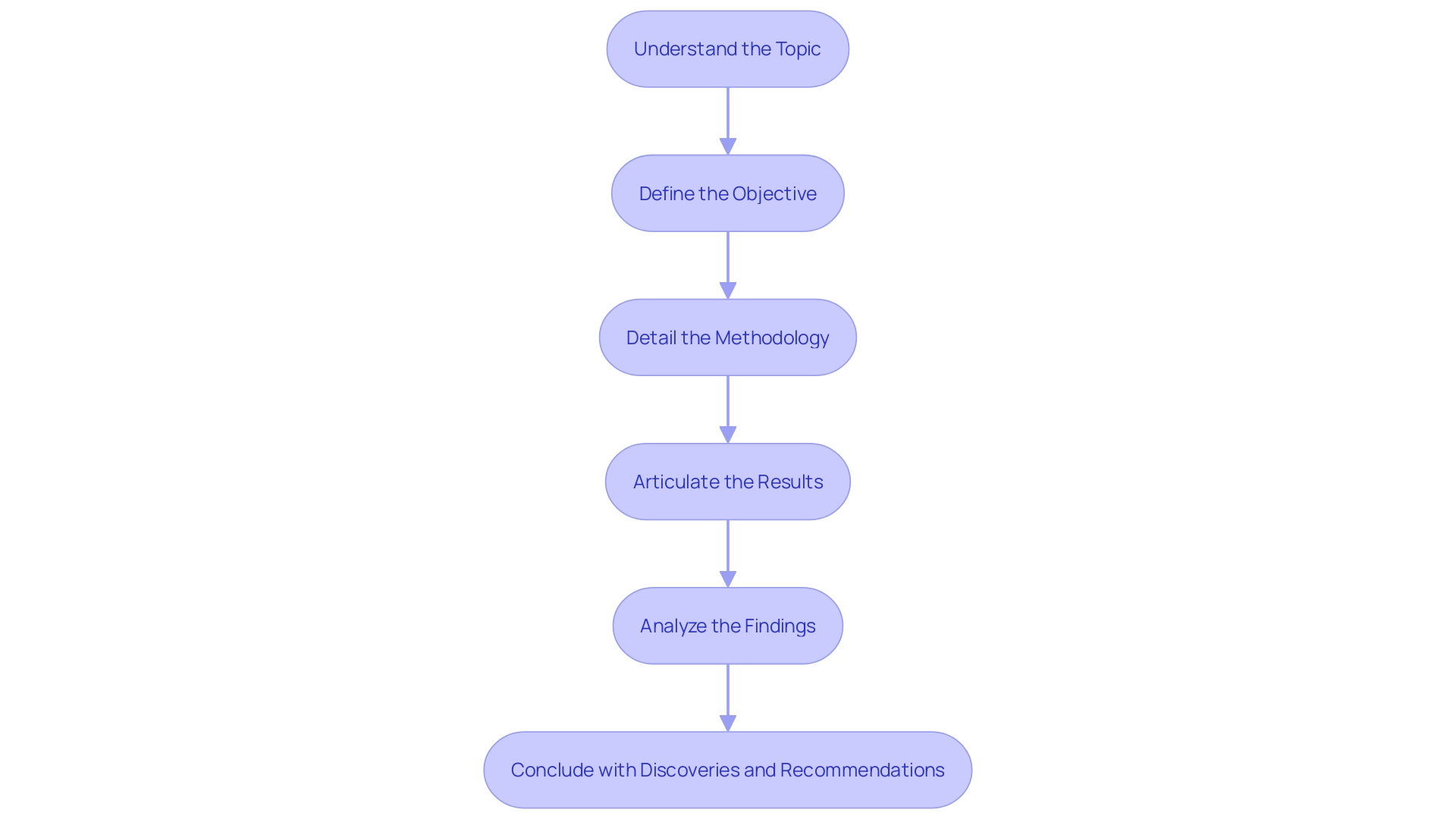
To forge a compelling within the realm of , it is integral to delve into the nuances of a particular subject, emphasizing thorough understanding through robust and insightful expert contributions. The cornerstone of any lies in articulating a clear, focused objective that highlights the purpose and direction of the research.
This objective could span from investigating the efficacy of novel therapeutics to assessing unique . Such precision in the study’s aim underpins its entirety, affirming its pertinence and informative potency.
Detailing the is indispensable for ensuring transparency and fostering reproducibility. This encompasses an exhaustive account of the study’s framework—its design, the scope of the sample size, selected inclusion and exclusion benchmarks, along with the approaches to gathering and analyzing data.
This level of detail reinforces the study’s trustworthiness and . The articulation of the study’s results assumes a pivotal role, necessitating clarity and brevity to elucidate the significance and consequences of the findings effectively.
Employing visual aids such as graphs and tables can enhance comprehension and offer an accessible overview of the data. In the subsequent analysis, correlating the findings with existing scholarship and discussing their broader impacts is crucial. This process demonstrates the researchers’ analytical acumen and situational awareness, inviting readers to gauge the ‘s scholarly contribution. Concluding with a synthesis of key discoveries and extending recommendations grounded in the study’s findings becomes vital. A succinct yet encompassing conclusion accentuates the principal insights, offering scholarly and practical trajectories for future inquiries or applications. Case studies, thus, serve as a testament and a beacon in the scientific domain, shaping informed, engaging, and persuasive narratives for audiences across the spectrum—from industry stakeholders to academic peers.
The Power of Visuals and Data in Clinical Trials Case Studies
Professional and Informative: Visuals and data play a crucial role in the communication of . In this section, we will explore the power of visuals and in conveying complex information, enhancing understanding, and facilitating the dissemination of .
- Infographics and Charts: Utilizing infographics and charts can simplify complex data and concepts, making them more accessible to a wider audience.
Visual representations of data allow for easier comprehension and retention of information. 2.
Graphical Abstracts: Graphical abstracts provide a concise visual summary of the main findings and key elements of a case study. They can capture the attention of readers and serve as a quick reference point for the study’s main takeaways.
- : Leveraging and software can transform raw data into interactive visualizations, enabling deeper exploration and analysis. Interactive charts, maps, and timelines can enhance engagement and facilitate a deeper understanding of the case study. 4. Use of Images: Incorporating relevant images, such as , medical equipment, or study participants, can add visual context and aid in the storytelling aspect of the case study. By harnessing the power of visuals and , can effectively communicate their , engage a wider audience, and facilitate knowledge exchange among researchers and practitioners.
Conclusion
In conclusion, effective marketing strategies are crucial for the success of clinical trials. By understanding participant concerns, addressing logistical challenges, and adopting patient-centric approaches, clinical trial companies can enhance recruitment and foster trust.
Collaboration with healthcare entities, patient advocacy groups, and community organizations further strengthens credibility and accessibility. The power of storytelling, through real-life patient experiences and multimedia tools, engages potential participants and inspires involvement.
Creating compelling case studies with clear objectives, detailed methodologies, and concise results presentation is essential. Leveraging visuals and data visualization techniques enhances understanding and effectively conveys complex information. By implementing comprehensive marketing approaches that consider participant concerns, employ storytelling, collaborate with stakeholders, and utilize visuals and data, clinical trial companies can achieve recruitment success, build trust, and contribute to advancing medical research.
Frequently Asked Questions
Why is marketing important for clinical trials?
Marketing is essential for clinical trials as it addresses participant concerns, increases awareness, fosters trust, and ultimately, enhances trial success rates by ensuring that the trials are accessible and appealing to potential candidates.
What challenges do participants face in clinical trials?
Participants can face numerous challenges such as logistical issues, obtaining visas, navigating foreign healthcare documentation, and managing travel, especially if the clinical trial is in a different country.
How should marketing strategies for clinical trials be crafted?
Marketing strategies should be patient-centric, culturally competent, and tailored to address the specific complexities involved in clinical trials. They should also leverage new technologies and improve operational efficiency.
What was the CRASH trial, and what did its marketing approach entail?
The CRASH trial was a clinical trial that faced the challenge of recruiting patients in unique situations, such as those in remote areas with rare diseases. Its marketing involved collaboration with advocacy bodies, clear communication, and addressing transportation challenges to ease the burden of participation.
How can clinical trial companies identify and engage their audience?
Companies can identify their audience by researching demographics, interests, and concerns, then engage them with tailored campaigns using clear and persuasive messaging that communicates the benefits and risks of the trials.
What role does digital marketing play in clinical trials?
Digital marketing and social media are pivotal in clinical trials marketing, offering expansive reach and engagement opportunities through SEO, paid advertising, and compelling content.
What is the role of storytelling in clinical trials marketing?
Storytelling in clinical trials marketing engages potential participants by portraying the transformative nature of research and connecting with them through narratives that reflect the lived experiences of patients.
What elements are key to creating a compelling clinical trial case study?
A compelling case study should have a clear focus, detailed methodology, concise articulation of results, visual aids, in-depth analysis, and a conclusion that synthesizes key discoveries and offers recommendations.
Why are visuals and data important in clinical trials case studies?
Visuals and data are important because they simplify complex information, enhance understanding, and facilitate the dissemination of case study findings through infographics, charts, graphical abstracts, and interactive visualization tools.
List of Sources
- The Importance of Effective Marketing in Clinical Trials
- medhealthoutlook.com (https://medhealthoutlook.com/three-best-practices-to-combat-clinical-trial-pain-points-scott-gray-ceo-of-clincierge/)
- pharmavoice.com (https://www.pharmavoice.com/news/red-jacket-ken-getz-a-champion-of-clinical-trials/697633/)
- pharmalive.com (https://www.pharmalive.com/overcoming-the-highly-nuanced-challenges-of-medical-marketing-to-drive-meaningful-patient-connection/)
- pharmalive.com (https://www.pharmalive.com/pharma-marketings-catch-22/)
- Case Study: CRASH Trial – A Novel Approach to Marketing
- medhealthoutlook.com (https://medhealthoutlook.com/three-best-practices-to-combat-clinical-trial-pain-points-scott-gray-ceo-of-clincierge/)
- pharmalive.com (https://www.pharmalive.com/overcoming-the-highly-nuanced-challenges-of-medical-marketing-to-drive-meaningful-patient-connection/)
- pharmalive.com (https://www.pharmalive.com/pharma-marketings-catch-22/)
- Marketing Strategy for Clinical Trials: Lessons Learned
- medhealthoutlook.com (https://medhealthoutlook.com/three-best-practices-to-combat-clinical-trial-pain-points-scott-gray-ceo-of-clincierge/)
- smartinsights.com (https://www.smartinsights.com/digital-marketing-strategy/how-to-create-an-effective-pharmaceutical-marketing-strategy-in-2022/)
- pharmavoice.com (https://www.pharmavoice.com/news/red-jacket-ken-getz-a-champion-of-clinical-trials/697633/)
- pharmalive.com (https://www.pharmalive.com/pharma-marketings-catch-22/)
- The Role of Storytelling in Clinical Trials Marketing
- pharmavoice.com (https://www.pharmavoice.com/news/red-jacket-ken-getz-a-champion-of-clinical-trials/697633/)
- pharmalive.com (https://www.pharmalive.com/overcoming-the-highly-nuanced-challenges-of-medical-marketing-to-drive-meaningful-patient-connection/)
- cxl.com (https://cxl.com/blog/how-ten-by-three-drove-sales/)
- kevinmd.com (https://www.kevinmd.com/2024/05/why-patient-stories-matter-in-medical-decision-making.html)
- medhealthoutlook.com (https://medhealthoutlook.com/three-best-practices-to-combat-clinical-trial-pain-points-scott-gray-ceo-of-clincierge/)
- Creating a Compelling Case Study: Key Elements
- venngage.com (https://venngage.com/blog/how-to-present-a-case-study/)
- first10em.com (https://first10em.com/how-to-create-a-focused-and-answerable-research-question/)
- venngage.com (https://venngage.com/blog/how-to-present-a-case-study/)
Leave a Reply