
Introduction
Clinical trials play a crucial role in advancing medical knowledge and validating new medical innovations. From pharmaceuticals to therapeutic procedures, these trials aim to test the efficacy and safety of new interventions while offering hope and potential cures for patients with limited options.
However, there is often a gap between the narrow focus of randomized controlled trials (RCTs) and the complexities of real-world clinical practice. To bridge this divide, experts advocate for a more integrated approach in trial design.
Additionally, the process of finding and qualifying for clinical trials has evolved, with online services facilitating the search based on disease stage and location. Despite the associated costs, such as travel expenses, clinical trials have significant importance in the medical landscape, reinforced by the rigorous standards for FDA drug approval.
The critical role of clinical trial consultants is highlighted in successful trial implementation. These consultants contribute to the meticulous design of trial protocols, adherence to regulatory guidelines, and efficient management of trial operations.
Engaging the services of a clinical trial consultant can elevate the effectiveness and precision of medical research endeavors. Consultants bring expertise in navigating the regulatory framework, streamlining processes, and addressing challenges posed by geographic and knowledge disparities. However, clinical trial consultants also face challenges in managing the ever-changing regulatory landscape and diverse stakeholders involved in trials. Despite these challenges, their ability to facilitate clear communication and employ strategic project management is essential in ensuring compliant and accessible trials. Overall, clinical trials and the role of consultants are instrumental in advancing medical science and delivering new treatments to those in need.
The Importance of Clinical Trials in Advancing Medical Knowledge
are the pivotal steps in validating medical innovations, from novel pharmaceuticals to cutting-edge therapeutic procedures. Take, for instance, a that lacks FDA-approved treatments. Presented with an opportunity to join a , the patient faces the daunting task of navigating international travel complexities, from securing visas to handling unfamiliar paperwork.
Such scenarios underscore the of , which aim not only to test the efficacy and safety of new medical interventions but also to offer hope and potential cures to those with limited options. represent the bedrock upon which modern medicine is built. They are systematic, investigational studies where volunteers participate to assess new medical treatments or strategies.
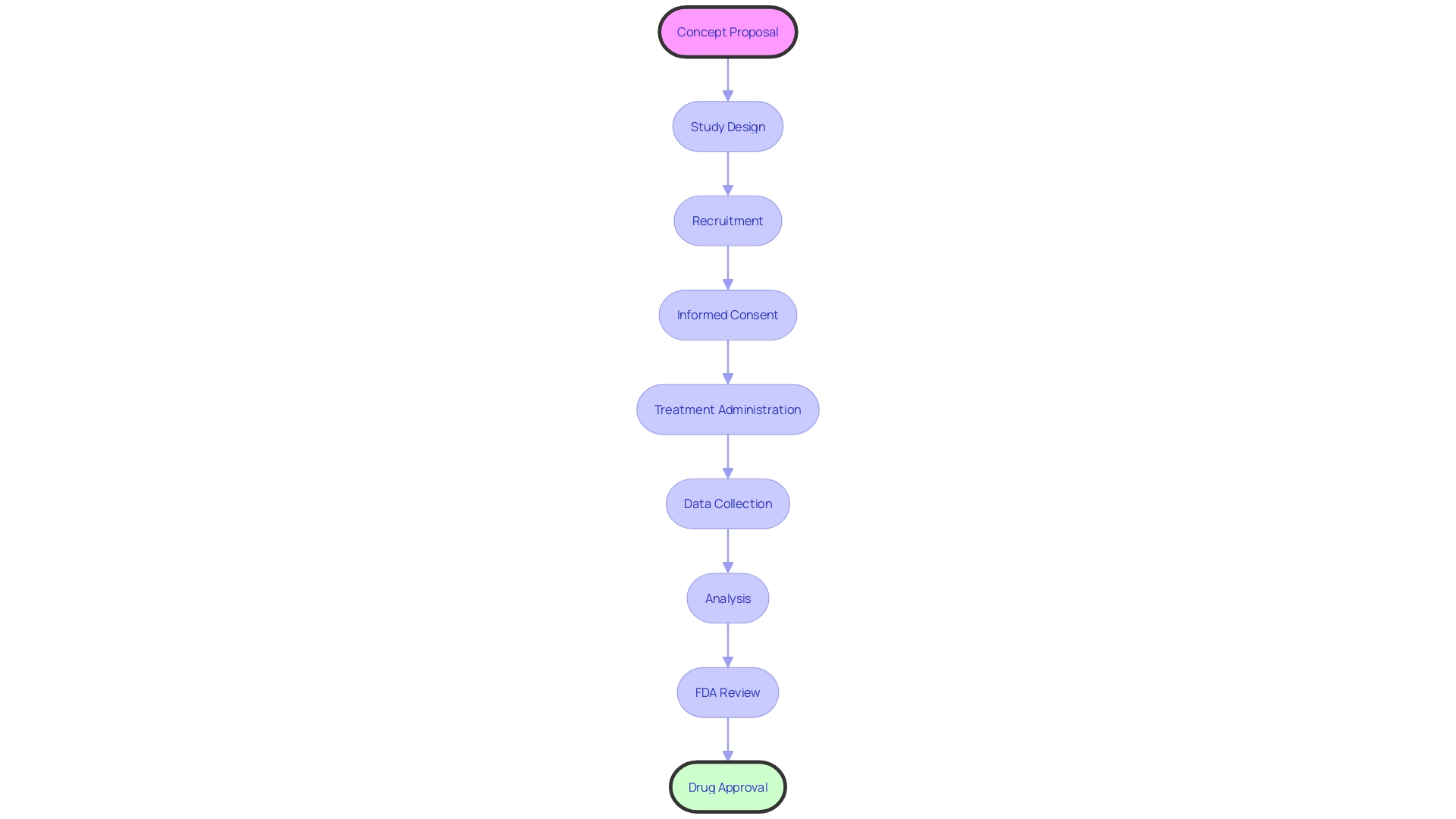
The process begins when an investigator or a company proposes a novel concept, rigorously comparing it with existing standards of care. This methodical approach is key to achieving , ultimately enhancing patient outcomes. The entire process is carefully orchestrated, keeping the perspectives of physicians, patients, and communities at the forefront.
Despite the 40,000 registered annually, a of randomized controlled trials (RCTs) and the complexities of real-world clinical practice. As highlighted in a special communication in JAMA, this gap can lead to inefficiencies and limitations in the scope and impact of trials. To bridge this divide, experts advocate for a more integrated approach, aligning trial design with the practicalities of patient care.
Moreover, the process of finding and qualifying for has evolved, now facilitated by online services that streamline the search based on disease stage and location. Yet, patients must be cognizant of the associated costs, such as travel expenses and time away from work, even as the treatments within trials are provided at no additional charge. The significance of in the medical landscape is further reinforced by the rigorous standards for , which, as Kaplan notes, have recently adapted to expedite access to potentially life-saving treatments.
Case Study: Successful Implementation of a Clinical Trial Consultant in a Medical Research Study
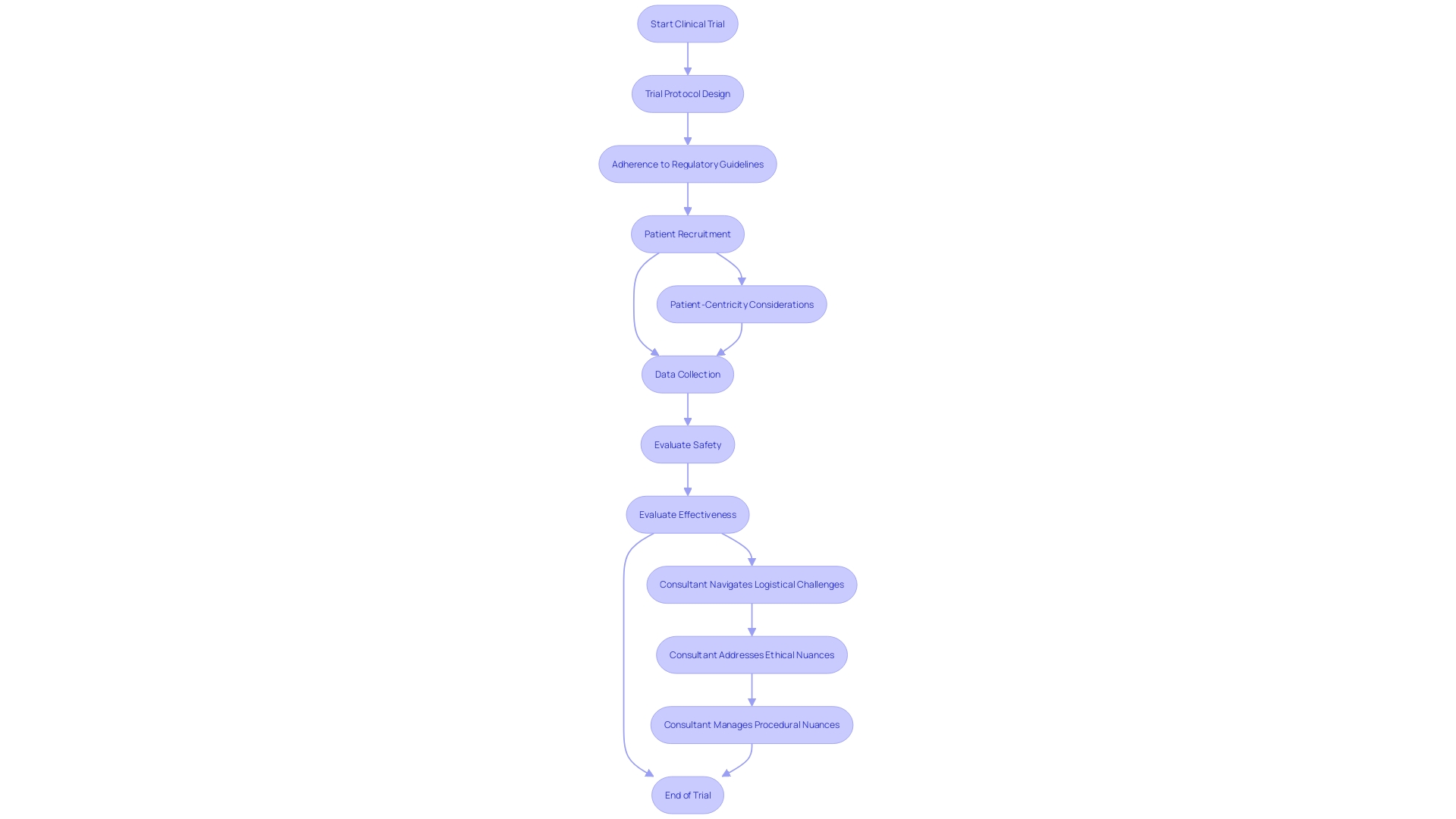
The critical role of was highlighted in a recent study for an innovative treatment of a rare genetic disorder. Their contribution was multifaceted, including the meticulous design of the , adherence to stringent , and the adept handling of the trial’s operations.
A clinical trial’s success hinges on the precise formulation of the research question, which lays the groundwork for the study. By controlling both independent and dependent variables and selecting an appropriate control group, consultants are able to mitigate biases and confounding factors, ensuring the reliability of the data collected.
For instance, the challenges faced by a patient from rural Pennsylvania needing to travel to Turkey for a clinical trial accentuate the complexities involved in trial participation. These complexities underscore the necessity for in , as emphasized by Daniel J Herron, who advocates for inclusivity and clear communication with patients. , which are instrumental in establishing the of new treatments, are structured in phases to meticulously evaluate both the safety and the effectiveness of interventions. As such, the consultant’s expertise is indispensable in navigating the logistical, ethical, and procedural nuances that contribute to the integrity and success of these vital medical research endeavors.
Benefits of Collaborating with a Clinical Trial Consultant: Expertise and Efficiency
Engaging the services of a can substantially elevate the effectiveness and precision of . Such consultants bring a wealth of knowledge to the table, particularly when it comes to the intricate that must navigate.
With a firm grasp on the , consultants play a pivotal role in maintaining the study’s compliance from start to finish. Moreover, their seasoned experience in trial management can streamline processes, from refining study designs to improving and .
These enhancements are crucial for producing outcomes that are both accurate and dependable, which is the cornerstone of advancing medical science and patient care. Additionally, consultants can address the challenges posed by geographic and knowledge disparities, aiding in bridging the gap between patients and healthcare providers.
This is particularly important in scenarios where patients, such as those in rural areas or those facing rare diseases, are presented with the opportunity to participate in that might be located abroad or in distant urban centers. By assisting in the coordination of logistics and offering clarity on clinical trial processes, consultants can make such life-saving research more accessible. As Ken Getz from PHARMAVOICE notes, the industry is continually innovating to balance scientific rigor with efficient operations, supported by technologies like electronic data capture. These efforts are vital in enhancing the overall efficacy and efficiency of , ultimately contributing to the acceleration of medical breakthroughs and the delivery of new treatments to those in need.
Challenges Faced by Clinical Trial Consultants and Strategies for Overcoming Them
are pivotal in bridging the gap between and the practical challenges of executing studies. They navigate a labyrinthine regulatory landscape that is in constant flux, requiring them to assimilate new guidelines and tailor their methodologies to remain compliant.
Moreover, these consultants act as the linchpin in managing a diverse array of stakeholders – from researchers and sponsors to ethics committees and participants. Consider, for example, a patient from rural Pennsylvania with a for which there is no .
They are presented with the chance to join a in Turkey, a venture that could save their life. However, this opportunity is riddled with logistical hurdles, such as acquiring visas, handling foreign documents, and coordinating international travel. These complexities underscore the need for to possess not only a robust understanding of regulations but also a keen ability to facilitate clear communication and employ strategic project management. By doing so, they ensure that trials are not only compliant but also accessible to those who stand to benefit most from groundbreaking medical research.
Conclusion
Clinical trials are pivotal in advancing medical knowledge and providing hope to patients with limited treatment options. The gap between randomized controlled trials (RCTs) and real-world clinical practice can be bridged through a more integrated approach in trial design, aligning it with patient care. Clinical trial consultants play a critical role in successful trial implementation.
They contribute to meticulous protocol design, regulatory compliance, and efficient operations. By controlling variables and selecting appropriate control groups, consultants ensure reliable data collection. Engaging a clinical trial consultant enhances the effectiveness and precision of medical research.
Their expertise in navigating regulations, streamlining processes, and addressing disparities contributes to compliant and accessible trials. However, clinical trial consultants face challenges in managing changing regulations and diverse stakeholders. Effective communication and strategic project management are essential for ensuring compliant trials.
In summary, clinical trials drive medical science forward and deliver new treatments to those in need. Clinical trial consultants play a vital role in navigating complexities, maintaining compliance, and facilitating clear communication among stakeholders. Their expertise improves the efficacy of clinical trials, contributing to medical breakthroughs that benefit patients globally.
Frequently Asked Questions
What are clinical trials?
Clinical trials are systematic investigational studies where volunteers participate to assess new medical treatments or strategies, focusing on their efficacy and safety.
Why are clinical trials important?
Clinical trials are crucial for validating medical innovations, improving patient outcomes, and providing hope for individuals with limited treatment options, particularly for rare conditions without FDA-approved therapies.
How do clinical trials work?
The process begins when an investigator or company proposes a novel concept and rigorously compares it with existing standards of care. Trials are structured in phases to evaluate both safety and effectiveness.
What challenges do patients face when participating in clinical trials?
Patients often encounter logistical challenges such as travel expenses, time away from work, and navigating complex paperwork, especially when trials are located far from their homes.
What role do clinical trial consultants play?
Clinical trial consultants are essential for designing trial protocols, ensuring regulatory compliance, managing trial operations, and facilitating communication among stakeholders, which enhances the trial’s success.
How have clinical trials evolved in recent years?
The process of finding and qualifying for clinical trials has been streamlined through online services, making it easier for patients to locate trials based on disease stage and location.
What are the costs associated with participating in a clinical trial?
While the treatments provided in clinical trials are typically at no additional charge, patients may incur costs related to travel and time away from work.
How does the FDA regulate clinical trials?
The FDA sets rigorous standards for drug approval, which clinical trials must meet. Recent adaptations aim to expedite access to potentially life-saving treatments.
What is the significance of patient-centricity in clinical trials?
Patient-centricity focuses on inclusivity and clear communication with participants, ensuring that their needs and perspectives are prioritized throughout the trial process.
What strategies can clinical trial consultants use to overcome challenges?
Consultants navigate the regulatory landscape, manage stakeholder relationships, and facilitate clear communication to ensure trials are compliant and accessible to participants.
List of Sources
- The Importance of Clinical Trials in Advancing Medical Knowledge
- medpagetoday.com (https://www.medpagetoday.com/opinion/second-opinions/106064)
- letswinpc.org (https://letswinpc.org/disease-management/clinical-trials-patients-starting-point/)
- raps.org (https://www.raps.org/News-and-Articles/News-Articles/2024/6/Experts,-FDA-officials-discuss-future-of-clinical?utm_campaign=Regulatory-Focus&utm_source=twitter&utm_medium=social)
- medhealthoutlook.com (https://medhealthoutlook.com/three-best-practices-to-combat-clinical-trial-pain-points-scott-gray-ceo-of-clincierge/)
- campaigns.scripps.org (https://campaigns.scripps.org/news_items/7759-how-clinical-trials-transform-medicine?c=System_General_SD%3A+2024-5-02-system-health-wellness–%2Fnews_items%2F7759-how-clinical-trials-transform-medicine-organic&g=7759twi&hcmacid=SysGen-SO-0002&source_id=15273&utm_campaign=System_General_SD&utm_content=7759twi&utm_medium=social&utm_source=twitter)
- valueresearch.org (https://valueresearch.org)
- pmlive.com (https://pmlive.com/blogs/how-patient-engagement-improves-outcomes-in-chronic-illness/)
- Case Study: Successful Implementation of a Clinical Trial Consultant in a Medical Research Study
- medhealthoutlook.com (https://medhealthoutlook.com/three-best-practices-to-combat-clinical-trial-pain-points-scott-gray-ceo-of-clincierge/)
- scientia.global (https://www.scientia.global/mr-anthony-keyes-understanding-and-improving-clinical-trial-compliance/)
- infomeddnews.com (https://infomeddnews.com/how-to-conduct-controlled-medical-research-in-a-lab/)
- infomeddnews.com (https://infomeddnews.com/1-day-virtual-clinical-evaluation-of-medical-devices-training-course-empower-your-clinical-evidence-enhancing-skills-for-mdr-compliant-cer-creation/)
- clinicaltrialsarena.com (https://www.clinicaltrialsarena.com/sponsored/why-patient-centricity-is-the-answer-to-the-clinical-trial-enrolment-gap/)
- lcfamerica.org (https://lcfamerica.org/about-lung-cancer/clinical-trials/)
- Benefits of Collaborating with a Clinical Trial Consultant: Expertise and Efficiency
- medhealthoutlook.com (https://medhealthoutlook.com/three-best-practices-to-combat-clinical-trial-pain-points-scott-gray-ceo-of-clincierge/)
- diabetesdaily.com (https://www.diabetesdaily.com/blog/everything-you-should-know-about-clinical-trials-717783/)
- pharmavoice.com (https://www.pharmavoice.com/news/red-jacket-ken-getz-a-champion-of-clinical-trials/697633/)
- hitconsultant.net (https://hitconsultant.net/2023/08/07/q-a-aicure-senior-vice-president-discusses-the-need-to-improve-access-to-clinical-trials/)
- Challenges Faced by Clinical Trial Consultants and Strategies for Overcoming Them
- medhealthoutlook.com (https://medhealthoutlook.com/three-best-practices-to-combat-clinical-trial-pain-points-scott-gray-ceo-of-clincierge/)
Leave a Reply