Author: Tely Publisher

  • 4 Essential Steps for PMA for Medical Devices Explained

    4 Essential Steps for PMA for Medical Devices Explained

    Introduction

    Navigating the complex landscape of medical device regulation can be daunting, particularly when it comes to Premarket Approval (PMA), a critical process mandated by the FDA for high-risk medical instruments. This rigorous evaluation not only safeguards public health but also propels innovation within the medical technology sector. However, the intricacies of the PMA process can pose significant challenges for manufacturers striving to bring their products to market. What essential steps can streamline this journey and enhance the likelihood of successful approval?

    Define Premarket Approval (PMA) and Its Importance

    represents a rigorous regulatory process established by the U.S. Food and Drug Administration (FDA) specifically for . Unlike the 510(k) pathway, which allows products to enter the market based on significant similarity to existing offerings, the PMA for requires that producers supply demonstrating the safety and efficacy of their items. This thorough assessment is essential for safeguarding public health, ensuring that only products meeting high safety and efficacy standards are authorized for use.

    The significance of PMA for transcends mere regulatory compliance; it actively fosters innovation within the while simultaneously cultivating trust among healthcare providers and patients. By guaranteeing that products undergo exhaustive evaluations prior to market introduction, the PMA for enhances the overall quality of medical equipment available to the public.

    Recent updates to the PMA for reflect ongoing efforts to improve . Notably, the FDA has set a target for 90% of original PMAs to receive a decision within 180 days, as outlined under the Medical Device User Fee Amendments (MDUFA IV). This streamlined approach not only simplifies the approval process but also reinforces the FDA’s commitment to ensuring equipment safety.

    Real-world examples illustrate the protective role of PMA in public health. The FDA’s comprehensive evaluations have historically resulted in a high approval rate for PMAs, with nearly all applications accepted in recent years. This meticulous examination is particularly crucial in scenarios where the safety of the equipment is paramount, as evidenced by the FDA’s proactive measures to address adverse occurrences related to medical tools.

    In this context, firms like bioaccess® play a pivotal role in enhancing medical equipment through the . With over 20 years of , bioaccess® specializes in (EFS), (FIH), Pilot Studies, Pivotal Studies, and Post-Market Clinical Follow-Up Studies (PMCF). Their tailored approach not only facilitates navigation through the but also ensures that startups in the Medtech, Biopharma, and Radiopharma sectors can effectively meet regulatory standards, ultimately accelerating their pathway to approval.

    In summary, the PMA for procedure is vital for upholding high standards in medical equipment safety, fostering innovation, and ensuring that healthcare professionals and patients can trust the tools they rely on for their health and well-being.

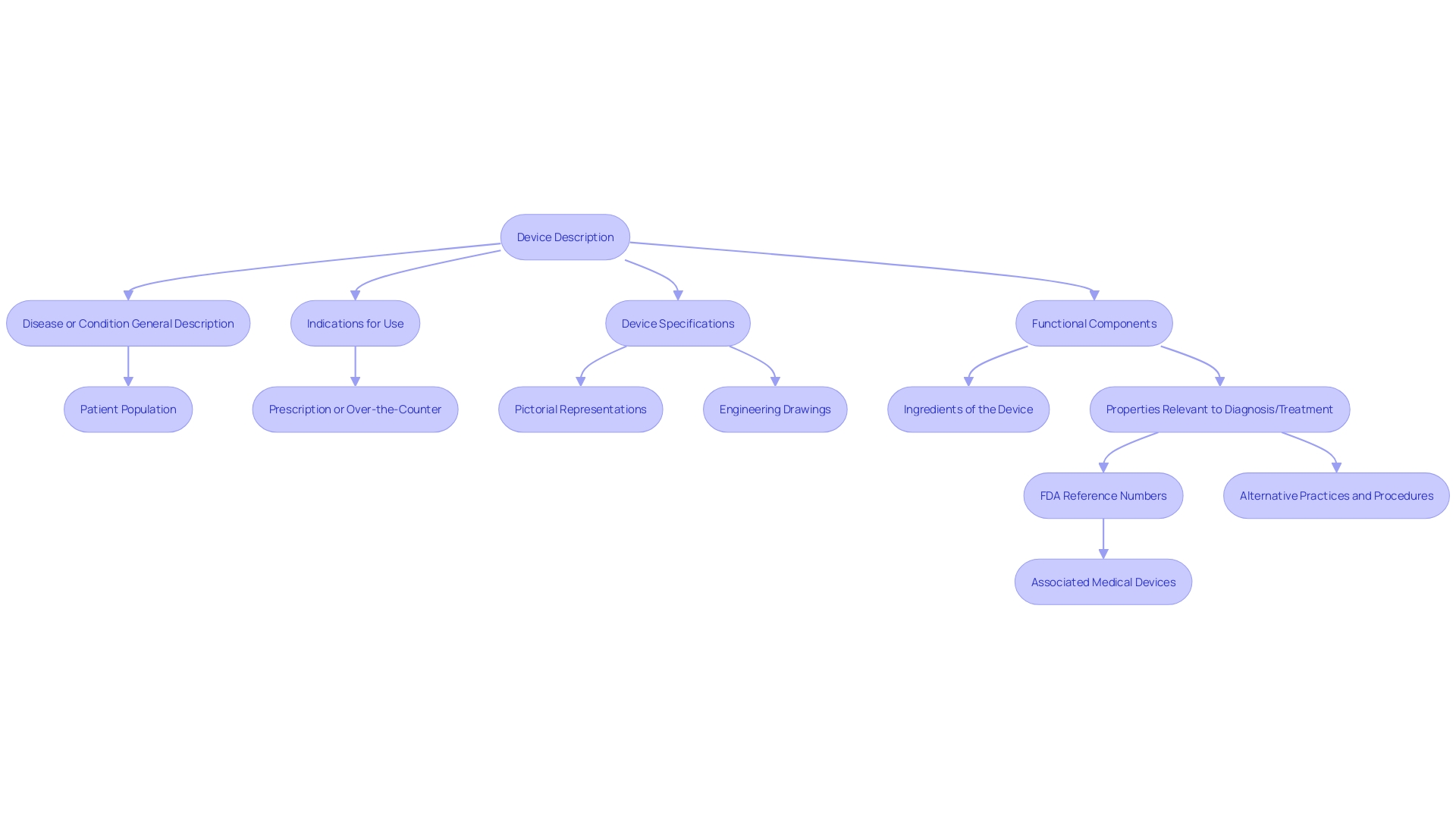
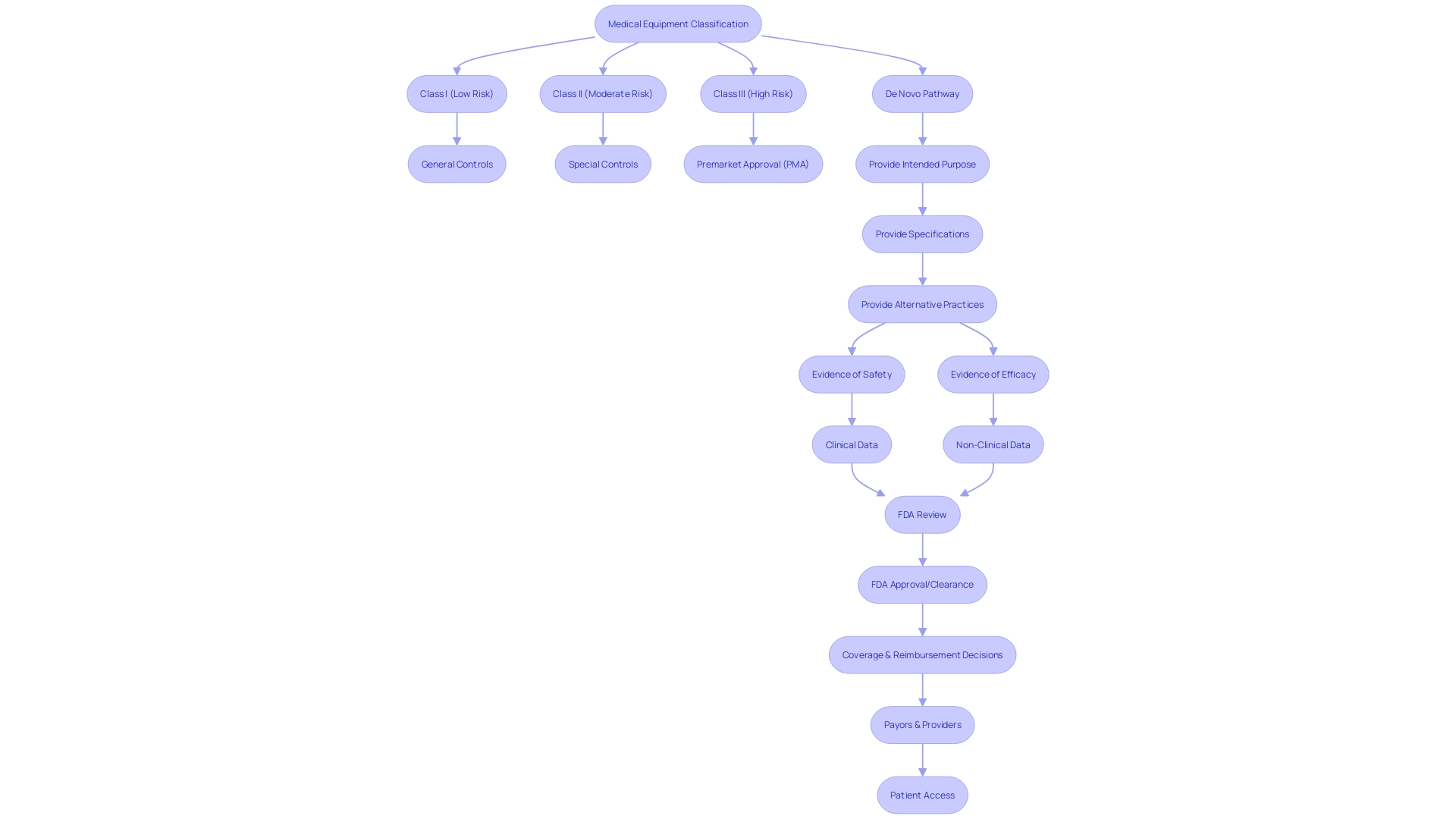
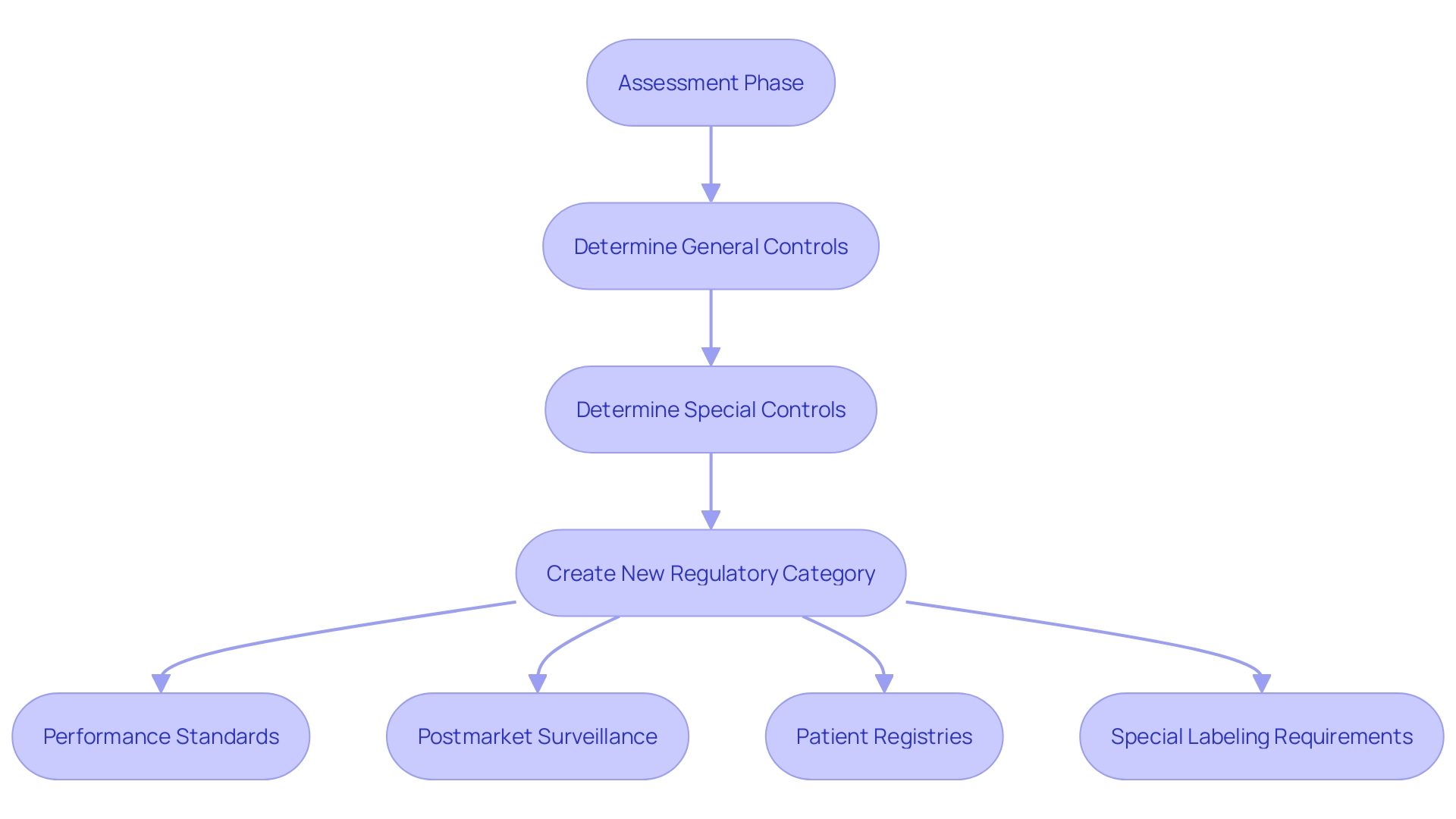
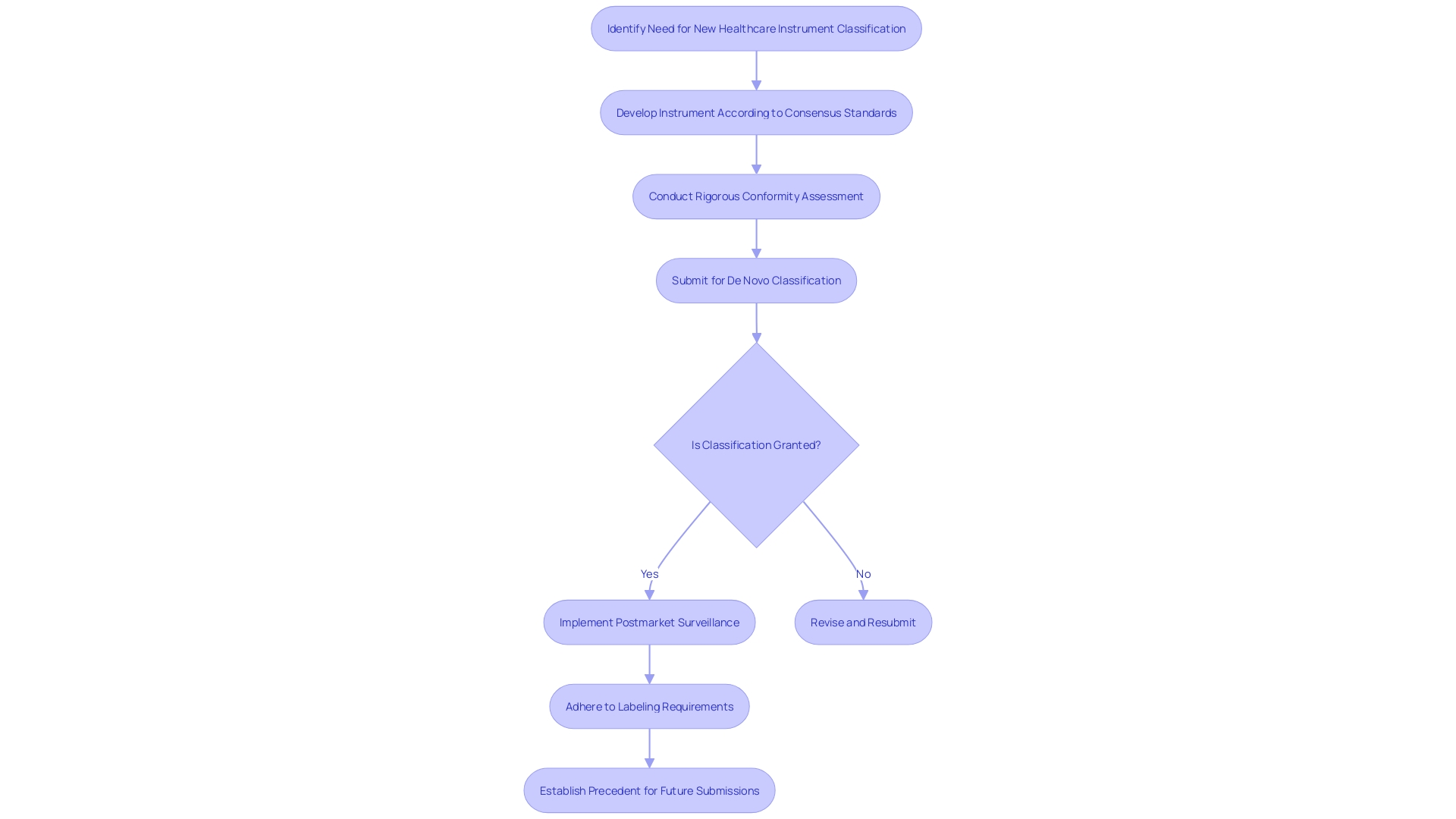
    The center represents the main topic of PMA, while the branches illustrate important related themes. Each sub-branch provides more depth on those themes, helping to visualize how they connect to the overall concept of PMA.

    Outline the PMA Process and Key Requirements

    The procedure known as is essential for producers aiming to introduce high-risk medical instruments to the market. This process encompasses several key steps:

    1. Pre-Submission: Early engagement with the FDA is critical. This initial step allows producers to discuss their proposed apparatus and receive input on the necessary data requirements, significantly simplifying the submission process.
    2. : A robust is vital. This plan should clearly outline the study’s objectives, methodology, and endpoints to effectively demonstrate the safety and effectiveness of the apparatus. Successful PMA submissions often feature well-structured that meet .
    3. Conduct : must be executed in accordance with the approved protocol, ensuring compliance with . Adhering to these guidelines is crucial for maintaining the integrity of the data collected.
    4. : It is important to gather all necessary documentation, including clinical data, manufacturing information, and labeling, to create a comprehensive PMA application. A well-structured application facilitates a more seamless review process.
    5. : After submission, the PMA application undergoes a thorough review by the FDA, which may include advisory committee meetings. The average review time for PMA applications is approximately 363.2 days, reflecting improvements from previous years.
    6. : Following approval, manufacturers must continue to monitor the product’s performance and report any adverse events to the FDA. This ongoing vigilance is essential for maintaining compliance and ensuring patient safety.

    Understanding these steps is crucial for manufacturers aiming for a . As noted by FDA officials, a strategic approach that integrates regulatory requirements from the outset can significantly enhance the likelihood of approval.

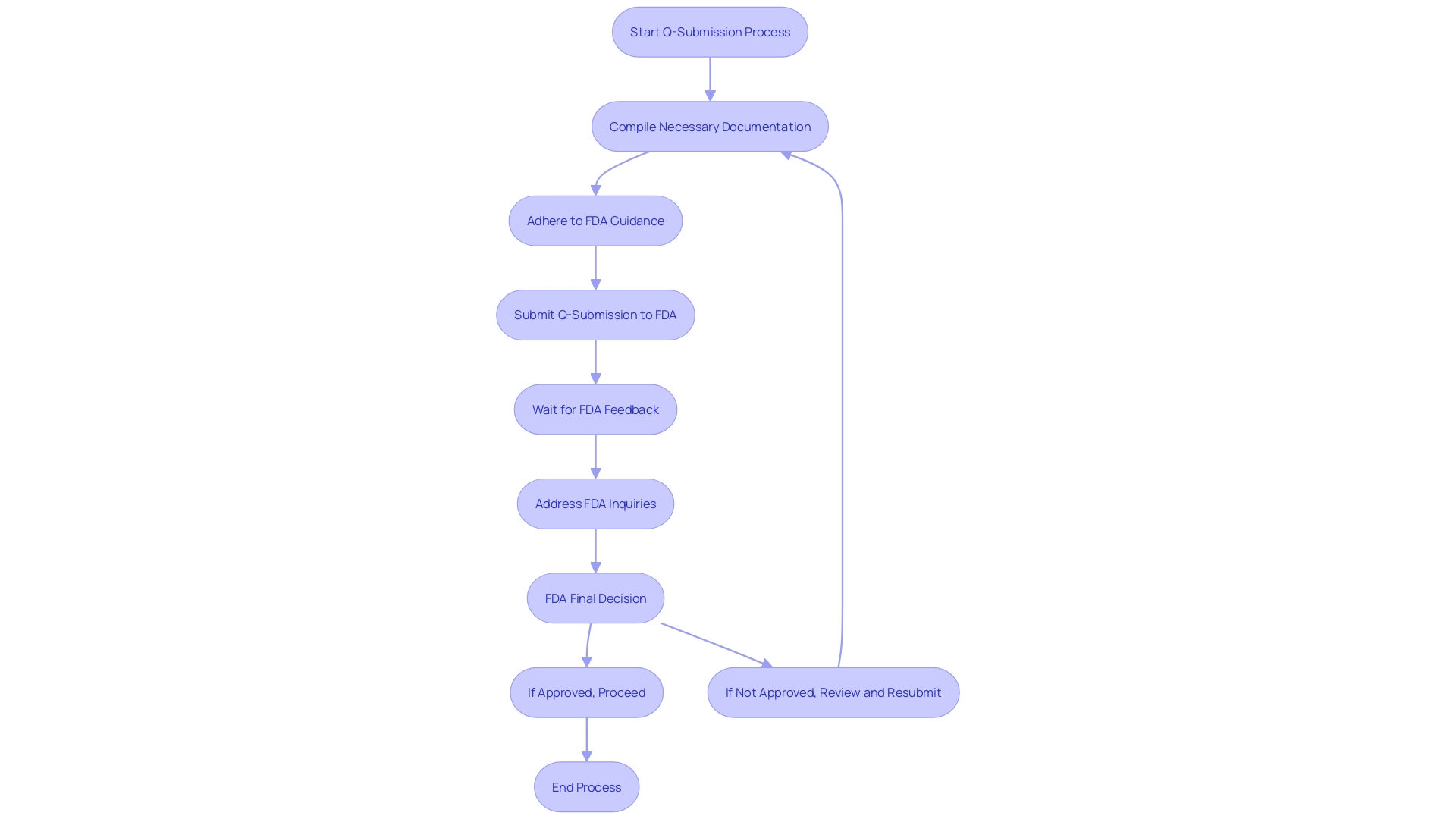
    Each box represents a critical step in the PMA submission process. Follow the arrows to see the sequence of steps necessary for successful approval.

    Discuss the Role of Clinical Data in PMA Approval

    is paramount in the approval process, as it provides the essential evidence to demonstrate that a medical instrument is safe and effective for its intended use. This data is typically gathered through rigorously designed that comply with regulatory standards. With , manufacturers can achieve 50% faster patient enrollment and realize $25K savings per patient through , effectively eliminating rework and delays. The types of required include:

    • Safety Data: Information on adverse events and complications associated with the device.
    • Effectiveness Data: Evidence indicating that the instrument operates as intended and fulfills its clinical claims.
    • Long-term Outcomes: Information that indicates the performance of the apparatus over a prolonged duration, ensuring continued safety and efficacy.

    Manufacturers must ensure that is collected, analyzed, and presented in a manner that meets FDA expectations, as this significantly influences the likelihood of obtaining approval. For instance, Avantec Vascular’s initial human clinical trial of a novel vascular device in Latin America illustrates how , simplifying the approval pathway for startups.

    The central node represents the overall topic, while the branches indicate different types of clinical data required for PMA approval. Each branch provides insights into how that data supports the approval process.

    Identify Challenges in the PMA Process and Solutions

    The challenges presented by the process require manufacturers to navigate them effectively to ensure .

    • : The can take several months to years, potentially delaying product launch. Solution: Interact with the FDA early in the procedure to clarify requirements and streamline submissions.
    • : Conducting and compiling PMA applications can be expensive. Solution: Consider leveraging existing data from previous studies or collaborating with other organizations to share costs.
    • : Evolving regulations can impact the . Solution: Stay informed about regulatory updates and adapt strategies accordingly.

    By proactively addressing these challenges, manufacturers can enhance their chances of a successful submission for PMA for medical devices and expedite their time to market.

    Each box represents a challenge faced during the PMA process, and the arrows lead to solutions that can help overcome those challenges.

    Conclusion

    The Premarket Approval (PMA) process for medical devices stands as a critical regulatory framework, meticulously designed to ensure that high-risk medical instruments meet stringent safety and efficacy standards. By mandating comprehensive clinical data and thorough evaluations, the PMA not only safeguards public health but also nurtures innovation and cultivates trust among healthcare professionals and patients alike.

    This article outlined key steps in the PMA process, which include:

    1. Pre-submission engagement with the FDA
    2. The design and execution of clinical trials
    3. The compilation of a robust PMA application

    Furthermore, the significance of clinical data in demonstrating a device’s safety and effectiveness was underscored, alongside the challenges manufacturers encounter in navigating the PMA landscape. Solutions such as:

    • Early FDA interaction
    • Cost-sharing strategies
    • Staying attuned to regulatory changes

    emerged as essential for overcoming these hurdles.

    In conclusion, a comprehensive understanding of the PMA process is vital for manufacturers aspiring to introduce innovative medical devices to the market. By prioritizing regulatory compliance and focusing on high-quality clinical data, stakeholders can significantly enhance their chances of successful approval while contributing to the advancement of healthcare technology. Embracing these practices will ultimately lead to the development of safer, more effective medical devices that improve patient outcomes and foster a healthier society.

    Frequently Asked Questions

    What is Premarket Approval (PMA) for medical devices?

    Premarket Approval (PMA) is a rigorous regulatory process established by the U.S. Food and Drug Administration (FDA) for high-risk medical instruments. It requires manufacturers to provide comprehensive clinical information demonstrating the safety and efficacy of their products before they can enter the market.

    How does PMA differ from the 510(k) pathway?

    Unlike the 510(k) pathway, which allows products to enter the market based on significant similarity to existing devices, the PMA process requires a thorough assessment of clinical data to ensure that only products meeting high safety and efficacy standards are authorized for use.

    Why is the PMA process important?

    The PMA process is crucial for safeguarding public health by ensuring that medical devices undergo exhaustive evaluations before market introduction. It enhances the overall quality of medical equipment and fosters trust among healthcare providers and patients.

    What recent updates have been made to the PMA process?

    Recent updates include the FDA’s target for 90% of original PMAs to receive a decision within 180 days, as part of the Medical Device User Fee Amendments (MDUFA IV). This aims to improve regulatory efficiency and streamline the approval process.

    How does PMA protect public health?

    The PMA process involves comprehensive evaluations that have historically resulted in a high approval rate for applications. This meticulous examination is essential in ensuring the safety of medical equipment and addressing any adverse occurrences related to medical tools.

    What role do companies like bioaccess® play in the PMA process?

    Companies like bioaccess® specialize in enhancing medical equipment through the PMA process. They provide expertise in various clinical trials and help startups in the Medtech, Biopharma, and Radiopharma sectors navigate regulatory standards, ultimately accelerating their pathway to approval.

    What are the benefits of the PMA process for innovation?

    The PMA process not only ensures high safety and efficacy standards but also actively fosters innovation within the medical technology sector, allowing for the development of advanced medical devices that can improve patient care.

    List of Sources

    1. Define Premarket Approval (PMA) and Its Importance
      • linkedin.com (https://linkedin.com/pulse/decision-speed-success-rates-medical-devices-katrina-rogers)
      • drugwatch.com (https://drugwatch.com/fda/premarket-approval)
    2. Outline the PMA Process and Key Requirements
      • qualio.com (https://qualio.com/blog/fda-medical-device-approval-process)
      • FDA Medical Device Process: Complete Pathway Guide (https://complizen.ai/post/fda-medical-device-approval-process)
      • linkedin.com (https://linkedin.com/pulse/decision-speed-success-rates-medical-devices-katrina-rogers)

  • Implement the Latest Version of ISO 13485: A Step-by-Step Guide

    Implement the Latest Version of ISO 13485: A Step-by-Step Guide

    Introduction

    Navigating the complexities of medical device regulations can be daunting, particularly with the ever-evolving standards like ISO 13485. This international standard is not merely a regulatory requirement; it serves as a critical framework for organizations aiming to enhance their quality management systems and ensure product safety. By delving into the latest version of ISO 13485, organizations can uncover essential strategies for compliance and operational excellence. However, with numerous requirements and steps involved in the implementation process, how can companies effectively streamline their approach and avoid common pitfalls?

    Understand ISO 13485: Key Concepts and Revisions

    is an international standard that outlines the requirements for a (QMS) in organizations involved in the design, production, installation, and servicing of . The latest version of :2016 emphasizes a risk-oriented strategy and the importance of maintaining effective procedures throughout the . Understanding these key concepts is essential for any organization aiming to effectively.

    • : This structured system documents processes, procedures, and responsibilities necessary for achieving quality policies and objectives.
    • : A proactive approach that focuses on identifying and mitigating risks associated with is crucial for ensuring safety and efficacy.
    • : It is vital to ensure that products meet both customer and regulatory requirements, reinforcing trust in the medical device industry.

    Familiarizing yourself with these concepts will provide a solid foundation for applying ISO standards within your organization, ultimately enhancing your operational effectiveness and compliance.

    Start in the center with ISO 13485, and follow the branches to explore each key concept. Each branch represents an important aspect of the standard, helping you understand how they all connect.

    Identify ISO 13485 Certification Requirements

    Achieving the latest version of is crucial for organizations in the Medtech landscape, as it ensures . To obtain this certification, organizations must fulfill several key requirements:

    • : This document outlines the (QMS) and its scope, detailing the quality policy and objectives.
    • : Organizations need to establish procedures for document control, record management, and internal assessments. Notably, approximately 90% of respondents in a recent survey expressed satisfaction with the clarity and structure provided by in the latest version of ISO 13485, underscoring their vital role in maintaining compliance.
    • : Regular reviews by management are essential to ensure the QMS remains effective and aligned with strategic goals.
    • : Documentation of employee training is necessary to guarantee competency in their respective roles.

    Additionally, organizations should prepare for an , which will evaluate compliance with the standard. Familiarizing yourself with these requirements will streamline the certification process. As highlighted by the U.S. Food and Drug Administration, integrating into U.S. regulations enhances compliance consistency on a global scale. Furthermore, examining s from ISO-certified organizations can provide valuable insights into effective documentation practices.

    Follow the arrows from the start to see what needs to be done for ISO certification. Each box represents a requirement that must be fulfilled, leading to the next step in the process.

    Implement ISO 13485: Step-by-Step Process

    Implementing the is crucial for ensuring effective (QMS) in the medical device industry. Here are the key steps to follow:

    1. Gap Analysis: Start by assessing your current QMS against . This will help you identify areas that need improvement.
    2. Develop a Project Plan: Create a detailed timeline and assign responsibilities for each aspect of the implementation task. This ensures accountability and clarity.
    3. Document Processes: Establish and document all necessary procedures and processes according to the standard’s requirements. Clear documentation is vital for compliance with the .
    4. Training: Conduct for employees. This ensures that everyone understands their roles within the QMS and is equipped to contribute effectively.
    5. Internal Review: Perform an internal review to assess the efficiency of the QMS. This step is essential for detecting any non-conformities that may exist.
    6. Management Review: Hold a management review meeting to discuss the examination results. This is the time to make necessary adjustments based on findings.
    7. : Finally, engage a certification organization to perform the final review for . This step validates your efforts and ensures compliance.

    By following these steps, you can ensure a smooth implementation process, ultimately enhancing your organization’s .

    Each box represents a crucial step in the ISO 13485 implementation process. Follow the arrows to see how each step leads to the next, ensuring a clear path toward achieving certification.

    Establish Documentation and Record-Keeping Practices

    Effective documentation and record-keeping practices are vital for of . Organizations must prioritize these practices to ensure they meet regulatory standards and maintain .

    • : Establish robust procedures for the creation, review, approval, and updating of documents. This ensures that all documentation remains current, accessible, and compliant with regulatory standards. Organizations that implement strict measures often report better review outcomes and enhanced .
    • : Create a thorough policy for preserving records, including training documentation, assessment results, and management reviews. The :2016 standard mandates that records must be retained for at least the lifetime of the medical device, but not less than two years after its initial release. Additionally, if the device was in production for a duration of 10 years, records should be retained for at least 10 years. Many organizations opt for longer , often up to 20 years, to mitigate risks associated with potential legal actions.
    • Traceability: Ensure that all records are linked to their respective procedures, facilitating easy retrieval during evaluations or reviews. This for (GxP) and for maintaining the integrity of the quality management system.
    • : Schedule periodic reviews of documentation to confirm ongoing compliance and relevance. Routine evaluations of document management procedures can reveal shortcomings and opportunities for enhancement, ensuring that the organization stays compliant with ISO standards.

    By implementing these practices, organizations can uphold high standards of quality management and ensure of . This commitment not only enhances operational effectiveness but also strengthens regulatory standing.

    The central node represents the overall theme, while each branch highlights a specific practice. Explore the branches to understand how each practice contributes to compliance with ISO 13485.

    Conclusion

    Implementing the latest version of ISO 13485 is crucial for organizations in the medical device sector aiming for excellence in quality management. By adopting a structured quality management system (QMS) that aligns with ISO 13485:2016, these organizations can significantly enhance their operational effectiveness, ensure regulatory compliance, and ultimately foster trust within the industry.

    Key insights from this guide underscore the importance of grasping ISO 13485’s core concepts, such as risk management and regulatory compliance, alongside the specific certification requirements that must be fulfilled. The step-by-step implementation process, which spans from gap analysis to certification audit, offers a clear roadmap for organizations to navigate. Moreover, establishing robust documentation and record-keeping practices is essential for maintaining compliance and operational efficiency.

    Ultimately, committing to ISO 13485 not only bolsters an organization’s quality management capabilities but also positions it advantageously in a competitive landscape. Embracing these standards can lead to improved safety and efficacy of medical devices, benefiting both organizations and the patients they serve. For those eager to stay ahead, prioritizing ISO 13485 implementation and compliance transcends mere regulatory necessity; it represents a strategic advantage that can pave the way for future success.

    Frequently Asked Questions

    What is ISO 13485?

    ISO 13485 is an international standard that outlines the requirements for a quality management system (QMS) for organizations involved in the design, production, installation, and servicing of medical devices.

    What are the key concepts emphasized in ISO 13485:2016?

    The key concepts emphasized in ISO 13485:2016 include a risk-oriented strategy and the importance of maintaining effective procedures throughout the product lifecycle.

    Why is risk management important in ISO 13485?

    Risk management is important in ISO 13485 because it focuses on identifying and mitigating risks associated with medical devices, which is crucial for ensuring safety and efficacy.

    How does ISO 13485 relate to regulatory compliance?

    ISO 13485 emphasizes the importance of ensuring that products meet both customer and regulatory requirements, which helps reinforce trust in the medical device industry.

    How can understanding ISO 13485 concepts benefit an organization?

    Familiarizing oneself with ISO 13485 concepts provides a solid foundation for applying ISO standards within an organization, ultimately enhancing operational effectiveness and compliance.

    List of Sources

    1. Identify ISO 13485 Certification Requirements
      • sushvin.com (https://sushvin.com/medical-devices-compliance-updates-newsletter-Oct-2025.html)
      • abc27.com (https://abc27.com/business/press-releases/accesswire/1097556/zomedica-achieves-iso-13485-certification-underscoring-strengthened-quality-infrastructure-and-commercial-potential)
      • rqmplus.com (https://rqmplus.com/blog/stick-or-twist-2025-is-a-big-year-for-iso-13485)
      • morulaa.com (https://morulaa.com/news-us-fda-qmsr-iso-13485-medical-device-quality-management)
      • scrut.io (https://scrut.io/post/iso-13485)
    2. Establish Documentation and Record-Keeping Practices
      • blog.johner-institute.com (https://blog.johner-institute.com/regulatory-affairs/retention-periods)
      • dokeos.com (https://dokeos.com/best-practices-for-managing-training-records-in-medical-device-manufacturing)
      • elsmar.com (https://elsmar.com/elsmarqualityforum/threads/control-of-records-retention-time-as-per-iso13485.90987)

  • Understanding 510k Meaning: An In-Depth Tutorial for Medical Device Professionals

    Understanding 510k Meaning: An In-Depth Tutorial for Medical Device Professionals

    Introduction

    The 510(k) submission process plays a pivotal role in the regulatory framework for medical devices, serving as a key mechanism for manufacturers to demonstrate the safety and efficacy of their products. This premarket notification to the U.S. Food and Drug Administration (FDA) is particularly crucial for medium-risk devices, allowing for a streamlined pathway to market entry based on substantial equivalence to existing, legally marketed devices.

    With the recent surge in artificial intelligence and machine learning technologies within the medical device sector, understanding the nuances of the 510(k) process has never been more essential. This article delves into the intricacies of 510(k) submissions, exploring:

    1. Eligibility criteria
    2. Preparation steps
    3. The FDA review process

    While drawing on insights from leading regulatory experts to illuminate best practices for navigating this complex landscape.

    What is a 510(k) Submission? An Overview for Medical Device Professionals

    The , which embodies , acts as an essential , allowing medical product manufacturers to demonstrate that their offering is safe and effective based on , referred to as a predicate item. This process is especially vital for Class II and III products, where is mandatory during development, and all manufacturers must have documentation available for FDA review. The streamlined nature of illustrates by allowing manufacturers to obtain market clearance without the extensive preclinical and clinical testing typically required for a Premarket Approval (PMA).

    Consequently, this pathway frequently signifies , as emphasized in case studies. Recent trends indicate a significant increase in the number of , with more AI/ML-enabled products cleared through this pathway than through De Novo classification, reflecting the FDA’s focus on ensuring hardware safety while facilitating innovation. The FDA has noted,

    The FDA believes use of these best practices outlined in this draft guidance, once finalized, will encourage the evolution of safer and more effective medical products in the 510(k) Program over time.

    Grasping and the complexities of the filing process is crucial for medical product professionals, including those mentored by experts like Ana Criado, Director of Regulatory Affairs and CEO of Mahu Pharma, who offers valuable perspectives from her extensive experience in regulatory consulting and biomedical engineering, including her work with international companies such as General Electric and Omron Healthcare. Additionally, Katherine Ruiz, an expert in Regulatory Affairs for Medical Devices and In Vitro Diagnostics in Colombia, offers further expertise in navigating these regulatory waters. Together, their insights highlight the significance of ensuring compliance with critical standards while facilitating quicker market access, especially considering the growing prevalence of AI and machine learning technologies in the medical landscape.

    Devices Requiring 510(k) Submissions: Eligibility and Classification

    The is a critical element in the , highlighting the 510k meaning as it categorizes them into three primary groups based on their risk level:

    1. Class I (low risk)
    2. Class II (moderate risk)
    3. Class III (high risk)

    While Class I products are generally exempt from submissions, is essential for , which must typically submit a 510(k) to demonstrate to an already approved predicate. Notable examples of Class II equipment include infusion pumps, surgical drapes, and diagnostic imaging systems.

    Class III products, given their higher risk profile, usually necessitate a Premarket Approval (PMA) rather than a 510(k). Understanding these classifications is essential for to avoid regulatory missteps. The FDA reports that approximately 10,000 applications are received annually, reflecting the 510k meaning with an impressive approval rate of around 90%.

    This highlights the significance of the 510k meaning in the process of ensuring the safety and effectiveness of medical instruments. Furthermore, according to the FDA, the generated through initiatives like the National Evaluation System for health Technologies (NEST) ‘may be used not only for purposes of post market surveillance but also to support premarket regulatory decision-making and expanded indications for use after clearance or approval, among other things.’ This highlights the evolving nature of regulatory understanding and decision-making.

    Additionally, the imposition of additional costs associated with the 510k meaning process could limit the types and number of (LDTs) available, ultimately reducing patient access to innovative diagnostic tests. Notably, Ana Criado, as the Director of Regulatory Affairs and an expert in this field, emphasizes the need for thorough comprehension of these regulatory processes. The case study titled ” further illustrates this point, detailing the FDA’s receipt of about 10,000 applications annually, which reinforces the 510k meaning process.

    The central node represents the overall 510(k) process, with branches indicating device classifications and their specific requirements and examples.

    Preparing Your 510(k) Submission: Steps and Best Practices

    Preparing a necessitates a systematic approach, which includes understanding the and encompasses several critical steps:

    1. Identifying the :

      Begin by researching similar online and utilizing the FDA’s database to ensure substantial equivalence. This process is essential, as the must describe your medical product in comparison to the predicate product and summarize all of the testing you’ve conducted.

    2. Collecting Necessary Data:

      Gather comprehensive data that establishes the safety and efficacy of the apparatus.

      Be prepared to address common challenges in the application process, such as a lack of understanding of the requirements and insufficient documentation.

    3. Completing the Form:

      Accurately fill out the required forms, ensuring all information is complete.

    4. Compiling a Comprehensive Device Description:

      Provide a detailed description of the device, outlining its intended use and technological characteristics.

    5. Providing Labeling Information:

      Include all relevant labeling materials that meet .

    6. Including Performance Testing Results:

      Present any that supports your claims. Participating in a pre-submission meeting with the FDA is strongly advised, as it provides clarification of any inquiries and guidance on the application process.

    Furthermore, maintaining thorough documentation and adhering to the latest FDA guidelines are essential for a successful application. As noted by the FDA, manufacturers may submit changes as a Special when they determine that no additional verification or validation testing is necessary, provided there is a clear rationale for that conclusion. This highlights the significance of grasping the and the nuances of the application process to avoid common pitfalls.

    For example, firms often begin by searching for similar online to identify potential s, which helps ensure that the chosen predicate meets substantial equivalence criteria. Ana Criado, our Director of , brings extensive experience from her leadership roles at INVIMA and as a consultant for global companies like General Electric and Omron Healthcare, alongside her academic involvement as a biomedical engineering professor. Her expertise in health economics and , particularly in the context of cannabis regulation through her role as CEO of Mahu Pharma, positions her to provide invaluable insights into navigating complex regulatory landscapes.

    Specifically, Ana can assist in identifying the appropriate predicate products and addressing documentation challenges, leveraging her deep understanding of regulatory requirements to help firms avoid .

    Upon submitting a , the , which is important for understanding the and reflects the agency’s commitment to efficient processing. The review process comprises several distinct stages:

    1. Administrative review
    2. Scientific review
    3. Final decision

    Initially, during the administrative review, the FDA verifies the completeness of the application, which must include key summary documents such as a cover letter, indications for use, and either a summary or statement.

    Following this, the scientific review phase critically evaluates the data to ascertain whether the apparatus is to its predicate apparatus. If the proposal does not meet the necessary criteria, the FDA may issue a ‘not ‘ letter, requiring further clarification or additional data from the submitter.

    Significantly, specialists such as Ana Criado, Director of Regulatory Affairs and CEO of Mahu Pharma, who possesses over five years of experience at INVIMA managing , and Katherine Ruiz, an authority in regulatory matters for medical products and in vitro diagnostics in Colombia with considerable expertise in health regulations, stress the significance of diligence and thoroughness in preparing applications, highlighting the .

    As noted, , illustrating the variability in the review timeline. Professionals must be prepared for potential requests for additional information, as there is a response window of 180 days before a submission may be withdrawn from the process.

    Furthermore, a recent survey of industry leaders revealed that due to challenges with the new MDR, underscoring the shifting landscape of .

    Understanding Substantial Equivalence in 510(k) Submissions

    indicates that a new medical instrument is as safe and effective as an already legally marketed predicate instrument. To substantiate this claim, manufacturers must present comparative data that illustrates similarities in design, materials, intended use, and performance characteristics. Acceptable forms of this data may include results from bench tests, , and relevant published literature.

    Identifying a is essential, as it establishes the framework for comparison. According to the FDA, ‘In cases where manufacturers conclude under their design control procedures that no additional verification or validation testing is necessary to assess a change that otherwise requires clearance of a 510(k), the allows manufacturers to present these changes as a Special 510(k) with a clear rationale supporting their conclusion that no performance data are necessary.’ As emphasized in 2022, around 30% of encountered rejection during initial review, which underscores the critical importance of meticulously documenting and justifying claims of to streamline and enhance the likelihood of successful approval, illustrating the .

    By strategically separating intended use from technological characteristics and thoroughly analyzing product codes, as outlined in the case study titled ‘Strategies for ,’ manufacturers can significantly improve their outcomes. Furthermore, experts like Ana Criado, Director of Regulatory Affairs and CEO of Mahu Pharma, and Katherine Ruiz, an expert in Regulatory Affairs for Medical Devices and In Vitro Diagnostics in Colombia, provide invaluable insights into navigating the complexities of and . Their expertise encompasses comprehensive services, including:

    This ensures that submission processes align with both local and international standards.

    Conclusion

    The complexities of the 510(k) submission process are pivotal for medical device manufacturers aiming to navigate the regulatory landscape effectively. As detailed, the 510(k) serves as a vital premarket notification that allows manufacturers to demonstrate substantial equivalence to existing devices, facilitating a quicker and more cost-effective route to market for medium-risk devices. With approximately 10,000 submissions received annually and an impressive approval rate of around 90%, understanding the eligibility criteria, preparation steps, and the FDA review process is essential for success in this arena.

    Key steps in preparing a 510(k) submission include:

    • Identifying suitable predicate devices
    • Compiling comprehensive data
    • Ensuring meticulous documentation

    Engaging in pre-submission meetings with the FDA can further clarify the process and enhance the likelihood of approval. The emphasis on substantial equivalence underscores the need for robust comparative data, as approximately 30% of submissions faced rejection in 2022 due to inadequate justification of this critical criterion.

    As advancements in artificial intelligence and machine learning technologies reshape the medical device landscape, the importance of staying informed about regulatory practices cannot be overstated. Insights from experts in the field highlight the need for diligence and thoroughness, ensuring compliance with evolving standards while fostering innovation. In this rapidly changing environment, a solid grasp of the 510(k) submission process will empower manufacturers to bring safer and more effective medical devices to market, ultimately benefiting patients and the healthcare system at large.

    Ready to streamline your 510(k) submission process? Contact bioaccess™ today to leverage our expertise and ensure your medical devices meet regulatory standards efficiently!

    Frequently Asked Questions

    What is the purpose of the 510(k) submission?

    The 510(k) submission serves as a premarket notification to the U.S. Food and Drug Administration (FDA), allowing medical product manufacturers to demonstrate that their product is safe and effective based on substantial equivalence to an existing legally marketed item, known as a predicate item.

    Which classes of medical products require a 510(k) submission?

    The 510(k) submission is particularly important for Class II and III products. Class II products typically must submit a 510(k) to show substantial equivalence, while Class III products usually require Premarket Approval (PMA) instead.

    What are the classifications of medical devices based on risk levels?

    Medical devices are categorized into three primary groups based on their risk level: Class I (low risk), Class II (moderate risk), and Class III (high risk).

    What is the approval rate for 510(k) applications?

    The FDA receives approximately 10,000 510(k) applications annually, with an impressive approval rate of around 90%.

    How does the 510(k) process differ from the Premarket Approval (PMA) process?

    The 510(k) process is more streamlined and allows manufacturers to obtain market clearance without the extensive preclinical and clinical testing required for a PMA, making it a quicker and more economical route for medium-risk products.

    What recent trends have been observed in the 510(k) process?

    There has been a significant increase in the number of AI and machine learning-enabled products cleared through the 510(k) process, with more such products cleared via this pathway than through De Novo classification.

    What role does real-world evidence (RWE) play in the 510(k) process?

    Real-world evidence generated through initiatives like the National Evaluation System for health Technologies (NEST) may be used for post-market surveillance and to support premarket regulatory decision-making, as well as for expanded indications for use after clearance or approval.

    Why is understanding the 510(k) process important for clinical research professionals?

    Understanding the 510(k) process is crucial for clinical research professionals to avoid regulatory missteps and ensure compliance with essential standards, especially in the context of the growing prevalence of innovative medical technologies.

    List of Sources

    1. What is a 510(k) Submission? An Overview for Medical Device Professionals
      • fda.gov (https://fda.gov/medical-devices/510k-clearances/fda-continues-take-steps-strengthen-premarket-notification-510k-program-program-updates)
      • thefdagroup.com (https://thefdagroup.com/blog/pma-vs-510k)
      • fda.gov (https://fda.gov/medical-devices/premarket-submissions-selecting-and-preparing-correct-submission/premarket-notification-510k)
      • nature.com (https://nature.com/articles/s41746-024-01021-y)
    2. Devices Requiring 510(k) Submissions: Eligibility and Classification
      • resource-allocation.biomedcentral.com (https://resource-allocation.biomedcentral.com/articles/10.1186/s12962-024-00582-9)
      • linkedin.com (https://linkedin.com/pulse/navigating-road-fda-510k-submission-simple-guide-ne9be)
      • aha.org (https://aha.org/2024-04-01-aha-responds-fdas-proposed-regulation-diagnostic-tests)
      • fda.gov (https://fda.gov/regulatory-information/search-fda-guidance-documents/content-and-format-premarket-notification-510k-submissions-liquid-chemical-sterilantshigh-level)
    3. Preparing Your 510(k) Submission: Steps and Best Practices
      • thefdagroup.com (https://thefdagroup.com/blog/510k-explained)
      • thefdagroup.com (https://thefdagroup.com/blog/510k-submission)
      • greenlight.guru (https://greenlight.guru/blog/fda-510-k-submission)
    4. Navigating the FDA Review Process for 510(k) Submissions
      • linkedin.com (https://linkedin.com/pulse/navigating-road-fda-510k-submission-simple-guide-ne9be)
      • 5 Medical Device Regulatory Approval Statistics You Need to Know – Arrotek | Medical Device Innovation (https://arrotek.com/5-medical-device-regulatory-approval-statistics-you-need-to-know)
      • qualio.com (https://qualio.com/blog/fda-510k-submission)
      • hardianhealth.com (https://hardianhealth.com/insights/how-long-does-an-fda-510k-actually-take)
    5. Understanding Substantial Equivalence in 510(k) Submissions
      • qualio.com (https://qualio.com/blog/fda-510k-submission)
      • thefdagroup.com (https://thefdagroup.com/blog/510k-explained)
      • easymedicaldevice.com (https://easymedicaldevice.com/substantial-equivalence-on-a-fda-510k-process-how-to-demonstrate-it)

  • 10 Essential Design Control Guidance FDA Tips for Clinical Research Leaders

    10 Essential Design Control Guidance FDA Tips for Clinical Research Leaders

    Introduction

    In the high-stakes world of clinical research, ensuring compliance with FDA regulations is not merely a necessity; it represents a critical pathway to success. As the regulatory landscape grows increasingly complex, clinical research leaders confront the daunting challenge of navigating design control guidance while simultaneously fostering innovation and quality. This article explores ten essential tips designed to empower leaders to deepen their understanding of FDA requirements, streamline their processes, and ultimately accelerate their medical device projects to market. How can organizations effectively balance regulatory demands with the imperative for rapid innovation in an environment where non-compliance can result in severe repercussions?

    bioaccess®: Accelerate FDA Compliance with Expert Design Control Guidance

    bioaccess® excels in delivering customized support for Medtech, Biopharma, and Radiopharma innovators, ensuring . This expertise is crucial in today’s complex regulatory environment, where can be a significant challenge for . By leveraging their extensive knowledge of , bioaccess® enables clients to enhance their processes, significantly while maintaining stringent quality standards. Their proficiency in navigating intricate regulatory landscapes empowers to concentrate on innovation, alleviating the pressures of regulatory uncertainties.

    Furthermore, by implementing and management reviews, organizations can enhance and expedite their market entry. This alignment with the FDA’s and not only fosters confidence among stakeholders but also positions organizations for success in a competitive landscape. Collaboration with bioaccess® represents a strategic move towards achieving compliance and operational excellence, ultimately driving innovation in the Medtech sector.

    Follow the arrows to see how each step connects. Starting from engaging bioaccess®, you can navigate through customized support and audits, leading to faster market entry and better operational efficiency.

    21 CFR Part 820: Mastering FDA Regulations for Medical Electronics

    21 CFR Part 820 establishes the (QSR) for , which outlines critical requirements for design controls in accordance with , as well as production processes and post-market activities. For , a thorough understanding of these regulations is essential to ensure product safety and efficacy. Non-compliance can have dire consequences, including significant penalties and product recalls, which have surged in recent years. For instance, from 17 in the early 2000s to 304 in 2020, highlighting the growing scrutiny on manufacturers.

    Companies that have successfully navigated these regulations often report enhanced operational efficiency and reduced time to market. A biologics producer that established an ‘Investigation Excellence Program’ realized an 80% decrease in investigation backlog, demonstrating the advantages of proactive adherence measures. Furthermore, organizations adopting a systematic hazard management framework have noted a decrease in product recalls and safety incidents, reinforcing the direct correlation between comprehensive assessments and improved safety statistics.

    The impact of on cannot be overstated. It mandates that all completed batch records be reviewed and closed within 30 days of manufacture, ensuring rigorous oversight throughout the production cycle. As the FDA prepares for the full implementation of the by February 2, 2026, manufacturers must align their practices with the and these evolving standards. Currently, merely 30% of Medtech companies believe they are sufficiently ready for these changes, highlighting a crucial necessity for improved regulatory strategies.

    In 2025, the FDA’s renewed focus on evaluating manufacturers of medical electronics underscores the importance of adhering to these regulations. Engaging with regulatory professionals can provide invaluable insights into navigating the complexities of , ultimately safeguarding product quality and patient safety. As the landscape of medical equipment regulations continues to evolve, staying informed and proactive will be key to achieving .

    The flowchart outlines the critical regulations under 21 CFR Part 820, showing how compliance is essential for avoiding penalties and recalls, while also highlighting proactive measures that can enhance operational efficiency.

    Key QSR Requirements: Ensuring Quality in Medical Device Development

    Key QSR requirements dictate the establishment of a comprehensive (QMS), the execution of design reviews, and the meticulous maintenance of documentation throughout the product lifecycle, following . Establishing robust is essential for , as it ensures that every aspect of the adheres to official standards. This proactive approach not only but also cultivates trust among stakeholders and regulatory bodies.

    As W. Edwards Deming aptly stated, ‘You cannot inspect quality into a product; it must be built into it.’ This principle underscores the necessity of integrating quality into the development process from the very beginning. Furthermore, organizations that prioritize quality management are likely to experience improved product success rates, evidenced by the fact that 85% of failures arise from deficiencies in systems and processes rather than individual errors. Additionally, the invariably exceeds the cost of prevention, highlighting the financial implications of neglecting quality management.

    By adopting a quality-first mindset and emphasizing , can significantly mitigate risks and enhance the overall effectiveness of their projects. Thorough —including feasibility studies, site selection, regulatory reviews, trial setup, import permits, project management, and reporting—play a crucial role in this process. Breaking down barriers between departments to enhance collaboration further supports the successful implementation of s, ultimately contributing to job creation, economic growth, healthcare improvement, and international collaboration in the Medtech sector.

    At the center, you'll find the main concept of QSR requirements. Branching out are various elements of quality management, showing how each part contributes to ensuring product quality and compliance. The further branches detail specific actions or principles that support the main themes.

    Critical Design Reviews: Validate Your Medical Electronics Design Process

    Critical evaluations serve as essential checkpoints in the development process, enabling teams to assess concepts against established requirements and identify discrepancies early on. By engaging cross-departmental teams—comprising individuals from engineering, oversight, quality assurance, and clinical operations—organizations ensure a comprehensive evaluation of the functionality and adherence of the concept. This collaborative approach not only enhances the validation process but also aligns the final product with user needs and regulatory expectations, particularly in jurisdictions like , where compliance with is crucial.

    To conduct effective evaluations, it is imperative to establish that encompass clear documentation and . Each review should yield actionable items with assigned owners and due dates, thereby fostering accountability and progress. Optimal methods for 2025 emphasize the importance of maintaining a that records all review documents with appropriate version control, ensuring traceability throughout the product lifecycle. As noted, “All review documents related to the project should be stored in the History File (DHF) with proper version control.”

    Industry leaders assert that , as outlined in the , are not merely mandatory standards; they are vital instruments for ensuring the . Simon Hinds, a Supply Chain Director, remarked, “Design reviews are not just regulatory requirements. They are crucial instruments for guaranteeing the .” By treating these reviews as strategic checkpoints, organizations can better position themselves to avert recalls and compliance issues, ultimately leading to safer and more effective medical devices in the market. Furthermore, with 14% of FDA 483s related to control problems, the necessity for cannot be overstated. In , the oversight provided by INVIMA, recognized as a Level 4 health authority by PAHO/WHO, underscores the importance of adhering to strict control procedures to meet both local and international compliance standards.

    This flowchart maps out the steps in the critical design review process. Start at the top and follow the arrows down to see how each stage connects and what actions need to be taken. Each box represents a crucial part of the evaluation, showing how teams work together to ensure compliance and safety.

    Design and Development Planning: Laying the Groundwork for Success

    Effective design and is essential for successful . Leaders must outline comprehensive , allocate resources efficiently, and implement . A detailed plan that incorporates specific milestones and deliverables not only keeps the project on track but also fosters enhanced collaboration among team members. This proactive approach is critical for ensuring throughout the , ultimately leading to more efficient and in .

    The center shows the main topic, while the branches detail important components necessary for successful planning in clinical research. Each branch represents a crucial element contributing to the overall success.

    Design Input: Defining Requirements for Medical Electronics

    Design inputs serve as the foundational requirements that a medical device must fulfill to achieve market success. These inputs must be meticulously gathered from , compliance requirements, and comprehensive market research. For clinical research leaders, it is crucial to ensure that these inputs are not only clearly defined but also thoroughly documented and effectively communicated to the project team. This clarity empowers teams to develop products that not only comply with but also resonate with user expectations.

    As we look ahead to 2025, the emphasis on user requirements in medical device development has intensified. Industry experts assert that understanding these needs is essential for crafting effective solutions. For example, a can unveil critical insights that guide the development process, ensuring the final product aligns with both intended use and user requirements.

    Statements from industry leaders reinforce this perspective:

    • ” act as a key resource for input, directing the development process and ensuring adherence to .”
    • Additionally, Jon Speer emphasizes, “Your will demonstrate that your medical product is safe for use,” highlighting the vital role of in ensuring safety and effectiveness.

    By prioritizing in the documentation of input specifications, clinical research leaders can significantly boost the likelihood of successful medical device development, ultimately leading to improved patient outcomes and market acceptance. Furthermore, maintaining a is essential for compliance and traceability, in accordance with the . Integrating a (DCTM) can also facilitate the connection between inputs, outputs, and test results, ensuring comprehensive documentation.

    The extensive provided by bioaccess, which include feasibility studies, site selection, adherence reviews, trial setup, import permits, project management, and reporting, play a critical role in supporting these planning inputs. These services ensure that are consistently integrated into the development process, aiding compliance with regulatory requirements. Continuous user research, as emphasized by Teresa Torres, is vital for adapting to evolving user requirements and ensuring that the layout remains relevant. Neglecting user requirements in development inputs can lead to product failures or recalls, underscoring the importance of this focus. By implementing these strategies, clinical research leaders can navigate the complexities of medical device development more effectively, in alignment with the design control guidance FDA.

    Each box represents a step in the process of defining requirements for medical devices, showing how user needs lead to compliance and product development. Follow the arrows to understand the flow of information and actions.

    Design Output: Delivering Specifications for Medical Device Success

    The output signifies the culmination of the creation process, encompassing specifications, engineering drawings, and essential documentation. It is crucial that these outputs align with established input specifications and comply with the . must prioritize a thorough review and validation of all design outputs in accordance with prior to production. This meticulous approach mitigates the risk of errors and ensures that the final product meets all necessary .

    For instance, bioaccess offers extensive , including:

    Such services are vital in ensuring that and in accordance with local regulations, including those set by INVIMA, the Colombia National Food and Drug Surveillance Institute, which oversees the marketing and production of health products.

    The case study on the ” illustrates how effective verification processes confirm that outputs meet established inputs, ensuring compliance with and regulatory requirements. Furthermore, the ‘Importance of ‘ case study emphasizes that well-structured , following , can significantly enhance production success rates, as organized documentation and validation facilitate smoother transitions from development to market.

    As Jon Speer, a medical device expert, states, ‘The demonstrates that our medical devices are safe, effective, and meet the indications for use.’ In 2025, the focus on rigorous will be more critical than ever, especially in light of the evolving Medtech landscape and increasing regulatory scrutiny.

    This flowchart outlines the steps involved in the design output process for medical devices. Each box represents a critical stage, and the arrows show how each step leads to the next. Following this sequence helps ensure compliance with FDA guidance and the quality of the final product.

    Design Verification: Confirming Compliance with Specifications

    Verification of the layout is a fundamental procedure that evaluates whether outputs correspond with inputs, ensuring that products meet established specifications. This process involves rigorous testing, inspections, and comprehensive reviews. For clinical research leaders, establishing a robust verification strategy is essential to ensure adherence before advancing to subsequent stages. This diligence not only safeguards patient safety but also bolsters stakeholder confidence in the product’s efficacy.

    At bioaccess®, we excel in managing diverse studies, including:

    • Pivotal Studies

    Recent developments underscore the critical importance of thorough testing and inspections in maintaining compliance with the . For instance, are employed to analyze data from testing, ensuring that all regulatory standards, including the , 21 CFR Part 820, and ISO 13485, are met. A notable example involves , where accelerated life testing simulates long-term use, enabling teams to anticipate potential failure modes and enhance product robustness.

    The impact of these testing and inspection processes on compliance is significant. They provide impartial proof that devices operate as expected, facilitating more efficient approvals. As one expert observed, ‘Statistical techniques guarantee that all tests are duly designed, executed, and analyzed to satisfy regulatory standards.’ This underscores the necessity of a , ultimately resulting in safer and more effective medical equipment.

    This flowchart represents the steps in the design verification process. Start from 'Design Verification Process' and follow the arrows to see how each step leads to ensuring compliance and ultimately patient safety.

    Design Validation: Ensuring Your Product Meets User Needs

    Design validation is essential for ensuring that a and aligns with . This process typically encompasses , critical for assessing the apparatus’s performance in real-world scenarios. must prioritize these to guarantee that the product not only adheres to but also effectively meets user needs.

    By concentrating on , organizations can significantly improve the likelihood of and overall success. As noted, ‘ because they help determine if rules or procedures are done correctly and prevent crucial steps from being overlooked.’ This underscores the importance of in developing a product that resonates with users and distinguishes itself within the competitive medical equipment landscape.

    Each box in the flowchart represents a crucial step in ensuring the product meets user needs. Follow the arrows to see how each step builds on the previous one to ensure successful design validation.

    Design History File: Documenting Your Medical Electronics Journey

    The (DHF) serves as a pivotal repository of all documents associated with the creation and development of a . It stands as an essential resource for demonstrating compliance with legal mandates. leaders must ensure that the DHF is meticulously curated, encompassing comprehensive records of , outputs, verification, and validation activities. This thorough documentation not only strengthens the likelihood of but also provides invaluable insights for future projects.

    As the evolves, particularly in 2025, it is imperative to maintain an up-to-date DHF in accordance with to effectively navigate . Emphasizing the critical nature of detailed documentation, industry experts assert that a can significantly bolster an organization’s credibility and operational efficiency in the competitive Medtech arena.

    The central node represents the DHF, while branches depict its purpose, essential components, and future importance. Explore each area to understand how they contribute to successful medical device development and compliance.

    Conclusion

    Navigating the complexities of FDA regulations, particularly in design control, is essential for clinical research leaders aiming for successful medical device development. The insights shared throughout this article underscore the importance of adhering to established guidelines, such as 21 CFR Part 820, to ensure product safety, efficacy, and compliance. By prioritizing a structured approach to design control, organizations can significantly enhance their operational efficiency and market readiness.

    Key arguments presented highlight the necessity of:

    1. Implementing proactive quality management systems
    2. Conducting critical design reviews
    3. Maintaining a comprehensive Design History File (DHF)

    These practices not only mitigate risks associated with non-compliance but also foster a culture of continuous improvement and innovation within the Medtech sector. Engaging with experts like bioaccess® can further streamline this process, enabling organizations to focus on what truly matters: delivering high-quality medical devices that meet user needs and regulatory expectations.

    Ultimately, the path to successful clinical research and medical device development lies in a commitment to rigorous design control practices. By embracing these essential tips and strategies, clinical research leaders can navigate the regulatory landscape with confidence, ensuring that their products not only comply with FDA standards but also contribute positively to patient outcomes and the overall healthcare ecosystem. Taking proactive steps today can pave the way for a more compliant, efficient, and innovative future in medical technology.

    Frequently Asked Questions

    What is bioaccess® and what services do they provide?

    bioaccess® specializes in delivering customized support for Medtech, Biopharma, and Radiopharma innovators, helping them efficiently comply with FDA regulations through expert design control guidance.

    Why is compliance with FDA regulations important for clinical research leaders?

    Compliance with FDA regulations is crucial as it helps ensure product safety and efficacy, and navigating these regulations can be a significant challenge for clinical research leaders.

    How can bioaccess® help organizations shorten their time to market?

    By leveraging their extensive knowledge of design control guidance FDA, bioaccess® enables clients to enhance their processes, significantly shortening time to market while maintaining stringent quality standards.

    What are the consequences of non-compliance with FDA regulations?

    Non-compliance can lead to significant penalties and product recalls, with an increase in FDA warning letters highlighting the growing scrutiny on manufacturers.

    What is 21 CFR Part 820 and why is it important?

    21 CFR Part 820 establishes the Quality System Regulation (QSR) for medical devices, outlining critical requirements for design controls, production processes, and post-market activities, which are essential for ensuring product safety and efficacy.

    What are some benefits of adhering to 21 CFR Part 820?

    Companies that successfully navigate these regulations often report enhanced operational efficiency, reduced time to market, and a decrease in product recalls and safety incidents.

    What is the significance of the Quality Management System Regulation (QMSR)?

    The QMSR, set to be fully implemented by February 2, 2026, requires manufacturers to align their practices with evolving FDA standards, emphasizing the need for improved regulatory strategies.

    How can organizations ensure quality in medical device development?

    Organizations must establish a comprehensive quality management system (QMS), execute design reviews, and maintain meticulous documentation throughout the product lifecycle, following design control guidance FDA.

    What is the financial implication of neglecting quality management?

    The cost of poor quality often exceeds the cost of prevention, highlighting the importance of integrating quality into the development process from the beginning.

    How can collaboration improve the implementation of quality management systems?

    Breaking down barriers between departments enhances collaboration, supporting the successful implementation of quality management systems and contributing to overall project effectiveness.

    List of Sources

    1. bioaccess®: Accelerate FDA Compliance with Expert Design Control Guidance
      • medtechdive.com (https://medtechdive.com)
      • FDA ESG Submission Statistics (https://fda.gov/industry/resources/submission-statistics)
      • 8 Key Insights on FDA 21 CFR Part 820 for Medtech Innovators | bioaccess® (https://bioaccessla.com/blog/8-key-insights-on-fda-21-cfr-part-820-for-medtech-innovators)
      • pmc.ncbi.nlm.nih.gov (https://pmc.ncbi.nlm.nih.gov/articles/PMC6113340)
    2. 21 CFR Part 820: Mastering FDA Regulations for Medical Electronics
      • bioaccessla.com (https://bioaccessla.com/es/blog/8-key-insights-on-fda-21-cfr-part-820-for-medtech-innovators)
      • thefdagroup.com (https://thefdagroup.com/blog/2019-fda-warning-letter-inspection-observation-trends)
      • bioaccessla.com (https://bioaccessla.com/br/blog/master-design-control-fda-practices-for-medical-device-success)
    3. Key QSR Requirements: Ensuring Quality in Medical Device Development
      • Quotes of Total Quality Management – Azumuta (https://azumuta.com/blog/quotes-of-total-quality-management)
      • linkedin.com (https://linkedin.com/pulse/medical-device-quality-management-system-market-future-trends-da8fc)
      • 5 Important Things for Life Sciences Companies to Consider | MasterControl (https://mastercontrol.com/gxp-lifeline/quality-inspiration)
      • operational-excellence-hub.com (https://operational-excellence-hub.com/15-quality-management-quotes)
    4. Critical Design Reviews: Validate Your Medical Electronics Design Process
      • arenasolutions.com (https://arenasolutions.com/blog/good-design-controls-are-critical-to-avoid-fda-issues)
      • pmc.ncbi.nlm.nih.gov (https://pmc.ncbi.nlm.nih.gov/articles/PMC7362883)
      • science.gov (https://science.gov/topicpages/c/case+study+projects)
      • mddionline.com (https://mddionline.com/business/6-important-quotes-from-medtech-leaders)
      • resources.altium.com (https://resources.altium.com/p/design-reviews-regulatory-compliance-medical-devices)
    5. Design and Development Planning: Laying the Groundwork for Success
      • Factors Affecting Success of New Drug Clinical Trials – PMC (https://pmc.ncbi.nlm.nih.gov/articles/PMC10173933)
      • Estimation of clinical trial success rates and related parameters (https://academic.oup.com/biostatistics/article/20/2/273/4817524)
      • operational-excellence-hub.com (https://operational-excellence-hub.com/15-project-management-quotes)
      • sciencedirect.com (https://sciencedirect.com/science/article/pii/S1359644625000042)
      • proprofsproject.com (https://proprofsproject.com/blog/project-management-quotes)
    6. Design Input: Defining Requirements for Medical Electronics
      • simplerqms.com (https://simplerqms.com/design-controls)
      • greenlight.guru (https://greenlight.guru/blog/design-controls)
      • blog.uxtweak.com (https://blog.uxtweak.com/ux-quotes)
      • 15 Inspirational UX Design Quotes | CareerFoundry (https://careerfoundry.com/en/blog/ux-design/15-inspirational-ux-design-quotes-that-every-designer-should-read)
    7. Design Output: Delivering Specifications for Medical Device Success
      • greenlight.guru (https://greenlight.guru/blog/design-controls)
      • fusfoundation.org (https://fusfoundation.org/posts/the-complex-ecosystem-of-a-medical-device-startup)
      • kolabtree.com (https://kolabtree.com/blog/a-guide-to-fda-design-controls-for-your-medical-device)
      • greenlight.guru (https://greenlight.guru/blog/defining-design-inputs-and-design-outputs)
      • attractgroup.com (https://attractgroup.com/blog/validation-verification-in-medical-device-design-for-patient-safety)
    8. Design Verification: Confirming Compliance with Specifications
      • linkedin.com (https://linkedin.com/pulse/utilizing-statistical-methodologies-rz8cf)
      • TOP 25 COMPLIANCE QUOTES (of 106) | A-Z Quotes (https://azquotes.com/quotes/topics/compliance.html)
      • Compliance Quotes (84 quotes) (https://goodreads.com/quotes/tag/compliance)
      • STAT-04: Statistical Techniques for Design Verification – Taylor Enterprises (https://variation.com/stat-04-statistical-techniques-for-design-verification)
    9. Design Validation: Ensuring Your Product Meets User Needs
      • 15 Inspirational UX Design Quotes | CareerFoundry (https://careerfoundry.com/en/blog/ux-design/15-inspirational-ux-design-quotes-that-every-designer-should-read)
      • orielstat.com (https://orielstat.com/blog/medical-device-process-validation)
      • blog.uxtweak.com (https://blog.uxtweak.com/ux-quotes)
      • trymata.com (https://trymata.com/blog/8-favorite-user-testing-quotes)
      • 62 Software testing quotes to inspire you (https://globalapptesting.com/blog/software-testing-quotes)
    10. Design History File: Documenting Your Medical Electronics Journey
    • compliancebridge.com (https://compliancebridge.com/4-quote-that-underscore-importance-of)
    • ors.od.nih.gov (https://ors.od.nih.gov/OD/OQM/benchmarking/bestpractice/Pages/case_studies.aspx)
    • pharmadocx.com (https://pharmadocx.com/medical-devices-design-and-development-process)

  • Advancing Medical Device Innovation with Consulting Firms

    Advancing Medical Device Innovation with Consulting Firms

    Introduction

    Medical device innovation is a complex process that requires expertise in various areas, from concept generation to market launch. Consulting firms play a crucial role in guiding companies through this journey, providing the necessary knowledge and support to navigate challenges and ensure success. In this article, we will explore the importance of consulting firms in medical device development, their role in addressing key challenges, and the benefits of collaborating with them.

    By understanding the value they bring to the table, medical device companies can make informed decisions and optimize their innovation initiatives.

    Case Study Overview

    is a comprehensive endeavor that extends from the initial concept generation through to design, engineering, , and ultimately market launch. The role of consulting firms in this domain is pivotal, as they provide the expertise and guidance necessary to navigate the intricacies of the development process. Covering a full spectrum of services, these firms enable a seamless transition between project phases, saving both time and money while bolstering the likelihood of success.

    A successful partner is characterized not only by their technical acumen but also by a profound grasp of the regulatory environment and market trends. This expertise is crucial in ensuring that medical devices of various users, including patients, clinicians, and hospital staff. The approach of , with a particular emphasis on patient-centered solutions, is integral to the creation of medical devices that offer meaningful and impactful experiences to all stakeholders involved.

    In the rapidly evolving landscape of healthcare, private practices and companies are increasingly leveraging digital platforms to streamline operations and enhance patient care. Such technological advancements underscore the importance of service design in , ensuring that every touchpoint aligns with the user’s requirements.

    , whether operating independently or within a firm, offer a comprehensive range of services. From conducting relevant literature research to advising on pathways, these professionals are instrumental in guiding manufacturers through the entire lifecycle of . As the healthcare field swiftly adapts to digitalization, the expertise of becomes even more critical in maintaining a competitive edge.

    In light of these considerations, selecting an adept company is a decision of paramount importance. The best path forward involves a partner that demonstrates a broad range of capabilities and a deep understanding of the medical device landscape, as echoed by industry leaders and buyer’s guides. Such collaborations are designed to ensure successful outcomes, whether it be through achieving , enhancing product quality, or facilitating a profitable exit strategy for medical device startups.

    Medical Device Development Process

    Identifying Key Challenges in Medical Device Development

    Navigating the complexities of involves understanding and addressing several pivotal challenges. are tasked with complying with stringent regulatory standards, like the in Europe, which necessitates careful navigation for certification in the market. This is further compounded by the need to incorporate cutting-edge technology in product development while maintaining cost-efficiency and staying ahead in a competitive market landscape.

    These challenges underscore the importance of in-depth knowledge in various disciplines ranging from software development to optical design. For instance, developers must have a thorough comprehension of medical devices before developing software, particularly considering the security aspects required to comply with regulations. Cryptographic communication protocols, such as Transport Layer Security (TLS), are essential in ensuring secure and encrypted communication with medical devices.

    Moreover, the is marked by a remarkable diversity in products, from to highly complex systems such as MRI machines and pacemakers. This diversity spans across human factors and device factors, requiring a comprehensive understanding of individual differences and multidisciplinary approaches. Given the World Health Organization cites over 10,000 types of medical devices available, the scope of innovation and the need for effective management strategies are vast.

    To effectively maneuver in this multifaceted environment, companies can benefit from the insights provided by experienced professionals in the healthcare sector. Leaders who have navigated the path to successful exits—whether through acquisition, IPO, licensing, or strategic alliances—share traits such as grit and perseverance, coupled with an acute understanding of business factors that drive success.

    The , projected to generate significant revenue globally, is driven by the growing demand for innovative . Market segmentation reveals an extensive array of products essential for patient care and healthcare delivery, with ongoing growth influenced by demographic shifts, the prevalence of chronic diseases, and enhancements in healthcare infrastructure. As such, the role of consulting firms in bridging the gap between innovation and successful market entry becomes increasingly pivotal for .

    Distribution of Medical Device Challenges

    Role of Consulting Firms in Addressing Challenges

    are at the forefront of healthcare innovation, dealing with a plethora of challenges ranging from to the integration of advanced technologies. are pivotal in navigating these complexities, leveraging their deep industry insight and proficiency in cutting-edge strategies to assist these companies in achieving their objectives effectively.

    Consulting services are instrumental in bridging the gap between various disciplines within medical device development. A thorough analysis using or optical design software is often crucial to understand the key variables and optimize success chances. This multidisciplinary approach ensures that optics, a core component of many medical devices, is not treated in isolation but as part of a larger system encompassing electrical, mechanical, and software development considerations.

    The role of extends to the foundational steps of . In the initial stages, they emphasize the importance of aligning all stakeholders, including external partners, to establish and prioritize the project’s key elements such as budget, time, and quality. This alignment is essential for setting a clear direction and ensuring that everyone involved has a common understanding of the project’s objectives and expectations.

    The diversity of medical devices, from simple consumer products to complex diagnostic systems, requires a vast knowledge base that extends beyond pharmaceuticals to include materials science, bioengineering, and information technology, among other fields. possess the technical expertise and regulatory knowledge to support across this broad spectrum.

    In light of the rapidly evolving healthcare landscape, where many independent practices are being acquired, also advocate for the adoption of such as virtual care platforms. These innovations can streamline operations and enable private practices to maintain their competitiveness by focusing on delivering exceptional patient care.

    Successful exits for , such as acquisitions, IPOs, licensing agreements, or strategic alliances, are often facilitated by the strategic planning and industry acumen of . These firms provide a wealth of services including research, product design, regulatory guidance, and marketing strategies, which are critical for companies to navigate the complex journey from concept to market.

    In summary, offer an array of services that are integral to the success of . They are not only advisors but also strategic partners that contribute to the development of groundbreaking medical technologies, ensuring these innovations reach the market efficiently and continue to advance patient care.

    Consulting Firm Services: Advisory and Support

    navigate through complex innovation pathways, from concept inception to healthcare implementation. Consulting firms are pivotal in guiding these companies, offering a comprehensive range of services that cater to the intricate demands of device development and market introduction. These services notably encompass , , market research, , and project management aid, each tailored to the multifaceted aspects of the industry.

    Service design is integral to creating medical devices, focusing on those who influence patient care, such as clinicians, nurses, and hospital staff. This approach ensures that all end-users’ unique needs and experiences are considered, which is vital for . User research, usability testing, and iterative design processes are employed to enhance how users interact with medical devices, improve individual experiences, and ensure products effectively meet users’ needs.

    The MedTech consultancy Archetype exemplifies this commitment by supporting innovators in securing for medical devices. With an and a comprehensive suite of services, Archetype embeds goals into every development phase, from concept to product design to regulatory documentation.

    Innovations like the CardiAQ system demonstrate the industry’s advancement, with high-performance sensors and AI algorithms that improve early detection of diseases through accessible medical imaging. The development of such technology requires a synergy of technical expertise, awareness of regulatory frameworks, and an understanding of market dynamics, which consulting firms provide.

    Successful medical device projects often begin with a clear vision of the end-user impact and the value proposition. This strategic foresight, combined with attention to the project’s priorities, sets the stage for a successful journey from initial team meetings to market launch. Consulting firms offer invaluable support in aligning medical device innovation with these crucial business and development considerations.

    Relationships between medical device companies, consulting firms, and the development of innovative medical devices

    Case Study: Successful Collaboration Between Medical Device Company and Consulting Firm

    Exploring the collaboration between a medical device company and a consulting firm unveils the intricate process of developing solutions that cater not only to patients but also to the entire ecosystem of healthcare providers. The approach, which was instrumental in this partnership, emphasizes the creation of medical devices by considering the diverse experiences and needs of various users, including clinicians, caregivers, and hospital support staff.

    in medical devices goes beyond the individual patient experience. It involves a deep dive into the behaviors, motivations, and needs of all stakeholders who interact with the device. This method ensures that medical devices are not only effective for patients but also enhance the workflows of healthcare professionals, supporting staff, and technicians.

    The , underpinned by user research and usability testing, is pivotal in refining these devices to meet the exacting demands of the healthcare environment.

    The successful launch of the innovative medical device hinged on this holistic design philosophy. The in service design played a critical role, ensuring the device met the multifaceted requirements of a real-world healthcare setting. The recent introduction of the Cardiac system, with its advanced sensors and AI algorithms, is a testament to the effectiveness of such an approach.

    The system’s mobility, ease of use, and rapid measurement process exemplify how can lead to medical devices that are not just innovative but also practical and accessible in a clinical context.

    Highlighting the significance of selecting the right development partner, the collaboration focused on a full spectrum of services, from concept generation to market launch, ensuring a seamless transition through each phase. The consulting firm’s comprehensive understanding of and market dynamics was crucial to the project’s success. This partnership underscores the importance of a , where the synergy between technical expertise and user-centric design culminates in breakthroughs that advance patient care and support the medical community.

    Flowchart: Medical Device Development Process

    Benefits and Outcomes of the Collaboration

    The synergy of the medical device company with the consultancy Archetype has led to a series of tangible improvements in the device development lifecycle. By integrating , the consultancy has emphasized the importance of considering all stakeholders in healthcare, from clinicians to support staff, in the design process. This holistic approach to design is not only about fulfilling patients’ needs but also ensuring that devices are optimized for those who deliver care and maintain healthcare operations.

    Archetype’s comprehensive suite of services reflects a deep understanding of the entire , from concept to market launch. They provide expertise in areas such as and , which are critical to navigating the complex healthcare regulations and achieving market approval efficiently. With the medtech industry facing a high failure rate for innovations reaching the market, Archetype’s mission to is valuable, as it can significantly expedite the availability of life-changing to patients.

    Furthermore, the consultancy’s approach to service design — studying user behaviors, needs, and motivations — ensures that every interaction with the medical device is impactful and relevant. This is exemplified by the Cardiac system, where advanced sensors and AI algorithms work in tandem to deliver precise medical imaging, thereby facilitating early disease detection and treatment. The mobility and ease of use of the Cardiac system is a testament to the success of principles in creating that are practical and beneficial in a clinical setting.

    The collaboration has also leveraged the experience of Dr. Stuart Grant and his network of experts, who possess a wealth of knowledge across various medtech sectors. This collective expertise is a tremendous asset for ensuring that devices not only meet clinical needs but also comply with regulatory standards and are designed with the market in mind.

    In summary, the partnership has led to accelerated development timelines, adherence to regulatory requirements, strategic market entry, improved device performance, and an expansion in market share. These outcomes highlight the importance of selecting a partner that can provide a wide array of services and has a proven track record of guiding innovators through the intricate process of bringing to market.

    Flowchart: Medical Device Development Process

    Best Practices for Engaging Consulting Firms in Medical Device Innovation

    Optimizing collaboration with is paramount in the field of medical device innovation. To navigate the intricacies of , it’s crucial to acknowledge that optics, as an integral component, intersects with various disciplines. Successful collaboration is facilitated by recognizing the systemic nature of the challenges, as underscored by the necessity for comprehensive analysis using first principles or optical design software.

    Stakeholders must prioritize project objectives, aligning them with the most critical aspects: budget, timeline, and quality, which are tailored to the unique demands of each project. Emphasizing the initial team meeting sets the tone for a project, ensuring all parties, including external stakeholders, are in sync regarding the project charter. Cleanliness requirements for optical systems, while stringent, should reflect the development stage and intended application, avoiding unnecessary burdens in the early phases.

    The choice of light sources, with their varied properties and safety implications, is another cornerstone of .

    As the medical industry evolves rapidly with technological advancements, private practices are leveraging digital tools, such as virtual care platforms, to streamline operations and enhance patient care. Medical device consultants are at the forefront of this transformation, offering a spectrum of services from research and design to and market strategy, ensuring a device’s journey from conception to market is well-informed and compliant.

    The expertise of a is a critical determinant of a project’s success. A full-service partner provides an integrated approach from concept generation to market launch, ensuring a smooth transition through the design, engineering, and regulatory compliance stages. This holistic approach can result in significant time and cost savings, as well as an enhanced outcome.

    In the highly regulated domain of medical device design, the selection of the right partner is essential. Prospects should seek companies with a demonstrated breadth of expertise, ensuring that the chosen collaborator can navigate the regulatory landscape and market dynamics effectively. Such strategic alliances are often pivotal to a successful venture, as evidenced by various successful exit strategies, including acquisitions, IPOs, licensing agreements, and partnerships, which can provide substantial financial returns and add enduring value to the medical device industry.

    Collaboration with Medical Device Consulting Firms

    Next Steps for Medical Device Companies Considering Consulting Firms

    When embarking on innovation initiatives, must carefully select to ensure the success of their projects. The process begins with a rigorous evaluation to find a consulting partner with a proven track record. This involves analyzing the firm’s ability to integrate a systems approach, recognizing that optics, electrical engineering, software development, and patient-device interaction are integral to .

    The initial team meeting is a critical juncture where all stakeholders must align on project priorities, which typically encompass budget, timeline, and quality. By establishing a clear hierarchy of these priorities early on, companies can streamline the project’s direction and focus.

    Choosing the right is vital in the complex, highly regulated medical device industry. Key factors include the partner’s comprehensive service range—from concept generation to market launch—and deep expertise in technical, regulatory, and market aspects. It’s essential to partner with a firm that offers a seamless transition between development phases, saving valuable time and resources.

    Industry experts emphasize the importance of collaboration among various stakeholders to drive . This synergy is crucial for tackling challenges like treating complex diseases, cutting costs, and enhancing efficiency to ultimately improve . Digital health solutions like wearable technology and Software as a Medical Device (SaMD) are at the forefront of this revolution, offering new possibilities for patient monitoring and treatment.

    In conclusion, the selection of a consulting firm is a strategic decision that can significantly influence the trajectory and success of a medical device company’s innovation efforts. A partnership built on mutual understanding, expertise, and collaboration is the cornerstone of long-term achievement in the dynamic field of medical device innovation.

    Conclusion

    Consulting firms play a crucial role in guiding medical device companies through the complex process of innovation. They provide expertise and support, saving time and money while meeting regulatory requirements and market trends. By adopting a user-centered design approach, consulting firms create meaningful experiences for all stakeholders.

    Collaborating with consulting firms brings numerous benefits, including accelerated development timelines, adherence to regulations, strategic market entry, improved device performance, and increased market share. To engage consulting firms effectively, medical device companies should prioritize collaboration and recognize the systemic nature of challenges. A strategic approach, from the initial team meeting to market launch, ensures a smooth transition and significant time and cost savings.

    Selecting the right consulting partner is essential. Their expertise in navigating the regulatory landscape and market dynamics is crucial for success. A partnership built on mutual understanding, expertise, and collaboration is the cornerstone of long-term achievement in the dynamic field of medical device innovation.

    Ready to accelerate your medical device development and market entry? Collaborate with bioaccess™ to benefit from our expertise and strategic approach. Contact us now to discuss how we can help you achieve success in the dynamic field of medical device innovation.

    Frequently Asked Questions

    What is the role of consulting firms in medical device innovation?

    Consulting firms are pivotal in medical device innovation, providing expertise and guidance through the complexities of the development process, from concept generation to market launch. They help navigate design, engineering, regulatory compliance, and leverage a full spectrum of services to save time and money and increase the likelihood of success.

    Why is medical device innovation considered a comprehensive endeavor?

    Medical device innovation is comprehensive because it involves multiple stages, including concept generation, design, engineering, regulatory compliance, and market launch. Each phase requires specialized knowledge and coordination to ensure the device meets user needs and regulatory standards.

    How do consulting firms contribute to user-centered design in medical devices?

    Consulting firms emphasize the user-centered design approach, focusing on patient-centered solutions to create devices that provide meaningful experiences to all stakeholders, including patients, clinicians, and hospital staff. They utilize user research, usability testing, and iterative design processes to ensure the device meets the complex needs and preferences of users.

    What challenges do medical device companies face in development?

    Companies face challenges such as complying with stringent regulatory standards, incorporating cutting-edge technology, maintaining cost-efficiency, and staying competitive in the market. These challenges require in-depth knowledge across various disciplines like software development and optical design.

    How does the diversity of medical devices impact the development process?

    The medical device sector has a vast range of products, requiring a comprehensive understanding of individual differences and multidisciplinary approaches. Consulting firms must possess technical expertise and regulatory knowledge across this spectrum to support innovation effectively.

    What are the key benefits of collaborating with a medical device consulting firm?

    Benefits include streamlined development timelines, adherence to regulatory requirements, strategic market entry, improved device performance, and expanded market share. Consulting firms offer invaluable support in aligning innovation with business and development considerations.

    What characterizes a successful medical device development partner?

    A successful partner has technical acumen, a profound grasp of the regulatory environment, market trends, and specializes in user-centered design. They should demonstrate capabilities across the development lifecycle and have a deep understanding of the medical device landscape.

    How do medical device consultants assist with regulatory compliance?

    Consultants guide manufacturers through regulatory compliance pathways by conducting relevant literature research, advising on compliance strategies, and ensuring that medical devices meet the necessary standards for certification in the market.

    What is the significance of service design in medical device development?

    Service design is crucial as it ensures that every touchpoint of the medical device aligns with the user’s requirements. It involves studying user behaviors, needs, and motivations to create devices that are impactful, relevant, and enhance patient care and healthcare delivery.

    How can medical device companies benefit from engaging consulting firms?

    Medical device companies benefit from consulting firms through expert advisory and support in strategic planning, regulatory advising, market research, product development, and project management. Consulting firms help bridge the gap between disciplines and optimize the success of medical device innovations.

    List of Sources

    1. Case Study Overview
      • medicaldevice-network.com (https://www.medicaldevice-network.com/buyers-guide/medical-device-development-companies/)
      • medicaldevice-network.com (https://www.medicaldevice-network.com/buyers-guide/medical-device-design-consultancy/)
      • infomeddnews.com (https://infomeddnews.com/tdb_templates/category-healthcare-business-2/)
      • starfishmedical.com (https://starfishmedical.com/blog/service-design-in-medical-device-development/)
      • medicaldevice-network.com (https://www.medicaldevice-network.com/buyers-guide/medical-device-consulting-services/)
      • starfishmedical.com (https://starfishmedical.com/blog/starting-medical-device-projects-on-the-right-foot/)
      • medicaldevice-network.com (https://www.medicaldevice-network.com/buyers-guide/medical-device-development-companies/)
      • starfishmedical.com (https://starfishmedical.com/blog/18-business-factors-that-determine-successful-medical-device-exits/)
      • medicaldevice-network.com (https://www.medicaldevice-network.com/buyers-guide/medical-device-design-consultancy/)
      • octopart.com (https://octopart.com/pulse/p/ensuring-reliable-sourcing-medical-device-supply-chains)
    2. Identifying Key Challenges in Medical Device Development
      • starfishmedical.com (https://starfishmedical.com/blog/18-business-factors-that-determine-successful-medical-device-exits/)
      • statista.com (https://www.statista.com/outlook/hmo/medical-technology/worldwide)
      • globenewswire.com (https://www.globenewswire.com/en/news-release/2023/12/04/2790172/0/en/Medical-Devices-Market-Size-Estimated-to-Reach-USD-996-93-Billion-By-2032.html)
      • starfishmedical.com (https://starfishmedical.com/blog/esg-medical-device-impact/)
      • medicaldevice-network.com (https://www.medicaldevice-network.com/sponsored/reducing-medical-device-approval-times-in-2023/)
      • starfishmedical.com (https://starfishmedical.com/blog/tips-for-developing-medical-devices-with-software/)
      • alirahealth.com (https://alirahealth.com/our-services/medical-device-regulation-mdr/)
      • octopart.com (https://octopart.com/pulse/p/ensuring-reliable-sourcing-medical-device-supply-chains)
      • starfishmedical.com (https://starfishmedical.com/blog/commercializing-medical-devices-with-optics/)
      • medicaldevice-network.com (https://www.medicaldevice-network.com/features/regulatory-changes-in-the-us-and-uk-to-watch-in-2024/)
      • octopart.com (https://octopart.com/pulse/p/ensuring-reliable-sourcing-medical-device-supply-chains)
      • medtechintelligence.com (https://medtechintelligence.com/feature_article/successful-development-approval-and-deployment-of-digital-health-solutions/)
    3. Role of Consulting Firms in Addressing Challenges
      • starfishmedical.com (https://starfishmedical.com/blog/18-business-factors-that-determine-successful-medical-device-exits/)
      • medicaldevice-network.com (https://www.medicaldevice-network.com/buyers-guide/medical-device-design-consultancy/)
      • medicaldevice-network.com (https://www.medicaldevice-network.com/buyers-guide/medical-device-development-companies/)
      • starfishmedical.com (https://starfishmedical.com/blog/starting-medical-device-projects-on-the-right-foot/)
      • infomeddnews.com (https://infomeddnews.com/tdb_templates/category-healthcare-business-2/)
      • starfishmedical.com (https://starfishmedical.com/blog/commercializing-medical-devices-with-optics/)
      • octopart.com (https://octopart.com/pulse/p/ensuring-reliable-sourcing-medical-device-supply-chains)
      • medicaldevice-network.com (https://www.medicaldevice-network.com/buyers-guide/medical-device-consulting-services/)
    4. Consulting Firm Services: Advisory and Support
      • starfishmedical.com (https://starfishmedical.com/blog/service-design-in-medical-device-development/)
      • medicaldevice-network.com (https://www.medicaldevice-network.com/buyers-guide/medical-device-development-companies/)
      • starfishmedical.com (https://starfishmedical.com/blog/medical-device-commercialization-vision/)
      • medicaldevice-network.com (https://www.medicaldevice-network.com/news/sandboxaq-mayo-clinic-cardiac-diagnostics/)
      • starfishmedical.com (https://starfishmedical.com/blog/18-business-factors-that-determine-successful-medical-device-exits/)
      • starfishmedical.com (https://starfishmedical.com/blog/starting-medical-device-projects-on-the-right-foot/)
      • med-technews.com (https://www.med-technews.com/news/Medtech-Regulatory-News/new-medtech-consultancy-launches-to-optimise-medical-device-market-approval/)
      • medicaldevice-network.com (https://www.medicaldevice-network.com/buyers-guide/medical-device-design-consultancy/)
      • medicaldevice-network.com (https://www.medicaldevice-network.com/buyers-guide/medical-device-development-companies/)
    5. Case Study: Successful Collaboration Between Medical Device Company and Consulting Firm
      • starfishmedical.com (https://starfishmedical.com/blog/service-design-in-medical-device-development/)
      • starfishmedical.com (https://starfishmedical.com/blog/18-business-factors-that-determine-successful-medical-device-exits/)
      • starfishmedical.com (https://starfishmedical.com/blog/starting-medical-device-projects-on-the-right-foot/)
      • medicaldevice-network.com (https://www.medicaldevice-network.com/buyers-guide/medical-device-design-consultancy/)
      • medicaldevice-network.com (https://www.medicaldevice-network.com/buyers-guide/medical-device-development-companies/)
      • medicaldevice-network.com (https://www.medicaldevice-network.com/news/sandboxaq-mayo-clinic-cardiac-diagnostics/)
      • medicaldevice-network.com (https://www.medicaldevice-network.com/news/patensee-fresenius-dialysis/)
    6. Benefits and Outcomes of the Collaboration
      • medicaldevice-network.com (https://www.medicaldevice-network.com/buyers-guide/medical-device-design-consultancy/)
      • starfishmedical.com (https://starfishmedical.com/blog/starting-medical-device-projects-on-the-right-foot/)
      • starfishmedical.com (https://starfishmedical.com/blog/service-design-in-medical-device-development/)
      • medicaldevice-network.com (https://www.medicaldevice-network.com/buyers-guide/medical-device-development-companies/)
      • starfishmedical.com (https://starfishmedical.com/blog/18-business-factors-that-determine-successful-medical-device-exits/)
      • medicaldevice-network.com (https://www.medicaldevice-network.com/news/sandboxaq-mayo-clinic-cardiac-diagnostics/)
      • medicalplasticsnews.com (https://www.medicalplasticsnews.com/news/medical-plastics-regulatory-policy-news/new-medtech-consultancy-launched/)
      • medicaldevice-network.com (https://www.medicaldevice-network.com/buyers-guide/medical-device-development-companies/)
      • starfishmedical.com (https://starfishmedical.com/blog/service-design-in-medical-device-development/)
    7. Best Practices for Engaging Consulting Firms in Medical Device Innovation
      • starfishmedical.com (https://starfishmedical.com/blog/starting-medical-device-projects-on-the-right-foot/)
      • starfishmedical.com (https://starfishmedical.com/blog/commercializing-medical-devices-with-optics/)
      • starfishmedical.com (https://starfishmedical.com/blog/18-business-factors-that-determine-successful-medical-device-exits/)
      • medicaldevice-network.com (https://www.medicaldevice-network.com/buyers-guide/medical-device-development-companies/)
      • medicaldevice-network.com (https://www.medicaldevice-network.com/buyers-guide/medical-device-design-consultancy/)
      • medicaldevice-network.com (https://www.medicaldevice-network.com/buyers-guide/medical-device-consulting-services/)
      • infomeddnews.com (https://infomeddnews.com/tdb_templates/category-healthcare-business-2/)
      • starfishmedical.com (https://starfishmedical.com/blog/voice-of-the-customer-medical-device-research-in-low-and-middle-income-countries/)
      • starfishmedical.com (https://starfishmedical.com/blog/18-business-factors-that-determine-successful-medical-device-exits/)
      • medicaldevice-network.com (https://www.medicaldevice-network.com/buyers-guide/medical-device-development-companies/)
      • medicaldevice-network.com (https://www.medicaldevice-network.com/buyers-guide/medical-device-design-consultancy/)
    8. Next Steps for Medical Device Companies Considering Consulting Firms
      • medicaldevice-network.com (https://www.medicaldevice-network.com/buyers-guide/medical-device-development-companies/)
      • starfishmedical.com (https://starfishmedical.com/blog/18-business-factors-that-determine-successful-medical-device-exits/)
      • starfishmedical.com (https://starfishmedical.com/blog/starting-medical-device-projects-on-the-right-foot/)
      • medicaldevice-network.com (https://www.medicaldevice-network.com/sponsored/partnerships-are-key-to-driving-digital-healthcare-transformation-in-us-say-experts-2/)
      • medicaldevice-network.com (https://www.medicaldevice-network.com/buyers-guide/medical-device-design-consultancy/)
      • starfishmedical.com (https://starfishmedical.com/blog/commercializing-medical-devices-with-optics/)

  • 10 Class III Medical Devices Examples You Should Know

    10 Class III Medical Devices Examples You Should Know

    Introduction

    The landscape of healthcare is increasingly shaped by Class III medical devices, which are crucial for sustaining life and enhancing patient outcomes. These high-risk instruments, such as pacemakers and implantable defibrillators, necessitate rigorous premarket approval processes due to their significant impact on health. As innovations in technology and regulatory practices evolve, understanding the complexities and opportunities within this sector becomes essential.

    What challenges do manufacturers face in navigating the intricate approval landscape?
    How can they leverage emerging trends to bring life-saving devices to market more efficiently?

    bioaccess®: Accelerating Class III Medical Device Development in Latin America

    bioaccess® is dedicated to examples, leveraging Colombia’s competitive advantages. These include , alongside remarkable , with . The total review process involving IRB/EC and MoH (INVIMA) in Colombia spans approximately 90-120 days, significantly enhancing the efficiency of .

    Colombia boasts a robust healthcare system, ranked #22 by the World Health Organization and recognized globally for its excellence. This positions bioaccess® as a key enabler for , allowing them to conduct more efficiently than in traditional markets. The , with over 95% covered by universal healthcare, ensures effective patient recruitment.

    Moreover, Colombia offers , making it an ideal location for clinical studies. This strategic advantage not only accelerates the timeline for introducing life-saving products to market but also ensures that innovators can capitalize on the .

    At the center, you have bioaccess® as the key player. The branches show the various advantages of developing medical devices in Colombia, making it easy to understand how each aspect contributes to a faster and more efficient process.

    Class III Medical Devices: Definition and Importance

    represent high-risk products that are essential for sustaining or supporting human life. These instruments require (PMA) from regulatory authorities due to their inherent risks. Some are:

    1. Pacemakers
    2. Prosthetic heart valves
    3. Cochlear implants

    Their significance in healthcare cannot be overstated, as they play a critical role in preventing severe health impairments and . For instance, but also substantially lower the risk of sudden cardiac arrest, thereby improving survival rates. Likewise, are capable of detecting life-threatening arrhythmias and delivering shocks to restore normal heart function, underscoring their . The ongoing advancements in Class III instruments continue to , highlighting their crucial role in modern medicine.

    At the center, you'll find the main topic, Class III Medical Devices. Branching out are definitions, examples, and their significance in healthcare — each example shows how it contributes to patient care and outcomes.

    Examples of Class III Medical Devices: From Pacemakers to Implantable Pumps

    are indispensable in modern healthcare, often fulfilling life-saving roles. Notable examples include:

    • Pacemakers: These devices play a crucial role in . Industry leaders underscore their importance, asserting that pacemakers can avert life-threatening complications. They undergo stringent to confirm their safety and efficacy prior to market introduction.
    • are important class III medical devices examples, designed to monitor and correct abnormal heart rhythms, providing vital immediate assistance for individuals at risk of sudden cardiac arrest. are essential in validating their performance and dependability.
    • Cochlear implants are class III medical devices examples that restore auditory perception for individuals with severe hearing loss, greatly improving their communication skills and overall quality of life. The market share for cochlear implants continues to expand, reflecting their effectiveness and the growing demand for hearing restoration solutions, supported by comprehensive .
    • Breast implants are considered class III medical devices examples and are utilized for both reconstructive and cosmetic purposes, profoundly affecting individuals’ self-esteem and body image, thereby enhancing their emotional well-being. play a vital role in ensuring these instruments meet safety standards and user satisfaction.
    • Deep Brain Stimulators are class III medical devices examples that are surgically implanted in the brain to address neurological disorders such as Parkinson’s disease, alleviating severe symptoms and improving daily functioning. The development of these tools is backed by extensive to assess their long-term effectiveness.

    These examples underscore the life-saving potential of Class III instruments, highlighting their critical role in elevating patient care and enhancing quality of life, all supported by the .

    The center represents Class III Medical Devices. Each branch details a specific device and its significance — explore each branch to understand how these devices contribute to patient care.

    The Premarket Approval (PMA) process for encompasses several critical steps that are essential for ensuring safety and efficacy in clinical research.

    • Preclinical Testing: Initial security data is collected through laboratory and animal studies, establishing a foundation for further investigation.
    • : Human studies are carried out to demonstrate the apparatus’s reliability and effectiveness, providing vital proof for regulatory assessment.
    • : A comprehensive application is compiled and submitted to the FDA, including , manufacturing details, and labeling information.
    • : The FDA thoroughly evaluates the application, which may involve consultations with advisory committees to ensure all aspects are considered.
    • : After receiving approval, manufacturers must carry out post-market surveillance to observe the product’s performance in real-world environments, ensuring continued safety and effectiveness.

    The intricacy of this procedure is underscored by the fact that examples, including and insulin pumps, endure the most stringent regulatory oversight due to their potential hazards to patients. As of 2025, updates to the reflect ongoing efforts to streamline submissions and enhance efficiency, addressing challenges such as participant recruitment and . Engaging proactively with regulatory bodies can significantly reduce delays, improving the likelihood of successful outcomes in the PMA journey.

    Each box in the flowchart represents a key step in the PMA process for medical devices. Follow the arrows to see how one step leads to the next, guiding you through the path to approval.

    Post-Market Compliance for Class III Medical Devices: Key Considerations

    for encompasses several essential considerations.

    • Adverse Event Reporting: Manufacturers are mandated to report any or device failures to the FDA within specified timelines. This includes associated with the apparatus, which must be reported within 30 calendar days or within 5 workdays if urgent corrective measures are required. The FDA’s dependence on prompt reporting is essential for protecting public health, as delays can obstruct the recognition of health issues.
    • : Continuous research is vital for assessing the of . These studies assist in collecting real-world data, crucial for evaluating performance beyond initial clinical trials. The FDA urges producers to establish robust to enhance patient well-being.
    • : Adherence to QSR is critical for ensuring consistent manufacturing practices. Following these regulations helps preserve the quality and security of throughout their lifecycle, from production to post-market oversight.
    • (PSURs): Producers must provide routine updates to the FDA concerning their product’s performance and any new information on risks. These reports play an important role in keeping the FDA informed about potential risks and the overall risk profile of the apparatus, thereby facilitating timely regulatory actions when necessary.

    The significance of these compliance measures cannot be overstated, as they are essential to safeguarding patient safety and ensuring the effectiveness of medical products in the market.

    The center shows the main topic, and the branches represent important areas of compliance. Each branch can have additional details, helping you understand how each aspect contributes to overall safety and effectiveness.

    Quality Management Systems: Ensuring Compliance for Class III Devices

    Implementing a for Class III encompasses several essential elements:

    • Document Control: Accurate maintenance of records related to design, manufacturing, and testing processes is crucial. This ensures traceability and compliance with regulatory standards, facilitating audits and inspections. Proper documentation supports compliance and enhances the effectiveness of the QMS.
    • : A proactive strategy for recognizing and reducing risks throughout the product lifecycle is essential. This includes adhering to , which defines risk as the combination of the probability of occurrence of harm and the severity of that harm. Current trends indicate a heightened focus on , particularly for , which require stringent oversight due to their higher risk profile.
    • : Ensuring that all personnel are adequately trained in and practices is fundamental. Effective training not only enhances compliance but also fosters a culture of quality within the organization. Quality assurance experts stress that continuous training is crucial for upholding high standards in medical equipment manufacturing. can be evaluated through practical examinations or quizzes to confirm that the training achieved the planned results.
    • : Regular reviews of processes are necessary to ensure compliance with both regulatory requirements and internal standards. These audits assist in recognizing areas for enhancement and guarantee that the QMS is operating efficiently, ultimately aiding the security and effectiveness of Category III instruments.

    This mindmap illustrates the key components of Quality Management Systems. Each branch represents a crucial aspect of ensuring compliance, and the sub-branches offer more details about that aspect.

    The Role of Clinical Trials in Class III Medical Device Development

    are structured into several key phases, each serving a distinct purpose in the development process.

    • : These small-scale studies are crucial for assessing the feasibility of the device and refining trial protocols. They typically involve a small group of healthy participants to evaluate security and initial effectiveness.
    • : Larger and more comprehensive, are designed to provide definitive evidence of a device’s reliability and effectiveness. These trials are essential for acquiring (PMA) from regulatory agencies, as they gather comprehensive data needed to prove adherence to quality standards. A notable example is ReGelTec’s Early Feasibility Study in Barranquilla, Colombia, where eleven patients with degenerative disc disease were successfully treated with the HYDRAFIL™ hydrogel. This research underscores the significance of in advancing medical technologies, as it not only evaluates safety and effectiveness but also contributes to the body of evidence required for regulatory approval. The overall probability of success (POS) for drug development programs, particularly for , is approximately 13.8%, highlighting the challenges faced during . Furthermore, Flow-FX’s of the Flow-Screw apparatus for intraosseous antibiotic delivery in Colombia further exemplifies the critical role of .
    • : Once a product is approved, ongoing are conducted to monitor long-term performance and gather additional data on its impact on patient outcomes. These studies are vital for ensuring that equipment continues to meet safety standards and for identifying any potential long-term effects that may not have been apparent during initial trials.

    Clinical researchers emphasize the significance of , noting that they frequently serve as the determining factor in the market introduction of . For instance, advancements in technology and methodologies, including the integration of AI and machine learning, have led to increased , reflecting a commitment to innovation and patient-centered solutions. As of 2025, updates in for medical devices indicate a growing trend towards utilizing these advanced technologies to enhance trial efficiency and outcomes.

    The flowchart shows the progression of clinical trials for Class III medical devices. Each phase has its own purpose: Pilot Studies test feasibility, Pivotal Trials gather definitive evidence for approval, and Post-Market Studies monitor long-term performance.

    Global Regulatory Landscape for Class III Medical Devices

    The global regulatory landscape for presents significant variations across regions, a factor crucial for manufacturers aiming to navigate these complexities effectively.

    United States: The FDA governs the approval process, mandating a . This thorough process necessitates to demonstrate reliability and efficacy, along with comprehensive documentation.

    European Union: Under the , the EU emphasizes the necessity of and robust . The MDR, effective since 2021, mandates that manufacturers conduct thorough assessments to ensure compliance with safety and performance standards.

    Latin America: Countries such as Brazil and Mexico have developed their own , often drawing from FDA and EU standards. Navigating these regulations is crucial for successful market entry, as local compliance requirements can vary significantly. The healthcare market in Latin America is anticipated to reach approximately $37.23 billion by 2025, highlighting the opportunity for groundbreaking medical tools in this area. However, manufacturers must remain vigilant regarding the that exist. Bioaccess® leverages over 20 years of expertise in managing Early-Feasibility Studies, , Pilot Studies, Pivotal Studies, and Post-Market Clinical Follow-Up Studies, offering a customized approach to guide manufacturers through these complexities.

    Grasping these regulatory variations is imperative for manufacturers seeking to launch into diverse markets, as each region presents distinct challenges and opportunities.

    The central node represents the overall topic, while branches show different regions and their specific regulatory requirements. Follow the branches to understand the challenges and opportunities manufacturers face in each area.

    Challenges in Class III Medical Device Manufacturing and Approval

    Manufacturers of face a multitude of significant challenges that can influence their market success.

    • : The regulatory landscape for Class III devices is both intricate and demanding. Representing approximately 9% of the industry, these devices must adhere to the most stringent standards, necessitating the Premarket Approval (PMA) process. This process requires comprehensive scientific data to demonstrate reliability and efficacy, making essential to clarify expectations and streamline submissions.
    • : is vital for consumer protection. Failures in can lead to recalls, jeopardizing patient safety and severely affecting a company’s reputation and financial health. Recent trends indicate a rise in , underscoring the importance of rigorous quality management systems.
    • : The examples foster fierce competition. Manufacturers must innovate continuously while optimizing their processes to remain competitive. The U.S. medical equipment market is projected to grow at a CAGR of 6.99%, reaching $955.49 billion by 2030, amplifying the need for companies to effectively differentiate their products.
    • : A dependable supply chain for high-quality materials is essential for timely production. Disruptions in the supply chain can lead to delays in product market entry, complicating compliance with regulatory timelines. As the industry evolves, manufacturers must navigate new challenges, including economic uncertainties and regulatory complexities.

    Industry leaders stress the necessity of to mitigate risks associated with misclassification and potential recalls. By proactively addressing these challenges, manufacturers can enhance their ability to deliver innovative medical solutions to patients in a timely manner.

    The center represents the overall challenge, while each branch details specific challenges that manufacturers face. The sub-branches provide further insights and data related to each main challenge.

    Future trends in are characterized by several key innovations:

    • Integration of : The incorporation of is revolutionizing device functionality and patient monitoring. These technologies enable equipment to analyze vast amounts of data, enhancing diagnostic accuracy and personalizing treatment plans. As of May 2024, the FDA has authorized 882 products powered by , reflecting the increasing dependence on these technologies in healthcare. This integration not only improves healthcare but also significantly decreases drug discovery time, demonstrating the .
    • : There is a growing demand for wearable gadgets that offer real-time health information, . The market for consumer and medical-grade wearables is projected to grow significantly, with estimates suggesting it could reach $76 billion by 2029. However, challenges such as technical issues related to battery life and size must be addressed to fully realize the potential of these gadgets. These wearables facilitate and contribute to by minimizing disease risks and improving early diagnosis.
    • Regulatory Harmonization: Efforts are underway to , promoting easier market access for innovative medical products. This harmonization is essential for speeding up the approval process and ensuring that innovative technologies reach individuals more quickly.
    • User-Centric Design: There is an increasing focus on creating that enhance the experience and adherence of individuals. This trend aligns with the shift towards , where devices are customized to meet individual needs, ultimately improving health outcomes. Furthermore, fosters a collaborative environment between doctors and patients, emphasizing the importance of user engagement in the design process.

    These trends indicate a significant shift towards more innovative, efficient, and patient-focused medical technologies, including examples of , paving the way for advancements that will transform healthcare delivery.

    The center represents the overarching theme of future trends in medical devices. Each branch represents a key innovation, with further sub-branches providing additional insights, statistics, or challenges associated with each trend.

    Conclusion

    The exploration of Class III medical devices underscores their pivotal role in modern healthcare, particularly in life-saving applications. These devices—ranging from pacemakers to implantable defibrillators—demand rigorous regulatory scrutiny to guarantee their safety and efficacy. It is essential for stakeholders in the medical technology sector to grasp the complexities of their development, which includes the critical roles of clinical trials and post-market compliance.

    Key insights presented throughout the article detail the significance of Class III devices and the challenges encountered in their manufacturing and approval processes. The advantages of conducting clinical trials in regions like Colombia, bolstered by organizations such as bioaccess®, illustrate the potential for accelerated innovation in Latin America. Furthermore, ongoing advancements in technology, such as AI integration and user-centric design, are shaping the future landscape of medical devices, promising improved patient outcomes and streamlined regulatory processes.

    As the healthcare industry evolves, the emphasis on innovation and compliance remains paramount. Stakeholders are urged to stay informed about regulatory changes and emerging trends in Class III medical devices. By embracing these developments, manufacturers can enhance their capacity to deliver effective medical solutions, ultimately contributing to better health outcomes for patients worldwide.

    Frequently Asked Questions

    What is bioaccess® and its role in medical device development?

    bioaccess® is dedicated to accelerating the development of Class III medical devices in Latin America, particularly leveraging Colombia’s competitive advantages such as cost reductions, regulatory efficiency, and a robust healthcare system.

    What are the cost advantages of developing medical devices in Colombia?

    Developing medical devices in Colombia can lead to cost reductions of over 30% compared to North America and Western Europe.

    How efficient is the regulatory process for clinical trials in Colombia?

    Ethical approvals in Colombia can be secured in just 4-6 weeks, and the total review process involving IRB/EC and the Ministry of Health (INVIMA) takes approximately 90-120 days.

    What is the significance of Class III medical devices in healthcare?

    Class III medical devices are high-risk products essential for sustaining or supporting human life and require premarket approval due to their inherent risks. They play a critical role in preventing severe health impairments and enhancing patient outcomes.

    Can you provide examples of Class III medical devices?

    Examples of Class III medical devices include pacemakers, implantable defibrillators, prosthetic heart valves, and cochlear implants.

    How do pacemakers contribute to patient care?

    Pacemakers regulate heart rhythms and significantly lower the risk of sudden cardiac arrest, thereby improving survival rates and overall quality of life for patients with arrhythmias.

    What is the function of implantable defibrillators?

    Implantable defibrillators monitor and correct abnormal heart rhythms, providing immediate assistance for individuals at risk of sudden cardiac arrest.

    What benefits do cochlear implants provide?

    Cochlear implants restore auditory perception for individuals with severe hearing loss, greatly improving their communication skills and overall quality of life.

    How do breast implants relate to Class III medical devices?

    Breast implants are used for both reconstructive and cosmetic purposes, significantly affecting individuals’ self-esteem and body image, thereby enhancing emotional well-being.

    What role do deep brain stimulators play in healthcare?

    Deep brain stimulators are surgically implanted in the brain to address neurological disorders such as Parkinson’s disease, alleviating severe symptoms and improving daily functioning.

    How does bioaccess® support clinical trials for Class III medical devices?

    bioaccess® enhances the efficiency of clinical trials by providing expertise in managing the regulatory process and facilitating patient recruitment in Colombia’s diverse healthcare landscape.

    List of Sources

    1. bioaccess®: Accelerating Class III Medical Device Development in Latin America
      • Early Feasibility Studies in Latin America (https://greenlight.guru/blog/early-feasibility-studies-in-latin-america)
      • Latin America’s Landscape For Medtech Clinical Trials (https://clinicalleader.com/doc/latin-america-s-landscape-for-medtech-clinical-trials-0001)
      • bioaccessla.com (https://bioaccessla.com/news)
      • Latin America the ‘Hidden Gem’ for First-in-Human Medical Device Trials (https://clinicalresearchnewsonline.com/news/2025/08/14/latin-america-the-hidden-gem-for-first-in-human-medical-device-trials)
    2. Class III Medical Devices: Definition and Importance
      • qualityze.com (https://qualityze.com/blogs/fda-class-3-medical-device)
      • greenlight.guru (https://greenlight.guru/blog/class-iii-medical-device)
      • gilero.com (https://gilero.com/a-guide-into-medical-device-classifications)
      • jamanetwork.com (https://jamanetwork.com/journals/jama/fullarticle/1817798)
    3. Examples of Class III Medical Devices: From Pacemakers to Implantable Pumps
      • emergobyul.com (https://emergobyul.com/news/us-fda-and-eu-risk-classification-medical-devices)
      • jamanetwork.com (https://jamanetwork.com/journals/jama/fullarticle/1817798)
    4. Navigating the Premarket Approval Process for Class III Devices
      • qualio.com (https://qualio.com/blog/pma-application-methods)
      • fda.gov (https://fda.gov/medical-devices/premarket-approval-pma/pma-clinical-studies)
      • fda.gov (https://fda.gov/medical-devices/premarket-approval-pma/pma-application-contents)
      • bioaccessla.com (https://bioaccessla.com/br/blog/10-essential-insights-on-medical-devices-class-3-for-researchers)
      • linkedin.com (https://linkedin.com/pulse/decision-speed-success-rates-medical-devices-katrina-rogers)
    5. Post-Market Compliance for Class III Medical Devices: Key Considerations
      • fda.gov (https://fda.gov/medical-devices/medical-device-safety/medical-device-reporting-mdr-how-report-medical-device-problems)
      • ecfr.gov (https://ecfr.gov/current/title-21/chapter-I/subchapter-H/part-803)
      • MDR Data Files (https://fda.gov/medical-devices/medical-device-reporting-mdr-how-report-medical-device-problems/mdr-data-files)
      • bmj.com (https://bmj.com/content/388/bmj-2024-081518)
    6. Quality Management Systems: Ensuring Compliance for Class III Devices
      • orielstat.com (https://orielstat.com/blog/medical-device-qms-overview)
      • pmc.ncbi.nlm.nih.gov (https://pmc.ncbi.nlm.nih.gov/articles/PMC10204764)
      • llcbuddy.com (https://llcbuddy.com/data/medical-quality-management-systems-statistics)
      • medicaldevicehq.com (https://medicaldevicehq.com/articles/the-illustrated-guide-to-implementing-and-maintaining-a-medical-device-quality-management-system)
      • fda.gov (https://fda.gov/medical-devices/quality-system-qs-regulationmedical-device-current-good-manufacturing-practices-cgmp/quality-management-system-regulation-final-rule-amending-quality-system-regulation-frequently-asked)
    7. The Role of Clinical Trials in Class III Medical Device Development
      • allclinicaltrials.com (https://allclinicaltrials.com/blog/phases-of-clinical-trials-for-medical-devices)
      • Checking your browser – reCAPTCHA (https://pmc.ncbi.nlm.nih.gov/articles/PMC6409418)
      • bioaccessla.com (https://bioaccessla.com/br/blog/10-essential-insights-on-medical-devices-class-3-for-researchers)
      • 10 Trends and Statistics for Clinical Trials in 2023 (https://xtalks.com/10-trends-and-statistics-for-clinical-trials-in-2023-3377)
    8. Global Regulatory Landscape for Class III Medical Devices
      • mdpi.com (https://mdpi.com/2076-3417/14/20/9304)
      • bioaccessla.com (https://bioaccessla.com/br/blog/10-essential-insights-on-medical-devices-class-3-for-researchers)
      • The Top 5 Challenges in Medical Device Regulatory Compliance and How to Overcome Them – Nerac (https://nerac.com/the-top-5-challenges-in-medical-device-regulatory-compliance-and-how-to-overcome-them)
      • Medical Device Industry Facts, Trends and Statistics 2025 (https://arterexmedical.com/medical-device-industry-statistics)
    9. Challenges in Class III Medical Device Manufacturing and Approval
      • Medical Device Industry Facts, Trends and Statistics 2025 (https://arterexmedical.com/medical-device-industry-statistics)
      • greenlight.guru (https://greenlight.guru/blog/quality-challenges)
      • Understanding FDA Classification of Medical Devices for Compliance | bioaccess® (https://bioaccessla.com/blog/understanding-fda-classification-of-medical-devices-for-compliance)
      • synergbiopharma.com (https://synergbiopharma.com/regulatory-pathway-medical-devices)
    10. Future Trends in Class III Medical Devices: Innovations and Insights
    • klara.com (https://klara.com/blog/12-best-quotes-on-the-future-of-healthcare)
    • AI in Healthcare 2025 Statistics: Market Size, Adoption, Impact (https://ventionteams.com/healthtech/ai/statistics)
    • 30 Quotes About the Future of Healthcare: Expert Takes (https://deliberatedirections.com/quotes-future-of-healthcare)
    • velvetech.com (https://velvetech.com/blog/wearable-technology-in-healthcare)

  • What Is Medical Device Performance Testing? A Comprehensive Overview

    What Is Medical Device Performance Testing? A Comprehensive Overview

    Introduction

    In the intricate realm of healthcare, the performance testing of medical devices stands as a critical pillar in ensuring patient safety and device efficacy. This rigorous evaluation process encompasses a variety of methodologies aimed at assessing the functionality, reliability, and compliance of devices with established clinical standards. As the medical devices market continues to expand, projected to reach a staggering US$233.50 billion by 2029, the demand for comprehensive performance evaluations becomes increasingly paramount.

    In this context, organizations must navigate complex regulatory landscapes and adhere to stringent quality assurance practices to foster trust among healthcare providers and patients alike. This article delves into the multifaceted aspects of medical device performance testing, exploring its significance, methodologies, and the regulatory frameworks that underpin this essential process.

    Defining Medical Device Performance Testing

    signifies a thorough and methodical method for assessing the functionality, reliability, and security of medical instruments. This process includes a variety of evaluations aimed at determining how effectively the equipment performs its intended functions under defined conditions. Such assessments are imperative in to ensure compliance with established clinical standards, ultimately safeguarding patient health and facilitating successful treatment outcomes.

    The process of typically includes:

    1. Software validation

    All of which contribute significantly to establishing the efficacy and safety profile of each product prior to market entry. To support these efforts, comprehensive , such as those offered by bioaccess®, ensure a streamlined process that includes:

    Specifically, bioaccess® specializes in various types of studies, including:

    In this context, the oversight provided by INVIMA, the Colombia National Food and Drug Surveillance Institute, plays a crucial role as a Level 4 health authority recognized by PAHO/WHO, ensuring that . The healthcare equipment market is expected to expand at a consistent rate of 5.19% each year, with a market volume projected to attain US$233.50 billion by 2029, highlighting the increasing demand for and . Significantly, the Asia Pacific area is anticipated to show the greatest growth rate in the healthcare equipment assessment market during this time, indicating its developing healthcare framework and regulatory environment.

    Furthermore, leading companies in the sector, such as TÜV SÜD and Bureau Veritas, have recently expanded their operations and made significant acquisitions, as evidenced by recent developments in the industry. As Brian Moore, VP of NICCA USA, Inc., states, > The quality of research they have done for us has been excellent <. This highlights the crucial role of strong performance evaluation methods, alongside thorough , in ensuring the reliability and efficacy of healthcare products, which are essential components of in the changing healthcare environment.

    The Importance of Performance Testing in Medical Device Safety

    is essential to the security of healthcare instruments, serving as a proactive approach to detect potential hazards and malfunctions before . In Colombia, the INVIMA (Instituto Nacional de Vigilancia de Medicamentos y Alimentos) plays a crucial role in this context, overseeing the marketing and manufacturing of health products and ensuring compliance with rigorous . As a Level 4 health authority classified by the Pan American Health Organization/World Health Organization, INVIMA is recognized for its competence and efficiency in performing .

    The Directorate for Medical Equipment and other Technologies within INVIMA oversees and regulates medical instruments, tracks pre- and post-market programs, and recommends technical standards for manufacturing, marketing, surveillance, and . Through standardized assessment protocols, manufacturers can rigorously evaluate their products to ensure they meet the stringent criteria set forth by INVIMA and other regulatory authorities. This meticulous process not only safeguards patients from harm but also bolsters the reputation of manufacturers within the competitive healthcare landscape.

    Significantly, data shows that were the primary reason for recalls, representing 56 incidents, or 29.0%, of total recalls, with 23 of these categorized as class 1 recalls—an indicator of serious risk to . Moreover, devices that undergo and comprehensive evaluations are significantly less likely to face recalls or be linked to adverse events, fostering essential trust between healthcare providers and patients. Findings from the case study named ‘ by Specialty’ indicate that cardiovascular procedures experienced the highest number of recalls, emphasizing the essential need for in high-incidence areas to guarantee .

    This connection is additionally highlighted by Dr. Ross, a participant of the Medicare Evidence Development & Coverage Advisory Committee, who stresses that ‘thorough examination and monitoring are essential in high-incidence regions to guarantee .’ Considering recent recall data, where 0.47% of recalls involved valve displacement, it becomes evident that is crucial for efficient evaluations, as it directly influences patient protection and the overall dependability of healthcare instruments, while also aiding in economic development and job generation within the healthcare industry.

    Exploring Different Types of Medical Device Performance Testing

    is a multifaceted process that encompasses various types of evaluations, each focusing on specific functionalities crucial for safety and efficacy. The primary categories include:

    1. : This type evaluates the physical properties of medical instruments, including their strength, durability, and resistance to wear and tear. It is essential in forecasting how equipment will operate under real-world conditions.
    2. : Crucial for apparatus with electrical parts, this testing assesses their reliability and performance under different electrical loads. Ensuring electrical integrity is vital to prevent malfunctions that could jeopardize patient safety.
    3. : Given the increasing integration of software in medical equipment, this process confirms that the software functions correctly and reliably. It reduces risks linked to software failures, which can have serious consequences for performance.
    4. : This assessment determines the compatibility of material substances with biological tissues, ensuring that no adverse reactions occur upon contact with the human body. This aspect is crucial for instruments intended for implantation or extended use.
    5. : Centered on the user experience, this assessment examines how effortlessly . It involves evaluating the user interface design and overall interaction to ensure that the product is intuitive and user-friendly.

    These varied assessment approaches in guarantee a thorough evaluation of all performance aspects, thereby of healthcare instruments. As emphasized by Cigniti, an ISO 13485:2016 certified organization that offers software evaluation services for large healthcare equipment producers, “the integration of —engaging physician specialists and data scientists—has proven essential in enhancing outcome selection and data extraction methods.” Such collaboration ultimately improves the quality and significance of research, which is increasingly acknowledged as essential for advancing equipment standards.

    For example, a recent case analysis showed that involving multidisciplinary teams greatly enhanced the results of healthcare equipment evaluations, highlighting the significance of joint efforts in attaining high evaluation standards.

    How Medical Device Performance Testing Works

    The process is an intricate procedure that follows several key steps to ensure compliance with rigorous safety and effectiveness standards:

    1. Planning: This foundational phase involves defining clear evaluation objectives, selecting suitable methodologies, and establishing protocols that align with regulatory requirements, such as , which is crucial for quality management systems in healthcare products. According to Nicole Sheynin, a Content Marketing Specialist, “A well-organized is crucial for the successful implementation of , as it establishes the foundation for all following activities.”
    2. Execution: During this phase, the actual assessment takes place according to the established protocols. This may involve laboratory analysis, simulations, or clinical trials, depending on the kind of equipment and its intended application. highlight varied execution methods tailored to specific characteristics and regulatory expectations. For example, the case study named ‘Design Elements in Biomaterial Development’ examines how design factors affect the planning stage of medical instrument performance evaluation.
    3. Data Gathering: Throughout the evaluation process, meticulous data collection is vital. This data is collected for to assess the performance of the apparatus against predefined criteria, forming the basis for subsequent analysis. Industry experts underscore the importance of this phase, noting that comprehensive data collection is essential for accurate and . Statistics show that almost 70% of , emphasizing the necessity for attentiveness in this field. bioaccess® addresses these challenges by providing thorough feasibility studies and site selection, ensuring that are optimized from the outset.
    4. Analysis and Reporting: Upon completion of testing, the collected data is thoroughly examined to determine whether the apparatus meets established performance and quality standards. A detailed report is then generated, summarizing the findings, methodologies employed, and any recommendations for improvements to the equipment. This reporting phase is essential, as it aids in the ongoing monitoring and post-market clinical follow-up studies that bioaccess® oversees, ensuring continued adherence to regulatory standards.
    5. Regulatory Submission: The final step involves submitting the results to relevant , such as INVIMA in Colombia, for review and approval. INVIMA plays a crucial role in oversight and classification of equipment as a Level 4 health authority by PAHO/WHO, ensuring that products comply with industry standards before they can be marketed. Notably, the current landscape has seen challenges such as , making this submission process more critical than ever. bioaccess® provides support in trial setup and compliance reviews to navigate these regulatory complexities effectively.

    These steps demonstrate a thorough method for , ensuring that the instruments are rigorously assessed for reliability, effectiveness, and adherence to regulatory standards prior to entering the market. By utilizing knowledge in early feasibility, , and pivotal studies, alongside customized project management and reporting services, organizations can navigate the complexities of clinical trials and improve their likelihood of successful market entry.

    Regulatory Standards and Quality Assurance in Medical Device Testing

    are essential to guaranteeing the performance and safety of healthcare products, which necessitates to ensure that all items meet strict criteria for safety and efficacy before market introduction. In Colombia, the National Food and Drug Surveillance Institute (INVIMA) plays a critical role as a Level 4 health authority, overseeing and ensuring compliance with international standards established by organizations such as the PAHO/WHO. Prominent regulatory bodies, such as the U.S. Food and Drug Administration (FDA) and the European Medicines Agency (EMA), also create comprehensive guidelines that manufacturers must follow during the evaluation process.

    These guidelines encompass various critical components, such as:

    • methodologies
    • Documentation protocols

    Furthermore, Katherine Ruiz, an expert in Regulatory Affairs for medical devices and in vitro diagnostics in Colombia, emphasizes the importance of aligning with these regulations to ensure market readiness. In conjunction with regulatory frameworks, the implementation of effective is vital for preserving the integrity of the assessment process.

    Manufacturers are mandated to adopt robust (QMS) that span all phases of product development, from initial design and testing through to production and distribution. This guarantees that all healthcare instruments not only adhere to but also conform to best practices in quality assurance. By following these strict regulations and applying comprehensive quality assurance measures, manufacturers can confidently assure that their healthcare products meet the standards of to ensure they are both safe for patient use and effective in clinical applications.

    Moreover, recent discussions highlight that the agreement between various assessment methodologies can vary significantly based on the demographics of the subjects involved, even when the performance of the tests remains consistent. This highlights the importance of continuous vigilance in adhering to , especially as they change to tackle new challenges in product evaluation. For instance, if the is set at 2, it is essential to note that the sample size (n) can be rounded up to 6 years, providing insight into the timelines involved in testing.

    As emphasized by Dr. Wayne A. Taylor, ‘This book is designed for ,’ the significance of thorough standards and their careful implementation cannot be overstated. Furthermore, the case study titled ‘Corrections in First Printing’ illustrates how addressing errors in documentation can significantly enhance the accuracy and reliability of medical product information. Manufacturers must ensure they are not only compliant but also proactive in refining their , especially through , to enhance patient safety and product efficacy.

    To effectively navigate these regulatory landscapes, our service capabilities include:

    • Thorough feasibility studies and site selection to identify the most suitable research sites and principal investigators (PIs)
    • Comprehensive reviews and feedback on study documents to ensure compliance with country-specific requirements
    • Trial set-up, start-up, and obtaining necessary approvals from ethics committees and health ministries
    • Assistance with import permits and the nationalization of investigational devices
    • Efficient project management and monitoring activities

    Our reporting services cover study status updates, inventory management, and documentation of both serious and non-serious adverse events, reinforcing our commitment to quality assurance and compliance throughout the clinical trial process.

    Conclusion

    The performance testing of medical devices is an indispensable component of healthcare, ensuring that devices are not only effective but also safe for patient use. Through a systematic approach that includes:

    • Mechanical testing
    • Electrical testing
    • Software testing
    • Biocompatibility testing

    manufacturers can rigorously evaluate their products against established clinical standards. This meticulous process is further supported by regulatory bodies such as INVIMA in Colombia, which oversees compliance and safety standards in the medical device sector.

    As the medical devices market expands, so too does the necessity for stringent performance evaluations. The increasing complexity of medical technology demands a robust framework for testing that encompasses both pre-market assessments and ongoing post-market surveillance. By adhering to established regulatory standards and implementing comprehensive quality assurance practices, manufacturers can foster trust among healthcare providers and patients, ultimately enhancing the reputation of their products in a competitive landscape.

    In conclusion, the significance of thorough performance testing cannot be overstated. It directly impacts not only patient safety but also the overall reliability of medical devices, thereby contributing to the growth and sustainability of the healthcare sector. As the industry continues to evolve, the commitment to rigorous testing and adherence to regulatory frameworks will remain critical in ensuring that medical devices meet the highest standards of safety and efficacy, securing improved health outcomes for patients worldwide.

    Frequently Asked Questions

    What is medical device performance testing?

    Medical device performance testing is a thorough and methodical process used to assess the functionality, reliability, and safety of medical instruments. It involves various evaluations to determine how effectively the equipment performs its intended functions under defined conditions.

    Why is medical device performance testing important?

    It is essential for ensuring compliance with established clinical standards, safeguarding patient health, and facilitating successful treatment outcomes. It also helps detect potential hazards and malfunctions before clinical application.

    What types of evaluations are included in medical device performance testing?

    The process typically includes mechanical testing, software validation, and biocompatibility assessments, all of which contribute to establishing the efficacy and safety profile of each product prior to market entry.

    What services does bioaccess® provide to support medical device performance testing?

    Bioaccess® offers comprehensive clinical trial management services, including feasibility studies, site selection, compliance reviews, trial setup, import permits, and diligent project management and reporting.

    What types of studies does bioaccess® specialize in?

    Bioaccess® specializes in Early-Feasibility Studies (EFS), First-In-Human Studies (FIH), and Post-Market Clinical Follow-Up Studies (PMCF).

    What role does INVIMA play in medical device performance testing in Colombia?

    INVIMA, the Colombian National Food and Drug Surveillance Institute, oversees the marketing and manufacturing of health products, ensuring compliance with rigorous safety standards as a Level 4 health authority recognized by PAHO/WHO.

    What are the consequences of equipment design problems in medical devices?

    Equipment design problems are a primary reason for recalls, with data showing they account for 29.0% of total recalls. Devices that undergo rigorous performance testing are significantly less likely to face recalls or be linked to adverse events.

    How does medical device performance testing influence patient safety?

    Thorough evaluations and oversight help ensure that medical devices are safe and reliable, which fosters trust between healthcare providers and patients, ultimately protecting patient well-being.

    What is the projected growth of the healthcare equipment market?

    The healthcare equipment market is expected to expand at a rate of 5.19% per year, with a projected market volume of US$233.50 billion by 2029.

    Which region is anticipated to show the greatest growth rate in the healthcare equipment assessment market?

    The Asia Pacific area is expected to exhibit the highest growth rate due to its developing healthcare framework and regulatory environment.

    List of Sources

    1. Defining Medical Device Performance Testing
      • statista.com (https://statista.com/outlook/hmo/medical-technology/medical-devices/united-states)
      • grandviewresearch.com (https://grandviewresearch.com/industry-analysis/medical-device-testing-services-market)
      • marketsandmarkets.com (https://marketsandmarkets.com/Market-Reports/medical-device-testing-market-254474064.html)
    2. The Importance of Performance Testing in Medical Device Safety
      • jamanetwork.com (https://jamanetwork.com/journals/jamanetworkopen/fullarticle/2803738)
      • pmc.ncbi.nlm.nih.gov (https://pmc.ncbi.nlm.nih.gov/articles/PMC10204764)
      • pmc.ncbi.nlm.nih.gov (https://pmc.ncbi.nlm.nih.gov/articles/PMC11416579)
    3. Exploring Different Types of Medical Device Performance Testing
      • pmc.ncbi.nlm.nih.gov (https://pmc.ncbi.nlm.nih.gov/articles/PMC11367563)
      • cigniti.com (https://cigniti.com/blog/types-of-medical-device-testing)
      • linkedin.com (https://linkedin.com/pulse/performance-testing-bench-animal-clinical-i3cglobal)
    4. How Medical Device Performance Testing Works
      • alpha-sense.com (https://alpha-sense.com/blog/trends/medical-device-trends-outlook)
      • pmc.ncbi.nlm.nih.gov (https://pmc.ncbi.nlm.nih.gov/articles/PMC7438805)
      • vantagemedtech.com (https://vantagemedtech.com/development-timeline)
    5. Regulatory Standards and Quality Assurance in Medical Device Testing
      • fda.gov (https://fda.gov/regulatory-information/search-fda-guidance-documents/statistical-guidance-reporting-results-studies-evaluating-diagnostic-tests-guidance-industry-and-fda)
      • variation.com (https://variation.com/product/statistical-procedures-for-the-medical-device-industry)
      • linkedin.com (https://linkedin.com/pulse/statistical-procedures-medical-device-industry-wayne-taylor)

  • Best Practices for Patient Recruitment Strategies in Mexico: Proven Approaches for Success

    Best Practices for Patient Recruitment Strategies in Mexico: Proven Approaches for Success

    Introduction

    In the ever-evolving landscape of clinical trials, patient recruitment emerges as a pivotal factor that can dictate the success or failure of research initiatives. As the demand for diverse and representative study populations escalates, understanding the complexities of recruitment strategies becomes essential. Addressing cultural barriers, socioeconomic factors, and leveraging technology while fostering community engagement presents multifaceted challenges and opportunities in patient recruitment.

    This article delves into the critical role of effective recruitment, exploring proven strategies that enhance participation and ensure that clinical trials reflect the populations they aim to serve. By prioritizing these strategies, stakeholders can not only expedite the development of life-saving treatments but also contribute to a more equitable healthcare landscape.

    The Critical Role of Patient Recruitment in Clinical Trials

    The success of is fundamentally dependent on , significantly affecting the reliability of data and the overall timeline of research. Insufficient participant enrollment in these strategies can lead to considerable delays, increased costs, and potentially inconclusive results. By 2025, the is underscored by the fact that products developed with engaged patients are more likely to succeed in the market, highlighting the essential role of .

    not only facilitate timely trial completion but also , which is crucial for the generalizability of findings. Statistically significant subgroup differences have been identified in 15 of the top 30 features related to hiring, emphasizing the necessity for tailored approaches that resonate with diverse populations. Understanding these differences can inform hiring strategies that effectively reach and engage various demographic groups.

    A recent study titled ‘Methodology for Analyzing RCT Recruitment Success’ employed a multi-source retrospective data examination to systematically identify characteristics linked to . This research evaluated different machine learning models and yielded practical insights, such as the importance of to enhance participant engagement, which can significantly improve .

    Moreover, in research studies has become a critical requirement, as can substantially enhance enrollment and reduce study duration and costs. As Susanna Neuvonen Love articulates, ” are the cornerstone of medical progress, fostering innovation and the creation of life-saving therapies.” However, traditional research models have long faced challenges in accessibility and inclusivity, underscoring the need for organizations like bioaccess® to prioritize patient recruitment strategies that not only increase participation but also ensure studies are accessible to a broader audience.

    By leveraging their extensive , including feasibility assessments, site selection, and project coordination, bioaccess® can enhance their likelihood of success in research studies. This approach ultimately fosters innovation and the development of life-saving therapies while contributing to local economic growth and healthcare advancement.

    Challenges in Patient Recruitment in Mexico: A Local Perspective

    Navigating the complex landscape of challenges deeply rooted in cultural and socioeconomic factors is essential for effective in , particularly when enrolling participants for . Mistrust in medical research is prevalent, especially among certain ethnic groups, significantly hindering participation rates. For instance, a study examining enrollment barriers revealed that Latino patients often expressed concerns related to , while enrolled patients cited fatalistic beliefs as significant obstacles.

    This underscores the necessity for customized that specifically address these concerns. Furthermore, the research emphasized that Mexican Americans (Mas) were consistently more inclined to engage in medical studies, suggesting a pattern that should be considered in enrollment efforts.

    Socioeconomic elements also play a critical role, as many potential participants face obstacles in accessing healthcare, including transportation issues and the financial strain of frequent site visits. These from participating in clinical studies, particularly in rural areas where healthcare resources are limited. Language barriers further complicate the enrollment process.

    A significant portion of the population may not fully comprehend trial processes or the information provided, leading to misunderstandings and reluctance to participate. In City, for instance, there are 323,000 indigenous language speakers of 39 distinct languages, highlighting the importance of .

    Statistics indicate that while both ethnic groups have shown an increased likelihood of participating in baseline interviews over time, . The ongoing gap in participation rates between Mas and Non-Hispanic Whites (NHWs) emphasizes the need for that consider the unique cultural landscape. By fostering trust and understanding within communities, research sponsors can enhance participant enlistment and retention, ultimately aiding the success of research initiatives in the region.

    Additionally, as observed by Kendle, typical approval durations for medical studies span from 14 to 16 weeks, which may impact enrollment strategies and participant engagement. By addressing these multifaceted issues, study sponsors can refine their , ensuring more equitable involvement across diverse groups.

    Proven Strategies for Effective Patient Recruitment

    To enhance patient recruitment in , several proven strategies can be effectively employed:

    1. : Establishing strong relationships with local communities and healthcare providers is crucial. This method promotes confidence and enhances understanding of medical studies, particularly within underrepresented groups. A compelling case study on emphasizes that minorities and individuals of color are historically underrepresented. Data indicates that between 2001 and 2010, 82.9% of cancer treatment study participants were white, while only 6.2% were African American, 3.3% were Asian, 2.2% were Hispanic, and a mere 0.1% were Native American. By addressing and implementing targeted outreach, researchers can significantly improve enrollment diversity through .
    2. : Utilizing culturally relevant messaging and materials is essential for bridging the gap between researchers and potential participants. Effective communication strategies that resonate with the community can enhance understanding and interest in , especially when incorporating .
    3. Incentives: Offering compensation for time and travel can alleviate some of the burdens associated with participation. This strategy not only encourages participation but also acknowledges the commitment required from participants.
    4. Employing Technology: The post-pandemic environment has experienced a notable shift towards heightened online usage for hiring and retention. Utilizing digital platforms for outreach and education can significantly improve , expanding the scope of engagement efforts and facilitating connections with potential participants. This trend illustrates a necessary adjustment in methodologies for , underscoring the significance of technology in contemporary enrollment strategies.
    5. : Collaborating with advocacy organizations can enhance credibility and foster connections with prospective participants. These groups often possess established trust within communities and can play a pivotal role in gathering participants.

    As Phil Mounteney, Regional Vice President of Science & Technology, North America, noted, “In the midst of every crisis lies great opportunity.” By applying , research sponsors can enhance participant enrollment and retention, ultimately resulting in more successful studies and improved representation of diverse groups in medical research.

    Understanding Socioeconomic Factors Impacting Recruitment

    play a crucial role in influencing . Key variables such as income level, education, and access to healthcare significantly impact an individual’s willingness and ability to participate. For instance, individuals from disadvantaged socioeconomic backgrounds often prioritize urgent financial needs, which can overshadow the potential benefits of engaging in clinical studies.

    Furthermore, educational disparities can lead to variations in , complicating the understanding of the advantages and risks associated with studies for certain individuals.

    Current trends indicate that must be customized to effectively address these . can serve as a pathway to broader research involvement, fostering a more inclusive environment. This approach not only enhances enrollment rates but also ensures , which is essential for the generalizability of findings.

    The collaboration between bioaccess™ and Caribbean Health Group (CHG), announced on March 29, 2019, exemplifies a strategic initiative aimed at increasing participation in research studies in Barranquilla, Colombia, with support from Colombia’s Minister of Health. This initiative aspires to position Barranquilla as a leading hub for , potentially benefiting local economies by generating employment and advancing healthcare innovations.

    Data from the WHO International Clinical Trials Registry Platform indicates that while high-income countries have experienced a surge in trial registrations, lower middle-income countries are witnessing a rise in participation despite existing challenges. This underscores the importance of developing in Mexico, tailored to the unique socioeconomic contexts of different regions. Notably, recent statistics reveal that enrollment increased across all regions this fall, with the Northeast, South, and West each experiencing a 4.7% rise, while the Midwest noted a 3.1% increase. By focusing on these factors, healthcare research organizations can enhance individual enrollment and retention, ultimately advancing the field of medical technology.

    As emphasizes, understanding these is vital for improving participation in research studies.

    Leveraging Technology to Enhance Patient Recruitment

    Technology has fundamentally transformed for clinical trials, significantly enhancing their efficiency and focus. , empower researchers to reach specific demographics effectively. Notably, the remains prevalent, utilized in 93% of cases, underscoring the .

    The integration of allows for the identification of potential participants based on their medical history and demographic information, streamlining the selection process. Furthermore, are increasingly employed to analyze extensive datasets as part of , aligning individuals with suitable studies and enhancing overall recruitment effectiveness.

    By 2025, the adoption of virtual engagement tools has become crucial, facilitating remote participation and ensuring that individuals can enroll and remain engaged throughout the trial process. This shift not only improves accessibility but also accommodates the diverse preferences of individuals, which can vary significantly across different racial and demographic groups. As highlighted in recent discussions, a nuanced approach to is essential to effectively engage these diverse populations.

    Recent case studies focusing on technological innovations in monitoring individuals illustrate that these advancements have led to . These developments not only enhance the quality and efficiency of medical studies but also contribute to reducing dropout rates and improving outcomes for individuals. Tim K. Mackey emphasizes the importance of addressing potential conflicts of interest in research, stating, “The authors declared the following potential conflicts of interest with respect to the research, authorship, and/or publication of this article: TJM and TKM are employees of the minority-owned small business S-3 Research LLC.”

    As the landscape of medical research continues to evolve, implementing in Mexico will be vital for .

    The Role of Patient Advocacy and Engagement in Recruitment

    (PAGs) play a crucial role in enhancing for research studies, particularly in Latin America. These organizations not only raise awareness about ongoing studies but also provide essential insights into the concerns and needs of potential participants. By nurturing trust and credibility, significantly enhance the chances of individuals contemplating involvement in clinical studies.

    Engaging with PAGs facilitates the dissemination of trial information through established networks, which is crucial for implementing effective and reaching a broader audience. This collaboration ensures that are both . have demonstrated that these partnerships can in Mexico while .

    The partnership between bioaccess™ and Caribbean Health Group to establish Barranquilla as a premier location for in Latin America illustrates the potential of such collaborations. Backed by Colombia’s Minister of Health, this initiative seeks to leverage the country’s competitive strengths, including cost efficiency—where savings can surpass 30% compared to evaluations in North America or Western Europe—and regulatory speed, with IRB/EC and MoH (INVIMA) reviews requiring only 90-120 days. Moreover, , ranked among the best worldwide, further attracts research studies.

    GlobalCare Clinical Trials’ collaboration with bioaccess™ further improves ambulatory services for studies in Colombia, achieving over a 50% decrease in participant acquisition time and remarkable 95% retention rates.

    Statistics reveal that funding remains a top challenge for principal investigators (PIs), with 27% citing it as a significant barrier. However, the offered by PAGs can alleviate some of these challenges, enabling research teams to focus on . The case study titled “Role of PAcs in Funding and Support” illustrates how PAcs contribute not only to research agendas but also provide substantial financial backing for research activities, which is crucial for overcoming funding obstacles.

    Furthermore, the positive interaction and assistance from PAGs have been recognized as essential for the success of , underscoring the importance of . As one principal investigator stated, “The partnership of our PAGs and the Consortium has been very effective toward achieving our common mission of advancing understanding of these diseases and developing more effective treatments.”

    In 2025, the role of advocacy for individuals in evolves, with a growing focus on involving advocates to enhance . By emphasizing participant involvement, research studies can significantly improve , ultimately resulting in more favorable outcomes and progress in medical technology. Moreover, the R&D tax incentives offered in Colombia, such as a 100% tax deduction for investments in science and technology, further increase the appeal of conducting research studies in the area.

    Ensuring Compliance and Ethical Standards in Patient Recruitment

    Ensuring adherence to is paramount for the integrity of research studies, particularly regarding . Researchers must develop but also fully compliant with regulatory guidelines. The should be transparent, empowering potential participants to make well-informed decisions about their involvement in the study.

    Moreover, safeguarding the privacy and confidentiality of participants is a fundamental responsibility during the selection process, aligning with bioaccess®‘s commitment to .

    Regular training sessions for hiring staff on ethical practices and compliance requirements are essential. Such training significantly mitigates hiring-related risks and ensures that all efforts align with the highest ethical standards. A recent case study illustrates that a friendly and approachable study coordinator at bioaccess® can enhance enrollment rates while simultaneously reducing dropout rates, underscoring the significance of .

    As noted by Bose et al., having a coordinator who is both friendly and approachable not only boosts participant acquisition but also lowers dropout rates, emphasizing the crucial role of interpersonal dynamics in the participant selection process.

    In the realm of cancer research, where competition for participants is intense and eligibility criteria are stringent, adherence to these ethical standards becomes even more critical. The , characterized by high competition and strict eligibility requirements, in Mexico. Furthermore, the integration of can enhance participant selection and monitoring, potentially leading to more favorable outcomes.

    By prioritizing adherence to regulations and ethical considerations, researchers can foster trust and engagement among prospective participants, which is vital for , ultimately contributing to more successful research outcomes. With over 15 years of experience in the Medtech industry, bioaccess® is uniquely positioned to navigate these challenges and support , ensuring comprehensive oversight of medical studies from feasibility assessments to project reporting.

    Key Takeaways: Implementing Best Practices for Success

    Improving participant enrollment in research studies necessitates that address distinct obstacles and utilize effective techniques. Recognizing the importance of participant acquisition is pivotal; are essential for the success of trials. A well-organized hiring strategy, particularly focusing on , can significantly affect the overall result of clinical studies.

    Addressing local challenges, including the geographical obstacles identified by , can help develop in Mexico tailored to local needs. This highlights the necessity for increased visibility into the recruitment and enrollment funnel, particularly regarding . The case study ‘Improving Visibility in Recruitment and Enrollment’ emphasizes that many eligible patients fail to enroll due to inefficiencies in the process.

    Implementing that build trust and engage the community is crucial. Outreach initiatives can inform potential participants about the advantages of research studies and the significance of their participation in the context of . The collaboration between bioaccess® and Caribbean Health Group aims to position Barranquilla as a leading destination for clinical trials in Latin America, supported by Colombia’s Minister of Health, by implementing in Mexico to enhance .

    Considering is essential, as can greatly impact participation rates. Tailoring these strategies to account for these factors ensures that outreach is inclusive and effective.

    Utilizing technology in can streamline hiring processes and enhance efficiency. Digital platforms can improve communication and engagement with potential participants, thereby enhancing and making the hiring process more accessible.

    Collaborating with advocacy groups can significantly improve . These organizations often have established trust within communities and can help bridge the gap between researchers and potential participants.

    Upholding compliance and ethics is non-negotiable, particularly when implementing . Maintaining high ethical standards throughout the hiring process is essential. must ensure compliance with regulatory requirements, as this not only protects participants but also enhances the credibility of the trial.

    Engaging with insights from experts is vital. As emphasized by OneStudyTeam, in Mexico and understanding the difficulties sites encounter in attracting potential patients at the beginning of the selection process can guide the development of more effective strategies.

    By adopting these best practices, trial sponsors and researchers can significantly enhance , ultimately aiding the progress of medical research and the successful creation of innovative medical devices. bioaccess® aims to advance medical devices sooner through expertise and a customized approach, specializing in Early-Feasibility Studies (EFS), (FIH), Pilot Studies, Pivotal Studies, and (PMCF). With over 20 years of experience in Medtech, are particularly relevant for the accelerated medical device .

    Conclusion

    Effective patient recruitment is a cornerstone of clinical trial success, directly influencing data quality and study completion timelines. Addressing unique cultural, socioeconomic, and technological barriers is essential for enhancing participation rates. Proven strategies—such as community engagement, tailored communication, and technology utilization—significantly improve recruitment efforts, ensuring clinical trials are inclusive and representative of diverse populations.

    Furthermore, the collaboration with patient advocacy groups is vital. These organizations build trust and facilitate connections between researchers and potential participants, leading to higher enrollment and retention rates. By prioritizing these relationships and enhancing patient engagement, clinical trials can achieve superior outcomes and contribute to the development of life-saving treatments.

    In conclusion, by implementing best practices that acknowledge the complexities of patient recruitment, stakeholders can navigate the challenges of clinical trials more effectively. This approach accelerates medical advancements and promotes a more equitable healthcare landscape. A commitment to ethical standards and compliance further enhances the integrity of clinical research, ensuring all participants are treated with respect and care. As the clinical trial landscape evolves, embracing these strategies will be crucial for driving innovation and improving patient outcomes in the future.

    Frequently Asked Questions

    Why are patient recruitment strategies important in clinical studies in Mexico?

    Patient recruitment strategies are crucial because they significantly affect the reliability of data and the overall timeline of research. Insufficient enrollment can lead to delays, increased costs, and inconclusive results.

    How do patient recruitment strategies impact the success of products developed from clinical studies?

    Products developed with engaged patients are more likely to succeed in the market, highlighting the essential role of effective enrollment strategies by 2025.

    What benefits do effective patient recruitment strategies provide for clinical trials?

    They facilitate timely trial completion and enhance the diversity of the participant pool, which is vital for the generalizability of study findings.

    What challenges exist in patient recruitment in Mexico?

    Challenges include mistrust in medical research among certain ethnic groups, socioeconomic barriers such as transportation issues, and language barriers that complicate the enrollment process.

    How do cultural factors influence patient recruitment in Mexico?

    Cultural factors, including distrust and fatalistic beliefs, can hinder participation rates, particularly among Latino patients. Customized strategies are necessary to address these concerns.

    What role does socioeconomic status play in patient recruitment?

    Socioeconomic elements can create obstacles for potential participants, such as difficulties in accessing healthcare and the financial burden of frequent site visits, especially in rural areas.

    How significant are language barriers in the recruitment process?

    Language barriers can lead to misunderstandings about trial processes, as many individuals may not fully comprehend the information provided, which may discourage participation.

    What patterns have been observed in participation rates among different ethnic groups?

    Mexican Americans (Mas) have shown a higher inclination to engage in medical studies compared to Non-Hispanic Whites (NHWs), indicating a need for tailored recruitment strategies.

    What strategies can enhance patient recruitment in Mexico?

    Strategies include fostering trust within communities, culturally aware communication, and addressing logistical challenges to improve participant enlistment and retention.

    What is the typical duration for the approval of medical studies, and how does it affect recruitment?

    Typical approval durations span from 14 to 16 weeks, which can impact enrollment strategies and participant engagement in clinical studies.

    List of Sources

    1. The Critical Role of Patient Recruitment in Clinical Trials
      • Patient Recruitment and Retention in Clinical Trials: Strategies and Challenges (https://mdgroup.com/blog/patient-recruitment-and-retention-in-clinical-trials-strategies-and-challenges)
      • What clinical trial statistics tell us about the state of research today (https://antidote.me/blog/what-clinical-trial-statistics-tell-us-about-the-state-of-research-today)
      • Uncovering key clinical trial features influencing recruitment – PMC (https://pmc.ncbi.nlm.nih.gov/articles/PMC10565197)
    2. Challenges in Patient Recruitment in Mexico: A Local Perspective
      • languageconnections.com (https://languageconnections.com/clinical-trials-in-mexico-addressing-the-challenges)
      • bmcpublichealth.biomedcentral.com (https://bmcpublichealth.biomedcentral.com/articles/10.1186/s12889-023-16998-6)
      • pmc.ncbi.nlm.nih.gov (https://pmc.ncbi.nlm.nih.gov/articles/PMC4112537)
    3. Proven Strategies for Effective Patient Recruitment
      • 25+ useful clinical trial recruitment statistics for better results (https://antidote.me/blog/25-useful-clinical-trial-recruitment-statistics-for-better-results)
      • appliedclinicaltrialsonline.com (https://appliedclinicaltrialsonline.com/view/an-examination-of-the-use-of-patient-recruitment-and-retention-tactics-for-global-studies)
    4. Understanding Socioeconomic Factors Impacting Recruitment
      • Number of clinical trials by year, country, region and income group (https://who.int/observatories/global-observatory-on-health-research-and-development/monitoring/number-of-clinical-trials-by-year-country-who-region-and-income-group)
      • Current Term Enrollment Estimates (https://nscresearchcenter.org/current-term-enrollment-estimates)
      • 25+ useful clinical trial recruitment statistics for better results (https://antidote.me/blog/25-useful-clinical-trial-recruitment-statistics-for-better-results)
      • acsjournals.onlinelibrary.wiley.com (https://acsjournals.onlinelibrary.wiley.com/doi/full/10.1002/cncr.35331)
    5. Leveraging Technology to Enhance Patient Recruitment
      • jmir.org (https://jmir.org/2024/1/e60504)
      • Uncovering key clinical trial features influencing recruitment – PMC (https://pmc.ncbi.nlm.nih.gov/articles/PMC10565197)
      • 25+ useful clinical trial recruitment statistics for better results (https://antidote.me/blog/25-useful-clinical-trial-recruitment-statistics-for-better-results)
      • pmc.ncbi.nlm.nih.gov (https://pmc.ncbi.nlm.nih.gov/articles/PMC10981266)
    6. The Role of Patient Advocacy and Engagement in Recruitment
      • The Importance of Patient Recruitment in Clinical Trials | Novotech CRO (https://novotech-cro.com/blog/importance-patient-recruitment-clinical-trials)
      • pmc.ncbi.nlm.nih.gov (https://pmc.ncbi.nlm.nih.gov/articles/PMC4870759)
    7. Ensuring Compliance and Ethical Standards in Patient Recruitment
      • Uncovering key clinical trial features influencing recruitment – PMC (https://pmc.ncbi.nlm.nih.gov/articles/PMC10565197)
      • SCIRP Open Access (https://scirp.org/journal/paperinformation?paperid=128354)
      • pmc.ncbi.nlm.nih.gov (https://pmc.ncbi.nlm.nih.gov/articles/PMC7342339)
    8. Key Takeaways: Implementing Best Practices for Success
      • onestudyteam.com (https://onestudyteam.com/resources-ebooks-clinical-trial-enrollment)
      • pmc.ncbi.nlm.nih.gov (https://pmc.ncbi.nlm.nih.gov/articles/PMC7342338)

  • Medical Device Classification Under COFEPRIS: A Comprehensive Guide

    Medical Device Classification Under COFEPRIS: A Comprehensive Guide

    Introduction

    In the intricate landscape of medical device regulation in Mexico, understanding the classification system is paramount for manufacturers aiming to navigate the complexities of market entry. Medical devices are categorized into four distinct classes based on their intended use and associated risk levels, each with its own set of regulatory requirements dictated by COFEPRIS.

    The classes are:

    1. Low-risk items (e.g., bandages)
    2. Moderate-risk devices
    3. High-risk devices
    4. Implantable devices

    The classification process not only determines the pathway for approval but also influences the documentation and clinical data necessary for compliance. As the regulatory environment continues to evolve, staying informed about these classifications is essential for companies looking to successfully introduce their innovations to the Mexican healthcare market.

    Define Medical Device Classification in Mexico

    In Mexico, is a crucial process that systematically categorizes medical equipment based on their intended use and associated risk levels. This classification is essential for determining the . are categorized into four main groups:

    1. Class I (low risk)
    2. Class II (medium risk)
    3. Class III (high risk)
    4. Class IV (very high risk)

    Each class is governed by unique oversight pathways and requirements that manufacturers must follow in the context of regulations. Notably, while items that may be categorized under a single registration in regions such as Europe or the US might require multiple registrations in Mexico, under COFEPRIS is vital for effectively navigating the compliance framework.

    As noted by Emergo by UL, ‘,’ which highlights the complexities involved. For instance, , which pose the lowest risk, have less stringent requirements compared to , which are subject to rigorous scrutiny due to their higher risk profile.

    To facilitate compliance with COFEPRIS, bioaccess offers , including feasibility studies, site selection, compliance reviews, trial setup, import permits, project management, monitoring, and reporting. This organized approach not only ensures that meet safety and effectiveness criteria prior to entering the market but also streamlines the approval process.

    A case study from Emergo illustrates how they assist manufacturers in preparing registration documents that demonstrate adherence to COFEPRIS, particularly focusing on to . Katherine Ruiz, a specialist in compliance matters for and in vitro diagnostics in Colombia, further emphasizes the significance of under COFEPRIS to navigate the intricacies of medical instrument categorization in Mexico.

    The central node represents the overall classification system. Each branch corresponds to a risk class, and the sub-branches provide details about requirements and regulatory pathways. The colors help differentiate the classes for better understanding.

    Explore COFEPRIS Classification Categories

    COFEPRIS classifies medical devices into four primary categories based on their risk levels and :

    • : These low-risk devices, such as bandages and non-invasive instruments, pose minimal risk to patients. The registration procedure for Category I products is generally uncomplicated, enabling faster market entry.
    • : Representing medium-risk items, this classification encompasses surgical instruments, diagnostic equipment, and tools such as infusion pumps. instruments require more rigorous regulatory supervision and thorough documentation to guarantee safety and effectiveness.
    • : High-risk instruments essential to patient health belong to this group. Examples include implantable instruments and life-support equipment. The approval procedure for products is rigorous, necessitating extensive clinical data to prove safety and effectiveness.
    • Category IV: This classification includes very high-risk instruments that may require further clinical trials and comprehensive safety assessments before approval. Though less prevalent, V instruments face the most rigorous oversight due to their considerable potential hazards.

    In addition to these categories, under COFEPRIS in Mexico separates medical devices into six families based on their function and purpose, providing a more nuanced understanding of the classification system. As of 2025, the medical device classification under COFEPRIS continues to adapt its framework, reflecting current trends and advancements in medical technology. Manufacturers must stay informed about these to navigate the complexities of the healthcare market successfully.

    bioaccess® provides extensive , including , , feasibility studies, site selection, compliance reviews, trial setup, import permits, project management, and reporting, which are crucial for ensuring adherence to COFEPRIS’s structured framework. A strategic market entry case study highlighted the importance of compliance, essential for overcoming challenges such as language barriers and logistical complexities. As Patricia M. Flood, a former compliance affairs specialist at C. R. Bard Inc., remarked, “Keeping updated on will also assist a company in circumventing obstacles in its efforts to promote products in Latin America.” This underscores the critical need for manufacturers to remain vigilant and proactive in their regulatory strategies.

    Detail the COFEPRIS Classification Process

    The process of is a structured procedure that encompasses several .

    1. Determine Device Classification: Manufacturers must evaluate their device’s intended use and associated risk level to accurately classify it. This initial evaluation is crucial, as it determines the subsequent steps in the registration procedure.
    2. : Depending on the classification, manufacturers are required to compile comprehensive documentation. This may include technical specifications, clinical data, and safety assessments, tailored to meet the specific requirements of COFEPRIS. can simplify this procedure, ensuring that all essential documentation is meticulously prepared.
    3. : The completed application, along with all necessary documentation, must be submitted to COFEPRIS for thorough review. It is vital to ensure that all information is accurate and complete to avoid delays. Bioaccess® offers support in navigating this submission process, enhancing the likelihood of a successful application.
    4. Review Process: COFEPRIS evaluates the application based on its classification category. This stage may involve additional requests for information or clarification, emphasizing the importance of clear communication between manufacturers and the regulatory body. ensures that clients are well-prepared for this phase.
    5. : Following a comprehensive review, COFEPRIS will either approve the application, allowing the item to be marketed in Mexico, or reject it, providing detailed reasons for the decision. Comprehending the approval rates for various is crucial, especially since Class III items, such as artificial heart valves and pacemakers, face more rigorous examination due to their high-risk characteristics. Specific statistics indicate that approval rates can vary significantly across classifications, highlighting the challenges manufacturers may face.

    Recent policy changes have simplified the classification system, enhancing coherence and transparency for stakeholders. As noted, “Recent policy changes have significantly simplified prior standards, improving coherence and transparency for stakeholders.” Companies can benefit from a simplified pathway if their products are already registered in other countries, with the entire , depending on the submission method. Additionally, import permits are valid for 180 days or until the product quantity approved with the permit has cleared customs. This makes Mexico an attractive entry point into the Latin American market for innovative medical technologies. Insights from the case study titled ‘Medical Device Registration Process in Mexico’ further emphasize the under COFEPRIS, required documentation, and submission pathways for companies looking to enter the Mexican market.

    Analyze the Impact of Classification on Registration Requirements

    The under COFEPRIS is pivotal in determining the registration requirements for medical instruments in Mexico. For instance, generally necessitate minimal documentation, enabling a straightforward registration process that facilitates quicker . Recent guidelines under COFEPRIS-2022-022-004-A emphasize the importance of local laboratory involvement in the registration process, particularly the requirement for . In contrast, demand more extensive documentation, including clinical information and risk evaluations, which can lead to prolonged registration durations. face the most stringent requirements, often requiring extensive clinical trials and thorough safety evaluations, resulting in longer approval times and increased costs for manufacturers.

    Understanding the implications of is crucial for manufacturers, as it enables them to strategically plan their development and marketing efforts. By allocating suitable resources to meet compliance demands, companies can navigate the complexities of the more effectively. Bioaccess® offers comprehensive , including:

    • feasibility studies
    • site selection
    • trial preparation
    • import permits
    • project management
    • reporting

    These services are vital for navigating these compliance environments. The acceptance of electronic signatures for documentation, as illustrated in the case study on E-Signatures Acceptance, has streamlined compliance, reflecting a modern approach to regulatory practices. Moreover, statistics indicate that Category I items typically experience quicker market entry compared to their Category III and IV counterparts, which face significant registration challenges. As noted by Emergo by UL, “Our Mexican Regulatory Approval Process for Medical and IVD Devices process chart helps explain the .” This knowledge empowers manufacturers to optimize their strategies and enhance their chances of , especially by understanding the cost implications associated with the registration of .

    Conclusion

    Navigating the medical device classification system in Mexico is crucial for manufacturers aiming for market entry. The structured classification into four distinct categories—Class I (low risk), Class II (medium risk), Class III (high risk), and Class IV (very high risk)—determines the regulatory pathway and documentation required for compliance with COFEPRIS. Understanding these classifications transcends regulatory formality; it is a strategic necessity that can significantly impact the speed and success of market introduction.

    The complexities of the classification process underscore the importance of thorough preparation and documentation tailored to each device’s risk profile. As highlighted in the article, manufacturers of Class I devices benefit from a streamlined registration process, while those dealing with Class III and IV devices face more rigorous requirements, including extensive clinical trials. This differentiation in regulatory burden necessitates a proactive approach to ensure that all necessary documentation is prepared accurately and efficiently.

    Ultimately, staying informed about the evolving regulatory landscape and leveraging expert services, such as those offered by bioaccess, can facilitate a smoother transition through the approval process. By understanding the implications of classification on registration requirements, manufacturers can strategically allocate resources and optimize their pathways to market entry, ensuring that their innovations reach healthcare providers and patients in Mexico effectively. The future of medical technology in the region hinges on the ability to navigate these regulatory complexities with agility and foresight.

    Frequently Asked Questions

    What is the purpose of medical device classification under COFEPRIS in Mexico?

    The classification under COFEPRIS categorizes medical equipment based on their intended use and associated risk levels, which is essential for determining the requirements needed for market approval.

    How many classes are there for medical devices under COFEPRIS, and what are they?

    There are four main classes of medical devices under COFEPRIS: Class I (low risk), Class II (medium risk), Class III (high risk), and Class IV (very high risk).

    What are the implications of different classes on regulatory requirements?

    Each class has unique oversight pathways and requirements that manufacturers must follow, with Class I products having less stringent requirements compared to Class III products, which face rigorous scrutiny due to their higher risk profile.

    Why might medical devices require multiple registrations in Mexico compared to regions like Europe or the US?

    Some items that may be categorized under a single registration in Europe or the US might require multiple registrations in Mexico, highlighting the complexities of the COFEPRIS classification system.

    How does family grouping affect medical device registration?

    Family grouping impacts the number of registrations required, as noted by Emergo by UL, indicating that understanding this aspect is crucial for manufacturers.

    What services does Bioaccess offer to facilitate compliance with COFEPRIS?

    Bioaccess offers comprehensive clinical trial management services, including feasibility studies, site selection, compliance reviews, trial setup, import permits, project management, monitoring, and reporting.

    How does understanding medical device classification assist manufacturers?

    Understanding the classification helps manufacturers navigate the compliance framework and ensures that medical instruments meet safety and effectiveness criteria prior to market entry.

    What role does Emergo play in assisting manufacturers with COFEPRIS registration?

    Emergo assists manufacturers in preparing registration documents that demonstrate adherence to COFEPRIS, focusing on medical device classification to ensure efficient approval processes and facilitate market entry.

    List of Sources

    1. Define Medical Device Classification in Mexico
      • freyrsolutions.com.mx (https://freyrsolutions.com.mx/medical-devices-regulatory-support-in-mexico)
      • emergobyul.com (https://emergobyul.com/services/classification-medical-devices-mexico)
      • emergobyul.com (https://emergobyul.com/services/cofepris-medical-device-and-ivd-registration-and-approval-mexico)
    2. Explore COFEPRIS Classification Categories
      • congenius.ch (https://congenius.ch/regulatory-landscape-mexico)
      • pureglobal.com (https://pureglobal.com/markets/related-articles/cofepris-mexico-medical-device-and-ivd-classification-and-grouping)
      • mddionline.com (https://mddionline.com/regulatory-quality/latin-american-medical-device-regulations)
      • emergobyul.com (https://emergobyul.com/services/classification-medical-devices-mexico)
    3. Detail the COFEPRIS Classification Process
      • regdesk.co (https://regdesk.co/resource-library/mexico)
      • bioaccessla.com (https://bioaccessla.com/es/blog/master-cofepris-guidelines-for-medical-devices-compliance)
      • globalregulatorypartners.com (https://globalregulatorypartners.com/medical-device-registration-at-cofepris-everything-you-need-to-know-in-2025)
      • medenvoyglobal.com (https://medenvoyglobal.com/blog/navigating-cofepris-medical-device-distribution-in-mexico)
      • pureglobal.com (https://pureglobal.com/markets/mexico/cofepris-medical-device-regulations)
    4. Analyze the Impact of Classification on Registration Requirements
      • artixio.com (https://artixio.com/post/cofepris-makes-changes-revamps-medical-device-regulations)
      • emergobyul.com (https://emergobyul.com/services/cofepris-medical-device-and-ivd-registration-and-approval-mexico)
      • emergobyul.com (https://emergobyul.com/news/new-guidelines-modifications-medical-device-registrations-mexico)

  • How to Design Effective Medical Device Trials in Colombia: A Step-by-Step Guide

    How to Design Effective Medical Device Trials in Colombia: A Step-by-Step Guide

    Introduction

    In the rapidly evolving landscape of medical device trials, understanding the regulatory environment is crucial for success, particularly in Colombia. With the National Food and Drug Surveillance Institute (INVIMA) at the helm, researchers must navigate a complex framework that dictates everything from device classification to compliance with international standards.

    As Colombia’s healthcare market expands—driven by a growing aging population and increasing demand for innovative medical technologies—the stakes are higher than ever.

    This article delves into the essential elements of conducting medical device trials in Colombia, exploring the regulatory requirements, best practices, and collaborative strategies that can lead to successful outcomes in this dynamic field.

    Understanding Colombia’s Regulatory Framework for Medical Devices

    A comprehensive grasp of the regulatory structure set by the National Food and Drug Surveillance Institute (INVIMA) is essential for effective . This framework is crucial for ensuring compliance and facilitating successful outcomes. Key components include:

    1. : Medical devices in Colombia are categorized into four classes (Class I, IIa, IIb, and III) based on their associated risks. Each classification involves and approval timelines, which are essential for planning research protocols effectively.
    2. : Before starting an experiment, researchers must submit a comprehensive application to INVIMA. This application must include detailed documentation regarding the device’s safety, efficacy, and manufacturing processes, ensuring that all necessary information is available for regulatory review.
    3. : All medical studies are required to obtain authorization from an Institutional Review Board (IRB) or an ethics committee. This step is essential to safeguard the rights and welfare of participants, aligning with ethical standards in clinical research.
    4. : Adhering to international guidelines, such as ISO 13485 for quality management systems, is often mandated. This compliance demonstrates a commitment to safety and efficacy, which is critical for gaining regulatory approval.
    5. : Engaging with a service provider like bioaccess can streamline the research process. Their capabilities encompass feasibility studies, site selection, compliance reviews, experimental setup, import permits, project management, and reporting on study status and adverse events. This comprehensive method guarantees that all facets of the trial are handled effectively and in line with INVIMA regulations.

    Grasping these regulatory components is essential for navigating the intricacies of . The country’s , coupled with a growing aging population and increasing demand for healthcare services, underscores the importance of efficient regulatory processes. For instance, the is projected to expand significantly, driven by advancements in technology and a rise in routine diagnostic screenings.

    In 2021, Colombia noted an average of 6.0 CT scans per million inhabitants, emphasizing the growing dependence on such . As stated by Fortune Business Insights, elements like technological progress and increasing product authorizations worldwide are anticipated to propel the acceptance of these items. By understanding INVIMA’s regulations and the wider healthcare environment, you can strategically plan that adheres to local standards while addressing the changing demands of the healthcare market.

    Moreover, the existing environment offers chances for innovation, collaboration, and growth in healthcare services, creating an exciting period for research in healthcare technology in Colombia.

    Key Requirements for Conducting Medical Device Trials in Colombia

    Carrying out in Colombia necessitates adherence to several essential stipulations that ensure conformity and facilitate a successful study:

    1. : Prior to initiating any research study, it is imperative that all (Instituto Nacional de Vigilancia de Medicamentos y Alimentos). This process mandates the submission of a (CFS) or a Certificate to Foreign Government (CFG), which verifies the device’s approval for sale in its country of origin. Notably, Class III IVDs have a 5-year renewal period under INVIMA registration guidelines, a crucial consideration for planning your study’s timeline.
    2. : A thorough is vital. This document should delineate the study design, objectives, methodology, and statistical analysis plan, ensuring meticulous planning and documentation of all experimental elements.
    3. : Securing from all study participants is essential. This process involves clearly communicating the risks and benefits associated with participation, ensuring that participants are fully informed about the study’s scope.
    4. Insurance Coverage: Adequate insurance must be procured to address potential liabilities that may arise during the proceedings, protecting both participants and researchers from unforeseen circumstances.
    5. Monitoring and Reporting: Continuous observation of the study is required, with regular updates to INVIMA. This includes documenting any adverse events or deviations from the established protocol, which is crucial for maintaining the study’s integrity.

    By diligently adhering to these requirements, researchers can navigate the complexities of in Colombia more effectively, ensuring compliance with local regulations and enhancing the likelihood of favorable outcomes. Furthermore, as highlighted by the collaboration between bioaccess™ and Caribbean Health Group, supported by Colombia’s Minister of Health, there is a concerted effort to position Barranquilla as a leading hub for . This initiative is particularly timely, considering that is projected to represent 27.5% of the total demographic by 2050, amplifying the demand for innovative healthcare solutions.

    Additionally, the recent roadmap released by the US FDA for regulatory guidance topics in 2023 underscores the evolving regulatory landscape, which is pertinent for conducting studies in Colombia. For practical insights, addressing frequently asked questions regarding the registration process, as detailed in the case study titled ‘Common Questions Regarding ,’ can further assist manufacturers in adequately preparing and complying with local regulations.

    Essential Elements of Medical Device Trial Design

    Creating necessitates a meticulous approach that incorporates several critical components:

    1. Clear Objectives: Establishing is vital. These objectives must closely align with the intended use of the device, ensuring that the focus of the test remains relevant and actionable. As noted by PG, an Editorial Board member, clear objectives are fundamental to the success of .
    2. Patient Population: A clearly defined target patient group is essential for the validity of study results. Inclusion and exclusion criteria must be meticulously crafted to reflect the demographics of the intended user base, particularly in regions like Colombia, where the design of can significantly influence outcomes.
    3. Randomization and Blinding: To mitigate bias, implementing randomization is crucial. Furthermore, considering blinding techniques can further enhance the integrity of the study results, ensuring that the data collected is as objective as possible.
    4. Sample Size Calculation: Conducting a thorough sample size calculation is necessary to ensure that the study is adequately powered. This step is essential for identifying significant differences in results, especially given the , including Class I, as mandated by the EU.
    5. Data Collection Methods: Establishing robust data collection methods is imperative for ensuring accuracy and reliability. Utilizing electronic data capture systems can streamline this process, facilitating better data management and analysis. Nonetheless, challenges exist; a recent study discovered that 47% of participants identified .

    By focusing on these fundamental aspects, researchers can create studies that not only yield high-quality data but also facilitate successful . Involving stakeholders throughout the process, as emphasized in the case study on , can further enhance the relevance and applicability of the results, ultimately benefiting the assessment and creation of medical devices. At bioaccess®, we emphasize extensive research study management services, drawing on over 20 years of expertise in Medtech.

    Our offerings encompass Early-Feasibility Studies, , Pilot Studies, Pivotal Studies, and Post-Market Clinical Follow-Up Studies. Our proficiency in managing the intricacies of medical studies in Latin America ensures that your research is conducted efficiently and effectively. Dushyanth Surakanti, Founder & CEO of Sparta Biomedical, attests to our capabilities by sharing his positive experience with bioaccess® during his initial human study in Colombia, underscoring our commitment to excellence in in Colombia.

    Moreover, we possess in-depth knowledge of the regulatory landscape in Colombia, particularly concerning , ensuring adherence to INVIMA standards and facilitating smoother testing processes.

    Carrying out equipment trials in Colombia presents several challenges that require strategic planning and local insights.

    • Regulatory Delays: The can lead to . To mitigate this, researchers should anticipate potential setbacks by allocating sufficient time for submissions and responses. Colombia’s health authority, INVIMA, designated as a Level 4 authority by PAHO/WHO, plays an essential role in overseeing and classifying health instruments. Understanding is essential to streamline approvals, and establishing strong relationships with regulatory bodies can facilitate smoother interactions and quicker resolutions.
    • : Recruiting suitable participants for specialized medical devices can be particularly challenging. Engaging local healthcare providers and leveraging patient registries can enhance recruitment efforts. Notably, Colombia’s diverse population offers a larger subject pool, which can facilitate faster recruitment rates compared to other regions. The hiring crisis in the U.S. has led numerous manufacturers to contemplate performing tests abroad, where they can take advantage of simpler recruitment and lower expenses. This context emphasizes the benefits of in Colombia.
    • Cultural Considerations: A profound comprehension of local cultural perspectives regarding medical devices and research studies is essential for effective participant involvement and retention. Tailoring communication strategies to resonate with local communities can foster trust and encourage participation. Incorporating foundational elements in medical research, such as transparency and , can further enhance trust among stakeholders.
    • Data Management: Ensuring precise and uniform data collection is essential for the integrity of clinical studies. Implementing robust and providing comprehensive training for staff can help address potential data-related challenges, ensuring compliance and reliability in results. Regular audits and feedback loops can also improve data quality and adherence to protocols. bioaccess® is committed to ensuring information security and client trust, addressing concerns through established grievance and data protection procedures.
    • Budget Constraints: Clinical studies can incur significant costs, and unexpected expenses may arise. Creating a detailed budget that considers all possible expenses and obtaining sufficient financing in advance is crucial for the successful implementation of tests. Working together with local partners can also assist in recognizing affordable solutions and resources.

    By actively tackling these issues and incorporating strategies like those mentioned, researchers can improve the chances of positive results in the . As Julio G. Martinez-Clark, CEO of bioaccess Colombia, observes, the benefits from a sizable and varied population, , and , making it an appealing option for U.S. healthcare companies seeking to carry out clinical research.

    The Role of Post-Market Surveillance in Medical Device Trials

    is essential for ensuring the safety and efficacy of medical instruments throughout their lifecycle. This process encompasses several key components:

    1. : Once a product is available, continuous monitoring is vital to assess its performance in real-world settings. This helps identify any adverse events that may arise, ensuring that any issues are promptly addressed.
    2. : Establishing robust systems for gathering information on equipment usage and patient outcomes is critical for effective . This information not only assists in evaluating equipment performance but also facilitates and guides future research.
    3. Regulatory Reporting: Manufacturers must adhere to for reporting adverse occurrences and product failures to INVIMA, . As a Level 4 health authority recognized by PAHO/WHO, INVIMA plays a crucial role in maintaining market authorization and ensuring patient safety through its oversight of health products. Compliance with these regulations is essential for manufacturers operating in the Colombian market.
    4. : Insights gained from can drive changes and upgrades to health equipment. By analyzing performance data and user feedback, manufacturers can make informed decisions that enhance product safety and efficacy.
    5. Stakeholder Engagement: Actively engaging with and patients is crucial for gathering valuable feedback on equipment performance and user experience. With 3,464 hospitals in Colombia as of 2022, the landscape presents significant opportunities for feedback from a broader healthcare network. This collaboration can lead to enhancements in equipment design and functionality, ultimately benefiting patient outcomes. In 2025, the significance of is underscored by the competitive nature of the , which includes major players like Medtronic, Abbott, Stryker, and Johnson & Johnson Services, Inc. A structured approach to , relevant to in Colombia, ensures that such products meet rigorous standards of safety, efficacy, and quality.

    This not only creates a smoother pathway for manufacturers but also boosts overall confidence in healthcare products among professionals and patients alike. As Alvaro Enrique Rincon Mautner from SPI Americas emphasizes, robust post-market surveillance practices are crucial in navigating the challenges posed by this mature and competitive market. At bioaccess, we are committed to supporting research studies that comply with these stringent practices, ensuring that our clients can navigate the complexities of the Colombian healthcare landscape efficiently.

    Each box represents a key component of the post-market surveillance process, with arrows indicating the flow and connection between the components.

    Best Practices for Managing Medical Device Clinical Trials

    To effectively manage , particularly in Latin America, it is essential to adopt the following best practices:

    1. Establish Clear Communication: Open lines of communication among all stakeholders—including investigators, sponsors, and regulatory bodies—are crucial for ensuring alignment and transparency throughout the research process. Effective communication not only fosters collaboration but also mitigates misunderstandings that can lead to delays or complications. Significantly, a recent survey showed that 49% of participants indicated a wish to comprehend the length of studies, highlighting the necessity of . Additionally, the sentiment conveyed by Participant UR13, “We’re on your side,” emphasizes the importance of effective communication and support from study personnel.
    2. Implement a Robust : A comprehensive is vital for outlining timelines, responsibilities, and milestones. This organized method helps maintain the process on course and permits proactive modifications as necessary. Studies show that clearly outlined project management strategies greatly improve success rates in clinical studies, especially regarding in Colombia. At bioaccess®, we specialize in managing , (FIH), Pilot Studies, Pivotal Studies, and , ensuring that each study is meticulously planned and executed.
    3. Training and Support: is imperative. Ensuring that team members comprehend their roles, responsibilities, and the regulatory environment can greatly improve efficiency. This training should also encompass conflict management and emotional intelligence, as these skills are increasingly recognized as essential for a competent translational research workforce. Additionally, incorporating competency-based communication training for clinical research professionals can further improve team dynamics and participant interactions.
    4. Regular Monitoring and Auditing: Conducting regular monitoring and auditing of experimental processes is essential for identifying and addressing issues promptly. This proactive strategy not only aids in upholding adherence to regulatory standards but also improves the overall quality of the study data. bioaccess® employs rigorous monitoring practices to ensure that all studies meet the highest standards of compliance and quality.
    5. Utilize Technology: Leveraging technology for data collection, monitoring, and reporting can significantly enhance both efficiency and accuracy. The incorporation of advanced data management systems enables real-time insights and streamlined communication, which are essential for successful project management. At bioaccess®, we employ advanced technology to enable efficient data management and reporting throughout the research process.

    By following these best practices, researchers can enhance the oversight of , particularly in the context of , thereby boosting the chances of successful results. Moreover, case studies have demonstrated that experiments with , ultimately aiding the success of the study. The results from the case study named ‘Interest in Clinical Trials’ highlight the significance of available research study data, especially concerning participant preferences for details about study purpose, length, and safety outcomes.

    Furthermore, with more than 20 years of experience in the Medtech sector, bioaccess® showcases the adaptability and knowledge required to manage the intricacies of clinical studies effectively.

    Collaborating with Local Stakeholders for Trial Success

    Working together with local stakeholders is vital for the success of . Here are key strategies to enhance trial effectiveness:

    1. Engage Local Investigators: Collaborating with local investigators who possess a thorough knowledge of the healthcare environment greatly enhances study design and execution. Their familiarity with regional practices and patient populations allows for more tailored and effective study protocols. As bioaccess® aims to advance sooner through its expertise and customized approach, is a vital step in this process.
    2. Leverage Local Networks: Utilizing local networks is essential for facilitating patient recruitment and retention. These networks assist in guaranteeing , which is crucial for the generalizability of study results. via local connections has been demonstrated to improve enrollment rates, with one researcher estimating that a study would need to obtain significant results. This statistic underscores the importance of strategic recruitment efforts.
    3. : Establishing strong relationships with INVIMA and other regulatory authorities can streamline the approval process and ensure compliance with local regulations. This proactive involvement reduces potential delays and promotes a smoother route to case initiation. The backing from Colombia’s Minister of Health further highlights the significance of regulatory cooperation in improving the clinical research environment.
    4. : Partnering with community organizations can enhance awareness about the initiative and its advantages, nurturing community backing. These organizations serve as valuable allies in disseminating information and encouraging participation among local populations.
    5. : Implementing to gather insights from local stakeholders is essential. This method enables researchers to make informed modifications to study protocols based on real-world experiences, ultimately enhancing outcomes and participant satisfaction. As Stephanie Pugh, PhD at NRG Oncology Statistics and Data Management Center, stated, “Communication is key” in ensuring effective collaboration.
    6. Routine Pilot Studies: Carrying out routine pilot studies prior to comprehensive studies enhances study designs and tackles methodological weaknesses in healthcare research. This practice aligns with the aim of improving study effectiveness and can result in more robust outcomes, as demonstrated by bioaccess®’s commitment to managing various study types, including Early-Feasibility Studies and .
    7. Surrogate Endpoints: Employing surrogate endpoints in medical studies can accelerate the process by delivering earlier outcomes associated with treatment effectiveness. This method can shorten the duration and expenses, but it is essential that these endpoints are verified to confirm they align with real-world health results.
    8. Economic Impact: The execution of experimental studies significantly affects , including job creation and healthcare enhancement. By fostering collaboration with local stakeholders, researchers can enhance the effectiveness and efficiency of their clinical trials, paving the way for successful and contributing to local economic growth.

    The central node represents the collaboration theme, with branches for each strategy enhancing trial effectiveness, color-coded for clarity.

    Conclusion

    The regulatory landscape for medical device trials in Colombia presents both challenges and opportunities that require careful navigation. Understanding the framework established by INVIMA is paramount, as it encompasses essential elements such as device classification, regulatory submissions, and compliance with international standards. By adhering to these guidelines, researchers can streamline their processes and enhance the likelihood of successful outcomes in this expanding market.

    Moreover, addressing key requirements, such as obtaining informed consent and ensuring proper insurance coverage, is critical for maintaining ethical standards and participant safety. The incorporation of robust project management practices and effective communication strategies can further bolster the efficiency of clinical trials. Engaging local stakeholders and leveraging their insights not only enhances trial design but also fosters community support, ultimately improving participant recruitment and retention.

    As the demand for innovative medical technologies continues to rise, particularly with Colombia’s aging population, the importance of conducting well-structured medical device trials cannot be overstated. By embracing best practices and collaborating with local entities, researchers can contribute to the advancement of healthcare solutions that meet the needs of the population.

    In conclusion, the landscape for medical device trials in Colombia is ripe with potential. By navigating the regulatory complexities with diligence and fostering collaborative relationships, researchers can pave the way for successful innovations that enhance patient care and support the growth of the healthcare sector in the region.

    Frequently Asked Questions

    What is the importance of understanding INVIMA’s regulatory structure for medical device trials in Colombia?

    A comprehensive understanding of INVIMA’s regulatory structure is essential for effective medical device trial design in Colombia, ensuring compliance and facilitating successful outcomes.

    How are medical devices classified in Colombia?

    Medical devices in Colombia are classified into four classes (Class I, IIa, IIb, and III) based on their associated risks, with each classification having unique regulatory requirements and approval timelines.

    What must researchers submit to INVIMA before starting a medical device trial?

    Researchers must submit a comprehensive application to INVIMA that includes detailed documentation regarding the device’s safety, efficacy, and manufacturing processes.

    Is ethics approval required for medical studies in Colombia?

    Yes, all medical studies in Colombia must obtain authorization from an Institutional Review Board (IRB) or an ethics committee to safeguard the rights and welfare of participants.

    What international standards must be complied with in medical device trials?

    Compliance with international guidelines, such as ISO 13485 for quality management systems, is often mandated to demonstrate a commitment to safety and efficacy.

    How can engaging with a service provider like bioaccess benefit medical device trials?

    Engaging with a service provider like bioaccess can streamline the research process by offering capabilities such as feasibility studies, site selection, compliance reviews, experimental setup, import permits, project management, and reporting on study status and adverse events.

    What is the significance of Colombia’s economic growth and aging population for medical device trials?

    Colombia’s steady economic growth and increasing demand for healthcare services, driven by a growing aging population, underscore the importance of efficient regulatory processes for medical device trials.

    What are the key requirements for conducting healthcare equipment evaluations in Colombia?

    Key requirements include registration with INVIMA, a thorough clinical study protocol, securing informed consent from participants, obtaining adequate insurance coverage, and continuous monitoring and reporting of the study.

    What is the role of the Certificate of Free Sale (CFS) in the registration process with INVIMA?

    The CFS verifies the device’s approval for sale in its country of origin and is required for the registration of all medical instruments with INVIMA.

    How does the recent roadmap released by the US FDA relate to conducting studies in Colombia?

    The roadmap underscores the evolving regulatory landscape, which is pertinent for conducting studies in Colombia and may provide practical insights for researchers.

    List of Sources

    1. Understanding Colombia’s Regulatory Framework for Medical Devices
      • fortunebusinessinsights.com (https://fortunebusinessinsights.com/colombia-medical-devices-market-107897)
      • markwideresearch.com (https://markwideresearch.com/colombia-medical-devices-market)
      • statista.com (https://statista.com/outlook/hmo/medical-technology/medical-devices/colombia)
    2. Key Requirements for Conducting Medical Device Trials in Colombia
      • pureglobal.com (https://pureglobal.com/markets/colombia)
      • emergobyul.com (https://emergobyul.com/services/invima-medical-device-registration-and-approval-colombia)
    3. Essential Elements of Medical Device Trial Design
      • lindushealth.com (https://lindushealth.com/blog/medical-device-clinical-trial-design-an-in-depth-guide)
      • pmc.ncbi.nlm.nih.gov (https://pmc.ncbi.nlm.nih.gov/articles/PMC9345051)
    4. Navigating Challenges in Medical Device Trials
      • blog.bioaccessla.com (https://blog.bioaccessla.com/best-practices-for-medical-device-trials-insights-from-experts-and-proven-strategies)
      • meddeviceonline.com (https://meddeviceonline.com/doc/colombia-a-strategic-choice-for-medtech-clinical-trials-0001)
      • Latin America: A Compelling Region To Conduct Your Clinical Trials (https://clinicalleader.com/doc/latin-america-a-compelling-region-to-conduct-your-clinical-trials-0001)
    5. The Role of Post-Market Surveillance in Medical Device Trials
      • trade.gov (https://trade.gov/knowledge-product/colombia-medical-equipment)
      • fortunebusinessinsights.com (https://fortunebusinessinsights.com/colombia-medical-devices-market-107897)
      • qreg.co.uk (https://qreg.co.uk/columbia-regulatory-requirements)
    6. Best Practices for Managing Medical Device Clinical Trials
      • pmc.ncbi.nlm.nih.gov (https://pmc.ncbi.nlm.nih.gov/articles/PMC8826006)
      • tandfonline.com (https://tandfonline.com/doi/full/10.1080/03007995.2024.2340720)
    7. Collaborating with Local Stakeholders for Trial Success
      • Statistics in clinical research: Important considerations – PMC (https://pmc.ncbi.nlm.nih.gov/articles/PMC4900305)
      • pmc.ncbi.nlm.nih.gov (https://pmc.ncbi.nlm.nih.gov/articles/PMC6959125)