
Introduction
Clinical research organizations (CROs) are instrumental in advancing medical research by providing expertise and support in clinical trial management. Specifically, CRO consultants play a crucial role in navigating the complex regulatory landscape and ensuring the efficiency and quality of research studies.
In this article, we will explore the significance of CRO consultants in medical research, the benefits of partnering with them, successful case studies, and the challenges they must overcome. By delving into these topics, we aim to shed light on the integral role of CRO consultants and their impact on the development of innovative treatments and medical interventions.
The Role of CRO Consultants in Medical Research
(CROs) play a crucial role in . These organizations provide support and expertise to pharmaceutical companies, biotech firms, and academic institutions in the design, execution, and management of .
, in particular, bring specialized knowledge and experience to guide organizations through the complex and ensure the efficiency and quality of research studies. Their contributions are vital in driving forward the development of , treatments, and medical interventions.
Benefits of Partnering with CRO Consultants
are imperative for fostering groundbreaking medical research, particularly in scenarios involving ultra-rare diseases where established treatments are non-existent. Imagine a patient in rural Pennsylvania grappling with such a condition who is presented with the chance to join a . This represents not just hope for treatment but also the daunting task of navigating foreign travel and bureaucratic complexities.
Here, the role of becomes invaluable. They possess an intimate understanding of , which is instrumental in steering organizations through the maze of compliance and reducing approval bottlenecks. Additionally, their expansive networks of healthcare professionals, investigative sites, and research partners are crucial in expediting , ensuring diverse sample populations, and fostering collaborative innovation.
The expertise that bring in , data management, and statistical analysis cannot be understated. It heightens the scientific validity of studies, resulting in more authoritative and influential outcomes which, for a patient with a rare disease, could mean the difference between life and death. On top of this, they apply sophisticated project management techniques to coordinate complex research endeavors efficiently, effectively mitigating risks.
A prominent challenge in the field, as noted by industry experts, is the sheer number and uniqueness of rare diseases which necessitates precise and tailored measurement approaches. With thousands of conditions affecting minute populations, the scale and urgency for widespread knowledge are paramount. While funding for these studies has been historically limited, the shift towards more extensive, collective learning initiatives is an encouraging sign for the future of medical research and patient hope.
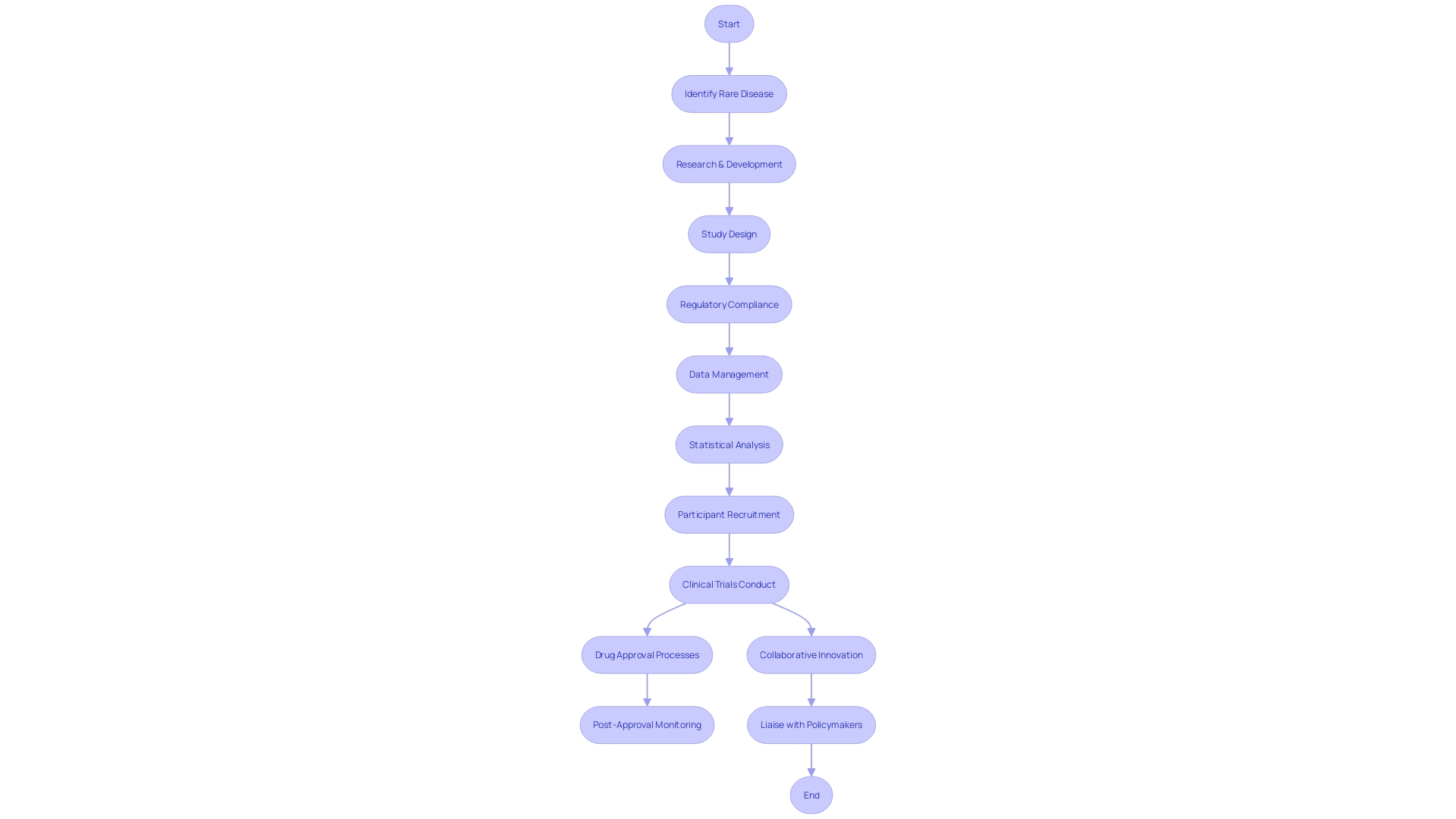
Case Study: Successful Implementation of CRO Services
play an instrumental role in optimizing the efficiency and effectiveness of of critical importance to the advancement of treatments. One such example is when ventured into the development of a pioneering therapy for a unique cancer type. Facing the multifaceted challenges of , XYZ Pharmaceuticals sought the expertise of a CRO professional to facilitate every step of the process.
From crafting a meticulous trial protocol, ensuring stringent compliance with regulations, to selecting research locations and experts versed in the cancer subject matter, the CRO’s guidance was indispensable. Their adept management of data and consistent oversight of trial conduct enabled high standards of research accuracy and protocol compliance. This thorough support accelerated the trial’s completion, resulting in affirmative therapeutic effectiveness and swift , thus setting a high benchmark for the impact of CRO specialists in the realm of robust and innovative .
Challenges Overcome and Lessons Learned
Collaborating with consultants can bring about transformative benefits to , such as and enhanced scientific thoroughness. Nonetheless, forging a successful relationship with CROs entails navigating certain complexities.
Integral to this partnership is the establishment of and collaborative efforts. Ensuring that project goals, expectations, and milestones are consistently aligned demands clear and timely dialogue alongside the strategic use of project management tools.
Another layer of complexity arises from the potential for conflicts of interest, given that may have existing financial relationships with pharmaceutical companies or other entities within the clinical trial landscape. To circumvent such dilemmas, it is crucial to collaborate with CROss who prioritize integrity, transparency, and ethical standards.
Sound contractual agreements, coupled with strict adherence to industry benchmarks, are pivotal in mitigating any conflicting elements. The role of is indispensable in propelling medical research forward.
Their insights and proficiency play a critical part in the efficacious execution of clinical studies, which in turn fosters innovation and advances patient care. While there are challenges, an emphasis on will ensure that the collaboration with is optimized to its full extent. For instance, consider a patient from rural Pennsylvania battling an ultra-rare disease with no approved treatment. Presented with a chance to join a clinical trial in Turkey, the patient faces a labyrinth of logistical issues, such as visa procurement, language barriers with documents, and coordinating travel. Tailoring communications to address such real-world scenarios exemplifies the type of problem-solving required in , as exemplified by instructional practices used in firms like Nets, to render technical data more comprehensible and engaging.
Conclusion
In conclusion, CRO consultants play a vital role in advancing medical research by providing expertise and support in clinical trial management. Their contributions navigate the regulatory landscape, ensuring efficient and high-quality studies that drive the development of new drugs and treatments.
Partnering with CRO consultants brings significant benefits, including reducing approval bottlenecks and facilitating participant recruitment. Their expertise in study design and data management enhances the scientific validity of research, leading to more authoritative outcomes.
Additionally, their project management techniques effectively mitigate risks and coordinate complex endeavors. Successful case studies demonstrate the impact of CRO consultants in optimizing medical research efficiency and effectiveness.
Their guidance in clinical trial management accelerates the development of innovative therapies. This results in affirmative therapeutic effectiveness and swift regulatory endorsement, setting high benchmarks for CRO specialists’ impact in robust medical research.
While challenges exist in establishing successful CRO partnerships, such as effective communication and managing conflicts of interest, their role remains invaluable. Clear dialogue, ethical standards, and adherence to industry benchmarks are crucial for maximizing collaborations. In summary, CRO consultants profoundly impact the development of innovative treatments. Their expertise and support enhance the scientific validity of studies, reduce approval bottlenecks, and accelerate the advancement of new therapies. By collaborating with CRO consultants, organizations can navigate research complexities and make significant strides in improving patient care.
Frequently Asked Questions
What is a Clinical Research Organization (CRO)?
A CRO is an organization that provides support and expertise to pharmaceutical companies, biotech firms, and academic institutions in designing, executing, and managing clinical trials.
What do CRO consultants specialize in?
CRO consultants specialize in guiding organizations through the complex regulatory landscape, ensuring the efficiency and quality of research studies, and driving the development of new drugs and medical interventions.
Why are CRO consultants important in medical research?
They bring specialized knowledge and experience that is vital for the scientific validity of studies, regulatory compliance, efficient participant recruitment, and effective project management.
What are some benefits of partnering with CRO consultants?
Benefits include navigating through compliance and approval processes, accessing expansive networks for participant recruitment, ensuring diverse sample populations, maintaining scientific validity, and mitigating research risks with project management techniques.
How do CRO consultants assist with rare diseases research?
CRO consultants help tailor measurement approaches for rare diseases, often affecting small populations, and contribute to collective learning initiatives that can lead to the development of new treatments.
Can you provide an example of CRO consultants’ impact on medical research?
An example is XYZ Pharmaceuticals, which utilized CRO services to develop a therapy for a unique cancer type, resulting in accelerated trial completion, affirmative treatment effectiveness, and swift regulatory endorsement.
What challenges might arise when working with CRO consultants?
Challenges include ensuring effective communication, managing potential conflicts of interest, and maintaining ethical standards and transparency.
How can these challenges be overcome?
By establishing clear and timely communication, strategic use of project management tools, sound contractual agreements, and adherence to industry benchmarks to mitigate conflicts of interest.
What role do CRO consultants play in clinical trials for patients with ultra-rare diseases?
CRO consultants manage logistical issues such as visa procurement, translation of documents, and coordinating travel for patients to participate in clinical trials, which is critical for patients with rare diseases that lack established treatments.
Why is the role of CRO consultants indispensable in advancing patient care?
Their insights and proficiency are critical to the efficacious execution of clinical studies, fostering innovation, and ultimately improving patient care through the development of new treatments and drugs.
List of Sources
- Benefits of Partnering with CRO Consultants
- cgtlive.com (https://www.cgtlive.com/view/partnership-patient-advocacy-groups-key-clinical-trial-end-point-selection)
- medhealthoutlook.com (https://medhealthoutlook.com/three-best-practices-to-combat-clinical-trial-pain-points-scott-gray-ceo-of-clincierge/)
- nih.gov (https://www.nih.gov/about-nih/what-we-do/science-health-public-trust/perspectives/communicating-about-rare-diseases?utm_source=Twitter&utm_medium=Social&utm_campaign=RD+blog+post)
- Case Study: Successful Implementation of CRO Services
- medhealthoutlook.com (https://medhealthoutlook.com/three-best-practices-to-combat-clinical-trial-pain-points-scott-gray-ceo-of-clincierge/)
- Challenges Overcome and Lessons Learned
- medhealthoutlook.com (https://medhealthoutlook.com/three-best-practices-to-combat-clinical-trial-pain-points-scott-gray-ceo-of-clincierge/)
- ewyse.agency (https://ewyse.agency/nets-cee-case-study/)
- statnews.com (https://www.statnews.com/2024/06/14/walgreens-ramita-tandon-diversity-recruiting-customers-into-clinical-trials/?utm_campaign=rss)
Leave a Reply