
Introduction
Clinical Research Organizations (CROs) play a pivotal role in the execution of global clinical trials, addressing the challenges faced by patients in remote locations. This article explores the benefits of partnering with a CRO, the services they provide to enhance clinical trial efficiency, and their role in improving patient recruitment and retention. Additionally, it discusses how CROs streamline clinical trial operations, enhance data quality and integrity, ensure regulatory compliance and oversight, and provides best practices for selecting and managing CROs.
The Role of CROs in Clinical Trials
(CROs) play a pivotal role in the execution of global clinical trials, addressing the myriad of challenges faced by patients, especially those in remote locations with limited access to advanced medical interventions. , a specialized CRO with over two decades of experience in the medtech sector, is a prime example of an organization dedicated to streamlining the in Latin America.
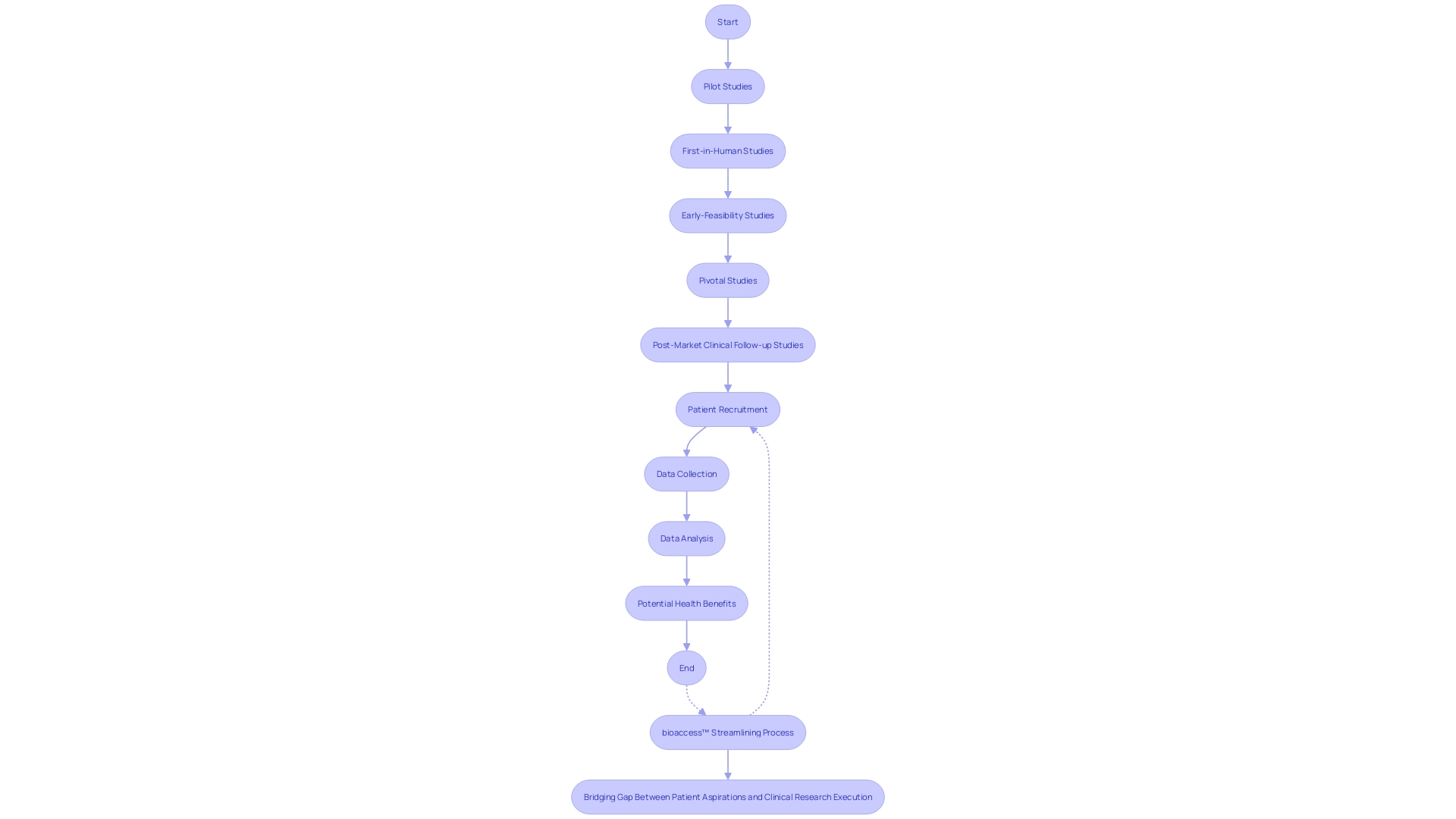
Their expertise encompasses a range of study phases, from pilot and to early-feasibility (EFS) and pivotal studies, extending to post-market clinical follow-up (PMCF) studies. This focused approach allows bioaccess ™ to provide high-quality, cost-effective services tailored to the unique needs of . By addressing not only the operational aspects but also the nuanced requirements of medtech trials, bioaccess ™ bridges the gap between patients’ medical aspirations and the practical execution of clinical research, ensuring that the journey from trial participation to potential health benefits is as seamless as possible for patients and their families.
Benefits of Partnering with a CRO
serve as invaluable partners in the realm of clinical research, particularly when the complexities of international studies come into play. Consider, for example, a patient from rural Pennsylvania facing an ultra-rare disease with no established FDA-approved treatment.
When presented with the chance to join a that could potentially be lifesaving, the patient encounters the daunting challenge of navigating international travel logistics. Questions arise about visa acquisition, handling documentation in an unfamiliar language, and coordinating travel.
, leveraging their extensive expertise in global processes and regulatory landscapes. Their established networks include a broad range of investigators and study sites, significantly enhancing across borders. Furthermore, CROss implement that ensure the high quality and integrity of trial data. The partnership with a CRO not only facilitates the patient’s participation in critical research but also expedites the development of new treatments, ultimately .
CRO Services for Clinical Trial Efficiency
are pivotal in enhancing the efficiency and efficacy of , providing a spectrum of services tailored to the complexities of modern research. Paramount among these services is the formulation of protocols and that are not only scientifically rigorous but also in strict compliance with regulatory demands.
Such meticulous planning is instrumental in diminishing the frequency of protocol amendments, thus expediting the research process. CROs are adept at , encompassing the intricate tasks of site selection, study kick-off, meticulous , and vigilant monitoring.
Their proficiency in orchestrating the multifaceted operations across various sites ensures that proceed without hindrance and conclude within the anticipated timelines. Moreover, CROss are experts in data stewardship and , guaranteeing that trial data is captured with precision, analyzed with statistical rigor, and reported with clarity. These services, including the utilization of electronic data capture systems, data verification, and sophisticated statistical evaluations, culminate in the generation of comprehensive study reports. By availing themselves of the full suite of CRO services, organizations can not only streamline their clinical trial processes but also secure outcomes that are both trustworthy and substantial.
Improving Patient Recruitment and Retention
In the realm of s, are critical, with playing a vital role in enhancing these processes. For instance, a patient with a rare disease from rural Pennsylvania might have the opportunity to participate in a in Turkey. Despite the complex logistics, such as securing visas and navigating unfamiliar documentation, these challenges highlight the necessity for CROss to prioritize patient-centered approaches.
Daniel J Herron emphasizes the importance of integrating patients’ perspectives in trial planning to ensure their needs are met. Additionally, CROs are committed to making trial materials accessible, adhering to (DEI) principles, and utilizing their extensive networks to identify appropriate candidates efficiently through innovative recruitment strategies, including social media and community engagement. CROs like Bioaccess™, a U.S.-based organization, exemplify this commitment by providing indispensable support to medical device startups with limited financial resources.
Bioaccess™ facilitates cost-effective, fast, and high-quality , helping startups navigate the complexities of trial management, patient recruitment, and data collection. Recognized by the U.S. commercial service and the American-Colombian chamber of commerce, Bioaccess™ leverages its expertise to bridge the gap between innovative medtech companies and the promising opportunities available in Latin American clinical research. Such dedicated support from CROss enhances participant engagement and retention, ensuring respect for the diverse needs of trial participants and streamlining the process.
Streamlining Clinical Trial Operations
are at the forefront of enhancing the efficiency of , a vital aspect in the advancement of medical treatments. Their role extends beyond mere compliance with regulatory standards; they are instrumental in managing the complexities of trial operations.
One such complexity is illustrated by patients in remote areas, like rural Pennsylvania, who must navigate the daunting logistics of participating in international trials, such as those taking place in Turkey. Questions about visa procurement, document handling in a foreign language, and travel coordination underscore the need for meticulous management of trial participation at a global scale.
CROs respond to this challenge by providing robust . They select, initiate, train, and monitor to ensure strict adherence to protocols, thereby maintaining the integrity of data collection.
Regular site visits and assessments are conducted to uphold the highest standards of quality. Moreover, CROss deploy sophisticated technologies for , which streamlines processes and reduces the manual workload. Such technological integration is crucial in addressing the intricate components of regulatory forms like the US FDA Form 1572, which specifies the information required for local patient participation, including details of facilities and laboratories involved in the trial. By optimizing clinical trial operations, CROss not only uphold but also facilitate a focus on the , ultimately expediting the delivery of new therapies to those in dire need.

Enhancing Data Quality and Integrity
Ensuring the quality and integrity of data in clinical research is a critical function of . These entities are instrumental in mitigating common such as inaccurate data entry, which can result from typos or incorrect numerical values, leading to unreliable research and flawed decision-making.
CROss address the challenge of duplicate records, which can cause confusion and fragmented patient data, by employing advanced technologies for electronic data capture, effectively cleaning and validating data to minimize errors and discrepancies. Additionally, CROss tackle the problem of incomplete data, ensuring that all necessary information is captured and recorded.
Through rigorous and compliance with data standards and regulations, CROss facilitate regular data reviews and audits, ensuring . With experienced biostatisticians on board, CROss perform , contributing to the generation of . This comprehensive approach to data management and biostatistics services allows organizations to trust the quality and integrity of their clinical trial data, supporting robust conclusions and informed decision-making.
Regulatory Compliance and Oversight
(CROs) are at the forefront of integrating innovation in healthcare with the paramount concern of . As the utilization of artificial intelligence (AI) and machine learning (ML) burgeons, CROs are essential in navigating the intricate that govern .
These organizations are well-versed in the evolving requirements set forth by international regulatory bodies such as the FDA, European Union (EU), and European Medicines Agency (EMA). With the suggesting a “” for AI in , CROs ensure that sponsors and investigators maintain transparency and adhere to these rigorous standards.
The ethical dimension of is also a critical consideration for CROs. They champion the , recognizing the importance of robust reimbursement for their time and contribution to public health advancements.
As with other public servants, such as first responders, clinical trial participants are entitled to compensation for their involvement and the risks they undertake. , pivotal in establishing new treatments as safe and effective, must meet high standards. CROs play an instrumental role in the process, from monitoring adherence to protocols and guidelines during the initial phase, which tests safety with a small cohort of healthy volunteers, to the subsequent phase that recruits a larger participant group, including those with the targeted condition, to assess efficacy and safety. By partnering with a CRO, organizations can confidently navigate the regulatory landscape, ensuring that their not only foster innovation but also uphold the highest standards of and care.

Best Practices for CRO Selection and Management
The intricate process of selecting a is a pivotal step in the journey of . It demands a thorough evaluation of the CRO’s historical performance and expertise, particularly in relation to the therapeutic area of the forthcoming study.
This scrutiny is necessary to ensure that the CRO’s infrastructure, technological prowess, and available resources are conducive to the specific demands of the clinical trial in question. Amidst the complexities of clinical trials that may span different countries and involve intricate regulations, as illustrated by a patient from rural Pennsylvania navigating the challenges of participating in a trial in Turkey, it becomes evident that the CRO’s ability to manage cross-border regulatory challenges and patient logistics is crucial.
The scenario underscores the necessity for organizations to meticulously assess the CRO’s capacity to handle such multifaceted trials, ensuring the safety, efficacy, and of the drugs or treatments being investigated, as mandated by authorities like the FDA. To cultivate a thriving partnership with a CRO, establishing a robust is indispensable. A well-defined protocol for the exchange of information and regular updates is essential to align expectations and responsibilities. Incorporating consistent performance assessments and metrics enables organizations to monitor and ensure the CRO’s service quality, thereby steering the clinical trial towards success.

Conclusion
In conclusion, partnering with a Clinical Research Organization (CRO) offers numerous benefits for global clinical trials. CROs excel in addressing the challenges faced by patients in remote locations, enhancing patient recruitment and retention, improving data quality and integrity, and streamlining trial operations.
CROs play a vital role in navigating international studies, ensuring patients have access to life-saving treatments regardless of their location. Their expertise in global trial processes and regulatory landscapes facilitates logistical challenges and significantly boosts patient recruitment and retention across borders.
Efficiency is enhanced through CRO services such as scientifically rigorous protocols, efficient project management, and meticulous data collection. By streamlining operations across multiple sites, CROs ensure smooth trial progress within anticipated timelines.
Data quality and integrity are critical in clinical research, and CROs excel in this area. Through advanced technologies for data capture, rigorous data management processes, and sophisticated statistical analyses, CROs minimize errors and discrepancies, generating comprehensive study reports.
Regulatory compliance is prioritized by CROs to maintain transparency and uphold high standards of patient safety. Ethical considerations are also addressed through robust reimbursement for participants’ time and contribution. When selecting a CRO, organizations must evaluate historical performance related to the therapeutic area of interest. Assessing the CRO’s ability to manage cross-border regulatory challenges and effective communication is crucial for successful partnerships. Partnering with a CRO accelerates medical advancements and improves patient care outcomes worldwide. These collaborations enable organizations to navigate complexities efficiently while ensuring patient safety, reliable data, and adherence to regulatory standards.
Frequently Asked Questions
What is a Clinical Research Organization (CRO)?
A Clinical Research Organization (CRO) is an organization that provides support to the pharmaceutical, biotechnology, and medical device industries in the form of research services outsourced on a contract basis. CROs offer a range of services including clinical trial management, patient recruitment, site selection, data management, and regulatory compliance.
How do CROs like bioaccess™ benefit clinical trials?
bioaccess™ is a specialized CRO that enhances the clinical trial process by providing high-quality, cost-effective services tailored to the unique needs of medical device clinical research. They assist with various study phases, address operational aspects, and help bridge the gap between patient medical aspirations and the practical execution of clinical research.
What challenges do CROs help address in clinical trials?
CROs help address challenges such as navigating international travel logistics for patients, handling documentation in unfamiliar languages, coordinating travel, and managing regulatory landscapes. They also enhance patient recruitment and retention and ensure the high quality and integrity of trial data.
Why might a patient from rural Pennsylvania participate in a clinical trial in Turkey?
A patient from rural Pennsylvania might participate in a clinical trial in Turkey if they are facing a rare disease with no established FDA-approved treatment and the trial could potentially offer a lifesaving opportunity.
What services do CROs provide to enhance clinical trial efficiency?
CROs offer services such as formulating protocols, site selection, data collection, monitoring, data stewardship, biostatistical analysis, and generating comprehensive study reports. These services streamline the clinical trial process and ensure outcomes are trustworthy.
How do CROs improve patient recruitment and retention?
CROs improve patient recruitment and retention by integrating patients’ perspectives in trial planning, making trial materials accessible, adhering to DEI principles, and utilizing extensive networks and innovative recruitment strategies. They focus on patient-centered approaches to engage and retain participants.
What role do CROs play in streamlining clinical trial operations?
CROs manage the complexities of trial operations by providing robust site management services, ensuring adherence to protocols, maintaining data integrity, conducting site visits, and deploying sophisticated technologies for data management and analysis.
How do CROs ensure data quality and integrity in clinical trials?
CROs mitigate data quality issues by using electronic data capture systems, cleaning and validating data, ensuring completeness of data capture, performing regular data reviews and audits, and conducting sophisticated statistical analyses to support reliable study reports and informed decision-making.
What is the importance of regulatory compliance in clinical trials?
Regulatory compliance is crucial in clinical trials to ensure patient safety, ethical treatment of participants, and adherence to international regulatory standards. CROs help navigate these regulations and maintain transparency, contributing to the safe and effective establishment of new treatments.
What are best practices for selecting and managing a CRO?
Best practices include evaluating the CRO’s expertise, infrastructure, and ability to manage cross-border regulatory challenges and patient logistics. Establishing a communication framework and consistent performance assessments is key to aligning expectations and monitoring the quality of the CRO’s services.
List of Sources
- The Role of CROs in Clinical Trials
- medhealthoutlook.com (https://medhealthoutlook.com/three-best-practices-to-combat-clinical-trial-pain-points-scott-gray-ceo-of-clincierge/)
- Benefits of Partnering with a CRO
- medhealthoutlook.com (https://medhealthoutlook.com/three-best-practices-to-combat-clinical-trial-pain-points-scott-gray-ceo-of-clincierge/)
- CRO Services for Clinical Trial Efficiency
- medhealthoutlook.com (https://medhealthoutlook.com/three-best-practices-to-combat-clinical-trial-pain-points-scott-gray-ceo-of-clincierge/)
- Improving Patient Recruitment and Retention
- clinicaltrialsarena.com (https://www.clinicaltrialsarena.com/sponsored/why-patient-centricity-is-the-answer-to-the-clinical-trial-enrolment-gap/)
- medhealthoutlook.com (https://medhealthoutlook.com/three-best-practices-to-combat-clinical-trial-pain-points-scott-gray-ceo-of-clincierge/)
- Streamlining Clinical Trial Operations
- medhealthoutlook.com (https://medhealthoutlook.com/three-best-practices-to-combat-clinical-trial-pain-points-scott-gray-ceo-of-clincierge/)
- acsjournals.onlinelibrary.wiley.com (https://acsjournals.onlinelibrary.wiley.com/doi/10.1002/cncr.35145)
- Enhancing Data Quality and Integrity
- enlitic.com (https://enlitic.com/blogs/data-quality/)
- Regulatory Compliance and Oversight
- nature.com (https://www.nature.com/articles/d41573-024-00107-2)
- pharmalive.com (https://www.pharmalive.com/balancing-innovation-with-patient-safety-navigating-regulatory-guidelines-in-clinical-research/)
- scientia.global (https://www.scientia.global/mr-anthony-keyes-understanding-and-improving-clinical-trial-compliance/)
- Best Practices for CRO Selection and Management
- fda.gov (https://www.fda.gov/news-events/press-announcements/fda-roundup-december-19-2023)
- medhealthoutlook.com (https://medhealthoutlook.com/three-best-practices-to-combat-clinical-trial-pain-points-scott-gray-ceo-of-clincierge/)
- pubmed.ncbi.nlm.nih.gov (https://pubmed.ncbi.nlm.nih.gov/37639297)
- en.cmicgroup.com (https://en.cmicgroup.com)
Leave a Reply