
Introduction
Selecting the right site for a clinical trial is essential for ensuring its success. A well-chosen site can enhance participant recruitment, ensure adherence to trial protocols, and facilitate timely data collection, ultimately accelerating the path to regulatory approval and patient access. However, site selection is a multifaceted process that involves considering factors such as infrastructure, data strategy, treatment methodology, and patient logistics.
In this article, we will delve into the key factors and best practices for site selection in clinical trials, as well as explore case studies that highlight innovative strategies in this area. By understanding the importance of site selection and adopting effective strategies, clinical research directors can maximize the likelihood of successful trial outcomes while advancing medical research and protecting participant rights.
Understanding Site Selection for Clinical Trials
Selecting the right site for a clinical trial is not just a necessary step; it’s a definitive factor that can determine the trajectory of a trial’s success. A well-chosen site can enhance , ensure adherence to trial protocols, and facilitate timely , ultimately accelerating the path to and patient access.
must be equipped with the technology and infrastructure capable of supporting today’s digital data strategies. Implementation of electronic health records (EHR) and the utilization of real-world data (RWD) are essential for ensuring quality and analysis. For example, Flatiron’s research emphasizes the importance of data relevance and reliability, underscoring the necessity of establishing a robust framework for quality from the outset.
Equally important is the trial site’s ability to navigate the complexities of , such as Equal Randomisation (ER) or Thompson Sampling (TS), to bolster statistical power and improve overall trial efficiency.
Furthermore, considering the patient’s journey, as mentioned in a quote regarding a hypothetical scenario with a patient traveling from rural Pennsylvania to Turkey, highlights the need for trial sites to address logistical barriers as well as to ensure patients’ familiarity and comfort with the trial process.
Selecting a , for instance, presents its own set of opportunities and challenges. Protocol design must incorporate an understanding of local regulations and ethical standards, while also taking into account regional nuances that can impact the trial’s execution and outcome.
In summary, the rigor of site selection hinges on a multifaceted approach that includes infrastructure, data strategy, treatment methodology, and – all aiming to foster a beneficial ecosystem for both clinical research and patient welfare.
Key Factors in Site Selection
Identifying the optimal location for necessitates a thorough evaluation of multiple pivotal aspects, such as the presence of an adequate patient population, resources, and a solid infrastructure that supports medical care, encompassing a spectrum from clinical expertise to advanced diagnostics and treatment abilities. Furthermore, the expertise and credibility of investigators, as well as their team’s proficiency, are crucial in conducting research effectively. However, merely having these elements available is not enough; active engagement and participation from the site are also essential for the fruition of a successful clinical trial.
The integration of in exemplifies an innovative approach that may pose questions about the preparedness of existing infrastructure to meet study objectives. By identifying and rectifying EHR integration challenges, clinical sites can bolster their capability to manage complex trials effectively. On the international front, as evidenced by the recent partnership between Mount Sinai School of Medicine and the Brazilian Clinical Research Institute, there is a growing recognition of the need to extend research efforts internationally to tackle global health challenges like cardiovascular disease, calling for the design of more efficient trials.
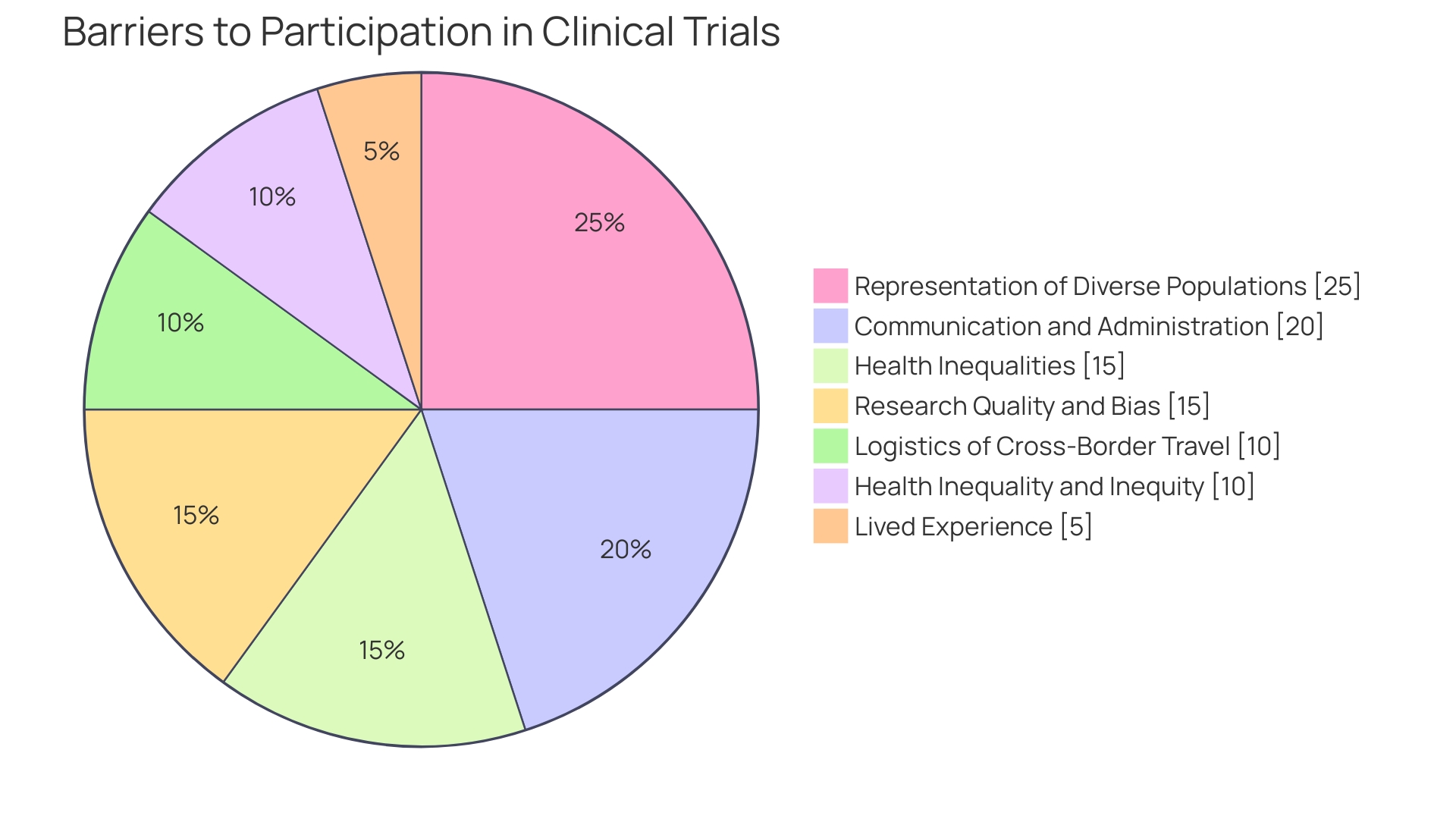
Furthermore, is increasingly acknowledged, not just for broader scientific representation but also for practical and ethical reasons. This is underscored by challenges noted in delivering and navigating the complex regulatory landscape, particularly in continents like Africa with higher disease burdens. Meanwhile, face significant stumbling blocks with , where an alarming 80% do not finish as planned and 20% face over six-month delays – primarily due to insufficient participant numbers and retention.
This necessitates a reevaluation of trial management, where strategies such as emerge as a viable pathway for patients who are ineligible for conventional . These programs provide critical access to investigational medicinal products, bridging the gap between trial participation and treatment authorization. Ultimately, continue to serve as a pivotal axis in the medical research domain, testing new prescription methodologies, surgical devices, and other unique approaches to healthcare, with each designed to adhere to specified eligibility criteria to guarantee participant safety and the validity of trial outcomes.
Best Practices for Site Selection
Effective is a cornerstone of clinical trial success, especially when navigating the complex regulatory environments of and early-feasibility studies (EFS) in Latin America. To optimize this process, it’s crucial to engage in comprehensive site feasibility assessments. This entails not only evaluating each potential site’s performance history and compliance with regulatory standards but also their prior involvement with similar research endeavors.
For instance, the utilization of electronic health records (EHR) to ascertain patient data in trials, known as , has shown significant promise. However, these trials often face uncertainties around the operationalization of study goals within existing site infrastructures. Such insights underscore the importance of adapting strategies to accommodate modern trial designs, including the pragmatic integration of EHR data.
Proactive communication and ongoing collaboration with potential sites are also essential for streamlining this process. design, like those explored in discussions around and Thompson Sampling (TS), stresses that patient assignment methods should not only be powerful but also practical for the chosen sites. Furthermore, when considering global trials, issues arise around the need for participants to navigate cross-border travel and language barriers, which can significantly impact and trial participation.
Thus, aligning site capabilities with the unique demands of multinational trials is vital for a successful study outcome.
Additionally, in aligning with new regulations such as the FDA’s efforts to harmonize human subject protection regulations, must reflect an adherence to these evolving standards. Medical product developers are now being guided to submit that outline enrollment goals and the procedures for meeting them. This requirement has substantial implications for regarding the diversity of trial participants and the ability to conduct multinational studies.
By integrating these best practices into the strategy, clinical research directors can enhance their trial’s likelihood of success while facilitating medical advancements and protecting participant rights.
Strategies for Effective Site Selection
In the realm of , particularly in Latin America, establishing criteria for is a pillar of success. This involves considering the study objectives, target patient demographics, and projected enrollment metrics. To achieve optimal , it is critical to harness the vast data pool from (EHR) and other digital data sources.
These EHR-sourced trials harness a treasure trove of data, offering a nuanced approach to operationalizing study goals. For instance, using this data allows for creating an objective site evaluation process; a centralized committee, extolled for ensuring consistency and objectivity, heralds a more standardized evaluation methodology.
The integration of cutting-edge technology and further empowers the realm. Data quantity alone cannot drive the decision-making process; it is the quality of data and the strategic extraction of actionable insights that truly augment the evaluation of potential study sites and their performance metrics. By taking into account the diversity of participants and the specifics at the disease level, we can create inclusive that are reflective of the population’s needs.
Modern trial designs such as Equal Randomisation (ER) and Thompson Sampling (TS) can bolster the and ensure a more equitable treatment assignment. Such innovative approaches offer alternative methods to retain high levels of statistical power, beyond the traditional ER method.
It is essential to think critically about the study design and existing infrastructure. Leveraging a wealth of industry data can redefine participant recruitment and strategies, ensuring adherence to the latest regulatory standards. By focusing on the core question a study aims to answer, we can outline our methodology and garner deeper, more focused insights into patient behavior and treatment efficacy.
This well-considered approach to selecting trial sites is fundamental in upholding the integrity of the research and enhancing the potential for clinical advancement.
Case Studies and Examples
Pioneering strategies in clinical site selection can increase the chances of successful trial outcomes. Raman et al. (2023) illustrate the potential of using (EHR) to enhance traditional , emphasizing the value of data quality.
By incorporating EHR data, researchers can better operationalize study goals and make informed decisions about site selection. Similarly, exploring different , such as Equal Randomization and Thompson Sampling, illuminates the intricate balance between statistical power and implementation simplicity in trials. These innovative approaches, combined with insights on quality frameworks for real-world data as articulated by Flatiron Health and regulatory guidance from the FDA, serve to refine .
Moreover, with the advent of ‘digital twins,’ as proposed by Karen Willcox, and their application in predicting , the horizon for site selection and continues to expand, offering promising avenues to enhance research efficacy.
Conclusion
In conclusion, the site selection process is crucial for the success of clinical trials. A well-chosen site enhances participant recruitment, ensures adherence to trial protocols, and facilitates timely data collection. Factors such as infrastructure, data strategy, treatment methodology, and patient logistics must be carefully considered.
The incorporation of electronic health records (EHR) and real-world data (RWD) is essential for quality data collection and analysis. Treatment allocation methods like Equal Randomization (ER) and Thompson Sampling (TS) can improve trial efficiency and statistical power.
Effective site selection requires comprehensive feasibility assessments and proactive communication with potential sites. Adapting to evolving standards and aligning site capabilities with the demands of multinational trials is crucial.
Innovative strategies such as utilizing EHR data and exploring alternative randomization methods can significantly increase the likelihood of successful trial outcomes. By adopting best practices and understanding key factors, clinical research directors can maximize the success of trials, contribute to medical advancements, and protect participant rights.
Frequently Asked Questions
Why is site selection important for clinical trials?
Selecting the right site is crucial because it can significantly impact participant recruitment, adherence to trial protocols, and data collection efficiency, ultimately affecting regulatory approval and patient access.
What are the key factors to consider in site selection?
Key factors include the availability of an adequate patient population, resources, infrastructure, investigator expertise, and the site’s ability to engage actively in the trial process.
How does technology play a role in site selection?
Clinical trial sites need to be equipped with technology such as electronic health records (EHR) and real-world data (RWD) to ensure quality data collection and analysis.
What methodologies should trial sites be familiar with?
Sites should be knowledgeable about treatment allocation methodologies like Equal Randomization (ER) and Thompson Sampling (TS) to enhance statistical power and trial efficiency.
What logistical considerations are important for patient participation?
Trial sites should address logistical barriers that may affect patient involvement, such as travel distances and ensuring patients are comfortable with the trial process.
How does site selection differ in international contexts, like Latin America?
Site selection in Latin America requires an understanding of local regulations, ethical standards, and regional nuances that can impact trial execution and outcomes.
What challenges do clinical trials face regarding patient recruitment?
Clinical trials often struggle with participant recruitment and retention, with up to 80% of trials not completing as planned due to insufficient numbers or delays.
What are Early Access Programs (EAPs)?
EAPs provide critical access to investigational medicinal products for patients who may not qualify for conventional clinical trials, bridging the gap before treatment authorization.
What best practices should be followed for effective site selection?
Best practices include conducting comprehensive site feasibility assessments, ensuring proactive communication with sites, and aligning site capabilities with trial requirements.
How can electronic health records (EHR) enhance trial outcomes?
EHR can provide valuable patient data, allowing for more objective site evaluations and improved operationalization of study goals, ultimately enhancing the trial’s effectiveness.
What innovative strategies are emerging in site selection?
New strategies include using data analytics, digital twins for outcome prediction, and various randomization methods to improve trial design and participant recruitment.
How does regulatory compliance affect site selection?
Adhering to evolving regulations, such as those from the FDA, is essential for site selection, impacting the diversity of trial participants and the capability to conduct multinational studies.
What role does investigator expertise play in site selection?
The credibility and experience of investigators are critical, as they directly influence the quality and effectiveness of research conducted at the trial site.
List of Sources
- Understanding Site Selection for Clinical Trials
- trialsjournal.biomedcentral.com (https://trialsjournal.biomedcentral.com/counter/pdf/10.1186/s13063-023-07563-y)
- aakinshin.net (https://aakinshin.net/posts/cs-social-survey/)
- forum.effectivealtruism.org (https://forum.effectivealtruism.org/posts/mZK974Whp6cPoyqLM/the-relative-ethicalness-of-clinical-trial-designs)
- clinicaltrialsarena.com (https://www.clinicaltrialsarena.com/news/focus-clinical-research-uk-all-nhs/)
- nature.com (https://www.nature.com/latest-news)
- medhealthoutlook.com (https://medhealthoutlook.com/three-best-practices-to-combat-clinical-trial-pain-points-scott-gray-ceo-of-clincierge/)
- appliedclinicaltrialsonline.com (https://www.appliedclinicaltrialsonline.com/view/scope-2024-alex-deyle-of-flatiron-health-discusses-rwd-in-clinical-trials)
- hitconsultant.net (https://hitconsultant.net/2023/11/21/clinical-trial-data-strategy-shifting-to-innovative-data-collection/)
- greenlight.guru (https://www.greenlight.guru/blog/how-to-set-up-clinical-studies-to-comply-with-us-fda-regulations)
- walgreens.com (https://www.walgreens.com/health-services/clinical-trials)
- Key Factors in Site Selection
- trialsjournal.biomedcentral.com (https://trialsjournal.biomedcentral.com/counter/pdf/10.1186/s13063-023-07563-y)
- aakinshin.net (https://aakinshin.net/posts/cs-social-survey/)
- forum.effectivealtruism.org (https://forum.effectivealtruism.org/posts/mZK974Whp6cPoyqLM/the-relative-ethicalness-of-clinical-trial-designs)
- medhealthoutlook.com (https://medhealthoutlook.com/three-best-practices-to-combat-clinical-trial-pain-points-scott-gray-ceo-of-clincierge/)
- medicaldevice-network.com (https://www.medicaldevice-network.com/news/clinical-trials-in-africa-where-there-is-a-challenge-there-is-an-opportunity/)
- clinigengroup.com (https://www.clinigengroup.com/what-is-possible/patients)
- bessstillman.substack.com (https://bessstillman.substack.com/p/reactions-to-please-be-dying-but)
- nature.com (https://www.nature.com/latest-news)
- news-medical.net (https://www.news-medical.net/news/20230908/Mount-Sinai-and-BCRI-partner-to-improve-cardiovascular-health-and-education-in-Latin-America.aspx)
- biztoc.com (https://biztoc.com/t/biomedicalresearch)
- walgreens.com (https://www.walgreens.com/health-services/clinical-trials)
- lcfamerica.org (https://lcfamerica.org/about-lung-cancer/clinical-trials/)
- medhealthoutlook.com (https://medhealthoutlook.com/three-best-practices-to-combat-clinical-trial-pain-points-scott-gray-ceo-of-clincierge/)
- nationalvoices.org.uk (https://www.nationalvoices.org.uk/publication/addressing-inequalities-in-clinical-trials/)
- nature.com (https://www.nature.com/articles/s41591-023-02665-1)
- Best Practices for Site Selection
- medhealthoutlook.com (https://medhealthoutlook.com/three-best-practices-to-combat-clinical-trial-pain-points-scott-gray-ceo-of-clincierge/)
- forum.effectivealtruism.org (https://forum.effectivealtruism.org/posts/mZK974Whp6cPoyqLM/the-relative-ethicalness-of-clinical-trial-designs)
- jamanetwork.com (https://jamanetwork.com/journals/jama/fullarticle/2819131)
- infomeddnews.com (https://infomeddnews.com/how-to-conduct-controlled-medical-research-in-a-lab/)
- fda.gov (https://www.fda.gov/news-events/fda-voices/increasing-options-clinical-research-facilitate-medical-product-development)
- medtechintelligence.com (https://medtechintelligence.com/news_article/fda-publishes-long-awaited-clinical-trial-diversity-guidance/)
- trialsjournal.biomedcentral.com (https://trialsjournal.biomedcentral.com/counter/pdf/10.1186/s13063-023-07563-y)
- aakinshin.net (https://aakinshin.net/posts/cs-social-survey/)
- Strategies for Effective Site Selection
- medhealthoutlook.com (https://medhealthoutlook.com/three-best-practices-to-combat-clinical-trial-pain-points-scott-gray-ceo-of-clincierge/)
- forum.effectivealtruism.org (https://forum.effectivealtruism.org/posts/mZK974Whp6cPoyqLM/the-relative-ethicalness-of-clinical-trial-designs)
- hitconsultant.net (https://hitconsultant.net/2023/11/21/clinical-trial-data-strategy-shifting-to-innovative-data-collection/)
- trialsjournal.biomedcentral.com (https://trialsjournal.biomedcentral.com/counter/pdf/10.1186/s13063-023-07563-y)
- aakinshin.net (https://aakinshin.net/posts/cs-social-survey/)
- first10em.com (https://first10em.com/how-to-create-a-focused-and-answerable-research-question/)
- medcitynews.com (https://medcitynews.com/2023/09/data-driven-diversity-using-granular-insights-to-design-more-inclusive-trials/)
- Case Studies and Examples
- appliedclinicaltrialsonline.com (https://www.appliedclinicaltrialsonline.com/view/scope-2024-alex-deyle-of-flatiron-health-discusses-rwd-in-clinical-trials)
- pmlive.com (https://www.pmlive.com/pharma_intelligence/Focusing_in_on_real-world_evidence_and_its_capabilities_1503651)
- forum.effectivealtruism.org (https://forum.effectivealtruism.org/posts/mZK974Whp6cPoyqLM/the-relative-ethicalness-of-clinical-trial-designs)
- Statistics in Medicine (https://onlinelibrary.wiley.com/journal/10970258)
- trialsjournal.biomedcentral.com (https://trialsjournal.biomedcentral.com/counter/pdf/10.1186/s13063-023-07563-y)
- greenlight.guru (https://www.greenlight.guru/blog/selecting-a-site-for-your-clinical-trial)
- biztoc.com (https://biztoc.com/t/biomedicalresearch)
- aakinshin.net (https://aakinshin.net/posts/cs-social-survey/)
Leave a Reply