
Introduction
Argentina has rapidly established itself as a compelling hub for clinical trials, particularly in the realm of medical devices. With a diverse population and a notable incidence of various health conditions, the country presents unique advantages for researchers aiming to conduct impactful studies. As of 2023, the registration of over 1,000 clinical trials highlights Argentina’s growing prominence in the global landscape, especially when compared to its Latin American counterparts.
However, navigating this burgeoning environment requires a keen understanding of the regulatory framework, site selection processes, and the importance of local collaborations. Addressing these elements can significantly enhance the feasibility and success of clinical trials, ultimately contributing to improved patient outcomes and fostering economic growth in the region.
Overview of the Clinical Trials Landscape in Argentina
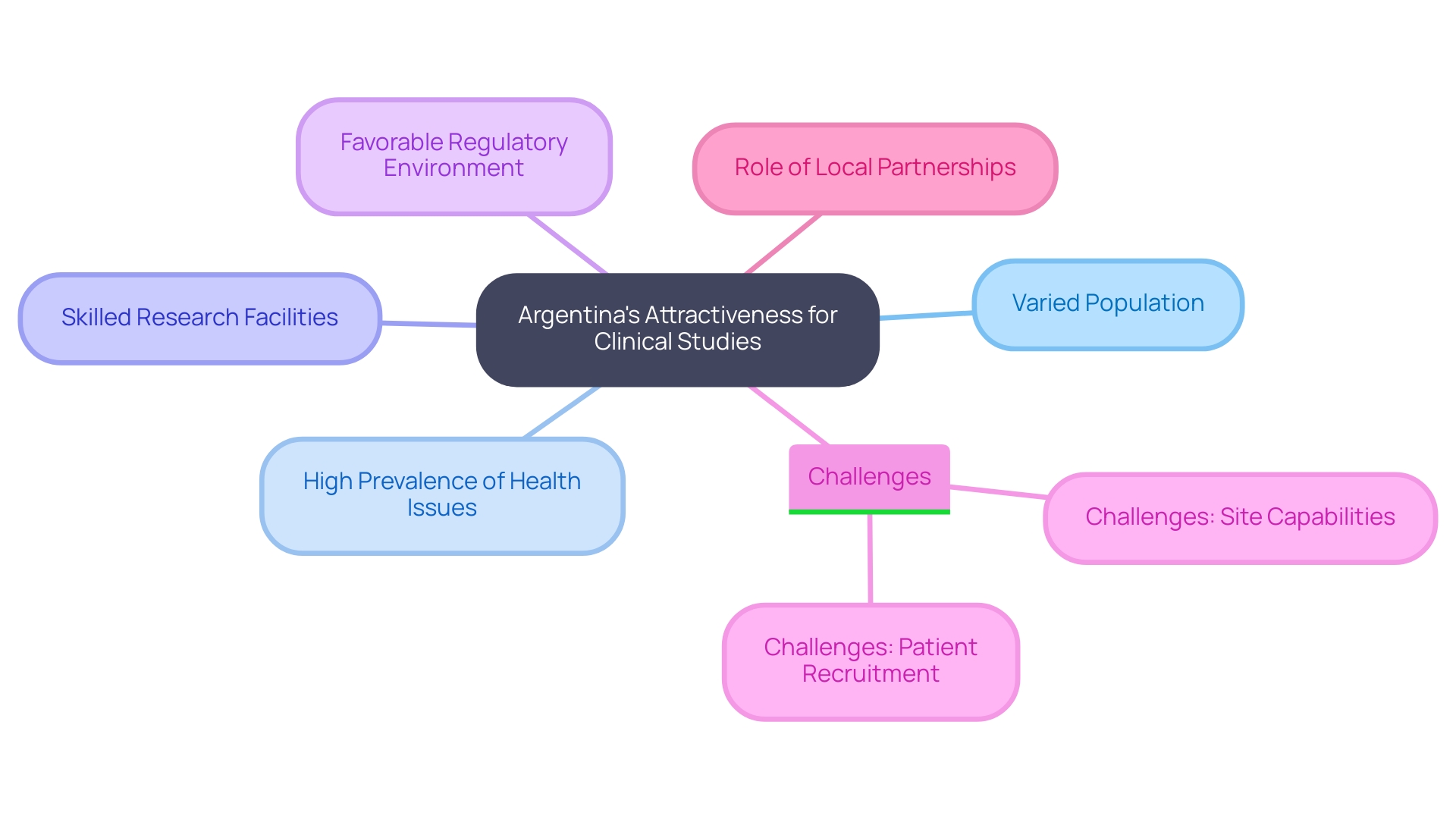
Argentina has become an appealing location for research studies, especially for , because of its varied population, high prevalence of numerous health issues, and an increasing number of skilled research facilities. As of 2023, over 1,000 are registered in the country, marking a significant increase from previous years and highlighting its potential compared to other Latin American nations.
Researchers should note that the country offers a favorable , characterized by streamlined approval processes, and competitive costs compared to its regional peers. However, challenges such as:
- Varying site capabilities
- Patient recruitment difficulties
- Ethical considerations
must be addressed. Working together with local organizations can improve the feasibility and success of studies, as these partners have valuable insights into regional healthcare practices and . Furthermore, partnerships like that between Greenlight Guru and bioaccess™ exemplify the collaborative efforts necessary to bridge gaps in and innovation, ultimately leading to improved and economic growth in the region.
Navigating the Regulatory Framework for Medical Device Trials
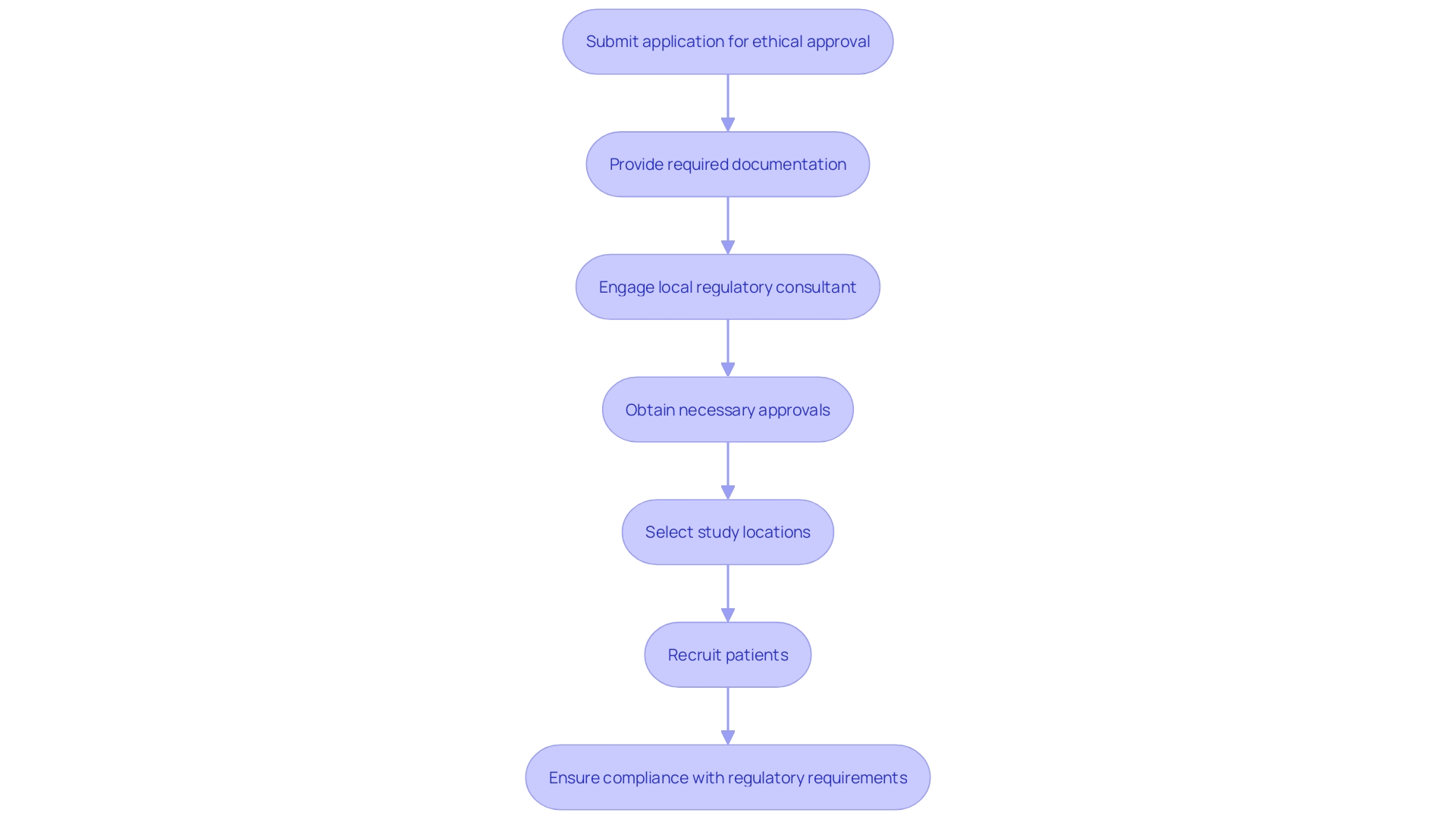
Conducting medical device studies in Argentina requires adherence to various established by the National Administration of Drugs, Foods and Medical Technology (ANMAT). Before commencing a study, researchers must submit an application for ethical approval to both the relevant Ethics Committee and ANMAT. This includes providing comprehensive documentation on the device, clinical trial protocol, investigator qualifications, and informed consent processes.
Significantly, researchers should familiarize themselves with regional regulations regarding:
- Data protection
Engaging a local regulatory consultant, like those at bioaccess®, can facilitate the submission process and ensure compliance with all legal requirements. With expertise in:
- Early-feasibility
- Pilot
- Pivotal
- Post-market follow-up studies
bioaccess® provides comprehensive , including:
- Location selection
- Compliance evaluations
- Project management
- Reporting
After obtaining approval, researchers can proceed with location selection and patient recruitment, which must adhere to the approved study protocol. However, often face significant challenges, such as navigating complex regulatory landscapes, securing funding, and overcoming competition from established players. Addressing these challenges is crucial for successful execution of the experiment.
Preparing for Site Selection and Feasibility Assessments
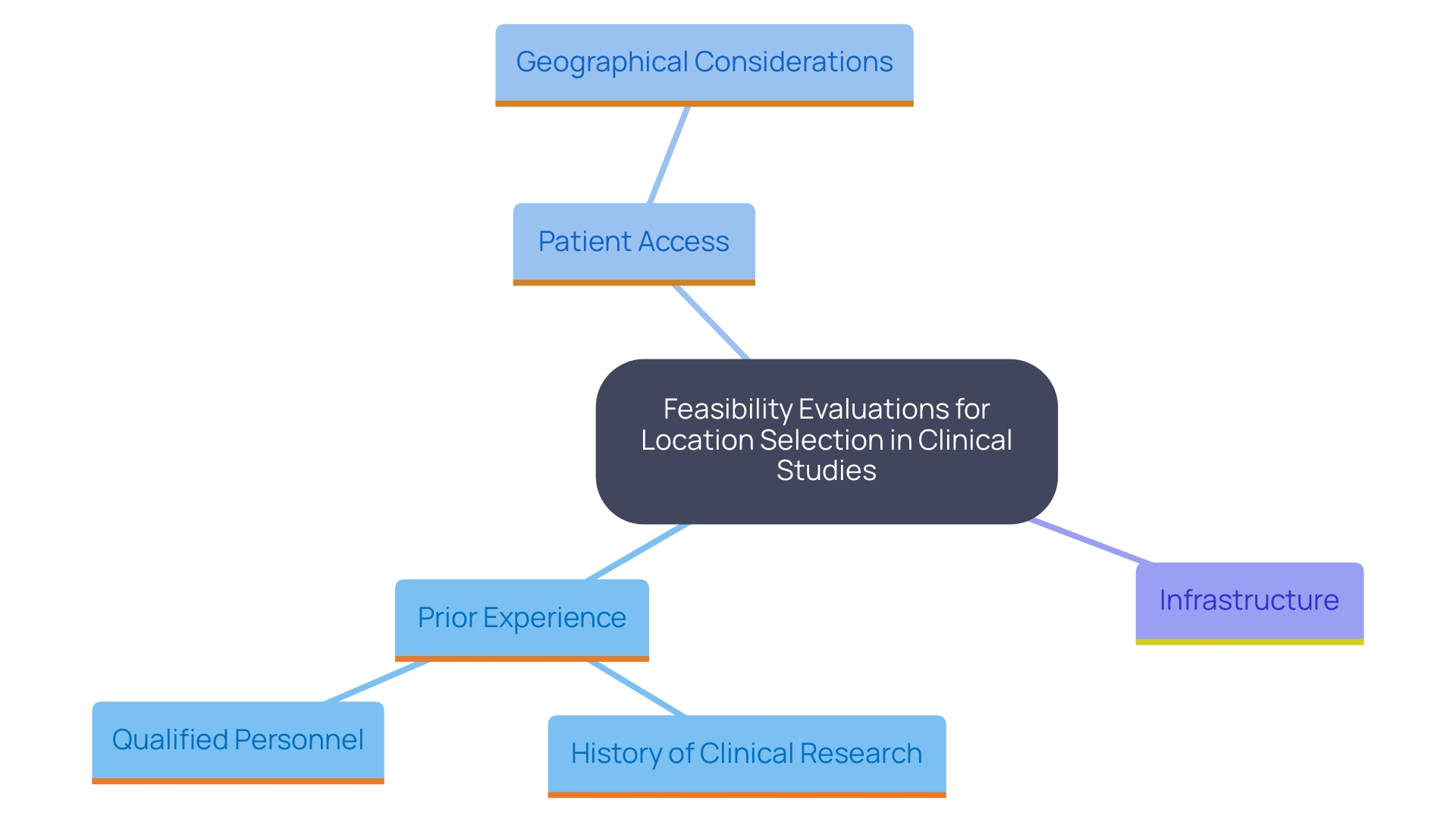
When preparing for location selection, researchers should conduct thorough that assess potential locations based on criteria such as:
- Prior experience with medical device studies
- Location infrastructure
Key elements encompass:
- The location’s history in performing
- The presence of qualified personnel
- Their capability to fulfill the particular requirements of the study
Additionally, consider the geographical location of the area, which can affect patient recruitment and retention. Participating in conversations with coordinators and examining past performance metrics will yield valuable insights.
At bioaccess®, we specialize in comprehensive , ensuring that all aspects, from feasibility studies to site selection, , and setup, are meticulously handled. Our expertise encompasses various study types, including:
- Early-Feasibility
- Pilot
- Pivotal
- Post-Market Follow-Up Studies
We recognize the essential nature of , which involve thorough evaluations to ensure that all research protocols meet regional regulations and ethical standards. Furthermore, our setup process includes obtaining necessary import permits and nationalizing investigational devices, ensuring a seamless start to your study. Our commitment to excellence positions us as a vetted CRO and consulting partner for U.S. medical device companies looking to succeed in Colombia.
Establishing Collaborations with Local Stakeholders
To establish , researchers should identify and engage with local stakeholders, including , , and patient advocacy groups. Leveraging comprehensive research trial management services—such as feasibility studies, site selection, compliance reviews, trial setup, import permits, and project management—will enhance the collaboration process.
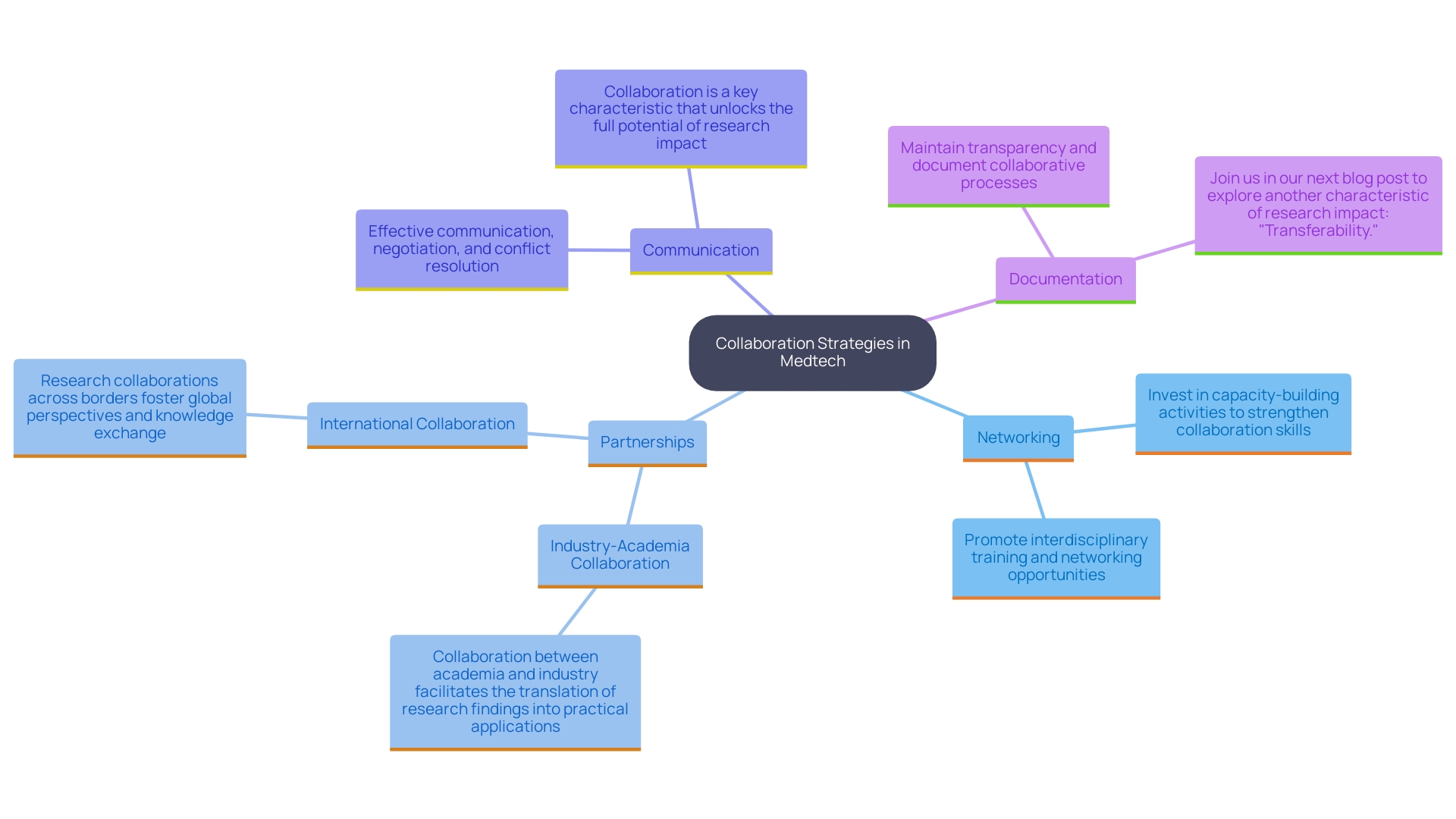
Key Collaboration Strategies:
- Networking: Attend industry conferences and workshops to facilitate introductions to key individuals and organizations invested in driving economic growth and improving healthcare through .
- Partnerships: Establish or research institutions to provide additional resources and expertise, fostering international collaboration.
- Communication: Maintain regular communication and transparency in collaborations to foster trust and encourage a shared commitment to the project’s objectives.
- Documentation: Clearly document agreements and expectations to strengthen partnerships, ensuring that all parties are aligned and dedicated to successful outcomes.
In the words of Dushyanth Surakanti, the Founder and CEO of Sparta Biomedical, involving community stakeholders is essential for enhancing the effectiveness of research studies. Similarly, Dr. John B. Simpson emphasizes that effective collaboration can lead to significant advancements in Medtech, ultimately benefiting local economies by creating jobs and improving healthcare outcomes.
Implementing Quality Control Measures and Monitoring
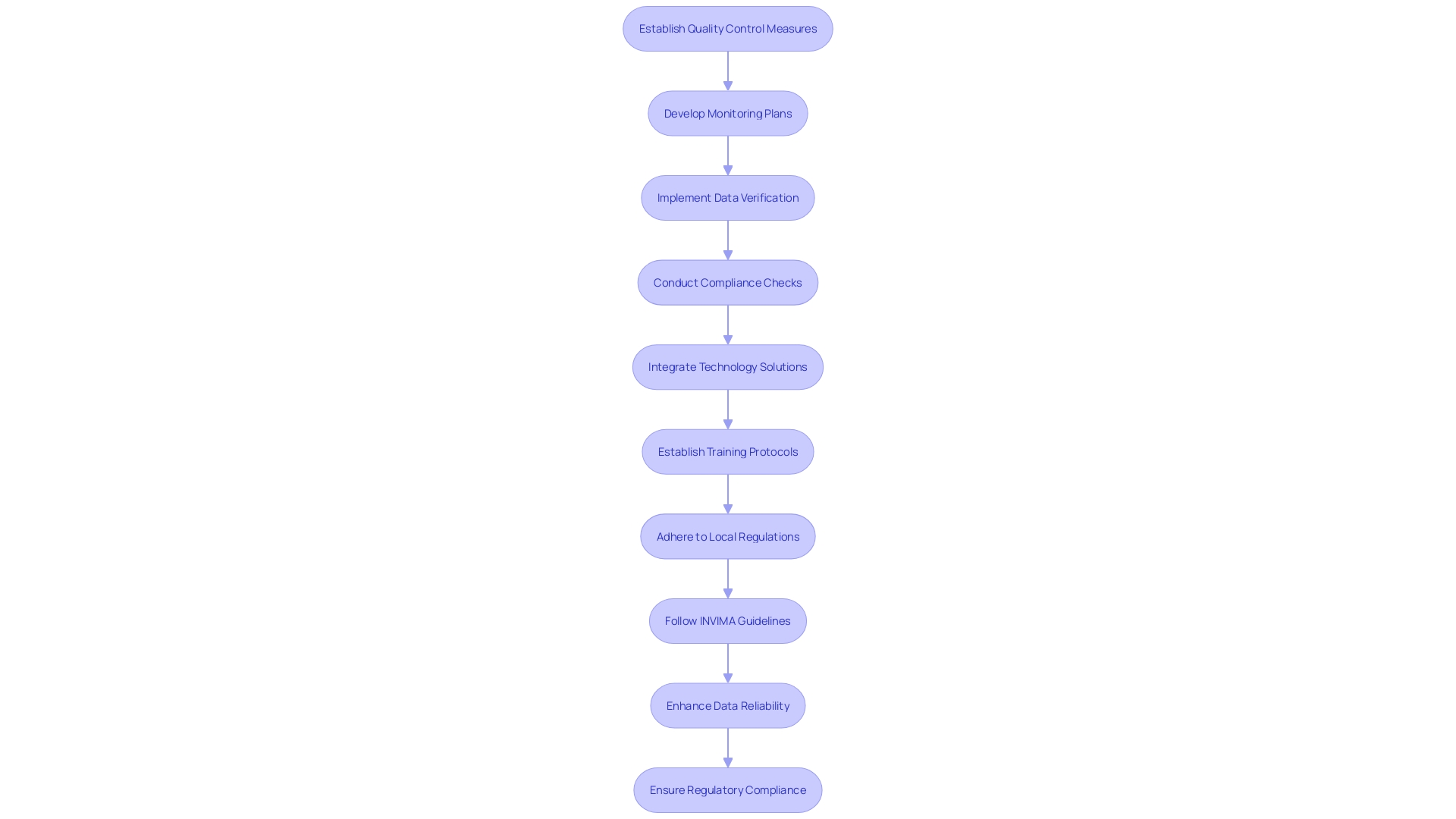
Implementing robust is crucial for maintaining the integrity of . Establish a comprehensive monitoring plan that includes:
- Regular visits
Our service capabilities include:
- Feasibility studies
- Selection of research locations, ensuring that the chosen principal investigators comply with country requirements
Utilize such as electronic data capture (EDC) systems to streamline data collection and ensure accuracy. Additionally, our expertise encompasses:
- Setup and approval processes through and health ministries
- Managing import permits for investigational devices
Regularly train site staff on compliance protocols and best practices to minimize errors. Conducting interim analyses can also help identify any issues early in the study, allowing for timely corrective actions. By prioritizing quality control throughout the trial, researchers can enhance data reliability and ensure adherence to regulatory requirements. This includes specific reporting obligations related to serious and non-serious adverse events, which are critical for regulatory compliance.
Furthermore, understanding and complying with , particularly those set forth by INVIMA, the Colombia National Food and Drug Surveillance Institute, is essential. INVIMA is recognized as a Level 4 health authority by PAHO/WHO, underscoring the importance of following its guidelines to guarantee the safety, efficacy, and quality of medicines.
Conclusion
Argentina’s emergence as a leading hub for clinical trials, particularly in the medical device sector, underscores its unique advantages, including a diverse population and a supportive regulatory environment. The significant increase in registered clinical trials reflects the country’s potential to contribute meaningfully to global medical research. However, researchers must navigate a complex landscape that includes regulatory compliance, site selection, and local collaboration to successfully execute their trials.
Understanding the regulatory framework set forth by entities such as ANMAT is crucial for researchers. This includes not only the submission of applications for ethical approval but also the adherence to local laws concerning patient safety and data protection. Engaging local experts can streamline this process, ensuring compliance and enhancing the likelihood of trial success.
Furthermore, the importance of establishing partnerships with local stakeholders cannot be overstated. Collaborations with clinical research organizations, healthcare professionals, and patient advocacy groups can provide invaluable insights and resources, ultimately leading to improved patient outcomes and economic growth in the region. By prioritizing effective communication and documentation, researchers can foster strong relationships that drive innovation and success in clinical trials.
In summary, Argentina stands out as a promising location for clinical trials, offering numerous advantages for researchers. By addressing regulatory requirements, conducting thorough feasibility assessments, and cultivating local collaborations, the potential for impactful research increases significantly. As the clinical trials landscape continues to evolve, embracing these strategies will be vital for enhancing the quality and effectiveness of medical device studies in Argentina.
Frequently Asked Questions
Why is Argentina considered an appealing location for medical device research studies?
Argentina is attractive for medical device research due to its diverse population, high prevalence of various health issues, and an increasing number of skilled research facilities. As of 2023, over 1,000 clinical studies are registered in the country, indicating its growing potential compared to other Latin American nations.
What are some advantages of conducting research in Argentina?
The country offers a favorable regulatory environment with streamlined approval processes and competitive costs compared to regional peers.
What challenges do researchers face when conducting studies in Argentina?
Researchers may encounter challenges such as varying site capabilities, difficulties in patient recruitment, and ethical considerations.
How can local partnerships improve the feasibility of research studies in Argentina?
Collaborating with local organizations can enhance the feasibility and success of studies by providing valuable insights into regional healthcare practices and patient demographics.
What are the regulatory requirements for conducting medical device studies in Argentina?
Researchers must submit an application for ethical approval to both the relevant Ethics Committee and the National Administration of Drugs, Foods and Medical Technology (ANMAT), including documentation on the device, clinical trial protocol, investigator qualifications, and informed consent processes.
What specific regional regulations should researchers be familiar with?
Researchers should understand regulations regarding adverse event reporting, data protection, and patient privacy.
How can a local regulatory consultant assist researchers in Argentina?
A local regulatory consultant can facilitate the submission process and ensure compliance with all legal requirements, helping with various study types from early feasibility to post-market follow-up studies.
What factors should researchers consider during location selection for studies?
Researchers should evaluate potential locations based on prior experience with medical device studies, patient access, and the infrastructure of the location.
What are key strategies for establishing effective collaborations in Medtech clinical studies?
Key strategies include networking at industry events, forming partnerships with local universities or research institutions, maintaining regular communication, and clearly documenting agreements and expectations.
Why is quality control important in clinical trials?
Robust quality control measures are essential for maintaining the integrity of clinical trials, ensuring data reliability, and adhering to regulatory requirements.
What steps should researchers take to implement quality control measures?
Researchers should establish a comprehensive monitoring plan, utilize technology solutions for data collection, regularly train site staff on compliance protocols, and conduct interim analyses to identify issues early in the study.
List of Sources
- Overview of the Clinical Trials Landscape in Argentina
- linkedin.com (https://www.linkedin.com/posts/lui-translation-services_will-argentina-be-the-next-medtech-clinical-activity-7241793050039988224-iS-E)
- acsjournals.onlinelibrary.wiley.com (https://acsjournals.onlinelibrary.wiley.com/doi/10.1002/cncr.35145)
- arxiv.org (https://arxiv.org/abs/2408.12932)
- nature.com (https://nature.com/articles/s41591-024-03273-3)
- forum.effectivealtruism.org (https://forum.effectivealtruism.org/posts/GGdt87LJivPMgwCXi/mapping-of-antibiotic-resistant-bacteria-through-gis-data)
- Navigating the Regulatory Framework for Medical Device Trials
- infomeddnews.com (https://infomeddnews.com/applied-research-medical-device-startups-hannah-eherenfeldts)
- medicaldevice-network.com (https://medicaldevice-network.com/uncategorized/short-term-circulatory-support-devices-chile-market-size-2)
- clinregs.niaid.nih.gov (https://clinregs.niaid.nih.gov/country/brazil#oversight_of_ethics_committees?utm_medium=social&utm_source=twitter&utm_campaign=clinregs_brazil_9062024)
- medicaldevice-network.com (https://medicaldevice-network.com/news/setting-up-trials-in-apac-and-middle-east-can-boost-patient-recruitment-2)
- Preparing for Site Selection and Feasibility Assessments
- visiblenetworklabs.com (https://visiblenetworklabs.com/2020/01/06/quotes-to-inspire-collaboration-teamwork/)
- pmc.ncbi.nlm.nih.gov (https://pmc.ncbi.nlm.nih.gov/articles/PMC5998325/)
- sr.ithaka.org (https://sr.ithaka.org/blog/how-to-develop-a-successful-collaborative-network-in-and-around-higher-education/)
- dcri.org (https://dcri.org/solutions/analytics-and-data-science/dcri-bms-data-sharing-initiative)
- tandfonline.com (https://tandfonline.com/doi/full/10.1080/19466315.2024.2308882)
- arxiv.org (https://arxiv.org/abs/2312.00710)
- flatiron.com (https://flatiron.com/resources/transportability-comparative-effectiveness-considerations-health-technology-assessment)
- Establishing Collaborations with Local Stakeholders
- researchfish.com (https://researchfish.com/blog/research-characteristics-collaboration?utm_source=Organic-Social&utm_medium=Twitter&utm_campaign=Q423-RF-Research-Characteristics___)
- researchfish.com (https://researchfish.com/blog/research-characteristics-collaboration?utm_source=Organic-Social&utm_medium=Twitter&utm_campaign=Q423-RF-Research-Characteristics___)
- Implementing Quality Control Measures and Monitoring
- hitconsultant.net (https://hitconsultant.net/2024/10/02/5-ways-tech-is-enhancing-patient-engagement-in-clinical-trials)
- greenlight.guru (https://greenlight.guru/blog/guide-clinical-data-management-medtech)
- hitconsultant.net (https://hitconsultant.net/2023/11/21/clinical-trial-data-strategy-shifting-to-innovative-data-collection)
- greenlight.guru (https://greenlight.guru/blog/navigating-clinical-evaluations-and-investigations-in-medtech)
Leave a Reply