
Introduction
The Role of Medical Devices in Advancing Healthcare
The medical technology market is undergoing a transformation akin to the revolution sparked by the iPhone’s introduction, which seamlessly blended style and functionality, altering consumer interactions with technology. Medical devices are at the forefront of this evolution, transcending their traditional roles by not only aiming for accuracy and efficacy but also enhancing the user experience.
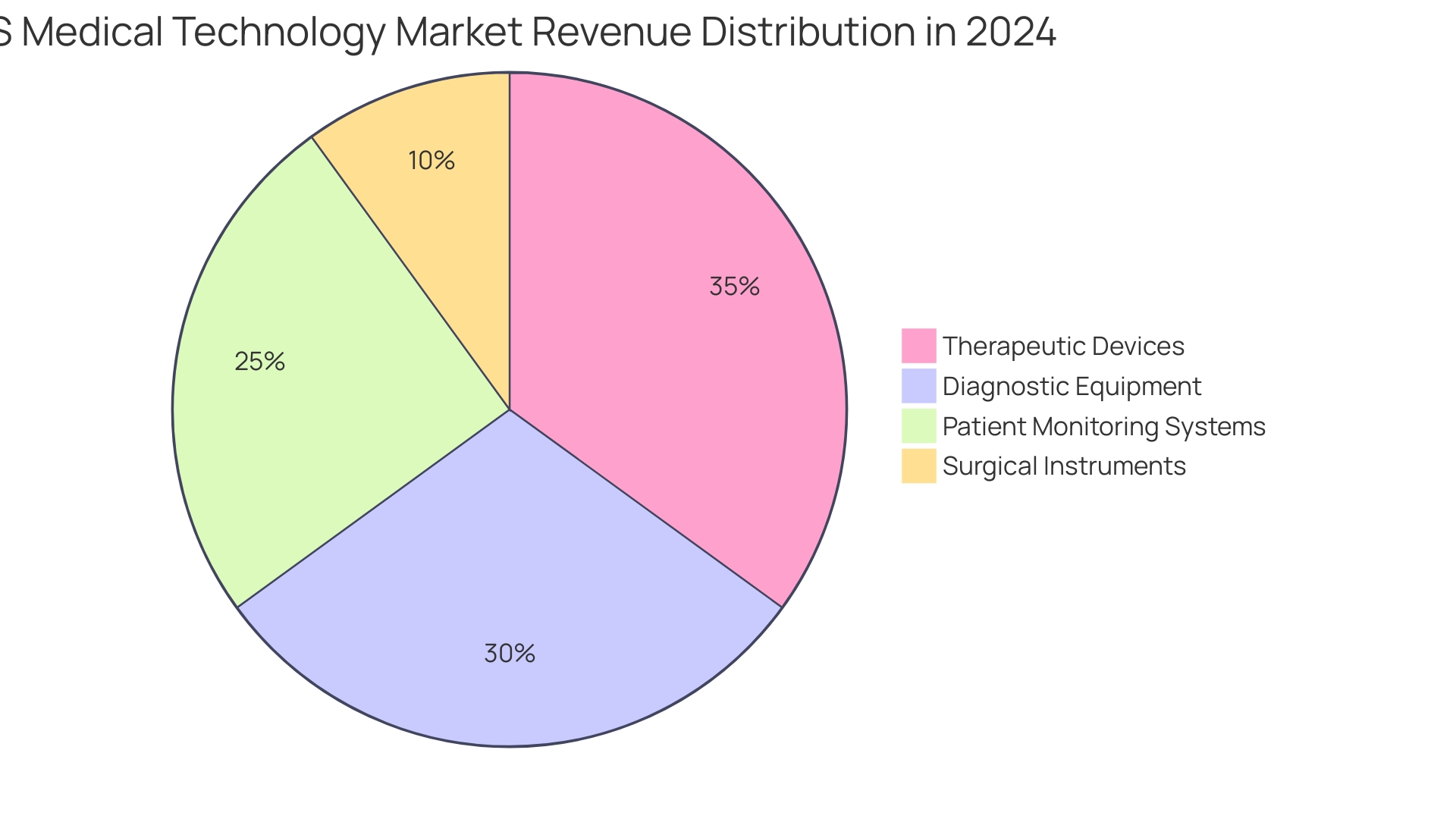
These devices encompass a wide array of products, from the simplicity of thermometers and blood pressure monitors to the sophisticated complexities of MRI machines and robotic surgical systems. In 2024, the United States is projected to generate a staggering US$215.80 billion in revenue from the medical technology market.
This growth is indicative of the escalating demand for innovative healthcare solutions and the relentless progress in research and development. Medical devices are indispensable in the healthcare industry, aiding in the diagnosis, treatment, and prevention of illnesses without relying on chemical substances. Their significance is reflected in a market rich in diversity, offering diagnostic equipment, therapeutic devices, patient monitoring systems, surgical instruments, and more. The expansion of this market is propelled by an aging population, the rising incidence of chronic conditions, and the global effort to enhance healthcare infrastructure.
The Role of Medical Devices in Advancing Healthcare
The is undergoing a transformation akin to the revolution sparked by the iPhone’s introduction, which seamlessly blended style and functionality, altering consumer interactions with technology. are at the forefront of this evolution, transcending their traditional roles by not only aiming for accuracy and efficacy but also enhancing the user experience.
These devices encompass a wide array of products, from the simplicity of thermometers and blood pressure monitors to the sophisticated complexities of MRI machines and robotic surgical systems. In 2024, the United States is projected to generate a staggering US$215.80 billion in revenue from the .
This growth is indicative of the escalating demand for and the relentless progress in research and development. are indispensable in the healthcare industry, aiding in the diagnosis, treatment, and prevention of illnesses without relying on chemical substances. Their significance is reflected in a market rich in diversity, offering diagnostic equipment, , , , and more. The expansion of this market is propelled by an aging population, the rising incidence of chronic conditions, and the global effort to enhance healthcare infrastructure.
Case Study: A Successful Medical Device Service Implementation
A healthcare facility’s collaboration with a leading medical device company exemplifies the transformative power of in enhancing and . Through this initiative, not only were introduced, but were meticulously applied to ensure that the needs of all users—patients, clinicians, and hospital staff—were met. This comprehensive approach to implementation, which included , usability testing, and iterative design processes, resulted in significant improvements.
Notably, there was a reduction in patient waiting times and a boost in , leading to greater patient satisfaction. These outcomes underscore the importance of considering the entire ecosystem of care, as every individual interacting with the device, from caregivers to support staff, influences patient conditions. The success of this case study serves as a testament to the efficacy of integrating practices in medical device service implementation, ensuring that each touchpoint within the healthcare experience is addressed, thereby enhancing the overall quality of care delivered.

Challenges and Opportunities in Medical Device Services
The integration of medical devices into healthcare settings extends beyond the point of purchase to the nuanced process of implementation and use. This journey begins with the inception of the device, guided by principles of that cater to the distinctive needs, preferences, and experiences of a broad spectrum of users.
Beyond patient-centered solutions, the design process must also consider the intricate network of care involving clinicians, nurses, maintenance staff, and educators. The interplay of these roles underscores the importance of in creating harmonious experiences across all touchpoints for each stakeholder involved in .
Amid the evolving landscape of healthcare delivery, marked by a complex interplay among patients, , insurers, and , the integration of new technologies such as signals a transformative shift. This shift is further underscored by life sciences companies embracing , reflecting a collective drive towards innovation. As healthcare facilities navigate budget constraints, regulatory demands, and the need for staff training and system interoperability, the challenges they face can become catalysts for improvement. By adopting a proactive stance and seeking collaboration with seasoned , healthcare facilities can fully harness the potential of medical devices to enhance the care for patients and streamline the workflow for .
The Impact of Medical Devices on Patient Outcomes
, ranging from elementary thermometers to , are pivotal in diagnosing and treating patients, ultimately enhancing healthcare delivery. Their influence extends beyond the tangible; the emotional interaction a patient or operator has with a device can significantly affect perceptions of its quality and performance, even before its functional use.
This unconscious reaction plays a critical role in the device’s adoption, compliance, and usability, and can even sway clinical outcomes. To foster a positive emotional interaction, it’s essential to delve into the field, engaging with patients and operators to understand their needs, desires, and emotional states.
For example, discussing MRI procedures with patients can reveal underlying anxieties, guiding the design and development of more empathetic and effective . is another critical aspect of .
The FDA categorizes devices into three classes based on risk, with class three devices such as pacemakers undergoing rigorous approval processes due to their life-sustaining roles. These high-risk devices represent a small fraction of the market but require extensive review to ensure . Meanwhile, the broader market is diverse, encompassing diagnostic, therapeutic, and monitoring devices crucial for patient care. This market is driven by factors like the aging population, rising chronic disease prevalence, and healthcare infrastructure improvements. Understanding the regulatory landscape and market dynamics is essential for stakeholders in the to navigate challenges and capitalize on opportunities for innovation and improved patient outcomes.
Future Directions for Medical Device Innovation
As we navigate the dynamic terrain of , we find ourselves at the cusp of a technological renaissance. Artificial intelligence (AI) is no longer a futuristic concept; it is an integral part of healthcare, with prediction models running in hospitals that analyze vital signs, electronic health records, and lab results in near-real time.
For instance, a remarkable is set to bolster by calculating risk scores every 15 minutes, alerting care teams of potential patient deterioration. This not only augments the vigilance of physicians but also fosters robust communication, a key attribute of a resilient health system.
The epitomizes the fusion of technology and healthcare, eradicating geographical barriers and delivering expert medical advice directly into patients’ homes. Its significance is amplified in remote regions, where access to healthcare professionals is often limited.
This innovation streamlines , reduces waiting times, and alleviates facility burdens. Moreover, the pivotal role of data collection and analysis cannot be understated.
Healthcare organizations that harness data effectively can swiftly adapt processes for improved patient outcomes and operational efficiency. Recognizing the importance of these methodologies is crucial for seeking to excel in the industry.
Industry experts from Medtronic predict that AI will soon become synonymous with healthcare, reflecting a paradigm shift in patient care. However, with such rapid advancements, are tasked with the complex challenge of ensuring while adapting to these technological strides. As the medical device industry continues to evolve, staying abreast of regulatory changes is essential for timely market entry. Finally, the convergence of AI with other emerging technologies promises to reshape the medical value chain. A thematic intelligence report reveals that the next 12 to 24 months will be shaped by technology, macroeconomic, regulatory, and industry trends, presenting a wealth of opportunities for AI integration. As we witness the transformative impact of medical devices, the industry is poised to redefine in profound ways.
Conclusion
In conclusion, medical devices are transforming healthcare by enhancing user experiences and driving innovation. With a projected revenue of US$215.80 billion in the United States by 2024, the demand for innovative healthcare solutions is rising.
Successful implementation of user-centered design principles improves patient care and operational efficiency. Collaboration with experienced medical device companies helps overcome challenges and streamline workflows.
Emotional interactions with medical devices impact adoption and usability. Understanding patient needs leads to effective and empathetic device design.
Regulatory oversight ensures safety for high-risk devices, while market dynamics driven by an aging population and rising chronic diseases fuel innovation in the broader medical devices market. Artificial intelligence (AI) is reshaping healthcare through real-time data analysis and telemedicine, reducing geographical barriers.
Effective data collection drives improved patient outcomes. As AI becomes integral to healthcare, regulatory bodies face the challenge of ensuring safety while keeping pace with technological advancements. The convergence of AI with other emerging technologies promises to redefine healthcare delivery. In summary, medical devices are revolutionizing healthcare through enhanced user experiences and innovative solutions. By embracing user-centered design, addressing challenges, understanding regulations, harnessing data effectively, and adopting emerging technologies like AI, the medical device industry has the potential to transform healthcare delivery and improve patient outcomes.
Join bioaccess™ today and be a part of the revolution in healthcare innovation!
Frequently Asked Questions
What are medical devices?
Medical devices are instruments and products used in healthcare for diagnosing, treating, and preventing illnesses. They range from simple items like thermometers and blood pressure monitors to complex machines like MRI machines and robotic surgical systems.
How significant is the medical technology market?
In 2024, the United States is projected to generate approximately US$215.80 billion in revenue from the medical technology market, reflecting a growing demand for innovative healthcare solutions and advancements in research and development.
What factors are driving the growth of the medical devices market?
The market is expanding due to an aging population, an increasing prevalence of chronic conditions, and ongoing efforts to improve healthcare infrastructure.
How do medical devices improve patient care?
Medical devices enhance patient care by aiding in accurate diagnosis, effective treatment, and patient monitoring. They also contribute to a better user experience, thereby boosting patient satisfaction.
What role does user-centered design play in medical device implementation?
User-centered design focuses on meeting the needs of all users involved in patient care, including patients, clinicians, and support staff. This approach leads to improved usability, reduced waiting times, and increased diagnostic accuracy.
What challenges do healthcare facilities face with medical device integration?
Challenges include budget constraints, regulatory requirements, the need for staff training, and ensuring system interoperability. However, these obstacles can drive improvements in care delivery when effectively addressed.
How do emotional interactions with medical devices impact patient outcomes?
Patients’ emotional responses to devices can influence their perceptions of quality and performance, affecting their compliance and overall clinical outcomes. Understanding patient anxieties and needs is crucial for designing more effective devices.
What is the regulatory landscape for medical devices?
Medical devices are classified into three categories by the FDA based on risk. Class three devices, like pacemakers, undergo rigorous approval processes to ensure safety. This regulatory oversight is critical for maintaining patient safety.
What innovations are emerging in the medical device industry?
Current innovations include artificial intelligence (AI) for real-time patient monitoring, telemedicine for remote healthcare delivery, and advanced data collection methods that enhance operational efficiency and patient outcomes.
How is AI transforming healthcare?
AI is being integrated into healthcare systems to analyze vital signs and patient data, enabling timely alerts for patient deterioration. This technology enhances communication among care teams and improves patient safety.
Why is staying updated on regulatory changes important for the medical device industry?
As technology rapidly evolves, regulatory bodies must adapt to ensure patient safety. Staying informed on these changes is essential for medical device companies to navigate market entry and compliance effectively.
What is the future outlook for medical device innovation?
The medical device industry is expected to see significant advancements driven by AI and other emerging technologies, reshaping healthcare delivery and creating new opportunities for innovative solutions.
List of Sources
- The Role of Medical Devices in Advancing Healthcare
- statista.com (https://www.statista.com/outlook/hmo/medical-technology/worldwide)
- globenewswire.com (https://www.globenewswire.com/en/news-release/2023/12/04/2790172/0/en/Medical-Devices-Market-Size-Estimated-to-Reach-USD-996-93-Billion-By-2032.html)
- medcitynews.com (https://medcitynews.com/2023/11/medtechs-iphone-moment-pioneering-patient-experience-focused-design-in-medical-devices/)
- statista.com (https://www.statista.com/outlook/hmo/medical-technology/worldwide)
- globenewswire.com (https://www.globenewswire.com/en/news-release/2023/12/04/2790172/0/en/Medical-Devices-Market-Size-Estimated-to-Reach-USD-996-93-Billion-By-2032.html)
- Case Study: A Successful Medical Device Service Implementation
- starfishmedical.com (https://starfishmedical.com/blog/service-design-in-medical-device-development/)
- starfishmedical.com (https://starfishmedical.com/blog/18-business-factors-that-determine-successful-medical-device-exits/)
- medicaldevice-network.com (https://www.medicaldevice-network.com/data-insights/medical-devices-synchron-lx-micro-pricing/)
- globaldata.com (https://www.globaldata.com:443/store/report/medical-devices-industry-m-and-a-deals-by-theme-quarterly-analysis/)
- medicaldevice-network.com (https://www.medicaldevice-network.com/buyers-guide/medical-devices-development/)
- starfishmedical.com (https://starfishmedical.com/blog/service-design-in-medical-device-development/)
- starfishmedical.com (https://starfishmedical.com/blog/how-to-improve-emotional-interaction-with-a-medical-device/)
- Challenges and Opportunities in Medical Device Services
- starfishmedical.com (https://starfishmedical.com/blog/service-design-in-medical-device-development/)
- medtechintelligence.com (https://medtechintelligence.com/feature_article/successful-development-approval-and-deployment-of-digital-health-solutions/)
- The Impact of Medical Devices on Patient Outcomes
- globenewswire.com (https://www.globenewswire.com/en/news-release/2023/12/04/2790172/0/en/Medical-Devices-Market-Size-Estimated-to-Reach-USD-996-93-Billion-By-2032.html)
- starfishmedical.com (https://starfishmedical.com/blog/how-to-improve-emotional-interaction-with-a-medical-device/)
- medicaldevice-network.com (https://www.medicaldevice-network.com/sponsored/reducing-medical-device-approval-times-in-2023/)
- globaldata.com (https://www.globaldata.com:443/store/report/medical-devices-industry-m-and-a-deals-by-theme-quarterly-analysis/)
- fda.gov (https://www.fda.gov/medical-devices/human-factors-and-medical-devices/human-factors-postmarket-information-device-surveillance-and-reporting-processes)
- Future Directions for Medical Device Innovation
- infomeddnews.com (https://infomeddnews.com/enhancing-patient-care-with-technology-9-innovations/)
- infomeddnews.com (https://infomeddnews.com/why-modern-technology-is-important-in-healthcare/)
- news.medtronic.com (https://news.medtronic.com/five-healthcare-technology-trends-in-2024-newsroom?cmpid=EMP_NEWS_MVP452_FY24)
- medicaldevice-network.com (https://www.medicaldevice-network.com/sponsored/analysis-navigating-an-evolving-medical-device-regulatory-landscape/)
- globaldata.com (https://www.globaldata.com:443/store/report/ai-in-medical-theme-analysis/)
- globaldata.com (https://www.globaldata.com:443/store/report/medical-devices-industry-m-and-a-deals-by-theme-quarterly-analysis/)
- med.stanford.edu (https://med.stanford.edu/news/all-news/2024/04/ai-patient-care.html)
Leave a Reply