
Introduction
The Importance of Innovative Approaches in Medical Device R&D
The medical device industry is rapidly growing, with revenue projected to reach $215.80bn by 2024. In this landscape, innovative research and development (R&D) processes are crucial for staying competitive. One key innovation is the integration of artificial intelligence (AI) into traditional R&D approaches.
AI-powered predictive algorithms, for example, analyze real-time data from electronic health records, vital signs, and lab results to assess the risk of patient health deterioration every 15 minutes. This not only enhances communication channels but also fosters a more resilient healthcare system. Furthermore, the diversity of medical devices, ranging from basic spectacles to advanced MRI machines, highlights the need for multidisciplinary expertise in development.
Engaging a comprehensive medical device development partner is crucial for seamlessly transitioning from concept to market launch and optimizing costs. Pilot studies also play an indispensable role in managing risks, conserving resources, and accelerating the overall R&D process. With over 10,000 device types identified by the World Health Organization, each pilot study can lead to groundbreaking advancements in medical device R&D and shape patient-centered care.
The Importance of Innovative Approaches in Medical Device R&D
As the medical device industry propels towards $215.80bn in revenue by 2024, innovating becomes pivotal. One key innovation is employing to augment traditional R&D approaches.
An exemplary case of Ai’s impact is a predictive algorithm that synthesizes real-time data from electronic health records, vital signs, and lab results. Approximately every 15 minutes, it assesses the risk of patient health deterioration, enhancing communication channels and fostering a more resilient .
This utilization of AI encourages medical device developers to navigate complex data, discern patterns, and formulate more tailored and impactful medical solutions. Moreover, diversity in —ranging from spectacles to advanced MRI machines—necessitates varied technologies in development, highlighting the need for multidisciplinary expertise.
Recognizing device and human factors diversity implies embracing a gamut of sciences, from bioengineering to information technology. In this milieu, engaging a with a comprehensive service array, robust regulatory knowledge, and market intuition is crucial.
The ability to seamlessly transition from concept to market launch not only optimizes costs but also enhances the project’s success trajectory. To complement these innovative approaches, play an indispensable role. Small-scale testing of new prior to extensive trials allows for critical assessments and refinements. This not only manages risks but also conserves resources and accelerates the overall R&D endeavor. With over 10,000 device types identified by the World Health Organization, each pilot study could be a step towards , enriching medical device R&D and shaping the contours of patient-centric care.
Case Study: Successful Implementation of AI in Medical Device Development
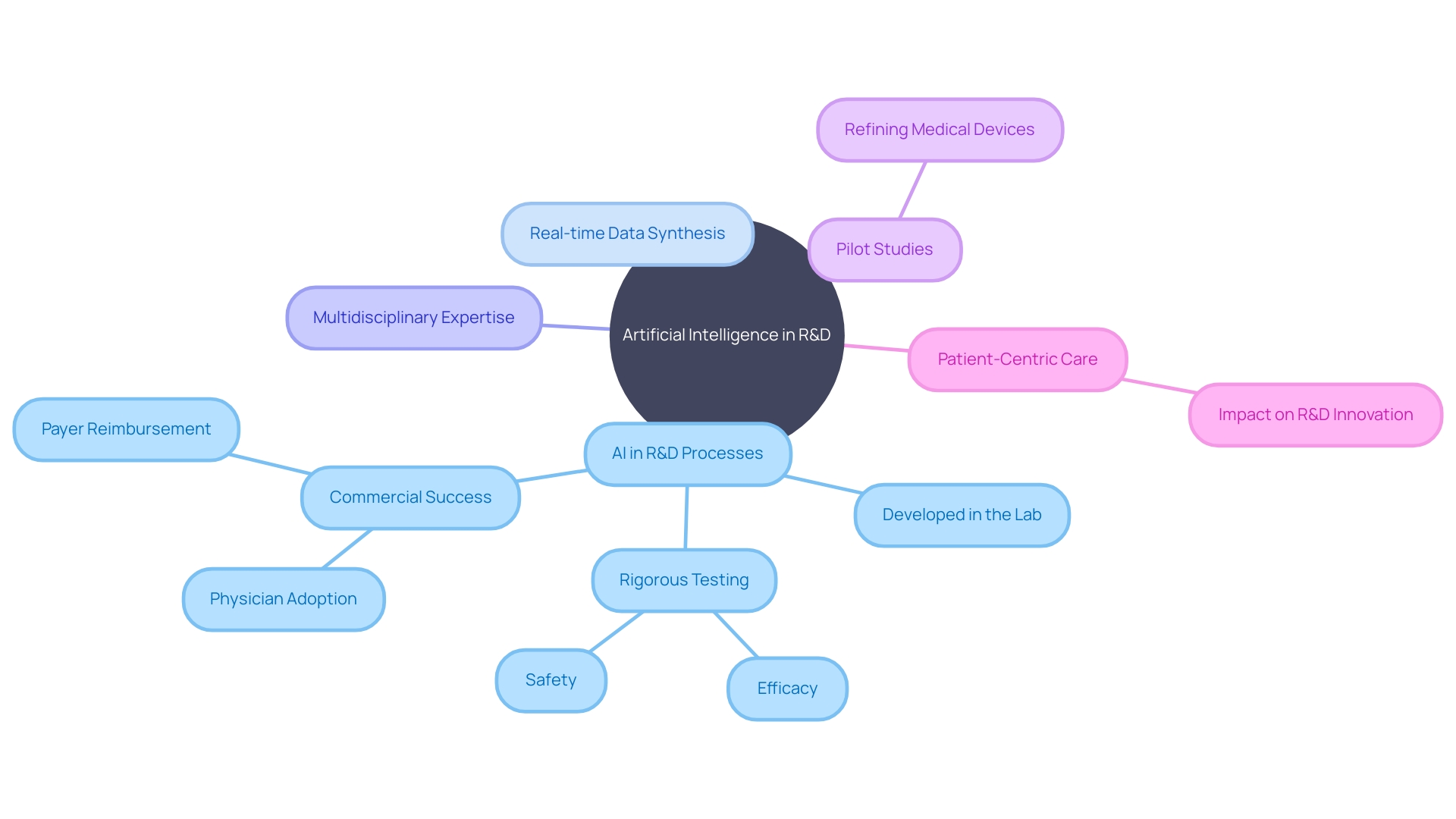
The integration of artificial intelligence (AI) into has propelled the creation of sophisticated wearables, such as a smart device for . This tool employs a groundbreaking algorithm that crunches data from vital signs, electronic health records, and lab results in near-real time. The Ai’s predictive model analyzes this data approximately every 15 minutes to forecast potential health deteriorations, allowing for the computation of a risk score that signifies the likelihood of patient decline.
When the risk score reaches a critical level, it prompts an alert to the care team. Key figures, including Lisa Shieh, MD, PhD, a clinical professor of medicine, highlight the system’s ability to foster strong communication channels within a hospital setting, transforming it into a more resilient . Taking a multifaceted approach, teams of researchers and healthcare professionals work collaboratively to refine and execute these AI-powered s.
As they parallel the journey of new drugs — from lab conception to post-market surveillance — their success hinges on rigorous testing and acceptance by healthcare practitioners and payers alike, not just technological innovation. Reports by GlobalData emphasize that, over the next 12 to 24 months, will follow trends that span technological advances, macroeconomics, regulation, and industry-specific developments. The intricate process from inception to implementation demands not just a consideration of such trends but also a thorough understanding of the to ensure compliance and effective adoption.
Benefits of Collaborative Research in Medical Device Development
In the rapidly evolving medical device industry, collaborative research paves the way for cutting-edge innovations that seamlessly blend with technical prowess. The exchange of knowledge generated from diverse perspectives enriches the bedrock of , effectively addressing the intricate needs of all users involved–from patients to clinicians and hospital support staff. Cross-pollination of ideas emerges not merely as a boon for creativity but also as a strategic initiative that mitigates barriers to progress in the intricate healthcare ecosystem.
Moreover, sharing resources during the R&D process can lead to significant cost efficiencies and a streamlined pathway towards the development of new medical devices. not only optimize the use of existing infrastructure but also foster that can revolutionize the speed at which innovative products reach the market. The fiscal prudence derived from such collaborative efforts empowers organizations to reinvest in holistic R&D, which is paramount to the lifecycle of medical devices that spans from inception to implementation in .
The credibility and trust established through these joint endeavors further bolster the reputation of the end products. With the rigorous scrutiny from regulatory authorities like the FDA, which classifies medical devices into categories based on risk level, and the EMA’s involvement in Europe, the combined expertise garnered in partnerships enhances the likelihood of . This collaborative tapestry not only enables the harmonization with complex regulatory landscapes but also expedites the commercialization of potentially life-saving medical technologies.
As stipulated by the FDA, approximately 10% of medical devices, including pivotal Class III devices like pacemakers, undergo extensive regulatory processes due to their critical role in patient care. Consequently, the enhanced credibility resulting from collaborative research is instrumental for navigating the approval process for such high-risk devices with longer approval times. Standing at the crossroads of medical advancement and patient-centric solutions, the interplay between and strategic research partnerships holds the key to fostering a medical device ecosystem that is both innovative and attuned to the needs of the broader healthcare community.
Regulatory Frameworks for Medical Device Development
is a vital aspect of , with a significant impact on time to market and overall success. The fluctuating landscape of requires close monitoring as global authorities, such as the US , frequently adjust policies in response to novel technological breakthroughs.
These devices range from simple instruments to complex integrated systems that necessitate scrutiny for patient safety and efficacy. To navigate this shifting terrain, companies must leverage a keen understanding of these evolving frameworks tailored to their product’s scale, whether it has a localized distribution or a global presence.
The intricacies of each market’s regulatory territory, be it confined to specific continents, nations, or states, demand a strategic approach to compliance, often compelling businesses to choose a . Concurrently, the development process intertwines with multiple disciplines—affecting electrical and mechanical elements or software interfaces—meaning optical systems must be considered a holistic challenge, spanning beyond individual domain issues.
Practically, the cleanliness of optical systems depends heavily on the environment, device stage, and application, necessitating an adaptable compliance strategy reflecting these varying stages of development. Of particular note, the into a three-tier system based on associated risk levels, with , vital to life-support, facing the most stringent evaluations. Approximately only 10% of devices fall under this high-risk stratum, indicative of the minute but crucial segment that could experience protracted approval timescales. The complexity of these regulations is reflected in policies like the OECD’s ‘Conflict Minerals’ guidance, underlining the significance of verifiable and responsible sourcing within the supply chain. In this dynamic regulatory ecosystem, embracing expertise in the field, be it in-house or through strategic partnerships, emerges as a pivotal factor in fine-tuning devices to meet high safety standards and achieve prompt market entry.
Challenges and Opportunities in Medical Device R&D
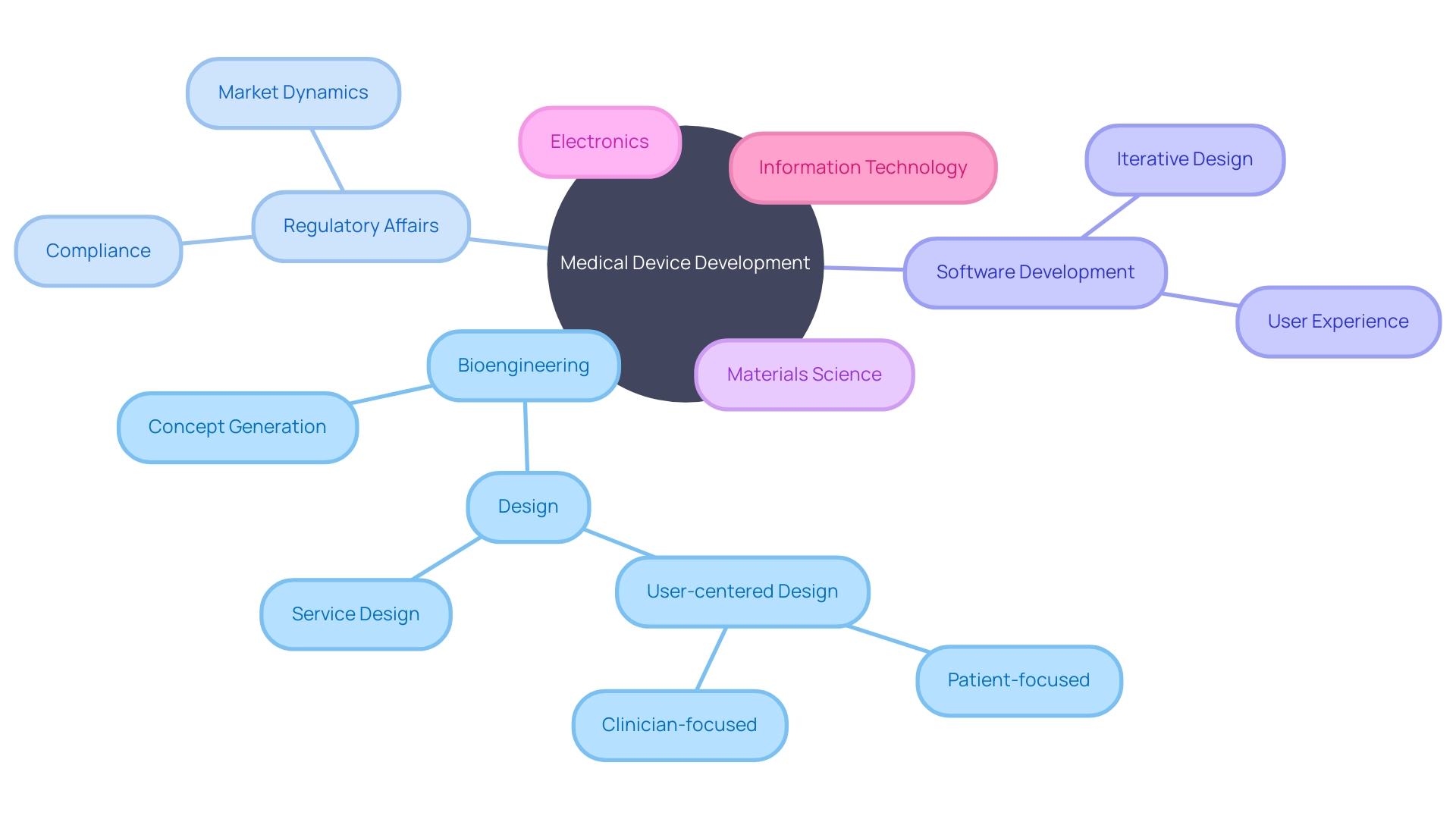
In the quest to actualize groundbreaking medical technologies, companies face an array of complex hurdles. Interdisciplinary expertise is crucial as the escalates, necessitating collaboration between specialists in diverse realms such as bioengineering, , and software development. This multiplicity of skills mirrors the array presented by the global expanse of medical devices themselves, as cited by the World Health Organization, more than 10,000 distinct types.
transcends traditional boundaries, combining materials science, electronics, and information technology. For instance, optics in medical devices is not an isolated field; it intersects deeply with electrical and mechanical engineering, requiring system-wide optimization. Thus, each medical device is a holistic system, intrinsically linked with human factors, and demands a system problem-solving approach.
An effective strategy begins with meticulous research design, guided by a robust question that defines both the independent variables and the anticipated outcomes, as Dr. Thomas Fogarty emphasized. These controlled studies should minimize biases through careful selection of control groups to uphold the integrity of the resulting conclusions. Beyond the confines of R&D, enters the fray, encompassing gap analysis, , and definitive regulatory pathway identification.
For this phase, embracing commercialization early is paramount, with a clear-eyed focus on the destination—meeting the multifaceted needs of the healthcare ecosystem and proving the invention’s worth to stakeholders. Statistically, the landscape is daunting—, for example, undergo rigorous scrutiny due to their high-risk profiles, comprising about 10% of devices the FDA oversees. Nevertheless, companies with a history of successful launches exemplify the capability to navigate the intricate journey from concept to market, a testament to their holistic integration of software and hardware, essential in the digital health domain.
Conclusion
In conclusion, innovative approaches in medical device R&D are essential for the industry’s growth and competitiveness. AI integration enhances communication and resilience in healthcare.
Engaging comprehensive development partners and conducting pilot studies manage risks and optimize costs. Collaborative research and strategic partnerships drive cutting-edge innovations and cost efficiencies.
Regulatory compliance ensures success in the market. Challenges include interdisciplinary expertise and holistic optimization. Companies that effectively integrate software and hardware can navigate the complex journey from concept to market. By embracing these approaches, the medical device industry can revolutionize patient care and shape the future of healthcare.
Frequently Asked Questions
What is driving the importance of innovation in medical device R&D?
The medical device industry is expected to grow significantly, reaching $215.80 billion in revenue by 2024. To support this growth, innovation in R&D processes is crucial for developing more effective and tailored medical solutions.
How is artificial intelligence (AI) impacting medical device R&D?
AI is being used to augment traditional R&D approaches, allowing developers to navigate complex data, identify patterns, and create predictive algorithms for patient health monitoring, which can help prevent health deterioration.
Can you give an example of AI’s impact on medical device development?
An AI algorithm has been developed that synthesizes data from electronic health records, vital signs, and lab results to assess the risk of patient health deterioration approximately every 15 minutes. This enhances communication and the resilience of healthcare systems.
Why is multidisciplinary expertise important in medical device development?
The diversity of medical devices, from simple spectacles to advanced MRI machines, requires various technologies and knowledge from multiple sciences such as bioengineering and information technology. Engaging a development partner with a comprehensive service array and robust regulatory knowledge is therefore crucial.
What role do pilot studies play in medical device R&D?
Pilot studies involve small-scale testing of new medical devices prior to extensive trials. They allow for critical assessments and refinements, which manage risks, conserve resources, and accelerate the R&D process.
What are the benefits of collaborative research in medical device development?
Collaborative research leads to knowledge exchange, cost efficiencies, and a streamlined pathway to development. It also enhances credibility and trust, which can contribute to swifter regulatory approvals and commercialization of medical technologies.
How does the regulatory landscape affect medical device development?
Regulatory compliance is vital and can significantly impact the time to market and overall success of a medical device. Companies must understand and navigate evolving frameworks, tailored to their product’s scale and the intricacies of each market’s regulatory territory.
What is the FDA’s classification system for medical devices?
The FDA categorizes medical devices into a three-tier system based on associated risk levels. Class III devices, which are essential to life-support, face the most stringent evaluations.
What challenges do companies face in medical device R&D?
Companies must deal with complex hurdles such as the need for interdisciplinary expertise, integrating materials science, electronics, and information technology, and navigating a complex regulatory environment.
Why is early embrace of commercialization important in medical device development?
Early commercialization is crucial to ensure that the development process meets the needs of the healthcare ecosystem and proves the invention’s worth to stakeholders, which includes gap analysis, strategic supply chain planning, and regulatory pathway identification.
List of Sources
- The Importance of Innovative Approaches in Medical Device R&D
- statista.com (https://www.statista.com/outlook/hmo/medical-technology/worldwide)
- medicaldevice-network.com (https://www.medicaldevice-network.com/buyers-guide/medical-device-development-companies/)
- octopart.com (https://octopart.com/pulse/p/ensuring-reliable-sourcing-medical-device-supply-chains)
- med.stanford.edu (https://med.stanford.edu/news/all-news/2024/04/ai-patient-care.html)
- mlinhealthcare.substack.com (https://mlinhealthcare.substack.com/p/the-hard-truth-about-artificial-intelligence?utm_source=substack&utm_medium=email)
- Case Study: Successful Implementation of AI in Medical Device Development
- globaldata.com (https://www.globaldata.com:443/store/report/ai-in-medical-theme-analysis/)
- med-technews.com (https://www.med-technews.com/news/Medtech-Regulatory-News/latest-tento-to-be-first-generative-ai-tool-in-medical-compl/)
- mlinhealthcare.substack.com (https://mlinhealthcare.substack.com/p/the-hard-truth-about-artificial-intelligence?utm_source=substack&utm_medium=email)
- med.stanford.edu (https://med.stanford.edu/news/all-news/2024/04/ai-patient-care.html)
- Benefits of Collaborative Research in Medical Device Development
- medicaldevice-network.com (https://www.medicaldevice-network.com/data-insights/medical-devices-synchron-lx-micro-pricing/)
- medicaldevice-network.com (https://www.medicaldevice-network.com/buyers-guide/medical-device-development-companies/)
- nhsconfed.org (https://www.nhsconfed.org/publications/collaborate-innovate)
- starfishmedical.com (https://starfishmedical.com/blog/voice-of-the-customer-medical-device-research-in-low-and-middle-income-countries/)
- medicaldevice-network.com (https://www.medicaldevice-network.com/sponsored/reducing-medical-device-approval-times-in-2023/)
- starfishmedical.com (https://starfishmedical.com/blog/service-design-in-medical-device-development/)
- Regulatory Frameworks for Medical Device Development
- medicaldevice-network.com (https://www.medicaldevice-network.com/sponsored/analysis-navigating-an-evolving-medical-device-regulatory-landscape/)
- medicaldevice-network.com (https://www.medicaldevice-network.com/sponsored/reducing-medical-device-approval-times-in-2023/)
- starfishmedical.com (https://starfishmedical.com/blog/esg-medical-device-impact/)
- starfishmedical.com (https://starfishmedical.com/blog/commercializing-medical-devices-with-optics/)
- Challenges and Opportunities in Medical Device R&D
- infomeddnews.com (https://infomeddnews.com/how-to-conduct-controlled-medical-research-in-a-lab/)
- infomeddnews.com (https://infomeddnews.com/solving-problems-in-healthcare/)
- starfishmedical.com (https://starfishmedical.com/blog/medical-device-commercialization-vision/)
- starfishmedical.com (https://starfishmedical.com/blog/medical-device-phase-one-product-development-pro-tips/)
- globaldata.com (https://www.globaldata.com:443/store/report/medical-devices-industry-m-and-a-deals-by-theme-quarterly-analysis/)
- medicaldevice-network.com (https://www.medicaldevice-network.com/sponsored/reducing-medical-device-approval-times-in-2023/)
- medicaldevice-network.com (https://www.medicaldevice-network.com/buyers-guide/medical-devices-development/)
- starfishmedical.com (https://starfishmedical.com/blog/commercializing-medical-devices-with-optics/)
- octopart.com (https://octopart.com/pulse/p/ensuring-reliable-sourcing-medical-device-supply-chains)
- starfishmedical.com (https://starfishmedical.com/blog/service-design-in-medical-device-development/)
- medicaldevice-network.com (https://www.medicaldevice-network.com/buyers-guide/medical-device-development-companies/)
Leave a Reply