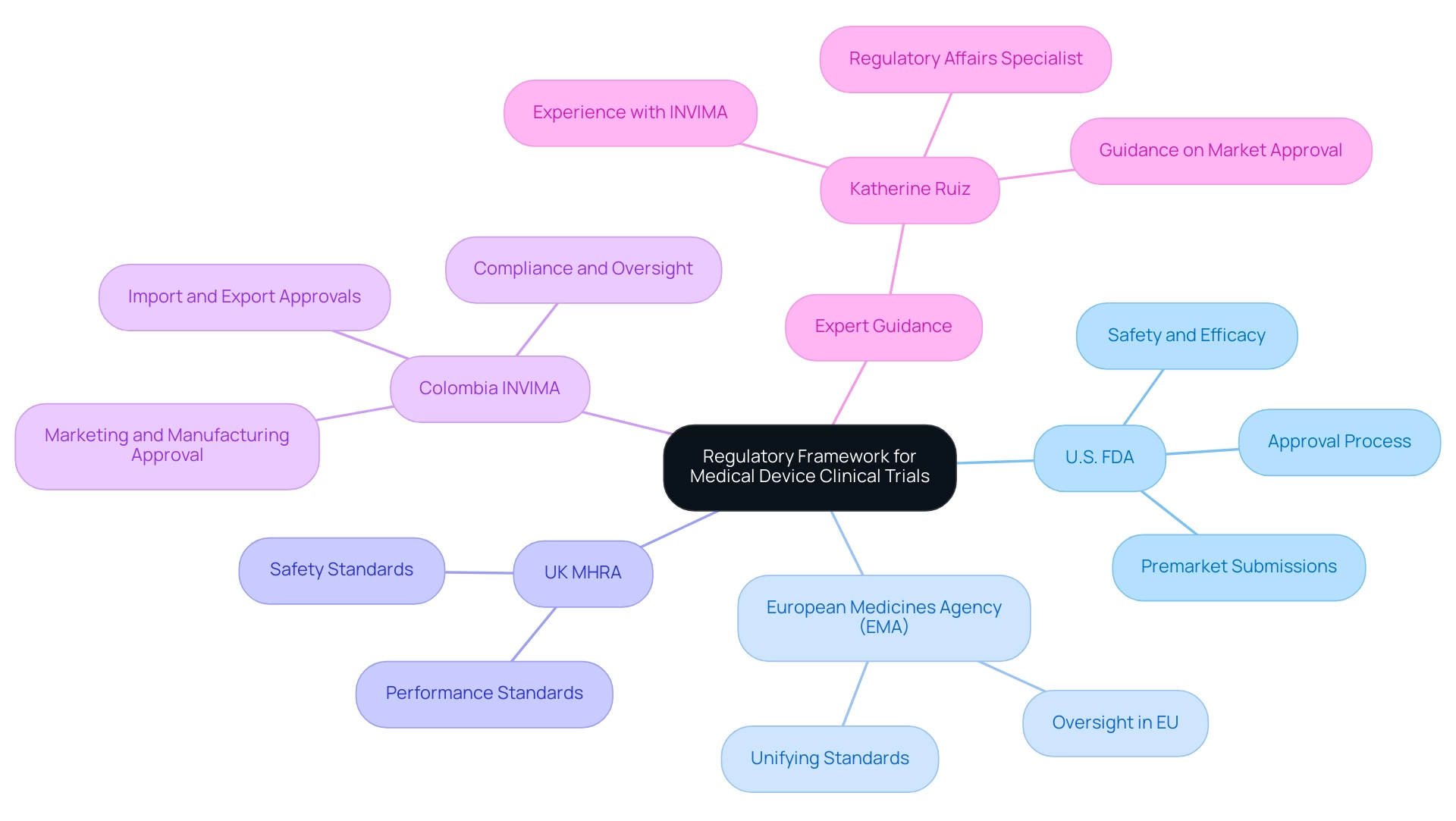
Category: Navigating Regulatory Landscapes in Latin America

Explores the regulatory requirements and best practices for conducting clinical trials in Latin America, focusing on medical devices and biopharmaceuticals.

  • Master Import License Handling Mexico Medtech: A Step-by-Step Guide

    Master Import License Handling Mexico Medtech: A Step-by-Step Guide

    Introduction

    Navigating the intricate landscape of medical device importation in Mexico demands a comprehensive understanding of the country’s regulatory framework. With nearly 90% of healthcare products in Mexico being imported, the stakes are high for manufacturers aiming to ensure compliance and achieve successful market entry. This guide meticulously outlines the step-by-step process of obtaining an import license, highlighting common challenges encountered along the way while offering effective strategies to overcome them.

    How can businesses adeptly maneuver through the complexities of Mexico’s regulations, ensuring timely access to this burgeoning market?

    Understand the Regulatory Framework for Medical Devices in Mexico

    To successfully import healthcare products into Mexico, mastering Mexico medtech and understanding the is essential. This framework encompasses several critical components:

    1. : This law governs the regulation of health products, including medical instruments, ensuring their safety, efficacy, and quality.
    2. : Medical equipment is categorized into various groups (Class I, II, III) based on their risk level, which significantly influences the regulatory pathway and requirements for importation.
    3. : Prior to importation, items must secure a from COFEPRIS, verifying compliance with established safety and efficacy standards.
    4. : Compliance with GMP is mandatory for manufacturers, ensuring products are consistently produced and controlled according to quality standards.
    5. Recent Updates: It is vital to stay informed about , such as updates to low-s and the introduction of abbreviated pathways for registration, which can facilitate the import process.

    Moreover, it is crucial to recognize that imports constitute nearly 90% of , underscoring the importance of comprehending the regulatory framework for effective market entry. The healthcare equipment regulatory affairs market in Mexico is projected to reach USD 120.7 million by 2030, with a compound annual growth rate (CAGR) of 9.1% anticipated from 2025 to 2030.

    By familiarizing yourself with these elements and analyzing , you can better prepare for during the application process.

    The central node represents the overall framework, while the branches represent key components essential for understanding regulations for importing medical devices. Each color-coded branch highlights different aspects of the regulatory requirements.

    Follow the Step-by-Step Process for Import License Application

    To successfully apply for an , adhere to the following steps:

    1. Appoint a : This local representative is essential for communicating with the and navigating the effectively. Involving a skilled MRH can greatly simplify the process and guarantee adherence to local regulations. As regulatory expert Katherine Ruiz highlights, “A comprehensive grasp of the classification system is vital for attaining successful market entry.”

    2. Prepare Required Documentation: Compile all necessary documents, including:

      • Sanitary registration certificate
      • Proof of compliance with
      • Technical documentation of the device
      • Ensuring that your documentation is thorough and accurate is vital, as incomplete submissions are a common reason for delays.
    3. Submit Application to the Regulatory Authority: File your application electronically through the . It is essential to ensure that all documents are complete to avoid unnecessary delays in processing.

    4. Pay Applicable Fees: Be prepared to pay any fees related to the application process, which may vary based on the classification of the item. Understanding the fee structure in advance can help in budgeting for the application.

    5. Await Approval: COFEPRIS will review your application and may request additional information. The average review time for import license approval is projected to be between 4 to 6 weeks in 2025, so plan accordingly. Utilizing an can further expedite the review process, reducing the standard review time from 3 to 8 months down to just 1 to 3 months.

    6. Receive Import License: Upon approval, you will obtain your import license, which legally allows you to bring your health equipment into Mexico.

    By carefully following these steps and comprehending the categorization of healthcare products into four risk categories (Class I, II, III, IV), you can facilitate the application process and increase your chances of prompt approval. A case study on the registration of Class II healthcare instruments illustrates the complexities involved, highlighting the importance of thorough preparation and adherence.

    Each box represents a crucial step in the application process. Follow the arrows to see how to move from one step to the next until you obtain your import license.

    Identify and Overcome Common Challenges in Import License Handling

    When handling , you may encounter several challenges:

    1. : Incomplete or incorrect documentation is a common reason for application delays. For instance, the manufacturer of a surgical glove submission included 13 ingredients in the formula, while the biocompatibility report listed only 3 ingredients. This discrepancy can lead to significant . Ensure all documents are accurate and complete before submission.
    2. Regulatory Changes: The can change frequently. Registering a medical product in Mexico usually requires about a year or longer, making it crucial to remain informed on and adjust your approach accordingly.
    3. : Language differences and bureaucratic processes can complicate communication with COFEPRIS. Consider hiring a local consultant or legal expert to facilitate interactions. Additionally, having an organized regulatory team is crucial for prioritizing submissions in Mexico.
    4. : The review process can be lengthy, particularly for intricate equipment. Given that imports make up nearly 90% of the , plan for potential delays by submitting applications well in advance of your intended import date.
    5. Adherence to GMP: Ensuring adherence to can be challenging, particularly for foreign manufacturers. In Mexico, certificates of analysis are required for any material that comes into contact with patients. Conduct thorough audits and maintain documentation to show adherence.

    By anticipating these challenges and preparing solutions in advance, you can navigate the import license handling Mexico medtech process more effectively.

    The central node represents the overall theme of challenges faced. Each branch highlights a specific challenge, and sub-branches provide additional details or examples that explain the challenges further.

    Ensure Compliance and Manage Post-License Responsibilities

    Once you have obtained your import license, effective and management of compliance responsibilities is crucial. Begin by ensuring your remains valid. Renew it as required, keeping track of expiration dates, and initiate renewal procedures at least 150 days ahead to prevent lapses, as registrations are valid for five years.

    Next, implement a robust . This plan is essential for monitoring the performance and safety of your once they are on the market. It is imperative to promptly notify the appropriate authorities of any ; serious incidents must be reported within 10 calendar days, while other reportable events have a 30-day window.

    Regular audits are also vital. Conduct thorough examinations of your manufacturing processes and quality control systems to ensure continuous adherence to and other regulatory requirements. This proactive approach helps , safeguarding your operations.

    Moreover, staying informed on is essential. Continuously monitor updates from the health authority regarding changes in regulations that may impact your products. Adjusting your in response to these changes is vital for preserving market access and maintaining compliance.

    Finally, engage with local authorities. Maintain open communication with COFEPRIS and other relevant authorities to stay informed about any changes in requirements or expectations. This engagement fosters a collaborative relationship that can enable smoother adherence processes.

    By actively managing responsibilities, you can ensure compliance and foster a successful operation in the Mexican , where adherence to regulations is paramount for long-term success.

    Each box represents a crucial step in managing your import license responsibilities. Follow the arrows to see the order of tasks you need to complete to ensure compliance and successful operation.

    Conclusion

    Mastering the import license handling process for medical devices in Mexico is essential for successful market entry. Understanding the regulatory framework established by COFEPRIS—including the General Health Law, risk classification, and sanitary registration—forms the foundation for navigating the complexities of medical device importation. This foundational knowledge is critical, as it not only guides compliance but also enhances the likelihood of prompt approvals in a market largely dominated by imports.

    Throughout this article, key steps for applying for an import license have been outlined, underscoring the importance of:

    1. Appointing a Mexican Registration Holder
    2. Preparing accurate documentation
    3. Recognizing potential challenges such as documentation issues and regulatory changes

    Furthermore, the necessity of ongoing compliance management post-license acquisition has been emphasized, highlighting the importance of maintaining sanitary registrations and engaging with local authorities to ensure adherence to evolving regulations.

    In summary, the pathway to successfully importing medical devices into Mexico is paved with careful planning, thorough documentation, and proactive management of compliance responsibilities. By embracing these practices, stakeholders can not only navigate the complexities of the regulatory landscape but also contribute to the growth of the healthcare market in Mexico. Engaging with the local regulatory environment and staying informed about the latest developments will ultimately foster a sustainable and successful operation in this vital sector.

    Frequently Asked Questions

    What is the primary regulatory body for medical devices in Mexico?

    The primary regulatory body for medical devices in Mexico is the Federal Commission for Protection against Sanitary Risks (COFEPRIS).

    What law governs the regulation of health products in Mexico?

    The General Health Law governs the regulation of health products, including medical instruments, ensuring their safety, efficacy, and quality.

    How is medical equipment classified in Mexico?

    Medical equipment is classified into various groups (Class I, II, III) based on their risk level, which influences the regulatory pathway and requirements for importation.

    What is required before importing medical devices into Mexico?

    Before importing medical devices into Mexico, items must secure a sanitary registration from COFEPRIS, verifying compliance with established safety and efficacy standards.

    What are Good Manufacturing Practices (GMP)?

    Good Manufacturing Practices (GMP) are mandatory compliance standards for manufacturers, ensuring that products are consistently produced and controlled according to quality standards.

    Why is it important to stay informed about recent regulatory updates in Mexico?

    Staying informed about recent regulatory updates, such as changes to low-risk classifications and the introduction of abbreviated pathways for registration, is vital as these can facilitate the import process.

    What percentage of healthcare products sold in Mexico are imports?

    Nearly 90% of healthcare products sold in Mexico are imports, highlighting the importance of understanding the regulatory framework for effective market entry.

    What is the projected market size for healthcare equipment regulatory affairs in Mexico by 2030?

    The healthcare equipment regulatory affairs market in Mexico is projected to reach USD 120.7 million by 2030, with a compound annual growth rate (CAGR) of 9.1% anticipated from 2025 to 2030.

    How can one prepare for the import license handling process for medical devices in Mexico?

    Familiarizing oneself with the regulatory framework, understanding the key components, and analyzing successful case studies of healthcare product importation can better prepare individuals for the import license handling process.

    List of Sources

    1. Understand the Regulatory Framework for Medical Devices in Mexico
      • trade.gov (https://trade.gov/healthcare-resource-guide-mexico)
      • emergobyul.com (https://emergobyul.com/resources/mexico-overview-medical-device-industry-and-healthcare-statistics)
      • statista.com (https://statista.com/outlook/hmo/medical-technology/medical-devices/mexico)
      • grandviewresearch.com (https://grandviewresearch.com/horizon/outlook/medical-device-regulatory-affairs-market/mexico)
    2. Follow the Step-by-Step Process for Import License Application
      • Mastering Medical Device Regulations Mexico: A Comprehensive Guide | bioaccess® (https://bioaccessla.com/blog/mastering-medical-device-regulations-mexico-a-comprehensive-guide)
      • 9 Key Class Ii Device Rules Cofepris For Successful Registration | bioaccess® (https://bioaccessla.com/blog/9-key-class-ii-device-rules-cofepris-for-successful-registration)
      • globalregulatorypartners.com (https://globalregulatorypartners.com/medical-device-registration-at-cofepris-everything-you-need-to-know-in-2025)
      • medenvoyglobal.com (https://medenvoyglobal.com/blog/navigating-cofepris-medical-device-distribution-in-mexico)
    3. Identify and Overcome Common Challenges in Import License Handling
      • mexicobusiness.news (https://mexicobusiness.news/health/news/mexicos-medical-device-market-poses-challenges-opportunities)
      • emergobyul.com (https://emergobyul.com/resources/mexico-overview-medical-device-industry-and-healthcare-statistics)
      • trade.gov (https://trade.gov/country-commercial-guides/mexico-healthcare-products-services)
      • lacunamw.com (https://lacunamw.com/how-to-overcome-the-5-most-common-obstacles-to-mexico-medical-device-registration)
    4. Ensure Compliance and Manage Post-License Responsibilities
      • pureglobal.com (https://pureglobal.com/markets/mexico)
      • emergobyul.com (https://emergobyul.com/resources/mexico-overview-medical-device-industry-and-healthcare-statistics)
      • Master COFEPRIS Guidelines for Medical Devices Compliance | bioaccess® (https://bioaccessla.com/blog/master-cofepris-guidelines-for-medical-devices-compliance)
      • privacyshield.gov (https://privacyshield.gov/ps/article?id=Mexico-Healthcare-Products-Services)
      • medenvoyglobal.com (https://medenvoyglobal.com/blog/technovigilance-pms-reporting-requirements-in-mexico)

  • How to Navigate the PMA Process: A Step-by-Step Guide for Medical Device Approval

    How to Navigate the PMA Process: A Step-by-Step Guide for Medical Device Approval

    Introduction

    The Premarket Approval (PMA) process, governed by the FDA, is a pivotal pathway for the introduction of high-risk medical devices into the market. This rigorous procedure demands that manufacturers provide substantial evidence of their products’ safety and efficacy, typically through comprehensive clinical trials.

    Navigating the complexities of the PMA process is essential for organizations aiming to secure approval and ensure compliance with regulatory standards. With a focus on extensive documentation, including clinical data and manufacturing details, the PMA process not only safeguards public health but also poses significant challenges for medical device startups.

    As the landscape evolves, understanding the intricacies of this approval process becomes increasingly vital for stakeholders in the medical technology sector.

    Understanding the Premarket Approval (PMA) Process

    The , established by the FDA, serves as a vital regulatory route for high-risk medical equipment. This procedure requires that manufacturers provide significant proof of their product’s safety and effectiveness, usually through rigorous clinical trials. A thorough understanding of the is essential, as it lays the groundwork for all subsequent steps necessary for securing approval.

    The includes , such as:

    • Clinical data
    • Labeling

    These requirements ensure that all products comply with established standards before market entry. Recent findings indicate that while 75.4% of respondents believe the scientific evidence is generally adequate for decision-making, many expressed concerns regarding the availability of information on adverse events and long-term outcomes. Furthermore, challenges such as , competition, recruitment issues, and financial constraints can complicate the path for medical equipment startups navigating clinical trials.

    Furthermore, 26.3% of respondents voiced apprehension that an executive session could extend the timeline, emphasizing potential challenges within the PMA framework. This feedback aligns with the sentiment from recent studies, where panelists highlighted the importance of and the necessity for more . As one panelist noted, data on very old predicate items is often useless and irrelevant.

    By utilizing , including:

    Companies like can assist in the . Furthermore, the review and feedback on study documents are essential for compliance with country requirements, ensuring that all necessary information is accurately presented. Acquainting oneself with the intricacies of the , particularly through the knowledge provided by specialized suppliers, will greatly improve your capability to maneuver the complexities linked to medical equipment approval.

    Step-by-Step Guide to the PMA Application Process

    1. Engaging in preliminary discussions with the FDA is crucial for clarifying specific requirements and expectations related to the . This initial step may involve submitting a Pre-Submission (Q-sub) request, which allows for feedback on . As noted by Katrina Rogers, readily available data from the FDA informs us we can anticipate a reasonably high (though not 100%) .
    2. Compile : It is essential to gather and analyze robust that demonstrates both the safety and effectiveness of your product. This process may include conducting , who have over 20 years of experience in Medtech and specialize in , , and Post-Market Clinical Follow-Up Studies (PMCF). Our flexibility and specialized knowledge ensure effective data compilation, especially for products classified under the , which currently includes 124 CDRH items and 4 CBER items authorized. These devices must showcase breakthrough technology, lack approved alternatives, offer significant advantages, or serve the best interests of patients. A notable example is the INSIGHTEC EXABLATE, which successfully obtained marketing authorization, illustrating the in action.
    3. Prepare the : Organizing your data into the PMA format is a vital step in the . Ensure that all sections are meticulously completed, including the device description, indications for use, and detailed clinical study reports. Recent changes to FDA pre-submission activities highlight the importance of thorough documentation to streamline the review process.
    4. Submit the : The submission of your must be conducted through the FDA’s electronic submission gateway. It is imperative to ensure that all associated fees are paid, and that all required documents are included in the submission package to avoid delays.
    5. Respond to FDA Queries: During the FDA’s review phase, you should be prepared to respond promptly to any queries or requests for additional information. The FDA intends to request any necessary information within 30 days of receiving the application and will aim to communicate its decision within 60 calendar days. Being proactive in addressing their inquiries can facilitate a smoother review and enhance the likelihood of success. Additionally, bioaccess® provides the expertise and customized approach needed to navigate your company towards acquisition, ensuring that your clinical trials align with business objectives.

    Essential Documentation and Requirements for PMA Submission

    A successful hinges on the inclusion of several essential documents, which are supported by comprehensive . These include:

    • Gadget Description: A thorough account of the gadget, detailing its design, components, and intended use is vital. This acts as a fundamental component for the FDA’s evaluation framework, improved by adequate feasibility studies and site selection to guarantee adherence to national requirements.
    • : Detailed reports from clinical trials are essential for proving the product’s safety and effectiveness. These reports should present robust data that supports the claims made regarding the performance of the product and should be carefully monitored throughout the study management process.
    • Labeling: Proposed labeling must adhere to , providing clear instructions for use and any necessary warnings. Ensuring adherence to is essential, as inaccuracies can result in the rejection of the application, a risk that can be alleviated through expert .
    • : Detailed insights into the production method, quality control measures, and the facilities involved in manufacturing must be included. This information assures the FDA of the reliability and safety of the manufacturing practices, which are essential during trial setup.
    • : Documentation outlining potential risks associated with the product, alongside the mitigation strategies implemented, is required. This analysis is critical in demonstrating that safety considerations have been prioritized throughout the development process and is further supported by project management expertise.
    • Import Permit and Nationalization: The application must also include information regarding the import permit and nationalization of investigational items, ensuring compliance with local regulations.
    • Reporting: Regular reporting on study status, inventory, and serious and non-serious adverse events is essential to keep all stakeholders informed and to meet regulatory requirements.

    As Ann Vankrunkelsven, an RA/QA Manager, aptly notes, the is the most extensive review process for medical products by the US FDA. They require a complete set of documentation regarding your medical apparatus as well as a well-implemented . Furthermore, the initial review decision is provided within 45 days after the FDA has received the application, emphasizing the importance of timely and accurate submissions.

    The outcomes of can vary, as illustrated in the case study titled ‘Decision Announcement Outcomes,’ where the FDA communicates its decision, which can include an Approval Order, Approvable Letter, Not Approvable Letter, or Order Denying Approval. Each decision type outlines specific actions the applicant can take, such as amending the application or requesting an administrative review. Additionally, if the item contains color additives, these must be listed by the FDA, and a color additive petition may be submitted as part of the PMA.

    Thus, ensuring that all documentation is meticulously prepared and well-organized is paramount to the success of the , significantly reducing the likelihood of rejection. Katherine Ruiz, a specialist in Regulatory Affairs for medical products and in vitro diagnostics in Colombia, further highlights the significance of maneuvering through these complexities in the Latin American market.

    Each box represents a required document for PMA submission, and the arrows indicate the flow and dependencies between them in the submission process.

    for Premarket Approval (PMA) applications is a systematic and multi-stage method, crucial for guaranteeing the safety and effectiveness of class III medical instruments within the . The stages of this procedure are as follows:

    1. Acceptance Review: Initially, the FDA evaluates whether the application is complete and suitable for filing. This step is critical as it determines the application’s progression into the review process.
    2. Scientific Review: During this phase, FDA reviewers rigorously assess the . Their goal is to ascertain that the device fulfills the stringent established by regulatory standards.
    3. Advisory Committee Review: In certain situations, the FDA may assemble an advisory committee comprising independent experts to provide insights into the application. Given that a significant portion of the involves advisory committee input, this stage is crucial for gathering diverse professional perspectives. Panelists have indicated that a would be preferable over the existing voting system, highlighting its significance in the review process.
    4. Final Decision: Upon completion of the thorough review, the FDA will render a decision to either approve or deny the PMA application. Notably, if the FDA contemplates withdrawing approval, it will issue a notice of opportunity for an informal hearing and publish a Federal Register notice detailing the withdrawal.

    When participating in the , it is vital for manufacturers to consider the advantages of utilizing comprehensive , such as those offered by bioaccess®. With over 20 years of experience in Medtech, bioaccess® possesses the expertise necessary to navigate the complexities of clinical trials. Their proficiency in (EFS), (FIH), Pilot Studies, , and Post-Market Clinical Follow-Up Studies (PMCF) can streamline trial setup, compliance reviews, and project management, ultimately enhancing the likelihood of a successful .

    The typically takes at least 180 days for FDA approval, which is a critical timeline for manufacturers to consider. Understanding the intricacies of each stage equips manufacturers to better anticipate timelines and effectively prepare for potential obstacles. Furthermore, while most class I medical products and some class II items are exempt from the 510(k) requirements, the simplified self-registration system for these lower-risk products enables faster market entry in contrast to the more stringent PMA procedure.

    As noted by Etienne Nichols, Head of Industry Insights & Education at Greenlight Guru, early interaction with the FDA on planned non-clinical and clinical studies and careful consideration of the FDA’s feedback may enhance the quality of subsequent submissions, shorten total review times, and facilitate the development process for new products. This proactive approach can significantly enhance the likelihood of a successful .

    Each box represents a stage in the FDA review process, and the arrows indicate the sequential flow from one stage to the next.

    Post-Approval Requirements and Compliance for PMA Devices

    Upon receiving , manufacturers must comply with several critical post-approval requirements as part of the PMA process to ensure the ongoing safety and effectiveness of their medical products, aligning with the comprehensive offered by bioaccess®, which include , , Pilot Studies, Pivotal Studies, and Post-Market Clinical Follow-Up Studies (PMCF). These requirements include:

    • : Continuous studies are essential to monitor the product’s performance in real-world settings. Manufacturers are obligated to report any adverse events to the FDA promptly, underscoring the regulatory emphasis on patient safety.
    • : Adhering to the FDA’s quality system regulations is essential to ensure consistent manufacturing practices, thus protecting the quality and reliability of medical products in the market.
    • : Manufacturers must update product labeling as necessary to reflect any new information or changes in indications for use, ensuring healthcare providers have access to the most current data for treatment decisions.
    • : Regular submission of performance reports to the FDA is required, detailing the outcomes and any issues that may arise, fostering transparency and accountability in management.

    The importance of adhering to these regulations cannot be overstated, as non-compliance may jeopardize market access and compromise patient safety. Recent updates in FDA regulations emphasize the need for vigilance; for instance, within 180 days of filing a PMA application, the FDA will issue one of several possible actions, highlighting the regulatory timeline manufacturers must navigate. Additionally, the FDA has established a timeline for protocols within the PMA process, mandating completion within 60 days of PMA approval to facilitate timely oversight.

    This timely compliance significantly influences patient safety and equipment effectiveness. As noted by expert Etienne Nichols,

    Basically, communicating early and often will facilitate the process for both sides and hopefully minimize any delays in what is already a pretty long process,

    which stresses the importance of proactive communication in meeting these requirements. Furthermore, ensuring physician awareness of the risks associated with is crucial for overall safety and efficacy.

    Staying informed and compliant with these evolving requirements is imperative for manufacturers in 2024 and beyond, particularly with the tailored support from experts like Ana Criado and Katherine Ruiz at bioaccess®.

    Conclusion

    The Premarket Approval (PMA) process is integral to the introduction of high-risk medical devices, ensuring that products meet stringent safety and efficacy standards mandated by the FDA. This multifaceted procedure requires manufacturers to compile extensive documentation, including clinical data and manufacturing practices, which not only safeguards public health but also presents significant challenges, particularly for medical device startups. The critical nature of this process underscores the need for comprehensive understanding and meticulous preparation at every stage, from initial submission to post-approval compliance.

    Navigating the PMA journey involves several key steps, including:

    1. Pre-submission activities
    2. Clinical data compilation
    3. Organization of the PMA application itself

    Each phase demands careful attention to detail and robust communication with regulatory bodies to facilitate a smooth review process. The importance of expert support, particularly from clinical trial management services, cannot be overstated, as they provide invaluable insights and assistance in overcoming the complexities tied to the PMA process.

    Moreover, post-approval compliance remains a vital aspect of maintaining device safety and effectiveness in the market. Manufacturers are obligated to uphold rigorous monitoring and reporting standards to ensure ongoing adherence to FDA regulations. This commitment to quality not only fosters trust among healthcare providers and patients but also reinforces the integrity of the medical technology sector as a whole.

    As the landscape of medical device regulation continues to evolve, stakeholders must prioritize their understanding of the PMA process and the associated requirements. By doing so, they can enhance their chances of successful device approval and contribute positively to the advancement of medical technology, ultimately benefiting public health and safety.

    Ready to navigate the PMA process with confidence? Contact bioaccess™ today for expert guidance and tailored CRO services that will streamline your medical device approval journey!

    Frequently Asked Questions

    What is the PMA process and why is it important?

    The PMA (Premarket Approval) process, established by the FDA, is a vital regulatory route for high-risk medical equipment. It requires manufacturers to provide substantial proof of their product’s safety and effectiveness, typically through rigorous clinical trials, and lays the groundwork for securing approval.

    What documentation is required in the PMA process?

    The PMA process includes extensive documentation requirements such as clinical data, manufacturing details, and labeling to ensure compliance with established standards before market entry.

    What challenges do medical equipment startups face during the PMA process?

    Startups may encounter challenges such as regulatory hurdles, competition, recruitment issues, and financial constraints, which can complicate the path through clinical trials and the PMA process.

    What are some common concerns regarding the PMA process?

    Concerns include the adequacy of scientific evidence for decision-making, the availability of information on adverse events and long-term outcomes, and potential delays caused by executive sessions.

    How can companies improve their chances of navigating the PMA process successfully?

    Companies can utilize comprehensive clinical trial management services, including feasibility studies, compliance reviews, project management, and detailed reporting on adverse events to enhance their PMA process.

    What is the role of preliminary discussions with the FDA in the PMA process?

    Engaging in preliminary discussions helps clarify specific requirements and expectations related to the PMA process, potentially involving a Pre-Submission (Q-sub) request for feedback on study design and clinical data requirements.

    What steps should be taken to compile clinical data for the PMA application?

    It is essential to gather and analyze robust clinical data demonstrating the product’s safety and effectiveness, potentially through clinical trials managed by experts specializing in early-feasibility and post-market studies.

    What is involved in preparing the PMA application?

    Organizing data into the PMA format is crucial, ensuring all sections are meticulously completed, including device description, indications for use, and detailed clinical study reports.

    How is the PMA application submitted to the FDA?

    The PMA application must be submitted through the FDA’s electronic submission gateway, ensuring all associated fees are paid and all required documents are included to avoid delays.

    What should companies do during the FDA review phase of the PMA application?

    Companies should be prepared to respond promptly to any queries or requests for additional information from the FDA, as they aim to request necessary information within 30 days and communicate their decision within 60 calendar days.

    List of Sources

    1. Understanding the Premarket Approval (PMA) Process
      • jamanetwork.com (https://jamanetwork.com/journals/jamanetworkopen/fullarticle/2824671)
      • pmc.ncbi.nlm.nih.gov (https://pmc.ncbi.nlm.nih.gov/articles/PMC11581643)
    2. Step-by-Step Guide to the PMA Application Process
      • fda.gov (https://fda.gov/medical-devices/how-study-and-market-your-device/breakthrough-devices-program)
      • linkedin.com (https://linkedin.com/pulse/decision-speed-success-rates-medical-devices-katrina-rogers)
    3. Essential Documentation and Requirements for PMA Submission
      • fda.gov (https://fda.gov/medical-devices/premarket-submissions-selecting-and-preparing-correct-submission/premarket-approval-pma)
      • fda.gov (https://fda.gov/medical-devices/premarket-approval-pma/pma-application-contents)
      • matrixreq.com (https://matrixreq.com/blog/fda-pma-submission-process-the-ultimate-guide)
    4. Navigating the FDA Review Process for PMA Applications
      • jamanetwork.com (https://jamanetwork.com/journals/jamanetworkopen/fullarticle/2824671)
      • Medical Device FDA Approval Process [+Timeline] (https://greenlight.guru/blog/fda-medical-device-approval-process)
      • fda.gov (https://fda.gov/medical-devices/premarket-approval-pma/pma-review-process)
    5. Post-Approval Requirements and Compliance for PMA Devices
      • propharmagroup.com (https://propharmagroup.com/thought-leadership/pma-post-approval-study-considerations)
      • jamanetwork.com (https://jamanetwork.com/journals/jamanetworkopen/fullarticle/2803738)
      • ecfr.gov (https://ecfr.gov/current/title-21/chapter-I/subchapter-H/part-814)
      • greenlight.guru (https://greenlight.guru/blog/fda-pma-submissions)

  • Master Regulatory Compliance for Clinical Trials in Colombia

    Master Regulatory Compliance for Clinical Trials in Colombia

    Introduction

    In the dynamic landscape of clinical research, Colombia is emerging as a promising hub for conducting trials, driven by its favorable regulatory environment and cost advantages. Understanding the intricacies of regulatory frameworks, ethical recruitment, and compliance oversight is crucial for researchers aiming to navigate this evolving terrain.

    • The pivotal role of the Instituto Nacional de Vigilancia de Medicamentos y Alimentos (INVIMA) underscores the importance of engaging with ethics committees.
    • Therefore, the path to successful clinical trials is paved with strategic planning and adherence to local laws.
    • As the country continues to attract international interest, implementing best practices in documentation, informed consent, and monitoring will not only enhance the integrity of clinical research but also contribute to advancements in medical technology and improved healthcare outcomes.

    Understand Regulatory Frameworks for Clinical Trials in Colombia

    To effectively navigate , understanding the key regulatory organizations and their guidelines is essential. The National Institute for Drug and Food Surveillance () is the primary authority responsible for ensuring . Critical steps to ensure compliance include the following:

    1. : Visit ‘s official site for the latest rules and criteria regulating studies in Colombia.
    2. Understand International Standards: Familiarize yourself with international guidelines, such as (International Council for Harmonisation – Good Clinical Practice), which significantly influence local regulations.
    3. Review Local Regulations: Examine , including privacy protection laws under Law 1581/2012, which mandates informed consent for information collection and processing. This regulation is vital as it fosters confidence in the research process and safeguards participant information integrity.
    4. : Engage with legal professionals specializing in Colombian healthcare regulations to navigate complex issues effectively.
    5. : Regulatory frameworks are subject to change; therefore, subscribing to newsletters or joining professional organizations can help you remain informed about the latest updates.

    Colombia’s regulatory landscape is increasingly advantageous for research studies. The nation offers considerable cost benefits, with . This cost-efficiency, combined with a favorable exchange rate and a wealth of specialized medical experts, positions Colombia as a strategic site for conducting research studies. Moreover, the total IRB/EC and MoH () review process typically takes only 90-120 days, which contributes to .

    Additionally, Colombia provides , including a 100% tax deduction for investments in science, technology, and innovation projects, a 25% tax discount, and a 50% future tax credit, along with around $10 million in government grants. These financial advantages significantly enhance the appeal of conducting research studies in the country.

    Furthermore, research study providers must identify the data being handled, who manages it, and any related risks, ensuring adherence to local regulations. Ultimately, these factors contribute to advancing medical technology and benefiting the local economy. As the Bioaccess Content Team states, “Collaboration can enhance and improve drug accessibility, as demonstrated by case analyses exploring innovative payment models for drugs.

    To guarantee and ethical recruitment in research studies, implement the following :

    1. Develop Clear Consent Forms: Craft consent forms that are straightforward and devoid of technical jargon. Ensure they encompass all about the study, including potential risks and benefits.
    2. Conduct Informational Sessions: Organize sessions prior to recruitment to thoroughly explain the study to potential participants, providing them with an opportunity to ask questions and clarify doubts.
    3. Assess Understanding: Establish a method to evaluate participants’ comprehension of the information shared. This could involve quizzes or interactive discussions to confirm their understanding.
    4. Document Consent: Ensure that consent is meticulously documented, including signatures from participants and witnesses where necessary, to maintain transparency and accountability.
    5. Monitor Recruitment Practices: Regularly review and refine to ensure they adhere to , safeguarding against the exploitation of vulnerable populations.

    These practices not only foster trust but also align with the commitment to that is crucial for advancing and improving healthcare outcomes. As the broader Latin American research market is projected to reach USD 506.1 million by 2030, the importance of and becomes even more significant. Additionally, can , illustrating successful ethical . By following these , research directors can contribute to and progress in , while utilizing the expertise of organizations like bioaccess® to navigate the complexities of trials in the region.

    Engage with Ethics Committees for Compliance Oversight

    To effectively engage with in Colombia, consider the following steps:

    1. Identify Relevant Committees: Assess which are pertinent to your study, taking into account its geographical location and specific focus.
    2. Prepare : Gather all essential documents, including the study protocol, informed consent forms, and any supplementary materials required for review.
    3. Schedule Meetings: Organize meetings with committee members to present your study, clarify objectives, and address any potential concerns they may raise.
    4. Respond to Feedback: Be ready to adapt your study based on the committee’s insights and recommendations, as their feedback is crucial for compliance and ethical integrity.
    5. Maintain Communication: Establish and uphold an open line of communication with the ethics committee throughout the study’s duration. This continuous conversation is crucial for guaranteeing adherence and promptly tackling any arising challenges related to regulatory compliance for , highlighting the significance of these committees given the country’s standing for scientific precision, ethics, and quality of research information.

    Interacting efficiently with them not only simplifies the approval process but also improves the quality of , ultimately aiding the progress of medical technologies. The nation provides substantial competitive benefits for , including , a , and a strong healthcare system recognized among the finest worldwide.

    Moreover, R&D tax incentives, including a 100% tax deduction for investments in science, technology, and innovation initiatives, further boost Colombia’s attractiveness as a site for research studies. (CROs) play a crucial role in this environment, facilitating connections between investigators and hospitals, thereby enhancing recruitment efforts and the overall efficiency of research activities. As demonstrated in the partnership between bioaccess™ and Caribbean Health Group, which seeks to establish Barranquilla as a premier location for clinical studies, local CROs are instrumental in .

    Each box shows a step in how to engage with ethics committees — follow the arrows to understand the order in which actions should be taken for effective compliance oversight.

    Implement Documentation and Monitoring Strategies for Compliance

    To implement effective documentation and monitoring strategies, consider the following steps:

    1. Establish a : Create a thorough plan outlining the essential documents to be gathered and preserved during the process. This ensures clarity and organization, which are vital for compliance.
    2. : Leverage electronic information capture (EDC) systems to streamline information collection and enhance precision. The application of EDC has been demonstrated to enhance information integrity and minimize errors, with research suggesting that . Additionally, with a projected increase of 15-20% annually in spending on through 2025, the importance of utilizing EDC systems is underscored.
    3. : Conduct regular internal audits to verify that all documentation is complete and adheres to regulatory standards. Utilizing systems like REDCap, which maintains an audit trail of all activities, enhances accountability and transparency in clinical research. This proactive approach not only ensures but also prepares the team for external inspections.
    4. : Provide comprehensive training for all staff involved in the study on . Well-informed personnel are crucial for maintaining high standards of documentation and adherence to regulations.
    5. Prepare for Inspections: Familiarize yourself with the inspection process and ensure that all documentation is readily accessible for governing entities. An organized can significantly ease the inspection process, enhancing transparency and accountability. Be mindful that the REDCap API does not permit importing a data dictionary, which may pose challenges when utilizing electronic systems.

    Incorporating these strategies will not only aid in but also enhance the overall success of research studies in the changing legal environment of Latin America. bioaccess® offers comprehensive , including feasibility studies, site selection, compliance reviews, trial setup, import permits, project management, and reporting, to ensure .

    Conclusion

    Colombia is swiftly emerging as a premier destination for clinical trials, driven by its advantageous regulatory environment and cost benefits. For researchers, comprehending the essential regulatory frameworks, particularly those established by INVIMA, is crucial to ensure compliance and expedite the approval process. By familiarizing themselves with local laws, adhering to international standards, and consulting legal experts, researchers can adeptly navigate the complexities of conducting trials in this promising market.

    Furthermore, ethical recruitment and informed consent are fundamental in clinical research. By implementing best practices—such as crafting clear consent forms and hosting informational sessions—researchers can foster trust and enhance participant understanding. These approaches not only align with ethical standards but also contribute to improved healthcare outcomes and advancements in medical technology.

    Engagement with ethics committees is vital for maintaining compliance oversight throughout the research process. Researchers can bolster the integrity of their studies and the quality of clinical data produced by preparing comprehensive submission materials, actively communicating with committee members, and remaining open to feedback.

    Ultimately, robust documentation and monitoring strategies are essential for ensuring compliance and optimizing trial efficiency. Employing electronic systems for data capture, conducting regular audits, and providing thorough staff training are critical steps that can lead to successful clinical trial outcomes. As Colombia continues to draw international interest, adherence to these strategic practices will not only enhance the integrity of clinical research but also facilitate significant advancements in healthcare and medical technologies, ultimately benefiting both local and global communities.

    Frequently Asked Questions

    What is the primary authority responsible for regulatory compliance for clinical trials in Colombia?

    The primary authority is the National Institute for Drug and Food Surveillance (INVIMA).

    What are the critical steps to ensure regulatory compliance for clinical trials in Colombia?

    The critical steps include researching INVIMA’s guidelines, understanding international standards like ICH-GCP, reviewing local regulations, consulting legal experts, and staying updated on regulatory changes.

    Where can I find the latest rules and criteria regulating studies in Colombia?

    You can find the latest rules and criteria by visiting INVIMA’s official website.

    What international guidelines influence local regulations in Colombia?

    The International Council for Harmonisation – Good Clinical Practice (ICH-GCP) significantly influences local regulations.

    What local legislation should be reviewed concerning research involving human subjects in Colombia?

    It is important to review Colombian legislation, including privacy protection laws under Law 1581/2012, which mandates informed consent for information collection and processing.

    How long does the total IRB/EC and MoH (INVIMA) review process typically take in Colombia?

    The review process typically takes only 90-120 days.

    What financial advantages does Colombia offer for conducting research studies?

    Colombia offers considerable cost benefits, with research study expenses approximately 30% lower than in the United States and Europe, R&D tax incentives, and around $10 million in government grants.

    What are some of the R&D tax incentives available in Colombia?

    Incentives include a 100% tax deduction for investments in science, technology, and innovation projects, a 25% tax discount, and a 50% future tax credit.

    Why is it important for research study providers to identify the data being handled?

    It is important to ensure adherence to local regulations and manage related risks effectively.

    How can collaboration enhance the regulatory landscape in Colombia?

    Collaboration can improve drug accessibility and advance medical technology, as shown by case analyses exploring innovative payment models for drugs.

    List of Sources

    1. Understand Regulatory Frameworks for Clinical Trials in Colombia
      • investincolombia.com.co (https://investincolombia.com.co/en/clinical-trials-industry-in-colombia)
      • lexology.com (https://lexology.com/library/detail.aspx?g=6ed38be4-7056-4dbf-a07e-f99702e87035)
      • bioaccessla.com (https://bioaccessla.com/blog/how-to-build-successful-trial-partnerships-in-colombia-a-step-by-step-guide)
      • blog.bioaccessla.com (https://blog.bioaccessla.com/understanding-invima-clinical-trial-requirements-an-in-depth-tutorial)
    2. Ensure Informed Consent and Ethical Recruitment Practices
      • blog.bioaccessla.com (https://blog.bioaccessla.com/understanding-ethical-considerations-for-trials-in-colombia-an-in-depth-tutorial)
      • antidote.me (https://antidote.me/blog/planning-for-patient-recruitment-in-2025-strategies-to-stay-ahead-of-the-curve)
      • goodreads.com (https://goodreads.com/quotes/tag/informed-consent)
    3. Engage with Ethics Committees for Compliance Oversight
      • statista.com (https://statista.com/statistics/1560078/clinical-trials-by-status-colombia)
      • Latin America: A Compelling Region To Conduct Your Clinical Trials (https://clinicalleader.com/doc/latin-america-a-compelling-region-to-conduct-your-clinical-trials-0001)
      • Quotes About Medical Research (https://changingthepresent.org/pages/quotes-about-medical-research)
    4. Implement Documentation and Monitoring Strategies for Compliance
      • 23 Must-Read Quotes About Data [& What They Really Mean] (https://careerfoundry.com/en/blog/data-analytics/inspirational-data-quotes)
      • numberanalytics.com (https://numberanalytics.com/blog/clinical-data-management-pharma-7-stats)
      • Online Electronic Data Capture and Research Data Repository System for Clinical and Translational Research – PMC (https://pmc.ncbi.nlm.nih.gov/articles/PMC6170092)

  • How to Conduct Medical Device Research in Brazil: A Step-by-Step Guide

    How to Conduct Medical Device Research in Brazil: A Step-by-Step Guide

    Introduction

    As the Brazilian medical device market continues to evolve, understanding the intricate regulatory framework becomes paramount for industry professionals.

    Governed primarily by the National Health Surveillance Agency (ANVISA), the landscape is shaped by a series of guidelines and legislation that dictate the approval process for medical devices.

    This article delves into the essential components of navigating Brazil’s regulatory environment, from the classification of medical devices to the meticulous requirements for securing approval.

    With insights from industry experts and a focus on emerging trends, it highlights the importance of strategic collaborations and staying informed about regulatory changes, particularly as Brazil positions itself as a leader in medical technology innovation.

    Through careful navigation of these complexities, stakeholders can enhance their chances of success in this dynamic market.

    The Brazilian regulatory environment for healthcare instruments is primarily overseen by the , making it essential for professionals in to comprehend the . Understanding ANVISA’s guidelines is crucial for , as they outline the thorough steps required for conducting research on health-related instruments. Key legislation, particularly Law No. 6,360/1976, serves as the foundation for regulating the registration and control of health products, providing detailed classifications and approval processes for healthcare instruments. ANVISA’s collaboration with other agencies to assess compliance breaches further underscores the importance of adhering to these regulations. Furthermore, macroeconomic elements, such as the stable economic growth of the country and , are affecting the healthcare equipment market, influencing as well.

    Staying informed about these nuances is vital for navigating the research environment effectively. As emphasized by Margret Seidenfaden from the Johner Institute, :

    ‘The Johner Institute team can assist you with the authorization of your healthcare instruments in South America.’ Such collaborations are invaluable in ensuring compliance with ANVISA’s evolving guidelines in , particularly as , including recent changes in classification requirements and approval timelines, emerge.

    bioaccess® specializes in managing a range of studies, including and , backed by a team with over 20 years of expertise in Medtech. Their extensive experience equips them to navigate the complexities of the regulatory landscape effectively.

    Essential Requirements for Medical Device Approval in Brazil

    Obtaining authorization for healthcare equipment research in the country requires a careful strategy for the , especially for First-In-Human and Early-Feasibility studies. Researchers must compile a detailed application that includes essential documentation such as the technical file, clinical evaluation reports, and . Margret Seidenfaden, a specialist in the field, stresses, ‘Producers looking to promote a healthcare instrument in South America must first ascertain the ,’ underscoring the importance of grasping ANVISA’s classification framework, which organizes healthcare instruments into categories I (low risk) to IV (high risk).

    Additionally, ensuring compliance with and ISO 13485 is crucial for a successful submission. Familiarity with ANVISA’s specific forms and templates is vital to streamline the application process and mitigate potential delays. As of 2024, compliance with these requirements will be essential as ANVISA continues to refine its approval criteria for healthcare products, particularly considering new regulations introduced in RDC 751/2022 that specifically address advanced technologies and their classifications.

    The recent insights from the , as discussed in the LNE/G-MED North America webinar, can be instrumental for Medical Device Research Brazil in navigating the . By preparing comprehensively and grasping the , researchers can improve their likelihood of securing prompt authorization for their health products. This process is further supported by provided by bioaccess®, which include expertise in:

    • Pilot Studies
    • Pivotal Studies
    • Post-Market Clinical Follow-Up Studies (PMCF)

    With over 20 years of experience in Medtech, bioaccess® provides a tailored approach to navigating the , ensuring that all aspects of feasibility studies, site selection, compliance reviews, trial setup, import permits, project management, and reporting are expertly managed.

    Understanding Medical Device Classification in Brazil

    categorizes medical instruments into four distinct classes—Class I, II, III, and IV—based on their associated risk levels, with Class I instruments presenting the lowest risk and Class IV instruments, which pose the highest risk, requiring the most stringent oversight. Each classification is subject to specific oversight requirements:

    1. often undergo a straightforward registration process.
    2. demand comprehensive to meet compliance standards.

    It is crucial to familiarize yourself with the classification criteria established by , as accurate categorization is vital for a successful approval process.

    Misclassification can lead to delays and complications, impacting not only product launch timelines but also potential market access. According to ‘s 2024-2025 agenda, there are 172 topics under consideration, with:

    • 11 finalized
    • 89 in progress
    • 50 not started

    This highlights the dynamic nature of the environment. Moreover, key governing agencies such as , MAPA, CFM, and INMETRO play crucial roles in the supervision of , and their enforcement practices can differ depending on case specifics, including the offender’s intent and public health impact.

    A recent World Bank study highlights the significance of , suggesting that the use of artificial intelligence in examining electronic health records could save the country an estimated BRL 22 billion by reducing unnecessary tests and treatments. Insights from compliance experts like Ana Criado, Director of Affairs and CEO of Mahu Pharma, who holds degrees in chemical pharmacology and health economics, along with Katherine Ruiz, a specialist in Affairs for Medical Devices and In Vitro Diagnostics in Colombia, can further enhance understanding and navigation of these complexities in the framework. Their collective knowledge is essential in tackling the in South America and throughout Latin America.

    Fostering Collaboration and Local Production in Medical Device Research

    To enhance , forming , research organizations, and universities is essential. Collaborating with regional entities in the context of not only provides access to invaluable insights and resources but also enhances the overall effectiveness of research initiatives. Our comprehensive at bioaccess® include:

    1. Feasibility studies
    2. Site selection
    3. Compliance reviews
    4. Trial setup
    5. Import permits
    6. Project management
    7. Detailed reporting on study status and adverse events—ensuring a streamlined process.

    Notably, the is projected to reach US$ 988.9 million in 2024, underscoring the financial potential of these partnerships and their impact on local economies through job creation and . Furthermore, can substantially lower costs and increase the availability of medical devices in the market, which is essential for advancing . However, it is essential to navigate the , as borderline products like dermocosmetics and hyaluronic acid face classification challenges and may require registration with ANVISA.

    such as ANVISA and MAPA is crucial for understanding compliance requirements and the enforcement of . Moreover, citing case studies on teamwork in and healthcare equipment research in South America, like successful alliances that have resulted in innovative product developments, can offer valuable insights into the potential advantages and challenges of such collaborations. Engaging with industry associations and participating in local conferences is essential for building relationships that facilitate collaboration.

    As Jennifer Mendoza, a research specialist in health, pharma, and medtech, highlights,

    Contact us now

    to discover how our particular services at bioaccess® can open doors in enhancing research on healthcare technology within the country.

    The sector of is on the brink of substantial growth, largely fueled by technological advancements and a rising demand for . indicates that Medtech play a pivotal role in this development, creating jobs and promoting economic growth while improving through international collaboration. These studies not only enhance local economies but also contribute to the country’s international recognition in the Medtech field, especially through , fostering research and development that attracts global interest.

    Significant trends involve the growing acceptance of , such as telemedicine and remote monitoring tools, which are transforming patient care and accessibility. Furthermore, there is a growing emphasis on , enabling tailored approaches to treatment. According to a World Bank study, the use of could save the country BRL 22 billion by reducing unnecessary tests and treatments, showcasing the transformative potential of .

    The case of Abbott’s MitraClip System exemplifies this trend, offering a , thus reflecting the sector’s shift towards innovative solutions. This system not only reduces patient recovery time but also minimizes the risks associated with traditional open-heart surgery. Furthermore, comprehending the demographic landscape, including the country’s total population and life expectancy, is essential for researchers such as Dr. Sergio Alvarado, Clinical Trial Manager concentrated on and artificial intelligence, especially in , as these factors affect market dynamics and the demand for healthcare devices.

    For clinical researchers, staying abreast of these developments and understanding will be crucial for integrating emerging technologies into their studies and maximizing new opportunities in this dynamic landscape. The interconnected advancements within Brazil’s Medtech sector highlight the importance of , which not only enhances local healthcare but also positions the country as a key player in international medical research and innovation.

    Conclusion

    The Brazilian medical device market presents a complex regulatory landscape that industry professionals must navigate with diligence and strategic foresight. Understanding the role of ANVISA and its regulatory guidelines is fundamental to successfully conducting clinical research and securing approvals for medical devices. Key legislation, particularly Law No. 6,360/1976, provides the framework for device classification and the approval process, emphasizing the importance of adhering to these regulations to avoid complications that could hinder market access.

    The classification of medical devices into risk categories is another critical aspect that can significantly impact the approval process. By accurately determining the risk class, stakeholders can streamline their applications and enhance their chances of timely approval. The evolving regulatory environment, highlighted by recent updates and changes, necessitates ongoing education and collaboration among industry players. Engaging with local manufacturers and research institutions can further bolster research initiatives and foster innovation, ultimately contributing to the growth of the sector.

    As Brazil’s medical device sector continues to evolve, embracing emerging trends such as digital health technologies and personalized medicine will be vital. These advancements not only improve patient care but also position Brazil as a competitive player in the global Medtech arena. By staying informed about regulatory changes and leveraging strategic partnerships, stakeholders can navigate this dynamic market effectively, ensuring their contributions lead to enhanced healthcare delivery and innovative solutions that benefit both local and international communities.

    Frequently Asked Questions

    Who oversees the regulatory environment for healthcare instruments in Brazil?

    The regulatory environment for healthcare instruments in Brazil is primarily overseen by the National Health Surveillance Agency (ANVISA).

    Why is it important for professionals in Medical Device Research Brazil to understand ANVISA’s guidelines?

    Understanding ANVISA’s guidelines is crucial as they outline the necessary steps for conducting research on health-related instruments and ensure compliance with regulatory requirements.

    What is the foundation of the regulation for health products in Brazil?

    The foundation of the regulation for health products in Brazil is Law No. 6,360/1976, which provides detailed classifications and approval processes for healthcare instruments.

    How does ANVISA collaborate with other agencies?

    ANVISA collaborates with other agencies to assess compliance breaches, emphasizing the importance of adhering to regulations in the healthcare sector.

    What macroeconomic factors are influencing the healthcare equipment market in Brazil?

    Stable economic growth and increasing disposable income in Brazil are macroeconomic factors influencing the healthcare equipment market and its regulatory considerations.

    What role do collaborations play in the authorization of healthcare instruments in Brazil?

    Collaborations, such as those with the Johner Institute, can significantly impact the authorization process by ensuring compliance with ANVISA’s evolving guidelines.

    What is required for obtaining authorization for healthcare equipment research in Brazil?

    A careful strategy for the ANVISA application procedure is required, including a detailed application with essential documentation like technical files, clinical evaluation reports, and risk management plans.

    How does ANVISA classify healthcare instruments?

    ANVISA classifies healthcare instruments into categories I (low risk) to IV (high risk), which is crucial for producers to understand when promoting a healthcare instrument in South America.

    What additional compliance standards must researchers adhere to for successful submissions?

    Researchers must ensure compliance with Good Manufacturing Practices (GMP) and ISO 13485 for successful submissions to ANVISA.

    What recent changes are affecting ANVISA’s approval criteria for healthcare products?

    As of 2024, compliance with new regulations introduced in RDC 751/2022, which specifically address advanced technologies and their classifications, will be essential.

    What services does bioaccess® provide to assist in the regulatory process?

    Bioaccess® provides comprehensive clinical trial management services, including expertise in Early-Feasibility Studies (EFS), First-In-Human Studies (FIH), and other pivotal studies.

    How can researchers improve their chances of securing prompt authorization for health products?

    By preparing comprehensively and understanding the compliance landscape, researchers can improve their likelihood of securing prompt authorization for their health products.

    List of Sources

    1. Navigating Brazil’s Medical Device Regulatory Framework
      • statista.com (https://statista.com/outlook/hmo/medical-technology/medical-devices/brazil)
      • practiceguides.chambers.com (https://practiceguides.chambers.com/practice-guides/healthcare-medical-devices-2024/brazil/trends-and-developments)
      • blog.johner-institute.com (https://blog.johner-institute.com/regulatory-affairs/approval-from-medical-devices-in-brazil)
    2. Essential Requirements for Medical Device Approval in Brazil
      • emergobyul.com (https://emergobyul.com/news/brazil-medical-device-regulator-delivers-commitment-publish-legislative-updates)
      • lne-gmed.com (https://lne-gmed.com/archives/inmetro-and-its-role-in-the-brazilian-medical-device-registration-process)
      • blog.johner-institute.com (https://blog.johner-institute.com/regulatory-affairs/approval-from-medical-devices-in-brazil)
    3. Understanding Medical Device Classification in Brazil
      • practiceguides.chambers.com (https://practiceguides.chambers.com/practice-guides/healthcare-medical-devices-2024/brazil/trends-and-developments)
      • mobilityforesights.com (https://mobilityforesights.com/product/brazil-medical-devices-market)
    4. Fostering Collaboration and Local Production in Medical Device Research
      • statista.com (https://statista.com/statistics/1546490/revenue-medical-devices-by-segment-brazil)
      • grandviewresearch.com (https://grandviewresearch.com/horizon/outlook/healthcare-business-collaboration-tools/brazil)
      • practiceguides.chambers.com (https://practiceguides.chambers.com/practice-guides/healthcare-medical-devices-2024/brazil/trends-and-developments)
    5. Future Trends and Innovations in Brazil’s Medical Device Sector
      • globenewswire.com (https://globenewswire.com/news-release/2024/09/19/2949116/28124/en/Brazil-Healthcare-Statistics-Databook-2024-300-KPIs-Covering-Detailed-Statistics-on-Patients-Healthcare-Facilities-Public-and-Private-Spending-Medical-Staff.html)
      • statista.com (https://statista.com/outlook/hmo/medical-technology/brazil)
      • mobilityforesights.com (https://mobilityforesights.com/product/brazil-medical-devices-market)

  • Understanding Regulatory Requirements for Clinical Trials: An In-Depth Tutorial

    Understanding Regulatory Requirements for Clinical Trials: An In-Depth Tutorial

    Introduction

    In the intricate world of clinical trials, regulatory requirements serve as the backbone for ensuring the safety and efficacy of new treatments. As the landscape of clinical research becomes increasingly complex, understanding these regulations is vital for researchers and participants alike.

    This article delves into the foundational principles that govern clinical trials, exploring the essential guidelines, documentation, and ethical considerations that underpin successful research. From the critical role of regulatory authorities to the importance of informed consent, the discussion highlights the multifaceted nature of compliance in clinical trials.

    By examining recent trends and case studies, this article aims to provide a comprehensive overview of how adherence to regulatory frameworks not only protects participants but also enhances the credibility and reliability of clinical research outcomes.

    Foundations of Regulatory Requirements in Clinical Trials

    play a crucial role in safeguarding the safety and efficacy of emerging treatments. encompass:

    1. : Assessing the viability of the research site and selecting a qualified principal investigator (PI).
    2. Site Selection: Identifying suitable locations for conducting trials.
    3. : Providing detailed feedback on research documents to ensure compliance with country-specific requirements.
    4. Trial Setup and Start-up: Managing the approval process with ethics committees and health ministries.
    5. Import Permits: Facilitating the nationalization of investigational devices.
    6. : Overseeing the research project from inception to completion, including monitoring and reporting on project status, inventory, and adverse events (both serious and non-serious).

    This structured approach ensures compliance with the , prioritizing participant protection, data integrity, and the overall credibility of trial results. Notably, if a study presents unreasonable risk to participants, the sponsor is mandated to within five working days following this determination, in compliance with the , reflecting our commitment to participant safety.

    Katherine Ruiz, an expert in compliance matters for medical devices and in vitro diagnostics in Colombia, leads our efforts in ensuring adherence to local and international standards. As Daniel Hernandez, NIH Regulations Officer, noted, ‘NIH is completing a multiyear initiative to modernize the ClinicalTrials.gov website to deliver an improved user experience on an updated platform that enhances efficiency.’ This modernization highlights a broader trend in compliance, ensuring that trial execution meets current standards while evolving with the needs of stakeholders.

    Additionally, health insurers increasingly rely on customers not appealing denials, often described as ‘,’ showcasing the implications of regulatory compliance. A pertinent case study, titled ‘Premature Study Termination Protocol,’ illustrates that according to 21CFR312 and US-ICH-GCPS, the sponsor must adhere to the by discontinuing the study and notifying relevant parties within five working days if it presents significant risk to participants. This emphasizes the necessity of conducting a root cause analysis for noncompliance with and informing the ethics committee of the reasons for termination.

    Furthermore, participants have the right to be informed about the nature and purpose of the research, their rights to withdraw, and the confidentiality of their records, as mandated by the and ethical standards outlined in 21CFR50 and related regulations. A thorough grasp of these fundamental principles, along with our wide-ranging service capabilities, is crucial for meeting and executing successful research studies.

    Key Guidelines and Documentation for Clinical Trial Compliance

    In , ensuring compliance with the regulatory requirements for hinges on several key documents, notably the form (ICF), , and the . Our service capabilities include:

    1. Feasibility assessments
    2. Selection of research locations and principal investigators (PI)
    3. Setup
    4. Import permits
    5. Project management
    6. Comprehensive reviews and feedback on documentation to meet country requirements

    The ICF is essential as it provides participants with comprehensive information about the project’s purpose, procedures, potential risks, and benefits, enabling them to make informed decisions regarding their involvement.

    Recent insights indicate that are on the rise in 2024, with a median time to posting reduced to 103.0 days, underscoring the importance of . The clinical protocol outlines the research design and methodologies, serving as a roadmap for the research team, while the compliance binder functions as a crucial repository of important documents that confirm adherence to standards. Katherine Ruiz, an expert in compliance matters for medical devices and in vitro diagnostics in Colombia, leads efforts to ensure adherence and effective management throughout the trial process.

    As Peter Doran notes, PD leads the research team, secured funding for the project, contributed to the design of the research and reviewed the manuscript. This collaborative effort emphasizes the necessity of organized documentation, which is crucial for successful audits and meeting . Furthermore, studies like the Harrison Study (1995), which assessed understanding among 175 adult patients in an HIV vaccine study, revealed that participants had a (95-100%) and side effects (83-100%).

    However, it is important to recognize that patients often overestimate their comprehension of , which may weaken the ethical foundations of research studies and medical practice. Such discoveries emphasize the continued necessity to prioritize in research studies to maintain ethical standards and participant trust. Additionally, statistical analysis was performed using SPSS software, further emphasizing the importance of data integrity in compliance.

    The Role of Regulatory Authorities in Clinical Trial Oversight

    Regulatory bodies like the and ) play essential roles in supervising research studies, ensuring that they meet the to guarantee safety and effectiveness through thorough assessments. The FDA is responsible for assessing new pharmaceuticals and medical devices before they reach the market, exemplified by the . This approval highlights the FDA’s commitment to advancing medical treatments while prioritizing patient safety.

    Concurrently, the OHRP ensures involving human subjects, mandating compliance with established ethical guidelines. These organizations offer essential direction on and oversee adherence to the , performing inspections to guarantee that studies meet all required standards. As of November 2024, there are worldwide, with 283,981 carried out outside the U.S., highlighting the vast extent of medical research and the crucial requirement for strong governance.

    Moreover, NULIBRY (fosdenopterin) received approval on February 26, 2021, to mitigate the risk of death in MoCD Type A, demonstrating the FDA’s responsiveness to urgent health issues. For , comprehending and interacting with these governance frameworks is essential for effectively navigating the . This corresponds with the extensive research study management services provided—including feasibility assessments, site selection, compliance evaluations, study setup, import permits, project management, and reporting.

    Medtech companies in the region often encounter challenges such as and resource limitations, making it essential to collaborate with experts like Katherine Ruiz, who specializes in Regulatory Affairs for medical devices in Colombia, to bridge the gaps between innovation and execution in the region.

    Ethical Considerations and Participant Protection in Clinical Trials

    Ethical considerations in research studies are of utmost importance, particularly in the realms of and the safeguarding of . Researchers are ethically required to obtain voluntary and from participants, ensuring they have a clear understanding of the project’s risks and benefits. This is particularly critical for vulnerable groups, such as children and individuals with cognitive impairments, whose rights and welfare must be prioritized throughout the research process.

    A recent research effort aims to provide evidence on the proportion of who understand , highlighting the need for improvements in the . Statistics reveal that:

    1. 24.9% of participants in developed countries grasped the concept of placebo
    2. 43.4% in developing nations
    3. 64% in

    This disparity underscores the necessity for clear communication and comprehension regarding .

    Furthermore, a case analysis titled ‘Publication Bias Analysis’ conducted on revealed risks of bias in areas such as the purpose of the research and confidentiality. This demonstrates the importance of careful interpretation of study results and its potential impacts on understanding. provided by plays a pivotal role in maintaining participant protection and ensuring adherence to ethical standards throughout the research lifecycle.

    As emphasized by Fatima N. Mirza,

    The is of utmost importance, perhaps now more than ever.

    This statement emphasizes the necessity for additional inquiry into the readability of consent forms and its relationship with participant retention, reinforcing the call for improved ethical guidelines and practices in research.

    The landscape of medical study regulations is in a state of continuous evolution, underscoring the necessity for researchers to remain vigilant regarding . include:

    • Compliance assessments
    • Study setup
    • Import permits and nationalization of investigational devices

    This ensures streamlined processes that align with the latest . In 2023, the FDA revised its stance on the use of electronic systems, records, and signatures, aiming to enhance the approval process for innovative therapies.

    This change is especially important as the incorporation of into oversight submissions is gaining momentum, mirroring a wider trend towards openness and effectiveness in medical study data reporting. Technology and patient engagement are central to this evolution, as they enhance the ability to collect and analyze data effectively. Recent statistics indicate that:

    1. Phase I
    2. Phase III rates have reached 66%, surpassing the 10-year pre-pandemic average of 56%

    This rise in success rates is a promising sign of the industry’s momentum and adaptability in the face of policy changes. As Florence Mowlem, PhD, Vice President of Science for ObvioHealth, remarked, ‘I hope this can be a turning point for the industry with regard to comparability testing. We can stop having [comparability] conversations so frequently, and instead we can start talking about optimizing our electronic measures for all individuals.’

    Furthermore, Walgreens has demonstrated a strong dedication to research studies, signing 15 agreements for participant recruitment in Q3 of 2023, indicating a growing momentum in collaborations with retail pharmacies to access a larger pool of potential study participants. To effectively navigate the regulatory requirements for and maintain compliance, researchers must:

    • Regularly review updates
    • Engage in training opportunities
    • Actively participate in professional organizations

    Leveraging the expertise of leaders like Katherine Ruiz in Regulatory Affairs for medical devices and in vitro diagnostics in Colombia.

    Conclusion

    The intricate framework of regulatory requirements in clinical trials is essential for safeguarding participant safety and ensuring the efficacy of new treatments. This article has explored the foundational principles that govern clinical trials, emphasizing the critical roles of regulatory authorities, the importance of thorough documentation, and the ethical considerations that must be adhered to throughout the research process.

    Key guidelines, such as the informed consent form and clinical trial protocol, serve as cornerstones for compliance, enabling participants to make informed decisions while ensuring that researchers follow established standards. The evolving landscape of clinical trial regulations further underscores the necessity for researchers to remain informed about changes and advancements, particularly as technology and patient engagement play increasingly significant roles in data collection and analysis.

    Ultimately, adherence to regulatory frameworks not only protects participants but also enhances the credibility and reliability of clinical research outcomes. By prioritizing compliance and ethical practices, researchers can contribute to the advancement of medical science while fostering trust and integrity in the clinical trial process. The commitment to rigorous oversight and participant protection will continue to be paramount as the field navigates the complexities of modern clinical research.

    Frequently Asked Questions

    What are the main components of clinical study management services?

    The main components include feasibility studies, site selection, compliance reviews, trial setup and start-up, import permits, and project management.

    What is the purpose of feasibility studies in clinical trials?

    Feasibility studies assess the viability of the research site and help in selecting a qualified principal investigator (PI).

    How does compliance reviews contribute to clinical trials?

    Compliance reviews provide detailed feedback on research documents to ensure they meet country-specific regulatory requirements.

    What is involved in the trial setup and start-up process?

    The trial setup and start-up process involves managing the approval process with ethics committees and health ministries.

    What role do import permits play in clinical trials?

    Import permits facilitate the nationalization of investigational devices necessary for the trials.

    What does project management entail in the context of clinical trials?

    Project management includes overseeing the research project from inception to completion, monitoring and reporting on project status, inventory, and adverse events.

    What happens if a study presents unreasonable risk to participants?

    If a study presents unreasonable risk, the sponsor is required to discontinue the study within five working days following this determination.

    Who leads the efforts to ensure compliance with regulatory standards in clinical trials?

    Katherine Ruiz, an expert in compliance matters for medical devices and in vitro diagnostics in Colombia, leads these efforts.

    What is the significance of the informed consent form (ICF) in clinical trials?

    The ICF provides participants with comprehensive information about the project’s purpose, procedures, potential risks, and benefits, enabling informed decision-making regarding their involvement.

    How are compliance rates for research documentation trending in 2024?

    Compliance rates for research documentation are on the rise, with a median time to posting reduced to 103.0 days.

    What key documents are essential for ensuring compliance with regulatory requirements for clinical trials?

    Key documents include the informed consent form (ICF), clinical study protocol, and the regulatory binder.

    What does the clinical study protocol outline?

    The clinical study protocol outlines the research design and methodologies, serving as a roadmap for the research team.

    Why is organized documentation important in clinical trials?

    Organized documentation is crucial for successful audits and meeting regulatory requirements for clinical trials.

    What did the Harrison Study (1995) reveal about informed consent understanding?

    The Harrison Study revealed that participants had a high comprehension of confidentiality and side effects, but often overestimated their understanding of informed consent.

    How is data integrity emphasized in compliance with clinical trial regulations?

    Data integrity is emphasized through meticulous documentation and statistical analysis, ensuring adherence to ethical standards.

    List of Sources

    1. Foundations of Regulatory Requirements in Clinical Trials
      • clinregs.niaid.nih.gov (https://clinregs.niaid.nih.gov/country/united-states)
      • statnews.com (https://statnews.com/2024/07/10/community-based-research-increase-diversity-clinical-trials)
      • federalregister.gov (https://federalregister.gov/documents/2024/12/09/2024-28475/clinical-trials-registration-and-results-information-submission)
    2. Key Guidelines and Documentation for Clinical Trial Compliance
      • trialsjournal.biomedcentral.com (https://trialsjournal.biomedcentral.com/articles/10.1186/s13063-021-05493-1)
      • jamanetwork.com (https://jamanetwork.com/journals/jamanetworkopen/fullarticle/2820239)
      • pmc.ncbi.nlm.nih.gov (https://pmc.ncbi.nlm.nih.gov/articles/PMC7807905)
    3. The Role of Regulatory Authorities in Clinical Trial Oversight
      • statista.com (https://statista.com/statistics/732954/global-clinical-registered-studies-by-location)
      • statista.com (https://statista.com/statistics/817552/key-measurements-of-us-cder-drug-approvals)
      • fda.gov (https://fda.gov/drugs/novel-drug-approvals-fda/novel-drug-approvals-2024)
      • fda.gov (https://fda.gov/drugs/drug-approvals-and-databases/drug-trials-snapshots)
    4. Ethical Considerations and Participant Protection in Clinical Trials
      • thelancet.com (https://thelancet.com/journals/eclinm/article/PIIS2589-5370(24)00393-6/fulltext)
      • pmc.ncbi.nlm.nih.gov (https://pmc.ncbi.nlm.nih.gov/articles/PMC10760836)
    5. Navigating Changes in Clinical Trial Regulations
      • astrixinc.com (https://astrixinc.com/blog/key-regulatory-issues-to-monitor-for-clinical-trials-in-2024-and-beyond)
      • obviohealth.com (https://obviohealth.com/resources/clinical-trial-trends-2024)
      • iqvia.com (https://iqvia.com/insights/the-iqvia-institute/reports-and-publications/reports/global-trends-in-r-and-d-2024-activity-productivity-and-enablers)

  • Understanding Driving Medical Technology Advancements in Latin America: An In-Depth Tutorial

    Understanding Driving Medical Technology Advancements in Latin America: An In-Depth Tutorial

    Introduction

    The medical technology landscape in Latin America is on the brink of a significant evolution, characterized by rapid growth and innovative breakthroughs. With countries like Brazil, Mexico, and Argentina emerging as pivotal players, the region is attracting substantial investments that are reshaping the MedTech sector.

    Recent collaborations and advancements in artificial intelligence are not only enhancing clinical practices but also addressing pressing healthcare challenges. However, as the industry strives for modernization, it faces considerable obstacles, including regulatory complexities and resource limitations.

    This article delves into the current state of medical technology in Latin America, exploring the key drivers of innovation, the role of AI, and the myriad challenges and opportunities that lie ahead. As the sector continues to evolve, understanding these dynamics will be crucial for stakeholders aiming to navigate this promising yet complex landscape.

    Current Landscape of Medical Technology in Latin America

    The healthcare technology environment in South America is experiencing a significant change, marked by strong growth and innovation. Nations such as Brazil, Mexico, and Argentina are emerging as key hubs driving in Latin America, attracting substantial investments from both local firms and multinational corporations in research and development initiatives. Notably, recent collaborations between organizations like bioaccess™ and Caribbean Health Group aim to position Barranquilla as a leading destination for , supported by Colombia’s Minister of Health.

    According to the 18th annual , the sector is experiencing breakthroughs in MedTech AI and a renewed focus on making devices smarter, smaller, and more personalized. This growth is underscored by the increasing prevalence of digital health solutions, , and sophisticated diagnostic equipment. Guillaume Copart, CEO and founder of Global Health Intelligence, emphasizes that ‘the ,’ which is driving in Latin America by highlighting the region’s potential.

    However, face significant challenges when collaborating with American hospitals, including:

    These issues impede effective communication and collaboration, underscoring the urgent need for a solution-driven approach to bridge the gap between innovation and execution. Moreover, partnerships like those between IDx Technologies and bioaccess™ are driving in Latin America by identifying ophthalmology centers for AI-based disease detection collaborations, while GlobalCare enhances , achieving .

    A significant trend is the shift towards , which is driving demand for solutions that enhance patient engagement, optimize workflows, and ultimately improve health outcomes. The , for instance, features over 40 competitors, with Steris leading at a 28% share, followed by Getinge at 20%, indicating a medium concentration in this segment. As the field evolves, it merges traditional healthcare practices with state-of-the-art innovations, establishing a strong base for future progress and possibilities in the healthcare sector.

    Key Drivers of Medical Technology Advancements in the Region

    Several critical drivers are contributing to driving , with for . The country’s competitive advantages, such as:

    are pivotal in driving and nurturing innovation within the region. , further enhancing its appeal for clinical research.

    Furthermore, the Colombian government provides substantial , including a 100% tax deduction for investments in science, which cultivates a climate favorable for growth. Partnerships between academic institutions and the private sector are also vital in driving , as health tech startups present innovative solutions that tackle local medical challenges. The impact of clinical studies extends to the local economy, creating jobs and promoting economic growth.

    Collectively, these factors foster a dynamic environment favorable to growth and development in the medical field. According to Ash Shehata, Principal and at KPMG US, ‘.’ This underscores the importance of collaboration in fostering innovation.

    Furthermore, as highlighted in the case study ‘Digital Health Funding H1 2024: Signs of Recovery or False Dawn?’, , with mega deals and advancements in AI leading the way. Notably, Steve Sapletal has been involved in over 400 deals in his career, reflecting the increasing interest and investment in this sector.

    However, uncertainties regarding sustainable growth remain, indicating a complex landscape that requires careful navigation.

    The Role of AI and Emerging Technologies in Healthcare

    Artificial intelligence (AI) and emerging technologies are playing a crucial role in driving in Latin America, fundamentally changing medical service provision throughout the region. The integration of is evident in diverse domains, such as diagnostics, predictive analytics, and . For instance, partnerships like that of GlobalCare with bioaccess™ are enhancing in Colombia, achieving an impressive over 50% reduction in recruitment time and a retention rate exceeding 95%.

    Additionally, IDx Technologies has chosen to collaborate with bioaccess™ to identify Latin American ophthalmology centers for its breakthrough autonomous AI system that detects diabetic retinopathy — a leading cause of blindness. This collaboration showcases the region’s dedication to driving through innovative medical solutions. Machine learning algorithms are increasingly employed to analyze vast amounts of patient data, enabling the identification of patterns that predict potential health risks and facilitate proactive care.

    A recent study indicates that . However, skepticism towards AI in medical settings remains prevalent, with three out of four U.S. patients expressing distrust in AI’s reliability. This skepticism poses challenges for widespread adoption.

    Moreover, by bridging the gap in medical access, particularly in underserved areas, and enabling remote consultations that significantly reduce travel barriers for patients. Enhancing these advancements are innovations such as wearable devices and mobile health applications, which enable individuals to monitor their health actively and engage in their care journey. Notably, a case study on reveals that AI has the potential to reduce the cost of developing new drugs by 70%, highlighting its significant impact in the medical field.

    Furthermore, as per Tebra, ‘,’ indicating an increasing public sentiment towards AI in the medical field. This technological integration not only optimizes healthcare delivery systems but also fosters improved patient outcomes, which is driving and marking a pivotal shift in the region’s approach to healthcare.

    Challenges and Opportunities in Latin America’s Medical Technology Sector

    The healthcare innovation field in Latin America, although encouraging, faces numerous notable obstacles that could hinder its role in driving in Latin America. Regulatory hurdles are particularly pronounced, especially in managing , often resulting in , which delays their entry into the market. In 2024, navigating these regulations will be critical, as the landscape is expected to evolve.

    Limited funding and resources for research further complicate matters, stifling the development of innovative products and solutions. However, these challenges also present unique opportunities for growth. Advocating for streamlined regulatory processes and can foster a more favorable environment for innovation.

    A compelling case for this approach can be seen in the centralized management of by firms like bioaccess®, which enables manufacturers to efficiently group countries and manage regulatory issues, ultimately reducing costs and expediting market access. bioaccess® excels in service capabilities such as:

    • and principal investigators
    • compliance reviews
    • trial setup
    • project management

    Furthermore, can lead to the creation of tailored solutions that effectively address local healthcare needs.

    As mentioned by Arda Ural, PhD, ‘The will be crucial in shaping the future of health innovation in Latin America.’ By skillfully navigating these challenges and capitalizing on emerging opportunities, stakeholders can significantly enhance the prospects for driving in Latin America. Notably, the growing market for devices like continuous glucose monitors (CGMs), driven by health-conscious consumers, presents a new revenue stream for MedTech companies.

    Additionally, the FDA’s published list of approved algorithms and devices for MedTech AI saw a remarkable 43% year-on-year increase in approvals in 2023, highlighting the potential for innovation and growth in the sector. By concentrating on particular categories of healthcare devices, such as implants, prostheses, and imaging tools, stakeholders can better align their strategies with the evolving demands of the healthcare market. The expertise of firms like bioaccess® in conducting early-feasibility, first-in-human, pilot, pivotal, and post-market studies will be crucial as the region seeks to enhance its device innovation landscape.

    For instance, the collaboration between bioaccess® and Welwaze Medical Inc. for the launch of the Celbrea® device in Colombia exemplifies how strategic partnerships can effectively navigate regulatory landscapes and facilitate market entry.

    As we approach 2024, several key trends are set to redefine in Latin America, driving , particularly through the impact of Medtech . These studies not only improve medical processes but also generate ripples of economic growth in the regions where they are conducted. The combination of artificial intelligence (AI) and machine learning is anticipated to considerably improve patient care, resulting in more personalized and efficient medical solutions.

    have rapidly gained traction, with a notable increase in capital raised from 2015 to 2021, reflecting investor confidence in the sector’s growth potential. In 2023, these startups are categorized by sub-sector, country, business model, and age, showcasing a diverse and evolving market that is critical for local job creation and international collaboration. Furthermore, the role of as providers strive to make informed decisions based on real-time data, ultimately improving patient outcomes.

    Jennifer Mendoza, a research expert covering health, pharma, and Medtech, emphasizes the importance of this evolution, stating, ‘Get in touch with us now to explore how these advancements can shape the future of healthcare.’ The rise of is anticipated to persist, particularly in rural and underserved regions, enhancing access to care—this is reflected in a case where a chain of laboratories in Mexico boosted patient attendance by 39% through digital appointment confirmations. Additionally, advancements in hold promise for groundbreaking treatments for chronic diseases, especially as low- and middle-income groups in countries like Chile and Colombia face high incidences of such conditions.

    With a for the device markets in these countries, and fostering rapid progression in the device sector. Research and development efforts are vital as they drive innovation and enhance international recognition for the region’s Medtech advancements. Information on can be accessed through Statista, further supporting the discussion on market trends and growth potential.

    These trends underscore the immense potential for significant advancements in medical technology, driving through innovative and collaborations that could enhance healthcare delivery and patient outcomes across the region. The accompanying visual element—a stylized icon representing a globe—symbolizes the connectivity and global reach of these advancements.

    Conclusion

    The medical technology sector in Latin America stands at a pivotal juncture, characterized by rapid innovation and growth driven by key players such as Brazil, Mexico, and Argentina. The integration of artificial intelligence and emerging technologies is transforming healthcare delivery, enhancing diagnostics, and personalizing patient care. Collaborative efforts between private and public sectors, coupled with favorable regulatory environments in countries like Colombia, are fostering an ecosystem ripe for MedTech advancements.

    Despite the promising landscape, challenges such as regulatory hurdles and resource limitations persist, posing risks to the sector’s growth trajectory. However, these challenges also present opportunities for stakeholders to advocate for streamlined processes and increased investment in research and development. By harnessing the potential of partnerships and leveraging local insights, the region can overcome these obstacles and position itself as a leader in medical technology.

    As the sector evolves, the trends observed—such as the rise of health tech startups, the increasing role of data analytics, and the expansion of telehealth services—highlight the transformative potential of innovation in enhancing healthcare access and outcomes. The future of medical technology in Latin America appears bright, with a collective focus on addressing healthcare challenges through innovative solutions and strategic collaborations. Stakeholders must remain agile and proactive to fully capitalize on this momentum, ensuring that Latin America not only keeps pace with global advancements but also leads in shaping the future of healthcare.

    Frequently Asked Questions

    What are the key countries driving medical technology advancements in Latin America?

    Brazil, Mexico, and Argentina are emerging as key hubs driving medical technology advancements in Latin America.

    What recent collaborations are taking place in the healthcare sector in Colombia?

    Collaborations between organizations like bioaccess™ and Caribbean Health Group aim to position Barranquilla as a leading destination for clinical trials, supported by Colombia’s Minister of Health.

    What are the main trends in the South American MedTech industry?

    The industry is experiencing breakthroughs in MedTech AI, a focus on making devices smarter and more personalized, and an increase in digital health solutions and telemedicine platforms.

    What challenges do US MedTech companies face in collaborating with American hospitals?

    The challenges include language barriers, regulatory hurdles, and fragmentation of resources, which impede effective communication and collaboration.

    How are partnerships in the medical technology sector enhancing advancements in Latin America?

    Partnerships like those between IDx Technologies and bioaccess™ are driving advancements by identifying ophthalmology centers for AI-based disease detection, while GlobalCare Clinical Trials is improving clinical trial services in Colombia.

    What shift is occurring in patient care within the healthcare technology environment?

    There is a shift towards patient-centric care, driving demand for solutions that enhance patient engagement and optimize workflows to improve health outcomes.

    What competitive advantages does Colombia have for clinical trials?

    Colombia offers over 30% cost savings compared to North America and Western Europe, expedited regulatory reviews (90-120 days), and a highly rated healthcare system ranked #22 by the World Health Organization.

    How does the Colombian government support medical technology advancements?

    The government provides substantial R&D tax incentives, including a 100% tax deduction for investments in science, fostering a favorable climate for growth.

    What role do public-private partnerships play in the medical technology sector in South America?

    Public-private partnerships are essential for driving investment in medical advancements throughout the region, emphasizing the importance of collaboration for fostering innovation.

    What is the current trend in digital health funding?

    The landscape of digital health funding is evolving with mega deals and advancements in AI, indicating increasing interest and investment in this sector, although uncertainties regarding sustainable growth remain.

    List of Sources

    1. Current Landscape of Medical Technology in Latin America
      • ey.com (https://ey.com/en_us/life-sciences/pulse-of-medtech-industry-outlook)
      • globalhealthintelligence.com (https://globalhealthintelligence.com/ghi-analysis/latin-americas-medical-equipment-sales-leaders)
      • newswire.com (https://newswire.com/news/medtech-outlook-2024-for-latin-america-released-22350230)
    2. Key Drivers of Medical Technology Advancements in the Region
      • galengrowth.com (https://galengrowth.com/q1-2024-digital-health-insights-unpacking-global-trends)
      • kpmg.com (https://kpmg.com/us/en/articles/2024/healthcare-life-sciences-investment-outlook.html)
    3. The Role of AI and Emerging Technologies in Healthcare
      • grandviewresearch.com (https://grandviewresearch.com/horizon/outlook/artificial-intelligence-ai-for-healthcare-payer-market/latin-america)
      • keragon.com (https://keragon.com/blog/ai-in-healthcare-statistics)
      • excellentwebworld.com (https://excellentwebworld.com/ai-in-healthcare-statistics)
      • tritonmarketresearch.com (https://tritonmarketresearch.com/reports/latin-america-artificial-intelligence-in-healthcare-market)
    4. Challenges and Opportunities in Latin America’s Medical Technology Sector
      • statista.com (https://statista.com/outlook/hmo/medical-technology/medical-devices/latam)
      • ey.com (https://ey.com/en_us/life-sciences/pulse-of-medtech-industry-outlook)
      • insights.omnia-health.com (https://insights.omnia-health.com/management/insights-regional-medical-devices-regulatory-affairs-reach-latam)
    5. Future Trends in Medical Technology Advancements
      • statista.com (https://statista.com/forecasts/1450126/indicator-revenue-medical-technology-medical-technology-market-latin-america)
      • latamrepublic.com (https://latamrepublic.com/the-healthtech-landscape-in-latin-america-for-2024)
      • marketdataforecast.com (https://marketdataforecast.com/market-reports/latin-america-medical-devices-market)

  • How to Navigate Latin American Regulatory Authorities for Medical Devices: A Step-by-Step Guide

    How to Navigate Latin American Regulatory Authorities for Medical Devices: A Step-by-Step Guide

    Introduction

    Navigating the regulatory landscape for medical devices in Latin America is a formidable challenge characterized by a diverse array of requirements that vary significantly across countries. With key regulatory authorities such as:

    • ANVISA in Brazil
    • COFEPRIS in Mexico
    • INVIMA in Colombia

    manufacturers must adeptly maneuver through complex registration processes and compliance obligations. This article delves into the intricacies of medical device regulation within these regions, offering insights into the specific requirements set forth by each authority and the essential strategies for successful market entry. By highlighting the importance of collaboration with local experts and staying informed on regulatory changes, it aims to equip stakeholders with the knowledge necessary to thrive in this multifaceted environment, ultimately enhancing access to safe and effective medical technologies.

    The in Latin America is detailed in , which shows a complicated set of requirements that differ from one nation to the next. The main regulatory bodies supervising these products consist of:

    1. ANVISA in Brazil
    2. COFEPRIS in Mexico
    3. Another authority in Colombia

    Founded in 1992 under the Ministry of Health and Social Protection, the Colombia National Food and Drug Surveillance Institute is responsible for inspecting and supervising the marketing and manufacturing of health products, evaluating compliance with health standards, and overseeing regulations related to through its Directorate for and other Technologies.

    This directorate oversees and regulates healthcare instruments, proposing technical standards and guaranteeing quality assurance through a strong framework that includes processes and activities. The health authority is acknowledged as a Level 4 regional reference by the Pan American Health Organization/World Health Organization, highlighting its expertise in health regulation functions crucial for ensuring the safety, efficacy, and quality of healthcare products. outlines that each of these agencies has established , including:

    • Adherence to

    For instance, manufacturers must , engage with COFEPRIS’s evaluation protocols, and adhere to regional standards. Given the growing emphasis on cybersecurity, particularly concerning AI-based medical devices, INVIMA has begun to implement oversight approaches that address these challenges, ensuring that manufacturers are equipped to meet the evolving standards. Katherine Ruiz, an expert in Affairs for Medical Devices and In Vitro Diagnostics in Colombia, emphasizes the necessity for manufacturers to conduct comprehensive research on the unique requirements of each jurisdiction and utilize the knowledge of local compliance professionals.

    Denise McDermott, at Compliance & Risks, emphasizes this necessity, stating, ‘Manufacturers need to continuously monitor and assess requirements to ensure compliance.’ This highlights the specific , which is detailed in , underscoring the importance of informed navigation through this multifaceted landscape. With the right guidance, companies can effectively facilitate smoother market entry across these diverse regions.

    Understanding Country-Specific Regulations: A Focus on Brazil

    In Brazil, the National Health Surveillance Agency (ANVISA) serves as , being the main authority responsible for the regulation of healthcare equipment. The registration process is intricate and involves several essential steps:

    1. Classification: The first step is to determine the classification of your medical apparatus, which can be categorized as Class I, II, or III, based on a comprehensive risk assessment.

      Class I and II devices receive a registration number (Notificacao), while Class III and IV devices undergo a complete approval and testing procedure (Registro). Each class carries distinct requirements that must be met for registration.

    2. : It is crucial to prepare thorough , which should include detailed product specifications, relevant clinical data, and information regarding the quality management system.

    3. Submission: The registration application must be submitted through , ensuring that all necessary documents are included to avoid delays.

    4. : ANVISA will carry out an assessment of the application; this may entail additional requests for further information or clarification to ensure adherence to compliance standards.

    5. : Following approval, it is imperative to adhere to requirements. This includes reporting any adverse events and undertaking periodic audits to ensure ongoing compliance with regulations.

    Navigating Brazil’s governance framework, detailed in , necessitates meticulous attention to detail and strict adherence to specific timelines. Staying informed about regulatory updates and changes is essential for successful registration of the equipment.

    As Margret Seidenfaden from the Johner Institute emphasizes, ‘The Johner Institute team can assist you with the authorization of your healthcare products in Brazil.’ Moreover, with the expertise of bioaccess®, which specializes in accelerated , including Early-Feasibility Studies (EFS), (FIH), Pilot Studies, Pivotal Studies, and Post-Market Clinical Follow-Up Studies (PMCF), manufacturers can effectively manage their trials through to success.

    The case study titled ‘ in Brazil’ emphasizes that manufacturers must meet specific requirements before submitting approval documents to , underscoring the importance of thorough preparation. For those seeking additional insights, a free webinar titled ‘INMETRO and its Role in ‘ will provide further guidance on certification processes relevant to the registration of health products.

    Engaging with Local Regulatory Experts

    For a comprehensive grasp of the registration environment for healthcare instruments in Latin America, especially in Colombia, it is essential to work with , as emphasized in . The process for obtaining involves several key steps:

    1. Securing approval from your site’s Institutional Review Board (IRB) or ethics committee (EC), which is responsible for ensuring the ethical conduct of the trial.
    2. Obtaining study approval from the , which oversees the safety and efficacy of medical products.
    3. Acquiring an import permit from the Ministry of Industry and Commerce (MinCIT) to ship investigational devices.

    Regulatory experts like Ana Criado, Director of Regulatory Affairs at Mahu Pharma, and Katherine Ruiz, an authority in Regulatory Affairs for , can provide invaluable guidance as outlined in .

    Their expertise in navigating the complexities of Colombian regulations, including the , which is classified as a Level 4 health authority by PAHO/WHO, is essential for . Such professionals can help you understand , documentation requirements, and common pitfalls encountered during the . To identify trustworthy consultants, consider participating in networking opportunities at industry conferences, joining relevant professional associations, or utilizing online platforms that facilitate connections with compliance specialists.

    By forming a solid partnership with local specialists, as detailed in , you can not only simplify your but also ensure compliance with the constantly changing legal landscape. This method improves the chances of successful market entry and aligns with the World Health Organization’s focus on local production and technology transfer, ultimately increasing access to essential health products in low- and middle-income countries. Furthermore, referencing the FDA Premarket Approval Database Analysis highlights how oversight processes can impact market entry, underscoring the importance of .

    Preparing for Regulatory Audits and Inspections

    To adequately prepare for compliance audits and inspections, particularly concerning managed by the authority, companies in the healthcare equipment sector should adopt a multi-faceted approach that incorporates the following strategies:

    1. Documentation Review: It is crucial to regularly review and update , such as quality management systems, technical files, and . This ensures that all records are accurate and reflect current practices, thereby reducing .
    2. : Conducting regular is essential for identifying areas of non-compliance before they become significant issues. By proactively addressing these areas, companies can better align their processes with the guidelines established by the authority responsible for monitoring and controlling medical devices, as detailed in , to ensure their safety and efficacy. Recent insights indicate that 27% of security and IT professionals find a top compliance challenge, highlighting the importance of maintaining a structured audit schedule. Furthermore, 67% of global executives believe that ESG regulation is too complex, which underscores the necessity for robust internal processes to navigate these challenges effectively.
    3. Training: Continuous education is essential for keeping your team updated on compliance standards, including those required by authorities, and best practices. This fosters a culture of compliance and ensures that all personnel are prepared for audit processes.
    4. Mock Inspections: Implementing mock inspections can be an effective way to simulate the audit environment. This practice allows teams to rehearse their responses to potential audit questions and ensures that all necessary documentation is easily accessible. Companies that engage in mock inspections often report enhanced confidence and performance during actual audits. Additionally, the , including AI, is recognized as essential for competitiveness, with 71% of industry respondents affirming its necessity. Businesses utilizing AI can optimize their compliance procedures, further boosting audit preparedness.

    By actively adopting these strategies, organizations can greatly enhance their preparedness for audits, reducing the risk of penalties while ensuring ongoing market access under ‘s supervision. Furthermore, with 40% of identifying regulatory and compliance pressures as primary concerns, it is evident that a strong compliance framework is vital for long-term success in the industry. As highlighted by global executives, there is a clear need for more guidance from regulators like , classified as a Level 4 health authority by PAHO/WHO, as discussed in , to navigate these complexities effectively.

    Staying Informed on Regulatory Changes

    To effectively navigate the evolving landscape of , companies should consult and adopt proactive strategies to stay informed. With a population of approximately 657 million as of 2024, the implications of compliance are significant, especially given the multifaceted challenges faced by Medtech companies, such as , limited financial resources, and . Efficient communication with local authorities like INVIMA, Colombia’s National Food and Drug Surveillance Institute, which is recognized as a Level 4 health authority by PAHO/WHO, is crucial for following .

    Here are key approaches to consider:

    1. Subscribe to : Regulatory authorities frequently distribute newsletters detailing updates on changes in regulations and guidelines. Subscribing to these publications ensures that companies receive timely information directly from the source.
    2. Join : Membership in provides access to a wealth of resources, networking opportunities, and insights into emerging compliance trends. These organizations often advocate for industry interests and keep members informed about significant changes, facilitating collaboration, such as that between Greenlight Guru and bioaccess™ to accelerate Medtech innovations in the region.
    3. Attend Conferences and Workshops: Participation in industry conferences and workshops focused on compliance offers invaluable learning opportunities. Events like the upcoming session featuring Monica Mabel Guaita, CEO of MMGC SRL, will delve into ‘Main Regulatory Issues for LATAM,’ making them ideal for gaining insights from experts in the field.
    4. Engage with : Building and maintaining relationships with can provide companies with tailored advice and timely updates on navigating legal changes. Their expertise is essential for understanding the complexities of compliance in various jurisdictions, particularly in the context of by INVIMA.

    Davis Rolfe, a senior financial analyst, highlights the significance of remaining aware of compliance changes, stating that ” is essential for maintaining adherence and competitive advantage.” Applying these strategies, as detailed in , will assist companies in staying compliant with the dynamic legal environment and maintaining a competitive advantage.

    For instance, the concept of centralized regional management of allows manufacturers to efficiently handle Regulatory issues across multiple Latin American countries, optimizing documentation use and improving market access while avoiding unnecessary costs and delays. By staying informed and agile, organizations can better adapt to the latest medical device regulations and effectively meet market demands. The urgency for a solution-driven approach to bridge the gap between innovation and execution cannot be overstated, as addressing these challenges is vital for the success of Medtech companies in the regions.

    Conclusion

    Navigating the regulatory landscape for medical devices in Latin America is undeniably complex, with each country presenting unique challenges and requirements. Key regulatory authorities, including:

    • ANVISA in Brazil
    • COFEPRIS in Mexico
    • INVIMA in Colombia

    play critical roles in ensuring the safety, efficacy, and quality of medical devices. Understanding the intricacies of registration processes, classification requirements, and post-market surveillance obligations is essential for manufacturers aiming to successfully enter these diverse markets.

    Collaboration with local regulatory experts is paramount. Their insights can significantly streamline the registration process, helping manufacturers avoid common pitfalls and ensuring compliance with evolving regulations. Staying informed about regulatory changes through newsletters, industry associations, and conferences is equally important. These proactive strategies not only enhance compliance but also foster a competitive edge in a rapidly changing environment.

    Ultimately, the success of medical device manufacturers in Latin America hinges on their ability to navigate this multifaceted regulatory landscape effectively. By leveraging local expertise, staying updated on regulatory developments, and adopting robust compliance practices, companies can enhance their market access while contributing to the availability of safe and effective medical technologies in the region.

    Frequently Asked Questions

    What are the main regulatory authorities for medical devices in Latin America?

    The main regulatory authorities for medical devices in Latin America are ANVISA in Brazil, COFEPRIS in Mexico, and the Colombia National Food and Drug Surveillance Institute in Colombia.

    What is the role of the Colombia National Food and Drug Surveillance Institute?

    Founded in 1992, it is responsible for inspecting and supervising the marketing and manufacturing of health products, evaluating compliance with health standards, and overseeing regulations related to health technologies.

    What are the key requirements for health product registration in Latin America?

    Key requirements include pre-market approval, post-market surveillance, and adherence to quality management systems.

    How does the registration process work in Brazil under ANVISA?

    The registration process involves several steps: classification of the medical device, preparation of technical documentation, submission of the application through ANVISA’s online platform, an approval process that may require additional information, and adherence to post-market surveillance requirements.

    What classifications exist for medical devices in Brazil?

    Medical devices in Brazil are classified as Class I, II, III, or IV, with Class I and II receiving a registration number (Notificacao) and Class III and IV undergoing a complete approval and testing procedure (Registro).

    What is required in the technical documentation for medical device registration?

    The technical documentation must include detailed product specifications, relevant clinical data, and information regarding the quality management system.

    Why is post-market surveillance important?

    Post-market surveillance is crucial for reporting any adverse events and conducting periodic audits to ensure ongoing compliance with regulations after the product has been approved.

    What should manufacturers do to ensure compliance with regulatory requirements in Latin America?

    Manufacturers should conduct comprehensive research on the unique requirements of each jurisdiction and continuously monitor and assess compliance requirements.

    How can manufacturers facilitate smoother market entry in Latin America?

    By utilizing the knowledge of local compliance professionals and staying informed about regulatory updates and changes, manufacturers can navigate the complex compliance environment more effectively.

    List of Sources

    1. Navigating the Regulatory Landscape for Medical Devices in Latin America
      • chameleon-pharma.com (https://chameleon-pharma.com/navigating-the-regulatory-landscape-for-medical-device-registration-in-the-eu-and-latin-america)
      • insights.omnia-health.com (https://insights.omnia-health.com/management/insights-regional-medical-devices-regulatory-affairs-reach-latam)
      • complianceandrisks.com (https://complianceandrisks.com/blog/sector-spotlight-medical-devices-regulatory-outlook-june-2024)
    2. Understanding Country-Specific Regulations: A Focus on Brazil
      • lne-gmed.com (https://lne-gmed.com/archives/inmetro-and-its-role-in-the-brazilian-medical-device-registration-process)
      • blog.johner-institute.com (https://blog.johner-institute.com/regulatory-affairs/approval-from-medical-devices-in-brazil)
      • regdesk.co (https://regdesk.co/enhancing-efficiency-anvisas-in-290-2024-streamlines-regulatory-processes)
    3. Engaging with Local Regulatory Experts
      • resource-allocation.biomedcentral.com (https://resource-allocation.biomedcentral.com/articles/10.1186/s12962-024-00582-9)
      • pmc.ncbi.nlm.nih.gov (https://pmc.ncbi.nlm.nih.gov/articles/PMC5482535)
      • mdpi.com (https://mdpi.com/2076-3417/14/20/9304)
      • pmc.ncbi.nlm.nih.gov (https://pmc.ncbi.nlm.nih.gov/articles/PMC8113379)
    4. Preparing for Regulatory Audits and Inspections
      • 130+ Compliance Statistics & Trends to Know for 2026 (https://secureframe.com/blog/compliance-statistics)
      • greenlight.guru (https://greenlight.guru/state-of-medical-device)
    5. Staying Informed on Regulatory Changes
      • insights.omnia-health.com (https://insights.omnia-health.com/management/insights-regional-medical-devices-regulatory-affairs-reach-latam)
      • mercercapital.com (https://mercercapital.com/article/5-trends-to-watch-in-the-medical-device-industry-2024)

  • Demystifying FDA Q-Sub Guidance: A Comprehensive Overview

    Demystifying FDA Q-Sub Guidance: A Comprehensive Overview

    Introduction

    The Qualification Advice Submissions (Q-Sub) process is a crucial strategy for medical device manufacturers to engage with the FDA. This process allows for a dialogue between manufacturers and the FDA to ensure that regulatory requirements are clear and attainable. It is especially beneficial when dealing with complex computational models that are integral to a device’s function.

    Manufacturers must articulate their core concerns and define how the model’s outputs will be utilized in the regulatory submission. The FDA emphasizes the importance of transparency and stakeholder engagement in the development of medical devices, while safeguarding sensitive information. Compliance with FDA regulations and voluntary consensus standards is essential to demonstrate conformity and ensure the highest standards of quality and safety.

    The FDA’s approach to regulation extends to the digital space, emphasizing clarity and presentation of information. Manufacturers must navigate FDA regulations by understanding which data is critical and how to organize it effectively. This strategic digitalization is crucial for regulatory compliance and market success.

    What is a Q-Sub?

    The Qualification Advice Submissions (Q-Sub) approach is a crucial pre-submission strategy for medical product manufacturers to interact with the FDA. It allows for a dialogue between manufacturers and the FDA to ensure that the are clear and attainable. This procedure is especially advantageous when handling intricate computational models that are essential to the function of the apparatus. Manufacturers must articulate their Questions of Interest clearly, which are the core concerns the computational model aims to address in the regulatory submission. Moreover, they must define the Context of Use (COU), detailing how the model’s outputs will be utilized to answer these questions, thus aligning the development process with the FDA’s expectations.

    As a component of its objective to guarantee general well-being, the FDA requires that fulfill stringent safety and efficiency criteria before they are made available to the public. The FDA has recently highlighted the significance of openness and involvement of interested parties in the advancement of . Therefore, manufacturers of are encouraged to provide feedback and participate in the administrative procedure, although it is advisable to refrain from publicly revealing any confidential details. This open dialogue underscores the FDA’s commitment to collaboration with industry stakeholders while safeguarding sensitive information.

    Compliance with is not only about adherence to but also involves the integration of voluntary consensus standards recognized by the FDA. These standards are developed through a process that embodies transparency and openness, allowing for balanced representation and due process. The FDA’s recognition of such standards is meticulously documented and available to the public, providing a clear pathway for manufacturers to demonstrate conformity. This rigorous conformity assessment is a critical component of the FDA’s regulatory framework, ensuring that healthcare instruments meet the highest standards of quality and safety before reaching consumers.

    The FDA’s approach to regulation also extends to the digital space, where the clarity and presentation of information are paramount. For instance, the FDA’s final rule on direct-to-consumer prescription drug advertisements requires that major side effects and contraindications be presented in a manner that is easily understandable to consumers, utilizing both audio and text in television ads to ensure the message is conveyed effectively. This attention to detail in communication reflects the FDA’s overarching goal of ensuring that all stakeholders, including consumers, have access to clear and accurate information about healthcare products.

    As the industry navigates the complexities of , experts emphasize the importance of smart digitalization—understanding which data is critical and how to organize it effectively. This strategic digitalization is not only about converting documents into a digital format but about by making informed decisions based on valuable data. It’s about setting a course not just for where companies want to go, but where they need to go in terms of regulatory compliance and market success.

    FDA Qualification Advice Submissions (Q-Sub) Process

    Types of Q-Subs

    The FDA offers various Q-Submission (Q-Sub) pathways for medical instrument manufacturers, each tailored to support distinct . A is suitable for those seeking early feedback before submitting their formal application. If is integral to the device’s review, a Pre-Sub with (Pre-Sub C) can be utilized. For issues arising post-submission, the offers a structured approach for resolution. These submission types are not only gateways to but are part of the agency’s broader commitment to fostering innovation and ensuring safety and efficacy in healthcare products. The on these procedures assists manufacturers in navigating the regulatory landscape, ensuring that innovative healthcare tools, which could greatly improve patient care, are brought to market in an efficient and effective manner.

    FDA Q-Submission Pathways for Medical Instrument Manufacturers

    Pre-Submission (Pre-Sub) Overview

    The Pre-Submission (Pre-Sub) component of the represents a critical juncture in , as it enables manufacturers to engage with the FDA at an early stage. During this phase, companies can discuss potential , clarify submission requirements, and receive valuable input on product design, testing protocols, and . This proactive approach facilitates a mutual understanding between the FDA and manufacturers, aiming to streamline the development procedure and enhance alignment with the Agency’s expectations, potentially conserving time and resources.

    is emphasized by the Agency’s latest draft guidance on the Q-Sub Program, which delineates the available interaction mechanisms for equipment submissions. The document, titled “,” is poised to replace the previous guidance from June 2, 2023, upon finalization. It offers explicit clarifications on Q-Sub types, outlines methods for acquiring feedback on various questions, and provides enriched examples to aid submitters. Stakeholders are invited to submit comments on the draft guidance by May 14, 2024, ensuring that all feedback is considered prior to the commencement of the final guidance document.

    The FDA encourages public participation in the shaping of guidance documents, reminding that all comments will be publicly accessible. Individuals providing feedback are responsible for omitting confidential information and are advised that any personal data included in comments will be made publicly available. For those wishing to submit confidential comments, the FDA specifies a written/paper submission process, underscoring the importance of secure and responsible sharing of sensitive information.

    Flowchart illustrating the Pre-Submission (Pre-Sub) component of the Quality Submission (Q-Sub) Program

    Content and Purpose of Pre-Submissions

    Producers aiming to navigate the must understand the critical role of a . This submission should encompass a comprehensive dossier detailing the apparatus’s intended use, technological attributes, performance benchmarks, and any pertinent . The Pre-Submission’s goal is to equip the FDA with enough detail to facilitate a constructive dialogue, providing manufacturers with essential feedback on their product’s regulatory journey, testing protocols, and .

    Transparency during this procedure is crucial, as it directly affects . Manufacturers are advised to ensure that their documentation effectively communicates the product’s purpose and development process to the relevant stakeholders. It’s also essential to present this information considering the user’s context, employing optimal communication methods and timing.

    To further clarify the application of the equipment, manufacturers should provide a clear and thorough explanation of the equipment’s function, the intended user base, usage contexts, and the target population. It’s equally beneficial to explain how the apparatus integrates into the current healthcare workflow, outlining its inputs and outputs.

    Since the FDA is responsible for protecting public health by ensuring the safety and effectiveness of healthcare tools, compliance with its guidelines is not only a regulatory necessity but also a dedication to public welfare. The FDA’s standards, such as those established for direct-to-consumer prescription drug advertisements, exemplify the agency’s insistence on clear, conspicuous, and neutral presentation of information, principles that are equally applicable to Pre-Submission materials.

    It is crucial for manufacturers to be aware of the public nature of the comments and information submitted, taking care to exclude confidential or sensitive data unless it is through a secure and specified written/paper submission process. As the landscape of healthcare equipment regulation continues to evolve, staying informed and compliant with remains a top priority for manufacturers seeking to bring innovative and safe products to market.

    Flowchart illustrating the Pre-Submission process to the FDA

    Preparing a Pre-Sub: Key Elements

    When creating a , it is crucial to incorporate . This should encompass a succinct cover letter, an in-depth description of the equipment, proposed labeling, and a thorough risk analysis. Additionally, should be outlined, alongside when applicable. To strengthen the submission, manufacturers must also provide of the equipment.

    To achieve success in the intricate regulatory environment, educational efforts on the apparatus and its intended use are paramount. A deep understanding of the user’s needs—be it clinicians, physicians, dentists, or patients—is necessary, and this understanding should be reflected in the clear instructions for use, including any warnings and cautions. Moreover, knowledge of the competitive landscape is crucial, requiring an examination of research literature, clinical studies, and other competitive devices to ensure the uniqueness and potential market impact of the new device.

    The underscores the importance of a well-crafted Pre-Submission. The agency’s recent standards for direct-to-consumer prescription drug advertisements highlight the need for clarity and consumer-friendly communication. Similarly, manufacturers must ensure their submissions present information in a manner that is easily digestible and straightforward for FDA reviewers.

    The successful navigation of the pre-market submission is indicative of a company’s expertise in bringing new products to market. In a digital health-driven landscape, the integration of software and hardware components is increasingly valuable. As submissions can be voluminous, drawing from diverse company resources, the assembly and formatting of information are critical steps that can extend timelines significantly. Thus, an efficient and effective Pre-Submission not only facilitates the FDA’s review but also reflects a company’s comprehensive preparation for market entry.

    Submission Process for Q-Subs

    When preparing a for the FDA, manufacturers must meticulously compile all necessary documentation, adhering closely to the . This includes the ‘Requests for Feedback and Meetings for Medical Device Submissions: The ‘ draft guidance, which delineates the available interaction mechanisms with the FDA. The draft, set to supplant the previous document issued on June 2, 2023, emphasizes a clearer demarcation of Q-Sub types, , and detailed examples, although it is not yet in effect.

    Public comments are crucial for the FDA’s review, and therefore, the FDA welcomes electronic or written feedback on the draft guidance by May 14, 2024, which can be submitted following detailed instructions to ensure consideration before finalizing the guidance. When submitting comments, the FDA stresses the importance of not including any , as they will become public record. For submitting confidential information, a separate written/paper submission procedure is outlined.

    The FDA’s primary goal is to uphold the safety, effectiveness, and security of , among other duties related to public health. In fulfilling this duty, the FDA evaluates Q-Subs thoroughly, providing feedback to manufacturers. It is important for manufacturers to promptly address any FDA inquiries to facilitate a seamless submission procedure and progress towards achieving compliance and approval for their .

    Flowchart illustrating the Q-Submission process for FDA approval

    Timing and Feedback Mechanisms

    Improving the timing of a to the is a strategic measure that can greatly influence the approval processes for healthcare instruments. While progressing through the stages of creating healthcare instruments, it is crucial to match regulatory inquiries with the . The , an authoritative body ensuring the safety and effectiveness of , provides comprehensive on this topic. This includes comprehensive details regarding the range of Q-Sub types and the procedures for acquiring feedback for different inquiries, whether through informal communication or a formal .

    Manufacturers are encouraged to thoroughly understand the subject product, including its intended users and usage instructions, and to assess the competitive landscape, possibly identifying predicate items with analogous intended uses and technological characteristics. By submitting comments on s, stakeholders can participate in shaping the regulatory framework. The offers multiple feedback mechanisms, such as in-person meetings, teleconferences, or written communications, tailored to the complexity of the submission. Maintaining open communication with the is crucial, as it guarantees valuable input that can expedite the development and evaluation procedure.

    It is noteworthy that comments on s, submitted electronically or in writing, are made public post-review. Submitters must be diligent in excluding confidential information from their comments, adhering to the ‘s submission instructions. By May 14, 2024, stakeholders have the opportunity to comment on the for ‘Requests for Feedback and Meetings for Medical Device Submissions: The Q-Submission Program’, ensuring their perspectives are considered before finalization.

    Flowchart illustrating the Q-Submission process to the FDA

    Best Practices for Pre-Sub Questions and Meetings

    For manufacturers of healthcare equipment, the path to is a careful procedure that requires a strategic approach, especially during and submissions. To ensure a successful interaction with the FDA, it is imperative to adopt certain .

    Firstly, a thorough understanding of the medical equipment, including its intended use, user instructions, warnings, and cautions, is crucial. Manufacturers should also analyze the competitive landscape, comparing their product to existing products with similar uses and technological characteristics, often using a comparative table for clarity.

    In preparing for a , it’s essential to articulate the specific regulatory questions or concerns that need addressing. This involves describing the and defining the , detailing how the model outputs will inform regulatory decisions.

    To convey these questions effectively to the FDA, manufacturers should:

    • Provide a clear statement of the regulatory questions or issues requiring clarification or guidance.
    • Offer adequate background information, ensuring the FDA comprehends the context of the questions.
    • Pose questions that are specific and succinct.
    • Support inquiries with relevant data, analyses, or literature for a well-rounded understanding.
      Prepare for the meeting by becoming acquainted with relevant guidance documents and previous FDA feedback on similar products.

    During the Pre-Sub meeting, active participation is key. Manufacturers should engage with the FDA, listen attentively to feedback, and seek clarifications when necessary. Such diligence can greatly improve the value obtained from Pre-Sub meetings, guiding product development with informed precision.

    The FDA’s recent draft guidance on the ‘Q-Submission Program’ provides further insights into the types of interactions available to submitters and how to procure feedback for different types of questions. Producers should assess and provide feedback on this preliminary guidance, as it outlines the official procedures and anticipations for healthcare instrument submissions when completed.

    Additional Considerations: MDDTs and EUAs

    Manufacturers in the medical field who are going through the must take into account the strategic utilization of and the consequences of (EUAs). MDDTs encompass a variety of instruments, techniques, or materials that facilitate the evaluation of medical devices’ safety, effectiveness, or performance. The FDA supports the use of Models to streamline development and inform regulatory decisions, thus it is beneficial for manufacturers to integrate information about MDDT usage in their Q-Sub submissions to emphasize the scientific grounding of the product.

    For gadgets designed for emergency scenarios, EUAs provide a regulatory pathway to expedite their availability during public health crises. Manufacturers seeking EUAs must carefully align their Q-Sub with the specific EUA requirements, providing detailed data to support the emergency utilization.

    Submissions should include a comprehensive breakdown of the design, supported by literature, research, and evaluations, as well as manufacturing processes and quality controls to ensure the integrity of the product. A comprehensive understanding of the uniqueness and clinical utility of the product can be obtained by providing a detailed description with diagrams, photos, and technical specifications, as well as summaries of previous models and similar devices available on the market. Clear identification, intended purpose, , and envisioned clinical performance are also critical elements that should be consistently documented across all materials, from the to risk management files.

    To illustrate the industry’s drive for innovation and quality, companies like Medtronic exemplify the commitment to delivering healthcare technologies that address complex health challenges. With a worldwide presence and a wide range of products, Medtronic’s mission to relieve pain, improve health, and prolong life reflects the sector’s focus on patient-centered solutions.

    Overall, a successful Q-Sub submission not only fulfills regulatory requirements but also demonstrates a profound comprehension of the role of the equipment in patient care. It links the technical aspects of the apparatus with clinical benefits, backed by a thorough examination of both primary and data. As the medical device landscape evolves, particularly with the integration of AI and the growing importance of Sand, manufacturers must remain proactive in adapting to legislative and regulatory changes to ensure the safety and efficacy of medical technologies.

    Flowchart illustrating the Q-Sub process for medical device manufacturers

    Conclusion

    In conclusion, the Q-Sub process is vital for medical device manufacturers to engage with the FDA and ensure clear regulatory requirements. Compliance with FDA regulations and strategic digitalization are essential for market success. The FDA offers various Q-Sub pathways tailored to support different regulatory objectives, facilitating collaboration and innovation.

    The Pre-Submission component enables manufacturers to discuss challenges, requirements, and receive valuable input. Transparency and adherence to FDA guidelines, including clear presentation of information, are crucial. Preparation of comprehensive documentation and active participation in the submission process are key to success.

    Feedback mechanisms should be utilized to optimize timing and facilitate valuable interactions. Overall, the Q-Sub process plays a critical role in navigating regulatory requirements and ensuring the safety and effectiveness of medical devices.

    Ensure market success by complying with FDA regulations and embracing strategic digitalization. Learn how bioaccess™ can help navigate the regulatory requirements for your medical device.

    Frequently Asked Questions

    What is the Qualification Advice Submissions (Q-Sub) approach?

    The Q-Sub approach is a pre-submission strategy that allows medical product manufacturers to engage with the FDA to clarify regulatory requirements and facilitate dialogue, especially when dealing with complex computational models related to the device’s function.

    Why is the Q-Sub process important for manufacturers?

    The Q-Sub process helps manufacturers articulate their core concerns (Questions of Interest) and define the Context of Use (COU) for their computational models, ensuring alignment with FDA expectations. This proactive engagement can streamline the development process and potentially save time and resources.

    What are the different types of Q-Sub pathways available?

    The FDA offers several Q-Sub pathways, including: Pre-Submission (Pre-Sub) for early feedback before formal application submission, Pre-Submission with Clinical Data (Pre-Sub C) when clinical data is essential for review, and Submission Issue (SI) for addressing issues that arise post-submission.

    How does the FDA ensure the safety and effectiveness of medical devices?

    The FDA mandates that health-related devices meet strict safety and effectiveness criteria before public availability. This includes the incorporation of voluntary consensus standards recognized by the FDA, which are documented and publicly accessible.

    What role does transparency play in the Q-Sub process?

    Transparency is critical as it affects risk management and patient outcomes. Manufacturers are encouraged to provide clear documentation about their products, ensuring that the FDA and other stakeholders fully understand the device’s purpose and development process.

    How should manufacturers prepare their Pre-Submission package?

    A well-prepared Pre-Submission package should include a cover letter and a detailed description of the equipment, proposed labeling and a thorough risk analysis, detailed testing and validation strategies, along with clinical trial protocols if applicable, and supporting data and relevant literature that demonstrate safety and efficacy.

    What is the significance of the FDA’s draft guidance on the Q-Sub Program?

    The draft guidance outlines interaction mechanisms, types of Q-Sub submissions, and methods to obtain feedback. It is crucial for manufacturers to review and comment on this guidance to help shape the regulatory framework.

    How can manufacturers effectively communicate their Questions of Interest to the FDA?

    Manufacturers should clearly state regulatory questions or issues, provide background information for context, pose specific and succinct questions, and support inquiries with relevant data and analyses.

    What is the role of Medical Device Development Tools (MDDTs) in the Q-Sub process?

    MDDTs are tools that aid in evaluating a medical device’s safety, effectiveness, or performance. Incorporating MDDT information in Q-Sub submissions can emphasize the scientific basis of the product.

    What must manufacturers consider when seeking Emergency Use Authorizations (EUAs)?

    Manufacturers should ensure their Q-Sub aligns with EUA requirements and provide comprehensive data to support the emergency use of their devices during public health crises.

    Why is it important for manufacturers to understand the competitive landscape?

    Understanding the competitive landscape allows manufacturers to identify similar devices and ensure their product’s uniqueness and market impact, informing their submission strategy.

    What are the implications of public comments on draft guidance?

    Public comments on draft guidance are made public post-review. Manufacturers must be careful not to include confidential information in their comments and are encouraged to participate in shaping the regulatory process.

    How does the FDA’s communication approach reflect its goals?

    The FDA emphasizes clear and accessible communication in its regulations, such as for direct-to-consumer drug advertisements. This principle is equally applicable to Pre-Submission materials, ensuring that information is understandable for all stakeholders.

    What are the key takeaways for manufacturers navigating the Q-Sub process?

    Manufacturers should maintain open communication with the FDA, understand regulatory requirements, prepare thorough documentation, and actively participate in the feedback process to enhance their chances of successful submissions.

    List of Sources

    1. What is a Q-Sub?
      • fda.gov (https://fda.gov/about-fda/reports/reports-agency-policies-and-initiatives)
      • fda.gov (https://fda.gov/drugs/novel-drug-approvals-fda/novel-drug-approvals-2023)
      • federalregister.gov (https://federalregister.gov/documents/2024/03/07/2024-04834/q2r2-validation-of-analytical-procedures-and-q14-analytical-procedure-development-international)
      • starfishmedical.com (https://starfishmedical.com/blog/fda-guidance-on-cms-in-medical-device-submissions)
      • federalregister.gov (https://federalregister.gov/documents/2023/10/24/2023-23372/communications-from-firms-to-health-care-providers-regarding-scientific-information-on-unapproved)
      • fda.gov (https://fda.gov/medical-devices/premarket-submissions-selecting-and-preparing-correct-submission/division-standards-and-conformity-assessment)
      • greenlight.guru (https://greenlight.guru/blog/navigating-clinical-evaluations-and-investigations-in-medtech)
      • medicaldevice.how (https://medicaldevice.how)
      • fda.gov (https://fda.gov/news-events/press-announcements/fda-roundup-march-15-2024)
      • fda.gov (https://fda.gov/news-events/press-announcements/fda-roundup-november-21-2023)
      • fda.gov (https://fda.gov/news-events/press-announcements/fda-roundup-july-11-2023)
      • fda.gov (https://fda.gov/medical-devices/premarket-submissions-selecting-and-preparing-correct-submission/division-standards-and-conformity-assessment)
    2. Types of Q-Subs
      • fda.gov (https://fda.gov/drugs/novel-drug-approvals-fda/novel-drug-approvals-2024)
      • fda.gov (https://fda.gov/drugs/novel-drug-approvals-fda/novel-drug-approvals-2023)
      • fda.gov (https://fda.gov/news-events/press-announcements/fda-roundup-july-11-2023)
      • fda.gov (https://fda.gov/news-events/press-announcements/fda-roundup-march-15-2024)
      • fda.gov (https://fda.gov/news-events/press-announcements/fda-approves-new-drug-treat-niemann-pick-disease-type-c)
      • fda.gov (https://fda.gov/about-fda/reports/reports-agency-policies-and-initiatives)
      • federalregister.gov (https://federalregister.gov/documents/2024/03/15/2024-05580/requests-for-feedback-and-meetings-for-medical-device-submissions-the-q-submission-program-draft)
      • fda.gov (https://fda.gov/medical-devices/premarket-submissions-selecting-and-preparing-correct-submission/division-standards-and-conformity-assessment)
      • federalregister.gov (https://federalregister.gov/documents/2024/03/15/2024-05580/requests-for-feedback-and-meetings-for-medical-device-submissions-the-q-submission-program-draft)
      • greenlight.guru (https://greenlight.guru/blog/how-to-set-up-clinical-studies-to-comply-with-us-fda-regulations)
    3. Pre-Submission (Pre-Sub) Overview
      • fda.gov (https://fda.gov/news-events/press-announcements/fda-roundup-november-21-2023)
      • fda.gov (https://fda.gov/news-events/press-announcements/fda-roundup-march-15-2024)
      • federalregister.gov (https://federalregister.gov/documents/2024/03/15/2024-05580/requests-for-feedback-and-meetings-for-medical-device-submissions-the-q-submission-program-draft)
      • fda.gov (https://fda.gov/regulatory-information/search-fda-guidance-documents/requests-reconsideration-division-level-under-gdufa)
      • federalregister.gov (https://federalregister.gov/documents/2024/08/20/2024-18636/product-specific-guidance-meetings-between-the-food-and-drug-administration-and-abbreviated-new-drug)
      • federalregister.gov (https://federalregister.gov/documents/2024/03/07/2024-04834/q2r2-validation-of-analytical-procedures-and-q14-analytical-procedure-development-international)
      • fda.gov (https://fda.gov/medical-devices/premarket-submissions-selecting-and-preparing-correct-submission/division-standards-and-conformity-assessment)
    4. Content and Purpose of Pre-Submissions
      • federalregister.gov (https://federalregister.gov/documents/2024/01/17/2024-00732/agency-information-collection-activities-submission-for-office-of-management-and-budget-review)
      • federalregister.gov (https://federalregister.gov/documents/2024/07/29/2024-16617/agency-information-collection-activities-submission-for-office-of-management-and-budget-review)
      • federalregister.gov (https://federalregister.gov/documents/2024/08/23/2024-18983/electronic-submission-template-for-medical-device-de-novo-requests-guidance-for-industry-and-food)
      • fda.gov (https://fda.gov/medical-devices/software-medical-device-samd/transparency-machine-learning-enabled-medical-devices-guiding-principles)
      • federalregister.gov (https://federalregister.gov/documents/2023/10/24/2023-23372/communications-from-firms-to-health-care-providers-regarding-scientific-information-on-unapproved)
      • fda.gov (https://fda.gov/news-events/press-announcements/fda-roundup-july-11-2023)
      • fda.gov (https://fda.gov/news-events/press-announcements/fda-roundup-november-21-2023)
      • starfishmedical.com (https://starfishmedical.com/blog/fda-guidance-on-cms-in-medical-device-submissions)
      • greenlight.guru (https://greenlight.guru/blog/enterprise-guide-to-postmarket-management-for-medical-devices)
      • easymedicaldevice.com (https://easymedicaldevice.com/how-to-register-medical-device-saudi-arabia?utm_source=rss&utm_medium=rss&utm_campaign=how-to-register-medical-device-saudi-arabia)
      • fda.gov (https://fda.gov/drugs/novel-drug-approvals-fda/novel-drug-approvals-2023)
      • fda.gov (https://fda.gov/news-events/press-announcements/fda-roundup-march-15-2024)
      • medtechintelligence.com (https://medtechintelligence.com/feature_article/510k-submission-planning)
      • fda.gov (https://fda.gov/about-fda/reports/reports-agency-policies-and-initiatives)
      • rimsys.io (https://rimsys.io/blog/fda-listed-cleared-approved-granted)
    5. Preparing a Pre-Sub: Key Elements
      • ycombinator.com (https://ycombinator.com/launches/KGo-artos-turning-science-into-regulatory-submissions)
      • arxiv.org (https://arxiv.org/abs/2407.11823)
      • fda.gov (https://fda.gov/news-events/press-announcements/fda-roundup-november-21-2023)
      • starfishmedical.com (https://starfishmedical.com/blog/18-business-factors-that-determine-successful-medical-device-exits)
      • greenlight.guru (https://greenlight.guru/blog/medical-device-product-development-steps-to-market)
      • fda.gov (https://fda.gov/news-events/press-announcements/fda-roundup-march-15-2024)
      • fda.gov (https://fda.gov/news-events/press-announcements/fda-roundup-july-11-2023)
      • medtechintelligence.com (https://medtechintelligence.com/feature_article/510k-submission-planning)
      • medicaldevice-network.com (https://medicaldevice-network.com/buyers-guide/medical-devices-development)
    6. Submission Process for Q-Subs
      • federalregister.gov (https://federalregister.gov/documents/2024/03/07/2024-04834/q2r2-validation-of-analytical-procedures-and-q14-analytical-procedure-development-international)
      • federalregister.gov (https://federalregister.gov/documents/2024/03/15/2024-05580/requests-for-feedback-and-meetings-for-medical-device-submissions-the-q-submission-program-draft)
      • federalregister.gov (https://federalregister.gov/documents/2024/08/23/2024-18983/electronic-submission-template-for-medical-device-de-novo-requests-guidance-for-industry-and-food)
      • federalregister.gov (https://federalregister.gov/documents/2023/10/18/2023-22966/agency-information-collection-activities-proposed-collection-comment-request-improving-the-quality)
      • federalregister.gov (https://federalregister.gov/documents/2024/01/11/2024-00407/q5ar2-viral-safety-evaluation-of-biotechnology-products-derived-from-cell-lines-of-human-or-animal)
      • fda.gov (https://fda.gov/drugs/information-consumers-and-patients-drugs/overview-our-role-regulating-and-approving-drugs-video-series)
      • federalregister.gov (https://federalregister.gov/documents/2024/01/11/2024-00407/q5ar2-viral-safety-evaluation-of-biotechnology-products-derived-from-cell-lines-of-human-or-animal)
      • federalregister.gov (https://federalregister.gov/documents/2024/03/15/2024-05580/requests-for-feedback-and-meetings-for-medical-device-submissions-the-q-submission-program-draft)
      • fda.gov (https://fda.gov/news-events/press-announcements/fda-roundup-march-15-2024)
      • fda.gov (https://fda.gov/news-events/press-announcements/fda-roundup-july-11-2023)
    7. Timing and Feedback Mechanisms
      • fda.gov (https://fda.gov/news-events/press-announcements/fda-roundup-july-11-2023)
      • fda.gov (https://fda.gov/news-events/press-announcements/fda-roundup-march-15-2024)
      • fda.gov (https://fda.gov/news-events/press-announcements/fda-roundup-november-21-2023)
      • federalregister.gov (https://federalregister.gov/documents/2024/06/26/2024-13961/agency-information-collection-activities-submission-for-office-of-management-and-budget-review)
      • federalregister.gov (https://federalregister.gov/documents/2024/07/31/2024-16830/agency-information-collection-activities-proposed-collection-comment-request-generic-clearance-for)
      • federalregister.gov (https://federalregister.gov/documents/2024/02/29/2024-04230/determination-of-regulatory-review-period-for-purposes-of-patent-extension-leqvio)
      • federalregister.gov (https://federalregister.gov/documents/2024/03/15/2024-05580/requests-for-feedback-and-meetings-for-medical-device-submissions-the-q-submission-program-draft)
      • medtechintelligence.com (https://medtechintelligence.com/feature_article/510k-submission-planning)
      • federalregister.gov (https://federalregister.gov/documents/2024/09/24/2024-21836/determination-of-regulatory-review-period-for-purposes-of-patent-extension-quviviq)
      • federalregister.gov (https://federalregister.gov/documents/2024/01/11/2024-00407/q5ar2-viral-safety-evaluation-of-biotechnology-products-derived-from-cell-lines-of-human-or-animal)
      • fda.gov (https://fda.gov/drugs/information-consumers-and-patients-drugs/overview-our-role-regulating-and-approving-drugs-video-series)
      • federalregister.gov (https://federalregister.gov/documents/2024/03/15/2024-05580/requests-for-feedback-and-meetings-for-medical-device-submissions-the-q-submission-program-draft)
    8. Best Practices for Pre-Sub Questions and Meetings
      • researchgate.net (https://researchgate.net/publication/222289497_Predevelopment_Activities_Determine_New_Product_Success)
      • greenlight.guru (https://greenlight.guru/blog/medical-device-product-development-steps-to-market)
      • fda.gov (https://fda.gov/news-events/press-announcements/fda-roundup-march-15-2024)
      • fda.gov (https://fda.gov/news-events/press-announcements/fda-roundup-december-19-2023)
      • fda.gov (https://fda.gov/news-events/press-announcements/fda-roundup-november-21-2023)
      • medicaldevice.how (https://medicaldevice.how)
      • federalregister.gov (https://federalregister.gov/documents/2024/03/15/2024-05580/requests-for-feedback-and-meetings-for-medical-device-submissions-the-q-submission-program-draft)
      • medtechintelligence.com (https://medtechintelligence.com/feature_article/510k-submission-planning)
      • starfishmedical.com (https://starfishmedical.com/blog/fda-guidance-on-cms-in-medical-device-submissions)
      • federalregister.gov (https://federalregister.gov/documents/2024/08/20/2024-18636/product-specific-guidance-meetings-between-the-food-and-drug-administration-and-abbreviated-new-drug)
      • starfishmedical.com (https://starfishmedical.com/blog/medical-device-transfer-to-manufacturing)
    9. Additional Considerations: MDDTs and EUAs
      • salesandmarketingnetwork.com (https://salesandmarketingnetwork.com/news_release_bs.html?ID=2048116)
      • greenlight.guru (https://greenlight.guru/blog/alm-and-design-controls)
      • medtechintelligence.com (https://medtechintelligence.com/feature_article/risk-management-in-medical-devices-harmonizing-iso-14971-2019-fda-qmsr)
      • greenlight.guru (https://greenlight.guru/blog/mdcg-2024-5-investigator-brochure-clinical-investigations)
      • greenlight.guru (https://greenlight.guru/blog/medical-device-product-development-steps-to-market)
      • greenlight.guru (https://greenlight.guru/blog/navigating-clinical-evaluations-and-investigations-in-medtech)
      • greenlight.guru (https://greenlight.guru/blog/the-ai-in-medtech-trend-report-2023-is-here)
      • medtechintelligence.com (https://medtechintelligence.com/feature_article/fda-cleared-samd-by-the-numbers)
      • greenlight.guru (https://greenlight.guru/blog/navigating-clinical-evaluations-and-investigations-in-medtech)
      • federalregister.gov (https://federalregister.gov/documents/2024/03/15/2024-05580/requests-for-feedback-and-meetings-for-medical-device-submissions-the-q-submission-program-draft)

  • Master Clinical Trial Oversight in Ecuador for Success

    Master Clinical Trial Oversight in Ecuador for Success

    Introduction

    Ecuador stands on the brink of a transformative shift in its clinical trials landscape, with new regulations poised to take effect on June 30, 2025. This pivotal change, encapsulated in Ministerial Agreement No. 00069-2024, aims to enhance the approval and oversight processes, ensuring that clinical research aligns with international ethical standards.

    As the country prepares for these developments, clinical research professionals must navigate a complex web of guidelines designed to improve the rigor and transparency of trials.

    With an emphasis on ethical considerations and comprehensive training programs, the new framework promises to elevate the quality of clinical research, ultimately benefiting public health.

    As Ecuador embraces this regulatory evolution, it sets the stage for a more robust and trustworthy clinical trials environment, fostering collaboration and innovation in the region.

    Understand Regulatory Frameworks for Clinical Trials in Ecuador

    The regulatory environment for medical studies is undergoing significant transformation in Ecuador, particularly in terms of in Ecuador, with new rules set to take effect on June 30, 2025. Established under Ministerial Agreement No. 00069-2024, these regulations outline comprehensive guidelines for the approval, authorization, execution, oversight, and control of research studies. It is imperative for clinical research professionals to familiarize themselves with the requirements for to ensure compliance and bolster the integrity of their studies. Key components of this new framework include and strict adherence to . The anticipated implementation of these regulations is expected to enhance , improving the rigor and transparency of medical studies and ultimately yielding better public health outcomes. To facilitate the effective adoption of these guidelines, are being initiated.

    As , who oversees research studies at the Ministry of Health, emphasizes, ‘the new regulation is vital for carrying out thorough, transparent, and significant studies on the health and welfare of populations.’ This statement underscores the importance of the new regulations in elevating the quality of healthcare research.

    Furthermore, the introduction of the Portal of Medical Studies of the Americas at the end of 2024 signifies broader efforts to enhance research in the region, aligning with . The case study titled ‘Ecuador’s New Regulations on Research Studies’ exemplifies the practical application of these guidelines, which are expected to improve the rigor, transparency, and impact of research within the country, particularly emphasizing the importance of . Experts in the field note that these new regulations will not only streamline the research process but also align Ecuador’s practices with global ethical standards. Such alignment is crucial for fostering trust and collaboration among stakeholders in the research community. Staying informed about these evolving regulations is essential for mitigating risks and ensuring the successful execution of research studies in Ecuador. Additionally, bioaccess offers comprehensive , including:

    • Feasibility studies
    • Site selection
    • Compliance reviews
    • Trial setup
    • Import permits
    • Project management
    • Reporting

    These services can significantly assist researchers in navigating the new regulatory landscape, ensuring compliance and enhancing the quality of clinical trials.

    Implement Effective Vendor Management and Oversight Strategies

    Implementing begins with establishing clear expectations and communication channels from the outset. This entails defining roles, responsibilities, and for each supplier involved in the research study. A governance model may be established for communication links at both project and organizational levels, ensuring that all parties remain aligned and informed throughout the process.

    Regular performance evaluations are crucial to ensure that vendors meet established (KPIs). Strong relationships, fostered through open communication and collaboration, can significantly enhance vendor performance and accountability, particularly in the sphere of , where the trend of outsourcing testing and services has surged due to the increasing complexity and demand for accelerated research.

    Firms such as bioaccess®, with over 20 years of expertise in , are strategically positioned to navigate this evolving landscape, providing expedited that encompass:

    1. Pilot Studies
    2. Pivotal Studies
    3. Post-Market Follow-Up Studies

    Their extensive knowledge ensures that facilitates efficient conduct of medical studies, maximizing research funding and accelerating innovation. These platforms ensure that all suppliers adhere to regulatory standards and maintain high-quality criteria, ultimately contributing to the success of research studies.

    As Dr. Christoph Ortland states, ‘Let our team assist you in choosing the right for your study,’ underscoring the critical role of selecting appropriate vendors in achieving trial success.

    It is also essential to acknowledge the impact of on vendor oversight. Establishing clear not only holds vendors accountable but also drives continuous improvement in their services. Additionally, being aware of common pitfalls in vendor management, such as insufficient communication or vague expectations, can assist research directors in avoiding missteps and refining their .

    Enhance Patient Engagement and Recruitment Strategies

    Enhancing patient engagement begins with a comprehensive understanding of the target population and their distinct needs. Implementing a —leveraging social media, community outreach, and collaborations with healthcare providers—significantly boosts awareness and participation in research studies. Notably, the partnership between bioaccess™ and Caribbean Health Group, announced on March 29, 2019, aims to position Barranquilla as a leading hub for medical research in Latin America, with support from Colombia’s Minister of Health. This initiative exemplifies a commitment to and the overall in the region. Research indicates that engaging can pave the way for increased research participation, ensuring the safety and efficacy of medical interventions.

    Utilizing that clearly convey the benefits of participation while addressing potential concerns fosters trust and promotes enrollment. Essential support services, such as and flexible scheduling, are crucial for improving retention rates throughout the study. Moreover, involving patients as partners in the research process not only enriches their experience but also results in more meaningful outcomes and heightened satisfaction levels. A recent survey revealed that a majority of respondents value diversity among research participants and personnel, highlighting the necessity for evaluations to accurately reflect the populations they aim to serve. Furthermore, GlobalCare Clinical Trials’ collaboration with bioaccess™ has achieved over a 50% reduction in and an impressive 95% retention rate, demonstrating effective strategies in practice. As Red Adair astutely noted, “,” underscoring the critical importance of investing in effective . Insights from the case examination ‘ in Medical Research’ underscore that representing real-world populations in research is vital for ensuring the safety and effectiveness of medications across all demographics.

    Leverage Technology for Efficient Data Management and Compliance

    To enhance the efficiency of medical studies, teams should utilize that allow . These systems significantly improve data accuracy and facilitate adherence to regulatory standards. The integration of provides essential insights into progress and patient outcomes, allowing prompt adjustments to research protocols. Furthermore, the use of mobile health technologies and wearables enhances , yielding valuable data while enriching the overall patient experience. It is essential to ensure that all technological solutions comply with to uphold participant confidentiality and trust.

    As organizations progressively acknowledge , the implementation of EDC systems is becoming more widespread, with research showing that such technologies can speed up medical tests by as much as 80 percent in certain situations. Grasping the unique functions of and electronic master files (eTMF) is vital for ; CTMS emphasizes operational efficiency while eTMF guarantees document integrity. In this context, bioaccess provides extensive services for , which include overseeing research processes such as feasibility assessments, site selection, compliance evaluations, setup, import permits, project oversight, and reporting, all of which are crucial for .

    A case study comparing CTMS and eTMF illustrates how selecting the right tools can enhance trial management effectiveness. By viewing clinical data as a valuable asset, organizations can position themselves for success in the evolving landscape of pharmaceutical research.

    Conclusion

    Ecuador stands on the brink of a transformative shift in its clinical trials landscape, propelled by new regulations set to take effect on June 30, 2025. These regulations, encapsulated in Ministerial Agreement No. 00069-2024, aim to enhance the approval, oversight, and integrity of clinical trials while aligning with international ethical standards. By mandating approvals and adherence to Good Clinical Practice, this new framework promises to elevate the quality and transparency of clinical research, ultimately benefiting public health.

    As clinical research professionals adapt to these evolving guidelines, the significance of effective vendor management and patient engagement strategies becomes paramount. Establishing clear communication channels and performance metrics with vendors, coupled with implementing multi-channel recruitment tactics, will be vital for successful trial execution. Furthermore, leveraging technology for data management and compliance will streamline processes and enhance overall trial efficiency, ensuring that studies are conducted rigorously and ethically.

    In conclusion, Ecuador’s regulatory evolution marks the dawn of a new era for clinical trials, fostering a more trustworthy and collaborative research environment. By embracing these changes and prioritizing ethical considerations, the clinical research community can significantly enhance public health outcomes and drive innovation in the region. As the landscape continues to evolve, it is essential for stakeholders to remain informed and engaged to navigate this transformative period successfully.

    Frequently Asked Questions

    What significant changes are happening in the regulatory environment for medical studies in Ecuador?

    The regulatory environment for medical studies in Ecuador is undergoing significant transformation, particularly regarding clinical trial oversight, with new regulations set to take effect on June 30, 2025.

    What are the key components of the new regulations established under Ministerial Agreement No. 00069-2024?

    The key components include mandatory approval from the Human Research Ethics Committee and strict adherence to Good Clinical Practice (GCP) standards for the approval, authorization, execution, oversight, and control of research studies.

    How will the new regulations impact clinical trial oversight in Ecuador?

    The anticipated implementation of these regulations is expected to enhance clinical trial oversight, improving the rigor and transparency of medical studies, which will ultimately yield better public health outcomes.

    What initiatives are being implemented to support the adoption of the new guidelines?

    Training programs focusing on ethical and regulatory aspects are being initiated to facilitate the effective adoption of the new guidelines.

    What is the significance of the Portal of Medical Studies of the Americas?

    The Portal of Medical Studies of the Americas, set to launch at the end of 2024, signifies broader efforts to enhance research in the region and aligns with Ecuador’s new regulatory framework.

    What practical applications do the new regulations have for research studies in Ecuador?

    The new regulations are expected to improve the rigor, transparency, and impact of research, streamlining the research process and aligning Ecuador’s practices with global ethical standards.

    What services does bioaccess offer to assist researchers with the new regulatory landscape?

    Bioaccess offers comprehensive clinical trial management services, including feasibility studies, site selection, compliance reviews, trial setup, import permits, project management, and reporting.

    Why is it important for clinical research professionals to stay informed about these evolving regulations?

    Staying informed is essential for mitigating risks and ensuring the successful execution of research studies in Ecuador, fostering trust and collaboration among stakeholders in the research community.

    List of Sources

    1. Understand Regulatory Frameworks for Clinical Trials in Ecuador
      • Ecuador presented new regulations on clinical trials developed with technical assistance from PAHO (https://paho.org/en/news/3-2-2025-ecuador-presented-new-regulations-clinical-trials-developed-technical-assistance-paho)
    2. Implement Effective Vendor Management and Oversight Strategies
      • Effective Vendor Management in Clinical Trials: Important Aspects for Sponsors (https://forschungsdock.com/effective-vendor-management-in-clinical-trials)
      • Clinical Trial Performance Metrics | Power (https://withpower.com/guides/clinical-trial-performance-metrics)
      • labconnect.com (https://labconnect.com/fsp-solutions)
      • numberanalytics.com (https://numberanalytics.com/blog/clinical-data-management-pharma-7-stats)
    3. Enhance Patient Engagement and Recruitment Strategies
      • antidote.me (https://antidote.me/blog/clinical-trial-participation-statistics-3-trends-to-keep-an-eye-on)
      • 10 Inspiring Patient Experience Quotes | Relias (https://relias.com/blog/patient-experience-quotes)
      • 25+ useful clinical trial recruitment statistics for better results (https://antidote.me/blog/25-useful-clinical-trial-recruitment-statistics-for-better-results)
      • textexpander.com (https://textexpander.com/blog/recruitment-quotes-for-inspiration-motivation)
    4. Leverage Technology for Efficient Data Management and Compliance
      • 23 Must-Read Quotes About Data [& What They Really Mean] (https://careerfoundry.com/en/blog/data-analytics/inspirational-data-quotes)
      • numberanalytics.com (https://numberanalytics.com/blog/clinical-data-management-pharma-7-stats)
      • Technology Adoption in Clinical Trials: Trends & Plateaus in 2023 – OpenClinica – Your Source for Clinical Trial Technology (https://openclinica.com/blog/technology-adoption-in-clinical-trials-trends-plateaus-in-2023)
      • aq-trials.com (https://aq-trials.com/ctms-vs-edc)

  • How to Conduct Early Feasibility Studies for Medical Devices in Peru: A Step-by-Step Guide

    How to Conduct Early Feasibility Studies for Medical Devices in Peru: A Step-by-Step Guide

    Introduction

    Navigating the intricate landscape of medical device development in Latin America presents unique challenges and opportunities, particularly through the lens of early feasibility studies. These studies play a pivotal role in assessing the viability of new technologies, ensuring they meet both regulatory standards and the diverse needs of local populations. In countries like Peru, where regulatory frameworks differ significantly from those in other regions, understanding the nuances of local regulations, such as those established by the Ministry of Health and the National Institute of Health, is essential for success.

    By strategically collaborating with local organizations and stakeholders, Medtech companies can not only enhance their research efforts but also leverage the region’s potential for innovation. This article delves into the critical aspects of conducting early feasibility studies in Latin America, offering a comprehensive guide to navigating the complexities of this dynamic market.

    Understanding Early Feasibility Studies in Latin America

    Initial viability assessments are essential in , particularly in Latin America, where compliance frameworks and market dynamics can vary greatly from those in other areas. In Peru, these examinations not only assist in evaluating the viability of a medical device by assessing its technical performance, safety, and usability in a real-world setting, but they also reflect a broader trend of Medtech companies, such as PubMed, successfully conducting in collaboration with local organizations like bioaccess®.

    Understanding local regulations, including those set by the Peruvian Ministry of Health (MINSA) and the National Institute of Health (INS), is paramount. such as:

    These services are crucial for navigating these regulatory landscapes. Furthermore, cultural factors—such as the diversity of patient populations and varying levels of healthcare accessibility—must be considered to ensure that research is relevant and ethically conducted.

    By recognizing these elements, researchers can customize their feasibility analyses to better align with local needs and expectations, ultimately enhancing the chances of successful product development and market entry while leveraging the potential that .

    Step-by-Step Guide to Conducting Feasibility Studies in Peru

    Conducting for medical devices in Peru requires meticulous planning and adherence to local regulations. Follow these essential steps to ensure a successful study:

    1. Define the Study Objectives: Start by clearly outlining the objectives of . Specify the hypotheses to be tested and the data required to support these hypotheses, ensuring that they align with clinical and compliance expectations.
    2. : Initiate communication with the Ministry of Health (MINSA) and the National Institute of Health (INS) early in the process. Comprehending legal requirements and securing essential approvals is vital for adherence and seamless project execution. As Julio Martinez-Clark, CEO of Bioaccess, highlights, “Interacting with oversight organizations from the beginning guarantees that your research aligns with local standards and can move forward without avoidable hold-ups.”
    3. Select a Suitable Study Site: Choose healthcare facilities that have the infrastructure and experience to conduct effectively. Collaborate with local investigators who are familiar with the patient population and clinical landscape to enhance recruitment and data integrity.
    4. Develop a Comprehensive Research Protocol: Create a detailed research protocol that outlines the design, methodology, participant recruitment strategies, and data collection methods. Ensure that the protocol adheres to ethical standards and local regulations, which is vital for both participant safety and regulatory compliance.
    5. : Submit the research protocol to an Institutional Review Board (IRB) or Ethics Committee for review and approval. This step is fundamental to ensuring the protection of participants’ rights and well-being throughout the research.
    6. Recruit Participants: Implement effective recruitment strategies tailored to the local population. Utilize culturally appropriate materials and methods to inform potential participants about the research, enhancing engagement and participation rates.
    7. Conduct the Research: Execute the feasibility assessment in accordance with the approved protocol. Ensure that all data collection processes are conducted ethically and accurately, maintaining the highest standards of scientific integrity. Significantly, the successful first-in-human use of Vascudyne’s TRUE vascular graft in end-stage renal disease patients illustrates the potential for innovative health technologies in this region.
    8. : Upon completion of the research, conduct a thorough analysis of the collected data to evaluate the feasibility of the medical device. Prepare a comprehensive report outlining the findings, challenges faced, and actionable suggestions for future research.
    9. Plan for Next Steps: Based on the results of the feasibility analysis, evaluate whether to proceed with further development, implement changes, or carry out additional investigations. Utilize insights gained to inform the broader development strategy for the medical device, ensuring alignment with market needs and regulatory frameworks. As emphasized in the case analysis on early in Colombia, there is significant , making it an appealing region for MedTech innovations.

    At bioaccess®, we leverage over 20 years of expertise in managing , providing services that include , , Post-Market Clinical Follow-Up Research, site selection, compliance reviews, trial setup, import permits, project management, and reporting. Our tailored approach guarantees that we navigate the regulatory landscape effectively, establishing us as your reliable partner for successful research in this dynamic region.

    Identifying Key Stakeholders and Collaborators

    In Colombia, successful viability assessments for healthcare instruments often depend on the cooperation of various stakeholders, including:

    • Regulatory Bodies: Engaging with , Colombia’s National Food and Drug Surveillance Institute, is crucial for ensuring compliance with local regulations and understanding the approval process for healthcare instruments. ‘s classification as a Level 4 health authority by PAHO/WHO underscores its competence in overseeing medical device safety and efficacy, including monitoring pre- and post-market programs.
    • Healthcare Institutions: Partnering with networks like , which brings together leading healthcare institutions in Barranquilla, can provide valuable insights and access to patient populations, enhancing .
    • Investigators and Research Teams: Collaborating with experienced investigators familiar with the local context can improve research design and execution, as demonstrated in ‘s Early Feasibility Assessment on HYDRAFIL™ for chronic low back pain, which utilized remote proctoring via Zoom to ensure successful treatment procedures.
    • : Close collaboration with ensures that research protocols adhere to ethical standards, safeguarding participants’ rights throughout the trial process.
    • Industry Partners: Engaging with , such as those partnering with GlobalCare Clinical Trials, can provide additional resources and support for conducting studies effectively. This collaboration has resulted in improved patient recruitment times by over 50% and retention rates exceeding 95%. Katherine Ruiz, a compliance affairs specialist with vast experience in maneuvering ‘s procedures, highlights the significance of early relationship development with these stakeholders to result in smoother execution and improved outcomes.

    Addressing Regulatory Challenges in Peru

    Carrying out feasibility assessments in Peru necessitates careful navigation of the compliance environment, supported by extensive . Here are some common challenges and strategies to address them:

    • : Familiarize yourself with specific regulations set by MINSA and INS, including requirements for and ethical approvals. Regular communication with these bodies can provide clarity.
    • : Ensure that all necessary documentation is prepared and submitted accurately. This encompasses research protocols, informed consent forms, and investigator qualifications. Incomplete submissions can result in delays.
    • : Be aware of that may influence compliance interactions. Establishing a connection with officials can enable more efficient processes.
    • Changes in Regulations: Stay informed about any modifications in rules that may affect your research. Regularly consult industry resources and legal experts to ensure compliance.
    • Timelines for Approval: Anticipate potential delays in the approval process and plan accordingly. Allow sufficient time for compliance reviews and be ready to respond to any feedback swiftly.

    Alongside these strategies, it is vital to utilize specific service abilities such as acquiring import permits and the nationalization of investigational tools, as well as thorough reporting on project status, inventory, and serious and non-serious adverse events. With the assistance of compliance specialists such as Ana Criado, Director of Affairs and CEO of Mahu Pharma, who possesses extensive experience in biomedical engineering and health economics, and Katherine Ruiz, an expert in compliance matters for healthcare instruments and in vitro diagnostics, you can navigate these challenges effectively and ensure adherence throughout your research.

    The central node represents the overall theme, with branches indicating specific challenges and sub-branches detailing strategies to overcome them.

    Evaluating Results and Preparing for Future Research

    After finishing a , it is crucial to assess the results comprehensively, particularly considering the distinct legal frameworks in Latin America. Here are key steps to consider:

    1. Data Analysis: Conduct a detailed analysis of the collected data to assess the feasibility of the medical device, such as those seen in ReGelTec’s on HYDRAFIL™ for chronic low back pain or Flow-FX’s of the Flow-Screw device for intraosseous antibiotic delivery. Look for trends, statistical significance, and any unexpected findings, such as improvements in patient outcomes or specific metrics achieved.
    2. : Collect input from stakeholders, including investigators, regulatory bodies, and participants, to gain insights into the project’s strengths and weaknesses. This feedback is crucial for navigating the complexities of .
    3. Report Preparation: Prepare a comprehensive report detailing the research findings, including data analysis, participant feedback, and recommendations for future inquiries. This report should reflect the that were addressed during the trial setup, including any compliance reviews and reporting mechanisms utilized by bioaccess®.
    4. Next Steps Planning: Based on the evaluation, determine whether to proceed with further development of the medical device, make modifications, or conduct additional research to address any identified gaps, ensuring alignment with the outlined by your CRO, such as bioaccess®. This may include planning for trial setup and obtaining necessary import permits.
    5. Continuous Learning: Use the insights gained from the to inform future research efforts. Consider how lessons learned can enhance study design, participant recruitment strategies, and stakeholder engagement in subsequent studies, which is critical for successful trial management in Latin America.

    Conclusion

    Navigating the landscape of early feasibility studies in Latin America, particularly in Peru, is essential for the successful development of medical devices. The insights gained from these studies not only assess the technical viability and safety of new technologies but also highlight the importance of understanding local regulatory frameworks set by the Ministry of Health and the National Institute of Health. By engaging with local organizations and stakeholders, Medtech companies can enhance their research efforts and tailor their approaches to meet the unique needs of diverse patient populations.

    The step-by-step guide outlined emphasizes the necessity of meticulous planning and adherence to local regulations, from defining study objectives to analyzing data and preparing for future research. Collaboration with regulatory authorities, healthcare institutions, and ethics committees is crucial to ensure compliance and ethical conduct throughout the study. Addressing potential regulatory challenges, such as understanding documentation requirements and maintaining cultural sensitivity, further strengthens the feasibility of medical device trials in the region.

    Ultimately, the potential for innovation in Latin America is significant, and by leveraging the insights from early feasibility studies, Medtech companies can position themselves for success. As the market continues to evolve, the insights gained from these studies will serve as a foundation for future research, ultimately leading to advancements in healthcare that are both relevant and impactful for local communities. Embracing this opportunity will not only facilitate the development of new technologies but also contribute to the overall improvement of healthcare systems across the region.

    Ready to navigate the complexities of early feasibility studies in Latin America? Contact bioaccess™ today to learn how our expertise can help you succeed in your medical device development!

    Frequently Asked Questions

    Why are initial viability assessments important in healthcare product development in Latin America?

    Initial viability assessments are crucial in healthcare product development in Latin America due to varying compliance frameworks and market dynamics. They help evaluate the technical performance, safety, and usability of medical devices in real-world settings.

    What role does Bioaccess® play in the feasibility assessment process in Peru?

    Bioaccess® provides essential services such as regulatory approval, clinical research site activation, and subject recruitment, which are critical for navigating the regulatory landscape in Peru.

    What local regulations must be understood when conducting feasibility assessments in Peru?

    It is vital to understand regulations set by the Peruvian Ministry of Health (MINSA) and the National Institute of Health (INS) to ensure compliance and successful project execution.

    What are the steps involved in conducting early feasibility assessments for medical devices in Peru?

    The steps include defining study objectives, engaging with regulatory authorities, selecting suitable study sites, developing a comprehensive research protocol, obtaining ethical approval, recruiting participants, conducting research, analyzing data, and planning next steps.

    How can researchers ensure ethical conduct in their feasibility studies?

    Researchers must submit their research protocol to an Institutional Review Board (IRB) or Ethics Committee for review and approval, ensuring participant rights and well-being are protected.

    What challenges might researchers face when conducting feasibility assessments in Peru?

    Challenges include understanding local regulations, meeting documentation requirements, ensuring cultural sensitivity, adapting to changes in regulations, and managing timelines for approval.

    How can stakeholder cooperation enhance feasibility assessments in Colombia?

    Engaging with regulatory bodies, healthcare institutions, experienced investigators, ethics committees, and industry partners can improve compliance, enhance recruitment, and ensure ethical standards are met.

    What should researchers do after completing a feasibility analysis?

    Researchers should conduct a detailed data analysis, collect stakeholder feedback, prepare a comprehensive report, plan for next steps based on findings, and apply lessons learned to future research efforts.

    List of Sources

    1. Step-by-Step Guide to Conducting Feasibility Studies in Peru
      • Latin America’s Landscape For Medtech Clinical Trials (https://clinicalleader.com/doc/latin-america-s-landscape-for-medtech-clinical-trials-0001)
      • Early Feasibility Studies in Latin America (https://greenlight.guru/blog/early-feasibility-studies-in-latin-america)