
Introduction
Ensuring the safety and efficacy of medical devices is paramount in the healthcare industry, and biocompatibility testing stands at the forefront of this endeavor. This critical process evaluates how materials interact with biological systems, identifying potential adverse reactions and ensuring that devices are safe for human use. Regulatory bodies mandate these tests to mitigate risks associated with foreign materials in the human body, fostering trust in medical advancements and aligning with rigorous conformity assessments dictated by consensus standards.
By confirming biocompatibility, patient health is safeguarded, device reliability is enhanced, and market acceptance is bolstered.
The ISO 10993 standards provide a structured approach to biocompatibility testing, encompassing a comprehensive array of tests to assess biological responses such as cytotoxicity, sensitization, and irritation. Compliance with these standards is essential for regulatory approvals globally, ensuring that medical devices adhere to international safety benchmarks. This article delves into the importance of biocompatibility testing, the key standards and tests involved, the challenges faced, and future directions in the field, providing a thorough understanding of the processes that underpin the safety and efficacy of medical devices.
The Importance of Biocompatibility Testing in Medical Devices
serves a crucial function in guaranteeing the safety and effectiveness of medical tools developed for human application. This assessment evaluates how materials interact with biological systems, identifying potential adverse reactions. By verifying compatibility with living organisms, patient health is safeguarded, device reliability is enhanced, and the market acceptance of these innovations is bolstered.
Regulatory bodies mandate to mitigate risks associated with foreign materials in the human body. ‘This process is crucial in establishing trust in healthcare advancements, as it aligns with the rigorous conformity assessments dictated by consensus standards.’. As Bijan Elahi notes, thorough and compliance with standards like are essential in the .
Biocompatibility assessment for items, such as respiratory products, involves a comprehensive risk evaluation framework. This includes physical testing for particulate matter, which could . Ensuring visibility into the materials used in equipment is not just beneficial but necessary for and .
‘The worldwide aspect of the healthcare equipment market poses extra difficulties.’. Companies must navigate varying regulations across different regions, often opting for worldwide to simplify market entry and reduce administrative burdens. This comprehensive method aids in preserving trust and dependability in healthcare instruments, ultimately leading to better patient results.
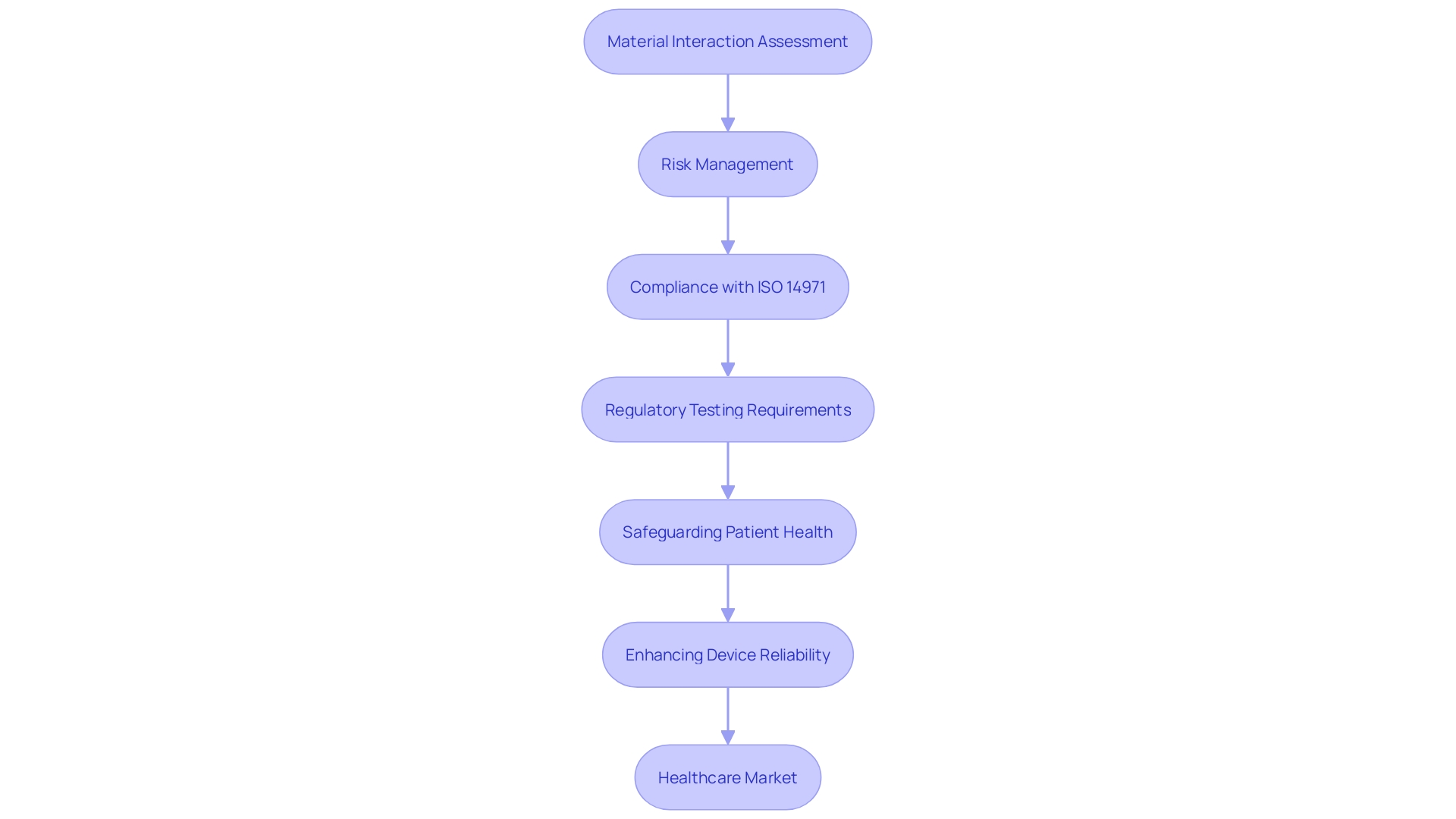
Overview of the ISO 10993 Standards for Biocompatibility Testing
The are crucial in the assessment of compatibility for healthcare tools, providing a systematic method to guarantee . These standards encompass a to assess such as cytotoxicity, sensitization, and irritation. The guidelines are carefully customized to the particular instrument and its intended medical application, which fosters a uniform method across various producers, thus improving consistency and dependability in compatibility evaluations.
Compliance with is not merely a procedural formality but a critical requirement for across various regions globally. This compliance ensures that adheres to international safety benchmarks, facilitating their market entry and acceptance. As regulatory landscapes evolve, understanding and adhering to these standards become imperative for manufacturers aiming to maintain market relevance and meet the rigorous demands of regulatory bodies.
The significance of is further emphasized by its role in addressing the potential risks related to interactions with biological systems. These risks extend beyond chemical toxicity and include physical characteristics such as geometry and surface properties. The FDA, for instance, advises monitoring changes in manufacturing and processing parameters since these can significantly impact biocompatibility. Leveraging data from previous experiences and published literature can provide valuable insights into potential risks, ensuring a robust evaluation process.
In the dynamic realm of healthcare instruments, the act as a foundation for guaranteeing that products are safe and effective for their intended application, strengthening the dedication to and regulatory adherence.
Key Biocompatibility Tests: Cytotoxicity, Irritation, and Sensitisation
‘ play a crucial role in assessing the potential harmful effects of healthcare product materials on cellular well-being, utilizing cultured cell systems to evaluate cell viability and function.’. Irritation tests, on the other hand, are designed to determine whether materials can provoke localized inflammatory reactions upon contact with biological tissues. Sensitization tests further evaluate the potential for materials to cause allergic responses, an essential factor in ensuring patient compatibility and safety.
‘These are essential in the healthcare product assessment process, enabling producers to recognize and mitigate possible risks prior to .’. A comprehensive understanding of how materials interact with biological systems guides necessary adjustments and innovations, ultimately enhancing and device efficacy. As stated in a GlobalData report, progress in , like the expanding 3D printing industry, highlights the significance of thorough . Ensuring compliance with evolving is paramount for market approval and , as highlighted by industry experts.
Challenges and Future Directions in Biocompatibility Testing
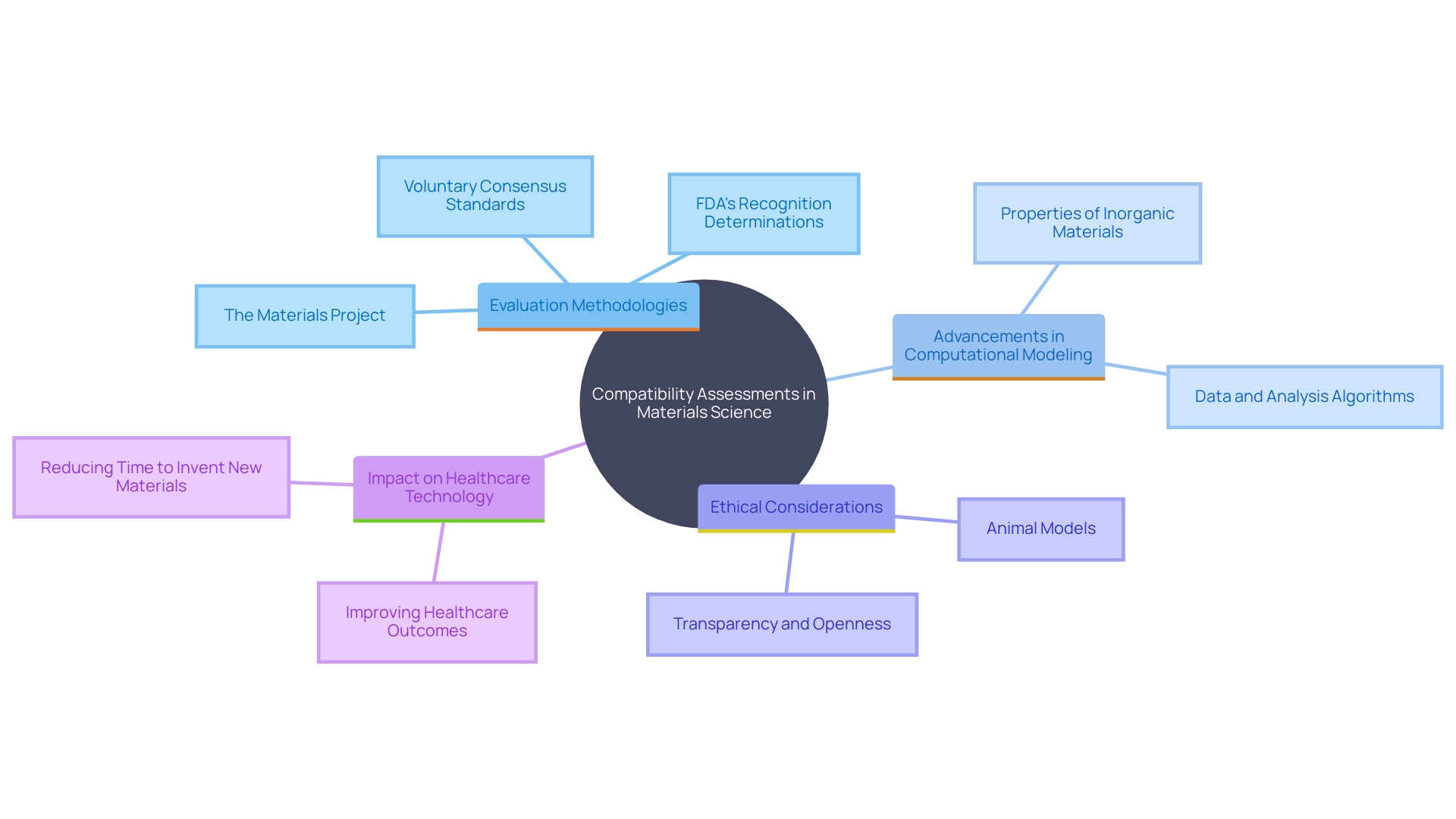
Despite adherence to established standards, compatibility assessments continue to face challenges, including variability in and interpretation of results. Progress in materials science requires continuous revisions to to ensure they stay pertinent. Recent advancements in and laboratory assessments provide encouraging paths to simplify , potentially decreasing dependence on animal models and tackling ethical issues. For instance, such models can provide a more comprehensive understanding of , which traditional 2D cell cultures often fail to capture. This development seeks to improve the efficiency and effectiveness of , ultimately resulting in safer healthcare items. According to Medtronic, continuous innovation in is essential to tackling the most challenging health problems, aligning with the industry’s mission to alleviate pain, restore health, and extend life. As we progress, incorporating these advanced approaches in compatibility assessment not only guarantees improved results but also highlights a dedication to ethical and impactful .
Case Study: Applying Biocompatibility Testing Standards in Practice
In a recent case study, a company creating an innovative cardiovascular tool carried out extensive compatibility assessments following . These tests included cytotoxicity and sensitization evaluations, which are crucial for assessing the potential adverse effects on human tissues. The results confirmed acceptable biocompatibility, paving the way for a successful . ‘This situation emphasizes the essential role of following standardized testing protocols, as highlighted by Bijan Elahi, an experienced professional in , who stresses the significance of and adherence to .’. Rigorous , as defined by the FDA, ensures that meet all safety and effectiveness criteria, thereby facilitating innovation and standardization in the MedTech industry.
Conclusion
Ensuring the safety and efficacy of medical devices through biocompatibility testing is an essential component of modern healthcare. This process not only identifies potential adverse reactions but also reinforces patient trust and device reliability. Regulatory bodies emphasize the significance of these tests, aligning them with rigorous standards such as ISO 10993, which provides a structured framework for assessing the biological responses of materials used in medical devices.
The comprehensive evaluation of biocompatibility encompasses critical tests for cytotoxicity, irritation, and sensitization. These assessments are vital for identifying potential hazards before clinical application, thereby enhancing patient safety and device effectiveness. As the medical device landscape continues to evolve, manufacturers must remain vigilant in adhering to international safety benchmarks and adapting to regulatory changes.
Challenges such as variability in testing methodologies and the need for updated protocols persist in the field of biocompatibility testing. However, advancements in computational modeling and in vitro testing present promising solutions that could lead to more efficient and ethical evaluations. The integration of these innovative approaches not only aims to reduce reliance on traditional methods but also highlights a commitment to improving patient outcomes in medical technology.
In summary, biocompatibility testing stands as a cornerstone of medical device development, ensuring that innovations meet stringent safety criteria. As the industry progresses, maintaining compliance with established standards while embracing new methodologies will be crucial for fostering trust and ensuring the well-being of patients globally.
Frequently Asked Questions
What is biocompatibility evaluation?
Biocompatibility evaluation assesses how materials used in medical devices interact with biological systems. This process identifies potential adverse reactions, ensuring patient safety and device reliability.
Why is biocompatibility testing important?
Biocompatibility testing is crucial for safeguarding patient health, enhancing the reliability of medical devices, and facilitating their acceptance in the market. Regulatory bodies require these assessments to mitigate risks associated with materials used in healthcare products.
What standards govern biocompatibility assessment?
The ISO 10993 standards provide a systematic approach to biocompatibility testing, including evaluations of cytotoxicity, sensitization, and irritation. Compliance with these standards is essential for regulatory approvals worldwide.
What types of tests are included in biocompatibility assessments?
Key tests include: Cytotoxicity tests: Evaluate harmful effects on cell viability and function. Irritation tests: Determine if materials provoke inflammatory reactions in tissues. Sensitization tests: Assess the potential for allergic responses to materials.
How do regulatory bodies influence biocompatibility testing?
Regulatory bodies enforce compliance with standards like ISO 10993 to ensure medical devices meet international safety benchmarks. This compliance is critical for gaining market entry and maintaining trust in healthcare innovations.
What challenges exist in biocompatibility assessments?
Despite established protocols, challenges include variability in testing methods and result interpretations. Continuous advancements in materials science and the introduction of computational modeling are helping to address these issues.
How does the global healthcare market impact biocompatibility evaluations?
Companies face additional challenges due to varying regulations across regions. Many opt for worldwide compliance to streamline market entry and reduce administrative burdens, which helps maintain trust in medical devices.
Can advancements in technology improve biocompatibility evaluations?
Yes, innovations such as computational modeling and improved laboratory assessments aim to enhance compatibility evaluations. These advancements may reduce reliance on animal models and improve the understanding of cellular interactions.
What is the role of risk management in biocompatibility?
Thorough risk management, including adherence to standards like ISO 14971, is essential in the medical equipment industry. It helps identify and mitigate potential risks, thus supporting patient safety and regulatory compliance.
Can you provide an example of successful biocompatibility assessment?
A recent case study highlighted a company that conducted extensive compatibility assessments for a cardiovascular tool following ISO 10993 standards. The results confirmed acceptable biocompatibility, facilitating a successful regulatory submission and emphasizing the importance of standardized testing protocols.
List of Sources
- The Importance of Biocompatibility Testing in Medical Devices
- medicaldevice-network.com (https://medicaldevice-network.com/news/fluidform-advance-3d-printed-heart-tissue-for-drug-testing)
- medtechsafety.com (https://medtechsafety.com)
- elsevier.com (https://elsevier.com/industry/medical-device-regulation?dgcid=RN_CM_Sourced_400006591#2-mdr-webinars)
- starfishmedical.com (https://starfishmedical.com/blog/esg-medical-device-impact)
- fda.gov (https://fda.gov/medical-devices/premarket-submissions-selecting-and-preparing-correct-submission/division-standards-and-conformity-assessment)
- medicalplasticsnews.com (https://medicalplasticsnews.com/medical-plastics-industry-insights/medical-plastics-regulatory-insights/put-to-the-test-ensuring-the-safety-of-medical-respiratory-d)
- greenlight.guru (https://greenlight.guru/blog/navigating-clinical-evaluations-and-investigations-in-medtech)
- easymedicaldevice.com (https://easymedicaldevice.com/how-to-register-medical-device-saudi-arabia?utm_source=rss&utm_medium=rss&utm_campaign=how-to-register-medical-device-saudi-arabia)
- rimsys.io (https://rimsys.io/blog/fda-listed-cleared-approved-granted)
- Overview of the ISO 10993 Standards for Biocompatibility Testing
- medtechintelligence.com (https://medtechintelligence.com/news_article/fda-adopts-iso-13485-with-qmsr-final-rule)
- starfishmedical.com (https://starfishmedical.com/blog/esg-medical-device-impact)
- greenlight.guru (https://greenlight.guru/blog/navigating-clinical-evaluations-and-investigations-in-medtech)
- schlafenderhase.com (https://schlafenderhase.com/ebooks/medical-device-report-how-are-compliance-strategies-evolving)
- achievexl.com (https://achievexl.com/iso-14971-certification-training)
- fda.gov (https://fda.gov/medical-devices/premarket-submissions-selecting-and-preparing-correct-submission/division-standards-and-conformity-assessment)
- greenlight.guru (https://greenlight.guru/blog/recent-fda-draft-guidances)
- starfishmedical.com (https://starfishmedical.com/blog/risk-management-fda-guidance-iso-10993-1)
- medtechintelligence.com (https://medtechintelligence.com/news_article/medtech-regulatory-intelligence-virtual-summit)
- Key Biocompatibility Tests: Cytotoxicity, Irritation, and Sensitisation
- medicaldevice-network.com (https://medicaldevice-network.com/news/fluidform-advance-3d-printed-heart-tissue-for-drug-testing)
- fda.gov (https://fda.gov/medical-devices/premarket-submissions-selecting-and-preparing-correct-submission/division-standards-and-conformity-assessment)
- starfishmedical.com (https://starfishmedical.com/blog/esg-medical-device-impact)
- federalregister.gov (https://federalregister.gov/documents/2024/09/20/2024-21575/chemical-analysis-for-biocompatibility-assessment-of-medical-devices-draft-guidance-for-industry-and)
- starfishmedical.com (https://starfishmedical.com/blog/commercializing-medical-devices-with-optics)
- elsevier.com (https://elsevier.com/industry/medical-device-regulation?dgcid=RN_CM_Sourced_400006591#2-mdr-webinars)
- schlafenderhase.com (https://schlafenderhase.com/ebooks/medical-device-report-how-are-compliance-strategies-evolving)
- Challenges and Future Directions in Biocompatibility Testing
- fda.gov (https://fda.gov/news-events/press-announcements/fda-roundup-december-19-2023)
- salesandmarketingnetwork.com (https://salesandmarketingnetwork.com/news_release_bs.html?ID=2048116)
- starfishmedical.com (https://starfishmedical.com/blog/fda-guidance-on-cms-in-medical-device-submissions)
- fda.gov (https://fda.gov/medical-devices/premarket-submissions-selecting-and-preparing-correct-submission/division-standards-and-conformity-assessment)
- frontiersin.org (https://frontiersin.org/articles/10.3389/fchem.2023.1332258/full?utm_source=S-TWT&utm_medium=SNET&utm_campaign=ECO_FCHEM_XXXXXXXX_auto-dlvrit)
- pubmed.ncbi.nlm.nih.gov (https://pubmed.ncbi.nlm.nih.gov/37719085)
- greenlight.guru (https://greenlight.guru/blog/quality-myths-lessons-learned-part-ii)
- nam.edu (https://nam.edu/regenerative-medicine-case-study-for-understanding-and-anticipating-emerging-science-and-technology)
- fda.gov (https://fda.gov/medical-devices/premarket-submissions-selecting-and-preparing-correct-submission/division-standards-and-conformity-assessment)
- next-gen.materialsproject.org (https://next-gen.materialsproject.org/about)
- Case Study: Applying Biocompatibility Testing Standards in Practice
- fda.gov (https://fda.gov/medical-devices/premarket-submissions-selecting-and-preparing-correct-submission/division-standards-and-conformity-assessment)
- prnewswire.com (https://prnewswire.com/news-releases/boston-scientific-receives-fda-approval-for-expanded-indication-of-ingevity-pacing-leads-to-include-conduction-system-pacing-of-the-left-bundle-branch-area-302249916.html)
- starfishmedical.com (https://starfishmedical.com/blog/esg-medical-device-impact)
- greenlight.guru (https://greenlight.guru/blog/navigating-clinical-evaluations-and-investigations-in-medtech)
- achievexl.com (https://achievexl.com/iso-14971-certification-training)
- medicaldevice-network.com (https://medicaldevice-network.com/news/fda-grants-breakthrough-device-designation-for-renovos-bone-graft-gel)
- starfishmedical.com (https://starfishmedical.com/blog/risk-management-fda-guidance-iso-10993-1)
- medicaldevice-network.com (https://medicaldevice-network.com/news/fluidform-advance-3d-printed-heart-tissue-for-drug-testing)
- greenlight.guru (https://greenlight.guru/blog/cardiac-arrest-5-heart-stopping-years-as-a-ceo-on-the-feds-hit-list)
- medtechsafety.com (https://medtechsafety.com)
- fda.gov (https://fda.gov/regulatory-information/search-fda-guidance-documents/guidance-industry-recommendations-early-food-safety-evaluation-new-non-pesticidal-proteins-produced)
Leave a Reply