
Introduction
Clinical research organizations (CROs) have become indispensable collaborators in the development of new medical treatments. These organizations, such as CMIC Group in Japan, offer a wide range of services that support the entire lifecycle of pharmaceutical development and ensure compliance with regulatory standards. CROs go beyond traditional boundaries by providing end-to-end solutions, navigating the complex pathways from drug development to market entry.
They play a crucial role in the orchestration of clinical trials, contributing to the understanding of economic factors associated with innovative treatments. With advancements in online tools, patient participation in clinical trials has become simpler, emphasizing fair compensation for trial participants. This article explores the role of CROs in medical research, advancements in rare diseases, streamlining clinical trial processes, and future directions in leveraging health data and technological advancements.
This comprehensive overview highlights the vital contribution of CROs to the healthcare industry in a professional and informative tone.
Background
have evolved to become integral collaborators in the development of new medical treatments, operating as strategic allies to various stakeholders in the healthcare sector, including pharmaceutical companies, biotechnology firms, academic institutions, and even medical device manufacturers. A prime example is CMIC Group, Japan’s first and largest CRO, which has been at the forefront of innovation for over 30 years. They offer a that support the entire lifecycle of pharmaceutical development, including patient recruitment, data management, and ensuring compliance with ever-changing regulatory standards.
CROs, such as CMIC, go beyond traditional boundaries by providing that meet the unique needs of their customers, effectively assisting in maneuvering the complex pathways from drug development to market entry. Their adept handling of the globalization of , which is an increasingly relevant aspect as companies strive to develop therapies that may involve participants from remote areas with rare diseases or distinct health conditions.
By playing a pivotal role in the orchestration of , CROs facilitate crucial research that underpins the safety and effectiveness of new pharmacological interventions, medical devices, and treatment protocols. Moreover, they actively contribute to the healthcare industry’s understanding of economic factors associated with innovative treatments, a perspective increasingly valuable in today’s cost-conscious environment.
In the realm of , the simplicity of finding and qualifying for has been significantly enhanced by advancements in online tools and services, guiding patients effortlessly through the selection process based on specific criteria. With an expanded ethical view recognizing the importance of treating participants fairly, many CROss now also emphasize the for their contributions to medical science and public health advancements.
The Role of CROs in Medical Research
organizations (CROs) are indispensable in the intricate ecosystem of medical research and innovation. They epitomize expertise in orchestrating study design, administering , and managing robust data collection. Their ability to streamline research processes not only enhances efficiency but also upholds the highest standards of and data integrity.
A testament to their collaborative prowess is evident in the alliance of CROss with pharmaceutical and biotechnology firms, drawing on a synergy that accelerates the execution of clinical studies while maintaining strict regulatory compliance.
One remarkable example of this collaboration is the OrcHESTRAS study, overseen by Curavit in partnership with MedRhythms. This carefully designed clinical trial explores the economic implications of novel stroke therapies on the US healthcare system, involving patient recruitment, IRB approvals, and comprehensive health economics outcomes analysis. The emphasis on tech-enabled research methodologies allows for rapid deployment and a focus on both and fiscal prudence.
is celebrated for its significance in advancing medical treatment options. Moreover, the shared journeys of patients and researchers underline the profound impact of . DeVries’s commitment to providing a meaningful experience for participants in a spinal cord injury drug study exemplifies the deep dedication to excellence in patient care within the trial environment.
The insights of healthcare leaders working in rare diseases, like those in the neuronal ceroid lipofuscinoses, highlight the urgency of preparing for innovative treatments through robust research readiness. Furthermore, patient organizations play a pivotal role in informing patients and advocating for that address both rare and common diseases.
CROs remain at the vanguard of this global endeavor, integrating traditional and modern approaches to medical research that ultimately strive towards advancing patient care while judiciously utilizing resources, a pursuit that has witnessed substantial deals and financial investments over the years, reflecting the growing value placed on these partnerships.
Case Study: Advancements in Medical Research
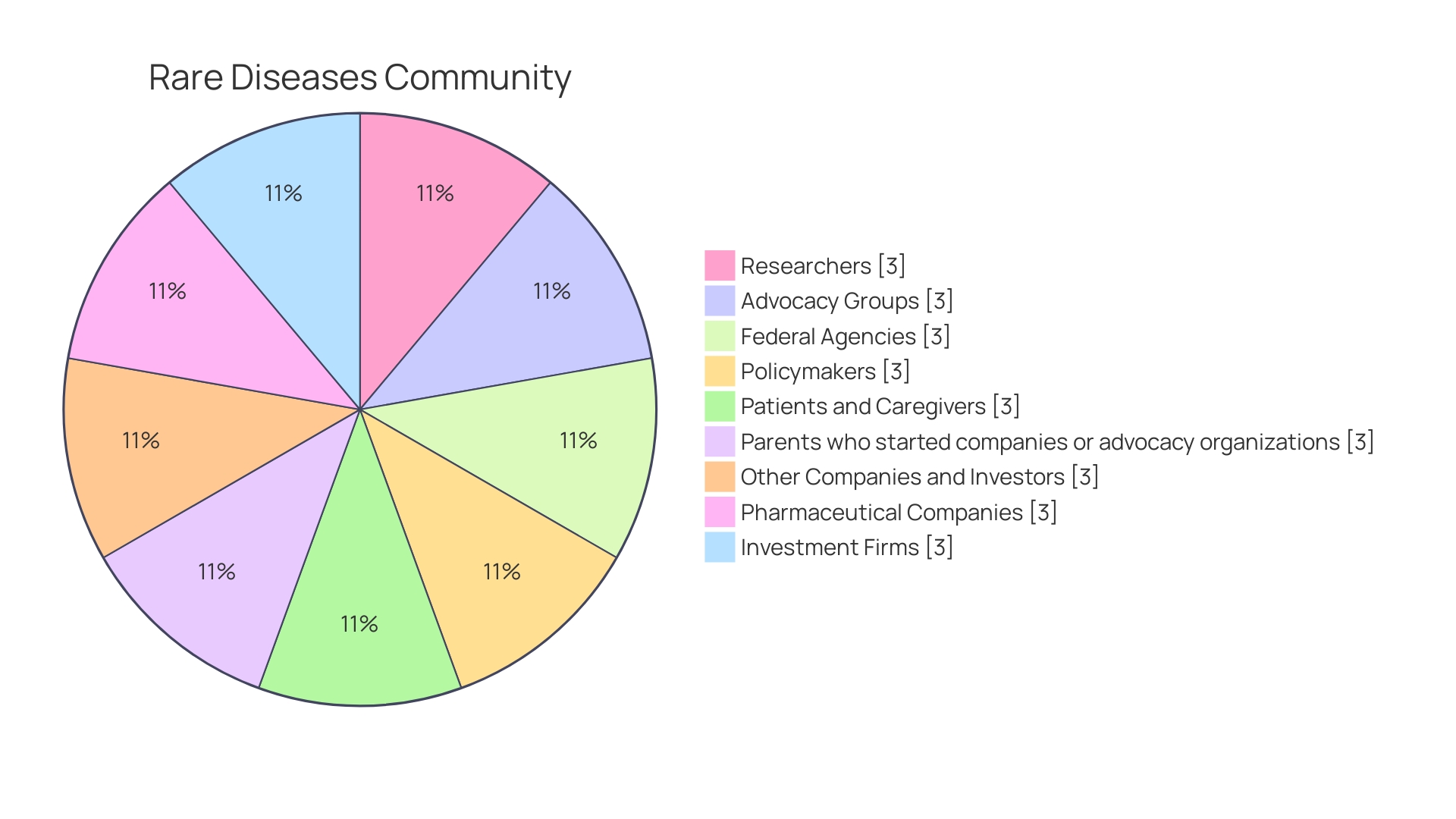
in the United States have been at the forefront of ushering in medical breakthroughs, particularly in the realm of . Building bridges across a myriad of healthcare providers and , CROss have demonstrated unparalleled agility in , even for rare conditions affecting a minute fragment of the population. Their strategic outreach is bolstered by the collaborative inclusion of , making these stakeholders fundamental contributors to the research process from its inception to the release of findings.
, as categorized by the U.S. FDA, impact less than 200,000 people nationwide individually. However, when viewed collectively, over 7,000 identified touch the lives of approximately 10% of the U.S. populace. This compounding effect dramatically magnifies their significance.
Acknowledging this, CROss leverage the intimate knowledge and expertise of clinical specialists and harness unconventional data sources, such as online forums, to enrich their research methodology, thereby offering a more comprehensive understanding of these ailments.
Furthermore, unique approaches that pivot on patient convenience and accessibility are prioritized. For instance, with debilitating conditions making participation arduous, innovative patient-centric data collection methods are adopted, emphasizing the importance of accommodating the participants’ needs. An illustrative hallmark in this field is the treatment of – characterized by defective hemoglobin and currently affecting around 100,000 individuals in the U.S. Gene-editing technologies are being explored as a hopeful intervention for this and other genetic disorders, emphasizing the groundbreaking work spearheaded by CROs.
The efforts of CROs are characterized by a deep commitment to understanding the nuances of , reinforced by a robust network of stakeholders, including the , patient communities, and private sector pioneers motivated by personal stakes in the outcomes. Prominent cases like Susannah’s – afflicted by the ultra-rare KIF1A mutation – illuminate the promising trajectory of bespoke treatments developed through relentless ingenuity and dedication, offering hope to the rare disease community. The resultant synergy produces a dynamic landscape where the essence of scientific achievement is magnified by its profound human impact, setting a new precedence for personalized medicine.
Case Study: Streamlining Clinical Trial Processes
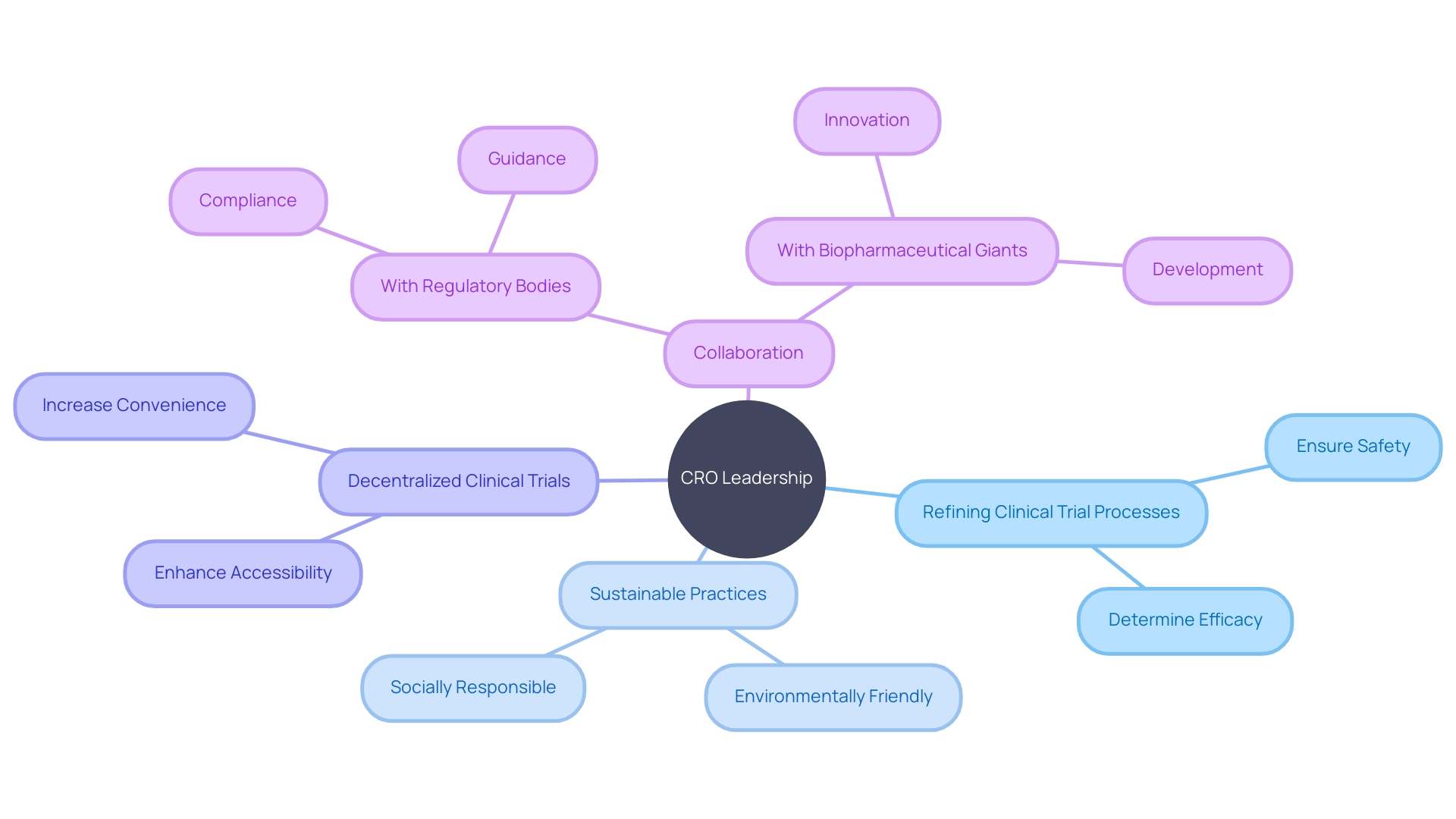
CROs have exhibited leadership in refining , not only by shortening the timeframes but also by refining operational effectiveness. Their efforts have catalyzed the expedited availability of , offering hope to those awaiting new medical interventions. They have been on the frontline, , ensuring the precision and dependability of trial outcomes.
With the looming climate crisis recognized as a seminal health challenge, the pursuit of environmental responsibility has become indispensable in healthcare. CROs are turning the tide by integrating in clinical trials. By harnessing digital innovations and eco-friendly methodologies, they are crafting a new paradigm where clinical trials are conducted with a reduced environmental footprint without sacrificing access or patient experience.
For instance, the introduction of a Carbon Emission Index for trial teams heralds a future where environmental considerations are engrained in trial design. This not only demonstrates the sector’s commitment to sustainability but also aligns with global imperatives to curtail greenhouse gas emissions attributable to healthcare.
Furthermore, and the implementation of (DCTs) are revolutionizing the research landscape. The Orchestras study is an exemplar, demonstrating how collaboration and tech-enabled research approaches can yield robust data while maintaining economic sensibility. MedRhythms’ partnership with Curavit exemplifies this, highlighting the potential for such models to concurrently deliver patient-focused solutions and sustained financial efficiency.
CROs are also paying close attention to regulatory bodies like the MHRA and innovating alongside like AstraZeneca to shape the future of medicine. With an ever-evolving product portfolio targeting major therapeutic areas and expanding through strategic market channels, these collaborations signify an agile and future-forward approach to clinical research that promises not only safety and effectiveness but also progressive patient involvement and environmental stewardship. Overall, CROss are not just enhancing the clinical trial landscape but are fundamentally redefining it through innovation, sustainability, and strategic collaborations.
Future Directions
are at the forefront of leveraging the surge in health data and technological advancements to heighten the efficiency of . Complexities arising from the increasing magnitude of data produced in Phase 3 trials, now averaging 3.6 million data points, demand sophisticated methods for data management and analysis. An illustrious example of innovation in trial design is demonstrated by , which harbor great potential yet also pose challenges in operationalizing study goals due to uncertainties in existing trial sites and infrastructures.
The momentum for adopting such practices is echoed by the monumental growth in , currently doubling every 70 days.
The convergence of Artificial Intelligence (AI) and Machine Learning (ML) with healthcare represents a paradigm shift, facilitating the materialization of by personalizing treatment and expediting the trial process. AI, in its versatile applications, spans from identifying potential drug candidates to simulating clinical and operational outcomes, thereby minimizing risks and optimizing studies from inception. A case in point is a demonstration project that complementary utilized EHR data in a multi-center pharmaceutical industry outcomes trial, showcasing how a central coordinating center adeptly supported sites through technical, governance, and operational challenges.
Thus, the trajectory ahead for medical research comprises a collaborative ecosystem where CROs, pharmaceuticals, and regulators unite, harnessing AI to predict risks and enhance dependability. This future envisions integration of , solidifying CROs’ role in propelling clinical research. The consequence is a more efficient, effective clinical trial process informed by tools such as wearables and digital patient engagement instruments, which yield more consistent data.
Moreover, the digitalization of clinical trial processes could enable faster drug delivery and more reliable healthcare systems, aligning with the ultimate goal of ameliorating patient outcomes globally.
Conclusion
Clinical research organizations (CROs) are integral collaborators in the development of new medical treatments. They provide end-to-end solutions, navigate complex pathways, and ensure compliance with regulatory standards. CROs streamline clinical trial processes, prioritize patient participation, and emphasize fair compensation.
CROs excel in study design, clinical trial administration, and data management, upholding patient safety and data integrity. Their expertise is evident in their collaboration with pharmaceutical and biotechnology firms, accelerating clinical studies while maintaining regulatory compliance.
In the realm of medical research, CROs make significant advancements, especially in rare diseases. They excel in patient recruitment for clinical trials and utilize unconventional data sources to enrich research methodologies. This dedication results in groundbreaking treatments and personalized medicine options.
CROs continuously refine clinical trial processes, shortening timeframes and improving operational effectiveness. They prioritize sustainability and integrate digital innovations to reduce environmental impact. Strategic partnerships and decentralized clinical trials (DCTs) revolutionize the research landscape, ensuring patient-centric solutions and fiscal efficiency.
Looking ahead, CROs leverage health data and technological advancements to enhance clinical trials. The convergence of artificial intelligence (AI) and machine learning (ML) personalizes treatment and expedites the trial process. Integration of digital health solutions, real-world evidence, wearables, and patient engagement instruments streamlines the clinical trial process, improving patient outcomes globally.
In conclusion, CROs are indispensable collaborators in medical research, propelling innovation, sustainability, and strategic collaborations. They ensure the development of safe and effective treatments by navigating complex pathways and embracing advancements in health data and technology. CROs play a vital role in the healthcare industry, improving patient outcomes and contributing to the advancement of medical science.
Frequently Asked Questions
What are Clinical Research Organizations (CROs)?
CROs are specialized organizations that aid in the development of new medical treatments by collaborating with stakeholders like pharmaceutical companies, biotech firms, academic institutions, and medical device manufacturers. They provide services to support the full lifecycle of drug development.
What types of services do CROs like CMIC Group offer?
CROs such as CMIC Group offer a comprehensive range of services, including patient recruitment, data management, regulatory compliance, and end-to-end solutions that support the journey from drug development to market entry.
Why are CROs important in global clinical trials?
CROs are crucial in managing the complexities of global clinical trials, including cross-border research logistics, which allows for the inclusion of participants from diverse backgrounds and with rare diseases, ensuring the trials are comprehensive and inclusive.
How have CROs impacted patient participation in clinical trials?
Advancements in online tools and services have simplified the process for patients to find and qualify for clinical trials. Many CROs now also emphasize fair compensation for trial participants, recognizing their important contributions to medical science.
What was the OrcHESTRAS study and which organizations were involved?
The OrcHESTRAS study, overseen by Curavit in partnership with MedRhythms, explored the economic implications of novel stroke therapies on the US healthcare system. It involved patient recruitment, IRB approvals, and health economics outcomes analysis.
How do CROs contribute to rare disease research in the United States?
CROs in the U.S. are pivotal in connecting healthcare providers and patient advocacy networks for rare disease research. They recruit patients for clinical trials, leverage intimate knowledge from specialists, and utilize unconventional data sources to enhance research methodology.
What is the significance of the Rare Disease Innovation Hub and rare diseases in the U.S.?
The FDA’s Rare Disease Innovation Hub, along with patient communities and private sector partners, work to understand and address rare diseases, which individually affect less than 200,000 people nationwide but collectively impact around 10% of the U.S. population.
How are CROs advancing the field of genetic disorders like sickle cell disease?
CROs are exploring gene-editing technologies as potential treatments for genetic disorders such as sickle cell disease, which affects approximately 100,000 individuals in the U.S., demonstrating their commitment to groundbreaking medical research.
What steps are CROs taking to make clinical trials more sustainable?
CROs are incorporating digital innovations and eco-friendly methodologies to reduce the environmental footprint of clinical trials. They are also introducing tools like the Carbon Emission Index to integrate environmental considerations into trial design.
How are decentralized clinical trials (DCTs) changing the research landscape?
DCTs allow for collaboration and tech-enabled research approaches to collect robust data while maintaining economic sensibility. They offer patient-focused solutions and sustainable financial efficiency.
What role will technology play in the future of clinical trials?
Technological advancements such as AI and ML will enable the personalization of treatment and expedite trial processes. The digitalization of clinical trials could lead to faster drug delivery and more reliable healthcare systems, ultimately improving patient outcomes globally.
List of Sources
- Background
- prnewswire.com (https://www.prnewswire.com/news-releases/medrhythms-selects-curavit-as-its-contract-research-organization-cro-for-a-chronic-stroke-decentralized-clinical-trial-301932835.html)
- biztoc.com (https://biztoc.com/t/biomedicalresearch)
- cryptonews.com (https://cryptonews.com/news/patientory-inc-and-esg-initiatives-wiva-combine-forces-to-advance-democratization-of-healthcare-data.htm)
- fortrea.com (https://www.fortrea.com)
- medhealthoutlook.com (https://medhealthoutlook.com/three-best-practices-to-combat-clinical-trial-pain-points-scott-gray-ceo-of-clincierge/)
- letswinpc.org (https://letswinpc.org/disease-management/clinical-trials-patients-starting-point/)
- nature.com (https://www.nature.com/articles/d41573-024-00107-2)
- en.cmicgroup.com (https://en.cmicgroup.com)
- The Role of CROs in Medical Research
- medhealthoutlook.com (https://medhealthoutlook.com/three-best-practices-to-combat-clinical-trial-pain-points-scott-gray-ceo-of-clincierge/)
- statnews.com (https://www.statnews.com/2024/07/10/community-based-research-increase-diversity-clinical-trials/?utm_campaign=rss)
- ctsi.umn.edu (https://ctsi.umn.edu/news/rewards-being-research-professional)
- prnewswire.com (https://www.prnewswire.com/news-releases/medrhythms-selects-curavit-as-its-contract-research-organization-cro-for-a-chronic-stroke-decentralized-clinical-trial-301932835.html)
- news-medical.net (https://www.news-medical.net/news/20240813/PCORI-announces-24165-million-in-new-funding-for-comparative-clinical-effectiveness-research.aspx)
- freopp.org (https://freopp.org/no-contest-small-pharma-innovates-better-than-big-pharma-b537509ee90c)
- iqvia.com (https://www.iqvia.com/insights/the-iqvia-institute/reports-and-publications/reports/supporting-patients-through-research-collaboration)
- mgriblog.org (https://mgriblog.org/2024/02/27/how-a-chance-encounter-led-one-mass-general-researcher-on-a-decade-long-journey-of-discovery/)
- flccc.substack.com (https://flccc.substack.com/p/enrollment-is-now-open-for-the-flcccs?utm_source=profile&utm_medium=reader2)
- cgtlive.com (https://www.cgtlive.com/view/partnership-patient-advocacy-groups-key-clinical-trial-end-point-selection)
- researchinaction.libsyn.com (https://researchinaction.libsyn.com/site/empowering-patient-centered-research-through-technology-and-engagement/?src1=:so:ch:or:awr)
- Case Study: Advancements in Medical Research
- pmlive.com (https://pmlive.com/pharma_thought_leadership/overcoming-challenges-in-rare-disease-research-with-patients/)
- uofuhealth.utah.edu (https://uofuhealth.utah.edu/newsroom/news/2024/02/rare-not-forgotten)
- nih.gov (https://www.nih.gov/about-nih/what-we-do/science-health-public-trust/perspectives/communicating-about-rare-diseases?utm_source=Twitter&utm_medium=Social&utm_campaign=RD+blog+post)
- thefdalawblog.com (https://www.thefdalawblog.com/2024/07/at-long-last-fda-unveils-plan-for-rare-disease-innovation-hub/?utm_source=rss&utm_medium=rss&utm_campaign=at-long-last-fda-unveils-plan-for-rare-disease-innovation-hub)
- usatoday.com (https://www.usatoday.com/story/news/health/2023/11/26/rare-diseases-bespoke-medical-therapies/71654386007/)
- npr.org (https://www.npr.org/sections/health-shots/2023/10/31/1208041252/a-landmark-gene-editing-treatment-for-sickle-cell-disease-moves-closer-to-realit)
- npr.org (https://www.npr.org/sections/health-shots/2023/12/08/1217123089/fda-approves-first-gene-editing-treatments-for-human-illness%7C)
- cgtlive.com (https://www.cgtlive.com/view/partnership-patient-advocacy-groups-key-clinical-trial-end-point-selection)
- nih.gov (https://www.nih.gov/about-nih/what-we-do/science-health-public-trust/perspectives/communicating-about-rare-diseases?utm_source=Twitter&utm_medium=Social&utm_campaign=RD+blog+post)
- Case Study: Streamlining Clinical Trial Processes
- astrazeneca.com (https://www.astrazeneca.com/what-science-can-do/topics/clinical-innovation/clinical-innovation-driving-sustainable-clinical-trials.html?utm_source=twitter&utm_medium=clinical+innovation+social+media&utm_term=11992&utm_content=biopharma+r%26d)
- gov.uk (https://www.gov.uk/government/case-studies/agile-responsive-regulation-helps-early-breast-cancer-patients-to-benefit-from-a-study-to-potentially-improve-survival-outcomes)
- medhealthoutlook.com (https://medhealthoutlook.com/three-best-practices-to-combat-clinical-trial-pain-points-scott-gray-ceo-of-clincierge/)
- hitconsultant.net (https://hitconsultant.net/2023/11/21/clinical-trial-data-strategy-shifting-to-innovative-data-collection/)
- greenlight.guru (https://www.greenlight.guru/blog/outsourcing-clinical-activities-in-2024-choosing-a-cro)
- prnewswire.com (https://www.prnewswire.com/news-releases/medrhythms-selects-curavit-as-its-contract-research-organization-cro-for-a-chronic-stroke-decentralized-clinical-trial-301932835.html)
- clinicaltrialsarena.com (https://www.clinicaltrialsarena.com/news/clinical-trial-approval-times-to-halve-under-new-mhra-scheme/)
- cancerletter.com (https://cancerletter.com/clinical-roundup/20240112_8a/)
- fortrea.com (https://www.fortrea.com)
- vimeo.com (https://vimeo.com/891707034/c2b8ebb0fd?share=copy|)
- fortrea.com (https://www.fortrea.com)
- Future Directions
- trialsjournal.biomedcentral.com (https://trialsjournal.biomedcentral.com/counter/pdf/10.1186/s13063-023-07563-y)
- nam.edu (https://nam.edu/regenerative-medicine-case-study-for-understanding-and-anticipating-emerging-science-and-technology/)
- ncbi.nlm.nih.gov (https://www.ncbi.nlm.nih.gov/pmc/articles/PMC2656491/)
- medtechintelligence.com (https://medtechintelligence.com/column/the-power-of-ai-to-enhance-clinical-trials/)
- hitconsultant.net (https://hitconsultant.net/2023/09/01/self-driving-clinical-trial-ai-ml-optimization/)
- forbes.com (https://www.forbes.com/sites/forbesbusinessdevelopmentcouncil/2023/09/14/the-next-generation-of-clinical-trials-ai-and-new-ways-to-use-data/)
- innotechtoday.com (https://innotechtoday.com/how-tech-could-reshape-the-clinical-trial-process/)
- usatoday.com (https://www.usatoday.com/story/special/contributor-content/2023/08/17/biophy-achieves-80-accuracy-in-predicting-clinical-trial-outcomes/70611320007/)
Leave a Reply