
Introduction
Contract Research Organizations (CROs) are the backbone of clinical research, providing essential services to the pharmaceutical and biomedical industries. These companies, such as CMIC Group, have evolved from mere trial supporters to comprehensive partners that offer a wide range of development and manufacturing solutions. With their expertise in navigating the complexities of clinical trials, including regulatory landscapes and ethical considerations, CROs are strategic allies, providing tailored services at each phase of drug development.
They are also at the forefront of addressing societal values by advocating for fairness in participant compensation and implementing approaches to make trials accessible and inclusive. The future of CROs lies in technological innovation and adaptability in response to global events like the COVID-19 pandemic. As industry leaders, CROs are revolutionizing clinical research by integrating workflows, data utilization, and technology while prioritizing participant rights and diversity.
With their extensive industry knowledge and resources, CROs empower sponsors to focus on core objectives, ensuring efficient and reliable clinical trials.
What are Clinical Trial Companies?
As the nerve centers of , provide indispensable services to entities in the pharmaceutical and biomedical sectors. With a history stretching over three decades, have demonstrated the evolution and expansion of CROss from mere supporters of to comprehensive partners that influence the . This includes offering , and direct engagement with health solutions and marketing strategies.
CROs today stand out as strategic allies, adept at navigating the complexities of with an extensive repertoire of services tailored to meet the specific needs at each phase of drug development. Their expertise is informed by the intricacies of regulatory landscapes and ethical considerations which are as central to conducting as the scientific and logistical aspects. For example, CMIC revolutionized the CRO business in Japan by integrating full-cover services that facilitate smooth transitions from the preclinical stage to practical applications.
Offering more than mere facilitation, CROs like CMIC are at the forefront of adapting clinical trial practices to reflect societal values, including fairness in participant compensation. As market leaders, these organizations set precedents for balancing the risks participants undertake with appropriate remuneration, ensuring that their contributions are recognized as crucial to the advancement of public health. In the era where diverse and equitable inclusion in is paramount, CROss are advocating for and implementing approaches that make trials accessible and just.
Reports from industry thought leaders suggest that the future of CROs will be marked by , which includes the deployment of AI. Moreover, with the advent of global events like the COVID-19 pandemic, flexibility and adaptability have become central themes in , with CROss expected to continue playing a pivotal role in accommodating these emergent needs. These organizations are emerging as crucial in reimagining how to expedite through integrated workflows, data utilization, and technology while emphasizing the protection of participant rights and promoting diversity.
The vital role of CROs is supported by statistics that show industry-based analysis dominates , with varying commitments to trial transparency—one of the many challenges CfOs are navigating. As they continue to converge their extensive industry knowledge and resources, CfOs remain dedicated to empowering sponsors with the capability to refine their focus on core objectives, ensuring that progress efficiently, ethically, and with the utmost reliability.
The Role of CROs in Advancing Healthcare Innovation
Ensuring the advancement of health care through , serve as the backbone for the industry, deeply versed in the complexities of and best practices. Their role is crucial, navigating through the nuances of industry standards and safeguarding the integrity of the trials. With proficiency in managing protocols and an unwavering commitment to regulatory adherence, CROss play a vital part in certifying the .
The expertise CROs bring is palpable in assembling and scrutinizing quality data, which stands as a cornerstone for deriving conclusive and credible study outcomes. Their endeavor not only streamlines the progression of groundbreaking treatments but also enriches patient care, shaping the trajectory of health care innovation. Recognizing the intricate challenges and success stories elaborated in various case studies, such as the governance structures and the ethical quandaries faced across sectors, it is evident that these organizations act as a pivotal fulcrum in the dynamic governance ecosystem of emerging health technologies in the United States and beyond.
Supporting this narrative, recent reports by industry leaders underscore the post-pandemic shift towards flexible, innovative approaches in to meet the unmet needs in diverse disease domains. This transformative outlook is aligned with fostering participant rights, emphasizing diversity, and leveraging data and technology integration to expedite research. With advancements like AI and machine learning at the forefront, CROss are key to addressing challenges in for such as oncology and rare diseases, and harnessing the potential of emerging therapies, such as those in psychadelic studies.
The introduction of new medical solutions is a journey riddled with intricate, competing needs within the health care ecosystem—one that requires a strong value proposition to successfully navigate. Echoing the sentiments of Dr. Thomas Fogarty, the ‘implementation of an idea and its acceptance by others,’ including patients, physicians, and regulators to investors, is indispensable in delivering benefits to patients. This intricate matrix of clinical, engineering, market, and economic factors calls for a nuanced understanding of the ecosystem to build a venture that meets the diverse demands.
Data stands as a shared dialect across the health care industry, and in the words of an emergency medicine physician turned health system executive, it has the power to ‘democratize access’ and link previously excluded or underrepresented groups to clinical research. Embracing such data-driven strategies, CROss are critical in shaping inclusive research landscapes. For instance, a patient’s journey from rural Pennsylvania to participate in a trial in Turkey spotlights the logistical challenges and the importance of considering patient accessibility and experiential aspects when designing .
CROs are no strangers to navigating the pressures of the , with the need for rapid development often pitted against the realities of delayed . McKinsey’s analysis finds that the duration of has been on the rise, impacting the urgency to be first in the market, particularly as the pharmaceutical landscape sees a surge in companies vying for promising therapeutic actions. This competitive environment emphasizes the significance of CROss in orchestrating timely, efficient, and patient-centric trials, addressing the dire needs of conditions that currently lack adequate treatments.
Benefits of Collaborating with CROs in Clinical Research
() play a pivotal role in accelerating the delivery of innovative medical therapies to market. By engaging the expertise of s, sponsors can gain numerous advantages that can spearhead the success of their trials. Primarily, s provide an invaluable depth of knowledge in that can significantly optimize trial initiation and management, ensuring compliance with pertinent guidelines.
Moreover, excel in project management and the execution of efficient data management systems. Their capability to access extensive networks of clinical sites and investigators is a key factor in expediting participant recruitment and . This collaboration allows for a wider geographic reach, potentially including underrepresented regions, and taps into diverse patient populations, enhancing the robustness and applicability of trial results.
For example, recent , evidenced by companies like Lemonaid Health, further demonstrate how technological integration can address complex challenges inherent in the trial landscape, such as patient acquisition and retention, and streamline .
Additionally, the advent of precision medicine and novel therapeutic areas has raised the stakes for finding and retaining trial participants, particularly those with rare conditions. In this space, the collaboration between and sponsors becomes even more critical. For instance, the new approaches developed by the University of California Health’s Center for Data-driven Insights and Innovation (CDI2) can enable studies that are not only more economical but also timely and tailored to patients’ needs, in alignment with these emerging domains.
The relevance of CRO partnerships is highlighted by the increasing complexity of drug discovery and development. Genentech’s utilization of AI to enhance the predictability of clinical R&D underpins the necessity of innovation and adaptability in this rapidly evolving field. Such strategic collaborations between and sponsors can drive economical and efficient advancements in healthcare.
infuse the industry with adaptive strategies and technologies, ensuring trials are conducted effectively and responsively. Their contributions provide a path for sponsors and researchers to exceed the current benchmarks of trial efficiency and pave the way for accelerated medicinal breakthroughs and improved globally.
Challenges and Considerations in CRO Partnerships
Selecting the ideal CRO poised to advance a ‘s objectives requires an earnest assessment of the CRO’s historical performance, operational proficiencies, and credibility in the field. The success of a partnership relies not only on the CRO’s individual track record but also on the synchronization of their expertise with the nuanced demands of the project at hand. A sterling example of this synergy is illustrated by a case study of a hotel corporation which sought to amplify its reservation rates.
The integration of sophisticated tools such as Google Analytics, along with an exhaustive analysis of search terms, laid the groundwork for their triumph in digital marketing, showcasing the importance of strategic planning in collaborative endeavors.
Effective communication channels underpin the dynamics between the sponsor and the CRO team, with transparency and responsivity being the cornerstones of a productive relationship. Elizabeth Kelchner, Associate Director of Data Management at Rho, emphasizes that the absence of prompt communication and conforming to deadlines are telltale signs of partnership pitfalls, necessitating immediate intervention to avert further complications.
Furthermore, meticulous oversight is pivotal in ensuring adherence to regulatory standards, thereby safeguarding the sanctity and caliber of the research. This sentiment is echoed by innovators in who project that the amalgamation of data, technology, and seamless processes is the key to refashioning endeavors. This vision is particularly pronounced in the growing application of , as highlighted by Genentech, emphasizing that AI, when conjoined with human ingenuity and scientific endeavor, can elevate the predictability and economize the drug development lifecycle.
In light of the paradigm shift in perceptions around and ethical considerations, it is clear that should not shoulder undue financial burdens. Their invaluable contribution to public health advancements, akin to the services of first responders, deserves equitable compensation. This fair treatment is not only ethical but also crucial in quelling barriers that hinder swift recruitment and promote diversity in , thereby enriching the quality and inclusivity of trial data.
Addressing the challenges pertaining to the alignment, communication, and oversight of , with due diligence, is indispensable for the seamless progression of research initiatives. With growing trends in data utilization and technological integration within the trial-space, fostering successful becomes integral to shaping a resilient and forward-looking landscape.
Case Studies: Successful CRO Collaborations in Healthcare
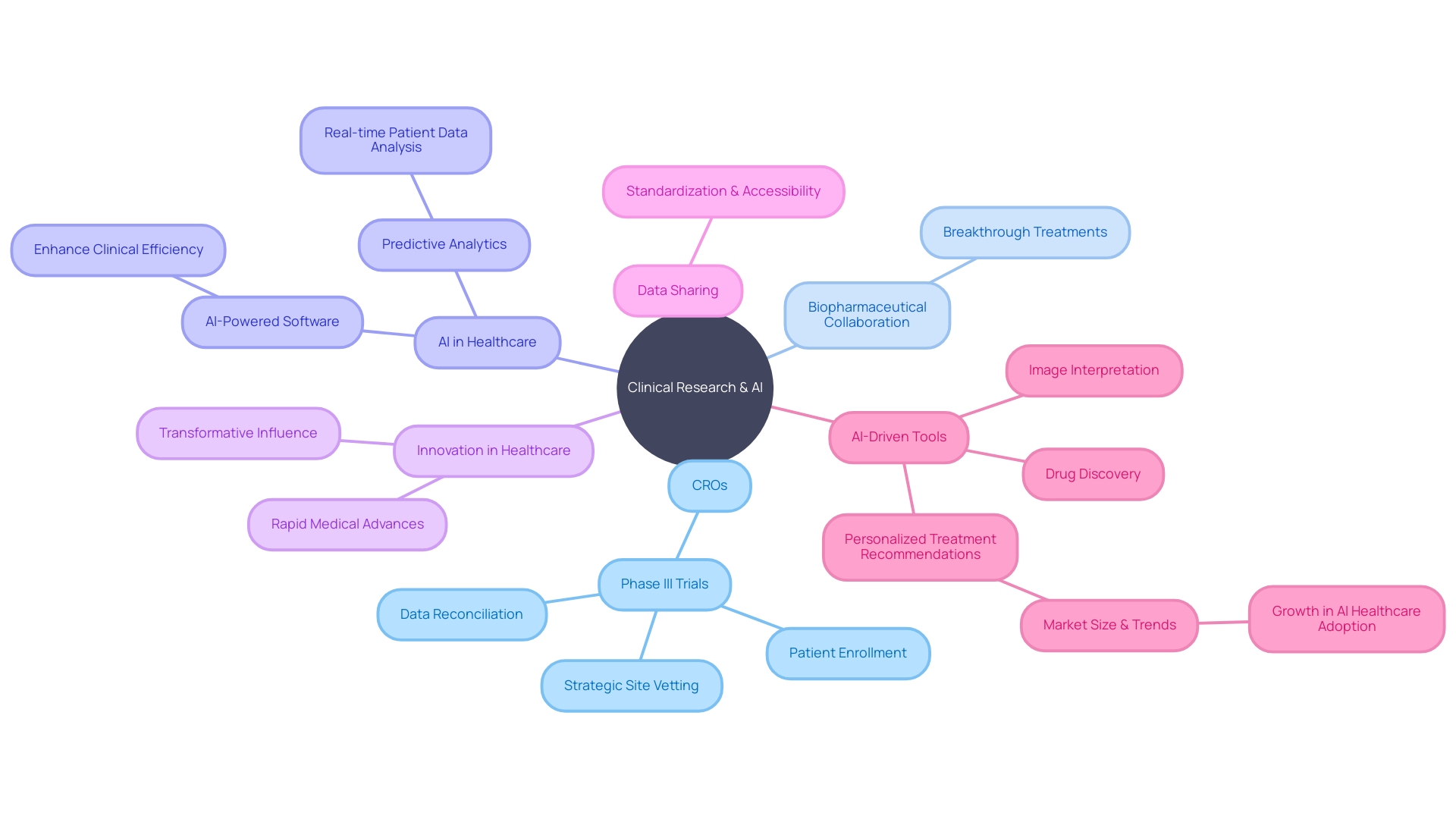
are essential facilitators in the realm of healthcare advancements, offering bespoke solutions and expertise in pivotal aspects of . One striking case where the impact of CROss resonates is in their collaboration with , often culminating in the successful deployment of . An exemplar scenario involves a CRO partnering with an industry leader to expedite a Phase III trial for a cutting-edge cancer therapy.
Their strategic prowess in site vetting, deft patient enrollment, and adept data reconciliation ensured the meticulous generation of robust datasets, steering the trial to a commendable conclusion. The partnership was a significant contributor to the therapy’s regulatory green light and subsequent global dissemination, ultimately enhancing patient care.
Contemporary cases also reflect the transformative influence of settings. A predictive algorithm has been deployed to utilize a wealth of real-time patient data to forestall medical downturns. This AI-driven tool functions as a silent watchdog, autonomously analyzing critical health parameters and alerting caregivers to potential risks, thus fortifying communication pathways and fostering a proactive medical environment.
These developments underscore the cardinal role of innovation in healthcare. Echoing the sentiments of thought leaders, the inception of novel drug molecules and the refinement of their delivery mechanisms cater to both prevalent and rare conditions, thus broadening the scope of therapeutic efficacy. Significantly, the embrace of , as illustrated during the COVID-19 pandemic, underscores the industry’s potential for rapid, impactful medical advances.
Pharmaceutical entities realize the paramount importance of , industry-standard ontologies, and cultural shifts towards open yet secure information exchange for fostering pre-competitive collaborations while safeguarding proprietary interests.
In essence, these case studies and innovations exemplify the dynamism and transformative potential of partnerships and technology in the arena of clinical research. As CROs continue to merge their expertise with pharmaceutical enterprises and AI tools herald a new era of patient care, the prospects for health sector revolutions remain substantial.
Future Trends: The Evolving Landscape of CROs in Clinical Research
(CROs) are pioneering significant advancements in medical research, leveraging state-of-the-art technology to streamline . Sophisticated (EDC) systems, remote monitoring capabilities, and virtual trial methodologies are reshaping the traditional processes, fostering a new era of efficiency and productivity. They are not only enhancing trial efficiency but also incorporating direct , bringing patient-centricity to the center stage of trial design.
With an increase in study volume reported by nearly 60% of sites since 2018, as per , CROs are tackling more complex challenges than ever. The deployment of technologies like EDC, interactive voice response systems, and safety letter distribution has become commonplace, as these tools streamline trial operations and reinforce data integrity. The emerging focus on ethical considerations has equally transformed the landscape, recognizing the value of adequately compensating participants for their time and contribution – a testament to fairness in the pursuit of societal health benefits.
Meri, from Lindus Health, emphasizes the crucial nature of multi-disciplinary collaboration in , particularly in the complex field of CNS/neurology research. The integration of diverse expertise and patient perspectives is paramount for successful outcomes. This collaborative approach underscores the significant role CROss play in bridging the gap between groundbreaking research and the patients who stand to benefit from scientific progress.
With continuous innovation and a commitment to harmonizing multiple facets of the healthcare spectrum, CROss are not just part of the landscape; they are actively transforming it to improve and therapeutic development.
Conclusion
In conclusion, contract research organizations (CROs) are strategic partners in clinical research, providing comprehensive services and tailored solutions throughout drug development. They navigate regulatory landscapes, promote fairness in participant compensation, and prioritize diversity and inclusivity.
The future of CROs lies in technological innovation and adaptability. By integrating workflows, data utilization, and technology, they revolutionize clinical research while safeguarding participant rights. CROs empower sponsors to focus on core objectives, ensuring efficient and reliable trials.
CROs excel in managing regulatory requirements, project management, and efficient data systems. Their extensive networks of clinical sites and investigators enable wider geographic reach and access to diverse patient populations, enhancing trial results’ robustness.
Addressing challenges in CRO partnerships, such as selecting the ideal CRO and effective communication, is crucial. Through the integration of data utilization and technology, CROs shape a resilient and forward-looking clinical research landscape.
Successful case studies demonstrate the transformative influence of CROs, expediting breakthrough treatments and harnessing AI’s power. These collaborations showcase the potential of partnerships and technology in clinical research.
Looking ahead, CROs pioneer advancements by leveraging technology, enhancing trial efficiency, and incorporating patient-centric approaches. With a focus on multi-disciplinary collaboration and ethical considerations, they shape the future of healthcare, improving patient care and therapeutic development.
In summary, CROs are vital partners in clinical research. With their expertise, technological integration, and commitment to participant rights, they drive efficient trials, deliver innovative therapies, and shape the future of healthcare.
Frequently Asked Questions
What is a Contract Research Organization (CRO)?
A Contract Research Organization (CRO) is a company that provides essential services to the pharmaceutical and biomedical sectors, facilitating clinical trials and other related activities.
What services do CROs offer?
CROs offer a range of services including development and manufacturing solutions, market entry strategies, regulatory compliance support, data management and project management, and patient recruitment and trial execution.
How have CROs evolved over time?
CROs have transitioned from being mere supporters of clinical trials to comprehensive partners that influence the pharmaceutical value chain, adapting to changes in regulatory landscapes and ethical considerations.
Why are CROs important in clinical research?
CROs are crucial for ensuring the safety and effectiveness of medical therapies. They navigate regulatory complexities and manage protocols, ensuring trials are conducted ethically and efficiently.
How do CROs ensure participant rights and diversity in trials?
CROs advocate for fair compensation for participants and implement strategies to make trials accessible to diverse populations, thereby promoting equitable inclusion in clinical research.
What role does technology play in CRO operations?
Technology, including AI and electronic data capture systems, enhances trial efficiency, streamlines processes, and aids in patient recruitment and data management.
What are the challenges in partnering with CROs?
Challenges include selecting the right CRO based on performance and expertise, maintaining effective communication, and ensuring adherence to regulatory standards.
How do CROs contribute to healthcare innovation?
CROs facilitate the rapid development and deployment of innovative medical therapies by efficiently managing clinical trials, thereby improving patient care and outcomes.
Can you provide an example of a successful CRO collaboration?
One example is a CRO partnering with a biopharmaceutical company to expedite a Phase III trial for a new cancer therapy, resulting in successful patient enrollment and data management.
What future trends are expected in the CRO landscape?
Future trends include increased use of technology, a focus on patient-centric trial designs, and a commitment to ethical participant compensation, ensuring that clinical trials evolve to meet complex healthcare needs.
List of Sources
- What are Clinical Trial Companies?
- en.cmicgroup.com (https://en.cmicgroup.com)
- fortrea.com (https://www.fortrea.com)
- jamanetwork.com (https://jamanetwork.com/journals/jamanetworkopen/fullarticle/2811814)
- prnewswire.com (https://www.prnewswire.com/news-releases/wcg-announces-release-of-clinical-research-trends–insights-2024-report-302026408.html)
- medhealthoutlook.com (https://medhealthoutlook.com/three-best-practices-to-combat-clinical-trial-pain-points-scott-gray-ceo-of-clincierge/)
- nature.com (https://www.nature.com/articles/d41573-024-00107-2)
- biospace.com (https://www.biospace.com/article/treehill-partners-ali-pashazadeh-on-how-to-improve-clinical-trial-design/?utm_source=dlvr.it&utm_medium=twitter)
- clinicaltrialsarena.com (https://www.clinicaltrialsarena.com/news/focus-clinical-research-uk-all-nhs/)
- clinicaltrialsarena.com (https://www.clinicaltrialsarena.com/news/uks-clinical-landscape-faces-new-reality-as-international-competition-heats-up/)
- The Role of CROs in Advancing Healthcare Innovation
- medhealthoutlook.com (https://medhealthoutlook.com/three-best-practices-to-combat-clinical-trial-pain-points-scott-gray-ceo-of-clincierge/)
- finthrive.com (https://finthrive.com/resources/watch-listen/healthcare-rethink-episode-36)
- infomeddnews.com (https://infomeddnews.com/solving-problems-in-healthcare/)
- prnewswire.com (https://www.prnewswire.com/news-releases/wcg-announces-release-of-clinical-research-trends–insights-2024-report-302026408.html)
- prnewswire.com (https://www.prnewswire.com/news-releases/medrhythms-selects-curavit-as-its-contract-research-organization-cro-for-a-chronic-stroke-decentralized-clinical-trial-301932835.html)
- biztoc.com (https://biztoc.com/t/biomedicalresearch)
- nam.edu (https://nam.edu/regenerative-medicine-case-study-for-understanding-and-anticipating-emerging-science-and-technology/)
- greenlight.guru (https://www.greenlight.guru/blog/outsourcing-clinical-activities-in-2024-choosing-a-cro)
- mckinsey.com (https://www.mckinsey.com/industries/life-sciences/our-insights/accelerating-clinical-trials-to-improve-biopharma-r-and-d-productivity)
- Benefits of Collaborating with CROs in Clinical Research
- growwithbamboo.com (https://www.growwithbamboo.com/case-studies/lemonaidhealth)
- health.universityofcalifornia.edu (https://health.universityofcalifornia.edu/news/uc-healths-data-driven-system-speeds-research-benefit-patients-diabetes)
- nature.com (https://www.nature.com/articles/d41573-024-00107-2)
- cgtlive.com (https://www.cgtlive.com/view/partnership-patient-advocacy-groups-key-clinical-trial-end-point-selection)
- fortrea.com (https://www.fortrea.com)
- prnewswire.com (https://www.prnewswire.com/news-releases/medrhythms-selects-curavit-as-its-contract-research-organization-cro-for-a-chronic-stroke-decentralized-clinical-trial-301932835.html)
- infomeddnews.com (https://infomeddnews.com/genentech-and-nvidia-news-1112123/)
- finance.yahoo.com (https://finance.yahoo.com/news/regeneron-intellia-announce-expanded-research-110000982.html)
- medhealthoutlook.com (https://medhealthoutlook.com/three-best-practices-to-combat-clinical-trial-pain-points-scott-gray-ceo-of-clincierge/)
- pharmatimes.com (https://pharmatimes.com/web_exclusives/voluntary-role/)
- Challenges and Considerations in CRO Partnerships
- nature.com (https://www.nature.com/articles/d41573-024-00107-2)
- greenlight.guru (https://www.greenlight.guru/blog/outsourcing-clinical-activities-in-2024-choosing-a-cro)
- medhealthoutlook.com (https://medhealthoutlook.com/three-best-practices-to-combat-clinical-trial-pain-points-scott-gray-ceo-of-clincierge/)
- prnewswire.com (https://www.prnewswire.com/news-releases/wcg-announces-release-of-clinical-research-trends–insights-2024-report-302026408.html)
- infomeddnews.com (https://infomeddnews.com/genentech-and-nvidia-news-1112123/)
- biztoc.com (https://biztoc.com/t/biomedicalresearch)
- revenuecat.com (https://www.revenuecat.com/blog/growth/strategic-partnerships-subscription-app/)
- cogwheelmarketing.com (https://cogwheelmarketing.com/blog/case-study-how-we-transformed-a-hotels-booking-game-with-google-ads/)
- medicaldevice-network.com (https://www.medicaldevice-network.com/news/trial-sponsors-say-cros-need-to-own-their-mistakes-and-take-responsibility/)
- rethinkingclinicaltrials.org (https://rethinkingclinicaltrials.org/news/january-8-2024-pragmatic-trials-researchers-share-lessons-from-collecting-patient-reported-outcomes-in-the-electronic-health-record/)
- appliedclinicaltrialsonline.com (https://www.appliedclinicaltrialsonline.com/view/tips-to-rescue-a-clinical-trial-before-it-s-too-late)
- Case Studies: Successful CRO Collaborations in Healthcare
- growwithbamboo.com (https://www.growwithbamboo.com/case-studies/lemonaidhealth)
- theconversation.com (https://theconversation.com/crispr-and-other-new-technologies-open-doors-for-drug-development-but-which-diseases-get-prioritized-it-comes-down-to-money-and-science-219572)
- thefdalawblog.com (https://www.thefdalawblog.com/2024/07/at-long-last-fda-unveils-plan-for-rare-disease-innovation-hub/?utm_source=rss&utm_medium=rss&utm_campaign=at-long-last-fda-unveils-plan-for-rare-disease-innovation-hub)
- medcitynews.com (https://medcitynews.com/2023/10/finding-a-collaborative-data-driven-future-for-pharma/)
- medicaldevice-network.com (https://www.medicaldevice-network.com/news/grail-announces-first-patients-enrolled-in-reach-cancer-trial/)
- medicaldevice-network.com (https://www.medicaldevice-network.com/news/photopharmics-reaches-a-third-of-enrolment-goal-for-pd-light-therapy-trial/)
- med.stanford.edu (https://med.stanford.edu/news/all-news/2024/04/ai-patient-care.html)
- nature.com (https://www.nature.com/articles/s41746-024-01097-6)
- forbes.com (https://www.forbes.com/sites/greglicholai/2023/09/18/ai-in-clinical-research-now-and-beyond/)
- radixweb.com (https://radixweb.com/blog/ai-in-healthcare-statistics)
- Future Trends: The Evolving Landscape of CROs in Clinical Research
- nature.com (https://www.nature.com/articles/d41573-024-00107-2)
- medtechintelligence.com (https://medtechintelligence.com/feature_article/everybody-is-looking-for-evidence-bridging-regulatory-reimbursement-strategies-for-success/)
- trialsjournal.biomedcentral.com (https://trialsjournal.biomedcentral.com/counter/pdf/10.1186/s13063-023-07563-y)
- fda.gov (https://www.fda.gov/regulatory-information/search-fda-guidance-documents/use-data-monitoring-committees-clinical-trials?utm_content=bufferf9e54&utm_medium=social&utm_source=twitter.com&utm_campaign=buffer)
- bizjournals.com (https://www.bizjournals.com/sanfrancisco/news/2024/05/24/biotech-body-parts-clinical-trials.html)
- hitconsultant.net (https://hitconsultant.net/2023/11/06/survey-shows-burdens-on-clinical-research-sites-sharply-increasing-since-2018/)
- bioworld.com (https://www.bioworld.com/articles/711076-roches-columvi-and-gsks-blenrep-among-23-phase-iii-successes-in-june)
- fortrea.com (https://www.fortrea.com)
- pharmashots.com (https://www.pharmashots.com/17383/infusing-ai-in-clinical-trials-meri-beckwith-from-lindus-health-in-conversation-with-pharmashots)
Leave a Reply