
Introduction
The landscape of clinical research in Peru is shaped by a robust regulatory framework designed to uphold ethical standards and safeguard participant safety. Governed by the National Institute of Health and the Ministry of Health, the Clinical Trials Law establishes comprehensive guidelines that align with international Good Clinical Practice standards. As the demand for innovative medical solutions grows, understanding the intricacies of these regulations becomes essential for stakeholders involved in clinical trials.
This article delves into the key components of clinical research regulations in Peru, the roles of various stakeholders, and best practices for planning and executing successful trials. By examining these elements, the article aims to illuminate the path toward ethical and effective clinical research in the region, ultimately enhancing patient outcomes and fostering a culture of compliance.
Overview of Clinical Research Regulations in Peru
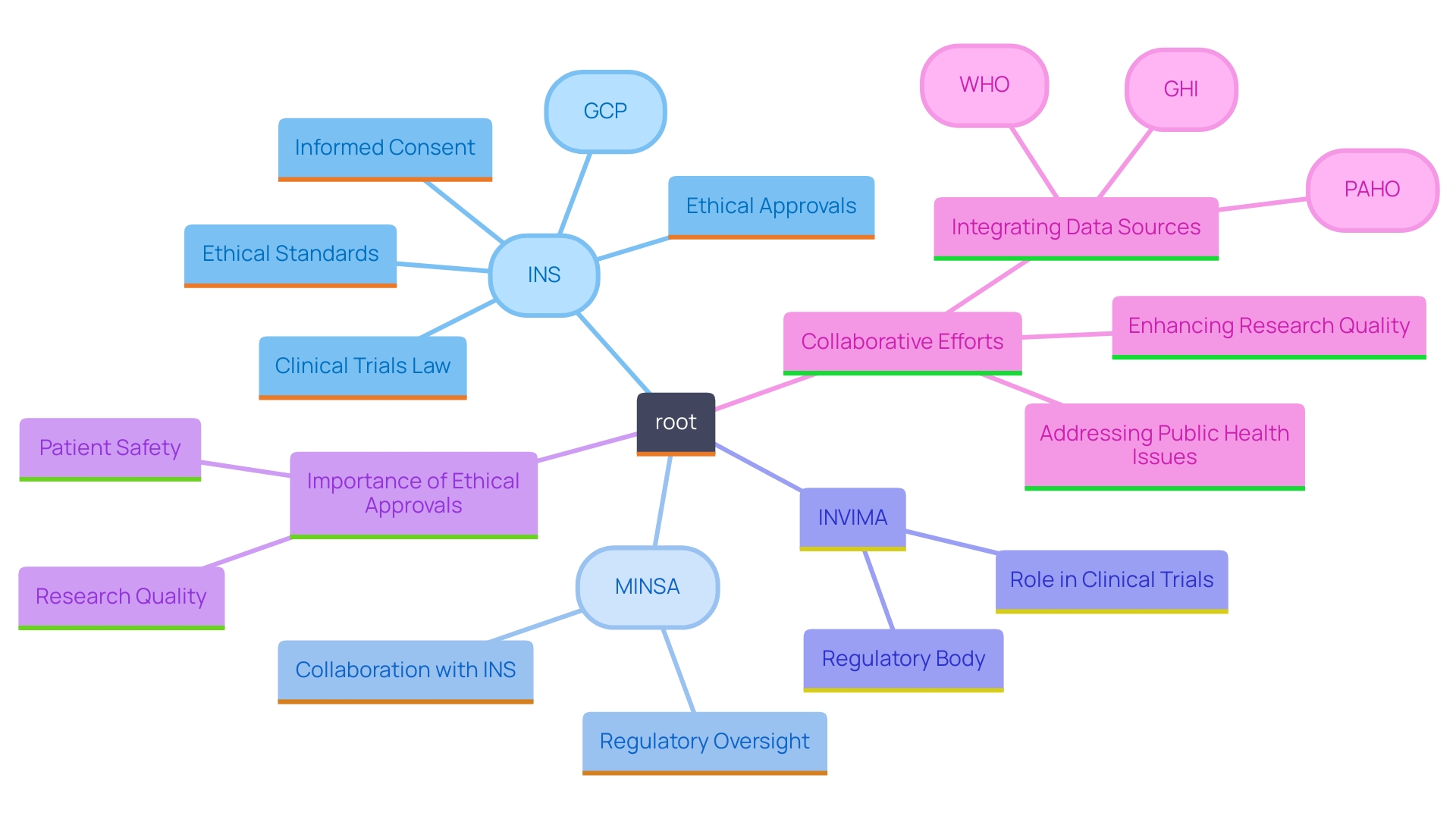
In Peru, the regulatory framework for medical research is meticulously overseen by the National Institute of Health (Instituto Nacional de Salud, INS) and the Ministry of Health (Ministerio de Salud, MINSA). The essential legislation, the Ley de Ensayos Clinicos ( Law), mandates stringent ethical standards and robust patient safety measures to ensure the integrity of research studies. Recent regulatory updates emphasize the necessity for adherence to , aligning with international standards to enhance the quality and reliability of trial data.
While Peru’s regulations are comprehensive, it is essential to consider the role of INVIMA in Colombia, which similarly oversees the . INVIMA’s functions include ensuring compliance with health standards and facilitating the approval process for , paralleling the efforts of Peru’s regulatory bodies.
Among the key regulations in Peru, the Code of Federal Regulations – Title 45, effective from January 1, 2024, underscores the importance of security and privacy in clinical research. However, this reference may be less relevant for the Latin American context. Instead, concentrating on local regulations and their implications for study sponsors would enhance clarity.
Furthermore, the WHO Trial Registration Data Set version 1.3.1, updated as of April 23, 2024, provides a comprehensive framework for registration, ensuring transparency and accountability. This framework is vital, as it necessitates study sponsors to register their research, thus promoting and boosting public trust in medical investigations.
A crucial element of carrying out research studies in Peru is acquiring ethical approvals from and ensuring informed consent from participants. As stipulated in Decree021-2017 and PER-53, sponsors of multicenter studies must ensure strict compliance with the agreed protocol and ethics committee approvals. This regulatory diligence is essential for the successful planning and execution of in the region.
The integrated addendum to ICH E6(R1): Guideline for Good Practice E6(R2) further updates the guidelines to enhance the quality and integrity of trials. This includes detailed measures to ensure that all investigators adhere strictly to GCP standards, thereby safeguarding the interests of trial participants and ensuring the credibility of trial outcomes.
Statistics indicate a growing trend of adherence to these regulations, reflecting the increasing commitment to ethical and high-quality studies. The implementation of the has significantly impacted the regulatory landscape, fostering a culture of compliance and ethical responsibility among researchers and sponsors alike. Furthermore, cooperation between organizations such as Greenlight Guru and bioaccess™ is vital for closing gaps in research and innovation, enabling quicker market access for Medtech devices. Notably, PAVmed’s recent success with the first in-human study of its Portion medical device in Colombia exemplifies the potential outcomes driven by these collaborative efforts, ultimately enhancing patient outcomes.
Key Stakeholders and Their Roles in Clinical Trials
In clinical trials, several key stakeholders play critical roles:
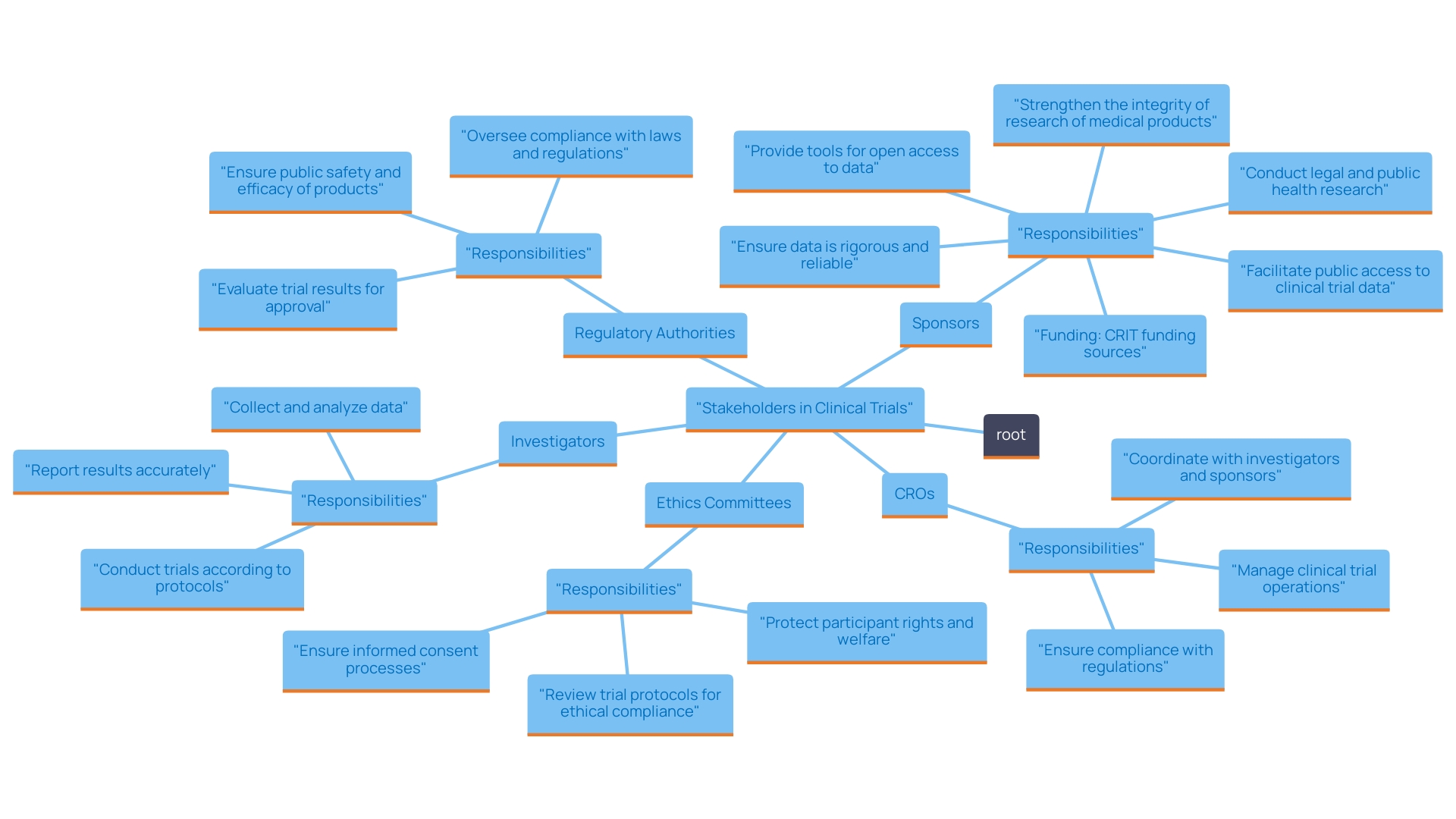
- Sponsors: These organizations or individuals initiate, manage, and finance . They are responsible for study design, compliance, and overall conduct, ensuring adherence to regulatory standards and ethical guidelines. Significantly, (Colombia National Food and Drug Surveillance Institute) supervises the regulatory adherence of research studies in Colombia, ensuring that all activities meet the necessary health standards.
- : Engaged by sponsors, CROs oversee various facets of research studies, including monitoring, data management, and regulatory compliance. Their expertise is crucial for efficient execution of the process. Recent trends in Colombia highlight an increasing reliance on CROs to streamline processes and maintain data integrity. For instance, GlobalCare Clinical Trials’ partnership with bioaccess™ exemplifies how CROs can enhance trial ambulatory services, achieving over a 50% reduction in recruitment time and maintaining a 95% retention rate among participants.
- : Also referred to as Institutional Review Boards (IRBs), these committees evaluate research protocols to ensure ethical treatment of participants, assessing risk-to-benefit ratios and adherence to ethical standards. Their role is fundamental in and maintaining public trust in research.
- Investigators: lead research studies at each location, responsible for study conduct, participant recruitment, and data integrity. Their role is critical in ensuring that the process adheres to the protocol and that the data collected is accurate and reliable.
- : In Colombia, ‘s Directorate for Medical Devices and other Technologies plays a significant role in regulating medical devices and ensuring safety and efficacy within research studies. Regulatory agencies are essential in preserving the integrity of and protecting public health.
Comprehending the roles and responsibilities of these stakeholders promotes cooperation and improves the overall success of . For instance, sustained funding for physiology studies is essential for medical advancements and the development of new treatments. Collaboration initiatives, like those led by bioaccess™ and Caribbean Health Group to position Barranquilla as a premier location for in Latin America, highlight the significance of teamwork in advancing medical research. The focus on varied involvement in , especially in women’s health, is crucial, reflecting the views of Dr. Beth Garner who underscored its importance for overall community health.
Planning and Designing Clinical Trials
Planning and designing clinical experiments are foundational steps that require meticulous attention to detail and strategic foresight, especially in the context of accelerated medical device clinical service offerings in Latin America.
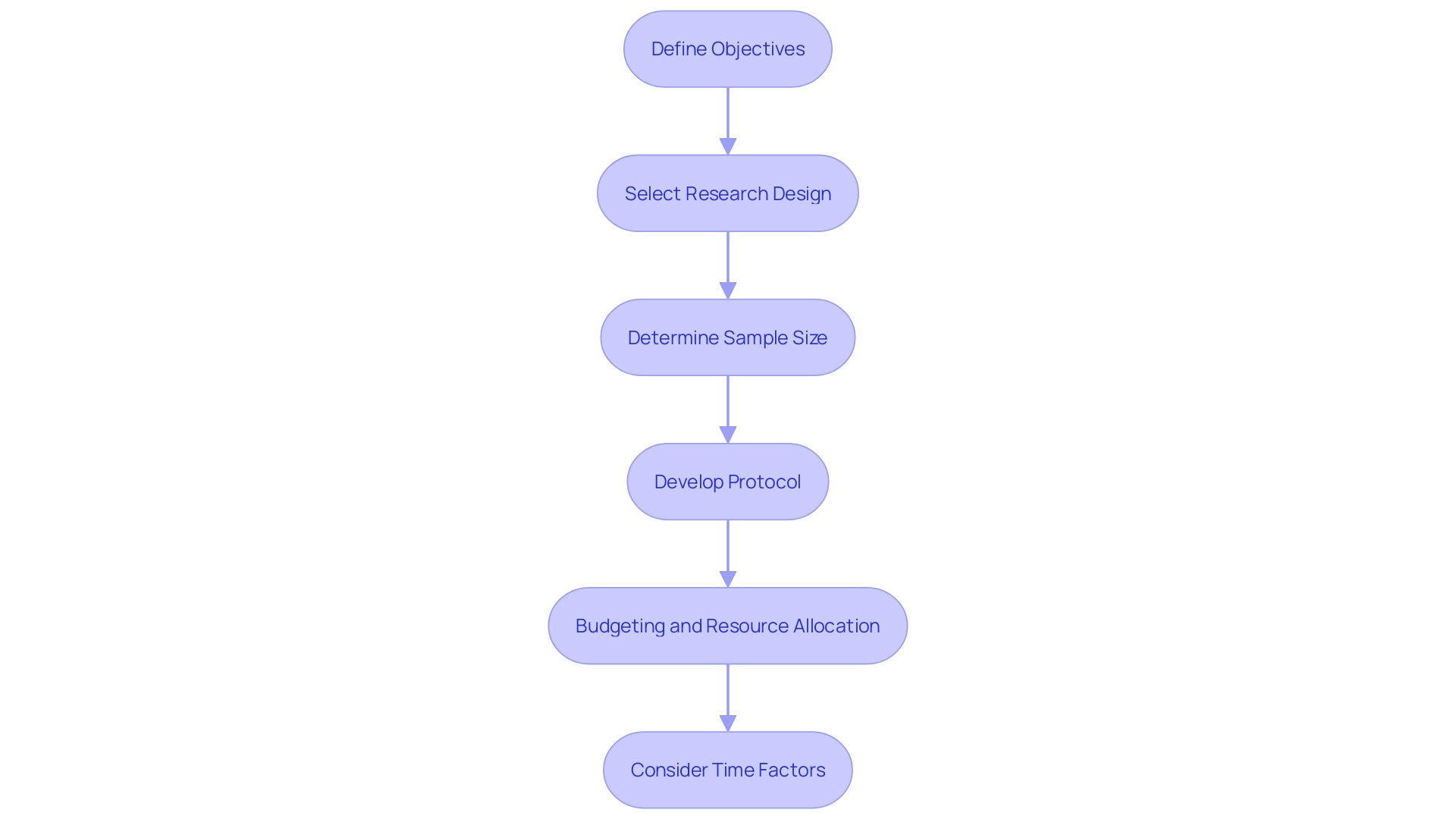
- Define Objectives: Start by clearly articulating the study’s objectives and hypotheses. Identify the primary and secondary endpoints that will determine the trial’s success. Precise objectives guide the entire study process and ensure focused and measurable outcomes.
- Select Research Design: Choose an appropriate tailored to the research objectives and available resources. Options include randomized controlled trials, cohort analysis, and retrospective analysis. Each design presents distinct advantages; for example, retrospective analyses review past data to determine potential causal factors, offering valuable insights derived from historical contexts.
- Determine Sample Size: Calculate the required sample size to achieve statistical significance. This calculation must consider expected effect sizes, variability, and the desired power of the research. For example, research has demonstrated that inadequate sample sizes can result in a 20% reduction in success rates. Precise sample size estimation is essential for the reliability of the study results and preventing Type I and Type II errors.
- Develop Protocol: Craft a comprehensive research protocol detailing the methodology. This includes patient recruitment strategies, eligibility criteria, intervention plans, and data collection methods. A well-defined protocol ensures consistency and reproducibility, which are vital for regulatory compliance and scientific integrity.
- Budgeting and Resource Allocation: Develop a budget that accounts for all trial-related costs, including personnel, equipment, and participant compensation. Effective resource distribution is essential for sustaining feasibility and compliance with timelines.
- Consider Time Factors: Incorporate time factors into your planning process. Acknowledging the effect of study duration and timing on enrollment and retention can significantly influence outcomes.
As emphasized by bioaccess®, which focuses on managing , , Pilot Studies, and , effective research planning must include dependable methodologies to guarantee strong and trustworthy outcomes. Notably, bioaccess® offers comprehensive services, including feasibility assessments, site selection, compliance reviews, and project management, which are essential for navigating the complexities of .
Additionally, understanding INVIMA’s regulatory framework in Colombia is crucial for ensuring compliance. INVIMA plays a pivotal role in overseeing the approval processes for medical devices, which can significantly impact timelines and success. By following these steps, researchers can enhance the likelihood of successful experiments while adhering to regulatory standards and optimizing resource use. Furthermore, studies show that well-structured experiments can enhance success rates by as much as 30%, highlighting the significance of comprehensive preparation.
Executing Clinical Trials: Best Practices
To ensure the successful execution of , especially in the context of advancing medical devices, consider the following :
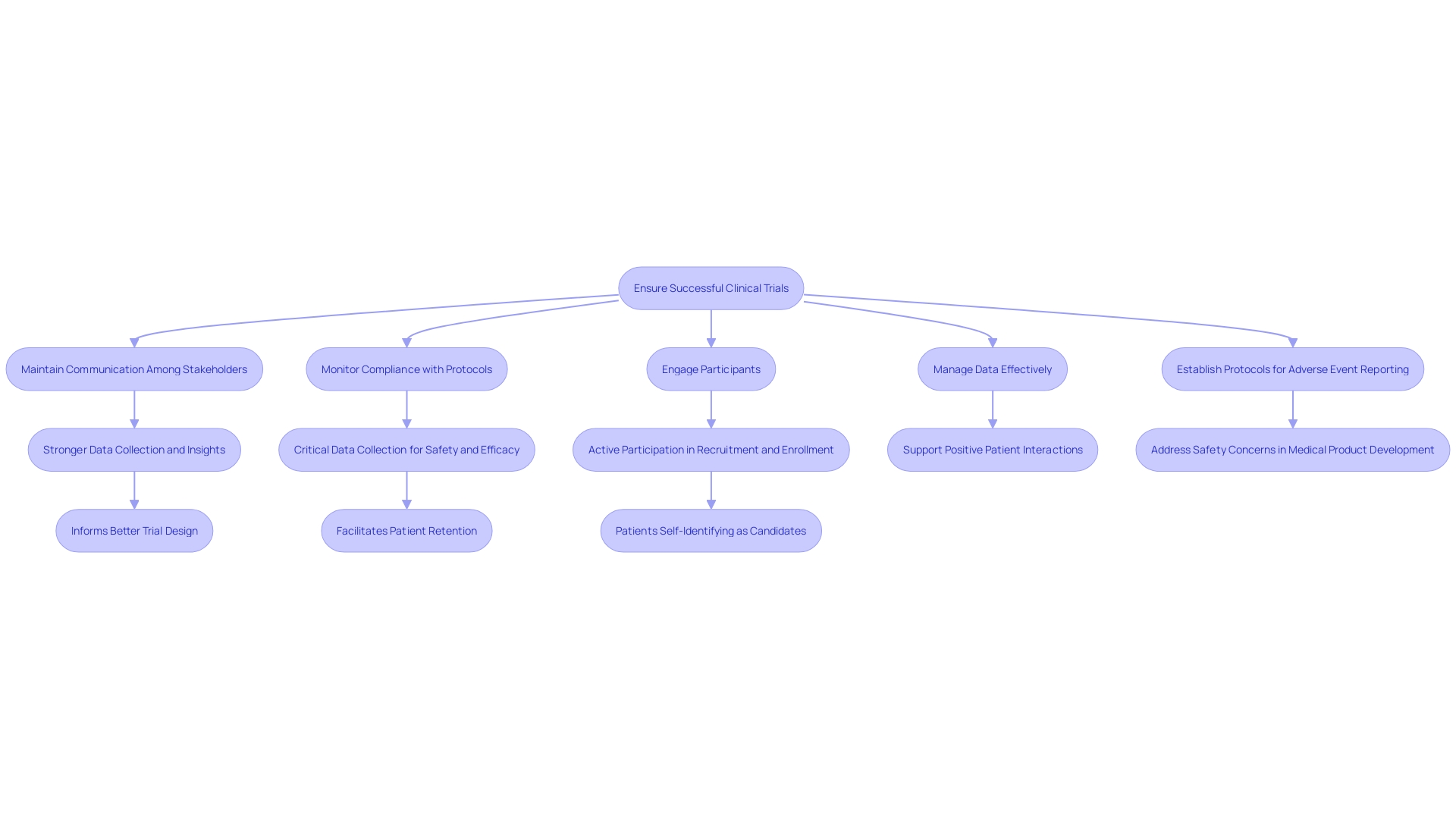
- Maintain Communication: Establishing open lines of communication among all stakeholders is crucial for fostering collaboration and promptly addressing issues. Regularly scheduled meetings can keep all parties informed and engaged. As highlighted by clinical research specialist Howard Barkan, effective communication within research teams is essential for the smooth advancement of clinical studies.
- Monitor Compliance: Implementing a robust monitoring system is essential to ensure adherence to protocols and regulatory requirements. Conducting regular audits can help identify and rectify compliance issues, thereby maintaining the integrity of the process. A review by Bewick V et al. emphasizes the significance of precise statistical analysis in evaluating compliance and overall study success.
- Participant Engagement: Developing strategies to engage and retain participants throughout the trial is fundamental. Clear communication about the study’s purpose, benefits, and potential risks can significantly enhance participant commitment. For instance, personalized communication strategies, such as tailored follow up and feedback loops, have been shown to improve retention rates by fostering a sense of involvement and trust among participants.
- : Ensuring accurate data collection and management practices is pivotal for maintaining data integrity. Utilizing electronic data capture systems can streamline data entry and minimize errors. Methodological weaknesses in medical research often arise from poor , highlighting the need for rigorous practices in this area.
- : Establishing a clear protocol for reporting adverse events is necessary to ensure and compliance with regulatory requirements. Promptly addressing any safety concerns is vital to maintain study integrity and participant trust.
In Colombia, the implementation of benefits from cost savings of over 30% compared to North America and Western Europe, along with a rapid regulatory review process taking just 90-120 days. The country’s healthcare system, ranked among the top globally, ensures high-quality patient care and recruitment, with approximately 95% of its population covered by universal healthcare. By utilizing these benefits and adhering to best methods, researchers can improve the implementation of , ensuring the gathering of high-quality information while prioritizing . The importance of , as discussed in various studies on methodological weaknesses, further highlights the need for conducting pilot studies to strengthen trial designs and improve clinical research outcomes.
Conclusion
The regulatory framework for clinical research in Peru is critical for upholding ethical standards and ensuring participant safety. With oversight from the National Institute of Health and the Ministry of Health, the Clinical Trials Law aligns with international Good Clinical Practice standards, promoting a culture of compliance among researchers and sponsors.
Understanding the roles of key stakeholders—sponsors, contract research organizations, ethics committees, investigators, and regulatory authorities—is essential for successful trial execution. Each stakeholder contributes to maintaining the integrity of the research process while prioritizing ethical considerations and advancing medical knowledge. Effective planning and strategic design, characterized by clear objectives and robust protocols, are vital for achieving favorable trial outcomes.
Best practices in trial execution, including open communication, compliance monitoring, participant engagement, and rigorous data management, further enhance the quality and credibility of clinical research. Peru’s supportive regulatory environment, coupled with a commitment to ethical conduct, positions the country as a promising hub for innovative medical solutions.
In conclusion, the landscape of clinical research in Peru underscores the importance of stringent regulations and collaborative efforts. As the demand for innovative therapies increases, a steadfast commitment to ethical and effective clinical research will be essential for improving patient outcomes and advancing healthcare in the region.
Frequently Asked Questions
What regulatory bodies oversee medical research in Peru?
In Peru, the National Institute of Health (Instituto Nacional de Salud, INS) and the Ministry of Health (Ministerio de Salud, MINSA) are the primary regulatory bodies overseeing medical research.
What is the Clinical Trials Law in Peru?
The Clinical Trials Law (Ley de Ensayos Clinicos) establishes stringent ethical standards and robust patient safety measures to ensure the integrity of research studies in Peru.
How do recent regulatory updates in Peru enhance clinical trials?
Recent updates emphasize adherence to Good Clinical Practice (GCP), aligning with international standards to improve the quality and reliability of trial data.
What role does INVIMA play in Colombia regarding clinical trials?
INVIMA (Colombia National Food and Drug Surveillance Institute) oversees the regulatory environment for trials and medical devices in Colombia, ensuring compliance with health standards and facilitating the approval process for medical studies.
What is the significance of the WHO Trial Registration Data Set?
The WHO Trial Registration Data Set version 1.3.1 ensures transparency and accountability in clinical research by requiring study sponsors to register their research, promoting ethical conduct and public trust.
What are the requirements for conducting research studies in Peru?
Researchers must obtain ethical approvals from institutional review boards (IRBs) and ensure informed consent from participants, as stipulated in Decree021-2017 and PER-53.
What guidelines enhance the quality and integrity of trials in Peru?
The integrated addendum to ICH E6(R1): Guideline for Good Practice E6(R2) updates guidelines to ensure investigators adhere strictly to GCP standards, safeguarding trial participants’ interests.
How has the implementation of the Clinical Trials Law impacted research in Peru?
The implementation has fostered a culture of compliance and ethical responsibility among researchers and sponsors, reflecting a growing trend of adherence to regulations.
What are the key stakeholders involved in clinical trials?
Key stakeholders include sponsors, contract research organizations (CROs), ethics committees (IRBs), investigators, and regulatory authorities.
What is the role of sponsors in clinical trials?
Sponsors initiate, manage, and finance medical studies, ensuring adherence to regulatory standards and ethical guidelines.
How do CROs contribute to clinical trials?
CROs oversee various aspects of research studies, including monitoring, data management, and regulatory compliance, enhancing trial execution and data integrity.
What is the function of ethics committees in clinical research?
Ethics committees evaluate research protocols to ensure ethical treatment of participants and assess risk-to-benefit ratios.
Why is it important to understand the roles of stakeholders in clinical trials?
Understanding these roles promotes cooperation and improves the overall success of medical studies.
What steps are crucial for planning and designing clinical experiments?
Key steps include defining objectives, selecting research design, determining sample size, developing a protocol, budgeting, and considering time factors.
What best practices should be followed for executing successful clinical trials?
Best practices include maintaining communication, monitoring compliance, engaging participants, managing data accurately, and establishing clear adverse event reporting protocols.
List of Sources
- Overview of Clinical Research Regulations in Peru
- clinregs.niaid.nih.gov (https://clinregs.niaid.nih.gov/country/peru)
- clinregs.niaid.nih.gov (https://clinregs.niaid.nih.gov/country/peru/united-states)
- forum.effectivealtruism.org (https://forum.effectivealtruism.org/posts/GGdt87LJivPMgwCXi/mapping-of-antibiotic-resistant-bacteria-through-gis-data)
- Key Stakeholders and Their Roles in Clinical Trials
- ncbi.nlm.nih.gov (https://www.ncbi.nlm.nih.gov/books/NBK286000/)
- linkedin.com (https://www.linkedin.com/pulse/importance-stakeholder-management-clinical-research-jess)
- antidote.me (https://www.antidote.me/blog/what-clinical-trial-statistics-tell-us-about-the-state-of-research-today)
- bmcresnotes.biomedcentral.com (https://bmcresnotes.biomedcentral.com/articles/10.1186/s13104-023-06534-5)
- walgreensbootsalliance.com (https://www.walgreensbootsalliance.com/news-media/our-stories/women-clinical-trials-walgreens-inspire-action)
- rallyformedicalresearch.org (https://rallyformedicalresearch.org/sponsors/sponsor-quotes/)
- forum.effectivealtruism.org (https://forum.effectivealtruism.org/posts/GGdt87LJivPMgwCXi/mapping-of-antibiotic-resistant-bacteria-through-gis-data)
- law.yale.edu (https://law.yale.edu/ghjp/projects/transparency-and-fda)
- sociologyconsulting.appliedworldwide.com (https://sociologyconsulting.appliedworldwide.com/sharing-qualitative-research-expertise-with-surgeons)
- Planning and Designing Clinical Trials
- pmc.ncbi.nlm.nih.gov (https://pmc.ncbi.nlm.nih.gov/articles/PMC3148614/)
- clinicaltrials.gov (https://clinicaltrials.gov/about-site/trends-charts)
- research.library.gsu.edu (https://research.library.gsu.edu/c.php?g=115595&p=755213)
- ncbi.nlm.nih.gov (https://ncbi.nlm.nih.gov/pmc/articles/PMC2656491)
- first10em.com (https://first10em.com/how-to-create-a-focused-and-answerable-research-question)
- Executing Clinical Trials: Best Practices
- editage.com (https://www.editage.com/insights/conducting-a-clinical-trial-3-kinds-of-statistical-analysis-you-need-to-generate-high-quality-evidence)
- pmc.ncbi.nlm.nih.gov (https://pmc.ncbi.nlm.nih.gov/articles/PMC4900305/)
- hitconsultant.net (https://hitconsultant.net/2024/10/02/5-ways-tech-is-enhancing-patient-engagement-in-clinical-trials)
- fda.gov (https://fda.gov/drugs/news-events-human-drugs/fda-clinical-investigator-training-course-citc-2023-12062023)
Leave a Reply