
Introduction
In the world of clinical research involving human subjects, Institutional Review Boards (IRBs) play a crucial role in ensuring the protection of participants and upholding ethical standards. These boards review and approve research protocols, carefully considering the risks and benefits faced by volunteers. However, the review process can be complex, with different levels of scrutiny depending on the nature of the study.
In this article, we will explore the purpose and function of IRBs, the different types of IRB reviews, what qualifies for expedited review, the benefits of expedited review, strategies to streamline the IRB process, the role of collaboration in reducing turnaround time, the concept of real-time IRB review, addressing common challenges in expedited reviews, and best practices for optimizing expedited review. By understanding these aspects, researchers can navigate the IRB process more efficiently, ensuring the integrity and quality of their research while safeguarding the well-being of participants.
The Purpose and Function of IRBs
Comprehending the accelerated review procedure for is vital, especially in the context of . IRBs play a pivotal role in ensuring the protection of human subjects by reviewing and approving study protocols. Their diligence is vital, as thousands of individuals volunteer for every year, often without the prospect of direct benefits. IRBs are tasked with justifying the risks and burdens faced by volunteers, not through potential direct benefits, but through the scientific knowledge that may benefit future patients.
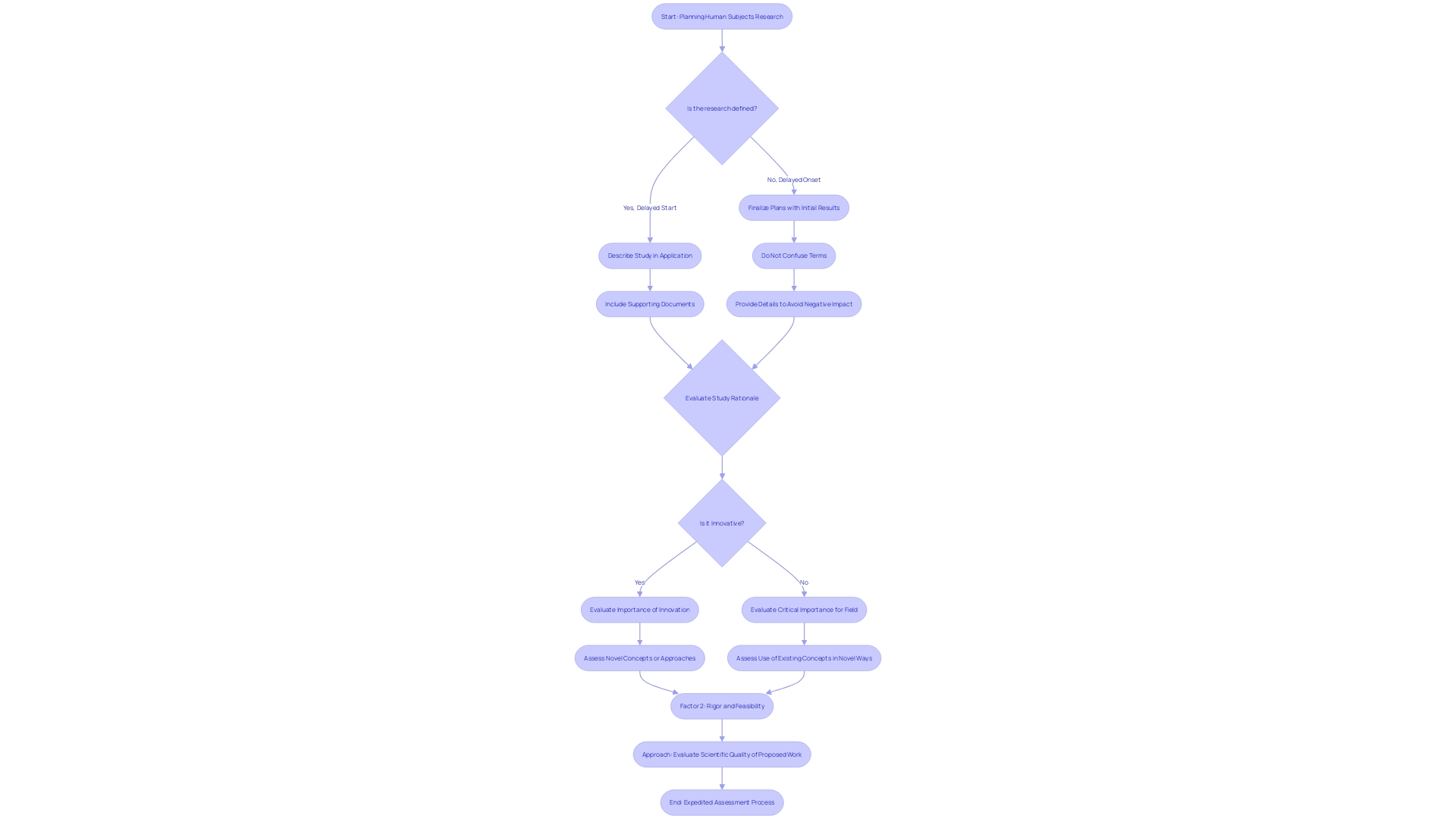
The necessity for an becomes evident when considering the rigorous assessment required to evaluate the . This includes scrutinizing the rationale of the study, the scientific background, and the feasibility of the approach. Significantly, advancements in the investigation may impact the significance of the suggested studies. However, even without novel concepts, a project can be critical for the field, underscoring the need for a .
In the wider perspective, the intricacy of risk assessment in swiftly developing areas, like the possible incorporation of AI in clinical studies, mirrors the difficulties experienced by California’s utilities in reducing wildfire risks. These challenges include uncertain risk levels, unclear cost-effectiveness of mitigation strategies, and reputational risks amplified by media and political discourse. Likewise, the ethics of transplanting human brain organoids into animals emphasizes the developing nature of investigation and the significance of proactive ethical management.
Moreover, researchers must navigate terms like ‘delayed start’ and ‘delayed onset’ when planning studies involving human subjects, with each term carrying specific implications for IRB submissions. Not understanding these differences could result in incomplete applications and possible obstacles in the approval phase.
Considering the enhanced focus on ethics in NeurIPS 2023 Ethical Review, the prominence of IRBs in upholding ethical standards becomes more evident. Their oversight is vital in upholding the and the welfare of human subjects. Therefore, a fast-tracked IRB evaluation procedure must strike a balance between effectiveness and the thorough assessment required to uphold ethical practices in the field of study.
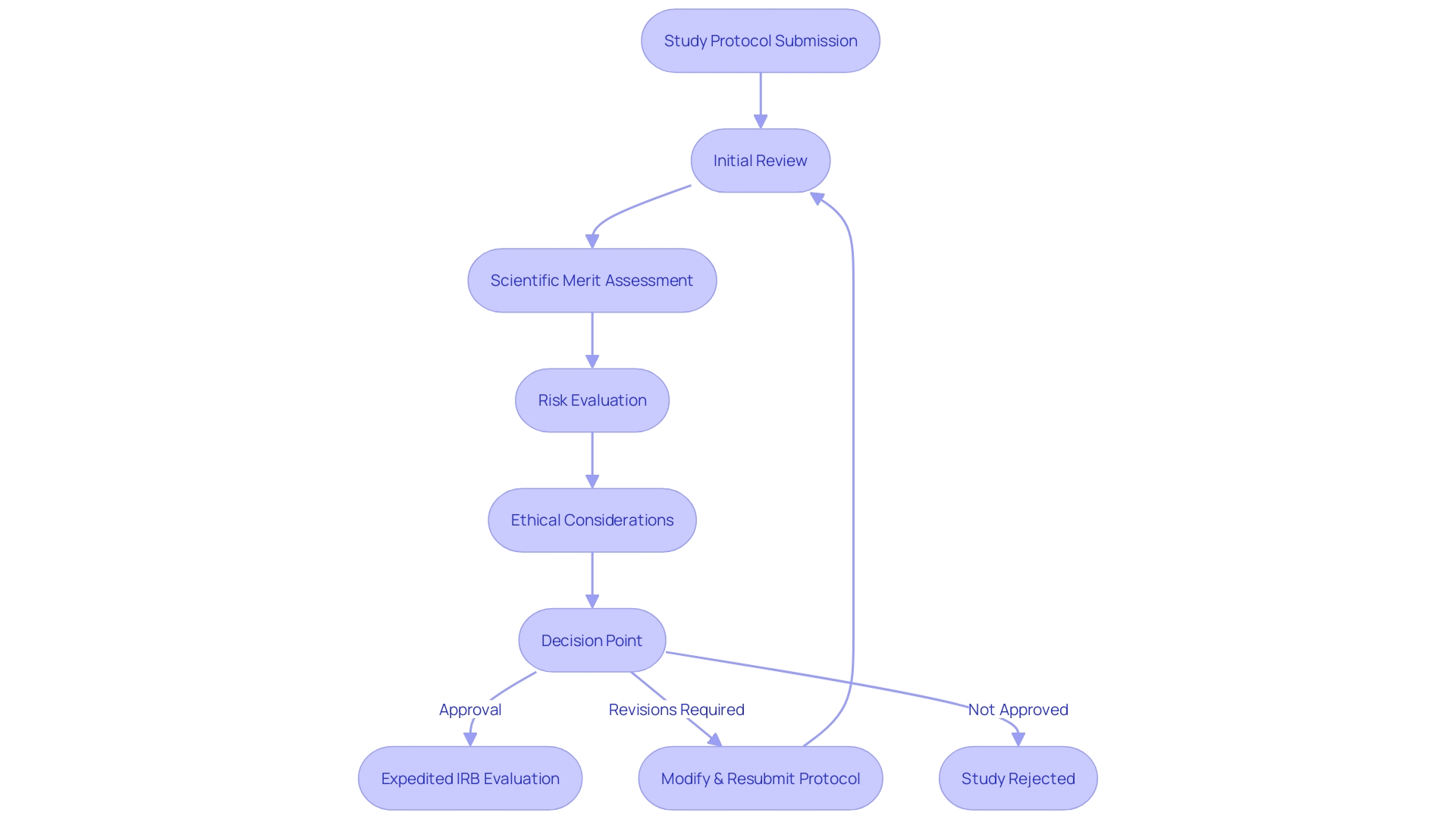
Types of IRB Review: Full Board, Expedited, and Exempt
Comprehending the levels of scrutiny is crucial for efficiently navigating proposals, especially those linked to . The IRB’s role is to safeguard participants, ensuring that the benefits of research outweigh the risks. There are three primary levels of IRB assessment: full board, expedited, and exempt.
A complete board assessment is compulsory for studies presenting greater than minimal risk to subjects or when delicate subject matter is involved. In this case, each member of the IRB is required to engage in the assessment procedure, contemplating the ethical and regulatory compliance of the suggested investigation.
is an IRB procedure for certain kinds of research involving no more than minimal risk, and for minor changes in approved research. It is not a faster iteration of a but an evaluation by one or more experienced IRB members. This procedure is crucial for investigations that exhibit minimal danger and satisfy , enabling researchers to progress without the necessity of complete board evaluation.
Lastly, exempt assessment pertains to investigation undertakings that involve negligible risk and fit into specific categories defined by federal regulations. Although exempt, such projects must still be submitted for IRB verification of the exemption status to ensure all ethical standards are maintained.
These distinctions are crucial for researchers to understand as they align their study designs with the appropriate level of IRB assessment, streamlining the procedure and facilitating a smoother path to commence vital investigation activities.
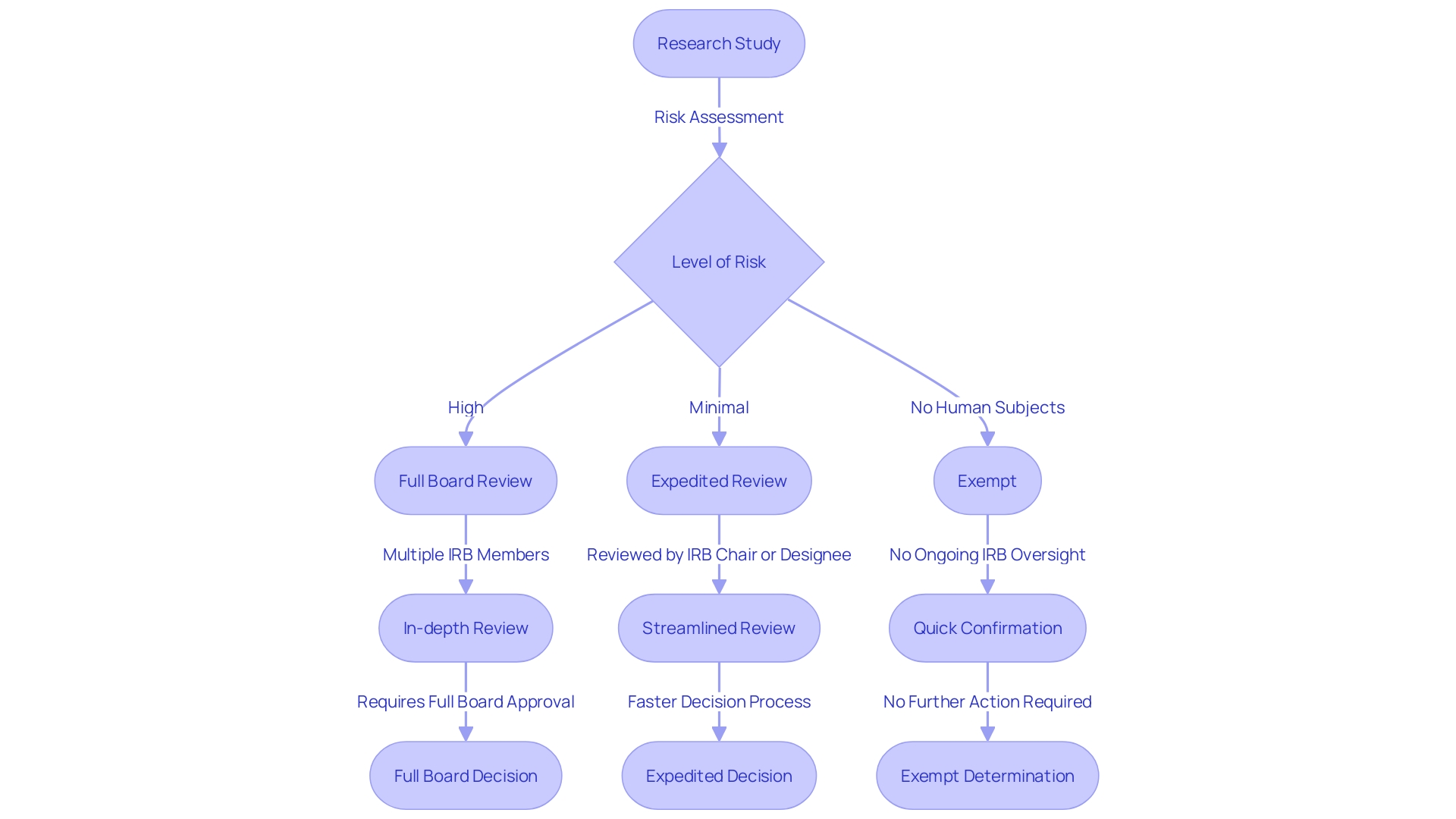
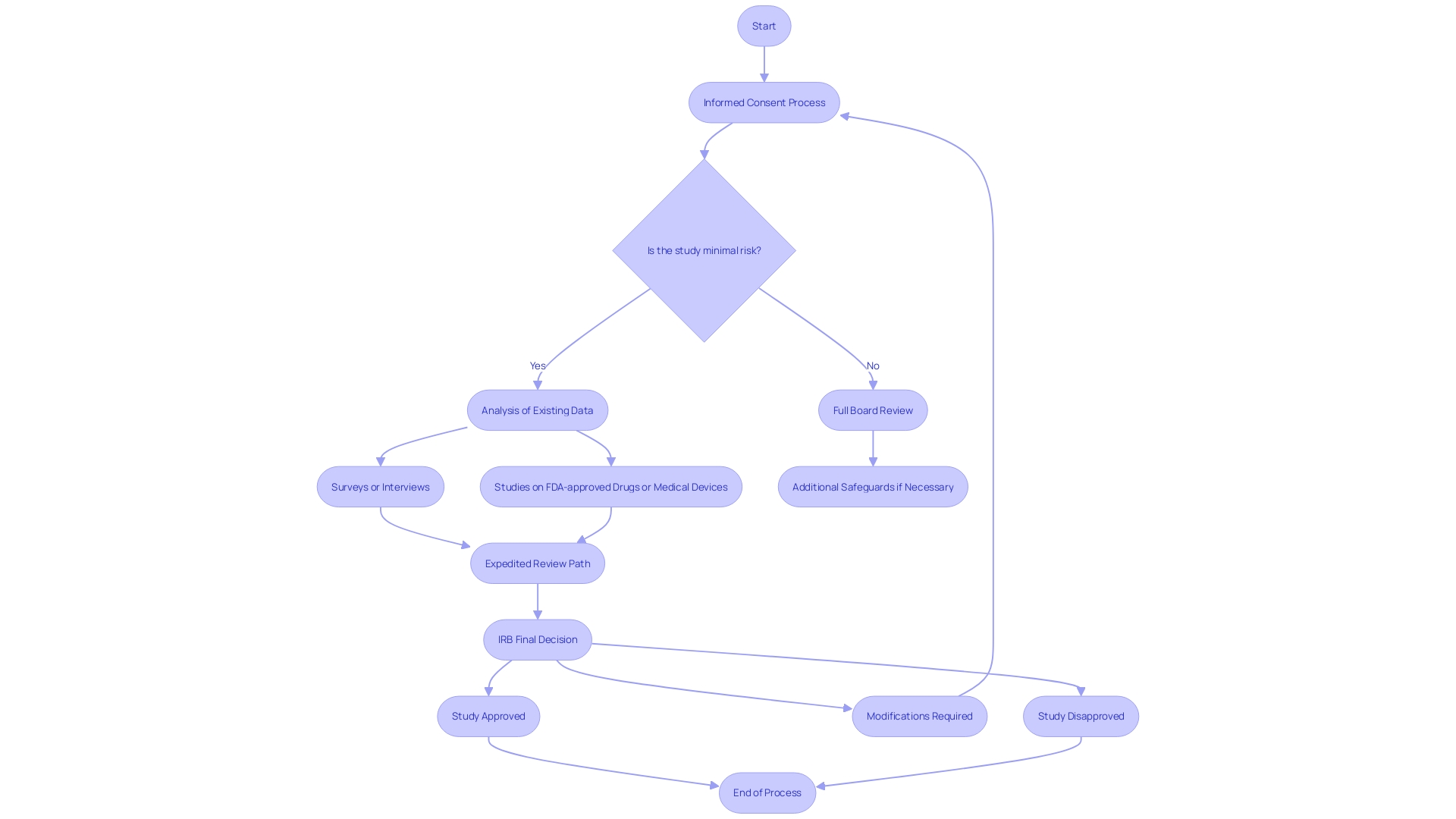
What Qualifies for Expedited Review
Accelerated evaluation processes by are intended to streamline the assessment of studies that present minimal risk to participants. Such studies often involve or biological specimens, as well as surveys or interviews that do not involve significant risk. Additionally, studies on drugs or medical devices that have received may also qualify for an . The FDA frequently employs , such as focus groups and in-depth interviews, to acquire nuanced insights into consumer perspectives on FDA-regulated products. This kind of investigation is crucial for creating variables for quantitative studies, comprehending attitudes and emotions, and exploring findings from quantitative inquiry. These qualitative studies, while not quantifiable in the traditional sense, are vital for informing policy decisions and for allocating resources effectively.
In the context of , it is crucial to distinguish between ‘delayed start’ and ‘delayed onset’ studies. A ‘delayed start’ study has a postponed initiation within the funding period but is fully defined in the application. In contrast, a ‘delayed onset’ study cannot be fully outlined upon application and requires initial investigation outcomes to finalize the human subjects study plans. Mistaking these terms can have significant implications on the application’s evaluation or even result in a delay of award.
According to the latest evaluation standards, the FDA has consolidated five regulatory criteria into three key elements: the , the thoroughness and viability of the study, and the proficiency and resources accessible. This framework highlights the influence, practicability, and scientific soundness of the investigation. Innovation also plays a critical role, whether through novel concepts, methods, or technologies, or by applying existing ones in unique ways to elevate the project’s impact.
Benefits of Expedited Review
The accelerated is a crucial element in advancing , particularly when time is crucial. This allows for a more rapid commencement of studies, which is particularly vital in responding to urgent public health needs, such as the COVID-19 pandemic. With an average oncology trial today having 38 inclusion/exclusion criteria, and site-based , the can be a bottleneck, often taking weeks or months to finish. , on the other hand, ensures that essential studies can progress swiftly and with fewer administrative hurdles, all while maintaining rigorous standards for and data quality. The MHRA’s pilot program exemplifies this commitment to efficiency, incorporating patient perspectives early on to enhance the relevance and safety of medical innovations. As research advances rapidly, with more than seven million academic papers published every year, the significance of a well-coordinated accelerated evaluation cannot be emphasized enough, providing hope to patients and contributing to the quality and reliability of the scientific undertaking.
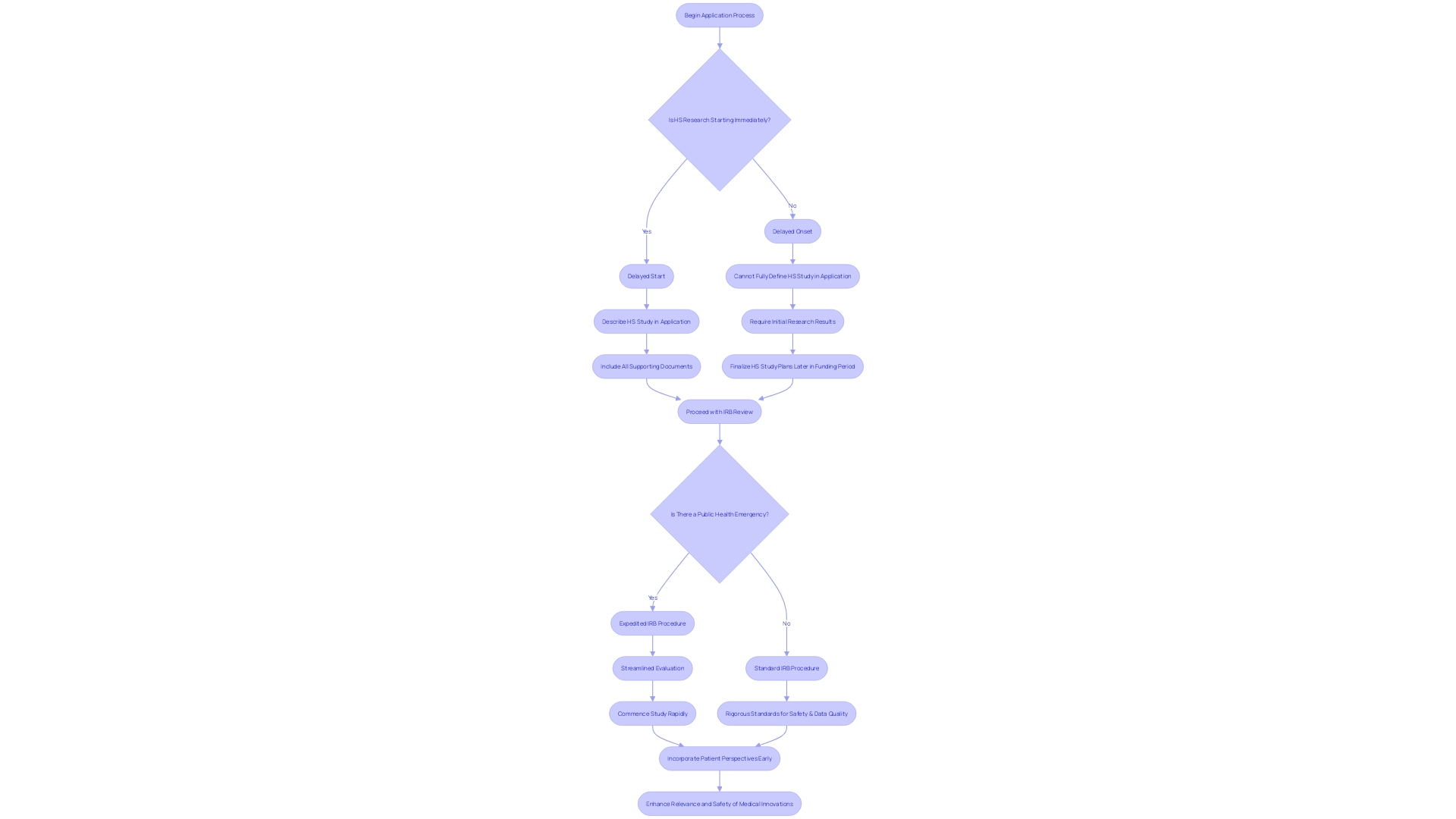
Streamlining the IRB Process: Strategies and Innovations
To enhance the effectiveness of accelerated procedures, it is crucial to embrace a versatile approach that involves the creation of transparent and accurate . This transparency ensures that researchers are well-equipped to prepare complete and precise . The incorporation of technological advancements plays a crucial part in enhancing the evaluation process. By adopting electronic submission systems and digital platforms, the management of documents is significantly simplified, and communication between IRBs and researchers is greatly improved.
Furthermore, fostering a collaborative environment between IRBs and researchers is paramount. can expedite the resolution of any issues that surface during the evaluation, thus avoiding unnecessary delays. This is especially crucial in a scenario where secure and compliant investigation is of the utmost significance, particularly for projects that handle sensitive information and require government security clearances.
The FDA has acknowledged the significance of effective , and in reaction, has implemented various actions to improve the assessment procedure. These include efforts to with the Health and Human Services (HHS) Common Rule. This harmonization aims to increase the efficiency of clinical studies while safeguarding the rights of participants. Additionally, guidance on informed consent has been proposed to ensure clarity and aid participant understanding of the study’s purpose, potential risks and benefits, and overall procedures.
In view of these developments, it is apparent that a coordinated endeavor to not only facilitates medical progress but also upholds the ethical standards necessary to protect research participants. By implementing these strategic approaches, the IRB can expedite without compromising the integrity or quality of the research.
The Role of Collaboration in Reducing Turnaround Time
Effective cooperation among researchers and members greatly influences the speed at which expedited assessments are carried out. By sharing expertise and maintaining open lines of communication, all involved parties can ensure that the documentation and information required are provided promptly. Taking a proactive approach is crucial to prevent delays and expedite the review, which is particularly important in an era where up to 80% of fail to meet their deadlines. Given the changing nature of , where being the initial provider of new therapies can result in significant achievements, it becomes even more crucial to streamline these procedures. Collaboration not only promotes knowledge exchange but also allows for direct responses to queries or concerns that may arise, thereby improving the efficiency and quality of scholarly investigation. This is demonstrated by the transformative outcomes seen in , where experts from diverse fields come together to solve complex issues, leading to innovations that are both medically effective and user-oriented. Furthermore, the incorporation of at the outset, as demonstrated by recent endeavors such as the MHRA Patient Engagement Approach, further illustrates the advantages of cooperative endeavors in influencing the course of .
Real-Time IRB Review: A Case Study
The idea of live IRB (Institutional Review Board) assessment is transforming the ethical supervision of . This progressive model convenes researchers and IRB members for live discussions, either virtually or face-to-face, to address any questions or concerns on the spot. Such a dynamic approach eliminates the delays inherent in traditional correspondence, fostering immediate dialogue and collaboration. Real-time evaluation has the potential to significantly compress the assessment timeline, thereby accelerating the progress of vital research initiatives.
In the context of developing state-of-the-art like Pressure by IR-MED Inc., which is undergoing usability studies, the significance of prompt IRB procedures cannot be overstated. PressureSafe exemplifies the type of innovative healthcare technologies that benefit from , ensuring that novel solutions reach patients in a timely manner while maintaining rigorous standards of safety and efficacy.
The procedure for conducting studies involving human subjects, especially when distinguishing between ‘delayed start’ and ‘delayed onset’ studies, is a crucial stage that gains advantages from the . With the ability to discuss and resolve issues as they arise, can help researchers navigate the complexities of their applications, leading to clearer and more accurate submissions.
Furthermore, the IRB’s responsibility as the protector of is crucial. Their evaluation system, which relies on experienced academics and experts, acts as the guardian for project proposals. The goal is always to ethically conduct investigations, minimize harm, and ensure participant consent. could improve this procedure, offering an immediate platform for dealing with any ethical dilemmas and strengthening the safeguarding of participants.
The incorporation of can be viewed as a manifestation of the progress in medical research and technology. As healthcare continues to evolve, so too must the structures that support and regulate it, ensuring that innovation is not stifled by procedural delays while upholding the highest .
Addressing Common Challenges in Expedited Reviews
Navigating the intricacies of expedited for requires meticulous attention to detail. To be eligible for a , researchers must ensure that their study design fully complies with the IRB’s specified criteria. This rigorous approach is crucial, as it aligns with the broader to upholding the integrity of investigations, something that has been profoundly underscored during critical health crises such as the COVID-19 pandemic.
The accelerated evaluation procedure requires ongoing adherence to the developing . Researchers are tasked with staying abreast of the latest updates to maintain the validity of their work. This dedication to adherence echoes recent alterations in regulatory assessment standards, emphasizing the importance, thoroughness, feasibility, and influence of investigation, as expressed by Dr. Lisa Steele and Dr. Stephanie Constant. Such criteria are redefining the evaluation of scientific endeavors, prioritizing projects with substantial potential impact and practical feasibility.
Additionally, the changing environment of scientific publication and peer evaluation has strengthened the need for precision and promptness in research dissemination. The increase in deceptive studies and the public’s doubt towards scientific findings require an elevated level of examination in the peer review procedure. Therefore, researchers undertaking expedited IRB procedures must not only adhere to regulatory expectations but also responsibly contribute to the body of scientific knowledge, ensuring that their findings withstand the rigors of peer assessment.
In summary, while for IND applications offer a faster pathway to study approval, they come with the responsibility of meticulous planning, detailed alignment with IRB criteria, and a steadfast commitment to regulatory and ethical standards. This comprehensive approach safeguards the integrity of and its consequential impact on public health.
Best Practices for Optimizing Expedited Review
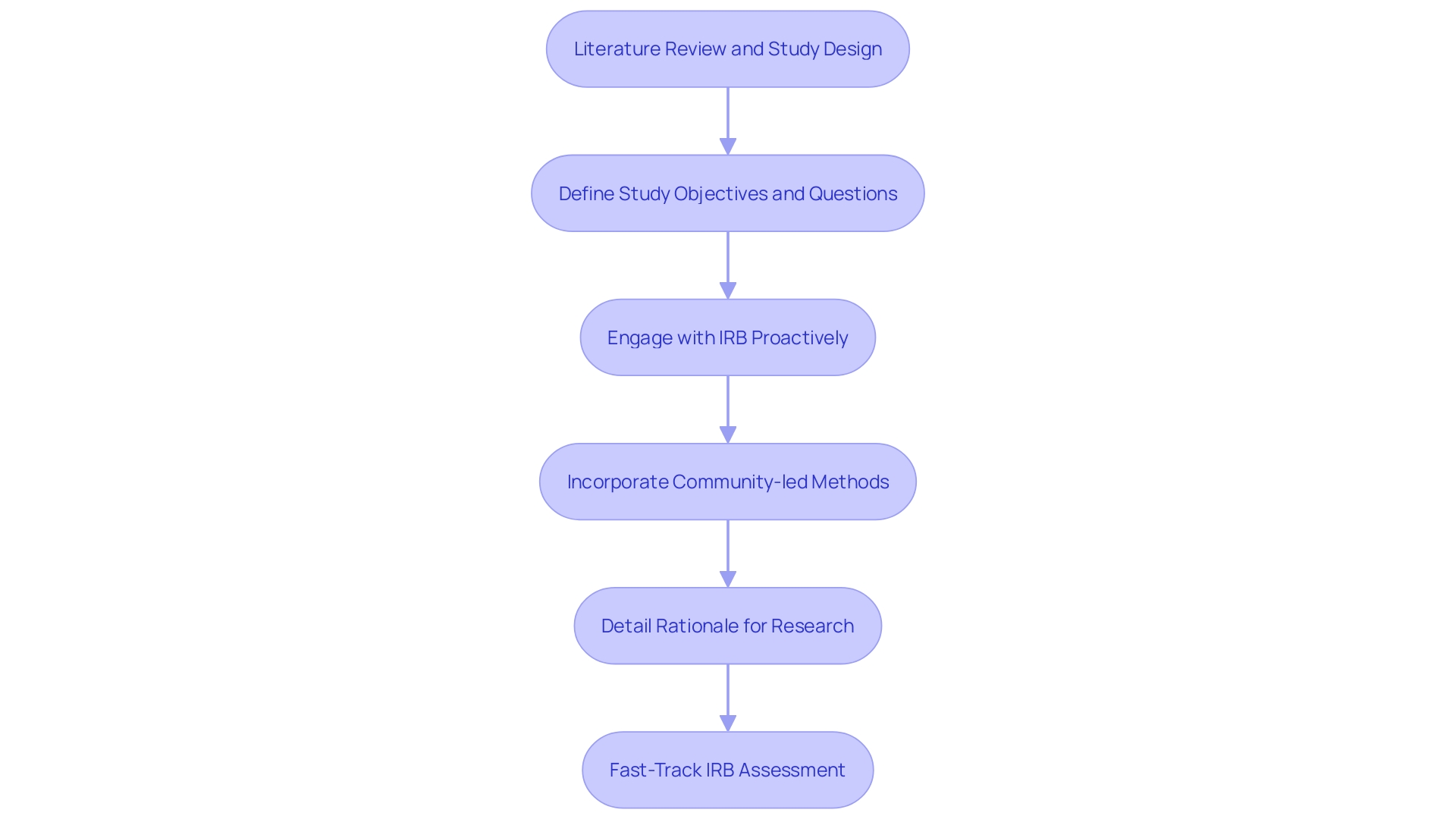
Obtaining a fast-track assessment from an for depends on a thorough comprehension of the IRB’s particular and a well-organized . It is crucial to perform a thorough to determine the originality and importance of your study within its relevant domain, which not only informs, but also simplifies the evaluation procedure. A distinct expression of the study objectives and questions, or hypothesis, is crucial, and must be prominently stated to facilitate the reviewer’s assessment of the study’s innovation and importance.
Proactive engagement with the IRB, characterized by transparency and intentional communication, is vital. By showcasing the community-led method for establishing optimal approaches in oceanographic studies, the incorporation of a wide range of knowledge and perspectives can greatly improve the effectiveness and availability of the results. By implementing this approach to the IRB, through guaranteeing that the application reflects a comprehension of the scientific community’s requirements and the particular gaps the study intends to tackle, can promote a . This, coupled with detailing the and its place within the broader scientific context, can contribute to a more efficient and effective review process.
Conclusion
In conclusion, expedited review processes for Institutional Review Boards (IRBs) are crucial in protecting participants and upholding ethical standards in clinical research. There are three types of IRB review: full board, expedited, and exempt, each with its own criteria and level of scrutiny.
Expedited review is for studies that involve minimal risk and meet specific criteria, allowing researchers to move forward without a full board review. It offers a more rapid commencement of studies, particularly important for urgent public health needs. Strategies like transparent criteria, technological advancements, and collaboration between IRBs and researchers optimize the efficiency of the IRB process.
Real-time IRB review revolutionizes the ethical oversight of clinical research by fostering immediate dialogue and collaboration. It compresses the review timeline and ensures swift approval for innovative healthcare technologies.
Addressing common challenges in expedited reviews requires attention to detail, compliance with regulations, and a commitment to accuracy in research dissemination. Researchers must align their study designs with IRB criteria and contribute responsibly to scientific knowledge.
By implementing best practices and optimizing expedited review, researchers navigate the IRB process efficiently, ensuring research integrity and participant well-being. Expedited review and collaboration between researchers and IRBs advance medical research while upholding ethical standards.
Learn more about the benefits of expedited review for your clinical research studies.
Frequently Asked Questions
What is the role of Institutional Review Boards (IRBs)?
IRBs are responsible for reviewing and approving study protocols to ensure the protection of human subjects involved in clinical trials. They assess risks and burdens faced by volunteers, aiming to justify them through potential scientific knowledge benefits for future patients.
Why is expedited IRB evaluation necessary?
Expedited IRB evaluation is essential for quickly assessing research protocols, especially in rapidly developing fields. It allows for timely approval of studies that present minimal risk to participants while maintaining rigorous ethical standards.
What are the types of IRB review?
There are three primary types of IRB review: 1. Full Board Review: Required for studies with greater than minimal risk or sensitive subject matter, involving all IRB members in the evaluation process. 2. Expedited Review: For research involving minimal risk or minor changes to approved studies, evaluated by one or more experienced IRB members. 3. Exempt Review: For studies with negligible risk that fall into specific federal categories, requiring submission for verification of exemption status.
What qualifies a study for expedited review?
Studies that may qualify for expedited review include: – Research involving analysis of existing data or biological specimens. – Surveys or interviews that pose minimal risk. – Studies on FDA-approved drugs or devices.
How does the expedited review process benefit research?
The expedited review process allows for quicker initiation of studies, which is especially important during urgent public health situations. It reduces administrative hurdles while ensuring patient safety and data quality.
What strategies can enhance the IRB review process?
To streamline the IRB review process, the following strategies can be employed: – Establish transparent and accurate expedited assessment standards. – Utilize electronic submission systems for improved document management. – Foster collaboration and effective communication between IRBs and researchers.
How can real-time IRB reviews improve efficiency?
Real-time IRB reviews involve live discussions between researchers and IRB members, allowing immediate resolution of questions or concerns. This approach can significantly reduce assessment timelines and enhance collaboration.
What challenges do researchers face during expedited reviews?
Challenges include ensuring compliance with IRB criteria, staying updated with regulatory guidelines, and producing precise and prompt submissions. Researchers must also navigate the complexities of study designs to align with IRB expectations.
What are best practices for optimizing expedited review?
Best practices include: – Conducting thorough literature reviews to establish the study’s significance. – Clearly articulating study objectives and research questions. – Maintaining proactive communication with the IRB to create a collaborative environment.
Why is understanding terms like ‘delayed start’ and ‘delayed onset’ important?
These terms have specific implications for IRB submissions. Misunderstanding them could lead to incomplete applications and delays in the approval process.
How does collaboration impact IRB review turnaround time?
Effective collaboration ensures timely provision of required documentation and information, reducing delays in the review process and enhancing the overall quality of research proposals.
How are ethical standards upheld in expedited reviews?
IRBs maintain ethical standards by carefully evaluating study proposals and ensuring that investigations minimize harm to participants and uphold informed consent principles.
List of Sources
- The Purpose and Function of IRBs
- statnews.com (https://www.statnews.com/2024/07/18/institutional-review-boards-must-assess-trials-scientific-merit/?utm_campaign=rss)
- blog.neurips.cc (https://blog.neurips.cc/2023/12/09/reflections-on-the-neurips-2023-ethics-review-process/)
- niaid.nih.gov (https://www.niaid.nih.gov/grants-contracts/delayed-start-and-delayed-onset-human-subjects-research)
- grants.nih.gov (https://grants.nih.gov/policy/peer/simplifying-review/framework.htm)
- ai-case-study.vercel.app (https://ai-case-study.vercel.app/)
- forum.effectivealtruism.org (https://forum.effectivealtruism.org/posts/oSAbWDuxmFZnsGEvx/case-study-safety-standards-on-california-utilities-to)
- nature.com (https://www.nature.com/latest-news)
- eurekalert.org (https://www.eurekalert.org/newsportal/WPI)
- yegor256.com (https://www.yegor256.com/2023/10/11/method-of-research.html)
- niaid.nih.gov (https://www.niaid.nih.gov/grants-contracts/delayed-start-and-delayed-onset-human-subjects-research)
- federalregister.gov (https://www.federalregister.gov/documents/2023/09/21/2023-20474/considerations-for-the-conduct-of-clinical-trials-of-medical-products-during-major-disruptions-due)
- Types of IRB Review: Full Board, Expedited, and Exempt
- statnews.com (https://www.statnews.com/2024/07/18/institutional-review-boards-must-assess-trials-scientific-merit/?utm_campaign=rss)
- ai-case-study.vercel.app (https://ai-case-study.vercel.app/)
- forum.effectivealtruism.org (https://forum.effectivealtruism.org/posts/oSAbWDuxmFZnsGEvx/case-study-safety-standards-on-california-utilities-to)
- researchmethodscommunity.sagepub.com (https://researchmethodscommunity.sagepub.com/blog/ethics-challenged-world)
- undark.org (https://undark.org/2024/02/26/institutional-review-board-slow/)
- ukri.org (https://www.ukri.org/news/ukri-chief-executive-update-to-the-community/)
- rcpsych.ac.uk (https://www.rcpsych.ac.uk/improving-care/invited-review-service)
- niaid.nih.gov (https://www.niaid.nih.gov/grants-contracts/delayed-start-and-delayed-onset-human-subjects-research)
- ecfr.gov (https://www.ecfr.gov/current/title-21/chapter-I/subchapter-A/part-56/subpart-B/section-56.107)
- ecfr.gov (https://www.ecfr.gov/current/title-21/chapter-I/subchapter-A/part-56/subpart-B/section-56.107)
- grants.nih.gov (https://grants.nih.gov/policy/peer/simplifying-review/framework.htm)
- What Qualifies for Expedited Review
- federalregister.gov (https://www.federalregister.gov/documents/2023/09/21/2023-20474/considerations-for-the-conduct-of-clinical-trials-of-medical-products-during-major-disruptions-due)
- federalregister.gov (https://www.federalregister.gov/public-inspection/2024-20814/public-health-service-policies-on-research-misconduct)
- fda.gov (https://www.fda.gov/news-events/press-announcements/fda-roundup-september-6-2024)
- nexus.od.nih.gov (https://nexus.od.nih.gov/all/2024/09/18/nih-all-about-grants-podcast-simplified-review-framework/)
- grants.nih.gov (https://grants.nih.gov/grants/guide/notice-files/NOT-OD-24-010.html)
- federalregister.gov (https://www.federalregister.gov/documents/2023/10/19/2023-23011/agency-information-collection-activities-submission-for-office-of-management-and-budget-review)
- federalregister.gov (https://www.federalregister.gov/documents/2024/06/18/2024-13386/agency-information-collection-activities-submission-for-office-of-management-and-budget-review)
- niaid.nih.gov (https://www.niaid.nih.gov/grants-contracts/delayed-start-and-delayed-onset-human-subjects-research)
- grants.nih.gov (https://grants.nih.gov/policy/peer/simplifying-review/framework.htm)
- ecfr.gov (https://www.ecfr.gov/current/title-21/chapter-I/subchapter-A/part-56/subpart-B/section-56.107)
- fda.gov (https://www.fda.gov/news-events/fda-voices/fda-works-make-informed-consent-easier-understand)
- federalregister.gov (https://www.federalregister.gov/documents/2023/09/21/2023-20474/considerations-for-the-conduct-of-clinical-trials-of-medical-products-during-major-disruptions-due)
- Benefits of Expedited Review
- fdli.org (https://www.fdli.org/2023/10/the-accelerated-approval-program-desiderata-for-a-proper-solution-to-the-untimely-completion-of-confirmatory-trials/)
- appliedclinicaltrialsonline.com (https://www.appliedclinicaltrialsonline.com/view/benefits-of-delegating-the-patient-screening-process-for-oncology-trials)
- nanoappsmedical.com (https://www.nanoappsmedical.com/new-method-accelerates-drug-discovery-from-years-to-months/)
- about.clearancejobs.com (https://about.clearancejobs.com/employers/recruiting-resources/2024-state-of-the-security-clearance-process-1h2024)
- elifesciences.org (https://elifesciences.org/inside-elife/7776315b/elife-new-model-at-six-months-an-icor-analysis)
- medpagetoday.com (https://www.medpagetoday.com/opinion/faustfiles/107251)
- fda.gov (https://www.fda.gov/news-events/fda-voices/increasing-options-clinical-research-facilitate-medical-product-development)
- scientificamerican.com (https://www.scientificamerican.com/article/the-dangers-of-fast-science/)
- clinicaltrialsarena.com (https://www.clinicaltrialsarena.com/news/clinical-trial-approval-times-to-halve-under-new-mhra-scheme/)
- niaid.nih.gov (https://www.niaid.nih.gov/grants-contracts/delayed-start-and-delayed-onset-human-subjects-research)
- grants.nih.gov (https://grants.nih.gov/policy/peer/simplifying-review/framework.htm)
- grants.nih.gov (https://grants.nih.gov/grants/guide/notice-files/NOT-OD-24-010.html)
- niaid.nih.gov (https://www.niaid.nih.gov/grants-contracts/delayed-start-and-delayed-onset-human-subjects-research)
- thefdalawblog.com (https://www.thefdalawblog.com/2023/10/fda-moves-beyond-covid-19-but-impacts-on-covid-19-era-clinical-trials-remain/?utm_source=rss&utm_medium=rss&utm_campaign=fda-moves-beyond-covid-19-but-impacts-on-covid-19-era-clinical-trials-remain)
- Streamlining the IRB Process: Strategies and Innovations
- steveblank.com (https://steveblank.com/2024/08/13/security-clearances-at-the-speed-of-startups/)
- undark.org (https://undark.org/2024/02/26/institutional-review-board-slow/)
- fda.gov (https://www.fda.gov/news-events/fda-voices/fda-works-make-informed-consent-easier-understand)
- fda.gov (https://www.fda.gov/news-events/fda-voices/increasing-options-clinical-research-facilitate-medical-product-development)
- grants.nih.gov (https://grants.nih.gov/policy/peer/simplifying-review/framework.htm)
- statnews.com (https://www.statnews.com/2024/07/18/institutional-review-boards-must-assess-trials-scientific-merit/?utm_campaign=rss)
- grants.nih.gov (https://grants.nih.gov/grants/guide/notice-files/NOT-OD-24-010.html)
- The Role of Collaboration in Reducing Turnaround Time
- statnews.com (https://www.statnews.com/2024/08/20/complex-generics-fda-ema-parallel-scientific-advice-program/?utm_campaign=rss)
- pharmaceutical-technology.com (https://www.pharmaceutical-technology.com/news/nice-expedites-medicine-evaluations-by-17-in-current-year/)
- clinicaltrialsarena.com (https://www.clinicaltrialsarena.com/news/clinical-trial-approval-times-to-halve-under-new-mhra-scheme/)
- mckinsey.com (https://www.mckinsey.com/industries/life-sciences/our-insights/accelerating-clinical-trials-to-improve-biopharma-r-and-d-productivity)
- academic.oup.com (https://academic.oup.com/jamia/advance-article/doi/10.1093/jamia/ocad249/7499277)
- elifesciences.org (https://elifesciences.org/inside-elife/7776315b/elife-new-model-at-six-months-an-icor-analysis)
- researchfish.com (https://researchfish.com/blog/research-characteristics-collaboration/?utm_source=Organic-Social&utm_medium=Twitter&utm_campaign=Q423-RF-Research-Characteristics___)
- hbr.org (https://hbr.org/2024/09/new-rules-for-teamwork)
- medcitynews.com (https://medcitynews.com/2024/02/breaking-silos-the-power-of-collaboration-in-minimizing-denials-for-better-revenue-cycle-performance/)
- niaid.nih.gov (https://www.niaid.nih.gov/grants-contracts/delayed-start-and-delayed-onset-human-subjects-research)
- grants.nih.gov (https://grants.nih.gov/grants/guide/notice-files/NOT-OD-24-010.html)
- Real-Time IRB Review: A Case Study
- academic.oup.com (https://academic.oup.com/jlb/article/11/1/lsae008/7689308)
- greenlight.guru (https://www.greenlight.guru/blog/institutional-review-boards-irbs)
- ai-case-study.vercel.app (https://ai-case-study.vercel.app/)
- niaid.nih.gov (https://www.niaid.nih.gov/grants-contracts/delayed-start-and-delayed-onset-human-subjects-research)
- unsafescience.substack.com (https://unsafescience.substack.com/p/weaponizing-the-irb-20)
- undark.org (https://undark.org/2024/02/26/institutional-review-board-slow/)
- globenewswire.com (https://www.globenewswire.com/news-release/2023/09/26/2749582/0/en/IR-MED-to-Conduct-Usability-Study-with-Methodist-Healthcare-of-San-Antonio-for-its-PressureSafe-Device-Which-is-Slated-for-U-S-Launch-in-H1-2024.html)
- Addressing Common Challenges in Expedited Reviews
- assaultonscience.org (https://assaultonscience.org/)
- grants.nih.gov (https://grants.nih.gov/policy/peer/simplifying-review/framework.htm)
- medpagetoday.com (https://www.medpagetoday.com/genetics/generalgenetics/108874)
- nature.com (https://www.nature.com/articles/d41586-023-03196-y)
- nature.com (https://www.nature.com/articles/d41586-024-02991-5)
- nexus.od.nih.gov (https://nexus.od.nih.gov/all/2024/09/18/nih-all-about-grants-podcast-simplified-review-framework/)
- niaid.nih.gov (https://www.niaid.nih.gov/grants-contracts/delayed-start-and-delayed-onset-human-subjects-research)
- federalregister.gov (https://www.federalregister.gov/documents/2024/04/18/2024-08293/agency-information-collection-activities-submission-for-office-of-management-and-budget-review)
- thefdalawblog.com (https://www.thefdalawblog.com/2023/10/fda-moves-beyond-covid-19-but-impacts-on-covid-19-era-clinical-trials-remain/?utm_source=rss&utm_medium=rss&utm_campaign=fda-moves-beyond-covid-19-but-impacts-on-covid-19-era-clinical-trials-remain)
- journals.asm.org (https://journals.asm.org/doi/full/10.1128/mbio.01091-23)
- Best Practices for Optimizing Expedited Review
- grants.nih.gov (https://grants.nih.gov/policy/peer/simplifying-review/framework.htm)
- news-medical.net (https://www.news-medical.net/news/20240911/Study-shows-delayed-feedback-enhances-learning-in-traumatic-brain-injury.aspx)
- link.springer.com (https://link.springer.com/article/10.1007/s12231-023-09594-7)
- niaid.nih.gov (https://www.niaid.nih.gov/grants-contracts/delayed-start-and-delayed-onset-human-subjects-research)
- grants.nih.gov (https://grants.nih.gov/grants/guide/notice-files/NOT-OD-24-010.html)
- frontiersin.org (https://www.frontiersin.org/articles/10.3389/fmars.2024.1358591/full?utm_source=Email_to_authors_&utm_medium=Email&utm_content=T1_11.5e1_author&utm_campaign=Email_publication&field=&journalName=Frontiers_in_Marine_Science&id=1358591)
- nature.com (https://www.nature.com/articles/s41591-024-03033-3)
- rimsys.io (https://www.rimsys.io/blog/fda-listed-cleared-approved-granted)
- easymedicaldevice.com (https://easymedicaldevice.com/how-to-register-medical-device-saudi-arabia/?utm_source=rss&utm_medium=rss&utm_campaign=how-to-register-medical-device-saudi-arabia)
Leave a Reply