
Introduction
The development and market adoption of machine learning/artificial intelligence medical devices (MAMDs) present unique challenges in the healthcare industry. In addition to navigating regulatory compliance and entrenched medical practices, MAMD makers must also address the limitations on insurance coverage for digital therapeutics. The integration of reimbursement considerations and cross-departmental collaborations can lead to significant time and cost savings.
Clinical trial design plays a crucial role in catering to the evidentiary needs of regulatory agencies and payers, while also balancing innovation and access demands. The pricing strategy of medical devices is influenced by various factors, including therapeutic area, development costs, and competitive scenarios. Medical devices face diverse levels of regulatory oversight in different regions, requiring manufacturers to carefully navigate the approval procedures and demonstrate the medical necessity of their products.
In Latin America, the cost dynamics of conducting post-market clinical studies for medical devices are shaped by complex factors such as the device’s complexity, regulatory requirements, pricing strategies, and the economic climate within each country. Strategizing marketing tactics in clinical trials is essential for precise targeting, cost-efficiency, and maintaining trial integrity. A data-driven approach, combined with Voice of the Customer research, can help in developing medical devices that resonate with patients and healthcare professionals.
A successful case study in Latin America highlights the importance of selecting key target markets, establishing strategic partnerships, utilizing digital platforms for patient recruitment, and staying informed about international regulatory trends. By considering these factors and implementing effective strategies, medical device companies can achieve cost management while conducting clinical trials in complex and regulated environments.
Background and Context
Success in the development of machine learning/artificial intelligence (Names) mirrors the stringent process of new drug market introduction, from initial development to extensive safety and efficacy testing, followed by market adoption by physicians and costs establishment by payers. Despite sharing common hurdles with novel pharmaceuticals, such as the high stakes of commercial viability, MAMD makers must navigate unique challenges such as entrenched medical practices and consumer behaviors, preexisting financial interactions, and the nontrivial barriers of which strive to sustain market safety and effectiveness.
The healthcare space, accustomed to evolution, is also witnessing the transformative potential of —software-based treatments for diseases deployable via mobiles, virtual reality, and sensors. Highlighted for their role in managing chronic and neurological conditions, evidence has surfaced showing their capacity to decrease patient expenses. Yet, the novelty of and the current limitations regarding insurance cover impede their .
At the 2024 MedExec Women Conference, the pivotal question posited was identifying strategies to accumulate requisite evidence for regulatory and reimbursement pathways with efficiency. Early integration of reimbursement considerations and cross-departmental collaborations can yield significant time and monetary savings. This multi-disciplinary approach necessitates a shared fluency in real-world evidence and reimbursement language across R&D, QA, and Health Economics, among others.
The accumulating experience with regulatory agencies reveals a pressing demand for of new devices. , therefore, must cater to these evidentiary needs from inception, contemplating payer perspectives alongside . The FDA, under its public health aegis, underscores the indispensability of well-crafted research in endorsing safe and effective products, signaling a continual effort to align federal research protections with ethical regulations and enhance the clinical study landscape.
Current , influenced by diverse factors—from therapeutic area to development costs and competitive scenarios—dictate the selling price of . The pricing strategy, including discounts and rebates, often reflects internal company policies, inventory considerations, and volume-based negotiations, particularly within large healthcare settings.
In the intricate regulatory web, face a spectrum of oversight levels, both in the US and Europe. The FDA distinguishes devices into three risk-based classes, necessitating different degrees of regulatory scrutiny, with the highest-risk devices, such as pacemakers, subjected to the most stringent approval procedures. The need for credible evidence is balanced against innovation and access demands in an ecosystem where timely advancements in can profoundly affect patient outcomes and healthcare efficiency.
Factors Influencing Costs
The cost dynamics of conducting for in are multifaceted and reflective of the diverse economic climates within the region. While the complexity of the medical device itself and its intended use are pivotal to cost calculations—where sophisticated devices necessitate expansive sample sizes and extended study periods, thereby increasing expenses—the landscape of can also steer financial planning off course. Distinct countries showcase a variance in their regulatory frameworks, which impacts overall costs of trials.
By analyzing disease incidence and prevalence data, one can pinpoint key target markets and cherry-pick a representative subset of locales to navigate the VoC research meaningfully despite the inherent subtleties among nations. The cost elements are further compounded by the pricing strategies of manufacturers, the sale location, and the technology lifecycle stage of the device. For instance, companies like Beckman Coulter tailor discounts for their wares centered on strategic, inventory, and sales considerations, which can sway the ultimate pricing, particularly in regions or institutions poised to negotiate based on volume.
Furthermore, the burgeoning emergence of (LMICs), especially the BRICS nations (Brazil, Russia, India, China, and South Africa), introduces novel opportunities within rapidly expanding economies and an increasingly middle-class demographic demanding superior healthcare services. It is crucial to study the market valuation and trends through , as offered by industry intelligence firms like GlobalData, ensuring an informed decision-making process that accounts for the endemic intricacies of the target region. Collaborative endeavors between regulatory agencies and industry agents, expedited by agencies such as the COVID-19 pandemic, prioritize the approval of devices serving unmet medical needs, with shared aspirations to harness the growth trajectory of places like Brazil, despite its current medical equipment industry challenges that include technological integration and export limitations.
Marketing Strategies for Clinical Trials
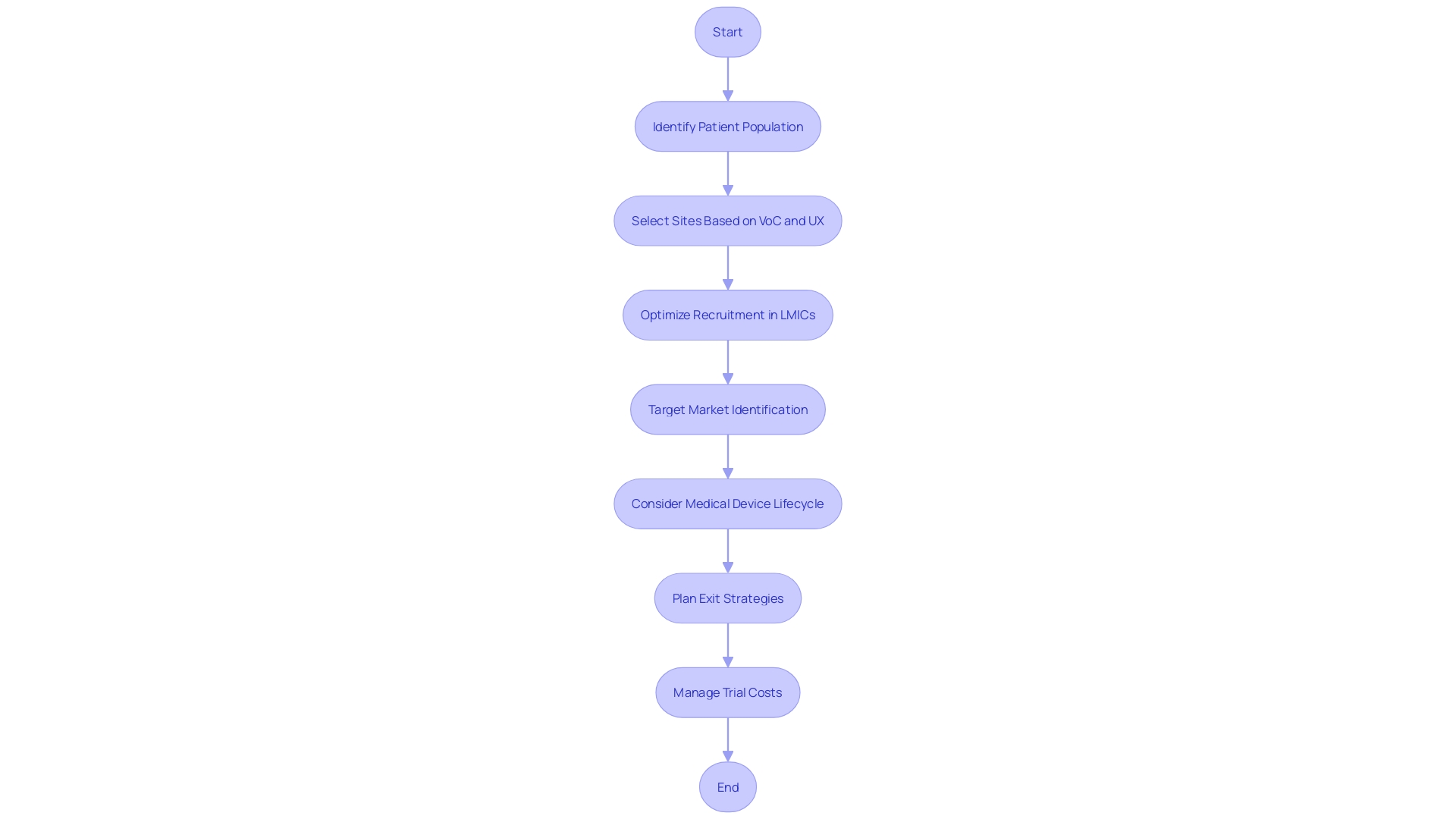
Strategizing the deployment of marketing tactics in is imperative, not only to ensure precise targeting of the intended patient demographics but also to achieve the requisite balance between . A data-driven approach to patient population identification, underpinned by disease incidence and prevalence figures, lays a foundation for judicious site selection. Enhanced by insightful and through the intelligent application of UX design principles, companies can develop medical devices that resonate with both patients and healthcare professionals, thereby reducing superfluous training and customer service costs.
In optimizing recruitment strategies, an understanding of the unique ecosystems within different becomes crucial, as the diversity of these markets impacts both accessibility and the final pricing strategies of medical devices. An emphasis on the product’s key target markets, identified through well-orchestrated VoC research, culminates in more representative and . Such precision marketing, when executed with a comprehensive appreciation of the and potential like acquisitions and partnerships, supports the proficient advancement of a medical device from concept to a successful market entry while concurrently managing and often reducing trial costs.
Case Study: Successful Cost Management
A medical device company executed a cost-effective , addressing a common challenge of balancing quality research with financial constraints. They did this by initially identifying key target markets through data on disease incidence and prevalence, ultimately selecting a few representative locations to streamline their efforts. Furthermore, the company established to capitalize on existing infrastructure and know-how, optimizing the trial process and cost containment.
To mitigate costs further, they took an innovative approach to by utilizing . This not only expanded their reach but also led to better retention rates. Learning from examples where certain regions like Japan or China necessitate local clinical data, the strategy also sidestepped potential expenses associated with fulfilling diverse regulatory demands across different countries.
The result: a well-conducted trial that maintained without excessive spending.
Moreover, insights from the case revealed how keeping abreast with —such as MHRA’s recent move to expedite approval for low-risk trials—can benefit future clinical operations. These findings underline the importance of strategic planning and the use of digital tools in conducting in dynamically regulated environments like Latin America.
Conclusion
In conclusion, the development and market adoption of machine learning/artificial intelligence medical devices (MAMDs) in the healthcare industry pose unique challenges. Navigating regulatory compliance and insurance coverage limitations requires integrating reimbursement considerations and fostering cross-departmental collaboration, leading to time and cost savings.
Clinical trial design plays a crucial role in meeting evidentiary needs while balancing innovation and access demands. Pricing strategies are influenced by factors such as therapeutic area, development costs, and competitive scenarios. Manufacturers face varying levels of regulatory oversight in different regions and must navigate approval procedures accordingly.
In Latin America, conducting post-market clinical studies for medical devices entails complex cost dynamics shaped by device complexity, regulatory requirements, pricing strategies, and economic climates. Analyzing disease data helps identify key target markets, promoting precise targeting and cost-efficiency. Staying informed about international regulatory trends is crucial.
Effective marketing strategies are essential for target precision, cost-efficiency, and maintaining trial integrity. A data-driven approach, combined with Voice of the Customer research, ensures the development of resonating medical devices. Careful site selection and utilizing digital platforms for patient recruitment enhance effectiveness and reduce costs.
A successful case study in Latin America underscores the importance of selecting key target markets, establishing strategic partnerships, utilizing digital platforms for patient recruitment, and staying informed about international regulatory trends. By considering these factors and implementing effective strategies, medical device companies can achieve cost management while conducting clinical trials in complex environments.
To summarize, addressing the challenges of MAMD development and market adoption involves integrating reimbursement considerations, collaborating across departments, designing clinical trials carefully, and strategizing marketing tactics. By doing so, medical device companies can achieve cost management and success in demanding environments.
Frequently Asked Questions
What is the focus of the article?
The article discusses the development, regulatory challenges, and cost dynamics of machine learning and artificial intelligence medical devices, particularly in relation to clinical trials and market introduction.
How do machine learning medical devices compare to traditional pharmaceuticals?
Both face similar challenges in market introduction, such as safety and efficacy testing, but medical device manufacturers also deal with unique hurdles like entrenched medical practices, regulatory compliance, and financial interactions.
What are digital therapeutics?
Digital therapeutics refer to software-based treatments for diseases that can be deployed through mobile applications, virtual reality, and sensors. They are particularly noted for managing chronic and neurological conditions.
What challenges do digital therapeutics face?
The novelty of these therapies and current limitations in insurance coverage impede their widespread clinical use, despite evidence showing they can reduce patient expenses.
What was the key question raised at the 2024 MedExec Women Conference?
The conference focused on identifying strategies to gather necessary evidence efficiently for regulatory and reimbursement pathways for medical devices.
Why is it important to integrate reimbursement considerations early in the development process?
Early integration can lead to significant time and monetary savings by fostering collaboration across various departments, ensuring all stakeholders share a common understanding of real-world evidence and reimbursement language.
What role does the FDA play in ensuring the safety of medical devices?
The FDA emphasizes the need for well-crafted research to substantiate the medical necessity of new devices, ensuring that products meet safety and efficacy standards.
How are medical devices categorized by the FDA?
Medical devices are classified into three risk-based classes, with higher-risk devices, like pacemakers, facing stricter approval processes.
What factors influence the pricing of medical devices?
Pricing is influenced by therapeutic areas, development costs, competitive scenarios, and company policies, including discounts and volume-based negotiations.
What are some unique cost challenges in conducting clinical trials for medical devices in Latin America?
The costs can vary significantly due to the complexity of the device, regulatory requirements, and the economic conditions of different countries within the region.
How can companies optimize patient recruitment for clinical trials?
Companies can use a data-driven approach combined with Voice of the Customer (VoC) research and digital platforms to effectively target the right patient demographics and enhance recruitment and retention rates.
What was the strategy employed by a medical device company to manage trial costs in Latin America?
The company identified key target markets through disease data, partnered with local healthcare entities, and utilized digital platforms for recruitment to streamline efforts and contain costs.
How does understanding international regulatory trends benefit clinical operations?
Keeping up with regulatory trends can help organizations adapt their strategies to comply with changing requirements, potentially expediting approval processes for clinical trials.
Why is collaboration between regulatory agencies and industry important?
Such collaboration can expedite the approval of devices that address unmet medical needs, thus enhancing access to innovative healthcare solutions in growing economies.
List of Sources
- Background and Context
- mlinhealthcare.substack.com (https://mlinhealthcare.substack.com/p/the-hard-truth-about-artificial-intelligence?utm_source=substack&utm_medium=email)
- statnews.com (https://www.statnews.com/2024/03/22/medical-device-makers-fda-approval-uber/?utm_campaign=rss)
- medtechintelligence.com (https://medtechintelligence.com/feature_article/everybody-is-looking-for-evidence-bridging-regulatory-reimbursement-strategies-for-success/)
- medicaldevice-network.com (https://www.medicaldevice-network.com/news/curavit-launches-heor-services-for-digital-therapeutic-trials/)
- medicaldevice-network.com (https://www.medicaldevice-network.com/news/focus-clinical-research-uk-all-nhs/)
- medpagetoday.com (https://www.medpagetoday.com/opinion/second-opinions/106064)
- medicaldevice-network.com (https://www.medicaldevice-network.com/news/sponsors-urged-to-compensate-oncology-patients-and-meet-trial-staff-face-to-face/)
- fda.gov (https://www.fda.gov/news-events/fda-voices/increasing-options-clinical-research-facilitate-medical-product-development)
- medicaldevice-network.com (https://www.medicaldevice-network.com/data-insights/medical-devices-synchron-lx-micro-pricing/)
- medicaldevice-network.com (https://www.medicaldevice-network.com/sponsored/reducing-medical-device-approval-times-in-2023/)
- globaldata.com (https://www.globaldata.com:443/store/report/ai-in-medical-theme-analysis/)
- fda.gov (https://www.fda.gov/science-research/science-and-research-special-topics/artificial-intelligence-and-medical-products)
- Factors Influencing Costs
- infomeddnews.com (https://infomeddnews.com/about-medical-device-news-magazine-2024/)
- medicaldevice-network.com (https://www.medicaldevice-network.com/news/curavit-launches-heor-services-for-digital-therapeutic-trials/)
- medicaldevice-network.com (https://www.medicaldevice-network.com/data-insights/medical-devices-synchron-lx-micro-pricing/)
- medicaldevice-network.com (https://www.medicaldevice-network.com/sponsored/reducing-medical-device-approval-times-in-2023/)
- ojs.revistacontribuciones.com (https://ojs.revistacontribuciones.com/ojs/index.php/clcs/article/download/1388/1257)
- mdpi.com (https://www.mdpi.com/2673-1592/5/3/59/pdf?version=1693813665)
- starfishmedical.com (https://starfishmedical.com/blog/voice-of-the-customer-medical-device-research-in-low-and-middle-income-countries/)
- Marketing Strategies for Clinical Trials
- starfishmedical.com (https://starfishmedical.com/blog/medical-device-phase-one-product-development-pro-tips/)
- starfishmedical.com (https://starfishmedical.com/blog/14-ways-to-increase-medical-device-speed-to-market/)
- infomeddnews.com (https://infomeddnews.com/about-medical-device-news-magazine-2024/)
- starfishmedical.com (https://starfishmedical.com/blog/voice-of-the-customer-medical-device-research-in-low-and-middle-income-countries/)
- starfishmedical.com (https://starfishmedical.com/blog/18-business-factors-that-determine-successful-medical-device-exits/)
- medhealthoutlook.com (https://medhealthoutlook.com/three-best-practices-to-combat-clinical-trial-pain-points-scott-gray-ceo-of-clincierge/)
- pharmalive.com (https://www.pharmalive.com/pharma-marketings-catch-22/)
- biospace.com (https://www.biospace.com/article/treehill-partners-ali-pashazadeh-on-how-to-improve-clinical-trial-design/?utm_source=dlvr.it&utm_medium=twitter)
- medicaldevice-network.com (https://www.medicaldevice-network.com/data-insights/medical-devices-synchron-lx-micro-pricing/)
- medicaldevice-network.com (https://www.medicaldevice-network.com/news/curavit-launches-heor-services-for-digital-therapeutic-trials/)
- starfishmedical.com (https://starfishmedical.com/blog/voice-of-the-customer-medical-device-research-in-low-and-middle-income-countries/)
- Case Study: Successful Cost Management
- medhealthoutlook.com (https://medhealthoutlook.com/three-best-practices-to-combat-clinical-trial-pain-points-scott-gray-ceo-of-clincierge/)
- impact.economist.com (https://impact.economist.com/perspectives/health/one-stripe-time-raising-awareness-rare-diseases-latin-america)
- medicaldevice-network.com (https://www.medicaldevice-network.com/news/setting-up-trials-in-apac-and-middle-east-can-boost-patient-recruitment-2/)
- medicaldevice-network.com (https://www.medicaldevice-network.com/data-insights/medical-devices-synchron-lx-micro-pricing/)
- medicaldevice-network.com (https://www.medicaldevice-network.com/news/curavit-launches-heor-services-for-digital-therapeutic-trials/)
- starfishmedical.com (https://starfishmedical.com/blog/voice-of-the-customer-medical-device-research-in-low-and-middle-income-countries/)
Leave a Reply