
Introduction
The Importance of Post-Market Clinical Follow-Up Studies
Post-market clinical follow-up (PMCF) studies play a crucial role in evaluating the real-world application of medical devices. While devices undergo rigorous evaluation for FDA approval, their full performance spectrum is often only realized when used by a broader patient population in various clinical settings.
PMCF studies monitor and document adverse reactions or device malfunctions, ensuring patient safety. They also provide crucial data for coverage decisions and help bridge the informational gap between regulatory requirements. This article delves into the types of PMCF studies, the role of clinical evaluations in device safety, best practices for conducting these studies, challenges and limitations, and future directions and trends in Latin America.
The Importance of Post-Market Clinical Follow-Up Studies
The necessity of extends beyond initial approval processes to tackle issues. For instance, while devices undergo rigorous evaluation for FDA approval, the full spectrum of a device’s performance is often only realized when it is used by a broader patient population in various clinical settings.
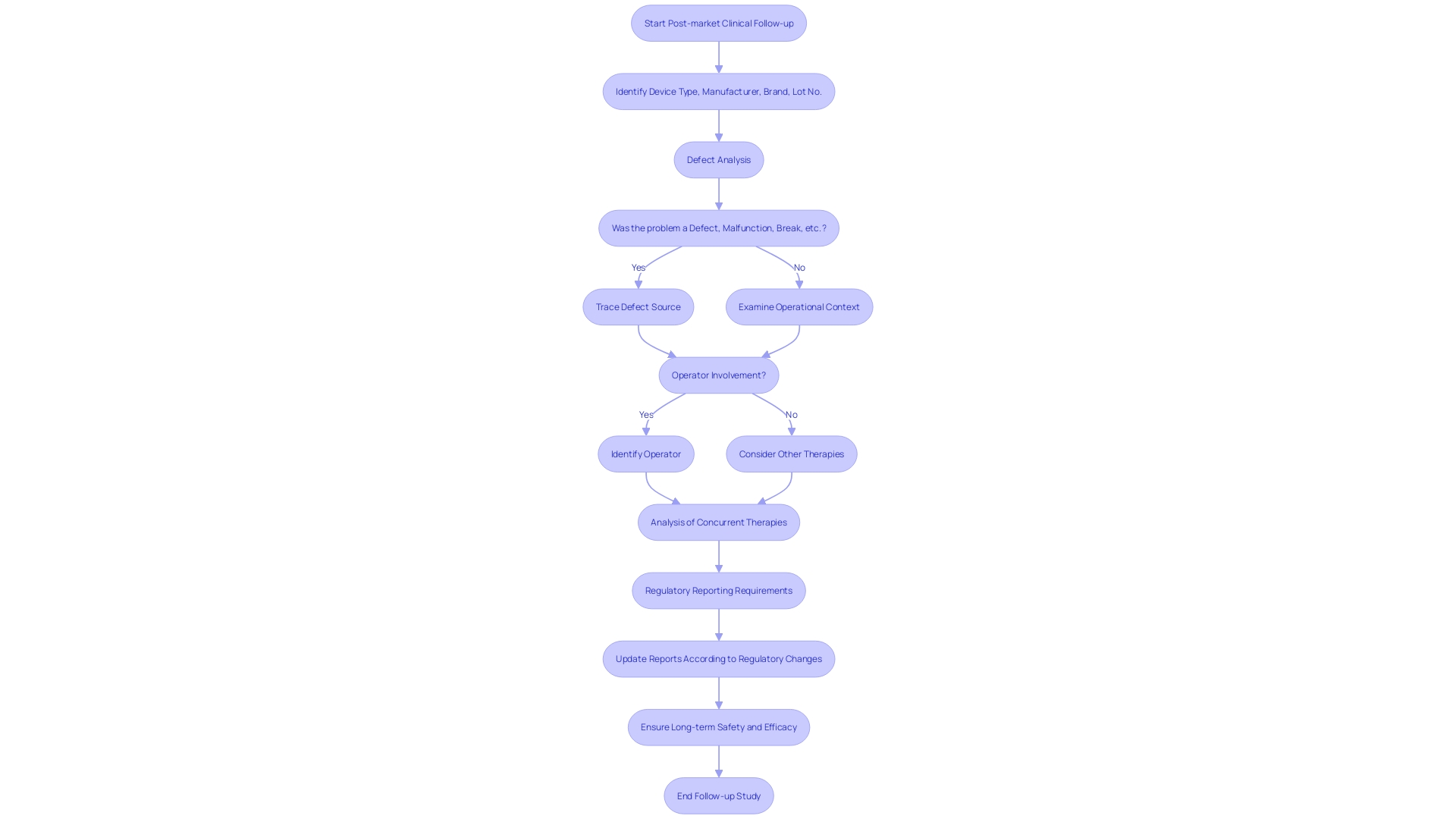
PMCF studies serve as a pivotal mechanism for monitoring and documenting any unanticipated that could compromise . These studies are instrumental in updating device-specific information such as type, manufacturer details, brand, and lot numbers, enabling healthcare professionals to swiftly trace and address any product-related complications.
Moreover, PMCF studies provide crucial data for . Manufacturers must navigate these requirements and often find that data required by entities like the Centers for Medicare & Medicaid Services (CMS) can differ significantly from that required by the FDA. Hence, comprehensive PMCF data is vital for bridging this informational gap and facilitating timely coverage and usage determinations. Through diligent , including the specifics of device operation and possible influences of concurrent therapies, the contributes to a robust safety surveillance that maximizes patient protection and informs ongoing device utilization in clinical practice.
Types of Post-Market Clinical Follow-Up Studies
To ensure the ongoing safety and efficacy of medical devices post-market, a variety of can be initiated. Prospective cohort studies are essential in this; they track a patient group over a given time to gauge device performance and safety. Complementarily, retrospective studies delve into historical patient records to draw long-term outcomes.
Additionally, are instrumental; they leverage patient data collated in device-specific registries to yield insights into safety and efficacy over extensive periods. Finally, , frequently mandated by regulatory bodies, are imperative for of approved devices. Understanding is crucial as it influences both risk assessment and the study selection—be it 510(k), PMA, or De Novo pathways.
Furthermore, when incidents arise, detailed information regarding device type, manufacturer, issues encountered, and context of device operation must be meticulously documented. Such postmarket reporting can reveal or operational errors, which are informative for subsequent clinical follow-ups. The FDA’s pivotal role in assessing device safety pre-market contrasts with post-market considerations by payers and providers, often relying on additional post-approval data to inform crucial decisions on coverage and usage.
The Role of Clinical Evaluations in Device Safety
are an essential component of monitoring medical devices after they have entered the market. These studies offer a structured approach to evaluate the , ensuring that any are identified and addressed.
Through careful analysis of data regarding the device type, manufacturer, brand name, and specific lot numbers, researchers can trace and assess issues such as defects, malfunctions, or breaks. Furthermore, it is critical to consider the operational context during the time of any , including who was handling the device and other concurrent therapies that might have influenced patient outcomes.
With the rapid advancement in , it is more important than ever to . continue to heighten requirements to align with such innovations, demanding diligent reporting of , use errors, and product problems to protect public health. These regulatory updates shape an ever-changing landscape that industry stakeholders must navigate to not only comply with safety standards but also to stay competitive in the fast-paced medical device sector.
Best Practices for Conducting Post-Market Clinical Follow-Up Studies
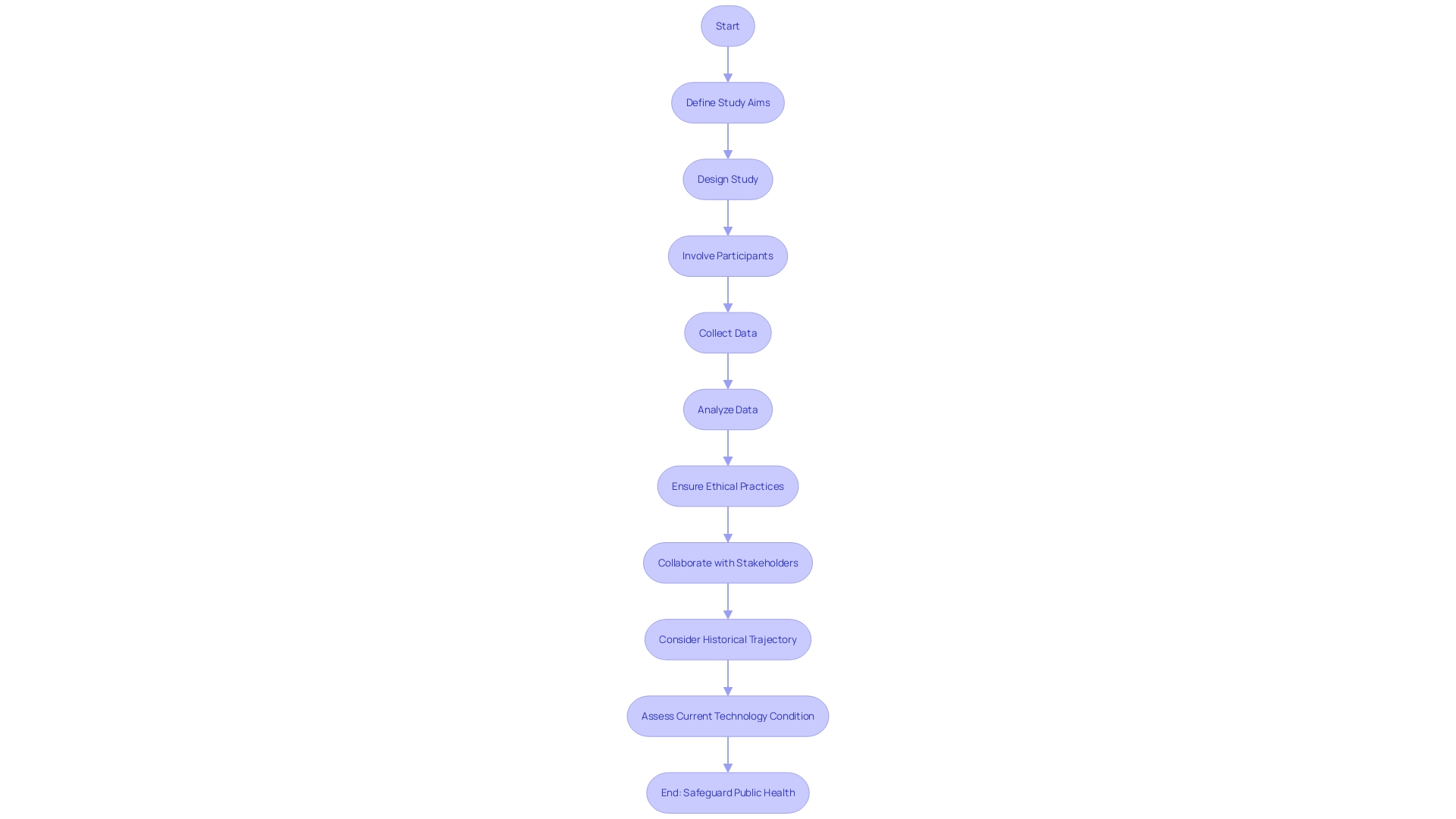
For efficacious in Latin America, a comprehensive approach is indispensable. Key elements include setting distinct and results, coupled with an astute study configuration that mitigates biases or confounding variables, possibly through randomization, blinding, and well-matched control groups.
It is critical to involve an adequate number of participants to yield statistically significant outcomes, supported by stringent data collection and scrupulous analysis methodologies, ensuring findings are precise and trustworthy. , with informed consent from all participants and vigilant protection of their rights and welfare.
It is also crucial to fortify , regulatory bodies, and other pertinent stakeholders to foster effective and timely sharing of results. The historical trajectory and present condition of technology should be taken into account to comprehend the overarching governance and ethical challenges, ensuring robust, adaptable frameworks that address market and intellectual property influences on the evolution of . This overarching multi-faceted strategy guarantees that post-market activities continue to support the safety and effectiveness of , thereby upholding public health standards and fostering trust in health systems.
Challenges and Limitations of Post-Market Clinical Follow-Up Studies
(PMCF) studies serve as a critical component in monitoring the of medical devices. However, ensuring compliance with study protocols and maintaining the integrity of the data can be quite challenging. For instance, variability in patient adherence to study protocols may introduce data inaccuracies.
Furthermore, may lead to the loss of valuable follow-up information, introducing potential bias that could affect the reliability of study results. The extended duration required for PMCF studies also demands substantial resources to monitor device performance over time, which can prove both costly and labor-intensive. The applicability of PMCF findings poses another concern; results may not fully translate to the broader due to possible underrepresentation of certain groups.
This is particularly critical when considering the diversity of patients and healthcare practices in Latin America. Moreover, the resources required to undertake these studies, regarding funding, personnel, and infrastructure, are often substantial, emphasizing the need for . To illustrate these complexities, consider the rigorous development and validation process for , paralleling new drug market introductions, which mandate steadfast persuasiveness for both and insurance reimbursement.
This approach underscores the importance of not only technological innovation but also practical implementation strategies for PMCF studies. Clear documentation regarding device specifications and incident details, such as type, manufacturer, brand name, lot number, and whether the device was in operation during an adverse event, is imperative. Comprehensive reporting of such incidents aids in fine-tuning protocols and improving the relevance and quality of PMCF studies.
Future Directions and Emerging Trends
As the medical field strides forward, (PMCF) in Latin America play a crucial role in assuring after they reach the market. Emerging trends in PMCF are shaping a future where technology and comprehensive analysis intertwine.
is increasingly pivotal; it contributes crucial data on device performance in day-to-day healthcare settings, complementing controlled clinical trial data. With the surge in digital health technologies, tools such as are redefining possibilities for data gathering and patient monitoring.
These technologies enable continuous, precise data collection, offering a richer, more granular view of device performance. Collaborative networks across stakeholders are crucial.
These alliances can foster data-sharing and collective expertise, bolstering PMCF studies. By cultivating such partnerships, researchers can navigate ethical, legal, and social issues more effectively, shaping the governance of .
Intellectual property and market incentives are also significant, influencing the trajectory of technology development. Furthermore, the integration of , including machine learning, into PMCF studies sets the stage for discerning complex patterns within vast datasets, enhancing the speed and accuracy of post-market analysis. Recognizing the importance of , the sector is moving towards more patient-centric approaches. Engaging patients in the study design and execution not only enhances participation and data integrity but also ultimately betters patient outcomes. Together, these advancements and trends indicate a proactive approach to PMCF, ensuring medical devices’ ongoing safety and efficacy through vigilant, adaptive governance and stakeholder collaboration.
Conclusion
Post-market clinical follow-up (PMCF) studies are essential for evaluating the real-world performance and safety of medical devices. These studies monitor adverse reactions, document device malfunctions, and ensure patient safety.
PMCF studies provide crucial data for coverage decisions, bridge regulatory requirements, and contribute to a robust safety surveillance system. Different types of PMCF studies, including cohort studies, retrospective studies, registry studies, and post-approval studies, offer unique insights into device safety and efficacy.
Clear documentation of device information during adverse events is crucial. To conduct successful PMCF studies in Latin America, a comprehensive approach is necessary.
This includes clear study aims, mitigating biases, involving an adequate number of participants, and ensuring ethical practices. Collaboration among researchers, regulatory bodies, and stakeholders is crucial.
PMCF studies face challenges such as protocol compliance, data integrity, patient adherence, patient attrition, and resource requirements. Strategic planning, efficient resource management, and clear documentation are necessary. Looking towards the future, PMCF studies will benefit from real-world evidence, digital health technologies, collaborative networks, advanced data analytics, and patient-centric approaches. In conclusion, PMCF studies play a vital role in evaluating the real-world performance and safety of medical devices. They provide crucial data, bridge regulatory requirements, and contribute to patient safety. Adherence to best practices, addressing challenges, and embracing emerging trends will enhance the effectiveness of PMCF studies in Latin America and uphold public health standards.
Frequently Asked Questions
What are Post-Market Clinical Follow-Up (PMCF) studies?
PMCF studies are research efforts conducted after a medical device has been approved for market use. They monitor the device’s real-world performance and safety to identify any unforeseen issues or adverse reactions.
Why are PMCF studies necessary?
Even though devices undergo thorough evaluation for FDA approval, their full performance is often only understood when used by a larger patient population. PMCF studies help capture real-world data, monitor safety, and address any complications that may arise during regular use.
What types of data do PMCF studies collect?
PMCF studies collect data on device type, manufacturer information, brand, lot numbers, and details about any adverse events or device malfunctions. This information is crucial for ensuring patient safety and for timely responses to any product-related issues.
How do PMCF studies impact insurance coverage decisions?
PMCF studies provide essential data that can inform payors’ coverage decisions. The data requirements for entities like the Centers for Medicare & Medicaid Services (CMS) may differ from those of the FDA, making comprehensive PMCF data vital for effective coverage determinations.
What types of PMCF studies are commonly conducted?
Common types include: Prospective cohort studies (tracking a patient group over time), Retrospective studies (analyzing historical patient records), Registry studies (utilizing data from device-specific registries), and Post-approval studies (mandated by regulatory bodies for ongoing monitoring).
What challenges do PMCF studies face?
Challenges include ensuring compliance with study protocols, variability in patient adherence, patient attrition, and the resources required for long-term monitoring. Additionally, findings may not represent the broader patient population due to underrepresentation of certain groups.
What is the role of clinical evaluations in PMCF?
Clinical evaluations are essential for assessing the long-term safety and efficacy of medical devices. They help identify any emerging risks or complications by analyzing detailed data related to device usage and incidents.
How can PMCF study methodologies be improved?
Best practices for conducting PMCF studies include: Setting clear study aims and endpoints, using appropriate methods to reduce biases, ensuring adequate participant numbers for statistical significance, and upholding ethical practices and informed consent.
What emerging trends are influencing PMCF studies?
Emerging trends include: Increased use of real-world evidence and digital health technologies for data collection, collaborative networks among stakeholders to enhance data-sharing, integration of advanced data analytics, like machine learning, for improved analysis, and a shift towards more patient-centric approaches in study design and execution.
Why is patient involvement important in PMCF studies?
Engaging patients in the design and execution of PMCF studies enhances participation, improves data integrity, and ultimately leads to better patient outcomes. Their insights contribute to more relevant and effective monitoring of device performance.
List of Sources
- The Importance of Post-Market Clinical Follow-Up Studies
- fda.gov (https://www.fda.gov/medical-devices/human-factors-and-medical-devices/human-factors-postmarket-information-device-surveillance-and-reporting-processes)
- fda.gov (https://www.fda.gov/about-fda/cdrh-innovation/medical-device-coverage-initiatives-connecting-payors-payor-communication-task-force)
- rwmalonemd.substack.com (https://rwmalonemd.substack.com/p/indication-labeling-and-fraud)
- Types of Post-Market Clinical Follow-Up Studies
- fda.gov (https://www.fda.gov/medical-devices/human-factors-and-medical-devices/human-factors-postmarket-information-device-surveillance-and-reporting-processes)
- rimsys.io (https://www.rimsys.io/blog/fda-listed-cleared-approved-granted)
- fda.gov (https://www.fda.gov/about-fda/cdrh-innovation/medical-device-coverage-initiatives-connecting-payors-payor-communication-task-force)
- The Role of Clinical Evaluations in Device Safety
- fda.gov (https://www.fda.gov/medical-devices/human-factors-and-medical-devices/human-factors-postmarket-information-device-surveillance-and-reporting-processes)
- medicaldevice-network.com (https://www.medicaldevice-network.com/sponsored/analysis-navigating-an-evolving-medical-device-regulatory-landscape/)
- fda.gov (https://www.fda.gov/medical-devices/human-factors-and-medical-devices/human-factors-postmarket-information-device-surveillance-and-reporting-processes)
- medicaldevice-network.com (https://www.medicaldevice-network.com/sponsored/analysis-navigating-an-evolving-medical-device-regulatory-landscape/)
- medicaldevice-network.com (https://www.medicaldevice-network.com/sponsored/reducing-medical-device-approval-times-in-2023/)
- Best Practices for Conducting Post-Market Clinical Follow-Up Studies
- starfishmedical.com (https://starfishmedical.com/blog/voice-of-the-customer-medical-device-research-in-low-and-middle-income-countries/)
- fda.gov (https://www.fda.gov/medical-devices/human-factors-and-medical-devices/human-factors-postmarket-information-device-surveillance-and-reporting-processes)
- nam.edu (https://nam.edu/regenerative-medicine-case-study-for-understanding-and-anticipating-emerging-science-and-technology/)
- starfishmedical.com (https://starfishmedical.com/blog/18-business-factors-that-determine-successful-medical-device-exits/)
- fda.gov (https://www.fda.gov/about-fda/cdrh-innovation/medical-device-coverage-initiatives-connecting-payors-payor-communication-task-force)
- Challenges and Limitations of Post-Market Clinical Follow-Up Studies
- fda.gov (https://www.fda.gov/medical-devices/human-factors-and-medical-devices/human-factors-postmarket-information-device-surveillance-and-reporting-processes)
- mlinhealthcare.substack.com (https://mlinhealthcare.substack.com/p/the-hard-truth-about-artificial-intelligence?utm_source=substack&utm_medium=email)
- thefdalawblog.com (https://www.thefdalawblog.com/2023/08/wearables-sensors-and-apps-part-2-development-and-qualification-of-digital-health-technologies-in-drug-and-biological-product-development/?utm_source=rss&utm_medium=rss&utm_campaign=wearables-sensors-and-apps-part-2-development-and-qualification-of-digital-health-technologies-in-drug-and-biological-product-development)
- Future Directions and Emerging Trends
- nam.edu (https://nam.edu/regenerative-medicine-case-study-for-understanding-and-anticipating-emerging-science-and-technology/)
Leave a Reply