
Introduction
Understanding the Regulatory Framework for Medical Device Trials
As the medical device industry continues to advance, introducing transformative treatments and technologies that revolutionize patient care, the need for rigid regulatory oversight becomes increasingly important. Regulatory bodies like the U.S. Food and Drug Administration (FDA) and the European Medicines Agency (EMA) constantly refine their guidelines to address the technological complexities and ensure the safety and efficacy of medical devices.
Navigating these evolving frameworks is critical for managing risks and aligning with contemporary scientific developments to bring medical devices to the market in a safe and efficient manner. This article will explore the regulatory landscape of medical device trials, including considerations of ethical, legal, and social implications, as well as the challenges faced by the medical device sector in balancing innovation with adherence to stringent regulations.
Understanding the Regulatory Framework for Medical Device Trials
Navigating the Regulatory Landscape of : As the medical device industry rapidly advances, introducing transformative treatments and technologies that revolutionize patient care, the imperative for rigid heightens. Regulatory bodies worldwide, particularly the and the European Medicines Agency (EMA), consistently refine their guidelines to address unprecedented technological complexities and ensure product safety and efficacy. These evolving frameworks are critical in managing risks and aligning with contemporary scientific developments, ultimately enabling medical devices to reach the market safely and efficiently.
Procedurally, the journey of medical device authorization involves a myriad of considerations, including , legal, and social implications. With and intellectual property laws influencing the trajectory of technological growth, stakeholders must recognize the diverse ethical issues highlighted by contemporary technologies. Critical scientific antecedents establish the bedrock of , illustrated by the genesis of Hematopoietic Stem Cell (HSPC) transplants, initially limited to terminal illnesses.
Amidst global shifts, stakeholders must also understand international contexts, comparing ethical and governance landscapes to garner insights into a cohesive regulatory strategy. These meticulous regulatory processes, while aiming to fortify human well-being, face hurdles such as gaps in current oversight frameworks. Therefore, the is tasked with the dual challenge of innovation and adherence to stringent regulations, underscoring the need to remain apprised of the dynamic regulatory and ethical terrains.
Key Components of a Medical Device Trial
The execution of successful is a multifaceted endeavor that hinges on intricate planning and an . The architecture of these trials goes beyond just patient and data management. It delves into the realm of , which prioritizes crafting devices that consider the interactions and needs of a diverse group of stakeholders, including clinicians, patients, administrative staff, and technicians, ensuring a cohesive ecosystem of care.
Understanding and integrating the perspectives of those who engage with medical devices – from bedside clinicians and laboratory technicians to housekeeping and beyond – are essential for the delivery of effective patient care. Service design emphasizes a , considering each contributor to the healthcare experience as valuable. For instance, ensuring that a device addresses the requirements of maintenance or sterilization personnel can vastly influence patient outcomes as much as the device’s direct functionality.
Embracing a ideology entails a rigorous focus on individual with the medical device, refining the way users interact to enhance usability. It’s a strategic effort that includes detailed user research, usability testing, and iterative design to ensure devices serve not just patients but the entire healthcare team effectively. As quoted by industry professionals at Medical Device How, ‘Real digitalization starts with understanding what data is important.’
This ethos is central to successful – attending to service interactions and resulting data to drive both digital transformation and practical utility. In , the detail-oriented nature of planning extends to capturing critical information such as device type, manufacturer, and lot number, as well as assessing whether any issues were due to device defects or operational errors. This rigorous data collection is pivotal for postmarket reporting, ensuring and patient safety.
The Role of Physicians in Medical Device Trials
Physicians are the linchpin in the successful execution of , holding a multitude of responsibilities that ensure both patient well-being and the robust collection of . With an eye towards personalized care, physicians today must navigate not only patient treatment but also the intricate ethics and governance landscapes that accompany such as Machine Learning and Artificial Intelligence Medical Devices (Names).
As these technologies evolve, requiring rigorous testing akin to the path of drug development, physicians must remain adaptable, discerning and committed to the tailored needs and goals of their patients, reflecting a modern healthcare paradigm where success indicators have shifted dramatically. Recognizing that success in this field hinges on the convergence of technology, regulation, and patient-focused care, physicians must also act as mediators, explaining complex trials to patients who may face significant logistical challenges, such as those in cross-border .
On the industry front, companies adept in marrying software with hardware, exemplified by industry leaders in medical device development services, come out on top. In this highly competitive and regulated environment, the combination of a physician’s expertise in and the alignment with competent sets the stage for advanced patient outcomes and the successful launch of new medical products. This comprehensive approach is not only a testament to a company’s ability to navigate from concept to market but also underscores the critical role of physicians as they operate at the intersection of and technological innovation.
Content Marketing Strategies for Medical Device Trials
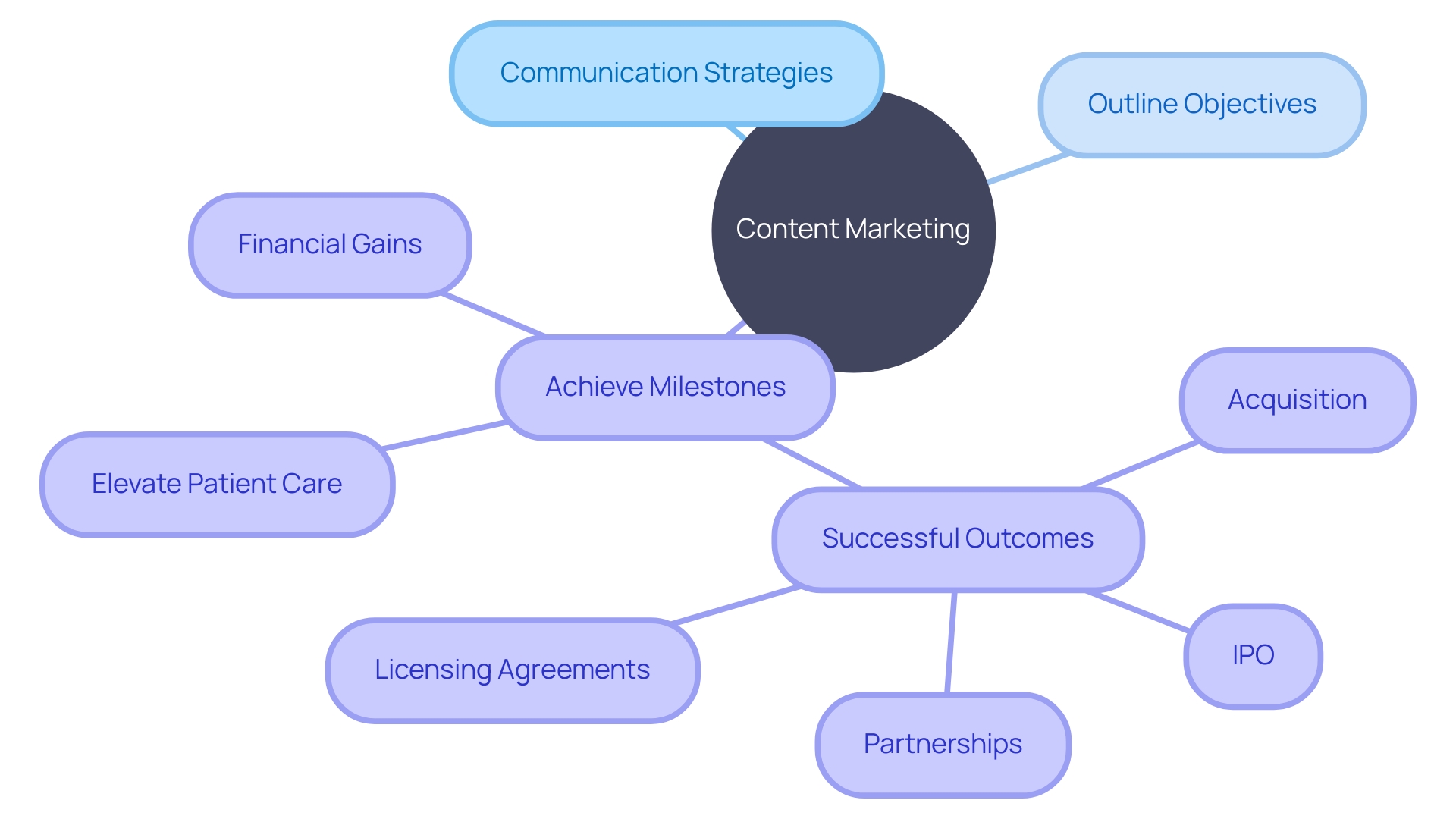
Crafting a robust content marketing approach is pivotal for the prosperity of . not only draw potential participants but also illuminate the benefits of and solidify trust and credibility.
It’s crucial to clearly outline the objective of , as this sets the tone for subsequent efforts, such as attracting investment or targeting commercial success. A successful strategy often sees a medical device company achieve various milestones which may lead to and licensing agreements.
These pivotal moments provide returns to stakeholders and investors, highlighting the worth of a strategic, well-constructed marketing initiative grounded in clear objectives. They bolster the device’s profile and can be instrumental in achieving a —whether through acquisition by a larger entity or a public offering that facilitates additional funding. Moreover, the informational outreach can highlight how elevate patient care, allowing for accurate diagnostics and effective treatment. By elucidating the significant connections between content strategy and successful business outcomes, companies can forge a path to achieve substantial financial gains and improved patient outcomes.
The Importance of Patient Education in Medical Device Trials
is pivotal in the realm of medical device trials, influencing both the participation rate of patients and their grasp of the involved processes. The underpinning concept of spans various definitions and applications—which sometimes confuses professionals across the pharmaceutical sector.
It might signify the process of incorporating patient and advocate feedback into research decisions, the in healthcare such as information seeking and self-management, or even involve patients as crucial decision-makers in health research. Distilling these interpretations, merges these aspects into a cohesive practice, crucial across the .
Developing requires thoughtful consideration of the end users’ characteristics and setting. This is especially relevant when considering the diversity among healthcare practitioners, like surgeons, nurses, and medical technicians, who frequently engage under high-stress conditions, fatigue, and time constraints.
The design and articulation of instructional content must be tailored to these challenging environments, from clinics to operating theatres. Moreover, patient education itself should be informed by , ensuring that informative content is shaped by pertinent data such as disease incidence and prevalence. This focus aligns with the broader goal of , which not only invites but also in the management of their own health. Effectual communication strategies, therefore, must be undergirded by a nuanced understanding of the target demographics and channelized towards the patient’s active role in the healthcare continuum.
Market Segmentation for Medical Device Trials
In the dynamically evolving medical devices market, effective is essential to the successful execution of . It is not only about understanding various aspects such as demographics, geography, and psychographics but also tailoring recruitment and marketing strategies according to specific segments that can radically improve outcomes. The United States is expected to generate a substantial revenue in the by 2024, signifying the importance of targeted strategies within its diverse healthcare landscape.
The industry spans numerous sectors, with , therapy, mitigation, and prevention. These devices range from fundamental thermometers to advanced MRI machines and . With an aging population and a rising prevalence of chronic diseases, there’s a surge in demand for , necessitating a to capitalize on these variables efficiently.
Clear, focused objectives in early development phases, such as choosing between commercial success and clinical requirements, are crucial for steering efforts towards a coherent goal. This focus becomes even more relevant when considering the sizable investments required moving from product definition to development. Incorporating the insights from the thematic intelligence report on mergers and acquisitions within the industry provides additional layers of nuance to the intricate tapestry of the medical devices sector, allowing companies to navigate transactions with greater precision and foresight.
Best Practices for Conducting Medical Device Trials
To facilitate the progress of , adherence to certain best practices is paramount. Initially, one must establish a defined purpose for , whether that involves seeking commercial success, creating a , or attaining further funding. A singular, clearly articulated objective is vital to avoid costly overexpansion of the project scope.
This foundational clarity paves the way for precise . For example, standards such as IEC 62366-1 and underscore the importance of simulating the test environment and the patient’s interactions with the device to inform accurate data collection. Identifying the right locations is essential; they must offer representative conditions and user profiles pertinent to the target market.
Such diligence ensures study validity and enhances the relevance of its findings to the intended user demographic, as per Who’s description of medical devices, which highlights their diverse applications from diagnostics to treatment. A rigorous data management plan is also critical, demanding a thorough understanding of hazard-related use scenarios and critical tasks. Alongside, establishing representative training plans and test protocols solidifies experimental integrity.
Considering , it’s important to note that device categorization by the FDA into classes one through three dictates the rigor of the approval process. This stratification informs the research approach given the varying levels of scrutiny, from 510(k) clearance for lower-class devices to premarket approval for class three devices. Lastly, calls for local partnerships and on-the-ground support, as selecting sites and managing logistics can significantly influence the study’s success and patient accessibility.
Real-World Examples of Successful Medical Device Trials
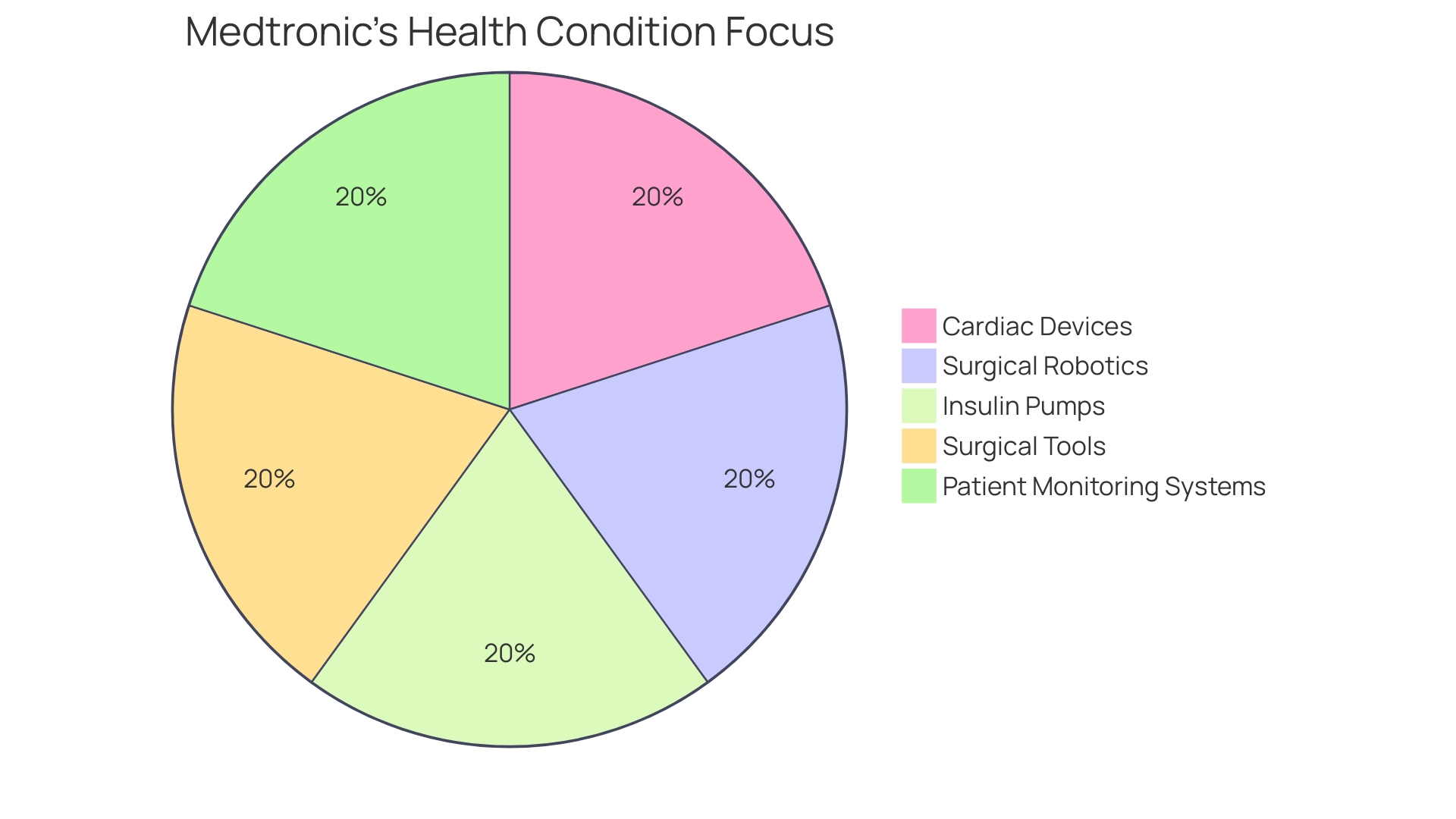
Insights from trailblazing illuminate the path to success. Among the exemplary narratives, Medtronic stands out, operating from Dublin with a mission to attack pressing .
Its global presence boasts 95,000 dedicated team members across 150 countries, tackling 70 with technologies ranging from cardiac devices to insulin pumps. Their approach of interlinking tenacious knowledge pursuit with the urgency to aid those in need has secured their position as leaders in healthcare technology, impacting lives at an astounding rate of two individuals every second.
This feat echoes the sentiment voiced by industry veterans, emphasizing a blend of individual characteristics and strategic business maneuvers that underpin triumphant ventures in the medical device arena. Success stories frequently feature grit, endurance, and resilience, but also through acquisitions, IPOs, partnerships, and alliances. Expert insights suggest that the initial is critical, requiring clear goals and careful expansion to avoid overextending resources or creating conflicting objectives. Recognizing these patterns is essential for startups seeking to navigate the medical device landscape effectively and achieve profitable outcomes.
Conclusion
In conclusion, navigating the regulatory landscape for medical device trials is crucial for ensuring safety and efficacy. Regulatory bodies refine guidelines to address technological complexities and manage risks, but the medical device sector faces the challenge of innovation and adherence to regulations.
Successful trials require meticulous planning, user-centered design, and understanding of stakeholders. Physicians play a key role in navigating ethics and collaborating with medical device companies.
A robust content marketing strategy is pivotal for trial success, attracting participants and solidifying trust. Patient engagement is vital, requiring tailored education and understanding of diverse healthcare environments.
Effective market segmentation improves outcomes, and best practices like clear objectives and regulatory compliance are essential. Real-world examples, like Medtronic, show the path to success, emphasizing clear goals and strategic maneuvers. In summary, understanding regulations, considering ethics, engaging stakeholders, and implementing best practices are necessary for successful medical device trials. Balancing innovation and adherence to regulations is critical for bringing transformative treatments safely and efficiently to the market, ultimately improving patient care and outcomes.
Frequently Asked Questions
What is the importance of regulatory oversight in medical device trials?
Regulatory oversight is crucial as it ensures the safety and efficacy of medical devices. Bodies like the FDA and EMA refine guidelines to manage technological complexities and align with scientific advancements.
What are the main considerations in the authorization process for medical devices?
The authorization process involves evaluating ethical, legal, and social implications, as well as addressing market incentives and intellectual property laws.
How do user-centered design principles impact medical device trials?
User-centered design focuses on understanding the needs of all stakeholders—clinicians, patients, and support staff—to ensure devices are effective and enhance patient care.
What role do physicians play in medical device trials?
Physicians are essential in executing trials, ensuring patient well-being, navigating ethics, and collecting clinical data while also explaining complex trial processes to patients.
How can content marketing strategies benefit medical device trials?
Effective content marketing can attract participants and build trust, highlighting the benefits of medical devices and supporting successful outcomes like acquisitions or partnerships.
Why is patient education critical in medical device trials?
Patient education enhances engagement, influencing participation rates and helping patients understand trial processes, ultimately supporting better health management and outcomes.
What is market segmentation, and why is it important for medical device trials?
Market segmentation involves categorizing the target audience by demographics, geography, and psychographics, which helps tailor recruitment and marketing strategies for improved outcomes.
What best practices should be followed during medical device trials?
Best practices include setting clear objectives, developing precise study protocols, ensuring regulatory compliance, and establishing effective data management plans.
Can you provide examples of successful medical device trials?
Medtronic is highlighted as a leader, successfully addressing health challenges globally through innovative technologies and strategic business maneuvers.
What are the regulatory classifications for medical devices, and why do they matter?
The FDA categorizes devices into three classes based on risk, influencing the rigor of the approval process. This classification affects the research approach and regulatory scrutiny required for each device.
List of Sources
- Understanding the Regulatory Framework for Medical Device Trials
- medicaldevice-network.com (https://www.medicaldevice-network.com/sponsored/analysis-navigating-an-evolving-medical-device-regulatory-landscape/)
- progressforum.org (https://progressforum.org/posts/sdh4GhWqB7aoxiWdX/surgery-works-well-without-the-fda)
- nam.edu (https://nam.edu/regenerative-medicine-case-study-for-understanding-and-anticipating-emerging-science-and-technology/)
- fda.gov (https://www.fda.gov/news-events/press-announcements/fda-roundup-september-8-2023)
- Key Components of a Medical Device Trial
- starfishmedical.com (https://starfishmedical.com/blog/service-design-in-medical-device-development/)
- medicaldevice.how (https://medicaldevice.how/)
- starfishmedical.com (https://starfishmedical.com/blog/medical-device-phase-one-product-development-pro-tips/)
- fda.gov (https://www.fda.gov/medical-devices/human-factors-and-medical-devices/human-factors-postmarket-information-device-surveillance-and-reporting-processes)
- The Role of Physicians in Medical Device Trials
- infomeddnews.com (https://infomeddnews.com/beyond-diagnosis-unleashing-the-full-potential-of-physicians/)
- nam.edu (https://nam.edu/regenerative-medicine-case-study-for-understanding-and-anticipating-emerging-science-and-technology/)
- mlinhealthcare.substack.com (https://mlinhealthcare.substack.com/p/the-hard-truth-about-artificial-intelligence?utm_source=substack&utm_medium=email)
- medhealthoutlook.com (https://medhealthoutlook.com/three-best-practices-to-combat-clinical-trial-pain-points-scott-gray-ceo-of-clincierge/)
- medicaldevice-network.com (https://www.medicaldevice-network.com/buyers-guide/medical-devices-development/)
- Content Marketing Strategies for Medical Device Trials
- medicaldevice-network.com (https://www.medicaldevice-network.com/news/curavit-launches-heor-services-for-digital-therapeutic-trials/)
- starfishmedical.com (https://starfishmedical.com/blog/18-business-factors-that-determine-successful-medical-device-exits/)
- infomeddnews.com (https://infomeddnews.com/about-medical-device-news-magazine-2024/)
- starfishmedical.com (https://starfishmedical.com/blog/medical-device-phase-one-product-development-pro-tips/)
- starfishmedical.com (https://starfishmedical.com/blog/18-business-factors-that-determine-successful-medical-device-exits/)
- globaldata.com (https://www.globaldata.com:443/store/report/medical-devices-industry-m-and-a-deals-by-theme-quarterly-analysis/)
- The Importance of Patient Education in Medical Device Trials
- pmlive.com (https://pmlive.com/blogs/how-patient-engagement-improves-outcomes-in-chronic-illness/)
- medtechintelligence.com (https://medtechintelligence.com/feature_article/instructional-materials-the-basis-for-safety-between-users-and-medical-devices/)
- starfishmedical.com (https://starfishmedical.com/blog/voice-of-the-customer-medical-device-research-in-low-and-middle-income-countries/)
- Market Segmentation for Medical Device Trials
- statista.com (https://www.statista.com/outlook/hmo/medical-technology/worldwide)
- globenewswire.com (https://www.globenewswire.com/en/news-release/2023/12/04/2790172/0/en/Medical-Devices-Market-Size-Estimated-to-Reach-USD-996-93-Billion-By-2032.html)
- starfishmedical.com (https://starfishmedical.com/blog/medical-device-phase-one-product-development-pro-tips/)
- globaldata.com (https://www.globaldata.com:443/store/report/medical-devices-industry-m-and-a-deals-by-theme-quarterly-analysis/)
- globenewswire.com (https://www.globenewswire.com/en/news-release/2023/12/04/2790172/0/en/Medical-Devices-Market-Size-Estimated-to-Reach-USD-996-93-Billion-By-2032.html)
- Best Practices for Conducting Medical Device Trials
- starfishmedical.com (https://starfishmedical.com/blog/medical-device-phase-one-product-development-pro-tips/)
- starfishmedical.com (https://starfishmedical.com/blog/look-before-you-lead-planning-for-summative-human-factors-validation-testing/)
- starfishmedical.com (https://starfishmedical.com/blog/voice-of-the-customer-medical-device-research-in-low-and-middle-income-countries/)
- medicaldevice-network.com (https://www.medicaldevice-network.com/sponsored/reducing-medical-device-approval-times-in-2023/)
- medicaldevice-network.com (https://www.medicaldevice-network.com/buyers-guide/medical-devices-development/)
- infomeddnews.com (https://infomeddnews.com/about-medical-device-news-magazine-2024/)
- infomeddnews.com (https://infomeddnews.com/how-to-conduct-controlled-medical-research-in-a-lab/)
- medhealthoutlook.com (https://medhealthoutlook.com/three-best-practices-to-combat-clinical-trial-pain-points-scott-gray-ceo-of-clincierge/)
- medicaldevice-network.com (https://www.medicaldevice-network.com/sponsored/reducing-medical-device-approval-times-in-2023/)
- Real-World Examples of Successful Medical Device Trials
- news.medtronic.com (https://news.medtronic.com/2024-04-07-SMART-trial-one-year-data-demonstrates-Medtronic-Evolut-TM-TAVR-platform-as-optimal-treatment-for-severe-aortic-stenosis-in-patients-with-small-annulus,-which-is-primarily-women)
- starfishmedical.com (https://starfishmedical.com/blog/18-business-factors-that-determine-successful-medical-device-exits/)
- starfishmedical.com (https://starfishmedical.com/blog/medical-device-phase-one-product-development-pro-tips/)
- news.medtronic.com (https://news.medtronic.com/2023-08-25-Medtronic-receives-CE-Mark-approval-for-Inceptiv-TM-spinal-cord-stimulator-with-closed-loop-sensing-to-treat-chronic-pain)
- news.medtronic.com (https://news.medtronic.com/2023-12-13-Medtronic-creates-history-with-FDA-approval-of-its-novel-PulseSelect-TM-Pulsed-Field-Ablation-System-to-treat-atrial-fibrillation)
- news.medtronic.com (https://news.medtronic.com/2024-05-23-Medtronic-reports-full-year-and-fourth-quarter-fiscal-2024-financial-results-announces-dividend-increase)
Leave a Reply