Introduction
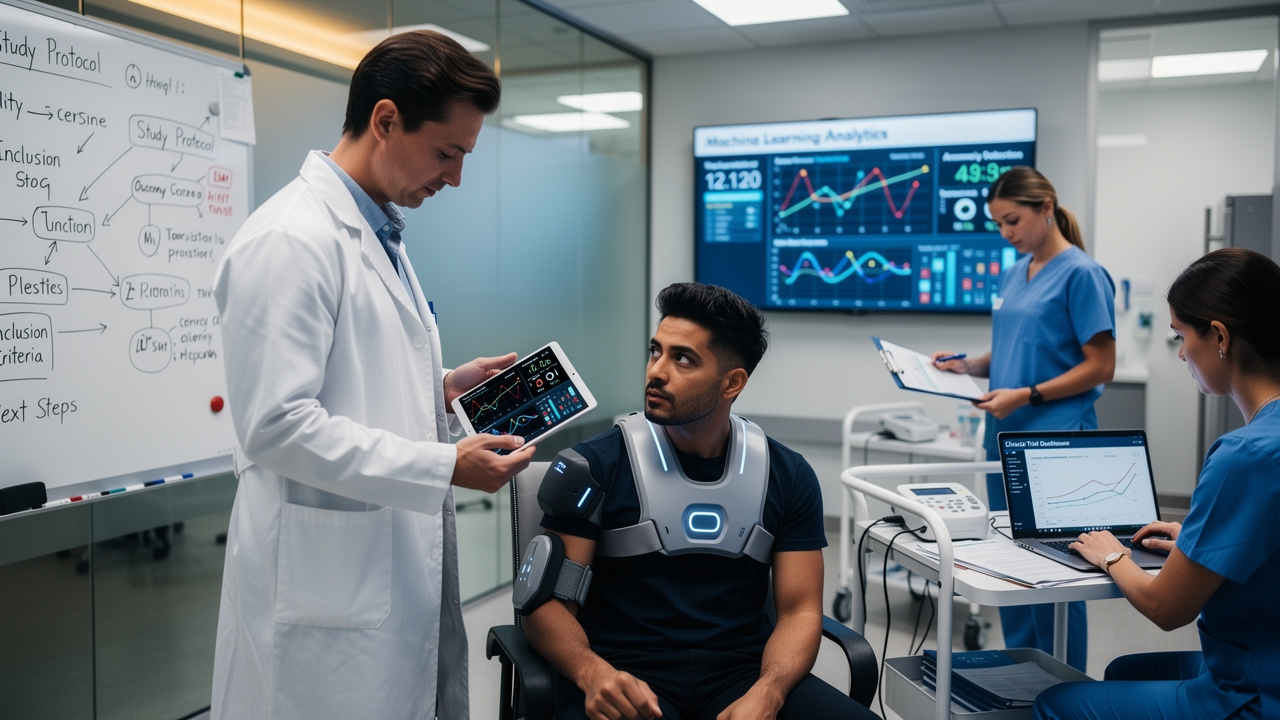
Clinical trials play a crucial role in the development and approval of medical devices. Just like the process for new drug approval, medical devices must undergo rigorous evaluations to ensure their efficacy and safety.
This article explores the purpose of clinical trials, the different phases involved, key considerations for conducting trials, regulatory requirements, and best practices. Understanding these aspects is essential for navigating the complex landscape of medical device development and ensuring successful implementation in the market.
Understanding the Purpose of Clinical Trials
The journey of developing machine learning/artificial intelligence medical devices (Names) shares similarities with the arduous path of new drug approval, where both must initially be refined in a laboratory setting before undergoing stringent efficacy and safety evaluations. To secure regulatory blessings, researchers must around a precise research question, determining the independent variables to manipulate and the dependent variables to measure.
Selecting a suitable is paramount to establishing the validity of the study, which often involves a comparison between the treatment group and a placebo group. The is critical in minimizing potential biases and confounding factors, necessitating a comprehensive plan that details the investigation type, endpoints, variables, device information, subject selection criteria, and strategies for bias reduction, such as randomization.
A coherent presentation and thorough analysis of are indispensable, as inconsistencies can lead to a disconnect between the drawn conclusions and the actual data. data, which provides insights from both similar and the company’s own products, must be analyzed with equal rigor to ensure continuous improvement and compliance. Furthermore, must navigate the complex landscape where the FDA’s safety and effectiveness assessments do not always align with the data requirements of payors, leading to potential delays or denials in coverage and reimbursement post-approval. This underscores the importance of not only technological innovation but also the strategic planning and execution required for successful medical device implementation.
Phases of Clinical Trials
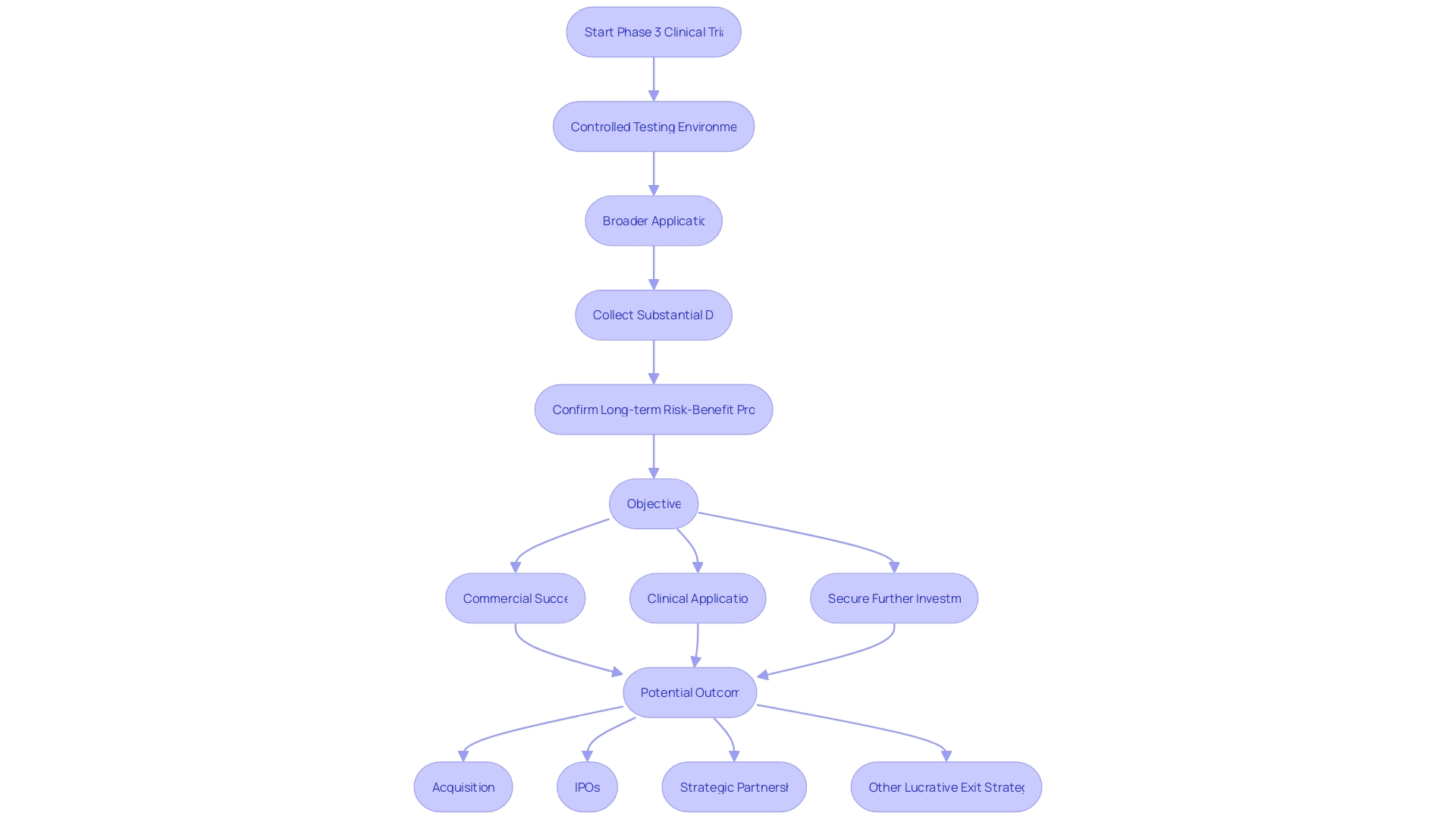
The journey from concept to commercialization for medical devices is meticulously structured into distinct phases, each with its own set of objectives and challenges. Phase One, often termed , is a crucial step where the groundwork for future success is laid.
It’s the stage where the device’s purpose is crisply defined—be it achieving commercial success, creating a clinical device, or securing the next round of funding. The clarity of this goal is paramount as Phase One typically requires a significant increase in resources and cost compared to Phase Zero, which focuses on Product Definition.
during this phase is essential to formulate a plan that is precise and targeted, avoiding the pitfalls of overambition or conflicting objectives. Indeed, the path for machine learning/artificial intelligence medical devices (Names) mirrors the rigorous process of new drug development, with both requiring extensive lab development followed by detailed testing for efficacy and safety.
remains a high bar for both, and it’s crucial that technological innovation does not eclipse the fundamental requirements for successful market implementation. Moreover, the process of has evolved.
A decade ago, finding a clinical trial was a daunting task, often limited to searching through the National Institute of Health’s website. Today, the landscape has changed with simplifying the search for trials by disease stage, location, and other factors. These advancements, however, also bring to light the complexities of trial participation, such as managing travel logistics for international studies, understanding language barriers, and the financial implications of travel and potential lost work time. As we consider the multi-faceted approach to , it’s clear that a strategic, well-informed, and meticulously planned process is key to navigating the challenging terrain from ideation to market entry. The alignment of objectives, detailed data analysis, and the integration of software and hardware components are all critical components in the success of new medical device launches.
Phase 1: Pilot Stage
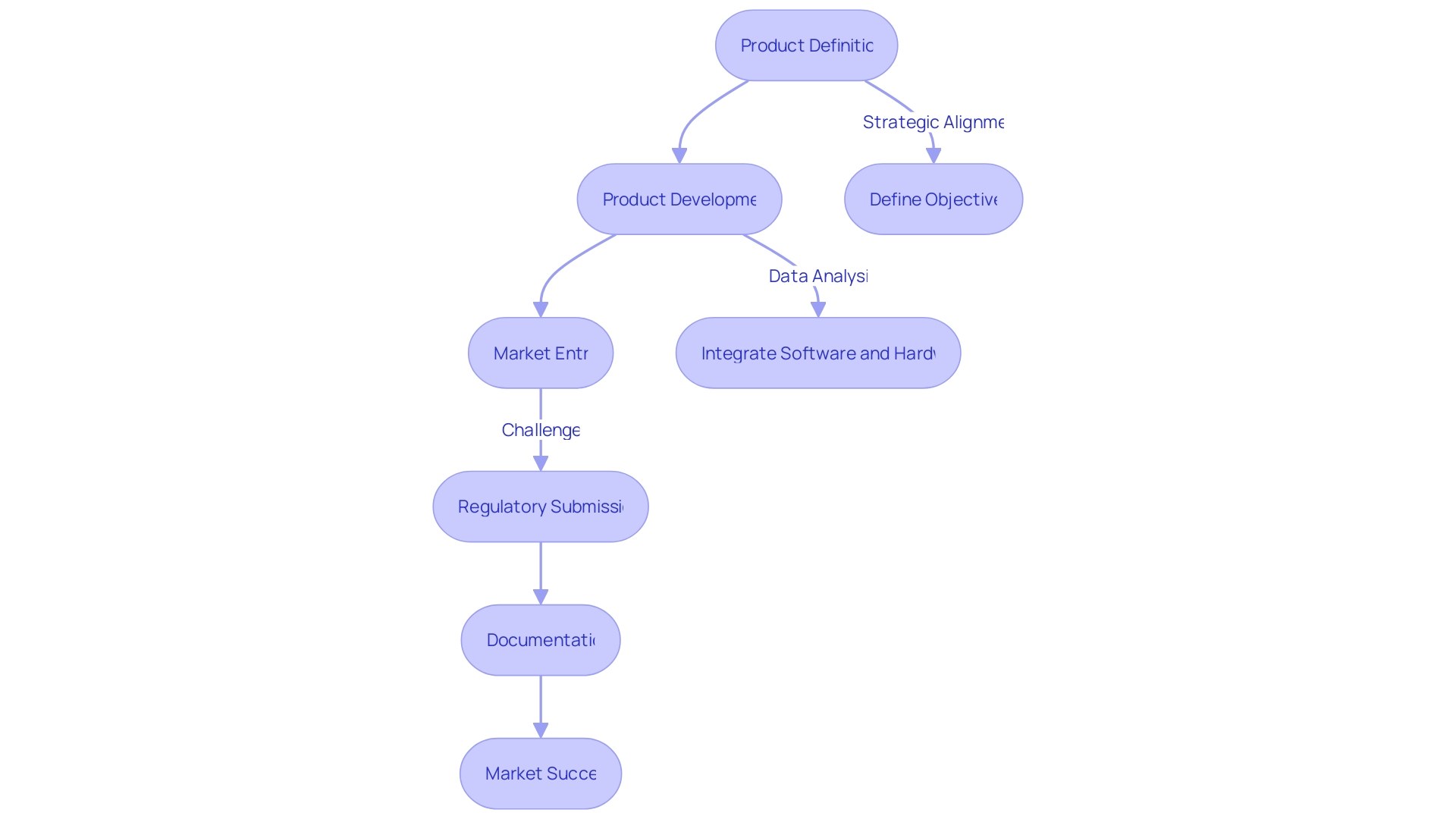
The initiation of marks a pivotal moment in medical device development, where a new device is first introduced to human subjects. Often involving a select group of participants, these trials are essential for evaluating the and establishing the parameters for its use.
The scope of Phase 1 encompasses the meticulous analysis of the device’s interaction with the human body, monitoring for any potential adverse effects or complications that may arise. A well-defined objective for Phase 1 is paramount, as echoed by industry experts, who stress the importance of clarity in the trial’s purpose—be it achieving commercial viability, clinical application, or securing subsequent funding.
This phase demands a substantial increase in resources compared to the preliminary Phase Zero, with heightened costs underscoring the need for precise planning. As part of this process, researchers must present a , detailing the type of study, its rationale, endpoints, and the variables involved.
Information about the device, any comparators, and the selection criteria for subjects are also crucial elements to be included. To ensure the integrity of the data collected, , such as randomization, are implemented. The clinical procedures and diagnostic methods employed during the investigation must be described, highlighting any deviations from standard clinical practice. Furthermore, the management of , including , requires rigorous analysis to maintain consistency across various documents such as the , clinical evaluation report, and risk management files. This alignment in data collection and analysis strategies is essential for drawing accurate conclusions from the study.
Phase 2: Pivotal Stage
During for medical devices, the scale broadens to encompass patients who suffer from the condition targeted by the device. The primary aim at this stage is to acquire robust data regarding the safety and efficacy of the device, while concurrently monitoring for any that could arise.
This phase is pivotal as it not only aids in enhancing the design and functionality of the device but also serves as a critical point in . Experts emphasize the significance of having a clear objective during the early phases of medical device development.
The focus may vary from achieving commercial viability to securing additional funding, necessitating a precise definition of goals as the scope of work and financial outlay escalate considerably from Phase Zero. It is crucial to ensure that these objectives are not only well-defined but also aligned to prevent conflicts that could derail the project.
A common hurdle encountered in this phase is the rigorous analysis and presentation of . The clarity and consistency of data narratives, as well as their alignment across various documentation, are essential to support the conclusions drawn from the trials.
Moreover, , which can provide invaluable insights, is often underleveraged in the evaluation process. This oversight can lead to discrepancies in data collection and analysis strategies that are central to demonstrating the device’s safety and effectiveness to regulators and payers alike. The is a crucial milestone, but it does not guarantee immediate coverage or payment by healthcare providers and payors. The data submitted to the FDA might not fulfill the requirements of these entities, potentially leading to delays or denials in the device’s adoption post-approval. It is, therefore, imperative for manufacturers to recognize that the approval process is just one part of a larger ecosystem involving various stakeholders, each with their own set of criteria and expectations.
Phase 3: Post-market Stage
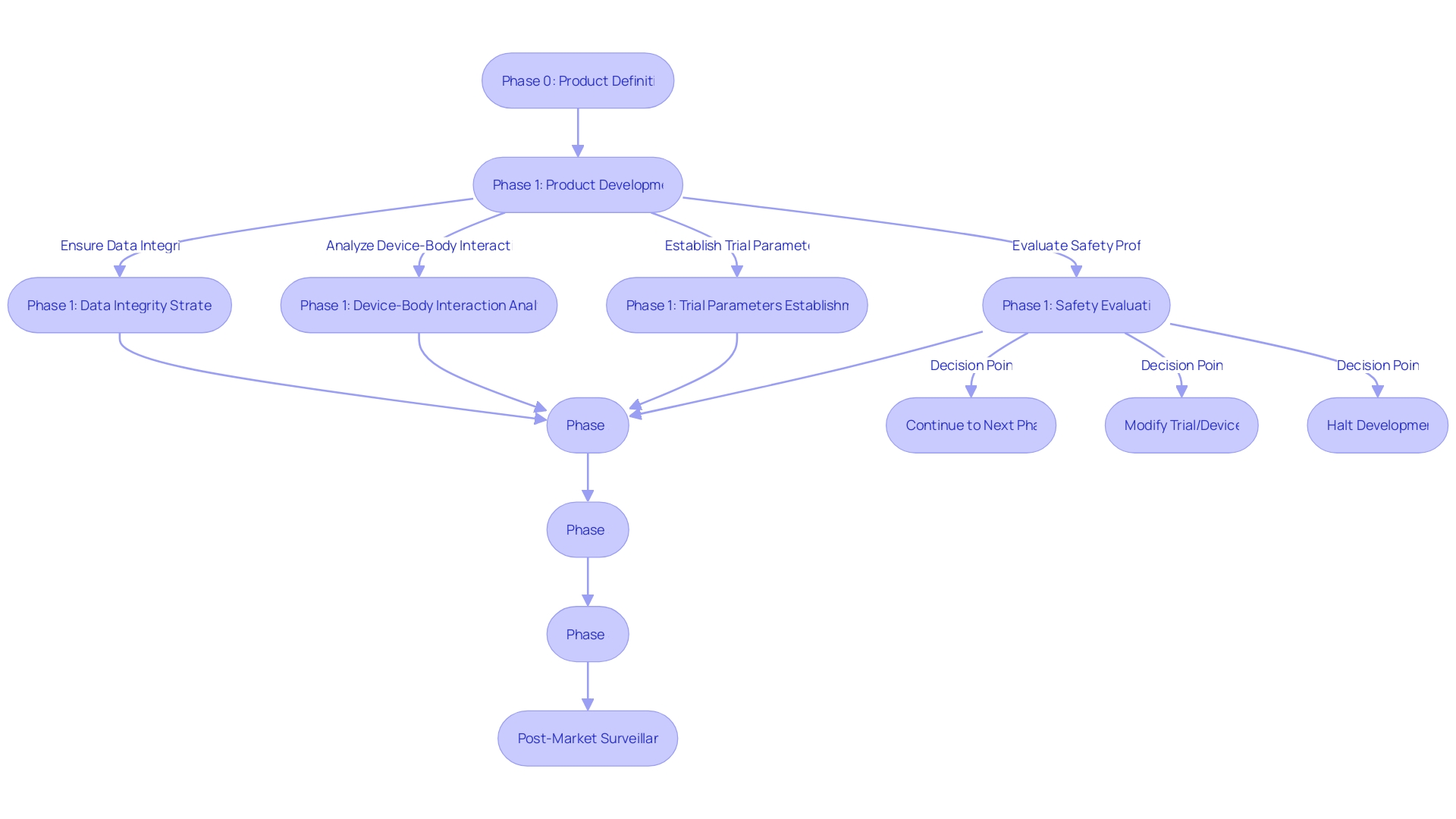
represent a pivotal moment in medical device development, marking the transition from controlled testing environments to broader application within diverse patient populations. The primary focus of this stage is to amass substantial data on the device’s efficacy, safety, and overall benefit, particularly in relation to existing therapeutic or diagnostic options. These trials are critical in confirming the of the device, as well as in establishing definitive proof of its therapeutic value.
With the costs significantly higher than the initial phases of development, it’s imperative that companies have a , be it , , or securing further investment. This clear direction ensures that the expansion of effort in Phase 3 is meticulously planned, avoiding the pitfalls of overextension or conflicting goals. According to industry veterans, such , combined with traits like grit and perseverance, often characterizes the pathway to , whether through acquisitions, IPOs, strategic partnerships, or other lucrative exit strategies.
Key Considerations for Medical Device Clinical Trials
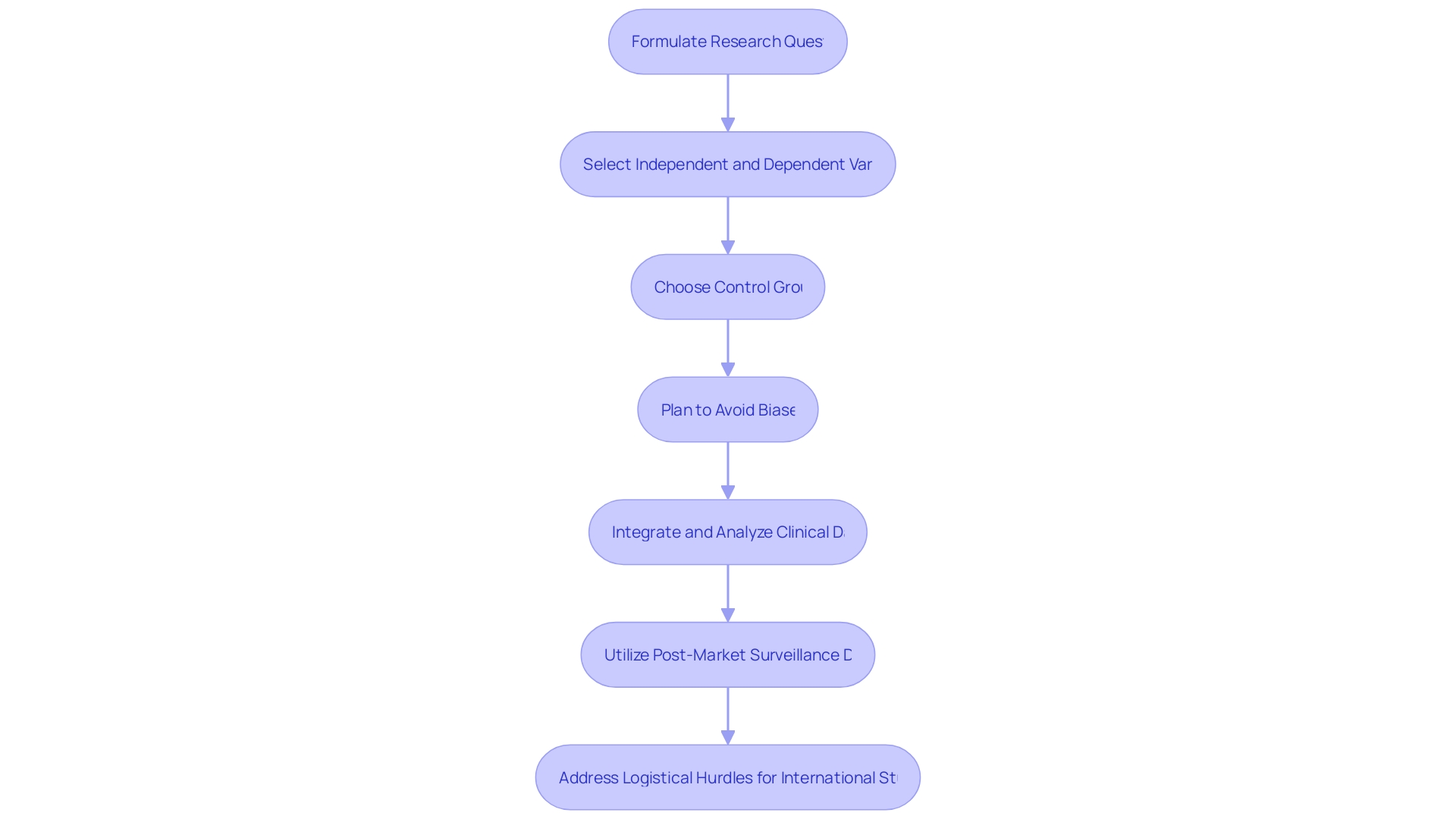
Embarking on the for medical device research necessitates a strategic approach, beginning with a solid research question that guides the study’s design. The research question sets the stage for selecting relevant independent variables to manipulate and dependent variables to measure.
The choice of a is pivotal in distinguishing the treatment effects from other influences, enabling researchers to draw credible conclusions. This process requires to avoid biases and confounding factors that could compromise the study’s integrity.
In the realm of , the integration and analysis of clinical data are of paramount importance. It is essential to maintain a consistent and detailed narrative across all documents, including , reports, and risk management files.
Discrepancies in data presentation can lead to an incongruous interpretation of results. Furthermore, the utilization of is often overlooked, yet it is crucial for a comprehensive evaluation of medical devices.
This data, encompassing both similar and proprietary products, demands rigorous scrutiny akin to primary data. Navigating the complexities of medical device trials extends beyond the research parameters. For instance, patients faced with participating in international studies must grapple with the logistical hurdles of cross-border travel, language barriers, and documentation, which can be overwhelming. Such scenarios underscore the need for clarity in the early phases of device development. Clear objectives for , whether aiming for commercial success, clinical application, or securing further funding, are vital. This clarity ensures that the expansion of effort and resources during this phase is well-directed and not diluted by conflicting goals.
Regulatory Requirements and Compliance
Conducting within the requires meticulous planning and adherence to detailed guidelines to ensure . Early engagement with regulatory authorities is paramount to facilitate a smooth approval process and market access for the device.
A comprehensive investigation plan should include the type of study, the rationale for selecting it, and clearly defined endpoints and variables. The plan must also detail information about the device, comparators used, subject selection criteria, the size and representativeness of the study population, and any considerations for vulnerable subjects.
Minimizing bias is a critical component, often addressed through randomization and thorough descriptions of clinical procedures and diagnostic methods. provide a framework for presenting information about the device and the study.
This includes identifying the sponsor, investigators, study sites, and the manufacturer, along with outlining the roles, responsibilities, and qualifications of all study personnel. A thorough description of the investigational device, its intended purpose, patient populations, and indications for use is required under section 3.2.
Section 3.3 mandates that the submission includes a comprehensive analysis of the benefits and risks associated with the device and the investigation, including a benefit-risk ratio and the rationale behind it. As the evolves with significant innovations, must also adapt. According to industry experts, “The has witnessed significant advancements and innovations in recent years, revolutionizing patient care and delivering a range of new treatment options. However, along with these breakthroughs comes the need for stringent to ensure patient safety and product effectiveness.” This underscores the importance of keeping abreast of to prevent delays in bringing advanced medical devices to the market.

Best Practices for Conducting Clinical Trials
The medical device industry operates under the principle that the rights, safety, dignity, and well-being of are paramount. This ethos is embodied in Article 62 of the EU MDR, which also emphasizes the necessity for sound, , and robust clinical data.
To this end, meticulous is not merely a regulatory checkbox but a fundamental component of and the integrity of trial results. With approximately two million medical devices on the market, as per WHO estimates, the impact of these devices on human health is profound, further underscoring the critical nature of .
In the pursuit of clinical excellence, a well-defined research question is the cornerstone of any controlled medical study. The must be rigorous, minimizing biases and confounding factors through careful selection of both independent and dependent variables, and the establishment of an appropriate control group.
Such precision in study design is echoed by seasoned epidemiologists who underscore the importance of preempting and addressing potential study design flaws. As highlighted by industry experts, decisions made in the early stages of can have lasting ramifications.
Therefore, it is imperative to invest time and energy into ensuring that each decision is bulletproof, akin to reinforcing the links in a chain, to optimize outcomes for the timeframe relevant to the company. The clinical trial landscape is not without its challenges. MedTech companies, particularly those dealing with high-risk devices, must navigate the complexities of trial management and data handling to achieve their business objectives, including market entry and retention. According to our 2024 State of the MedTech Industry Benchmark Report, these clinical activities are among the top priorities for industry leaders. The ultimate goal is to ensure that do not just take place, but that they yield high-quality information and reliable results that meet the rigorous standards of regulatory bodies.
Conclusion
In conclusion, clinical trials are essential for the development and approval of medical devices. These trials ensure device safety and effectiveness, similar to the process for new drugs.
Key considerations include solid research questions, careful variable selection, and thorough data analysis. Regulatory requirements and compliance are crucial for successful trials.
Best practices involve prioritizing patient safety, robust data management, and well-defined research questions. MedTech companies must navigate trial complexities to meet their business goals. Understanding these aspects is vital for successful medical device development. By following these guidelines, manufacturers can confidently navigate the complex landscape of clinical trials.
Frequently Asked Questions
What is the purpose of clinical trials in medical device development?
Clinical trials are conducted to evaluate the safety, efficacy, and overall benefit of medical devices. They help in establishing the validity of the study by comparing treatment groups with control groups, thereby minimizing biases and confounding factors.
How do clinical trials for medical devices compare to drug trials?
Much like new drug approval, medical device trials require extensive lab development followed by detailed testing for efficacy and safety. Both processes are rigorous and aim to meet high standards for commercial viability and regulatory compliance.
What are the key phases in medical device clinical trials?
The key phases include Phase One (Product Development), Phase Two (Pivotal Stage), and Phase Three (Post-market Stage). Each phase has its objectives, from evaluating safety and defining device parameters to confirming long-term risk-benefit profiles and establishing therapeutic value.
Why is selecting a suitable control group important in clinical trials?
A suitable control group is essential for distinguishing the treatment effects from other influences, allowing researchers to draw credible conclusions about the device’s effectiveness and safety.
What are some critical components of a clinical trial study design?
The study design should include a clear research question, independent and dependent variables, endpoints, device information, subject selection criteria, and strategies for bias reduction like randomization.
How has finding clinical trials evolved in recent years?
The search for clinical trials has become more accessible with online services that allow patients to find trials by disease stage, location, and other factors, as opposed to the previous method of searching through the National Institute of Health’s website.
What challenges do patients face when participating in international clinical trials?
Patients may encounter logistical challenges, such as managing travel, overcoming language barriers, and dealing with the financial implications of travel and potential lost work time.
What is the importance of post-market surveillance data in clinical trials?
Post-market surveillance data provides insights from similar and the company’s own products. It is crucial for continuous improvement, compliance, and a comprehensive evaluation of the medical device.
How do regulatory requirements affect clinical trials for medical devices?
Regulatory requirements ensure patient safety and data validity. They demand meticulous planning, adherence to guidelines, and early engagement with regulatory authorities to facilitate a smooth approval process.
What is the best practice for managing clinical data in medical device trials?
Reliable clinical data management is critical for patient safety and trial result integrity. It involves maintaining consistency across documents, and rigorous analysis to ensure accurate study conclusions.
Why is it necessary for medical device manufacturers to understand the data requirements of payors?
Manufacturers must recognize that FDA approval does not guarantee coverage or payment by healthcare providers and payors. The data submitted to the FDA might not meet the requirements of these entities, leading to potential delays or denials in adoption post-approval.
How can companies ensure the success of medical devices post-approval?
Companies should have a sharply defined objective, meticulous planning, and strategic alignment during clinical trials. Furthermore, they need to analyze and present clinical data accurately and manage post-market surveillance effectively.
What is the role of regulatory updates in medical device development?
Keeping abreast of regulatory updates is vital to avoid delays in bringing advanced medical devices to the market. Regulatory oversight is necessary to match the pace of innovation in the medical device industry.
List of Sources
- Understanding the Purpose of Clinical Trials
- infomeddnews.com (https://infomeddnews.com/how-to-conduct-controlled-medical-research-in-a-lab/)
- greenlight.guru (https://www.greenlight.guru/blog/mdcg-2024-3-mdr-clinical-investigation-plan)
- medhealthoutlook.com (https://medhealthoutlook.com/three-best-practices-to-combat-clinical-trial-pain-points-scott-gray-ceo-of-clincierge/)
- greenlight.guru (https://www.greenlight.guru/blog/navigating-clinical-evaluations-and-investigations-in-medtech)
- fda.gov (https://www.fda.gov/about-fda/cdrh-innovation/medical-device-coverage-initiatives-connecting-payors-payor-communication-task-force)
- mlinhealthcare.substack.com (https://mlinhealthcare.substack.com/p/the-hard-truth-about-artificial-intelligence?utm_source=substack&utm_medium=email)
- Phases of Clinical Trials
- medhealthoutlook.com (https://medhealthoutlook.com/three-best-practices-to-combat-clinical-trial-pain-points-scott-gray-ceo-of-clincierge/)
- letswinpc.org (https://letswinpc.org/disease-management/clinical-trials-patients-starting-point/)
- starfishmedical.com (https://starfishmedical.com/blog/medical-device-phase-one-product-development-pro-tips/)
- medicaldevice-network.com (https://www.medicaldevice-network.com/buyers-guide/medical-devices-development/)
- greenlight.guru (https://www.greenlight.guru/blog/navigating-clinical-evaluations-and-investigations-in-medtech)
- mlinhealthcare.substack.com (https://mlinhealthcare.substack.com/p/the-hard-truth-about-artificial-intelligence?utm_source=substack&utm_medium=email)
- starfishmedical.com (https://starfishmedical.com/blog/18-business-factors-that-determine-successful-medical-device-exits/)
- greenlight.guru (https://www.greenlight.guru/blog/enterprise-guide-to-postmarket-management-for-medical-devices)
- starfishmedical.com (https://starfishmedical.com/blog/medical-device-phase-one-product-development-pro-tips/)
- Phase 1: Pilot Stage
- starfishmedical.com (https://starfishmedical.com/blog/medical-device-phase-one-product-development-pro-tips/)
- greenlight.guru (https://www.greenlight.guru/blog/navigating-clinical-evaluations-and-investigations-in-medtech)
- starfishmedical.com (https://starfishmedical.com/blog/look-before-you-lead-planning-for-summative-human-factors-validation-testing/)
- fda.gov (https://www.fda.gov/about-fda/cdrh-innovation/medical-device-coverage-initiatives-connecting-payors-payor-communication-task-force)
- greenlight.guru (https://www.greenlight.guru/blog/mdcg-2024-3-mdr-clinical-investigation-plan)
- greenlight.guru (https://www.greenlight.guru/blog/mdcg-2024-3-mdr-clinical-investigation-plan)
- starfishmedical.com (https://starfishmedical.com/blog/medical-device-phase-one-product-development-pro-tips/)
- Phase 2: Pivotal Stage
- starfishmedical.com (https://starfishmedical.com/blog/medical-device-phase-one-product-development-pro-tips/)
- greenlight.guru (https://www.greenlight.guru/blog/navigating-clinical-evaluations-and-investigations-in-medtech)
- fda.gov (https://www.fda.gov/about-fda/cdrh-innovation/medical-device-coverage-initiatives-connecting-payors-payor-communication-task-force)
- news.bostonscientific.com (https://news.bostonscientific.com/2023-08-27-ADVENT-Study-of-the-FARAPULSE-TM-Pulsed-Field-Ablation-System-Meets-Primary-Efficacy-and-Safety-Endpoints)
- Phase 3: Post-market Stage
- starfishmedical.com (https://starfishmedical.com/blog/medical-device-phase-one-product-development-pro-tips/)
- starfishmedical.com (https://starfishmedical.com/blog/18-business-factors-that-determine-successful-medical-device-exits/)
- Key Considerations for Medical Device Clinical Trials
- starfishmedical.com (https://starfishmedical.com/blog/18-business-factors-that-determine-successful-medical-device-exits/)
- medhealthoutlook.com (https://medhealthoutlook.com/three-best-practices-to-combat-clinical-trial-pain-points-scott-gray-ceo-of-clincierge/)
- starfishmedical.com (https://starfishmedical.com/blog/medical-device-phase-one-product-development-pro-tips/)
- mlinhealthcare.substack.com (https://mlinhealthcare.substack.com/p/the-hard-truth-about-artificial-intelligence?utm_source=substack&utm_medium=email)
- infomeddnews.com (https://infomeddnews.com/how-to-conduct-controlled-medical-research-in-a-lab/)
- greenlight.guru (https://www.greenlight.guru/blog/navigating-clinical-evaluations-and-investigations-in-medtech)
- link.springer.com (https://link.springer.com/article/10.1007/s10488-023-01340-4/figures/2)
- Regulatory Requirements and Compliance
- medicaldevice-network.com (https://www.medicaldevice-network.com/sponsored/analysis-navigating-an-evolving-medical-device-regulatory-landscape/)
- greenlight.guru (https://www.greenlight.guru/blog/mdcg-2024-3-mdr-clinical-investigation-plan)
- infomeddnews.com (https://infomeddnews.com/how-to-conduct-controlled-medical-research-in-a-lab/)
- greenlight.guru (https://www.greenlight.guru/blog/navigating-clinical-evaluations-and-investigations-in-medtech)
- infomeddnews.com (https://infomeddnews.com/1-day-virtual-clinical-evaluation-of-medical-devices-training-course-empower-your-clinical-evidence-enhancing-skills-for-mdr-compliant-cer-creation/)
- Best Practices for Conducting Clinical Trials
- greenlight.guru (https://www.greenlight.guru/blog/guide-clinical-data-management-medtech)
- catalyst.harvard.edu (https://catalyst.harvard.edu/news/article/no-magic-formula-getting-biostats-right-the-first-time/?utm_source=Twitter&utm_medium=Social%20&utm_campaign=5Q%20with%20Anna%20Modest)
- biospace.com (https://www.biospace.com/article/treehill-partners-ali-pashazadeh-on-how-to-improve-clinical-trial-design/?utm_source=dlvr.it&utm_medium=twitter)
- starfishmedical.com (https://starfishmedical.com/blog/18-business-factors-that-determine-successful-medical-device-exits/)
- infomeddnews.com (https://infomeddnews.com/how-to-conduct-controlled-medical-research-in-a-lab/)
Leave a Reply