
Introduction
In the realm of medical technology, Contract Research Organizations (CROs) play a pivotal role in driving healthcare innovation forward. These entities provide a range of indispensable services, from concept generation to regulatory compliance, that accelerate the development of medical devices. Collaboration with a CRO grants access to their expertise, resources, and networks, all crucial in bringing new medical solutions to market efficiently.
In this article, we will explore the benefits of partnering with CROs, successful collaborations in the medtech sector, challenges and solutions in CRO collaborations, and future trends and innovations in the field of medical device CROs. Stay tuned to discover how these partnerships are shaping the evolution of medical devices and improving patient outcomes.
The Role of Medical Device CROs in Healthcare Innovation
In the realm of , are pivotal in propelling healthcare innovation forward. These entities are adept at extending a host of indispensable services that bolster , encompassing concept generation, design, engineering, and . Collaboration with a CRO means accessing their profound expertise, state-of-the-art resources, and extensive networks, all of which are critical for hastening the innovation cycle and bringing new to market swiftly and efficiently.
is an intricate process that requires a seamless melding of multiple stages, from the initial conception to the final market introduction. Firms that orchestrate the development of seek partners who can navigate this complexity. A comprehensive service suite from a CRO not only secures a fluid transition through these stages but also conserves resources and amplifies the success rate of the project.
Dr. Thomas Fogarty, a renowned innovator in the medical field, puts it succinctly: “An idea, by itself, has no importance whatsoever; it is the implementation of that idea and its acceptance by others that brings benefit to our patients.” CROss embody this principle by integrating cutting-edge technologies with keen market insights, ensuring that new medical devices not only meet stringent clinical requirements but also fulfill the nuanced demands of the healthcare ecosystem. By doing so, CROss provide an invaluable bridge between the concept and the clinic, enhancing and advancing medical science.
Case Study: Successful Collaboration between Medical Device Companies and CROs
In collaborative efforts involving the US and Latin America, particularly within the medtech sector, numerous innovations are emerging. Take, for example, the development of the Cardiac cardiac monitoring device. This breakthrough technology harnesses high-performance sensors and AI algorithms to detect subtle magnetic field variations around the heart, which makes it possible to uncover abnormal cardiac patterns early on.
With its impressive advantages – mobility for point-of-care use, lack of need for special installation, and the ability to operate without additional cooling or shielding – the Cardiac system is a remarkable example of .
The success of CardiAQ can be attributed to strategic collaborations, such as the one with a that brought expertise in and to the table. This partnership facilitated a smoother navigation through the regulatory landscape, accelerating the device’s entry to the market – a critical step given cardiovascular diseases remain the leading global cause of death according to the World Health Organization, with estimates of 17.9 million lives claimed each year. Delivering technologies like CardiAQ to the market is not only about meeting healthcare needs but also about addressing complex legal and regulatory environments, a challenge that’s expertly navigated through collaborative innovation.
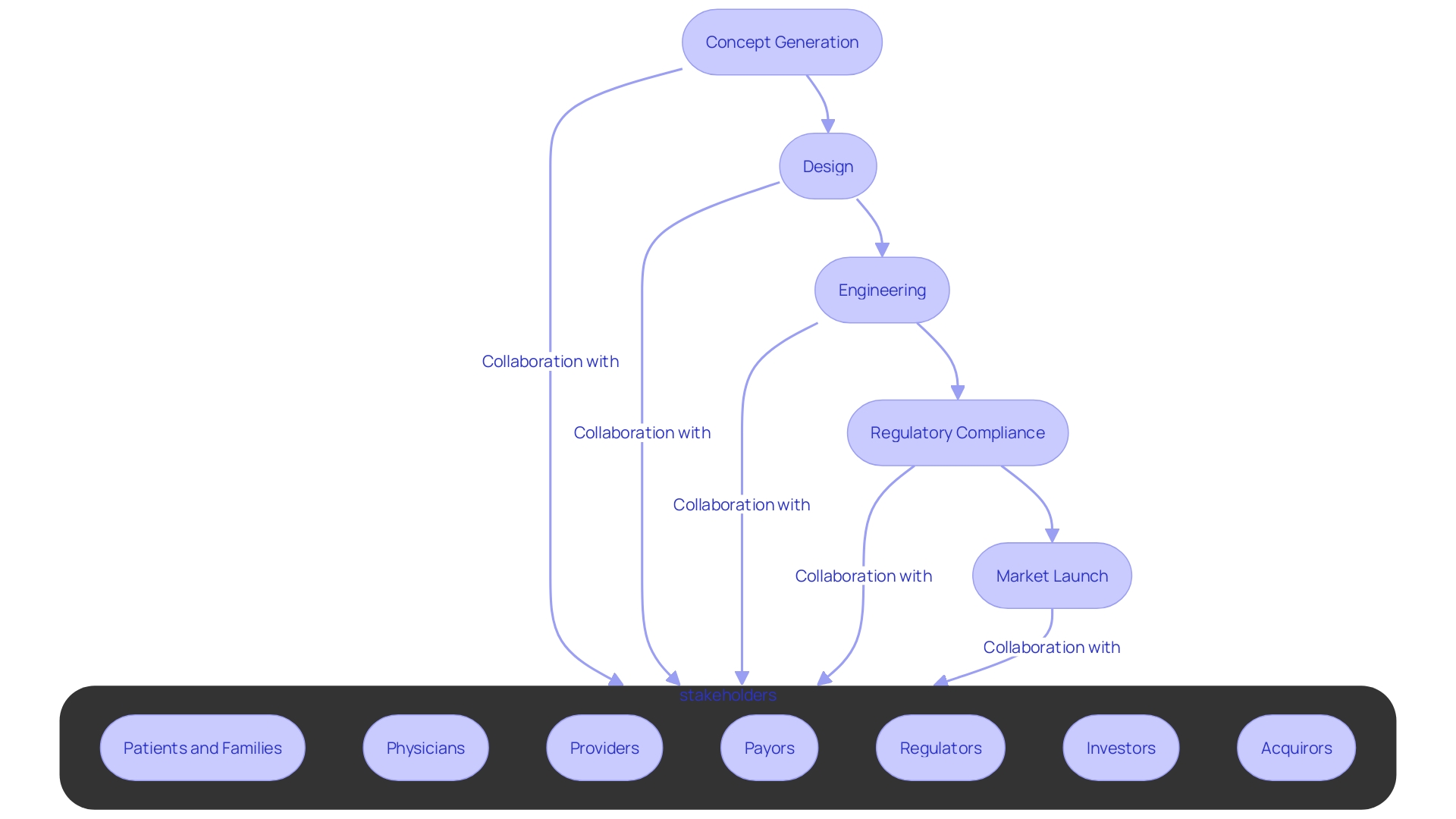
Leading figures in the medical and innovation community, such as Dr. Thomas Fogarty, emphasize that the true value of an idea lies in its implementation and subsequent acceptance by the healthcare ecosystem. The timeline from concept generation to market launch involves concept generation, design, engineering, and regulatory compliance. As digital healthcare experts from Human have pointed out, collaboration across stakeholders is key: providers, payers, pharma companies, and beyond, all aiming to improve patient outcomes while tackling cost and efficiency.
With over 710,000 patents filed in the industry over the past three years, as reported by GlobalData, the focus on , reducing patient recovery times, and leveraging technologies such as machine learning and digitalization, is into the future.
Benefits of Partnering with Medical Device CROs
Collaborating with can significantly streamline the . These organizations come equipped with a deep understanding of to ensure compliance with entities like the FDA, which categorizes medical devices from low to high risk. Their familiarity with the guidelines and processes of regulatory authorities guarantees adherence to the necessary protocols, reducing the likelihood of encountering hindrances in the development trajectory.
CROs also extend comprehensive resources such as advanced facilities and specialized machinery that are essential for the execution of high-quality and robust data collection. Their endemic networks of seasoned professionals enable the facilitation of intricate development tasks, such as those encountered by Everyplace Labs during the design of their automated diagnostic kiosk, which needed to prevent cross-contamination while running multiple tests concurrently.
From a cost perspective, CRO partnerships can prove to be economically advantageous. By leveraging their established relationships, CROss can acquire materials and services at competitive prices. Additionally, their proficiency in risk management and quality control plays a crucial role in early detection and resolution of potential issues, thus deferring the likelihood of expensive delays and ensuring the smooth progress of device development.
As highlighted by digital healthcare experts like Courtney DeSisto Obecny from Huma, collaboration across stakeholders, which includes patients, providers, and pharma companies, is a cornerstone in enhancing healthcare delivery. This collective effort is salient not only in reducing costs and improving efficiency but also in ensuring better patient care outcomes—goals that are mirrored in the CRO partnership model.
In terms of return on investment, businesses like Human notice the trend towards diverse medical device exit strategies such as acquisitions, IPOs, licensing, partnerships, and strategic alliances, as outlined by healthcare business development veterans with decades of experience. These avenues provide tangible benefits to startup medical device companies, while also potentially reducing the costs associated with bringing a new product to the market.
Ultimately, the decision to integrate services with a CRO should consider their ability to navigate the complex landscape of medical device regulation and market dynamics, thereby improving the success rate of innovative medical instruments and solutions like wearable technologies and Sand, which are at the forefront of medical device evolution.
Challenges and Solutions in Medical Device CRO Collaborations
Partnering with for encapsulates the complexities and the necessity for stringent adherence to communication, data security, and intellectual property management. The importance of cannot be understated; a business development leader with decades in the sector emphasizes the cruciality of setting a with a proper kick-off meeting. There, the priorities of budget, time, and quality are demarcated, providing fertile ground for a flourishing partnership.
As noted by industry experts, medical technology today is on the cusp of a paradigm shift, where prevention and interception will take precedence over cures. This shift necessitates a harmonious blend of innovation, such as the in COVID-19 management, with regulation, particularly as medical devices become more integrated with data analytics.
Moreover, the signifies a broader trend that CROs and medical device companies can tap into—leveraging digital tools not only for therapeutic outcomes but also for compliance and operational excellence. The complexity of meeting , as highlighted by the participation of nearly two-thirds of medical device companies in e-labeling initiatives, underscores the need for CROss and their partners to align closely on the prerequisites for market readiness and patient safety.
A multi-faceted approach, encompassing regular interactive sessions, contractual agreements protecting sensitive data, and mutual efforts towards streamlining processes with smart and integrated data analytics, are a few measures pivotal for countering the typical hurdles faced in CRO collaborations. Such strategies resonate with the insights shared by stalwarts like Johnson & Johnson Innovation, underscoring that success lies not only in the vision but also in the operational execution within the ever-evolving medtech domain.
Future Trends and Innovations in Medical Device CROs
The medical device industry is witnessing transformative changes as (CROs) embrace digital health and remote monitoring technologies to enhance . Pioneering the shift towards , CROs are integrating wearable devices and telemedicine solutions, allowing for the collection of real-time data, and enabling . The implications for are profound; such technologies not only streamline patient recruitment and retention but also elevate the quality of data while minimizing the burden on patients and healthcare providers.
Advancements in artificial intelligence (AI) and machine learning are further propelling CROs towards heightened efficiency. AI algorithms are now being deployed to sift through extensive clinical trial data, pinpointing patterns that lead to more accurate and expedited decision-making processes. These developments represent a significant leap in the use of technology within medical device CROs, offering the potential for accelerated healthcare innovation.
However, these advancements come with their own set of challenges. Sam Liu from Vivalink highlights the main issues, as varying device types and operating systems complicate compatibility efforts, and using patients’ own devices could introduce security vulnerabilities with personal health information access. Despite these challenges, the familiarity with personal devices leads to better compliance and data collection, according to Liu, who also notes the difference between medical wearables and supplementary consumer devices.
Additionally, the burgeoning field of digital therapeutics, which encompasses software-driven treatments for medical disorders, is also gaining traction. This field, though still in its infancy in clinical trial testing, exemplifies the potential of digital solutions in managing chronic diseases and neurological conditions, albeit with current limitations in insurance coverage and widespread adoption.
When considering , a comprehensive understanding of the entire process, from concept to market launch, is essential. Finding a development partner with extensive technical expertise, regulatory knowledge, and market insights is critical for a seamless and successful project. This is reflected in the evolving technological landscape, as CROss continue to adapt to and develop new systems and solutions aimed at meeting the dynamic needs of the healthcare industry.
Conclusion
In conclusion, partnering with Contract Research Organizations (CROs) is paramount for driving healthcare innovation and improving patient outcomes. CROs offer expertise, resources, and networks that accelerate medical device development and ensure compliance with regulatory requirements.
Successful collaborations between medical device companies and CROs, like the CardiAQ cardiac monitoring device, demonstrate the strategic benefits of these partnerships. CROs navigate the regulatory landscape effectively, accelerating market entry and addressing complex legal environments.
Partnering with CROs provides several advantages. They have in-depth knowledge of regulatory requirements, reducing development obstacles. CROs offer comprehensive resources, including advanced facilities and specialized machinery, for high-quality clinical trials.
These partnerships also bring economic benefits through established relationships and efficient issue resolution.
Challenges in CRO collaborations, such as communication and data security, can be overcome through clear alignment and the use of digital tools for compliance and operational excellence. Close collaboration and smart data analytics are crucial for successful partnerships.
Future trends in medical device CROs include integrating digital health and remote monitoring technologies, leveraging AI and machine learning for improved decision-making, and the emergence of digital therapeutics for managing chronic diseases. These advancements enhance clinical trials, streamline patient care, and drive innovation.
Overall, partnering with CROs streamlines medical device development, provides access to resources, and navigates regulatory complexities. As the healthcare industry evolves, CROs adapt to meet its dynamic needs, shaping the future of medical devices and benefiting patients worldwide.
Frequently Asked Questions
What are Contract Research Organizations (CROs) in the medical device industry?
CROs in the medical device industry are organizations that provide comprehensive services necessary for the development of medical devices. These services include concept generation, design, engineering, regulatory compliance, and more. They play a critical role in accelerating the innovation cycle and bringing new medical solutions to market efficiently.
How do CROs contribute to healthcare innovation?
CROs contribute to healthcare innovation by offering their expertise, advanced resources, and extensive networks, which are essential for the development and introduction of new medical technologies. They help in streamlining the development process, ensuring regulatory compliance, and facilitating a quicker transition from concept to market.
Can you give an example of a successful collaboration between medical device companies and CROs?
Yes, the development of the Cardiac cardiac monitoring device is an example of successful collaboration. This device uses high-performance sensors and AI algorithms to detect abnormal cardiac patterns and was brought to market with the help of a CRO that provided expertise in clinical trials and regulatory affairs.
What are some benefits of partnering with a Medical Device CRO?
Benefits of partnering with a Medical Device CRO include a streamlined development process, deep understanding of regulatory requirements, access to specialized machinery and professional networks, cost savings through established relationships, and risk management in quality control.
What challenges might arise in collaborations with Medical Device CROs?
Challenges in collaborations with CROs include the need for clear communication and alignment on project goals, data security, and intellectual property management. These challenges can be addressed through proper kick-off meetings, interactive sessions, and contractual agreements to protect sensitive data.
What future trends and innovations are expected in the CRO sector?
Future trends include the adoption of digital health and remote monitoring technologies, integration of wearable devices and telemedicine solutions in clinical trials, advancements in AI and machine learning for data analysis, and the rise of digital therapeutics for software-driven medical treatments.
How do advancements in CRO technologies impact clinical trials and patient care?
Advancements in CRO technologies, such as the use of wearable devices and AI, lead to more efficient clinical trials by enabling real-time data collection, remote patient monitoring, and better data quality. This minimizes the burden on patients and healthcare providers, leading to improved patient care outcomes.
What are the main issues with modern CRO technologies like wearables and patient-owned devices?
The main issues include device compatibility across different types and operating systems, security vulnerabilities with personal health information, and distinguishing between medical-grade wearables and consumer devices. Despite these challenges, the familiarity with personal devices can lead to better compliance and data collection.
What is digital therapeutics, and what is its role in the CRO industry?
Digital therapeutics refers to software-driven treatments for medical disorders and is an emerging field within the CRO industry. It holds potential for managing chronic diseases and neurological conditions but currently faces limitations related to insurance coverage and widespread adoption.
List of Sources
- The Role of Medical Device CROs in Healthcare Innovation
- medicaldevice-network.com (https://www.medicaldevice-network.com/buyers-guide/medical-device-development-companies/)
- infomeddnews.com (https://infomeddnews.com/solving-problems-in-healthcare/)
- infomeddnews.com (https://infomeddnews.com/tdb_templates/category-healthcare-business-2/)
- fda.gov (https://www.fda.gov/about-fda/cdrh-innovation/medical-device-coverage-initiatives-connecting-payors-payor-communication-task-force)
- globaldata.com (https://www.globaldata.com:443/store/report/medical-devices-industry-m-and-a-deals-by-theme-analysis/)
- Case Study: Successful Collaboration between Medical Device Companies and CROs
- infomeddnews.com (https://infomeddnews.com/solving-problems-in-healthcare/)
- medicaldevice-network.com (https://www.medicaldevice-network.com/sponsored/partnerships-are-key-to-driving-digital-healthcare-transformation-in-us-say-experts-2/)
- medicaldevice-network.com (https://www.medicaldevice-network.com/news/sandboxaq-mayo-clinic-cardiac-diagnostics/)
- medicaldevice-network.com (https://www.medicaldevice-network.com/news/vantis-vascular-secures-funding/)
- medicaldevice-network.com (https://www.medicaldevice-network.com/news/patensee-fresenius-dialysis/)
- medicaldevice-network.com (https://www.medicaldevice-network.com/news/medable-and-masimo-partner-to-bring-wearables-to-clinical-trials/)
- heartrecovery.com (https://www.heartrecovery.com/en-us)
- medicaldevice-network.com (https://www.medicaldevice-network.com/sponsored/the-innovations-and-trends-offering-hope-in-the-cardiovascular-market/)
- medicaldevice-network.com (https://www.medicaldevice-network.com/buyers-guide/medical-device-development-companies/)
- medicaldevice-network.com (https://www.medicaldevice-network.com/data-insights/innovators-cpr-assistance-devices-medical-devices/)
- medicaldevice-network.com (https://www.medicaldevice-network.com/buyers-guide/medical-device-development-companies/)
- infomeddnews.com (https://infomeddnews.com/solving-problems-in-healthcare/)
- Benefits of Partnering with Medical Device CROs
- starfishmedical.com (https://starfishmedical.com/blog/18-business-factors-that-determine-successful-medical-device-exits/)
- infomeddnews.com (https://infomeddnews.com/solving-problems-in-healthcare/)
- arduino.cc (https://www.arduino.cc/pro/case-studies-everyplace-labs)
- greenlight.guru (https://www.greenlight.guru/blog/bringing-a-self-funded-medical-device-to-market)
- ekohealth.com (https://www.ekohealth.com/blogs/customer-stories/q-a-with-rick-rubinstein)
- medicaldevice-network.com (https://www.medicaldevice-network.com/buyers-guide/medical-device-development-companies/)
- medicaldevice-network.com (https://www.medicaldevice-network.com/sponsored/reducing-medical-device-approval-times-in-2023/)
- medicaldevice-network.com (https://www.medicaldevice-network.com/sponsored/partnerships-are-key-to-driving-digital-healthcare-transformation-in-us-say-experts-2/)
- Challenges and Solutions in Medical Device CRO Collaborations
- medcitynews.com (https://medcitynews.com/2024/06/collaboration-is-vital-to-creating-inclusive-healthcare-technologies/)
- imec-int.com (https://www.imec-int.com/en/articles/imec-explores-disruptive-ideas-health-tech-collaboration-johnson-johnson-innovation)
- starfishmedical.com (https://starfishmedical.com/blog/starting-medical-device-projects-on-the-right-foot/)
- statnews.com (https://www.statnews.com/2024/07/26/medtech-compliance-not-regulation-stifles-innovation/?utm_campaign=rss)
- medicaldevice-network.com (https://www.medicaldevice-network.com/news/elixir-meets-primary-endpoint-for-novel-coronary-device/)
- medicaldevice-network.com (https://www.medicaldevice-network.com/news/clearblue-introduces-menopause-stage-indicator/)
- medicaldevice-network.com (https://www.medicaldevice-network.com/news/everly-health-at-home-test-kidney-disease/)
- starfishmedical.com (https://starfishmedical.com/blog/18-business-factors-that-determine-successful-medical-device-exits/)
- medicaldevice-network.com (https://www.medicaldevice-network.com/sponsored/reducing-medical-device-approval-times-in-2023/)
- medicaldevice-network.com (https://www.medicaldevice-network.com/sponsored/eight-evolving-patient-communication-risks-in-pharma-and-biotech/)
- medtechintelligence.com (https://medtechintelligence.com/news_article/soaring-medical-device-scrutiny-how-is-the-market-adapting/)
- Future Trends and Innovations in Medical Device CROs
- medicaldevice-network.com (https://www.medicaldevice-network.com/buyers-guide/medical-device-development-companies/)
- medicaldevice-network.com (https://www.medicaldevice-network.com/news/curavit-launches-heor-services-for-digital-therapeutic-trials/)
- thefdalawblog.com (https://www.thefdalawblog.com/2023/08/wearables-sensors-and-apps-part-2-development-and-qualification-of-digital-health-technologies-in-drug-and-biological-product-development/?utm_source=rss&utm_medium=rss&utm_campaign=wearables-sensors-and-apps-part-2-development-and-qualification-of-digital-health-technologies-in-drug-and-biological-product-development)
- medical-technology.nridigital.com (https://medical-technology.nridigital.com/medical_technology_may24/how_patients_own_tech_is_being_used_in_clinical_trials)
- clinicaltrialsarena.com (https://www.clinicaltrialsarena.com/features/patients-own-tech-clinical-trials-vivalink/)
Leave a Reply