
Introduction
The Evolution of CROs in Medical Device Research
In the dynamic landscape of medical device research, the introduction of Clinical Research Organizations (CROs) has been pivotal. These organizations provide a range of services, including study design, patient recruitment, data management, and regulatory adherence.
This article explores the role of CROs in medical device research and how they have revolutionized clinical trials. It also discusses the impact of CROs on the regulatory environment, the benefits of partnering with CROs, and the challenges and opportunities that lie ahead. By delving into these aspects, we gain a comprehensive understanding of the evolving role of CROs in the field of medical device research.
The Evolution of CROs in Medical Device Research
In the dynamic landscape of , the introduction of has been pivotal. Traditionally, device companies exerted considerable effort and capital performing internally, a process dense with complexity and demand for expertise. Transitioning to today’s practices, these companies are increasingly entrusting CROsss to handle trials.
The multifaceted services provided by CROsss range from devising study designs and recruiting patients to managing data and adhering to regulatory requirements. Outsourcing to CROs allows device manufacturers to prioritize their inherent strengths, concurrently benefiting from the CROs’ specialized knowledge and substantial infrastructure. Medical device sphere is vast, including a plethora of instruments, machines, implants, and software devised for diverse purposes, applied to a broad demographic with individualized needs.
As described by Dr. Thomas Fogarty, achieving success in this field is less about the ideation and more about ‘[…] implementation of that idea and its acceptance by others […]’. It’s vital that companies navigate through the interwoven clinical, engineering, market, and economic demands. With over 10,000 types of medical devices recognized by the , the diversity and complexity in the field magnify the importance of choosing a in handling both human and device factors diversity.
Favorably, the is witnessing innovative software solutions merging with hardware to meet the surge in digital health demands, marking an era where stakeholders value CROss with a strong track record in . Strong partnerships, both locally and internationally, are crucial elements that drive forward the research, particularly in Low- and Middle-Income Countries (LMICs), where targeting the right markets based on disease incidence and prevalence data is essential. In this context, discerning the most beneficial collaboration relies on mutual competencies, thereby ensuring the collective goal of enhancing patient outcomes is met.
Regulatory Environment and Compliance
are pivotal in ensuring that navigate the rapidly evolving regulatory landscape effectively. With the experiencing rapid advancements, the role of these organizations is ever more critical.
, spearheaded by authorities like , has tightened to ensure and the effectiveness of new treatments. CROss must stay abreast of the frequently updated guidelines that emanate from such technological and scientific progress.
It’s not just about meeting standards; it’s about proactively adapting to regulatory shifts that accompany the digitalization and complexity of modern medical devices. As acknowledged by the FDA, evaluating the safety and effectiveness of medical devices is just the initial step; factors like coverage decisions by payors including CMS and private health plans can impact the adoption of newly approved medical devices. This underscores the necessity for meticulous and the instrumental guidance that CROss provide in aligning trial data with both regulatory and coverage requirements. These Organizations are adept at reducing risks associated with regulatory non-compliance, ensuring that medical device companies can navigate this complex environment with greater certainty and expedited time to market for innovative healthcare solutions.
Impact of CROs on Medical Device Clinical Trials
(CROs) have revolutionized by leveraging the extraordinary capabilities of artificial intelligence (AI) and machine learning (ML). These technological innovations enable CROss to manage large datasets with unprecedented accuracy, leading to significantly improved personalization of patient treatments.
CROss harness advanced digital workflows and data orchestration systems to enrich the . By utilizing digital therapeutics, such as mobile apps, virtual reality, and sensors, they facilitate innovative treatment approaches that can be used alone or alongside traditional pharmacological interventions.
However, despite the promising outcomes in managing chronic and neurological diseases, these cutting-edge therapies are underutilized due to their novelty and current lack of comprehensive insurance coverage. Through CROs’ integration of digital technologies, are expedited, thus accelerating the study timeline and reducing overall trial costs. This seamless coordination offers a glimpse into the future of self-driving clinical trials, where efficiency and customized healthcare converge to expedite the delivery of medical devices to market.
Noteworthy CROs in Medical Device Clinical Trials
(CROs) such as Xyz CRO and ABC Research play pivotal roles in the advancement of medical devices, balancing the clinical demands and complex regulatory environments that characterize multi-center trials. They stand out for their adeptness in steering to successful conclusions.
Xyz CRO, for instance, has consistently shown expertise in medical device trials, . Likewise, ABC Research is renowned for its proficiency in multi-center trials, seamlessly navigating intricate regulatory landscapes to ensure quality outcomes.
Dr. Thomas Fogarty, a luminary in the medical field, has emphasized that the true value of an idea lies in its successful implementation and the acceptance it gains across the healthcare ecosystem, including patients, families, physicians, and regulatory bodies. This perspective underpins the approach of leading CROs in their efforts to deliver medical advancements.
With a deep understanding of community needs, they provide comprehensive and strategic services that add genuine value to all stakeholders involved. The journey to introduce new medical therapies entails considerable risks and demands a clear unmet clinical need combined with an effective value proposition. This journey often culminates in various forms of , such as acquisitions, IPOs, licensing agreements or partnerships, and strategic alliances, all contributing to the business arc of . Success in these ventures is broadly acknowledged as a synergy of business acumen, and personal attributes like grit and perseverance, often typified by CEOs of prosperous startups in the healthcare sector. For a medical device company, a successful exit strategy through these avenues represents a substantial return on investment for stakeholders and marks the transition from innovative concept to viable market product.
Benefits of Partnering with CROs for Medical Device Trials
Collaborations with unlock significant efficiencies for medical device firms seeking to validate their innovations. One of the foremost advantages is the facilitation of .
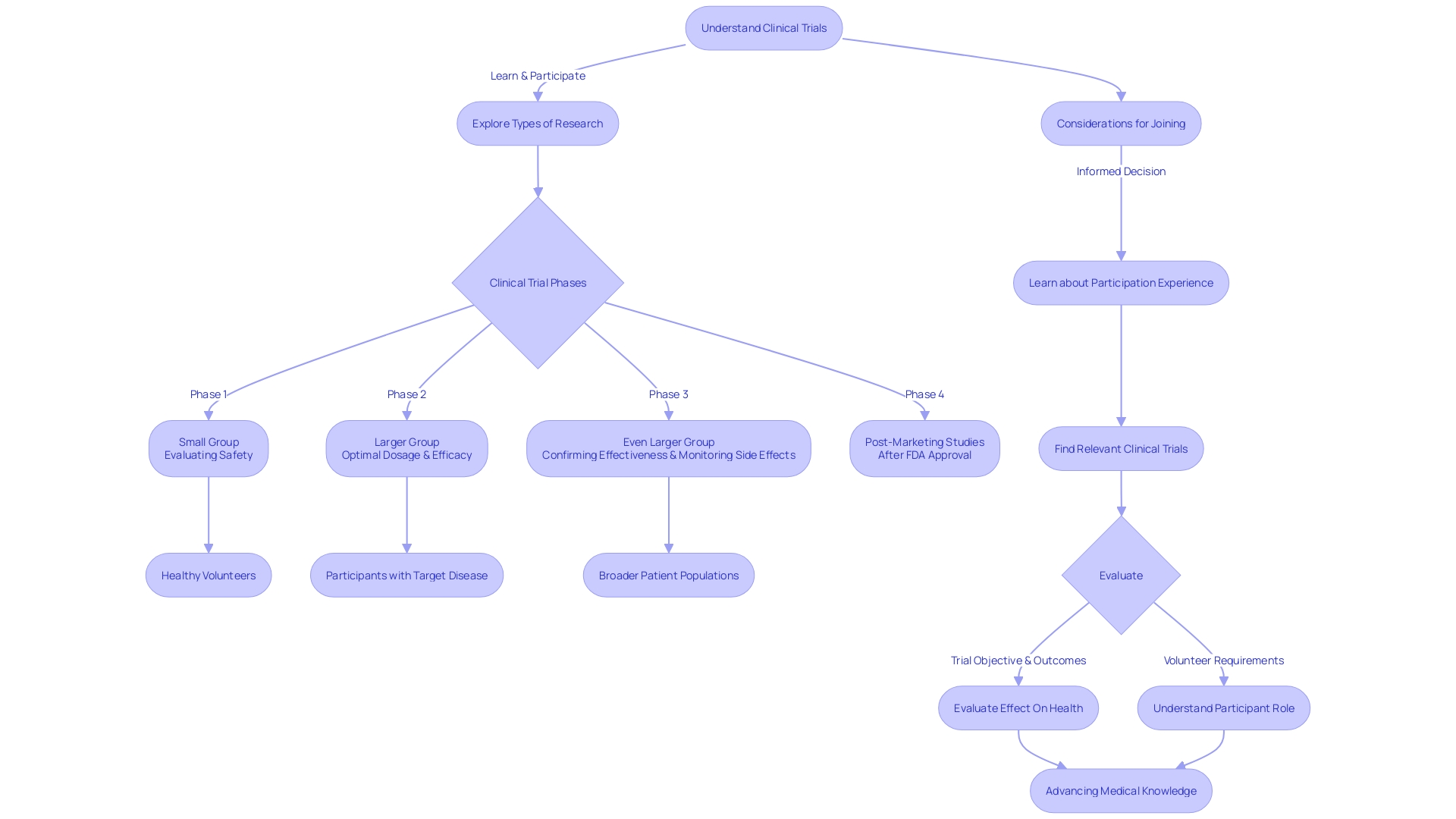
For instance, consider a rural Pennsylvania patient grappling with an ultra-rare condition that lacks FDA sanction. The chance to join a , perhaps in Turkey, could be life-altering.
However, complexities such as securing a visa, linguistics barriers in paperwork, and organizing travel can be formidable. Here lies the CRO’s utility in maneuvering such challenges, ensuring a heterogeneous patient base that not only accelerates enrollment but also fortifies the credibility of findings.
CROs bring a highly specific proficiency to the table in , offering an agile and compliant framework for trials to navigate intricate medical landscapes. By leaning on the CROss established operational structures, device companies can evade the of developing similar in-house systems, fostering marked cost reductions. Furthermore, even as herald a transformative approach to treating various ailments with software-based methods—from mobile apps to immersive virtual reality—their integration into remains nascent. show promise in dimming chronic illness management costs; yet due to their emergent nature and limited insurance acceptance, their complete therapeutic potential is still to be tapped in widespread clinical applications.
Challenges and Opportunities in the Future of CROs and Medical Device Trials
(CROs) are pivotal in conducting , a role that is becoming increasingly multifaceted. These organizations are now dealing with the compounded complexities of trial protocols, as emerging technologies and innovative methodologies reshape the landscape of medical research. For instance, are frequently updating their guidelines to ensure patient safety and the efficacy of medical devices amidst rapid scientific progress.
The challenge for CROss is to remain informed and adapt to these evolving regulations, thus safeguarding the journey from concept to market for new medical advancements. At the same time, the shift towards personalized medicine and tailored therapies is carving out unique opportunities for CROss. They can specialize in specific areas, addressing the nuanced needs of medical device companies—particularly relevant as devices become more digitalized and sophisticated.
This is ever more pertinent given scenarios such as a patient in rural Pennsylvania with no FDA-approved treatment for their ultra-rare disease considering participation in a clinical trial located in Turkey. The complexities of international logistics, language barriers, and navigating unfamiliar medical and travel documentation highlight the vital role CROss play in making and manageable for patients globally. In essence, CROs are at the nexus of innovation and regulation in medical device research, positioned to facilitate the emergence of progressive therapies while ensuring compliance with dynamic global standards.
Conclusion
In conclusion, Clinical Research Organizations (CROs) have revolutionized medical device research. They navigate the complex regulatory landscape, ensuring compliance and reducing risks. The integration of artificial intelligence and machine learning allows CROs to personalize patient treatments and accelerate study timelines.
Partnering with CROs brings significant benefits to medical device companies, including cost reductions and participant inclusion. Despite challenges in adapting to evolving regulations, CROs have opportunities in personalized medicine and global accessibility. Overall, CROs play a pivotal role in driving innovation and ensuring patient outcomes in the dynamic field of medical device research.
Frequently Asked Questions
What is the role of Clinical Research Organizations (CROs) in medical device research?
CROs provide multifaceted services for medical device research that include study design, patient recruitment, data management, and ensuring adherence to regulatory requirements. They allow device manufacturers to focus on their core strengths while benefiting from the CROs’ specialized knowledge and infrastructure.
Why is it important for medical device companies to choose the right CRO?
Given the vastness of the medical device field and the complexity of navigating through clinical, engineering, market, and economic demands, selecting a CRO with the right expertise is crucial for handling the diversity of human and device factors and achieving successful product launches.
How have CROs evolved in response to the regulatory environment?
CROs have become essential in helping medical device clinical trials meet the evolving regulatory landscape effectively. They stay updated with frequently changing guidelines and play a key role in ensuring regulatory compliance, reducing non-compliance risks, and expediting time to market for new devices.
What impact have CROs made on medical device clinical trials?
CROs have revolutionized medical device clinical trials by utilizing artificial intelligence (AI) and machine learning (ML) to manage large datasets and improve personalization of treatments. They have also integrated advanced digital workflows, data orchestration systems, and digital therapeutics to enhance trial processes.
Can you name some noteworthy CROs in medical device clinical trials?
Xyz CRO and ABC Research are two notable CROs that have demonstrated expertise in steering medical device clinical trials to successful conclusions, managing clinical demands, and complex regulatory environments.
What are the benefits of partnering with CROs for medical device trials?
Partnering with CROs offers medical device firms efficiencies in regulatory conformance, study design, and participant inclusion. It reduces financial strain by avoiding the cost of developing in-house systems and allows for faster patient recruitment and enrollment, thereby reducing overall trial costs.
What challenges and opportunities lie ahead for CROs and medical device trials?
CROs face challenges such as adapting to the evolving regulations by regulatory bodies like the FDA and EMA. Opportunities arise in specializing in areas that cater to the unique needs of medical device companies, especially as devices become more digitalized and sophisticated, thus playing a vital role in the accessibility and management of global clinical trials.
How do CROs contribute to the successful exit strategies of medical device companies?
CROs contribute by providing comprehensive and strategic services that support the introduction of new medical therapies, often leading to successful exits such as acquisitions, IPOs, licensing agreements, and strategic alliances, resulting in a substantial return on investment for stakeholders.
Why is digital therapeutics integration in clinical trials still nascent?
Although digital therapeutics promise to revolutionize chronic illness management, their integration into clinical trials is still in the early stages due to their novelty and the current lack of comprehensive insurance coverage.
List of Sources
- The Evolution of CROs in Medical Device Research
- starfishmedical.com (https://starfishmedical.com/blog/voice-of-the-customer-medical-device-research-in-low-and-middle-income-countries/)
- medicaldevice-network.com (https://www.medicaldevice-network.com/buyers-guide/medical-device-development-companies/)
- octopart.com (https://octopart.com/pulse/p/ensuring-reliable-sourcing-medical-device-supply-chains)
- infomeddnews.com (https://infomeddnews.com/solving-problems-in-healthcare/)
- globaldata.com (https://www.globaldata.com:443/store/report/medical-devices-industry-m-and-a-deals-by-theme-quarterly-analysis/)
- medicaldevice-network.com (https://www.medicaldevice-network.com/buyers-guide/medical-devices-development/)
- Regulatory Environment and Compliance
- medicaldevice-network.com (https://www.medicaldevice-network.com/sponsored/analysis-navigating-an-evolving-medical-device-regulatory-landscape/)
- fda.gov (https://www.fda.gov/news-events/press-announcements/fda-roundup-november-21-2023)
- fda.gov (https://www.fda.gov/about-fda/cdrh-innovation/medical-device-coverage-initiatives-connecting-payors-payor-communication-task-force)
- Impact of CROs on Medical Device Clinical Trials
- medicaldevice-network.com (https://www.medicaldevice-network.com/news/curavit-launches-heor-services-for-digital-therapeutic-trials/)
- medhealthoutlook.com (https://medhealthoutlook.com/three-best-practices-to-combat-clinical-trial-pain-points-scott-gray-ceo-of-clincierge/)
- hitconsultant.net (https://hitconsultant.net/2023/09/01/self-driving-clinical-trial-ai-ml-optimization/)
- Noteworthy CROs in Medical Device Clinical Trials
- medhealthoutlook.com (https://medhealthoutlook.com/three-best-practices-to-combat-clinical-trial-pain-points-scott-gray-ceo-of-clincierge/)
- infomeddnews.com (https://infomeddnews.com/solving-problems-in-healthcare/)
- starfishmedical.com (https://starfishmedical.com/blog/18-business-factors-that-determine-successful-medical-device-exits/)
- medicaldevice-network.com (https://www.medicaldevice-network.com/news/curavit-launches-heor-services-for-digital-therapeutic-trials/)
- Benefits of Partnering with CROs for Medical Device Trials
- medhealthoutlook.com (https://medhealthoutlook.com/three-best-practices-to-combat-clinical-trial-pain-points-scott-gray-ceo-of-clincierge/)
- medicaldevice-network.com (https://www.medicaldevice-network.com/news/curavit-launches-heor-services-for-digital-therapeutic-trials/)
- medicaldevice-network.com (https://www.medicaldevice-network.com/buyers-guide/medical-devices-development/)
- Challenges and Opportunities in the Future of CROs and Medical Device Trials
- medhealthoutlook.com (https://medhealthoutlook.com/three-best-practices-to-combat-clinical-trial-pain-points-scott-gray-ceo-of-clincierge/)
- medicaldevice-network.com (https://www.medicaldevice-network.com/sponsored/analysis-navigating-an-evolving-medical-device-regulatory-landscape/)
- diabetesdaily.com (https://www.diabetesdaily.com/blog/everything-you-should-know-about-clinical-trials-717783/)
Leave a Reply