Author: Julio Martinez-Clark

  • Paraguay DINAVISA trial authorization vs registro: keep the FIH file off the commercial holder track

    Sponsors still put “Paraguay” on one regulatory Gantt. That is the mistake. A first-in-human (FIH) or early feasibility study (EFS) for a medical device in Paraguay runs as a DINAVISA clinical-investigation file plus an institutional ethics vote. Putting the same device on the Paraguayan market later is a DINAVISA sanitary-registration file. Same agency name. Different petition, different importer, different success criterion.

    If the board slide says “DINAVISA approved,” ask which DINAVISA. Trial authorization is not a registro sanitario. Confusing them delays first patient and later stalls commercial import.

    Two files, one agency

    DINAVISA (Dirección Nacional de Vigilancia Sanitaria) is Paraguay’s sanitary authority. It authorizes clinical investigations for devices used in-country. Ethics sits with the site’s Comité de Ética en Investigación, not with a Miami PowerPoint. Those are sequential gates on the trial track, not a commercial license.

    For a U.S. or European MedTech team, the practical split looks like this:

    • Trial file: protocol, investigator brochure, informed consent in Spanish, institutional ethics package, investigational labeling, ISO 14155 monitoring plan, and the import story for units that will only be used in the study.
    • Registro file: sanitary registration for manufacture, import, storage, distribution, and promotion of a commercial device, with a Paraguayan party DINAVISA will treat as responsible for that certificate — not a PI’s clinic stamp and not a named hospital that happens to have run FIH.

    Public first-in-human sites in Asunción are sites. They are not the CRO and they are not the commercial titular. Do not treat a surgeon’s name as the DINAVISA commercial file.

    What FDA reviewers will ask later

    If the Paraguay FIH is meant to support a U.S. IDE or marketing file, design the investigation so the evidence room can satisfy 21 CFR § 812.28 (acceptance of data from clinical investigations conducted outside the United States). That regulation expects GCP, independent ethics review, and a device comparable to the version you will put in front of FDA.

    ISO 14155 is the device GCP bridge FDA has publicly recognized for foreign investigations. A clean DINAVISA investigation letter does not replace an inspectable trial master file. Keep device accountability, deviation logs, monitoring reports, and the ethics correspondence in one place from day one. Eligibility of foreign data is not a clearance prediction.

    Ethics-committee timelines on bioaccess®’s Paraguay page depend on each committee’s meeting schedule. That is ethics, not DINAVISA commercial registro, and not a promise of first-patient week. Do not put a single “Paraguay clock” on the Gantt.

    Import: investigational units are not the registro SKU

    A commercial DINAVISA registration number does not clear investigational kits. Do not put a cousin SKU’s registro on the airway bill “because the PI knows customs.” Name the trial importer before ethics stamps the protocol. Map every investigational model, accessory, and spare to the investigation-authorized list. Outer labels must read as investigational, with lot or serial traceability that matches the accountability log at the site.

    After last patient, close investigational inventory under the trial rules. Leaving units “for the hospital” without a new sanitary path is a new regulatory event, not a courtesy.

    Holder vs distributor (commercial track only)

    When you later want Paraguayan market access, DINAVISA will look for a local face on the sanitary registration: renewals, variations, labeling, and tecnovigilancia. A distributor who only sells stock is not automatically that holder. If the holder relationship breaks, the registro does not quietly follow the freight forwarder — you re-file.

    That commercial conversation belongs on a separate workstream from the investigation calendar. Running them as one “Paraguay regulatory” workstream is how teams discover, mid-enrollment, that nobody can import the commercial launch SKU.

    One-page gate before first patient in Paraguay

    Write these lines with owners and document IDs before you book site initiation:

    1. Authority map. DINAVISA investigation plus institutional ethics for the study. DINAVISA registro only if a parallel commercial file is truly in scope this year.
    2. Ethics + investigation sequence. Same protocol version and the same Spanish informed-consent text in both packages.
    3. Investigational importer. Legal name and the document that ties the shipment to the investigation authorization — not a commercial registro number.
    4. Device list. Every unit that will sit in the site accountability log, including accessories.
    5. ISO 14155 file owner. Who can produce monitoring, accountability, and ethics letters within 48 hours if FDA or a notified body asks.
    6. Commercial holder (optional, separate). If launch is real, name the DINAVISA titular and keep that file off the FIH critical path until first patient is locked.

    Where teams burn weeks

    Three patterns show up repeatedly on Paraguay device files:

    • PI as importer. Naming the investigator as the consignee because “he runs the lab.” Unless that person is the licensed trial importer under the investigation authorization, sanitary inspection will not treat the airway bill as study supply.
    • Registro number on investigational freight. Using a commercial DINAVISA certificate for a predicate or related model to move FIH units. The investigational article is not that registered product.
    • One Spanish translation for both desks. The informed-consent and brochure language for ethics and the investigation is not the commercial IFU DINAVISA will later lock. Mixing them creates labeling debt on both tracks.

    Fix the patterns on paper before translators start. Re-translation after first patient is a protocol amendment problem, not a word-processing problem.

    Practical next step

    This week, split the Paraguay slide into two columns: DINAVISA investigation and DINAVISA registro. If the same person owns both without two dossiers, two importers, and two success criteria, you do not have a Paraguay plan — you have a hope. bioaccess® runs FIH/EFS execution across Latin America, including Paraguay, and holds LATAM registration/IOR work as a separate market-access track; treat Paraguay the same way inside your own team.

  • Ecuador ARCSA registro sanitario is single-IoR: the local company owns the license

    Ecuador is a single-holder market for medical-device sanitary registration. Resolución ARCSA-DE-2023-033-AKRG is the rule U.S. teams keep missing: the registro sanitario has to be applied for by a locally registered Ecuadorian company, and that company becomes the sole registration holder. There is no “add three distributors later and keep the certificate in Miami.”

    If your LATAM launch plan still says “Ecuador: appoint a reseller and they will register,” rewrite it. The reseller may sell. The reseller is not automatically the ARCSA titular. Mixing those roles is how you hand the license to the channel.

    What ARCSA actually holds

    ARCSA (Agencia Nacional de Regulación, Control y Vigilancia Sanitaria) is Ecuador’s sanitary authority for devices on the commercial track. The registro sanitario is the permit to manufacture, import, store, distribute, and promote the authorized configuration. Tecnovigilancia, renewals, and variations sit with the named holder — not with a U.S. complaint desk that “will translate later.”

    That is a different file from a clinical investigation. Ethics in Ecuador sits with a CEISH (Comité de Ética de Investigación en Seres Humanos). ARCSA may also see a trial petition. Those clocks are a file problem on the FIH track. They are not a waiver of sanitary registration if you later want to sell the device in Ecuador. Do not clear investigational units on a commercial registro number, and do not tell the hospital that “we have a distributor, so ethics is optional.”

    A 2025 PAHO-presented package of Ecuador clinical-research rules is not, by itself, fully in force. Do not put a PAHO slide on the Gantt as if it were the current ARCSA instruction. Confirm the instrument that is actually applied before you quote an Ecuador first-patient week.

    Single-IoR is the design, not a preference

    bioaccess®’s published IOR-versus-holder map treats Ecuador as a single-IoR model: the sanitary registration is bound to one locally registered Ecuadorian company. You can still have downstream commercial distributors. At the regulatory level there is one accountable party per registration.

    Consequence:

    • If the distributor is the ARCSA holder, they control market access. Transfer depends on their cooperation and on ARCSA’s transfer path — not on your U.S. termination clause.
    • If a neutral Ecuadorian company holds the certificate, you can change the sales channel without restarting the sanitary file as a hostage negotiation.
    • Import paperwork that names someone other than the authorized holder/importer pair is a customs problem, not a “broker will fix it” problem.

    Argentina is the other strict single-IoR example in that same map (AAR under Disposición ANMAT N° 64/2025). Ecuador is not Argentina. Do not copy the ANMAT dossier onto ARCSA. Do use the same structural question: who owns the certificate when the distributor relationship breaks?

    CE Mark is evidence, not the Ecuador permit

    FDA clearance and CE marking help the technical story. They do not replace ARCSA registro for a commercial SKU. Build an Ecuadorian file: Spanish labeling and IFU aligned to the intended purpose you will sell, quality evidence ARCSA’s current instruction will demand, and a local party who can answer inspections and tecnovigilancia.

    Certified Spanish translations belong in that file. They are not a courtesy to the distributor. Mixing the trial informed-consent language with the commercial IFU is how both tracks pick up labeling debt.

    Holder, warehouse, and tecnovigilancia

    Ecuador market access fails in operations more often than in the PDF. Lock four roles before you book a launch quarter:

    1. Who is the Ecuadorian company on the registro. The locally registered entity ARCSA will treat as the sole holder under Resolución ARCSA-DE-2023-033-AKRG.
    2. Who is the importer of record for commercial freight. In a single-IoR market that party is usually the same legal face, or an importer the holder has actually authorized — not a freight forwarder with a borrowed tax ID.
    3. Who files tecnovigilancia. Adverse-event and field-safety reporting for registered devices is a sanitary duty of the holder, not a U.S. mailbox.
    4. Who owns variations. Model adds, software version bumps, and sterile-barrier changes need an Ecuadorian variation path once registro exists. Quiet EU updates do not auto-propagate.

    How this interacts with FIH in Ecuador

    A clinical investigation in Ecuador and a commercial ARCSA registro are still different workstreams. CEISH review and any ARCSA trial petition do not issue a selling license. Do not put first-patient kits on a commercial registration that does not cover the investigational configuration. If you also plan Ecuadorian patients, keep a separate investigation importer and a separate accountability log.

    bioaccess® already runs the ARCSA / CEISH trial file as FIH work. Market access is the other column. Do not merge them because one agency acronym appears in both sentences.

    Where teams burn quarters

    • Distributor as titular by default. Easy to sign. Hard to unwind in a single-IoR market.
    • Treating 2025 PAHO-presented trial rules as the commercial clock. Trial rules, even when in force, do not replace registro. And those 2025 slides may not be the live instrument.
    • One Spanish pack for CEISH and for ARCSA registro. Consent language is not the IFU. Split the translation job.

    One-page Ecuador gate this week

    • List every SKU you intend to sell in Ecuador in the next 24 months.
    • Name the locally registered Ecuadorian company that will apply under Resolución ARCSA-DE-2023-033-AKRG.
    • Name the commercial IOR, the tecnovigilancia owner, and the variation owner — three lines, three document IDs.
    • Separate the FIH/EFS column if you also plan Ecuadorian patients. Different dossier, different importer.
    • Do not quote a first-patient or registro clock from a PAHO presentation until you hold the instrument ARCSA is actually applying.

    If those four owners cannot point to the same intended-purpose sentence in Spanish, you are not ready to quote Ecuadorian hospital revenue. For the all-in holder model across LATAM, see bioaccess® market access / LATAM Launch — Ecuador’s single-IoR rule is exactly why “distributor-only” plans break.

  • Clinical Trial Insurance in Latin America: What Sponsors Need to Know Before Study Start

    Clinical Trial Insurance in Latin America: What Sponsors Need to Know Before Study Start

    This guide has been merged into our updated hub, Clinical Trial Liability Insurance in Latin America: Requirements by Country, which sets out each country’s rule with links to the primary legal text (verified 29 October 2026).

  • Chile ISP Decreto Exento N° 25 (2026): what the new mandatory device registration wave changes

    Chile is no longer a “light touch if you have CE” story for every medical device. On 19 March 2026 the Ministry of Health published Decreto Exento N° 25, which adds a large set of medical devices and in vitro diagnostic devices to the mandatory sanitary-control regime under artículo 111 of the Código Sanitario. The Instituto de Salud Pública (ISP) — through its medical-device agency function (ANDIM) — is the desk that will issue and police sanitary registration for those products.

    If your LATAM launch plan still says “Chile: notify and sell,” rewrite it against the decree, not against last year’s distributor memo.

    What the decree actually does

    Artículo 111 of the Código Sanitario already said instruments, apparatus, and related articles for diagnosis, prevention, treatment, or anatomical replacement can be placed under sanitary control by founded decree. Older decrees (including Decreto Supremo N° 825 de 1998 and later incorporation decrees such as DS N° 342/2004, DS N° 1.887/2007, DS N° 93/2018, and DS N° 42/2021 for AEDs) already pulled specific product families into ISP registration.

    Decreto Exento N° 25 (signed 6 March 2026, published mid-March 2026) expands that list. Public summaries from Chilean counsel and the Ministry’s own communication describe roughly 39 additional device and IVD categories entering mandatory control, with priority on higher-risk classes (Class III/IV devices and Class C/D IVDs), products tied to ministerial care programs, and categories with tecnovigilancia signals. Software as a medical device is in scope where it meets the controlled list — do not assume SaMD is exempt because it ships as a download.

    Consequence: manufacture, import, commercialization, or distribution of listed products without ISP sanitary registration is a compliance problem, not a commercial preference.

    ISP registration is not a CE photocopy

    ChileAtiende’s public fiche for sanitary registration of devices under mandatory control (ISP prestación code 9100003) still points sponsors to the SAFIS system with ClaveÚnica, and to prior steps many importers skip: company inscription, warehouse authorization, and the Certificado de Destinación Aduanera (CDA) path for registered devices. Registration validity is described as three years with automatic extension unless expressly revoked — confirm the current ISP instruction for your class before you put that on a board slide.

    ISO certificates and a European CE certificate help the technical story. They do not replace ISP registro for products under artículo 111 control. Build the Chilean file as a Chilean file: Spanish labeling and IFU aligned to the intended purpose you will sell, quality evidence the ISP instruction will demand, and a local party who can answer inspections and tecnovigilancia.

    Transition clocks — do not invent a free year

    Counsel summaries of Decreto Exento N° 25 describe staggered mandatory deadlines on the order of 24 to 36 months after publication, with ISP technical instructions due within about 12 months so applicants know the exact dossier shape. Treat those as planning bands until you hold the official text and the ISP instructivo for your product codes. Voluntary early filing is the sane move for Class III/IV implants, active devices, and critical diagnostics already on the list — waiting for the last day of a transition window is how launch SKUs miss hospital tenders.

    Do not tell sales “we are fine until 2029” without a product-by-product map against the decree annex and a named ISP instruction date.

    Holder, warehouse, and tecnovigilancia

    Chilean market access fails in operations more often than in the PDF. Lock four roles before you book a launch quarter:

    1. Who is the face of the registro. The party ISP will treat as responsible for the Chilean authorization — manufacturer branch or authorized importer/distributor structure that matches how stock actually moves.
    2. Who holds the bodega authorization. Registration without a legal storage story is a paper win and a customs loss.
    3. Who files tecnovigilancia. Adverse-event and field-safety reporting for controlled devices sits with the sanitary duty of the local controlled party, not with a U.S. complaint desk that “will translate later.”
    4. Who owns variations. Model adds, software version bumps, and sterile-barrier changes need a Chilean variation path once registro exists. Quiet EU updates do not auto-propagate.

    This is the same titular discipline bioaccess® uses across LATAM registration/IOR work. Chile’s decree wave makes the gap visible because more SKUs just entered the controlled set.

    How this interacts with FIH in Chile

    A clinical investigation in Chile and a commercial ISP registro are still different workstreams. Do not clear investigational units on a commercial registration number that does not cover the investigational configuration, and do not tell the hospital that “Decreto 25 means we can skip ethics.” Ethics and ISP clinical pathways remain their own calendars. What the decree changes for founders is the commercial LATAM plan: Chile is now a registration-heavy market for a much wider device set.

    Where teams burn quarters

    Three Chile mistakes after Decreto Exento N° 25:

    • Assuming CE Mark equals ISP registro. CE evidence supports the technical file. Artículo 111 control still needs ISP sanitary registration for listed products.
    • Leaving SaMD and accessories off the SKU map. Controllers, patient apps, and sterile accessories often decide class and control status. Map the commercial configuration, not only the implantable core.
    • Signing a distributor LOI before bodega and titular clarity. Revenue commitments without warehouse authorization and a named ISP face create tender risk, not market access.

    Put the decree annex next to your Chilean forecast. If a line item is newly controlled and has no SAFIS owner, cut it from the quarter or fund the registro — do not hope customs will waive artículo 111.

    One-page Chile gate this week

    • List every SKU you intend to sell in Chile in the next 36 months.
    • Mark each against Decreto Exento N° 25 and prior artículo 111 decrees (controlled yes/no).
    • For each “yes,” name: ISP instructivo status, SAFIS owner, bodega status, CDA owner, tecnovigilancia owner.
    • Separate the FIH/EFS column if you also plan Chilean patients — different dossier, different importer.

    If those four owners cannot point to the same intended purpose sentence in Spanish, you are not ready to quote Chilean hospital revenue. For the all-in holder model across LATAM, see bioaccess® market access / LATAM Launch — Chile’s 2026 decree is exactly why “distributor-only” plans break.

  • Peru INS trial authorization vs DIGEMID registro: keep the FIH file off the commercial holder track

    Sponsors still put “Peru” on one regulatory Gantt. That is the mistake. A first-in-human (FIH) or early feasibility study (EFS) for a medical device in Peru runs on an Instituto Nacional de Salud (INS) clinical-research track. Putting the same device on the Peruvian market later runs on DIGEMID under Ley N° 29459 and its regulation Decreto Supremo N° 016-2011-SA. Those are different desks, different dossiers, and different importers of record.

    If your board slide says “Peru approved,” ask which Peru. Trial authorization is not a registro sanitario. Confusing them delays first patient and later stalls commercial import.

    Two authorities, two jobs

    INS is the national public-health institute that reviews clinical research protocols and related ethics pathways for studies conducted in Peru. DIGEMID (Dirección General de Medicamentos, Insumos y Drogas), inside the Ministry of Health, is the sanitary authority for pharmaceutical products, medical devices, and related sanitary products on the commercial side.

    For a U.S. or European MedTech team, the practical split looks like this:

    • INS file: protocol, investigator brochure, informed consent, ethics committee (CEI) packet, investigational labeling, monitoring plan aligned to ISO 14155, and the import story for units that will only be used in the study.
    • DIGEMID file: sanitary registration (registro sanitario) for manufacture, import, storage, distribution, and promotion of a commercial device, with a Peruvian titular who is a habilitated pharmaceutical establishment (typically a droguería), not a PI’s clinic stamp.

    DIGEMID’s own FAQ is blunt on personal or “doctor import” shortcuts for devices: the ordinary commercial path is registro sanitario plus a certified establishment. Exceptional import routes exist for narrow individual-treatment cases under Ley N° 29459 and DS N° 016-2011-SA — they are not an FIH supply chain.

    What FDA reviewers will ask later

    If the Peru FIH is meant to support a U.S. IDE or marketing file, design the INS package so it can satisfy 21 CFR § 812.28 (acceptance of data from clinical investigations conducted outside the United States). That regulation expects GCP, independent ethics review, and a device comparable to the version you will put in front of FDA.

    ISO 14155 is the device GCP bridge FDA has publicly recognized for foreign investigations. A clean INS authorization letter does not replace an inspectable trial master file. Keep device accountability, deviation logs, monitoring reports, and the CEI correspondence in one place from day one. Eligibility of foreign data is not a clearance prediction.

    Import: investigational units are not the registro SKU

    Commercial DIGEMID registration numbers do not clear investigational kits. Do not put a cousin SKU’s registro on the airway bill “because the PI knows customs.” Name the trial importer before ethics stamps the protocol. Map every investigational model, accessory, and spare to the INS-authorized list. Outer labels must read as investigational, with lot or serial traceability that matches the accountability log at the site.

    After last patient, close investigational inventory under the trial rules. Leaving units “for the hospital” without a new sanitary path is a new regulatory event, not a courtesy.

    Holder vs distributor (commercial track only)

    When you later want Peruvian market access, DS N° 016-2011-SA and Ley N° 29459 put legal weight on the titular del registro sanitario. Foreign manufacturers appoint a local titular who owns the certificate, files renewals and variations, and answers DIGEMID on vigilance and advertising aligned to the authorized labeling. A distributor who only sells stock is not automatically that titular. If the titular relationship breaks, the registro does not quietly follow the freight forwarder — you re-file.

    That commercial holder conversation belongs on a separate workstream from the INS FIH calendar. Running them as one “Peru regulatory” workstream is how teams discover, mid-enrollment, that nobody can import the commercial launch SKU.

    One-page gate before first patient in Peru

    Write these lines with owners and document IDs before you book site initiation:

    1. Authority map. INS for the study; DIGEMID only if a parallel commercial registro is truly in scope this year.
    2. CEI + INS sequence. Ethics and INS submissions with the same protocol version and the same Spanish informed-consent text.
    3. Investigational importer. Legal name, warehouse authorization if required, and the document that ties the shipment to the INS authorization — not a commercial registro number.
    4. Device list. Every unit that will sit in the site accountability log, including accessories.
    5. ISO 14155 file owner. Who can produce monitoring, accountability, and CEI letters within 48 hours if FDA or a notified body asks.
    6. Commercial holder (optional, separate). If launch is real, name the DIGEMID titular and droguería authorization — and keep that file off the FIH critical path until FPI is locked.

    Where teams burn weeks

    Three patterns show up repeatedly on Peru device files:

    • PI as importer. Naming the investigator as the consignee because “he runs the lab.” Unless that person is the licensed trial importer under the INS authorization, customs and sanitary inspection will not treat the airway bill as study supply.
    • Registro number on investigational freight. Using a commercial DIGEMID certificate for a predicate or related model to move FIH units. The investigational article is not that registered product.
    • One Spanish translation for both desks. The informed-consent and brochure language for INS/CEI is not the commercial IFU DIGEMID will later lock. Mixing them creates labeling debt on both tracks.

    Fix the patterns on paper before translators start. Re-translation after first patient is a protocol amendment problem, not a word-processing problem.

    Practical next step

    This week, split the Peru slide into two columns: INS trial and DIGEMID registro. If the same person owns both without two dossiers, two importers, and two success criteria, you do not have a Peru plan — you have a hope. bioaccess® runs FIH/EFS execution across Latin America and holds LATAM registration/IOR work as a separate market-access track; treat Peru the same way inside your own team.

  • First-in-Human Trial Timeline: From Protocol Approval to Last Patient Out

    First-in-Human Trial Timeline: From Protocol Approval to Last Patient Out

    A first-in-human (FIH) trial is one of the most consequential milestones in any medical device or biopharma program — and one of the most consistently misread from a timing standpoint. Founders anchor investor timelines to a vague "18 to 24 months," then discover mid-program that the approval queue alone consumed most of that window before a single patient was screened.

    This article maps the actual phases of a first-in-human trial timeline, from protocol approval through last patient out (LPO). It covers where time is lost, where it can be recovered, and which structural decisions made early determine whether your FIH data lands before or after your next funding round.


    What “Protocol Approval” Actually Means as a Starting Point

    The phrase sounds like a single event. In practice, it represents the convergence of several parallel workstreams: a finalized protocol document, an approved IDE or IND application, ethics committee clearance, and written authorization from the relevant in-country health authority.

    Each of those has its own queue. In the United States, IDE review alone typically takes three to six months after submission. Ethics review at U.S. sites often adds another two to four months — and sites may not run those processes concurrently. By the time you have a protocol approved and a site ready to screen patients, you may already be nine to twelve months into your clock.

    This is why jurisdiction selection is not a logistical detail. It is a timeline decision.


    Phase 1: Regulatory and Ethics Approvals

    This phase begins the moment your submission package is filed with the relevant health authority and ethics committee. It ends when you have written authorization to proceed at a qualified site.

    In the United States, this phase routinely takes six to twelve months. Review queues are long, and novel device classes often generate multiple rounds of questions and amendments before authorization is granted.

    In Panama, El Salvador, Chile, and the Dominican Republic, ethics and regulatory approvals are observed in 30 to 90 days. That is not a marketing claim — it reflects the structural design of those jurisdictions' review frameworks. MINSA/CNBI in Panama, SRS/CNEIS in El Salvador, ISP/MINSAL in Chile, and the Dominican Republic's equivalent health authority all operate under processes that are faster by design, not by exception.

    Recovering four to nine months at this phase alone changes the math for a startup operating on a 24-month runway.


    Phase 2: Site Activation

    Site activation covers everything between regulatory authorization and the first patient screened: finalizing site agreements, training investigators and coordinators, confirming equipment and logistics, and standing up your electronic data capture (EDC) system at the site.

    At a well-prepared site with an experienced coordinator team, this phase takes four to eight weeks. At a site that has never run a device trial under ISO 14155 or FDA 21 CFR 812.28 standards, it can stretch to three to four months.

    This is where a pre-qualified site network pays a measurable dividend. Sites that have already been verified for infrastructure, staffing, and regulatory familiarity compress activation to the shorter end of that range. bioaccess® maintains a network of 50-plus pre-qualified sites across 19 Latin American and Caribbean markets — which means you are not rebuilding site readiness from scratch every time you open a new location.

    Site activation also includes the practical work of setting up patient identification and screening pipelines. Enrollment projections made without a realistic assessment of site-level recruitment capacity are one of the most common sources of timeline slippage.


    Phase 3: Patient Enrollment

    Enrollment is where most FIH timelines diverge from plan. The variables are well known — inclusion/exclusion criteria, site-level patient flow, competing trials, screen failure rates — but they are still routinely underestimated.

    For a small FIH cohort of 10 to 30 patients, enrollment at a single site in a high-competition U.S. market can take six to twelve months. In Latin American markets with lower trial density and strong investigator engagement, the same cohort often enrolls in two to four months.

    A few factors that materially affect enrollment speed:

    • Indication prevalence at the site. A cardiovascular device trial at a high-volume cardiac center in Panama or Colombia will screen faster than the same trial at a community hospital with limited patient throughput.
    • Screen failure rate. For novel device classes with narrow eligibility criteria, screen failure rates of 40 to 60 percent are common. Building that into your enrollment model upfront prevents mid-trial surprises.
    • Regulatory flexibility on amendments. If your protocol requires a mid-enrollment amendment — a common occurrence in early feasibility studies — the time to get that amendment approved varies significantly by jurisdiction.

    Phase 4: Treatment and Follow-Up

    For most FIH device studies, the treatment period itself is relatively short — days to weeks per patient. The follow-up period is where the timeline stretches. Depending on device class and endpoint structure, follow-up windows of 30 days, 90 days, six months, or longer are common.

    Last patient out is defined as the date the final enrolled patient completes their last protocol-required visit. Everything before that point — enrollment, treatment, interim assessments — determines when LPO actually occurs.

    The relationship between enrollment pace and LPO is direct. Enroll your last patient at month eight of a study with a 90-day follow-up, and LPO lands at month eleven. Let enrollment drag to month twelve, and LPO moves to month fifteen. This is why front-end enrollment compression has compounding value: it pulls LPO forward and accelerates the entire downstream data and submission timeline.


    Phase 5: Data Lock and Submission-Ready Package

    After LPO, the trial is not over. Data cleaning, query resolution, statistical analysis, and clinical study report (CSR) preparation typically take two to four months for a small FIH study — and six months or more for larger or more complex programs.

    This phase is often treated as a formality in early planning conversations, but it is where regulatory acceptability is either confirmed or complicated. Data collected under ICH-GCP and structured per FDA 21 CFR 812.28 — the foreign clinical data framework — is accepted for U.S. IDE and IND submissions. Data collected under looser standards may not be.

    That distinction matters specifically for Latin American FIH data. The speed advantage of running a trial in Panama or Chile does not come at the cost of regulatory acceptability, provided the data is collected under the right framework from day one. A submission-ready clinical evidence package built to FDA standards travels with the data regardless of where the patients were enrolled.


    What a Realistic End-to-End Timeline Looks Like

    Putting the phases together, here is what a realistic FIH timeline from protocol approval to submission-ready package looks like:

    Phase Optimized (LatAm) Typical (U.S./EU)
    Regulatory and ethics approvals 1 to 3 months 6 to 12 months
    Site activation 1 to 2 months 2 to 4 months
    Patient enrollment (10 to 30 patients) 2 to 4 months 6 to 12 months
    Treatment and follow-up 1 to 6 months 1 to 6 months
    Data lock and CSR 2 to 3 months 3 to 6 months
    Total 7 to 18 months 18 to 40 months

    The treatment and follow-up window is largely fixed by the science, not the geography. Everything else is compressible with the right jurisdiction and site infrastructure.


    Where Startups Lose Time — and How to Avoid It

    The most damaging sources of FIH timeline slippage are rarely the obvious ones.

    Delayed regulatory strategy alignment. Sponsors who select a jurisdiction or site before finalizing their IDE or IND strategy often have to redo submission documents when the regulatory pathway shifts. Anchoring strategy to the intended U.S. pathway — whether IDE, 510(k), De Novo, PMA, or HDE — from day one prevents that rework.

    Underestimating the protocol development cycle. A protocol that has not been stress-tested against the target jurisdiction's ethics committee requirements will generate amendment cycles. Each cycle in a slower jurisdiction adds weeks or months to the clock.

    Fragmented vendor accountability. Sponsors using separate vendors for regulatory consulting, site selection, CRO operations, and data management often find that no single party owns the end-to-end timeline. Gaps between handoffs accumulate. A single accountable team covering all workstreams from protocol through submission-ready package eliminates those gaps.

    Optimistic enrollment projections. Enrollment models built on theoretical site capacity rather than observed recruitment rates at specific sites consistently underperform. Requiring site-level enrollment data before finalizing your timeline is not pessimism — it is planning.


    How the FIH-12 Program Structures the Timeline

    bioaccess® structures its FIH-12 program around a 12-month timeline from protocol to submission-ready clinical evidence package. The program covers nine workstreams: FDA Pre-Sub and IDE/IND pathway alignment, protocol development, ethics and regulatory submissions, site activation, patient enrollment, clinical monitoring, data management, safety reporting, and CSR preparation.

    The 12-month target applies to the FIH-12 program structure; individual timelines depend on device class and regulatory pathway. But the structural design — a single accountable team, pre-qualified sites, and primary execution in jurisdictions where approvals are observed in 30 to 90 days — is what makes that target achievable for most early-feasibility device studies.

    The FIH Launch Planner on the bioaccess® site takes six questions and outputs a preliminary country route, timeline range, and evidence package estimate. For sponsors still in the planning phase, it is a useful first step toward a grounded sense of what their specific program might look like before issuing an RFP.


    FAQs

    What is the typical timeline for a first-in-human trial from protocol approval to last patient out?

    For a small FIH cohort of 10 to 30 patients, the enrollment and follow-up phases alone range from approximately four to twelve months. Add regulatory approvals and site activation, and the total range is seven to eighteen months in an optimized Latin American execution versus eighteen to forty months in a typical U.S. program.

    Does running a first-in-human trial in Latin America affect FDA acceptance of the data?

    No, provided the data is collected under the right framework. Latin American FIH data structured per FDA 21 CFR 812.28 and collected under ICH-GCP and ISO 14155 standards is accepted for U.S. IDE and IND submissions. Geographic origin does not reduce regulatory acceptability when the collection standards are met.

    What is "last patient out" and why does it matter for trial planning?

    Last patient out (LPO) is the date the final enrolled patient completes their last protocol-required visit. It marks the formal end of data collection and triggers data lock, statistical analysis, and CSR preparation. Because your submission timeline and funding milestones are anchored to it, LPO is one of the most important dates to plan around from the start.

    What causes the most timeline slippage in first-in-human trials?

    The most common causes are delayed regulatory strategy alignment, optimistic enrollment projections, protocol amendment cycles, and fragmented vendor accountability across workstreams. Each adds weeks or months to the timeline — and they tend to compound each other.

    How long does regulatory and ethics approval take for a first-in-human trial?

    In the United States or EU, regulatory and ethics approval typically takes six to twelve months. In Panama, El Salvador, Chile, and the Dominican Republic, approvals are observed in 30 to 90 days. This difference is structural to those jurisdictions, not a case-by-case exception.

    What is the difference between first patient in and last patient out?

    First patient in (FPI) is the date the first enrolled patient receives the investigational treatment or device. Last patient out (LPO) is the date the final enrolled patient completes all protocol-required follow-up visits. The interval between FPI and LPO reflects the combined enrollment duration and follow-up window across the full cohort.

    How many patients are typically enrolled in a first-in-human trial?

    FIH cohort sizes vary by device class and study design, but early feasibility studies for medical devices commonly enroll between 10 and 30 patients. The cohort is sized to generate initial safety and feasibility data, not to power a definitive efficacy conclusion. The FDA's guidance on early feasibility studies provides the framework for determining appropriate cohort size for a given device category.


    Plan the Timeline Before the Board Asks

    The most expensive FIH mistake is not a failed enrollment or a regulatory rejection. It is a timeline that was never grounded in how approvals, site activation, and enrollment actually work in the chosen jurisdiction.

    If you are 12 to 24 months from needing first human data, the time to map your timeline is now — not when the IDE is approved and the board is asking for a start date. A realistic phase-by-phase plan, built around a jurisdiction where approvals are observed in 30 to 90 days and sites are already qualified, is the difference between delivering FIH data before your next round closes and explaining to investors why it slipped.

    Learn more about how bioaccess® structures the FIH timeline at bioaccessla.com.
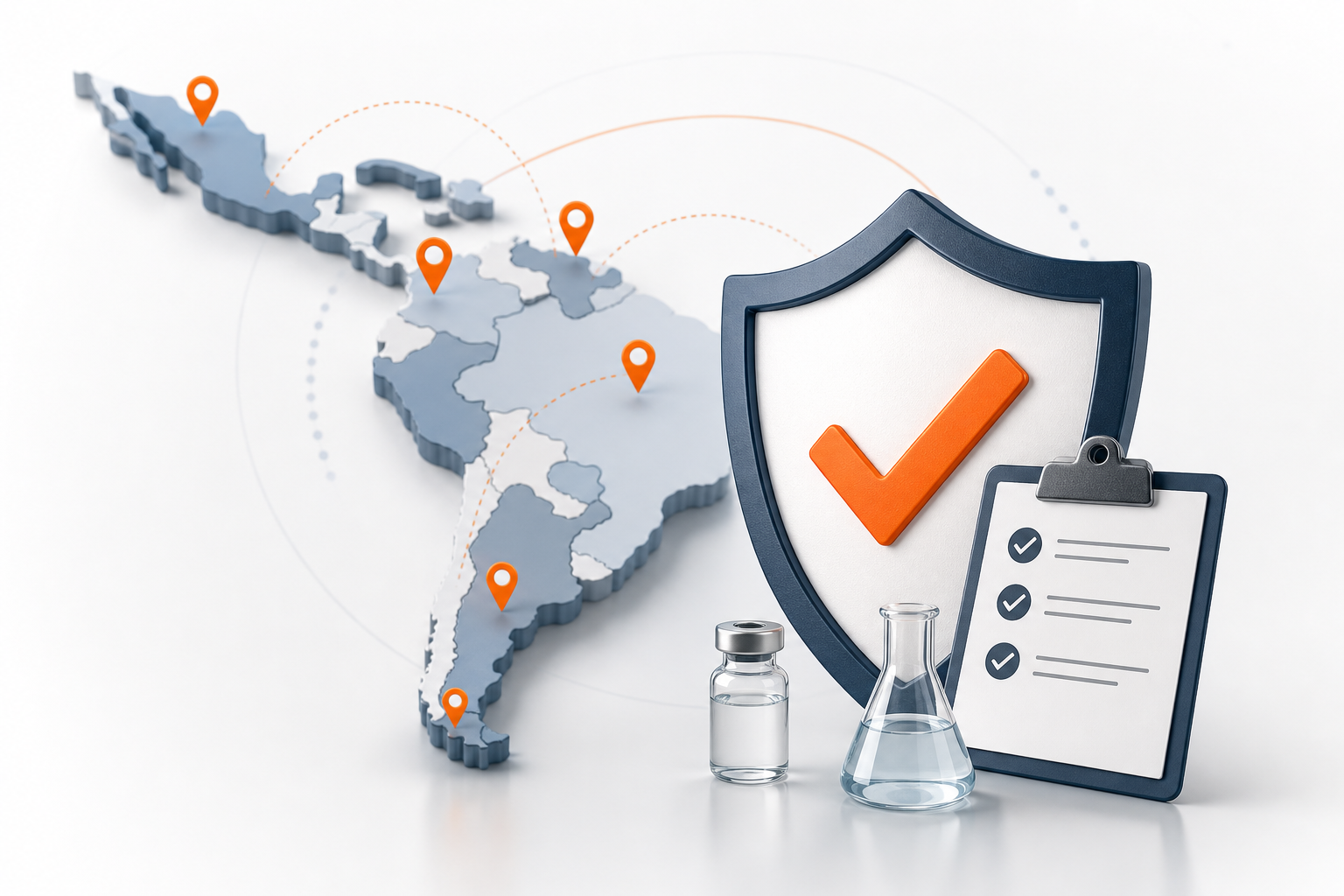
  • Mexico Hospital Implementation Dossier for High-Cost Medical Devices: A LATAM Market Access Playbook

    Mexico Hospital Implementation Dossier for High-Cost Medical Devices: A LATAM Market Access Playbook

    For a high-cost medical device, regulatory authorization is an entry ticket—not a hospital adoption plan. A hospital may recognize that a device is legally marketable and still hesitate because the clinical pathway is unclear, staff training is underestimated, infrastructure is missing, or the budget impact is difficult to defend. In Mexico, where purchasing and delivery decisions can differ by institution, a sponsor needs an implementation dossier that answers the operational questions behind the procurement question.

    This dossier is especially valuable for a leading MedTech startup entering Latin America with limited local utilization data. It turns a technical product file into a decision tool for clinical leaders, procurement teams, finance officers, and administrators without overstating evidence or assuming that one hospital’s process represents the entire market.

    Separate regulatory readiness from adoption readiness

    Begin with two clearly labeled workstreams. The regulatory file explains safety, performance, intended use, labeling, quality, and the evidence required by the applicable health authority. The implementation dossier explains how the device will be used responsibly inside a Mexican hospital: who selects patients, who operates it, how the procedure fits the care pathway, what resources it consumes, and how outcomes will be monitored.

    Keeping these workstreams connected but distinct prevents two common mistakes. First, a sponsor may present a registration dossier as if it proves economic value. Second, a commercial team may make workflow or outcome claims that are not supported by the approved indication or clinical evidence. Use a claims map that links every statement to its source, population, setting, and level of certainty.

    The five sections of a decision-ready implementation dossier

    1. Clinical value and patient selection. State the unmet need, the intended patient profile, the current care pathway, and the measurable outcome the device is expected to influence. Explain inclusion, exclusion, contraindication, referral, and escalation criteria in language that a hospital team can apply. If evidence comes from another country, identify which assumptions may not transfer to Mexican practice.

    2. Workflow and capacity impact. Map the patient journey from referral to follow-up. Identify procedure time, room type, imaging or laboratory dependencies, staffing, sterile-processing needs, device setup, recovery, and emergency coverage. Include the tasks that happen before and after the procedure; these often determine whether a device can be used at scale.

    3. Training and governance. Define the competencies required for physicians, nurses, technicians, biomedical engineering, and scheduling or procurement staff. Provide a staged plan for initial training, supervised cases, competency confirmation, refresher training, and escalation when performance falls below expectations. Assign ownership for maintenance, software updates, adverse-event reporting, and device accountability.

    4. Budget impact and resource use. Show the acquisition or lease assumption, consumables, service contracts, training, facility changes, staff time, and replacement or downtime exposure. Present a base case and transparent sensitivity ranges rather than a single savings claim. Distinguish costs paid by the hospital from costs borne by patients, payers, or external providers.

    5. Evidence and monitoring plan. Define a small set of clinical, operational, and financial indicators that can be measured from the first cases. Examples include procedure duration, conversion or escalation rate, length of stay, readmission, repeat intervention, consumable use, equipment uptime, and patient-reported outcomes when appropriate. Specify the denominator, data source, review cadence, and action threshold for each measure.

    Use early feasibility evidence to reduce implementation risk

    An early-feasibility or first-in-human study can generate more than safety observations when it is designed with downstream adoption in mind. Capture the workflow details that a hospital will need: setup steps, number and type of staff, training time, procedure interruptions, imaging or laboratory turnaround, resource substitutions, and reasons for protocol deviations. Collect these measures prospectively, with a clear distinction between exploratory findings and validated outcomes.

    For Mexico, add a local-context plan before extrapolating from a foreign study. Ask whether referral patterns, public and private hospital workflows, staffing models, procurement cycles, and follow-up access are comparable. A small local implementation assessment—interviews, workflow mapping, or a supervised evaluation—may reveal barriers that a larger but less relevant dataset misses.

    Market access evidence should also be tailored to the decision-maker. A clinical director may prioritize complications and length of stay. A finance team may need annual case volume, cash-flow timing, and sensitivity to utilization. Procurement may require service-level commitments, training records, warranty terms, and supplier continuity. The dossier should let each audience find the same underlying facts without creating conflicting versions of value.

    Design the dossier for Mexico, then make it reusable across LATAM

    Use a Mexico core with institution-specific annexes. The core should cover intended use, clinical evidence, workflow, training, budget impact, data governance, and monitoring. Annexes can address the hospital’s service line, local procurement format, facility assessment, responsible professionals, language, reimbursement assumptions, and implementation timetable.

    When expanding to Colombia, Brazil, Peru, or Chile, preserve the evidence definitions and calculation methods while adapting the local care pathway and decision process. Do not copy a Mexican price, staffing model, or procurement assumption into another country without documenting the change. The result is a regional evidence architecture that supports credible conversations with hospitals and payers, rather than a collection of disconnected country brochures.

    A high-cost device earns adoption when a hospital can see how it will work on a Monday morning, how its risks will be governed, and how its resource use will be measured. A Mexico hospital implementation dossier makes those answers explicit. It helps a sponsor move from “approved technology” to “managed clinical service,” which is the foundation for sustainable MedTech market access throughout Latin America.

    Frequently asked questions

    Is a hospital implementation dossier the same as a reimbursement dossier?
    No. A reimbursement dossier emphasizes coverage, payment, and health-economic justification. An implementation dossier also covers workflow, staffing, training, infrastructure, governance, and operational monitoring. The two should share evidence but serve different decisions.

    What if the device has limited Mexico-specific outcomes data?
    Label the evidence transparently, identify which findings are transferable, and propose a local measurement plan. Early cases can generate structured workflow and resource-use data without being presented as definitive proof of long-term effectiveness.

    How early should sponsors build the dossier?
    Begin during protocol and evidence planning, not after regulatory authorization. Designing the study to capture workflow, utilization, and patient-centered measures can prevent a later evidence gap when hospitals evaluate adoption.

  • Brazil Clinical Research Completeness Check: The Ethics Acceptance Handoff for LATAM MedTech Studies

    Brazil Clinical Research Completeness Check: The Ethics Acceptance Handoff for LATAM MedTech Studies

    For a MedTech sponsor, submitting a study in Brazil is not the same as starting the review clock. The practical milestone is acceptance of a complete, internally consistent package by the responsible ethics and regulatory reviewers. Missing translations, mismatched device descriptions, unsigned site documents, or an unresolved import assumption can turn a promising first-in-human or early-feasibility plan into a sequence of avoidable clarification cycles.

    A disciplined completeness check is therefore more than an administrative exercise. It is the handoff that converts product development evidence into a reviewable clinical study, while creating a template that can be adapted for Colombia, Mexico, Peru, and other Latin American markets.

    Why the ethics acceptance handoff deserves its own control

    MedTech submissions often fail operationally at the boundary between functions. Regulatory colleagues may work from the latest technical dossier, clinical teams from a revised protocol, and the study site from an older informed-consent form. Each document can look reasonable on its own while the package tells different stories about intended use, patient eligibility, procedure steps, adverse-event management, or follow-up.

    Reviewers usually encounter those differences before the sponsor does. The result may be a request for clarification, a pause while the site confirms capabilities, or a need to retranslate and reapprove participant materials. In an early-stage study, even a short delay can affect investigator availability, equipment scheduling, import planning, and the sponsor’s evidence-generation sequence.

    The handoff should answer one question: can an independent reviewer understand what will happen to which participant, with which investigational device, at which qualified site, and under which safeguards without asking the sponsor to reconstruct the story?

    Build one source of truth before country tailoring

    Start with a controlled study narrative and a document matrix. The narrative should state the device’s intended use in the study, the target population, the procedure, the learning objectives, the known and foreseeable risks, and the stopping or escalation rules. Every country document should be checked against that narrative before translation or submission.

    The matrix should identify the owner, version, approval status, language, and submission destination for at least:

    • Protocol, synopsis, statistical or analysis plan, and risk-management summary.
    • Investigator brochure or device dossier, including configuration, accessories, software version, labeling, and instructions for use.
    • Informed-consent form, participant information sheet, recruitment materials, and compensation language.
    • Investigator qualifications, site facilities, procedure-room controls, emergency coverage, device accountability, and training records.
    • Insurance, indemnity, local representation, data-protection documents, and safety-reporting procedures.
    • Import, customs, storage, calibration, maintenance, and return or destruction instructions for investigational units.

    The objective is not to submit every possible document. It is to prove that the selected documents are sufficient, current, and mutually consistent for the study risk and the reviewing institution.

    A five-gate completeness check for Brazil and LATAM

    Gate 1: identity and version lock. Confirm that the protocol, device description, risk analysis, consent materials, and investigator-facing documents use the same product name, configuration, intended use, and version identifiers. Record the effective date and archive superseded files.

    Gate 2: participant-facing clarity. Test the local-language consent materials with someone who was not involved in drafting them. The text should explain the investigational nature of the procedure, alternatives, foreseeable risks, follow-up, data use, and withdrawal without introducing promises that are absent from the protocol. Reconcile terminology across Portuguese, Spanish, and English source files where a multi-country program is planned.

    Gate 3: site capability evidence. Do not rely on a general hospital profile. Map each protocol-critical step to a named room, trained role, piece of equipment, emergency pathway, sample or image workflow, and backup plan. If a capability is supplied by a neighboring department or external service, document the handoff and availability window.

    Gate 4: logistics and accountability. A device can be clinically ready and still be operationally unavailable. Check importer-of-record responsibilities, shipping documents, storage conditions, serial-number control, calibration, delivery receipt, quarantine, return, and destruction. The same device identity should appear in the dossier, site log, shipment plan, and accountability form.

    Gate 5: query ownership and acceptance evidence. Before filing, assign an owner and response target to every foreseeable question. Maintain a redline log showing what changed after internal review, who approved it, and whether the change affects the protocol, consent, risk assessment, site training, or country annex. Save the acceptance notice and the exact package that was accepted; do not treat a later working draft as the official baseline.

    Turn completeness into a measurable activation advantage

    Track more than submission date. Useful indicators include first-pass completeness, number of clarification cycles, days from query receipt to coordinated response, percentage of documents translated without terminology rework, and the time from acceptance to site readiness. These measures reveal whether a delay is regulatory, clinical, logistical, or simply caused by version control.

    For a regional program, keep a master package and add country annexes for local ethics language, authority forms, importer arrangements, insurance, and site requirements. That approach preserves a consistent safety story without assuming that one country’s acceptance substitutes for another’s. It also makes lessons from the first submission reusable instead of forcing the sponsor to restart document reconciliation for every market.

    The strongest Brazil submission is not the longest one. It is the one in which reviewers, investigators, and participants can see the same study from their respective perspectives. Treating ethics acceptance as a controlled handoff—rather than a ceremonial checkpoint—helps a leading MedTech startup protect its timeline, reduce rework, and generate evidence that remains credible across Latin America.

    Frequently asked questions

    What does “complete” mean for a Brazil MedTech submission?
    It means the reviewing body has the documents and information needed to begin substantive review, with consistent product, protocol, participant-protection, site, and logistics information. Exact requirements depend on the study and reviewing institutions.

    Should the sponsor translate every technical document?
    Translate what reviewers, investigators, and participants must read in the required local language, while maintaining controlled source versions for technical review. Confirm language expectations early rather than translating after a deficiency notice.

    Can the same completeness checklist be used in other Latin American countries?
    Yes, as a master control. Keep the core evidence consistent, then add country-specific authority forms, ethics requirements, local representation, import documents, and site controls instead of assuming identical procedures.

  • CRO in Honduras / CRO en Honduras: the First-in-Human CRO for ARSA work

    If you search CRO in Honduras or CRO en Honduras, you should land on the First-in-Human CRO that already runs ARSA work — not a brochure that calls the country an “emerging destination” and stops there.

    bioaccess® is that CRO. Headquarters in Miami. The Agencia de Regulación Sanitaria (ARSA) governs device sanitary control under Agreement No. 0631-ARSA-2023. FIH work still needs ARSA authorization, institutional ethics, and an investigational-device import permit. We run clinical trials in Honduras.

    I am Julio Martinez-Clark, CEO of bioaccess®. This is the operator page for the query. Colombia, Chile, and Venezuela are sibling country categories. We still run trials in those countries. Honduras is not a replacement for any of them.

    What “CRO in Honduras” has to mean

    A Honduras CRO for first-in-human devices is not a Central America slide and a courier account. It is a company that can file with ARSA, sit an institutional ethics committee under ISO 14155, keep the investigational-device import permit moving, and stay in the room after first patient in.

    That is why this page answers CRO in Honduras / CRO en Honduras as a category, and why it does not list a named Honduran company on the trial hub. The live Honduras ARSA market-access page says bioaccess® processes the ARSA registration funded by you; bioaccess® sells registration processing there, not a holder subscription. That is a registration fact. It is not a hospital we operate, and it is not a reason to mix a commercial file into a first-in-human quote.

    • Miami headquarters — sponsor desk on US Eastern time. Honduras is Central American time, aligned with US Central, already published on the Honduras hub.
    • ARSA — Agencia de Regulación Sanitaria, the national health regulation agency.
    • Agreement No. 0631-ARSA-2023 — Regulation for the Sanitary Control of Medical Devices. Device registration and technovigilance. Not a standalone clinical-trial regime. Effective 28 December 2023 on the live market-access page.
    • FIH pathway — ARSA authorization + institutional EC + investigational-device import permit + ISO 14155 / Helsinki.
    • CNTV — National Center for Technovigilance, housed at ARSA, for post-market surveillance.
    • ~30% lower versus typical US/EU programs — experience since 2010, not a formal study. Already on the hub.
    • 21 CFR 812.28 — eligibility for FDA submission and review is not clearance or approval.

    Global Phase 3 networks can list Honduras. They rarely hold the ARSA first-in-human file. A local correspondent can courier a package. That correspondent is not the CRO.

    We run trials in Honduras

    The category is: who is the CRO in Honduras, and are they actually running studies. We are. We still will. If you are choosing a CRO en Honduras in 2026, ask whether the firm owns the ARSA clock now — not whether someone called the market “emerging.”

    ARSA review can move, stall, or come back with questions. First-in-human programs need a start date someone owns. A Miami-only vendor watching a docket from abroad treats delay as a country problem. The CRO that already works ARSA treats delay as responses, ethics alignment, import, and site activation on one timeline.

    That is Global Trial Accelerators™ in practice: one accountable operating model across ARSA, institutional ethics, sites, insurance, importation, monitoring, and safety.

    ARSA clinical trial: the file, not the myth

    ARSA is the Agencia de Regulación Sanitaria. It is Honduras’s national health regulation agency. I am not inventing a PAHO/WHO Level 4 badge for ARSA. llms.txt Regulatory Agencies does not list ARSA. Level 4 is not on that list, and I will not put it here.

    Agreement No. 0631-ARSA-2023 is the Regulation for the Sanitary Control of Medical Devices. It governs device registration and technovigilance under ARSA. It is not a standalone clinical-trial law. The live hub already says that. Sponsors who treat 0631 as “the trial regulation” then stall when they discover they still need institutional ethics and an investigational-device import permit.

    What the file actually contains, already described on that hub: ARSA authorization, institutional ethics committee approval, an investigational device import permit, and ISO 14155 / Declaration of Helsinki compliance. Foreign sponsors still need someone who can sit the deficiency cycle. bioaccess® serves that role.

    Those are authority-and-instrument names. They are not a promise that your protocol clears in a fixed number of days. Ask for a study-specific calendar. We will not publish an invented median on a category page.

    Institutional ethics and CNTV

    Clinical research in Honduras is reviewed by institutional ethics committees operating under ISO 14155 and the Declaration of Helsinki. Committees evaluate protocols for scientific merit, risk-benefit balance, informed consent adequacy, and patient protection. That paragraph is already on the hub. I am repeating it because sponsors skip ethics and then blame the country.

    Ethics sits in front of first patient in. If the committee package is thin, the ARSA clock does not start in a useful way. That is a file problem.

    ARSA houses a National Center for Technovigilance (CNTV) responsible for post-market device surveillance, including adverse event reporting. That channel is already on the hub. It is useful when an FIH program later needs a post-market file. It is not a substitute for the trial authorization.

    We do not claim to operate a named Honduran hospital.

    ARSA registration is a second file — keep it off the trial clock

    Clinical-study authorization and commercial device registration are different files. The live Honduras ARSA market-access page already records that Acuerdo No. 0631-ARSA-2023 took effect on 28 December 2023 and requires a local legal representative domiciled in Honduras plus a responsible technical professional at the establishment. It also says bioaccess® sells registration processing there, not a holder subscription.

    That market-access file is not a first-in-human permit and does not replace ARSA study authorization or institutional ethics. If you later want to sell in Honduras, say so at kickoff so the trial importer and any later representative role are not improvised after first implant. This article does not quote LATAM Launch subscription pricing. That SKU lives on the market-access pages, not on a first-in-human hub.

    FDA use of Honduran first-in-human data

    Foreign clinical data can be eligible for FDA submission and review under 21 CFR 812.28 when the investigation meets good clinical practice as that rule defines it, including ethics-committee review and informed consent. bioaccess® designs Honduras studies with that FDA conversation in mind — electronic data capture, structured safety reporting, source data verification — under ISO 14155 with ARSA authorization and institutional ethics approval.

    Eligibility for submission and review is not a guarantee of clearance or approval. ISO 14155 is the device GCP standard we align the file to. It is not a stamp the FDA owes you.

    Cost — use the number already on the hub

    The Honduras hub already publishes ~30% lower versus a comparable US program. I am not inventing a new band here. Headline ~40% faster and about 30% lower per-patient cost versus typical US programs is bioaccess® experience since 2010, not a formal study.

    The hub comparison table already publishes Agreement 0631-ARSA-2023 as the device regulation, institutional EC under ISO 14155 / Helsinki, and CNTV as the post-market channel. Those are operating facts. I will not invent a Honduras per-patient dollar band or a start-up week count the hub does not already print.

    Questions a sponsor should ask any CRO in Honduras

    • Are you running clinical trials in Honduras now — not “historically”?
    • Who owns the ARSA clock when the file sits?
    • Do you treat Agreement 0631-ARSA-2023 as a standalone trial law, or do you also file institutional ethics and the investigational-device import permit?
    • Do you claim ARSA is PAHO/WHO Level 4, or do you stay with what is already published?
    • Do you claim to operate a named Honduran hospital, or do you contract sites?
    • Is ARSA registration a second file, or are you mixing it into the trial quote?
    • Will the study file be built for 21 CFR 812.28, and do you understand that eligibility is not clearance?

    bioaccess® answers: trials running; Miami HQ; ARSA and institutional ethics owned as a file problem; 0631 treated as device registration and technovigilance, not as a standalone trial law; no Level 4 invented for ARSA; no named Honduran hospital claimed; ARSA registration kept as a separate market-access file; FDA conversation designed in from day one.

    How Honduras sits next to Colombia, Chile, and Venezuela

    Do not read this as “leave Colombia.” We still run clinical trials in Colombia. That country has a local Colombian entity and its own hub. Chile has ISP and its own hub. Venezuela has INHRR and its own hub. Honduras is a sibling country category. INVIMA stays INVIMA. ISP stays ISP. INHRR stays INHRR. ARSA stays ARSA. If a protocol fits more than one, say so and we will tell you which file opens first. We will not flip one country into the other.

    See clinical trials in Honduras, clinical trials in Chile, clinical trials in Colombia, and clinical trials in Venezuela. The other new category pages in this set: CRO in Uruguay, CRO in Guatemala, and CRO in Bolivia.

    How to start

    If you need a CRO in Honduras / CRO en Honduras for a first-in-human or early-feasibility device study — or you also need the separate ARSA registration file — contact bioaccess® through bioaccessla.com/contact.

    Bring the protocol stage, device class, and whether you also need a Honduran market-access file. We will tell you how the ARSA clock would run. We will not tell you to leave the country. We will not invent a Level 4 badge, a hospital we operate, or a day-count we have not already published.

  • CRO in Bolivia / CRO en Bolivia: the First-in-Human CRO for AGEMED work

    If you search CRO in Bolivia or CRO en Bolivia, you should land on the First-in-Human CRO that already runs AGEMED work — not a brochure that invents cities, site counts, or a “white space” story the live hub never published.

    bioaccess® is that CRO. Headquarters in Miami. AGEMED (Agencia Estatal de Medicamentos y Tecnologías en Salud), under the Ministry of Health and Sports, authorizes research. The 2025 procedure optimization sits on that file. We run clinical trials in Bolivia.

    I am Julio Martinez-Clark, CEO of bioaccess®. This is the operator page for the query. Colombia, Brazil, and Venezuela are sibling country categories. We still run trials in those countries. Bolivia is not a replacement for any of them.

    What “CRO in Bolivia” has to mean

    A Bolivia CRO for first-in-human devices is not a Latin America slide and a courier account. It is a company that can file with AGEMED, sit an IRB / ethics committee under ISO 14155, keep the investigational-device import permit moving, and stay in the room after first patient in.

    That is why this page answers CRO in Bolivia / CRO en Bolivia as a category, and why it does not list a named Bolivian company on the trial hub. The live Bolivia AGEMED market-access page says bioaccess® processes the AGEMED registration funded by you; bioaccess® sells registration processing there, not a holder subscription. That is a registration fact. It is not a hospital we operate, and it is not a reason to mix a commercial file into a first-in-human quote.

    • Miami headquarters — sponsor desk on US Eastern time. Already the operating identity on the Bolivia hub.
    • AGEMED — Agencia Estatal de Medicamentos y Tecnologías en Salud, under the Ministry of Health and Sports. Registration, surveillance, and authorization of health products and research.
    • 2025 procedure optimization — already on the hub for research authorization. Not a new clock I invented.
    • FIH pathway — AGEMED authorization + investigational-device import permit + IRB/ethics under ISO 14155 + Helsinki.
    • ~30% lower versus typical US/EU programs — experience since 2010, not a formal study. Already on the hub.
    • 21 CFR 812.28 — eligibility for FDA submission and review is not clearance or approval.

    Global Phase 3 networks can list Bolivia. They rarely hold the AGEMED first-in-human file. A local correspondent can courier a package. That correspondent is not the CRO.

    We run trials in Bolivia

    The category is: who is the CRO in Bolivia, and are they actually running studies. We are. We still will. If you are choosing a CRO en Bolivia in 2026, ask whether the firm owns the AGEMED clock now — not whether someone called the market empty.

    AGEMED review can move, stall, or come back with questions. First-in-human programs need a start date someone owns. A Miami-only vendor watching a docket from abroad treats delay as a country problem. The CRO that already works AGEMED treats delay as responses, ethics alignment, import, and site activation on one timeline.

    That is Global Trial Accelerators™ in practice: one accountable operating model across AGEMED, ethics, sites, insurance, importation, monitoring, and safety.

    AGEMED clinical trial: the file, not the myth

    AGEMED is the Agencia Estatal de Medicamentos y Tecnologías en Salud — National Agency of Medicines and Health Technologies. It operates under the Ministry of Health and Sports. I am not inventing a PAHO/WHO Level 4 badge for AGEMED. llms.txt Regulatory Agencies does not list AGEMED. Level 4 is not on that list, and I will not put it here.

    In 2025, AGEMED optimized its procedures for research authorization, improving predictability for sponsors planning early-phase device work. That sentence is already on the hub. I am repeating it because it is the public fact, and I will not turn it into a day-count the hub never printed.

    What the file actually contains, already described on that hub: AGEMED authorization, an investigational device import permit, and IRB/ethics approval before enrollment can begin. Studies follow ISO 14155 and the Declaration of Helsinki. Foreign sponsors still need someone who can sit the deficiency cycle. bioaccess® serves that role.

    Those are authority-and-instrument names. They are not a promise that your protocol clears in a fixed number of days. Ask for a study-specific calendar. We will not publish an invented median on a category page. We will not invent cities or site counts.

    IRB / ethics — the committee that sits first

    Every clinical study in Bolivia must be approved by an IRB / ethics committee before enrollment can begin. Ethics review follows ISO 14155 and the Declaration of Helsinki, evaluating scientific merit, risk-benefit balance, informed consent, and patient protection. That paragraph is already on the hub. I am repeating it because sponsors skip the committee and then blame the country.

    Ethics sits in front of AGEMED. If the committee package is thin, the AGEMED clock does not start in a useful way. That is a file problem.

    We do not claim to operate a named Bolivian hospital. We do not invent a city list this hub has never published.

    AGEMED registration is a second file — keep it off the trial clock

    Clinical-study authorization and commercial device registration are different files. The live Bolivia AGEMED market-access page already names the Manual para Registro Sanitario (T-N-11-RM-0909) and says sanitary registration is issued to a single registered local entity per device. It also says bioaccess® sells registration processing there, not a holder subscription.

    That market-access file is not a first-in-human permit and does not replace AGEMED research authorization or IRB/ethics. If you later want to sell in Bolivia, say so at kickoff so the trial importer and any later holder role are not improvised after first implant. This article does not quote LATAM Launch subscription pricing. That SKU lives on the market-access pages, not on a first-in-human hub.

    FDA use of Bolivian first-in-human data

    Foreign clinical data can be eligible for FDA submission and review under 21 CFR 812.28 when the investigation meets good clinical practice as that rule defines it, including ethics-committee review and informed consent. bioaccess® designs Bolivia studies with that FDA conversation in mind — electronic data capture, structured safety reporting, source data verification — under ISO 14155 with AGEMED authorization and ethics approval.

    Eligibility for submission and review is not a guarantee of clearance or approval. ISO 14155 is the device GCP standard we align the file to. It is not a stamp the FDA owes you.

    Cost — use the number already on the hub

    The Bolivia hub already publishes ~30% lower versus a comparable US program. I am not inventing a new band here. Headline ~40% faster and about 30% lower per-patient cost versus typical US programs is bioaccess® experience since 2010, not a formal study.

    The hub comparison table already publishes AGEMED as the authority, IRB / ethics committee approval, 2025 procedure optimization as regulatory momentum, and “Emerging” as the already-published market-maturity row. Those are operating facts already on the hub. I will not invent a Bolivia per-patient dollar band, a site count, or a start-up week count the hub does not already print.

    Questions a sponsor should ask any CRO in Bolivia

    • Are you running clinical trials in Bolivia now — not “historically”?
    • Who owns the AGEMED clock when the file sits?
    • Can you file AGEMED authorization, the investigational-device import permit, and IRB/ethics under ISO 14155?
    • Do you claim AGEMED is PAHO/WHO Level 4, or do you stay with what is already published?
    • Do you invent cities or site counts the live hub never published?
    • Do you claim to operate a named Bolivian hospital, or do you contract sites?
    • Is AGEMED registration a second file, or are you mixing it into the trial quote?
    • Will the study file be built for 21 CFR 812.28, and do you understand that eligibility is not clearance?

    bioaccess® answers: trials running; Miami HQ; AGEMED and ISO 14155 ethics owned as a file problem; 2025 procedure optimization cited as already published, not as a new day-count; no Level 4 invented for AGEMED; no cities or site counts invented; no named Bolivian hospital claimed; AGEMED registration kept as a separate market-access file; FDA conversation designed in from day one.

    How Bolivia sits next to Colombia, Brazil, and Venezuela

    Do not read this as “leave Colombia.” We still run clinical trials in Colombia. That country has a local Colombian entity and its own hub. Brazil has ANVISA and its own hub. Venezuela has INHRR and its own hub. Bolivia is a sibling country category. INVIMA stays INVIMA. ANVISA stays ANVISA. INHRR stays INHRR. AGEMED stays AGEMED. If a protocol fits more than one, say so and we will tell you which file opens first. We will not flip one country into the other.

    See clinical trials in Bolivia, clinical trials in Brazil, clinical trials in Colombia, and clinical trials in Venezuela. The other new category pages in this set: CRO in Uruguay, CRO in Guatemala, and CRO in Honduras.

    How to start

    If you need a CRO in Bolivia / CRO en Bolivia for a first-in-human or early-feasibility device study — or you also need the separate AGEMED registration file — contact bioaccess® through bioaccessla.com/contact.

    Bring the protocol stage, device class, and whether you also need a Bolivian market-access file. We will tell you how the AGEMED clock would run. We will not tell you to leave the country. We will not invent a Level 4 badge, a hospital we operate, a city list, or a day-count we have not already published.